The Loribaft and Kashkooli styles represent a distinct evolution within the nomadic weaving traditions of the Middle East. Originally crafted by tribal groups for practical use, these rugs were designed to be durable, warm, and transportable. Over time, these traditions have evolved into the sophisticated, fine-weave styles known today, which remain deeply connected to the cultural heritage of their origin regions.
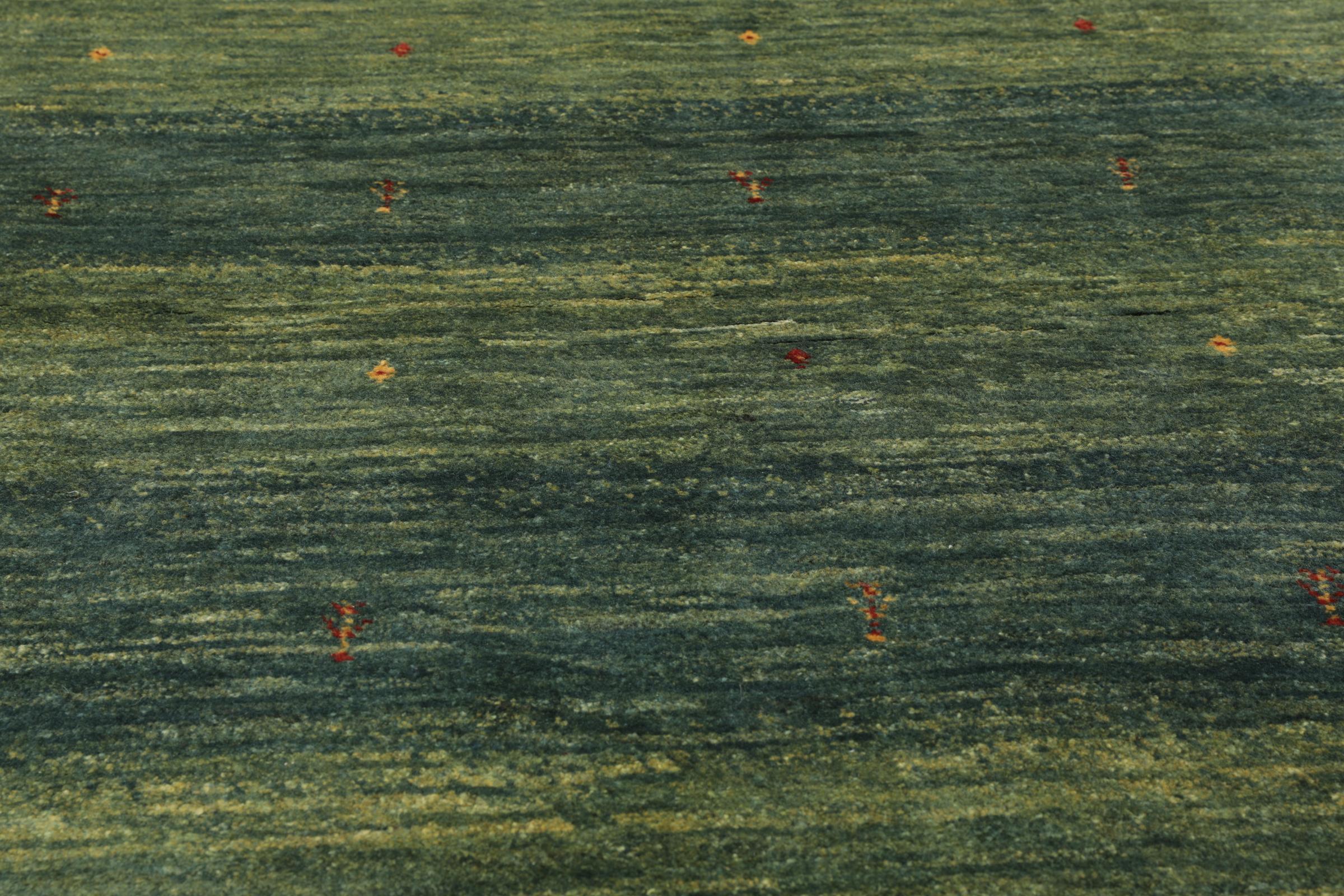
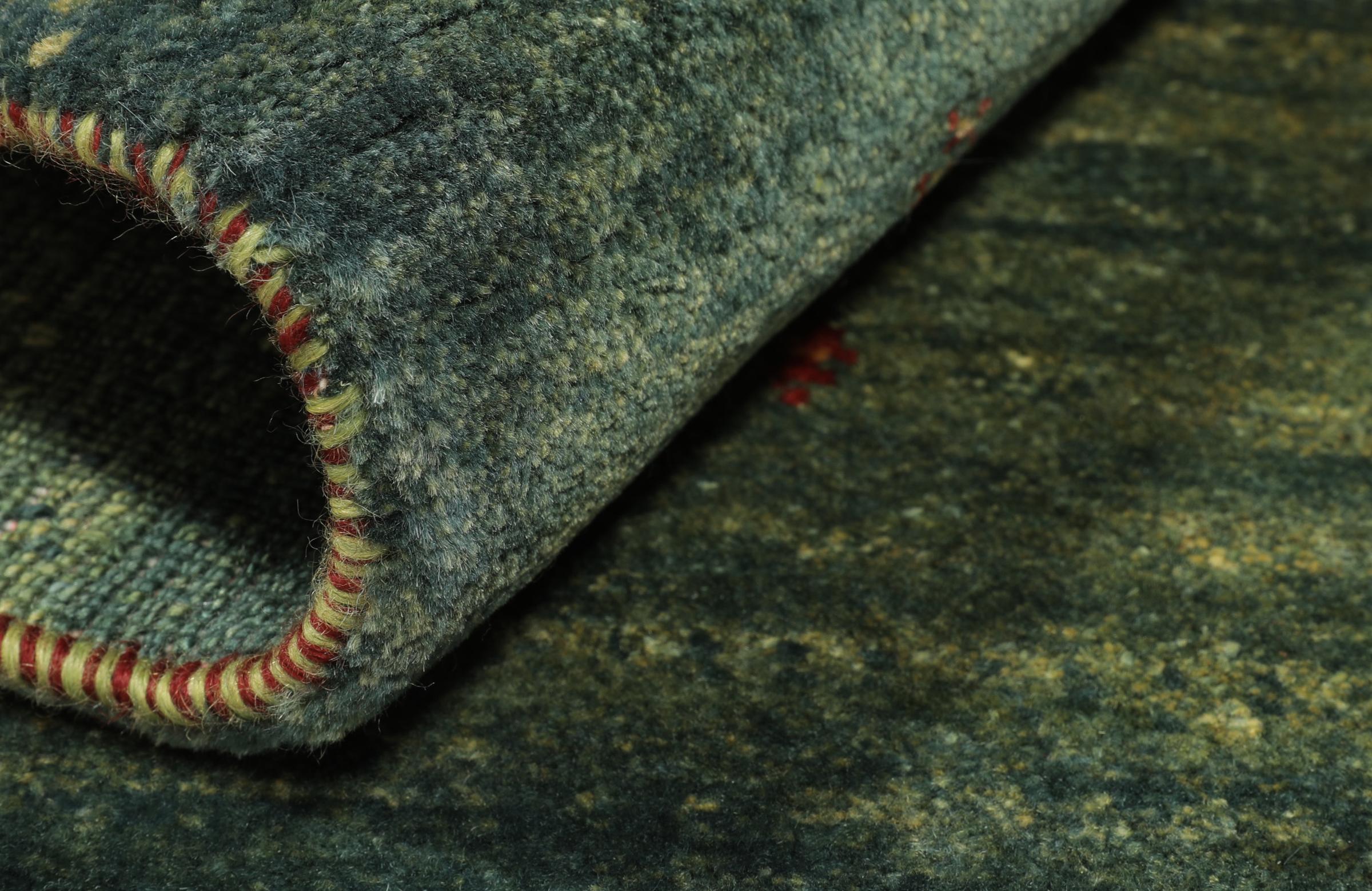
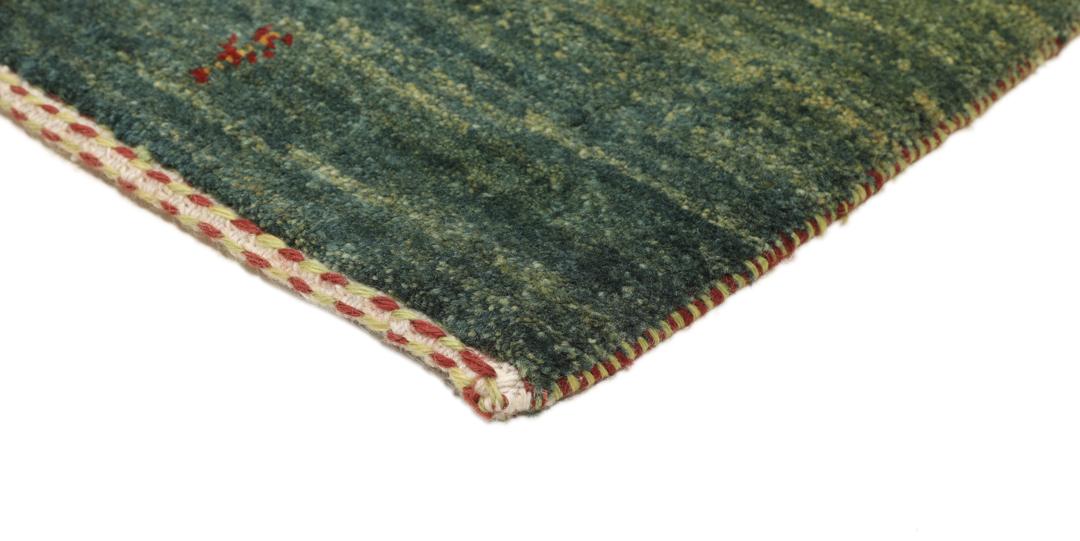
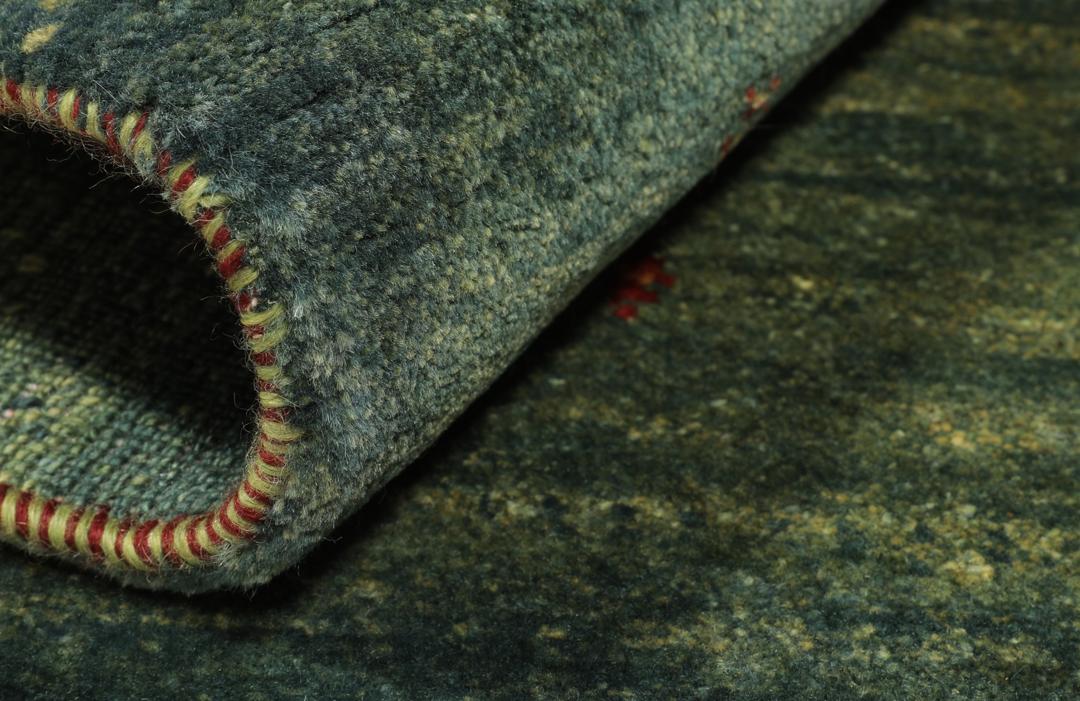
The term Loribaft refers to a specific approach that prioritises a thicker, softer pile while maintaining a refined aesthetic. These rugs are often known for their expressive use of colour and an open, airy composition that allows the natural qualities of the wool to shine. The technique focuses on creating a lush, inviting surface that feels substantial and luxurious underfoot.
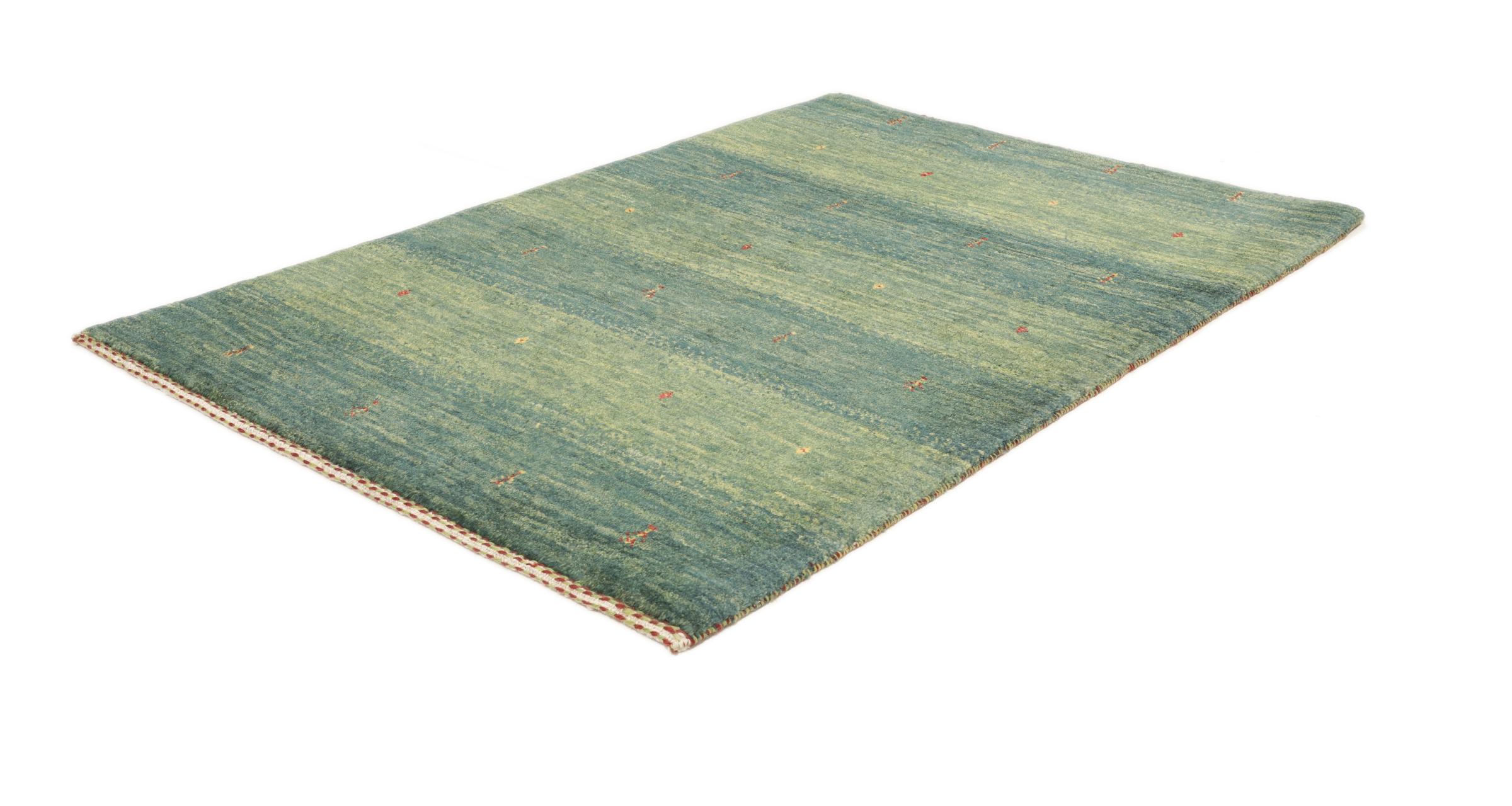
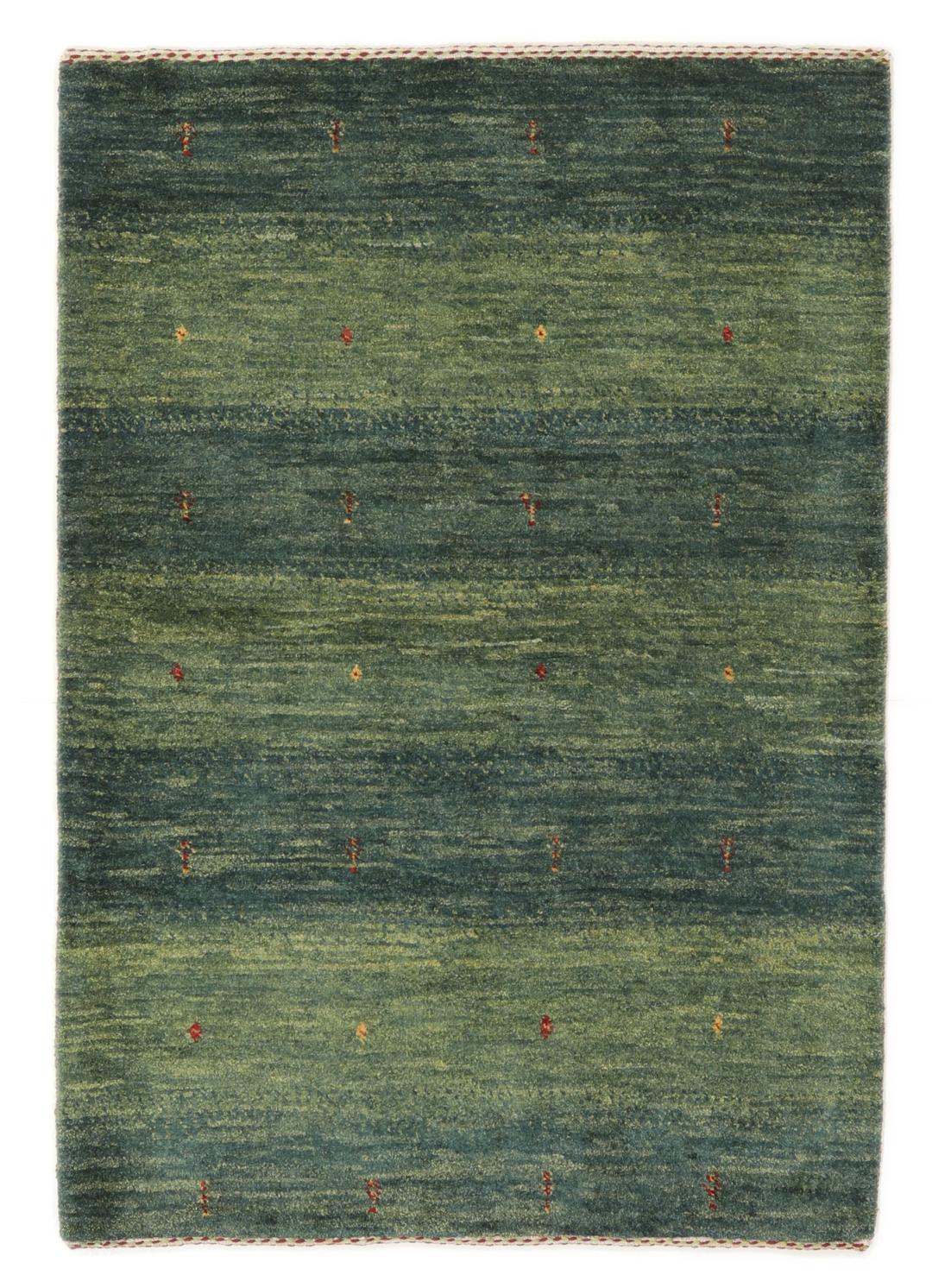
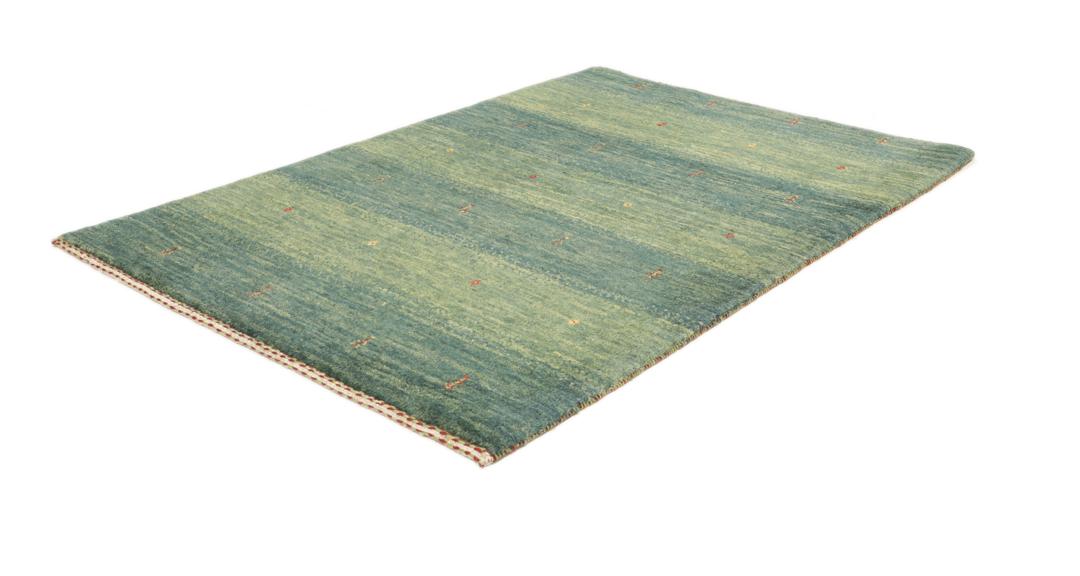
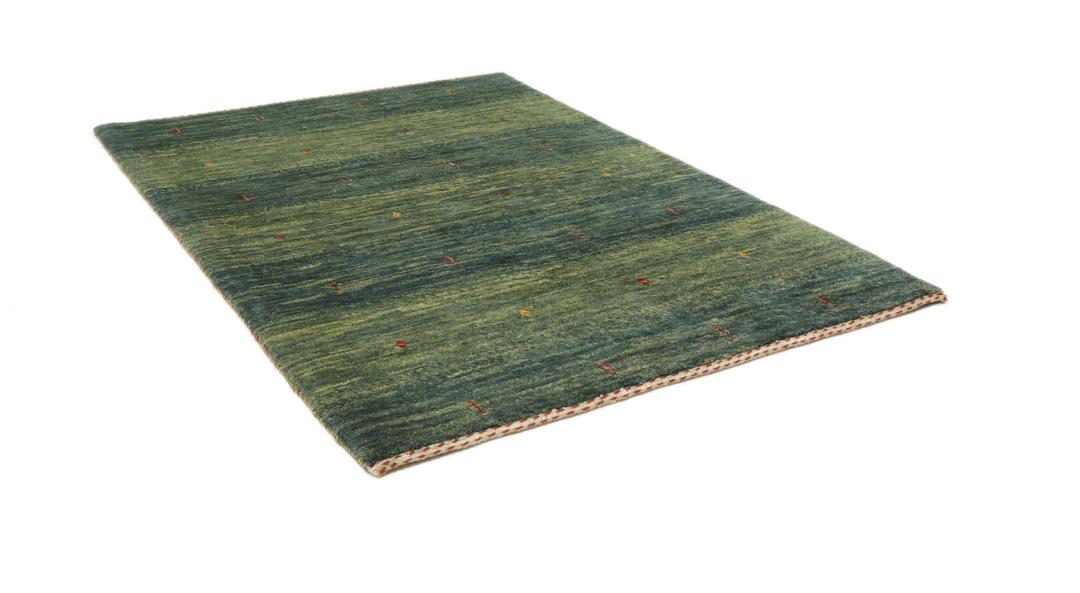
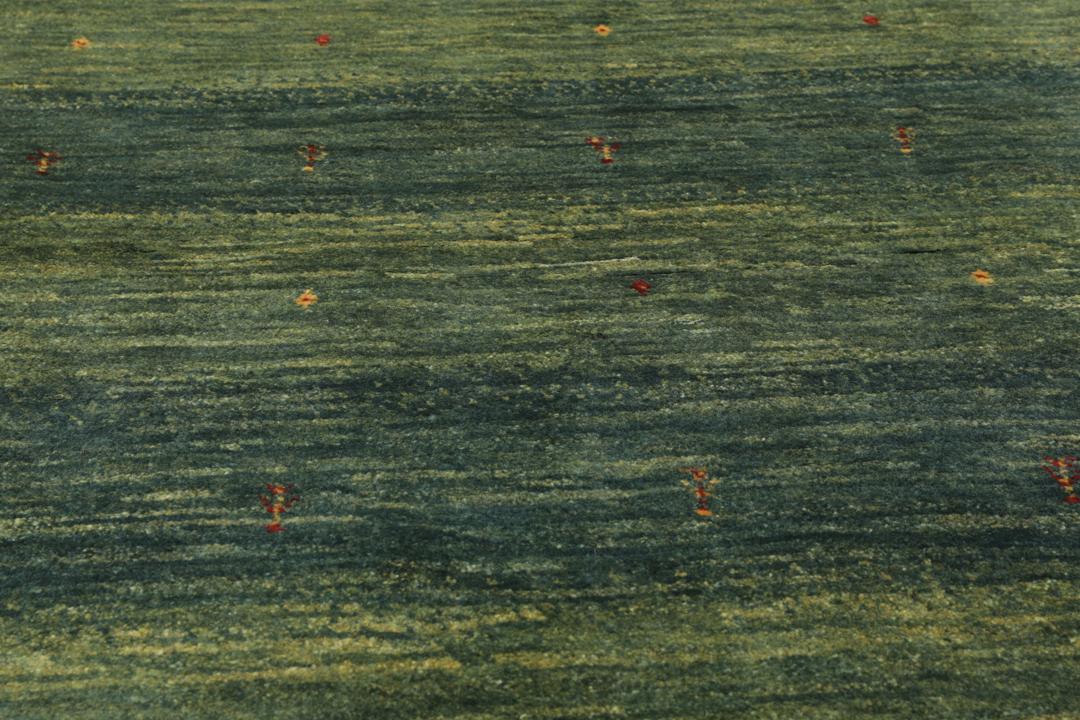
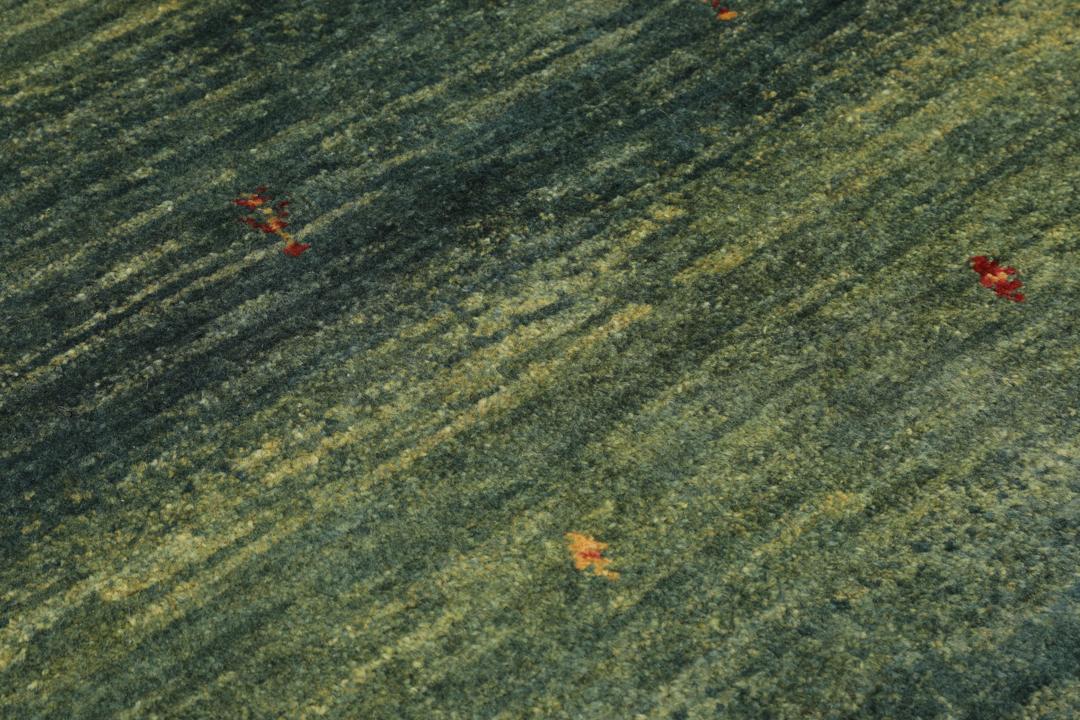
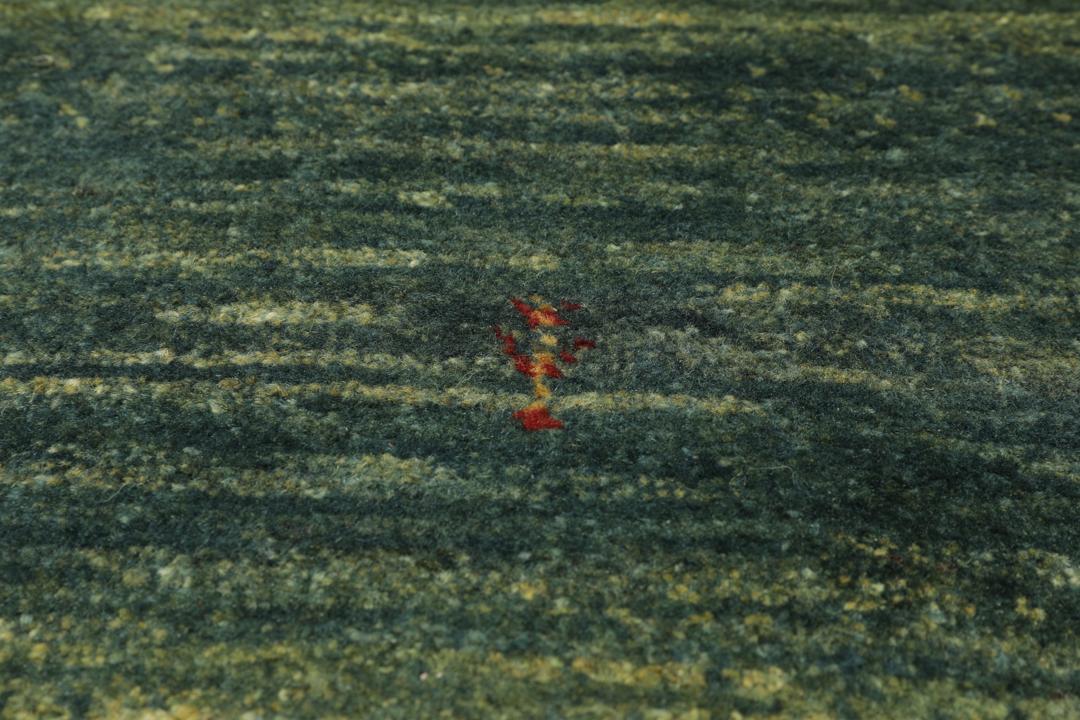
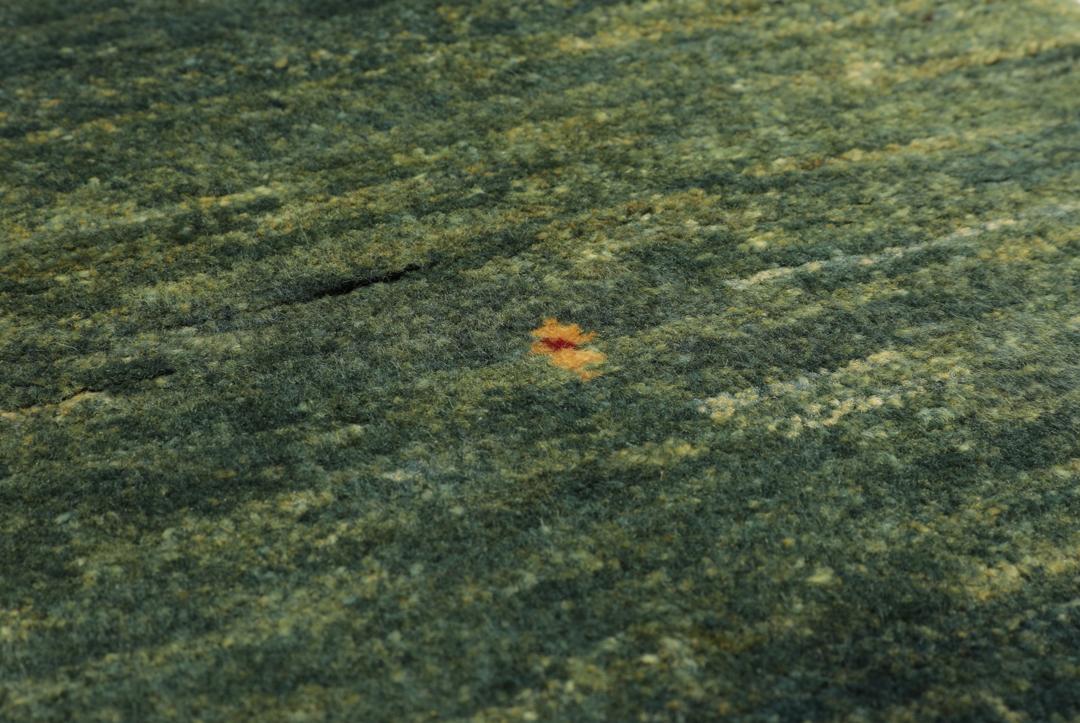
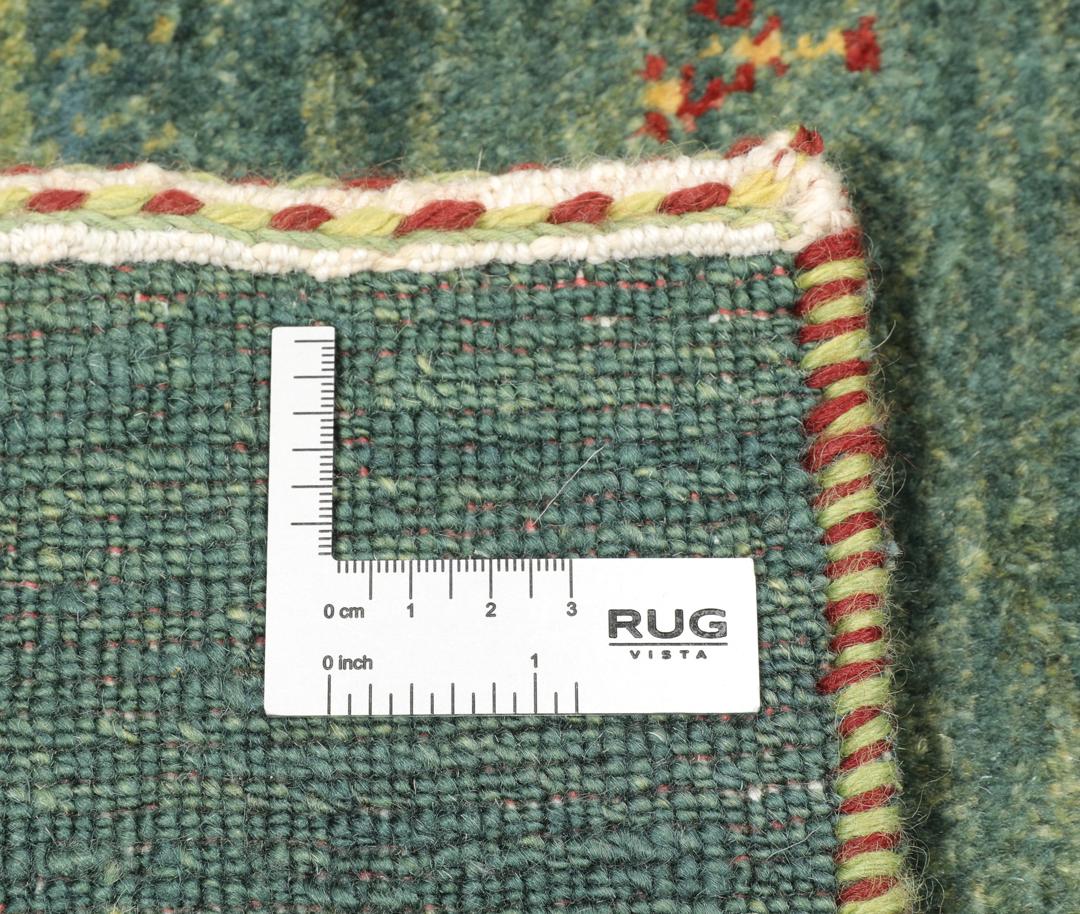
Signature design elements for this tradition often include a relatively minimalist field, sometimes featuring subtle, repeating motifs or simple geometric accents. In this specific piece, the use of a rich green palette, reminiscent of natural landscapes, is complemented by small, intentional details that add a sense of rhythm and interest. This design language is intended to be soothing and harmonious, fitting seamlessly into a variety of spaces.
Owning a piece from this tradition is an act of preserving a long-standing craft. These rugs are highly valued by collectors and enthusiasts who appreciate the human element in every design choice. By choosing a hand-knotted rug, you are supporting a legacy of skill and cultural expression that values slow, deliberate work over the speed of modern manufacturing.