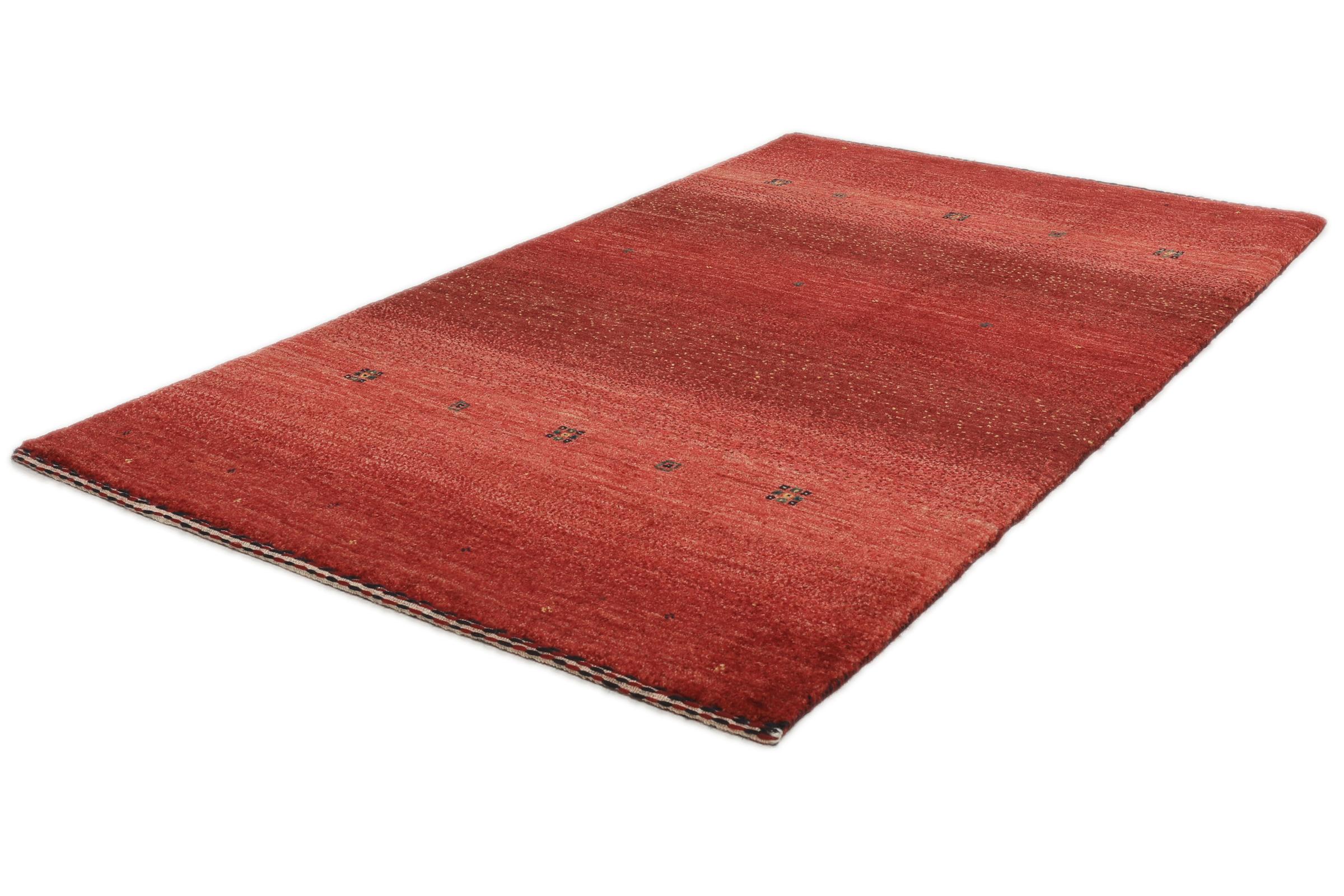
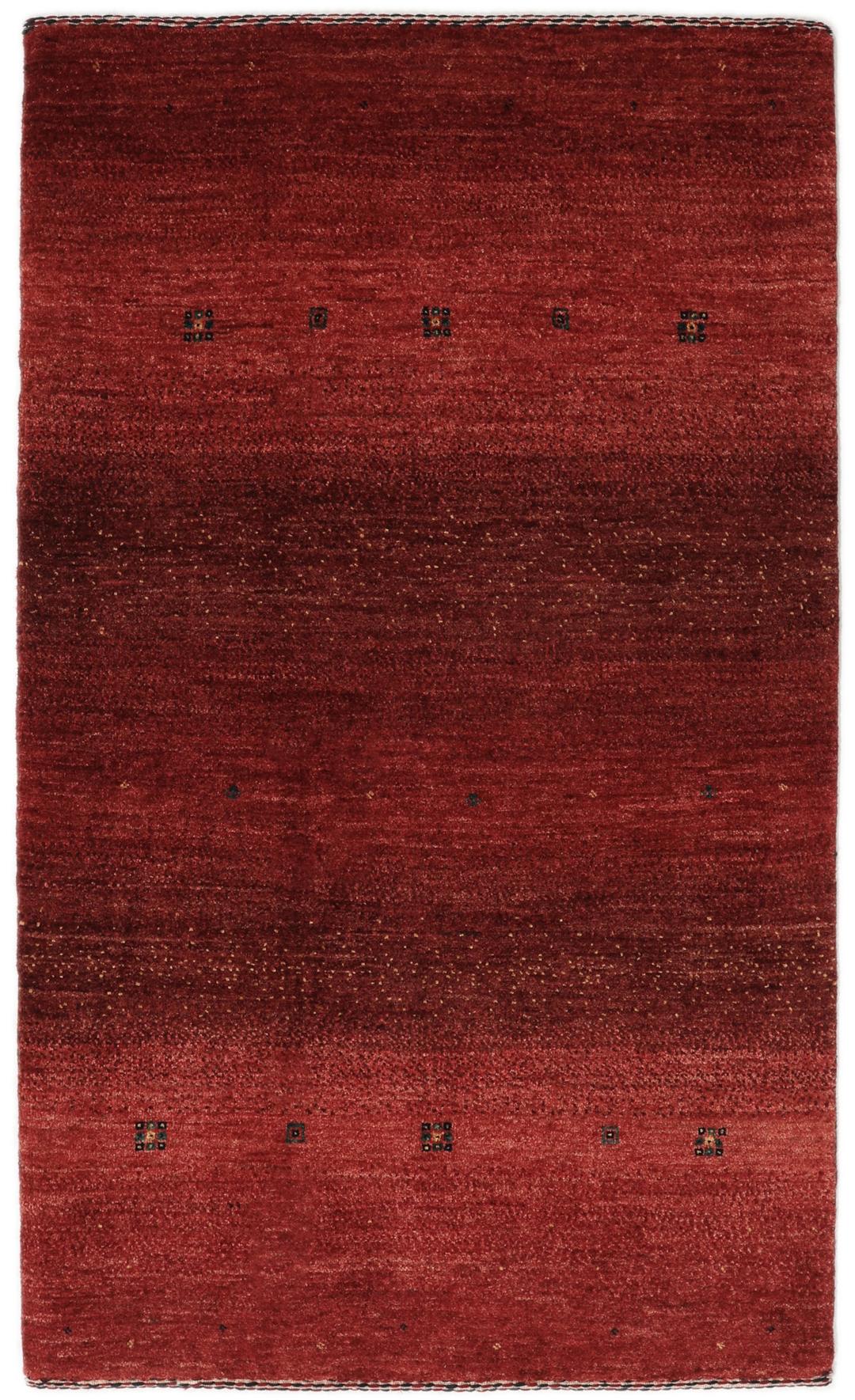
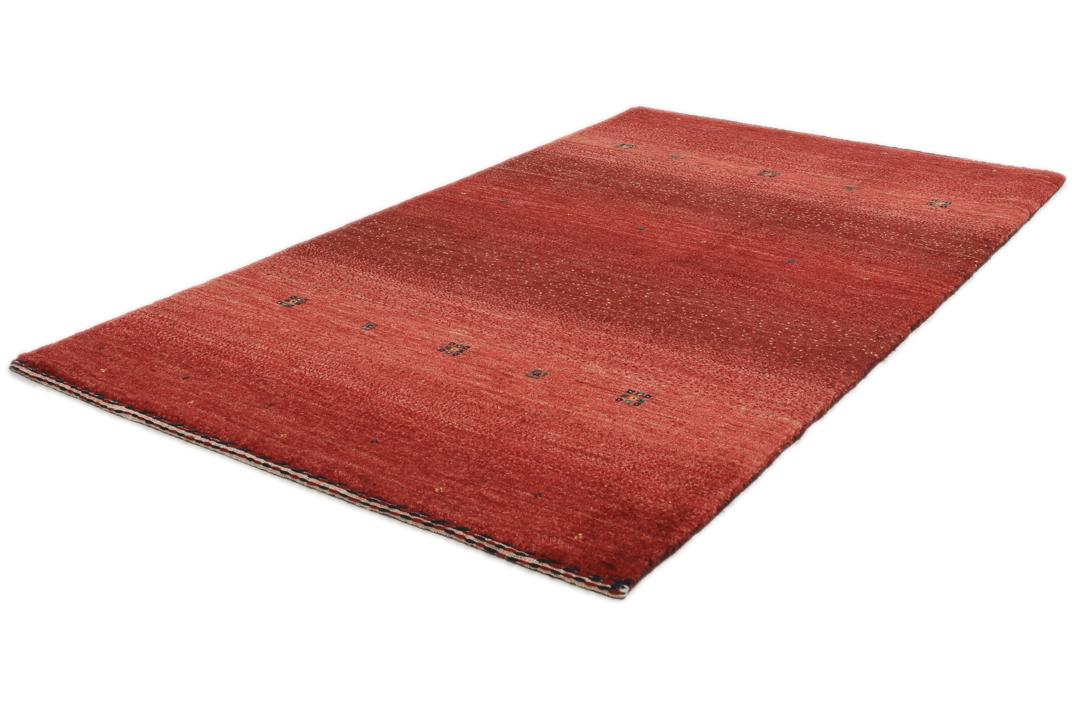
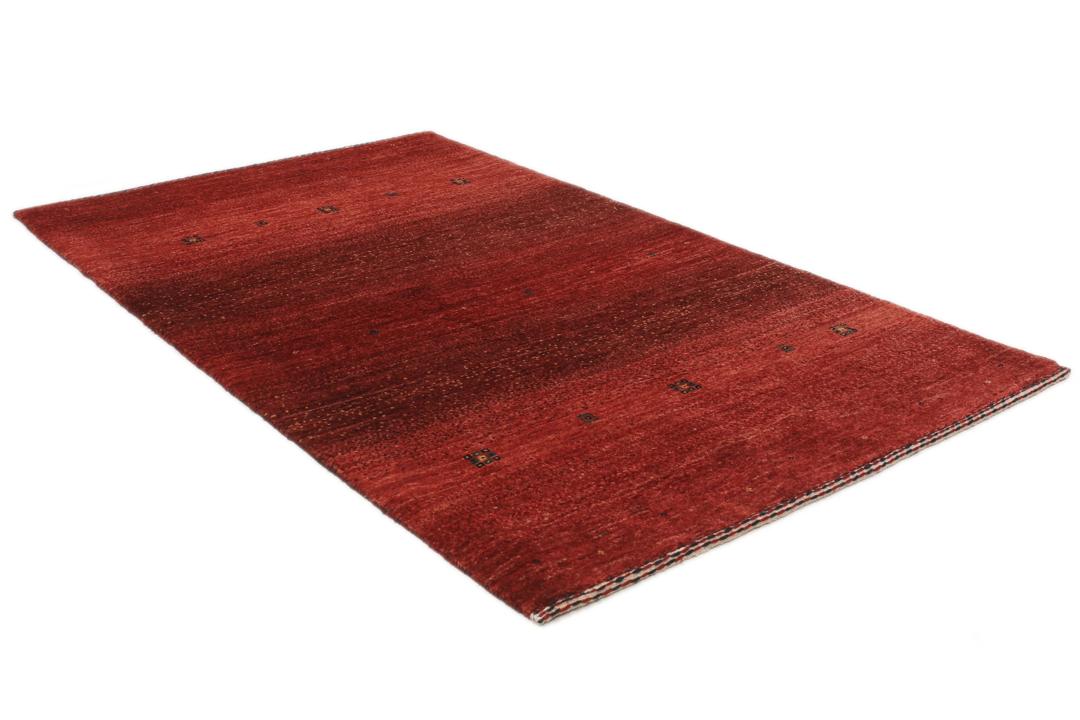
Loribaft rugs, often closely associated with Kashkooli styles, represent a fascinating evolution in the weaving traditions of the Middle East. These rugs are traditionally associated with the nomadic tribes who have traversed the rugged landscapes of the region for generations. Over time, these weaving practices migrated from purely functional nomadic floor coverings into a refined artistic tradition that is celebrated worldwide for its vibrancy and character.
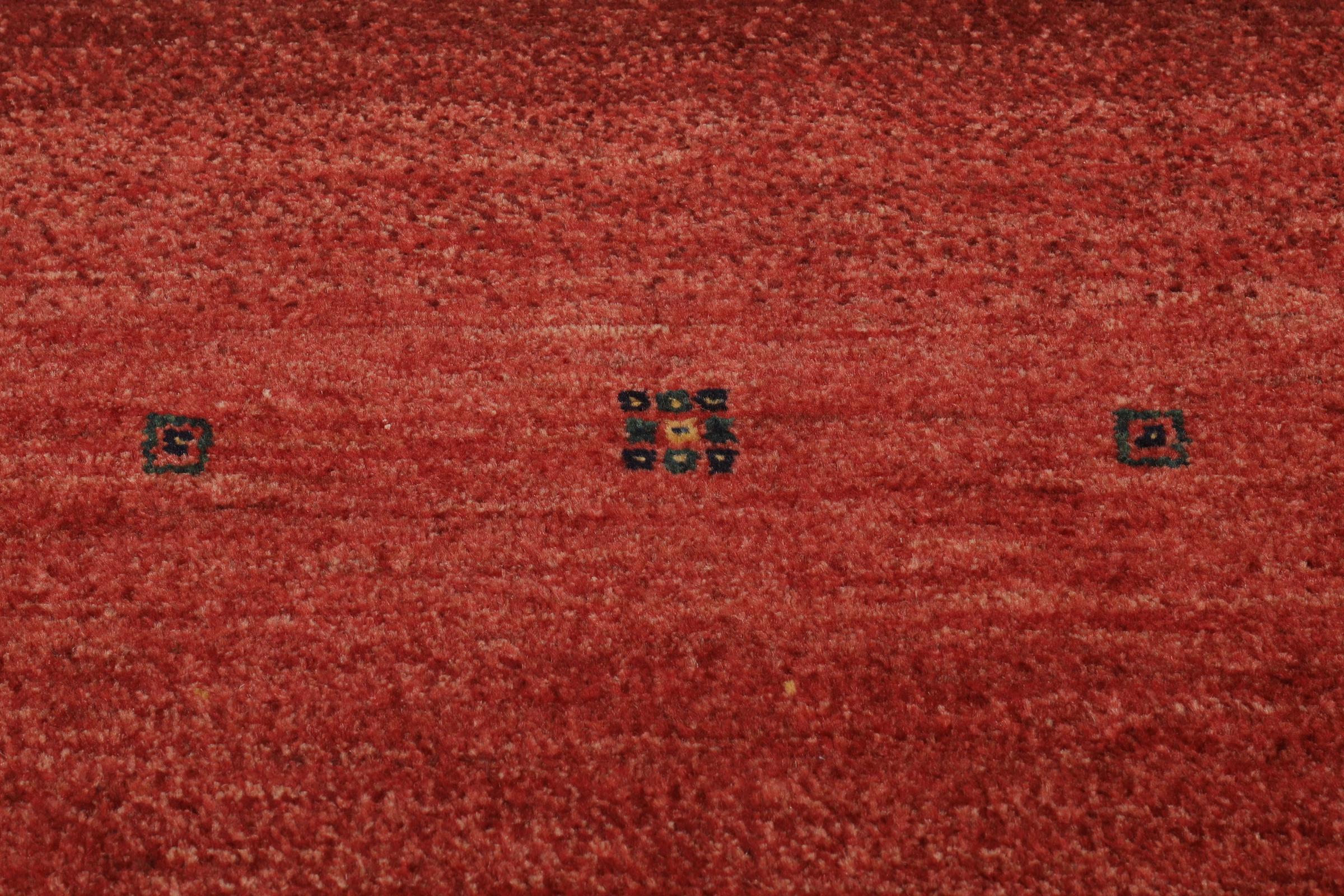
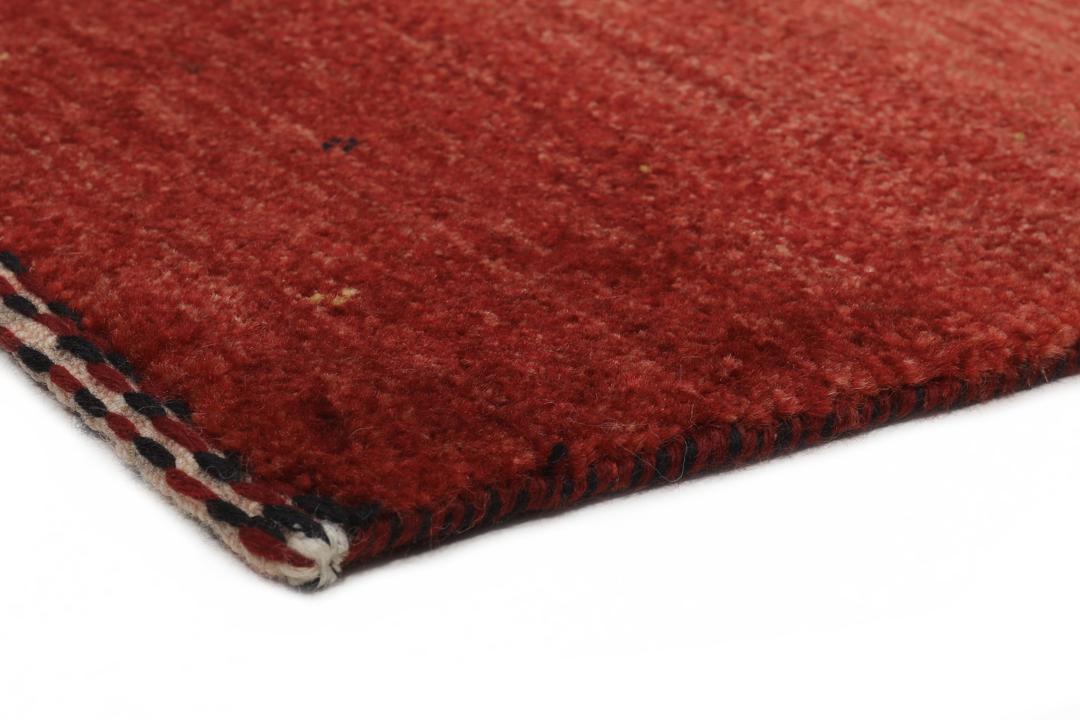
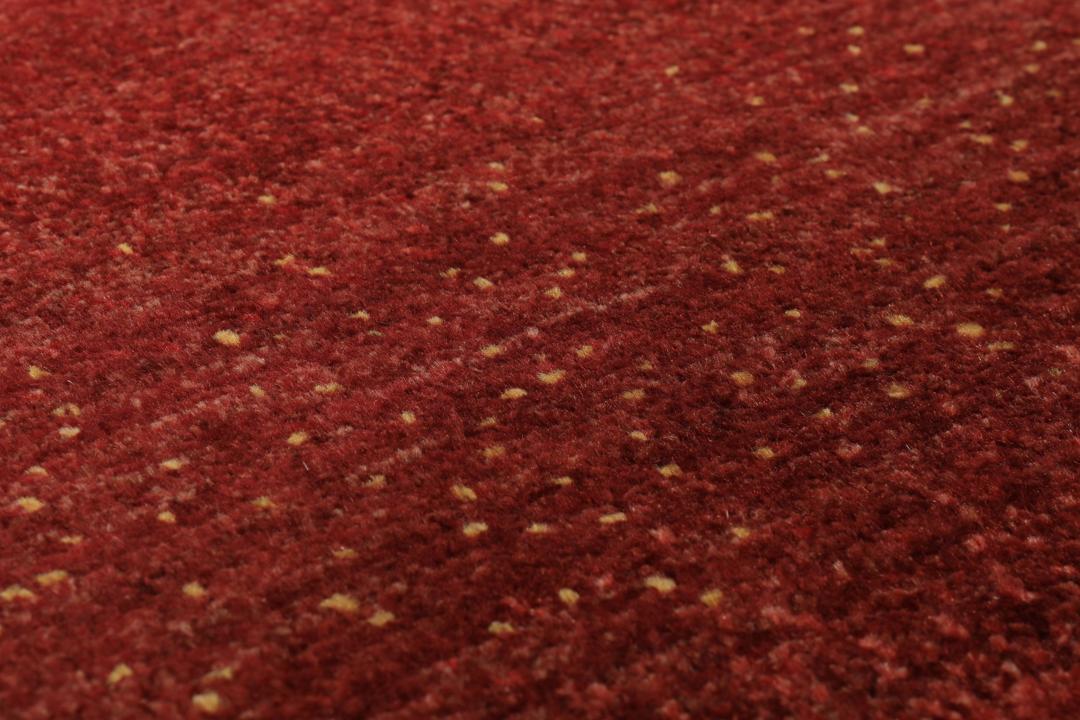
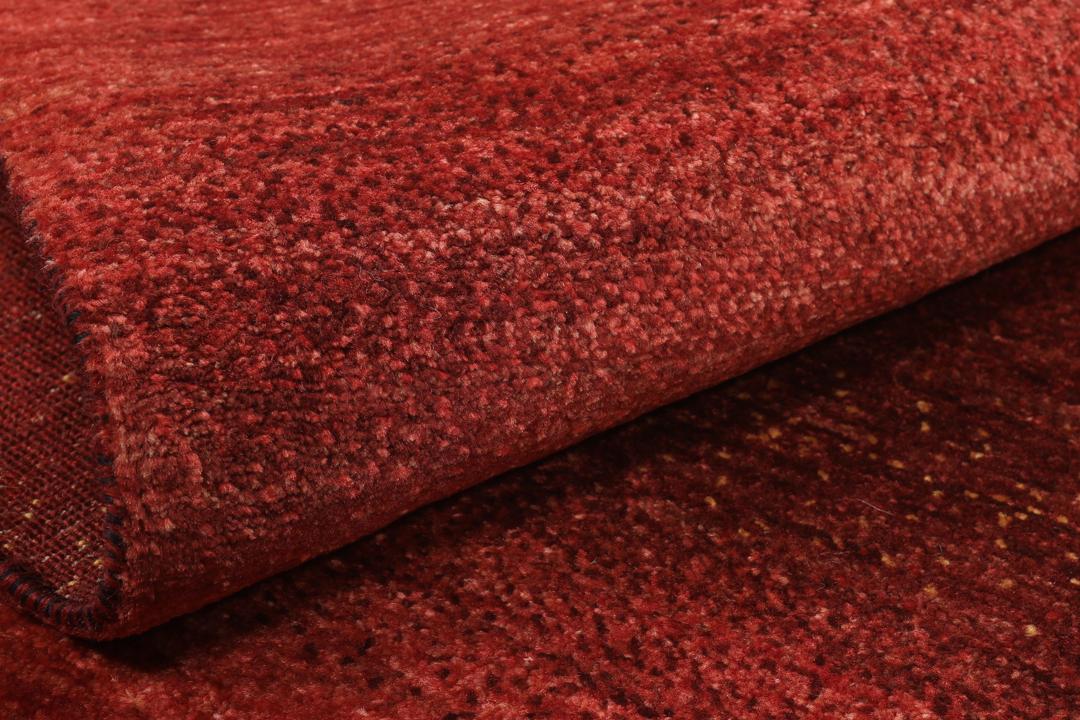
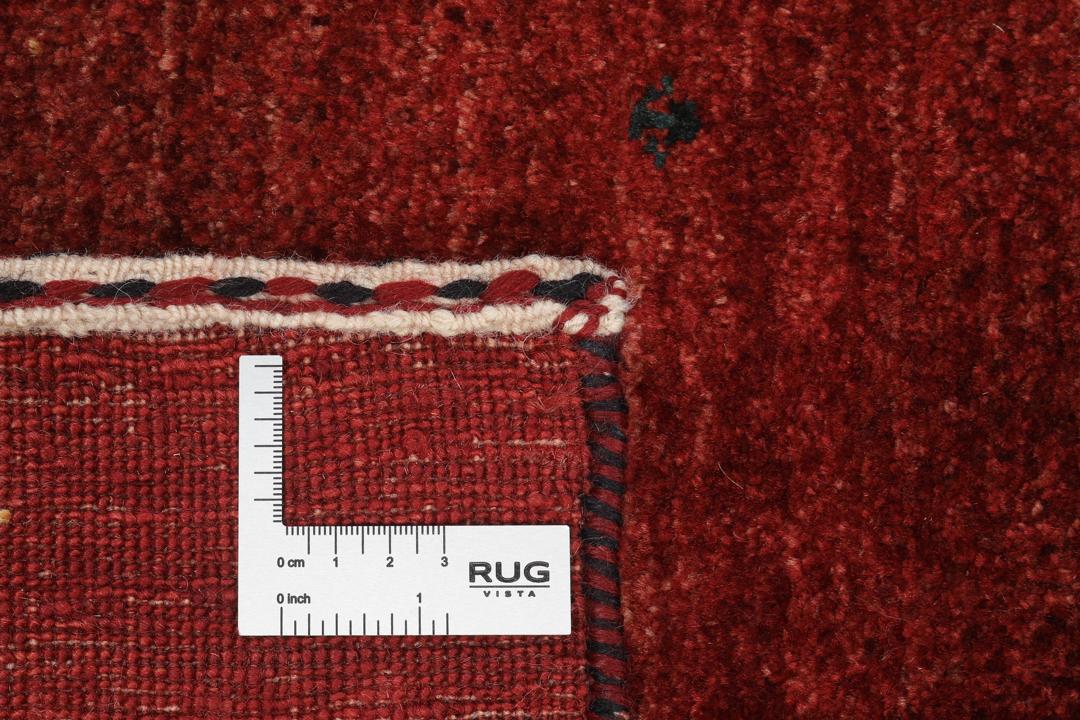
The term 'Loribaft' refers to a specific style of weaving that emphasises the raw, natural beauty of the wool. These rugs are known for their thicker, more plush pile, which provides a level of comfort and warmth that is highly prized. This construction technique focuses on creating a robust and resilient surface, ensuring that the rug can withstand the demands of daily use while maintaining its soft, inviting texture.
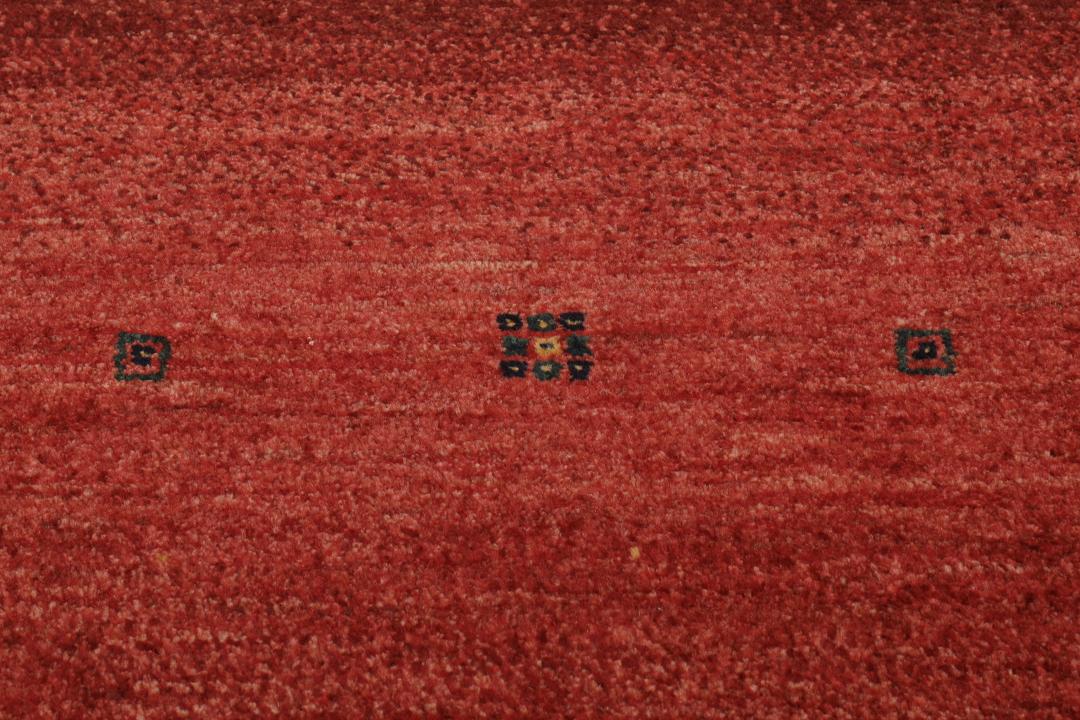
Visually, these rugs are often defined by their deep, rich colour palettes and sparse, stylised motifs. Unlike more formal, crowded designs, the Loribaft style often celebrates the negative space of the field, allowing the natural lustre of the wool to shine. When decorative elements are present, they are usually geometric or small, symbolic representations of the landscape or tribal identity, rendered in a way that feels both modern and deeply traditional.
Owning a piece from this tradition is an act of supporting a long-standing cultural heritage. These rugs are valued not just for their appearance, but for the skill and patience required to create them. Collectors and interior enthusiasts alike treasure these rugs because they represent a direct connection to a human craft that has remained largely unchanged for centuries, offering a sense of history and permanence in a modern home.