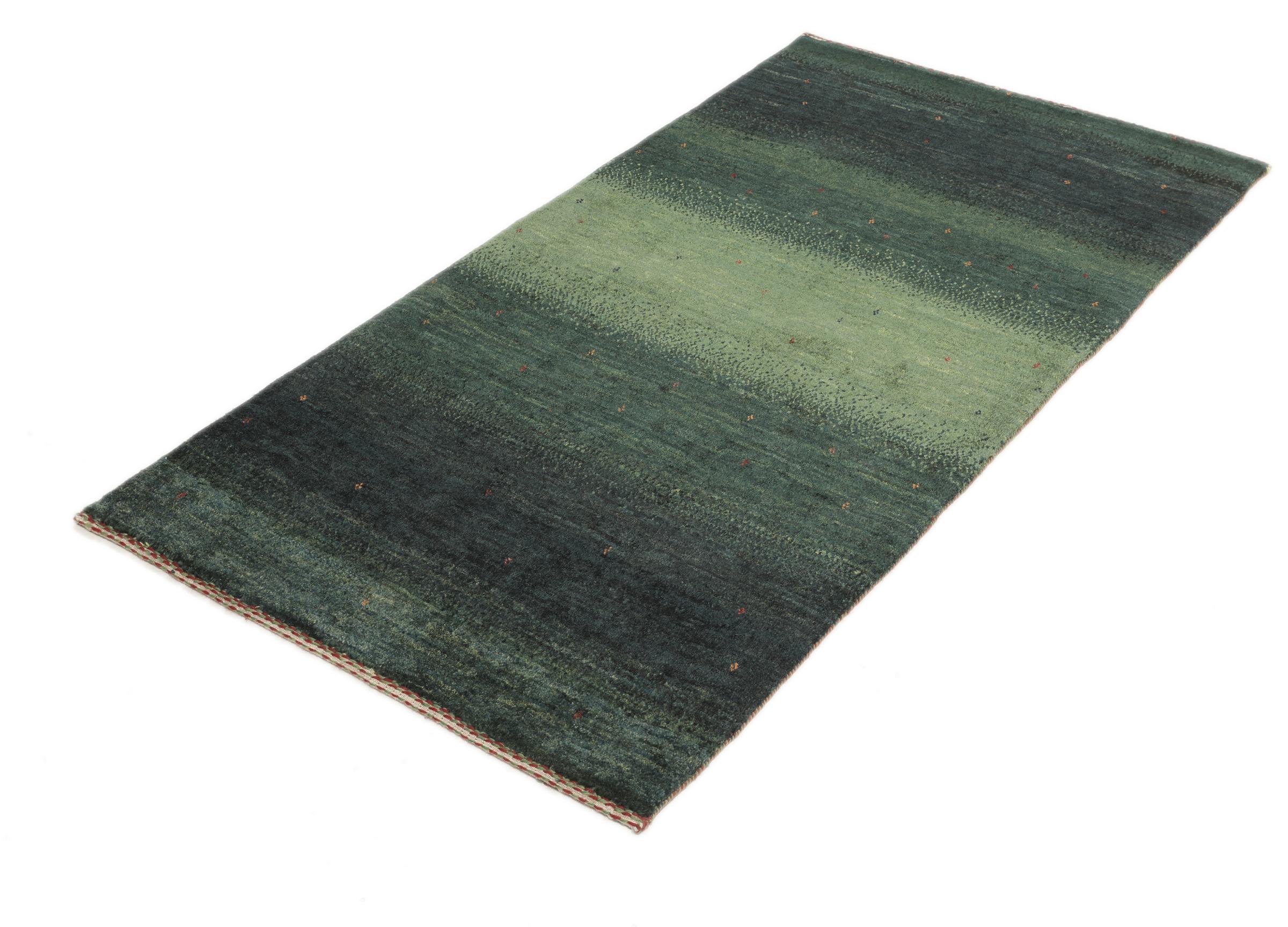
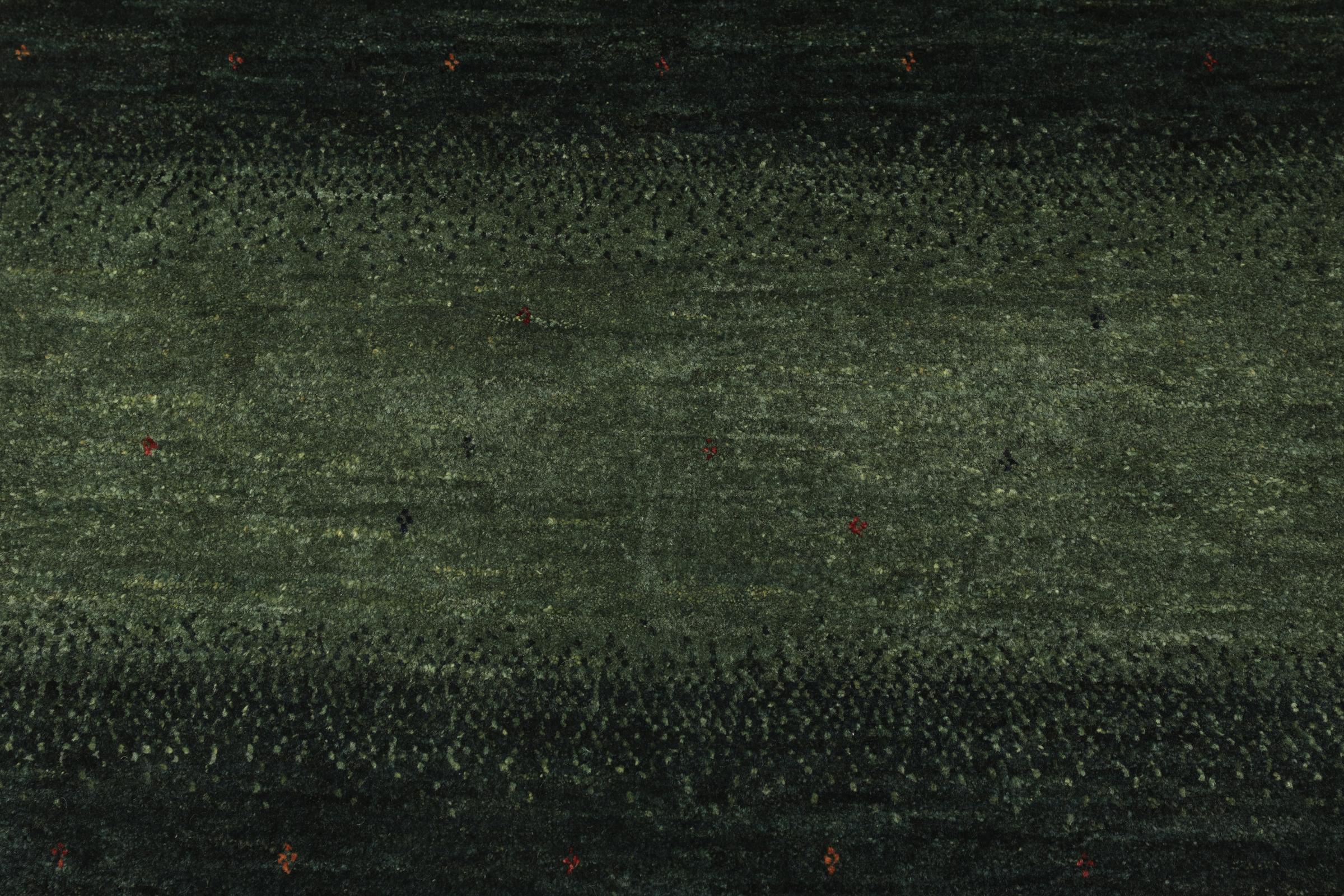
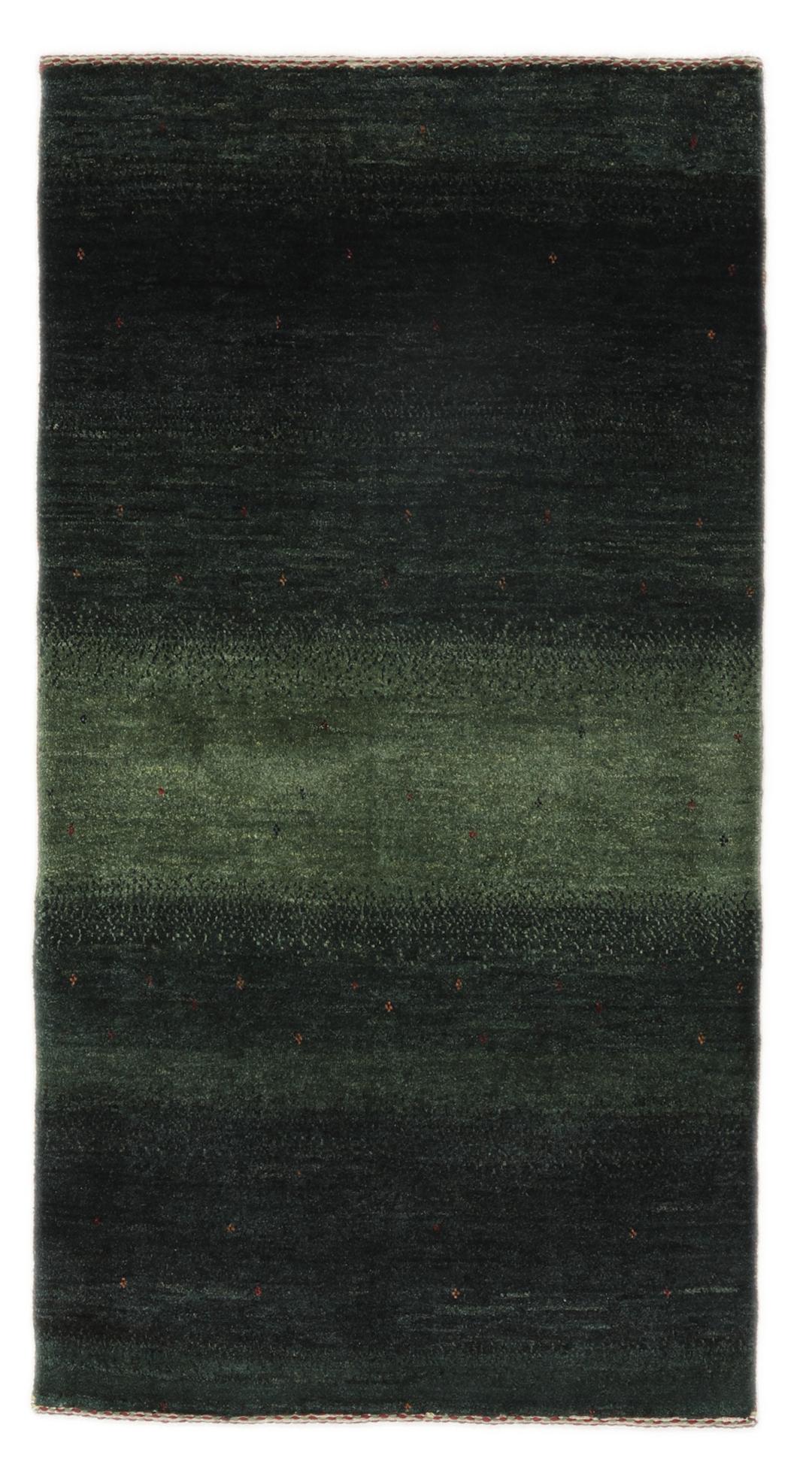
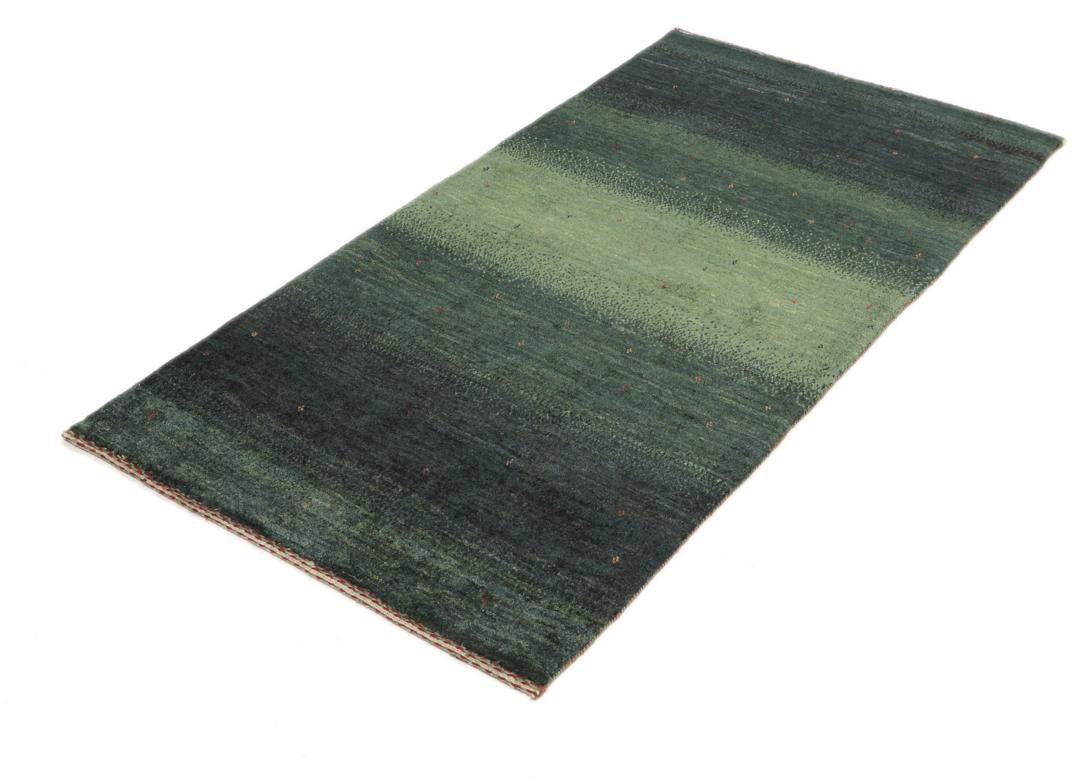
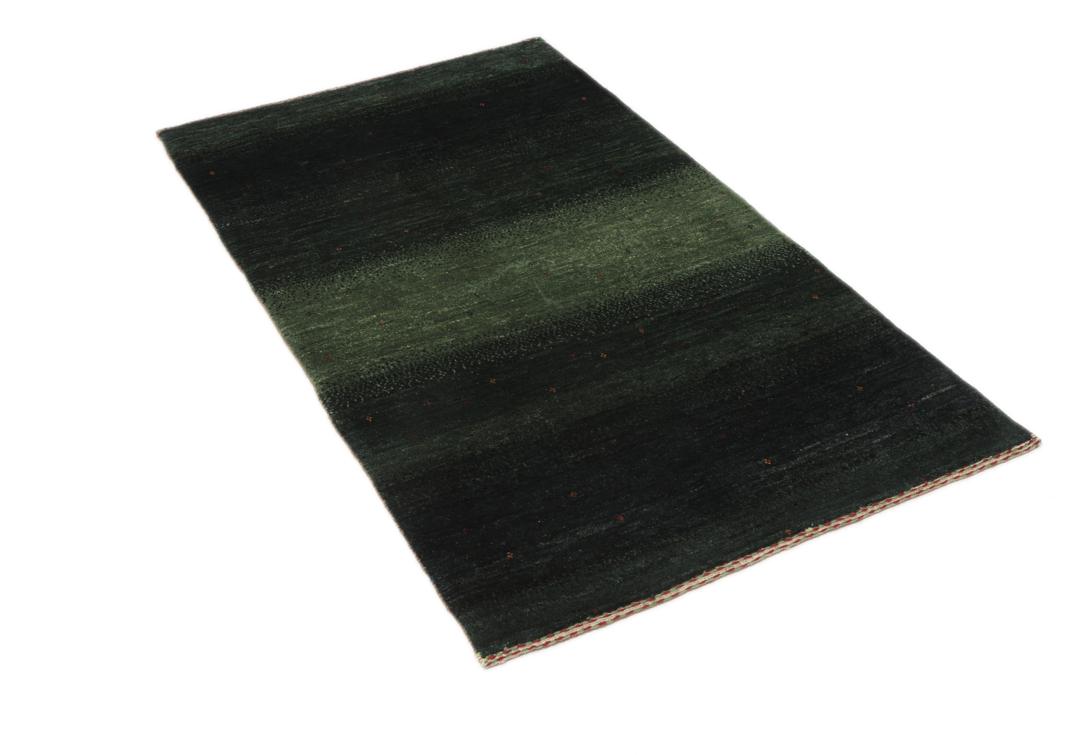
Loribaft rugs are deeply connected to the nomadic traditions of the Middle Eastern tribes, particularly the Luri and Qashqai peoples. These rugs were historically crafted to serve as essential, durable floor coverings for tents, designed to withstand the harsh conditions of life in the mountains and plains. Over generations, these weaving practices have evolved, moving from purely functional tent textiles to highly sought-after decorative pieces that are prized for their artistic expression.
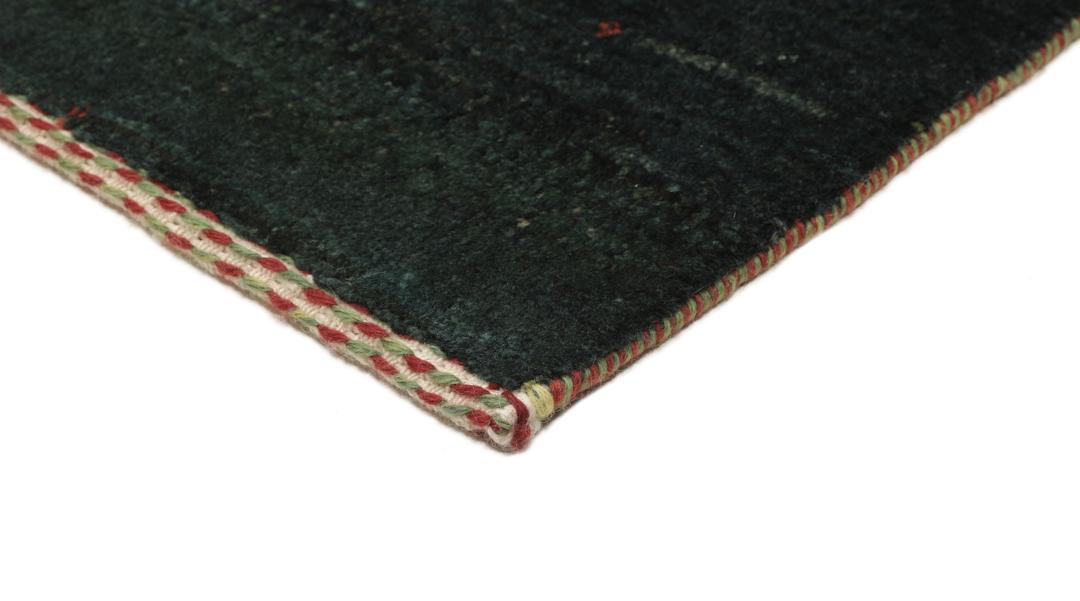
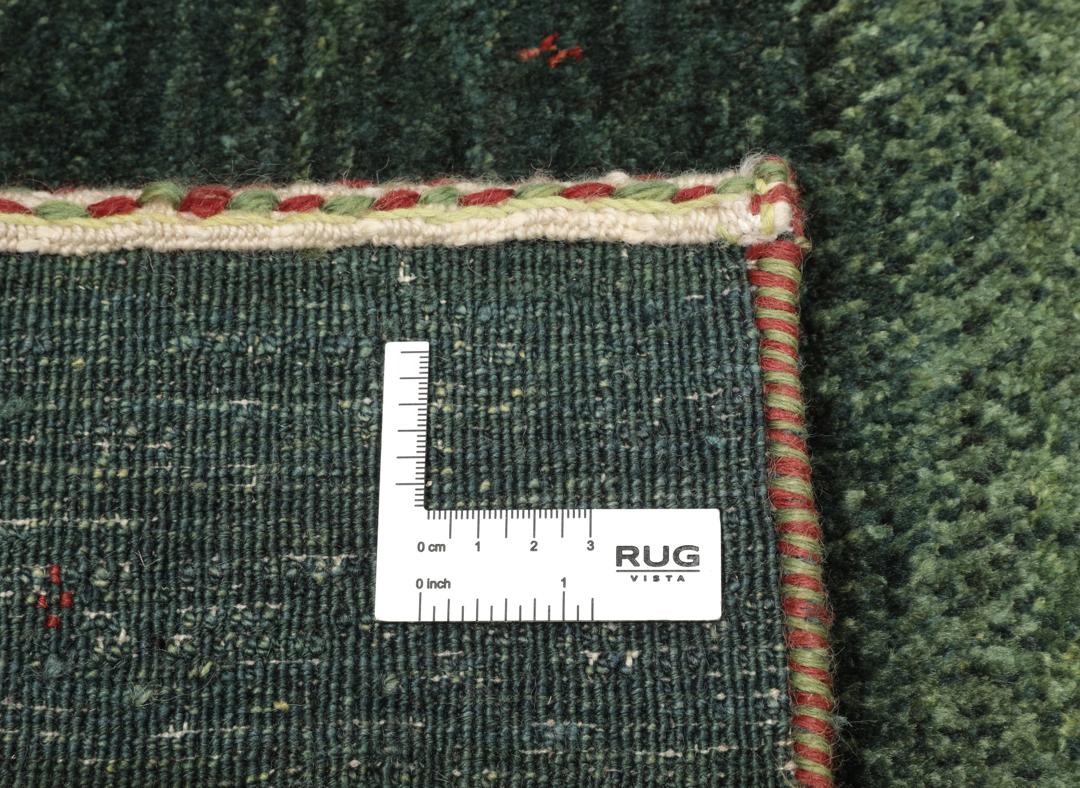
The term 'Kashkooli' often refers to a specific, finer grade of weaving within the broader Loribaft tradition. This classification signals a higher level of detail and a more refined finish compared to traditional tribal rugs. By using more slender yarn and tighter weaving techniques, these rugs achieve a more polished appearance while retaining the raw, earthy charm that defines the style. This balance of refinement and tradition is what makes them so enduringly popular.
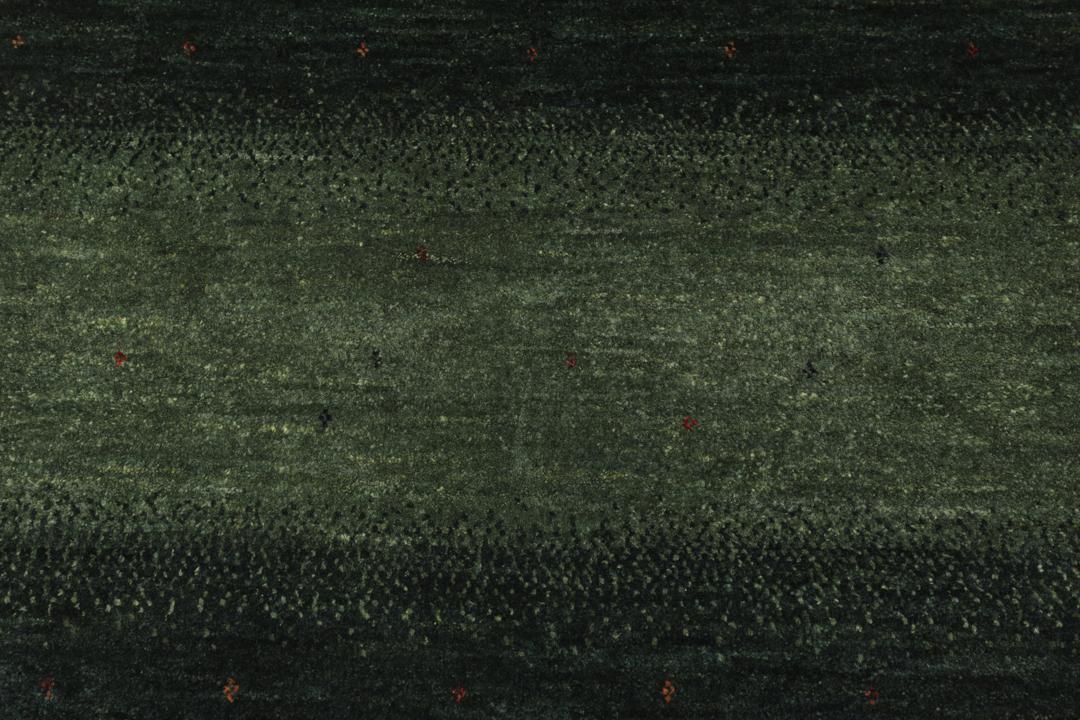
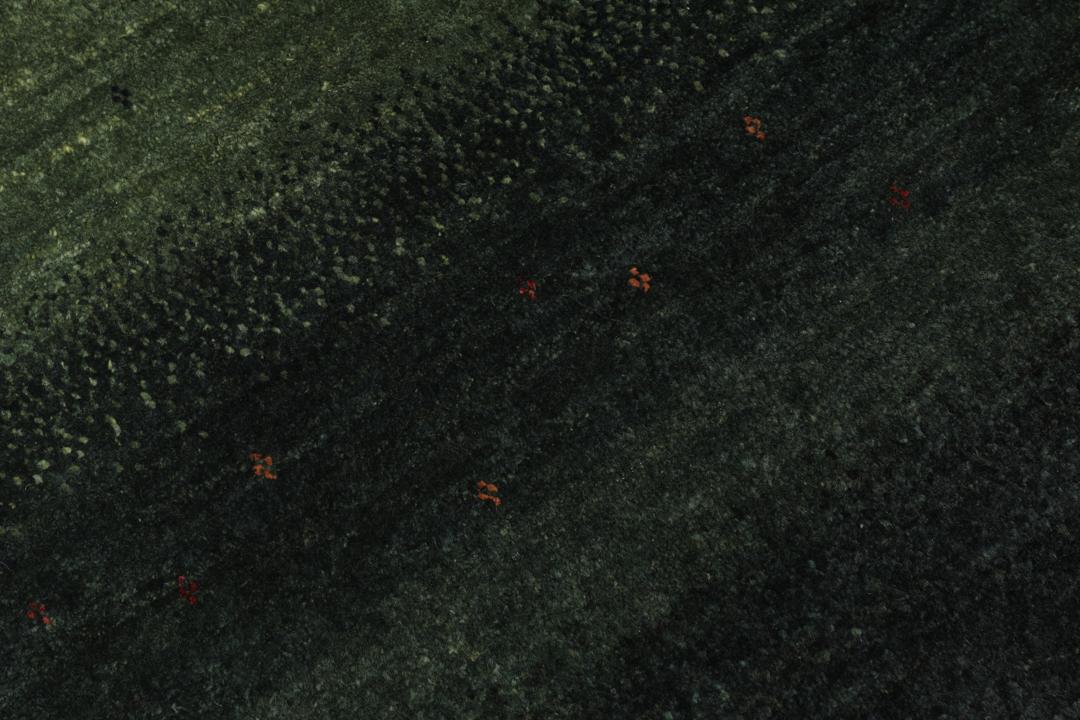
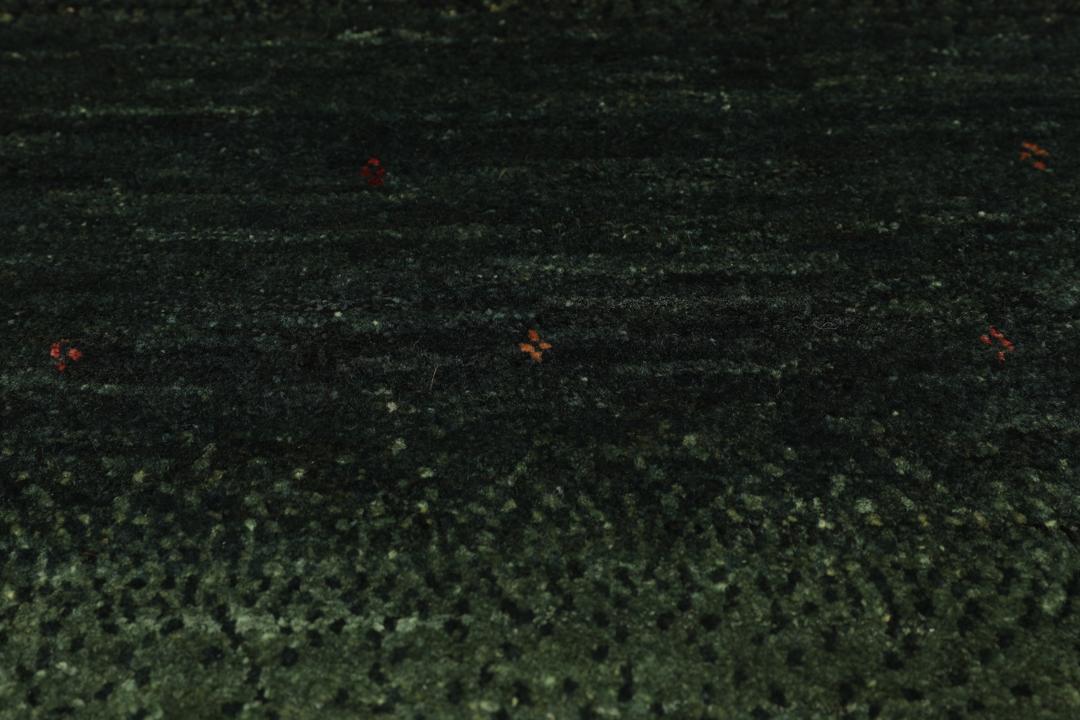
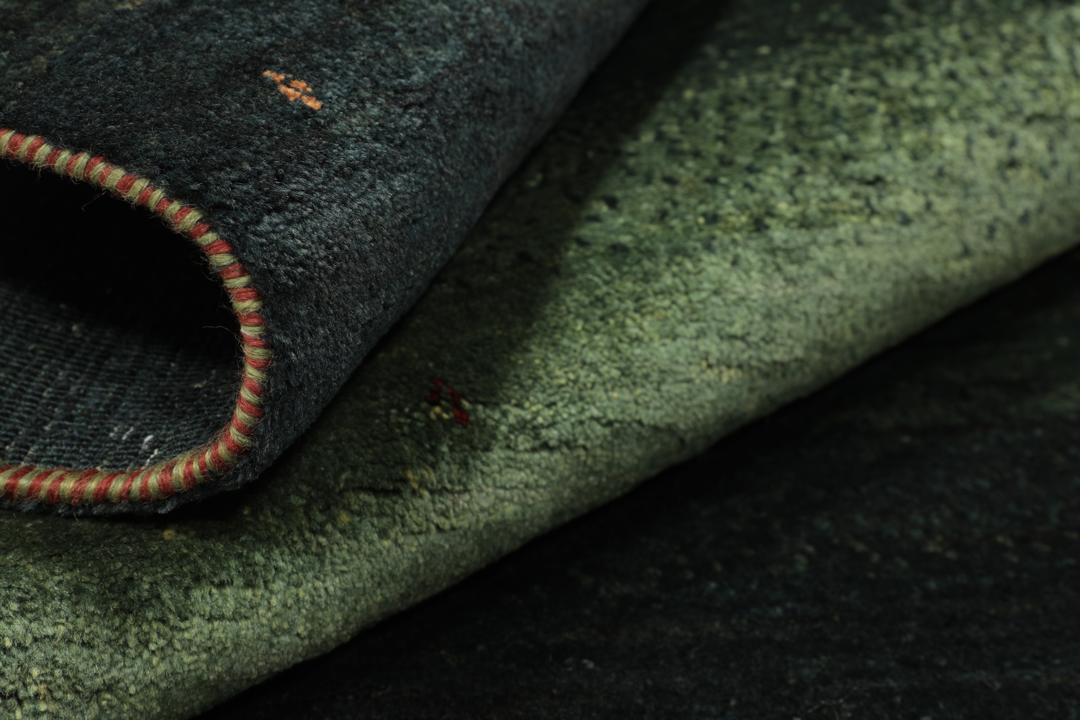
Signature elements of this tradition include the use of bold, saturated colours derived from natural dyes and a design language that is often minimalist compared to more formal, city-based rug traditions. While many rugs from this region feature complex geometric patterns, the Loribaft is celebrated for its focus on open fields, subtle abrash (colour variation), and sparse, artistic motifs. This focus on the beauty of the wool and the depth of the colour palette is a hallmark of the style.
Owning a piece from this tradition is an invitation to appreciate the skill and cultural history of the artisans who created it. These rugs are collected not only for their aesthetic beauty but also for the heritage they represent. When you bring a Loribaft into your home, you are acquiring a piece of history that reflects a centuries-old way of life, grounded in the landscape and the creative spirit of the people who call it home.