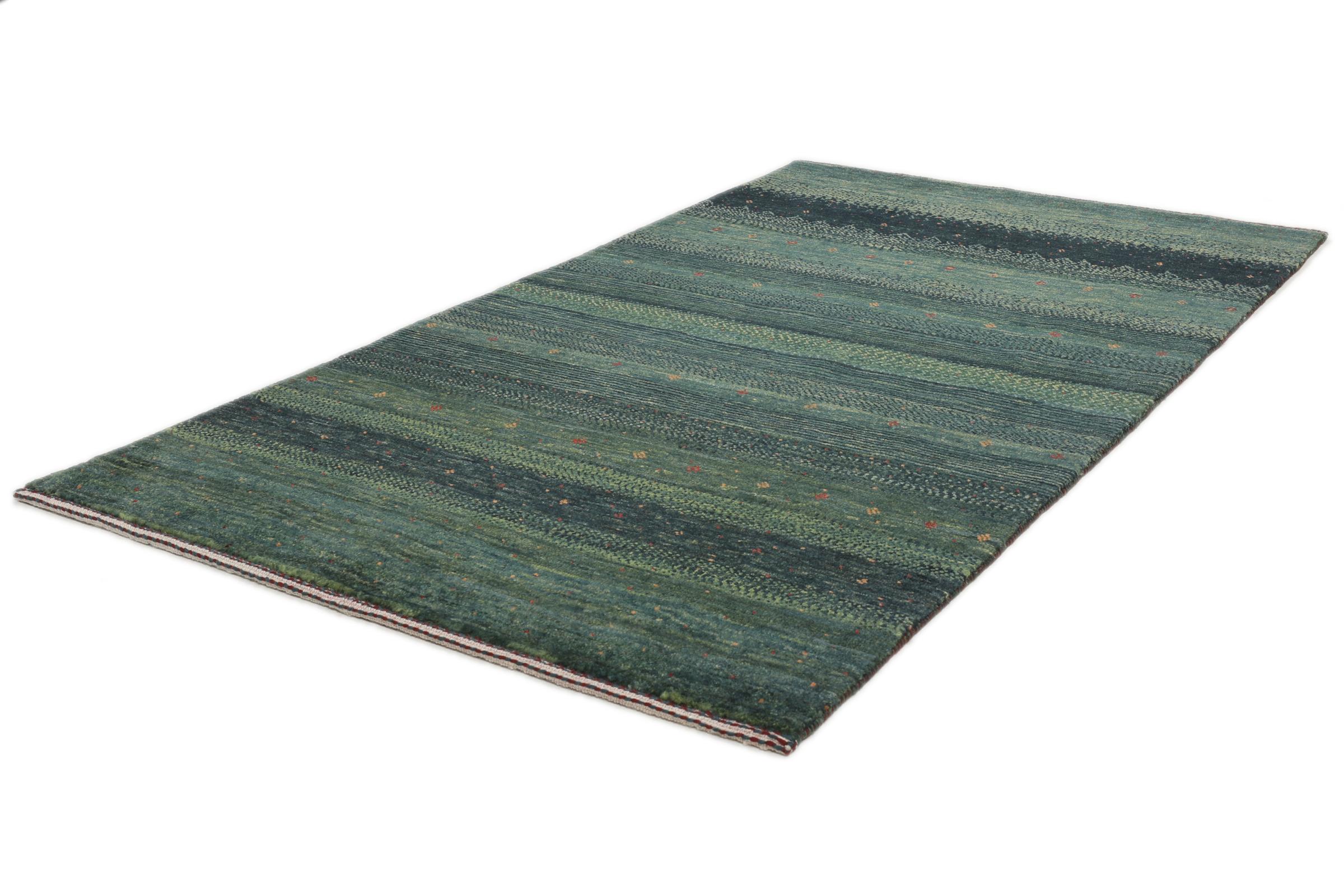
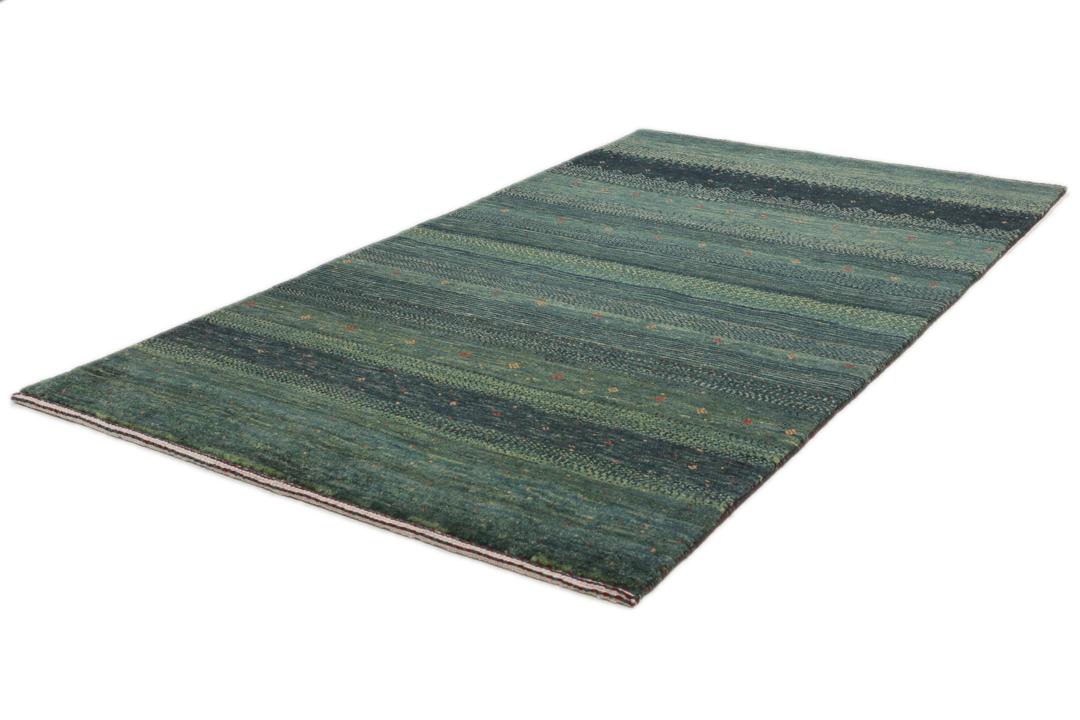
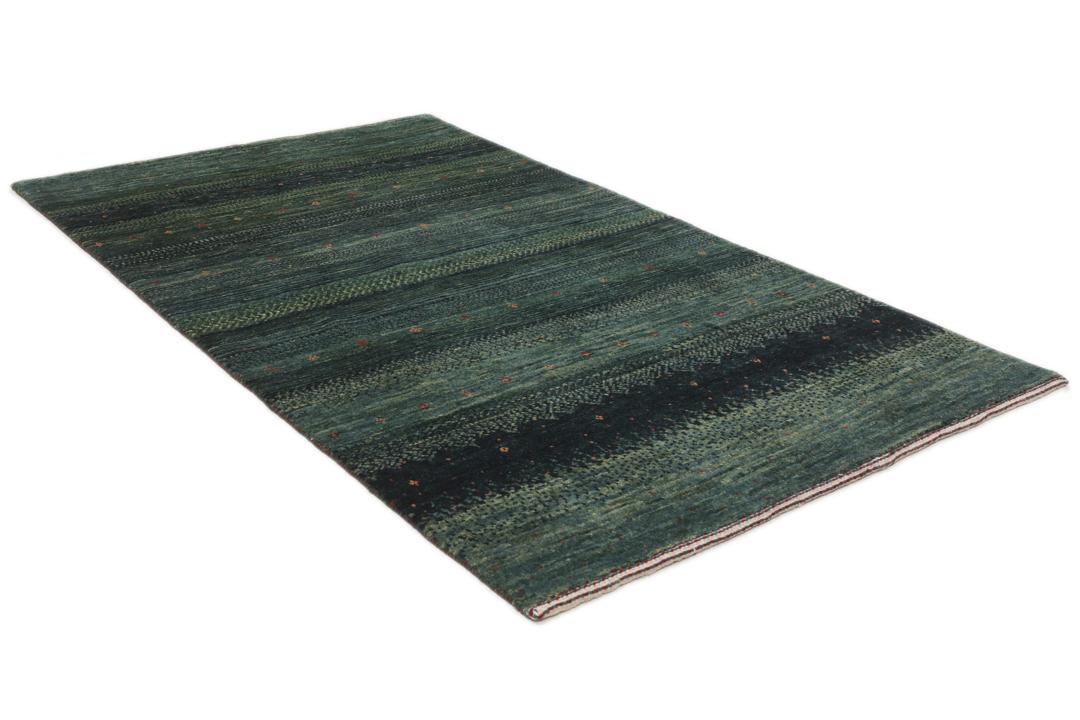
Loribaft rugs are a celebrated tradition rooted in the nomadic cultures of the Middle East. Originally, these rugs were woven by tribal groups who drew inspiration from their natural surroundings, creating designs that were deeply personal and reflective of their environment. Over time, the Loribaft style evolved into a more formalised, sophisticated expression of this tribal heritage, known for its thick, soft, and durable pile.
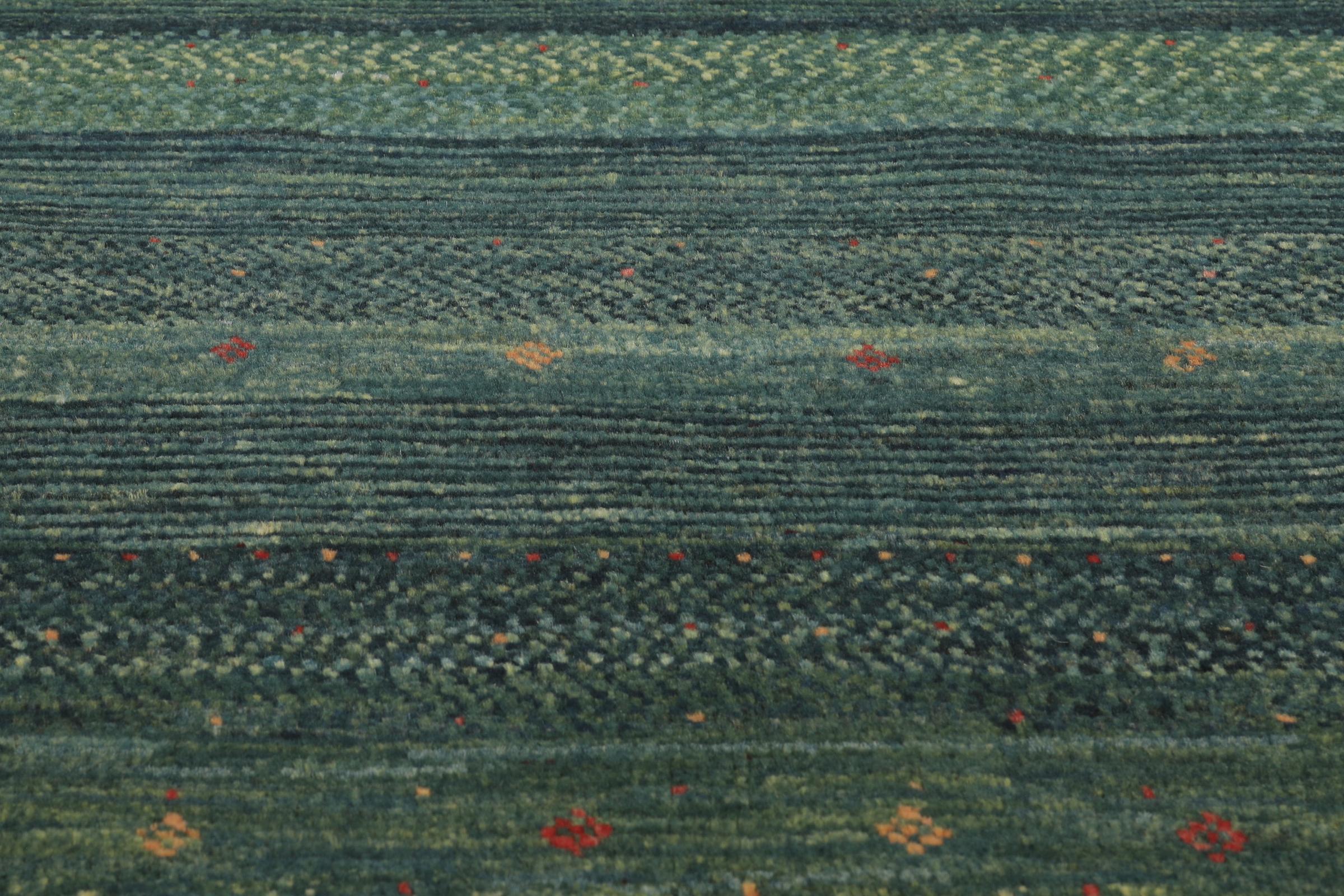
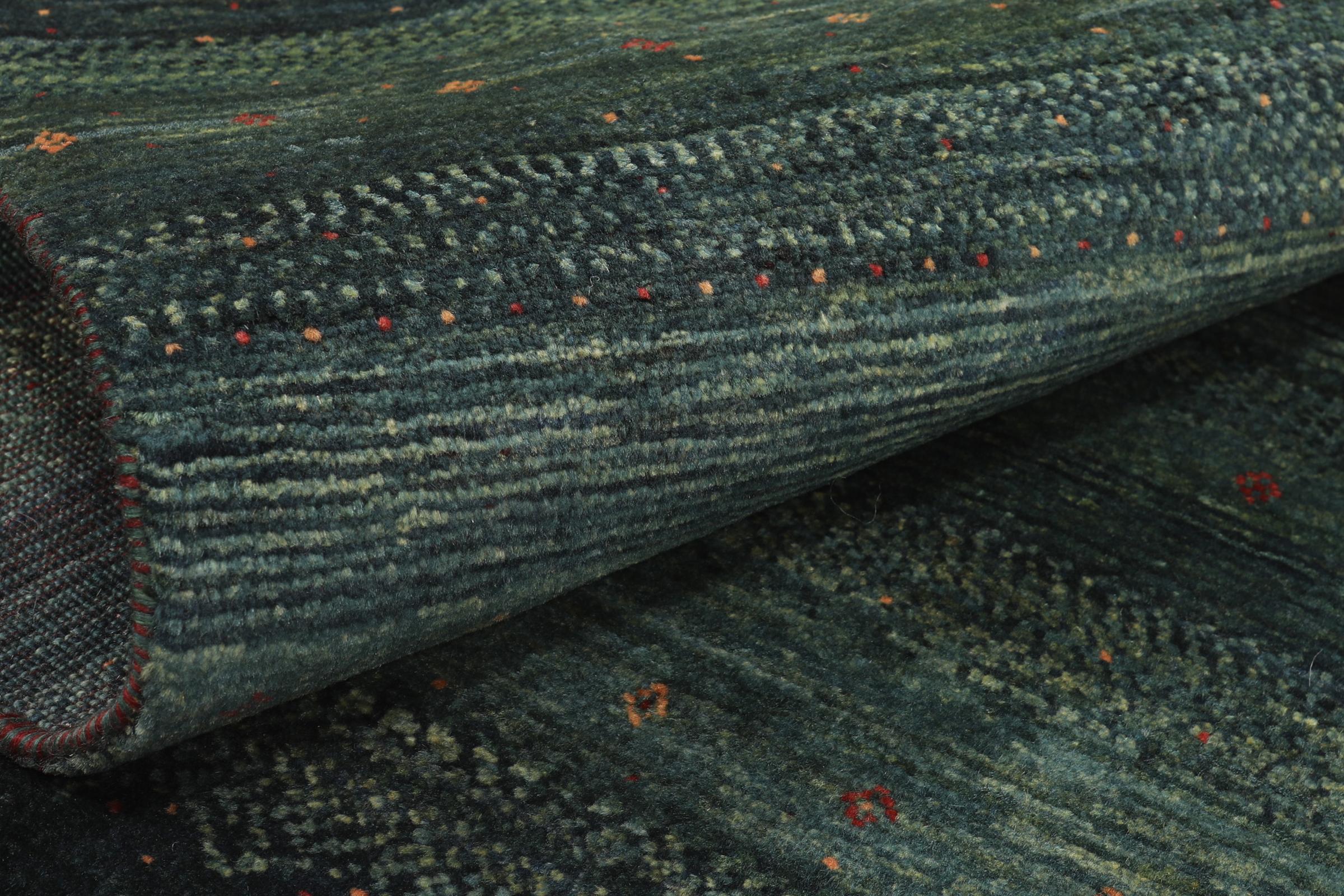
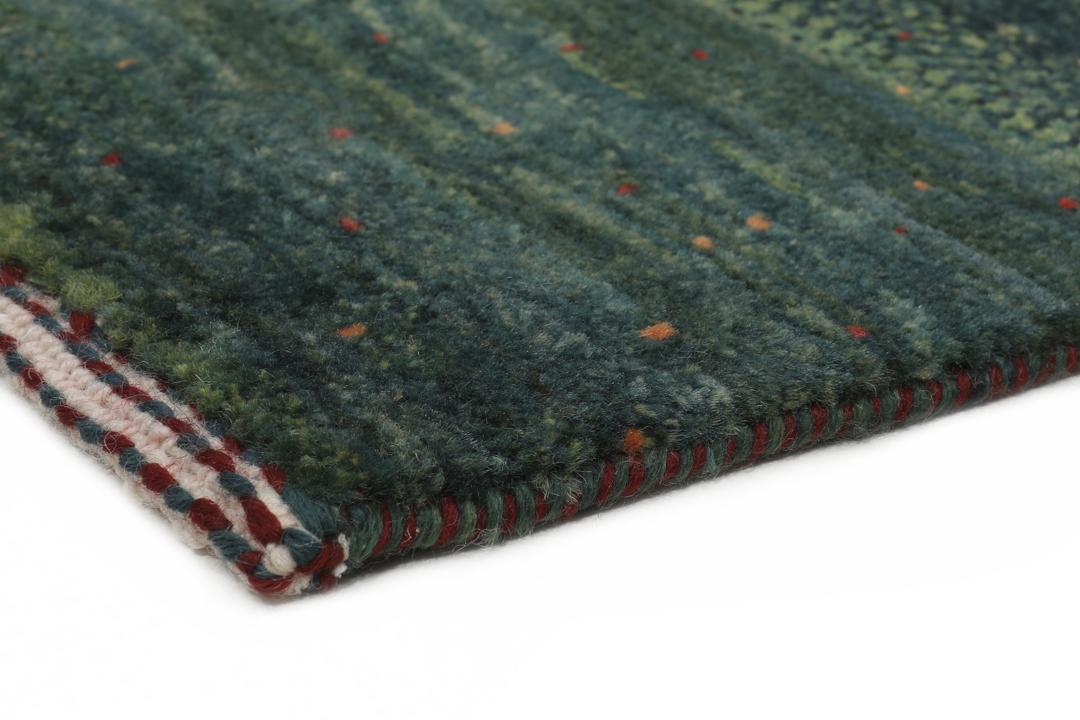
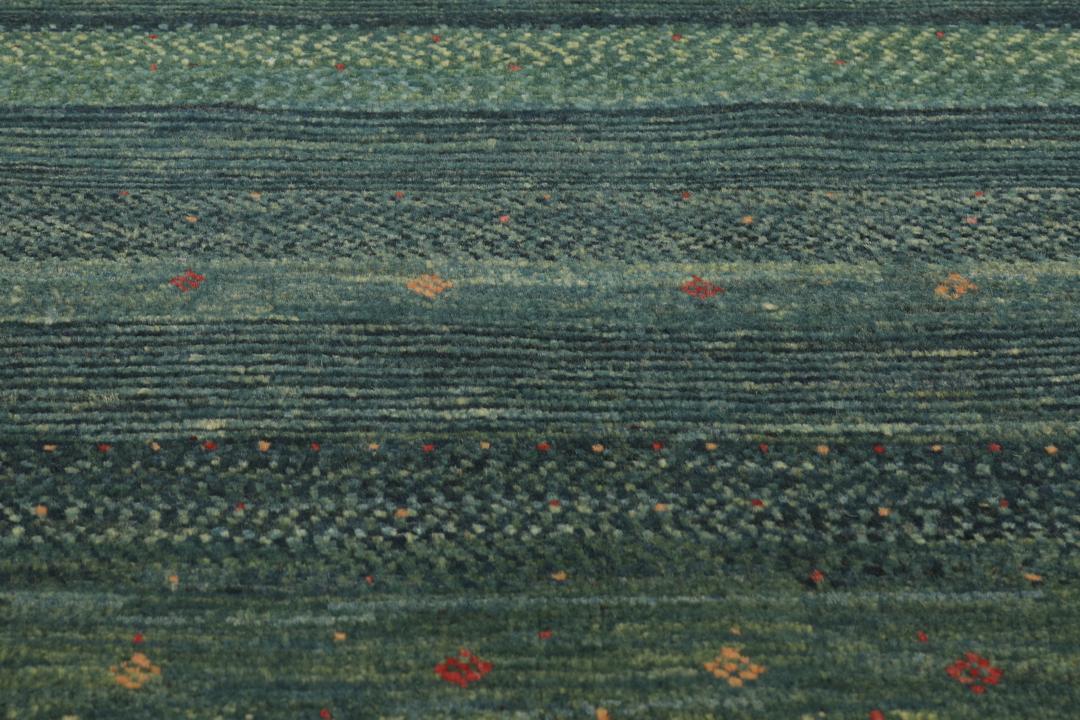
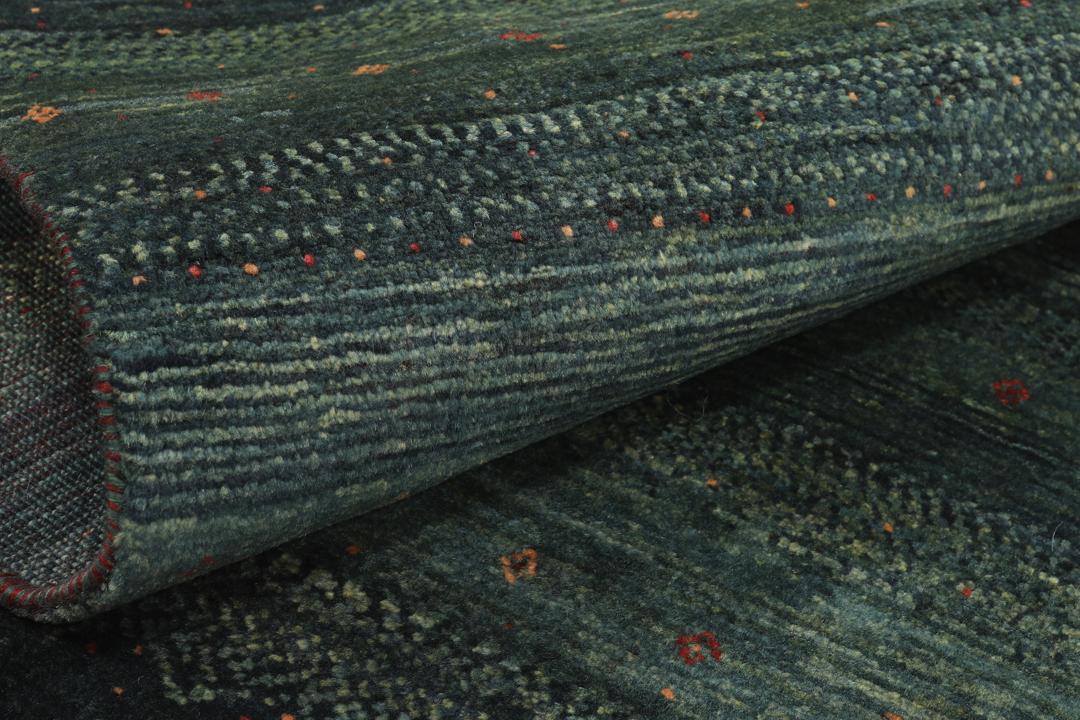
The term 'Loribaft' refers to a specific style of weaving that prioritises comfort and simplicity. While many traditional rugs are defined by complex, rigid geometric patterns, the Loribaft is cherished for its slightly more relaxed, modern approach to tribal motifs. The use of hand-spun, high-quality Wool is central to this tradition, as it allows the vibrant, natural dyes to take on a unique depth and luminosity that synthetic fibres cannot mimic.
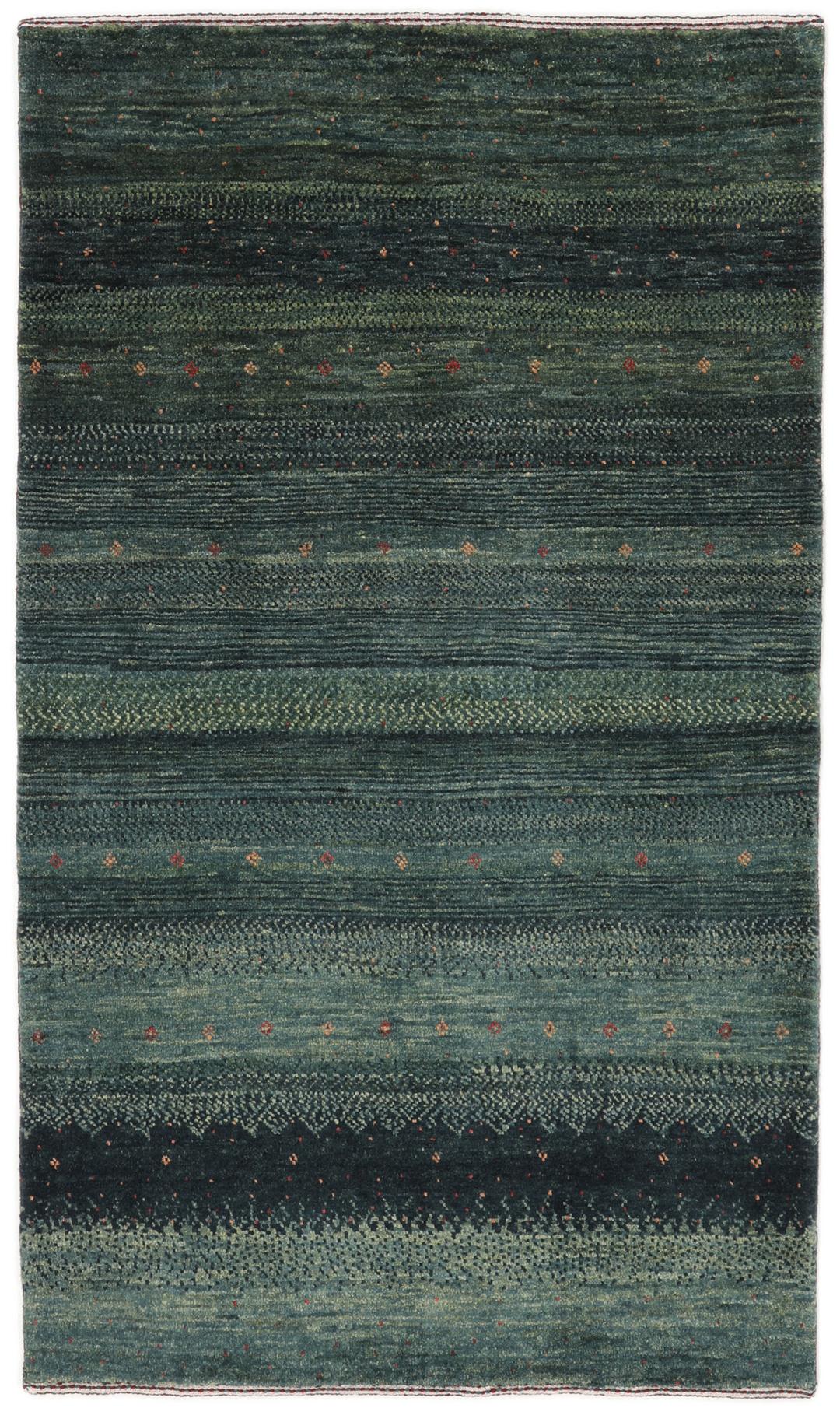
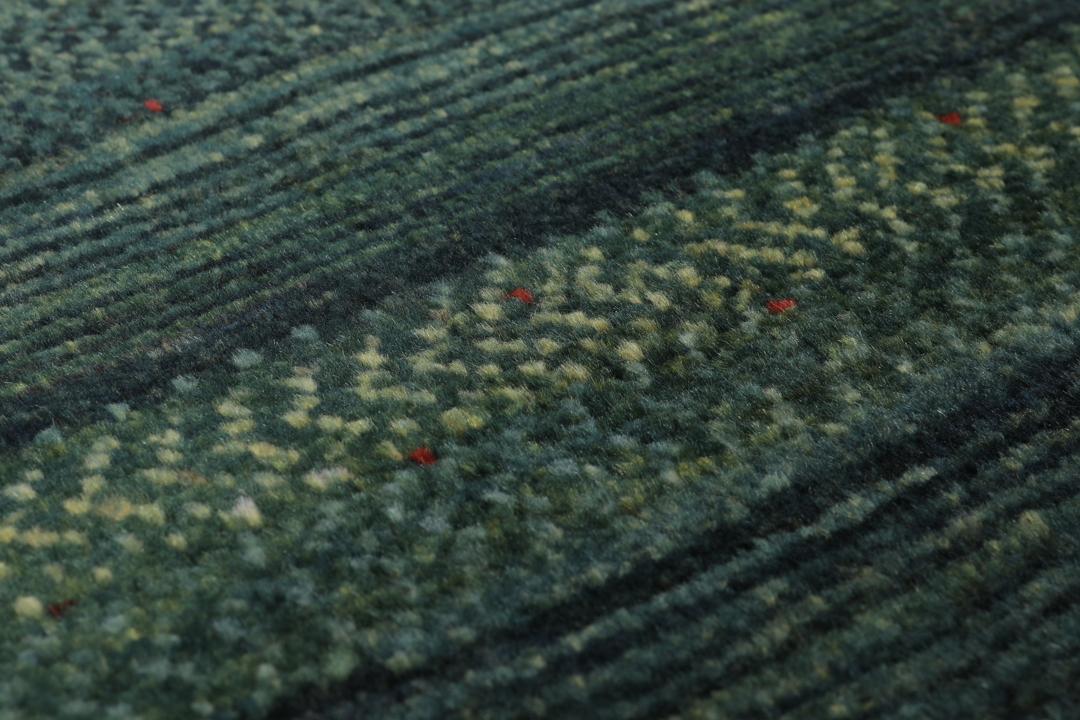
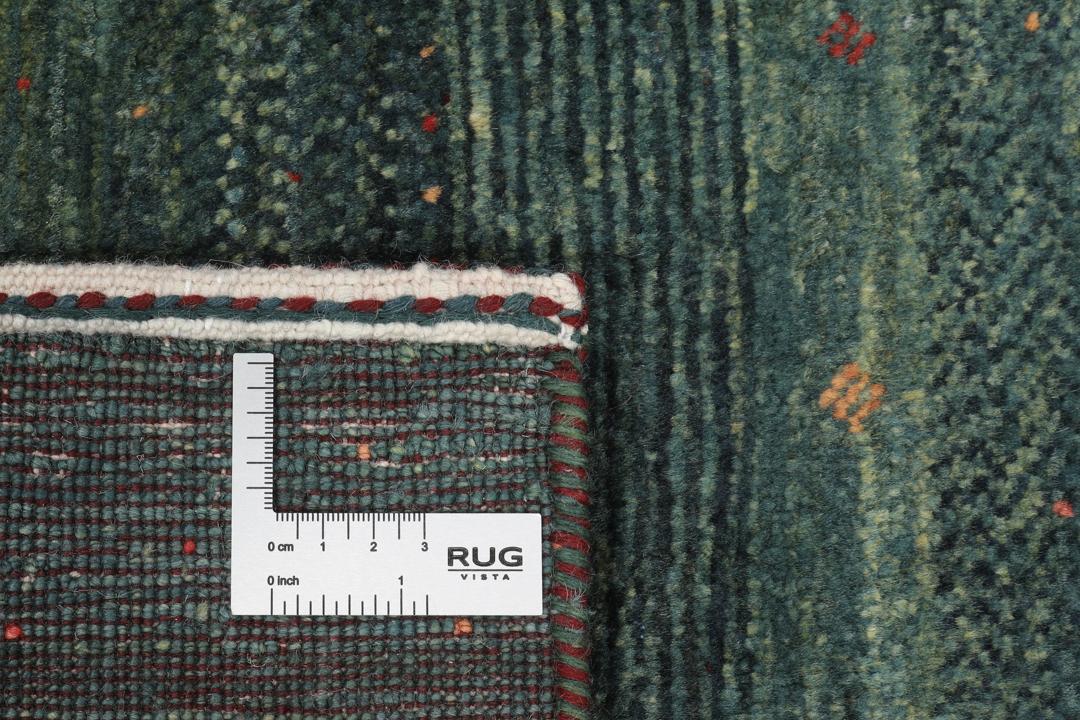
Design-wise, these rugs often feature subtle, repeating patterns or minimalist landscapes that celebrate the beauty of negative space. The borders are typically understated, allowing the main field of the rug to take centre stage. If a rug displays unusual colour transitions or a more experimental pattern, it is often a reflection of the weaver's individual creative process, making every piece a distinct chapter in the history of the craft.
Owning a piece from this tradition is an act of preserving a rich cultural legacy. These rugs are highly valued by collectors not only for their beauty but for the skill required to produce them. When you bring a Loribaft into your home, you are acquiring a piece of history that embodies the patience, cultural identity, and artistic dedication of generations of weavers who have kept this craft alive.