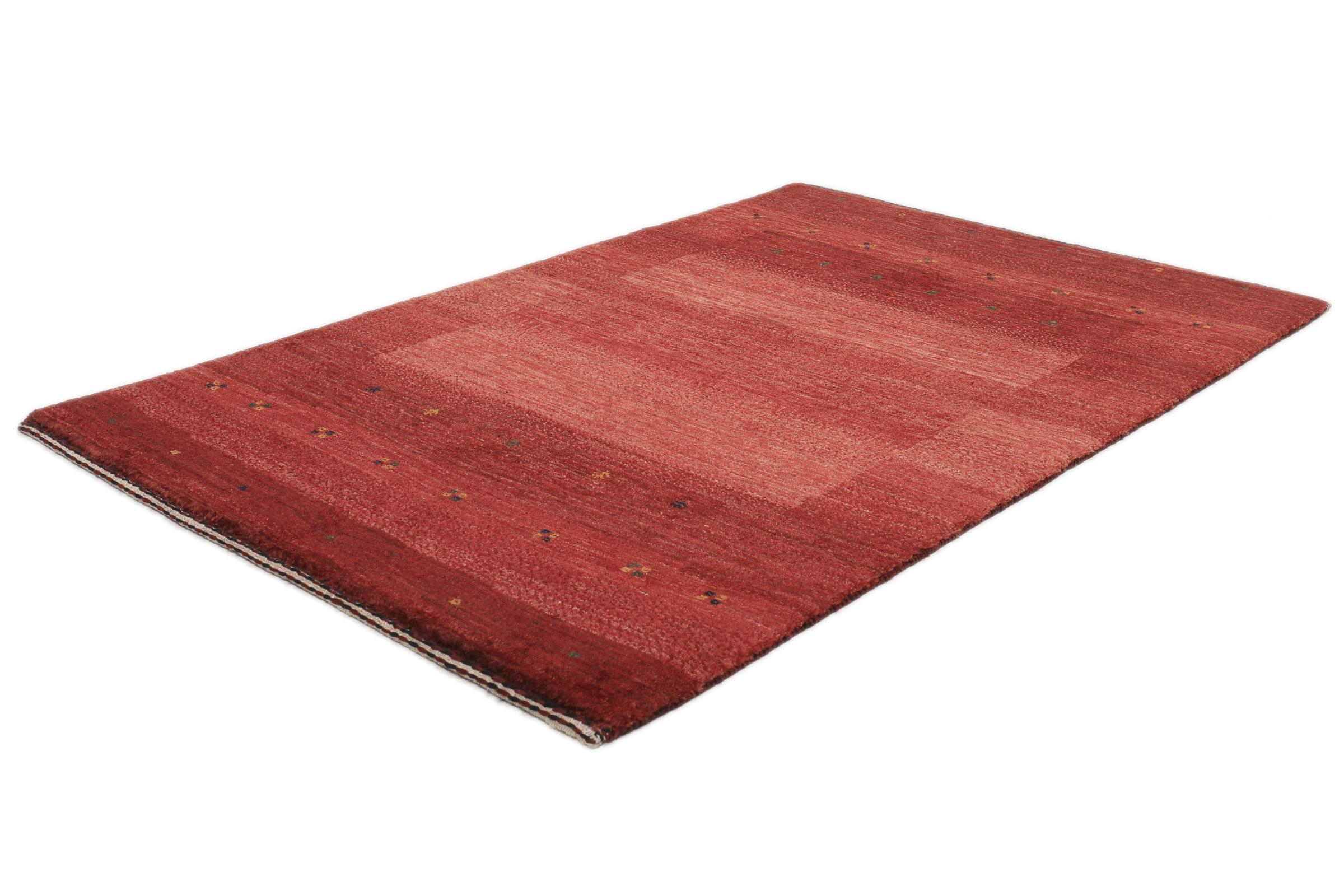
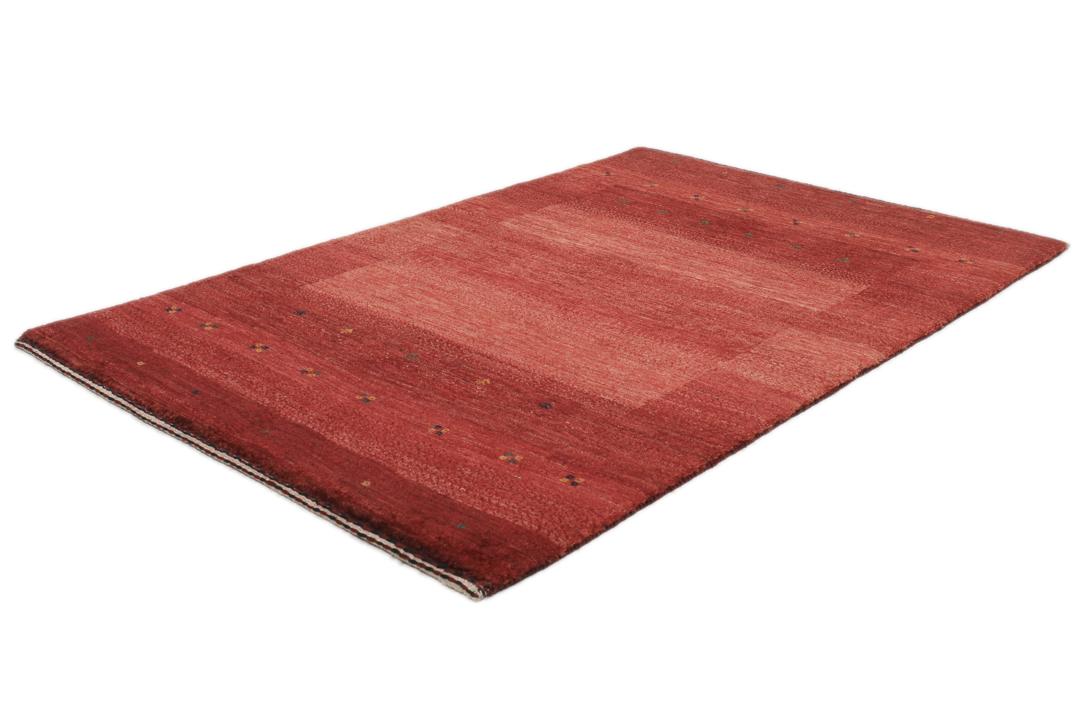
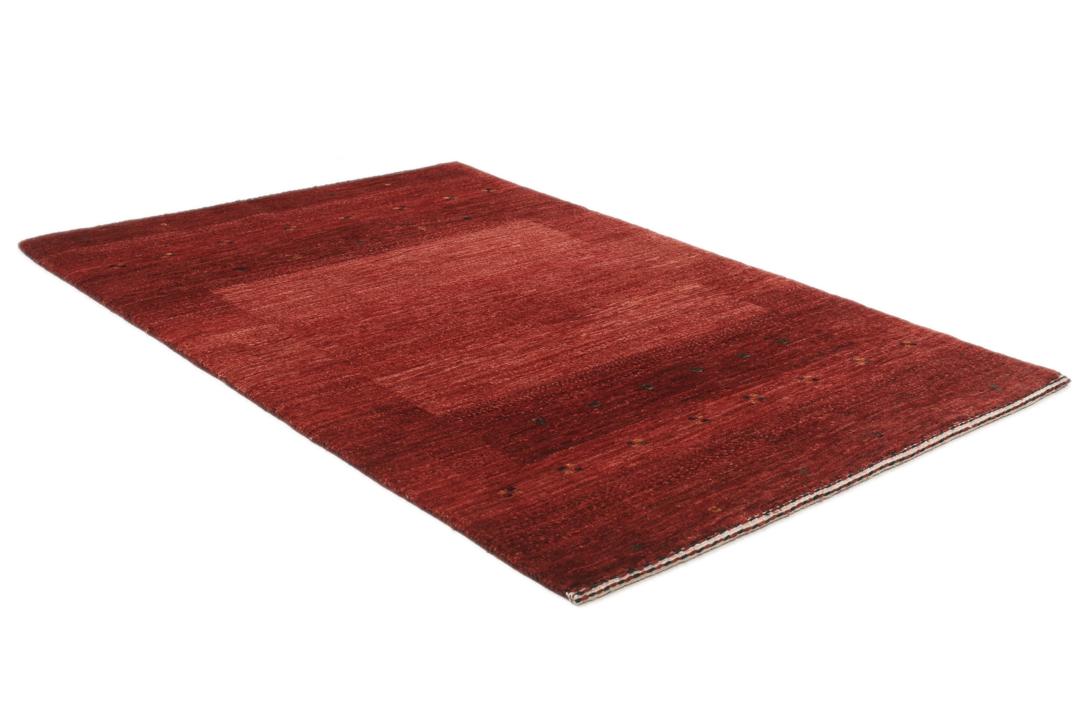
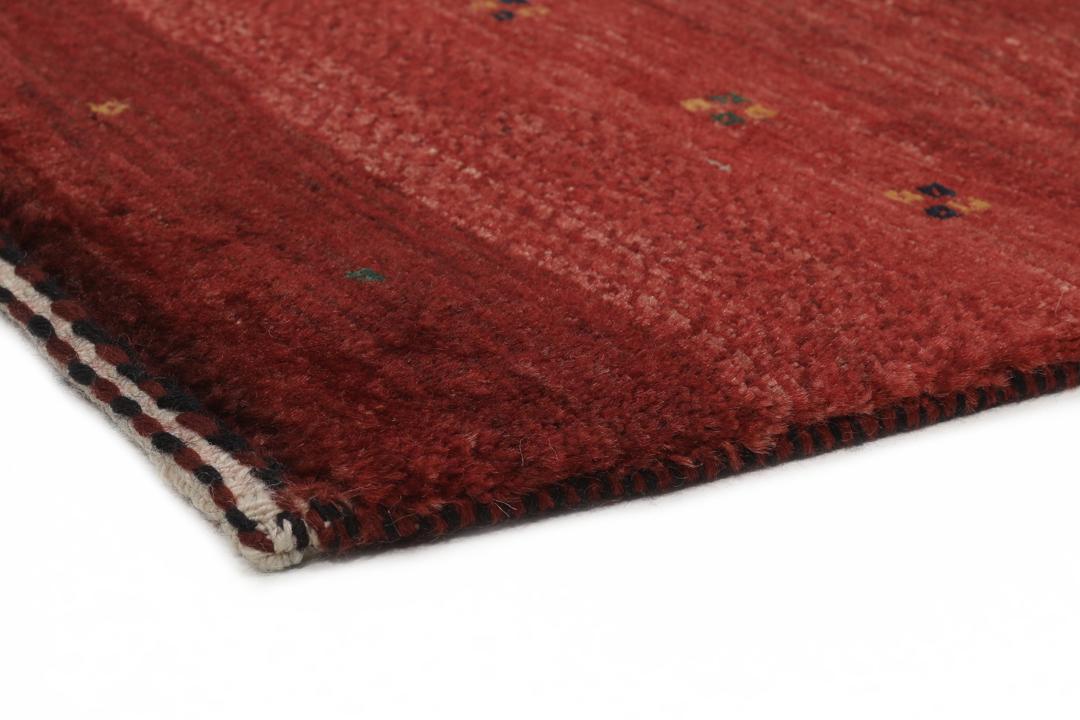
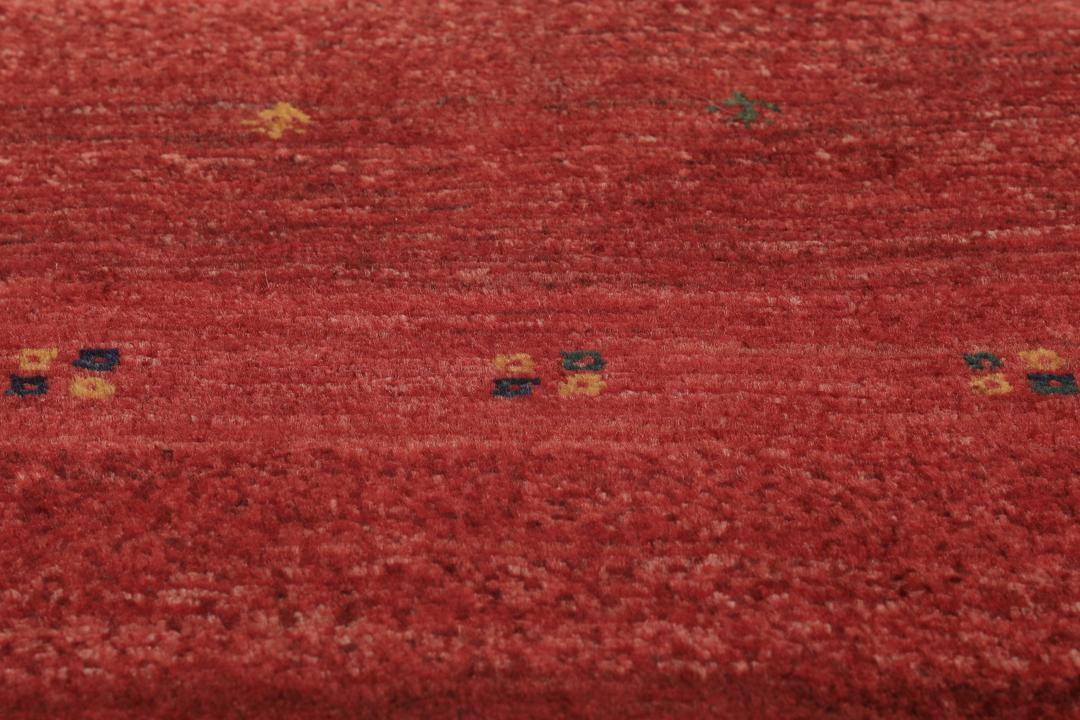
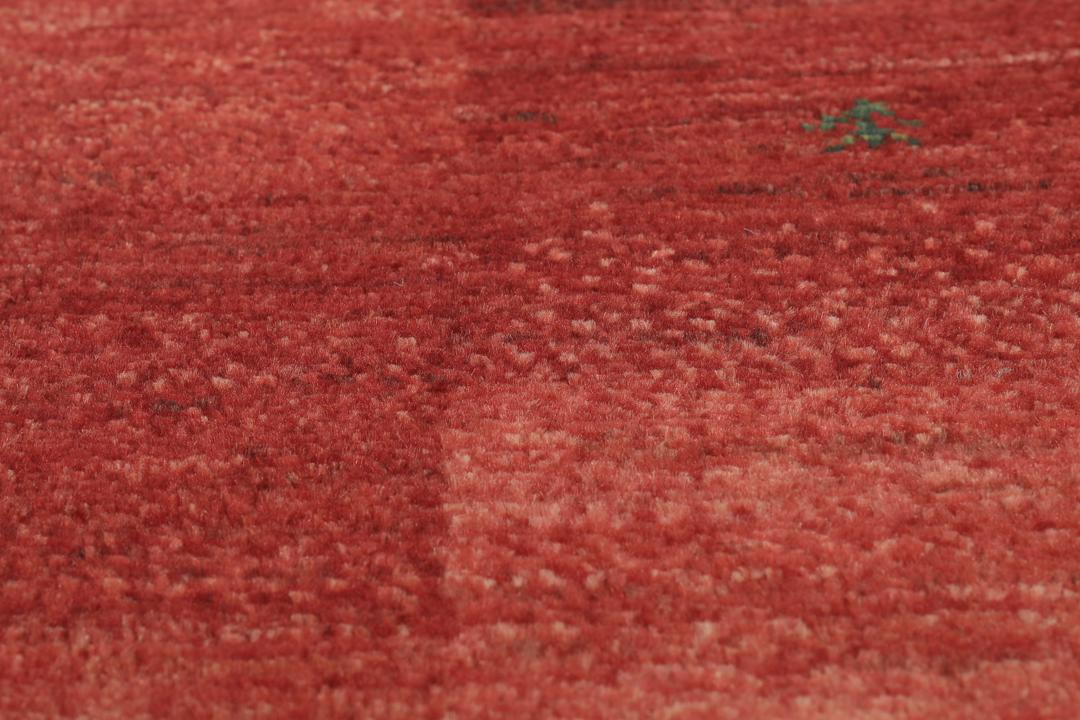
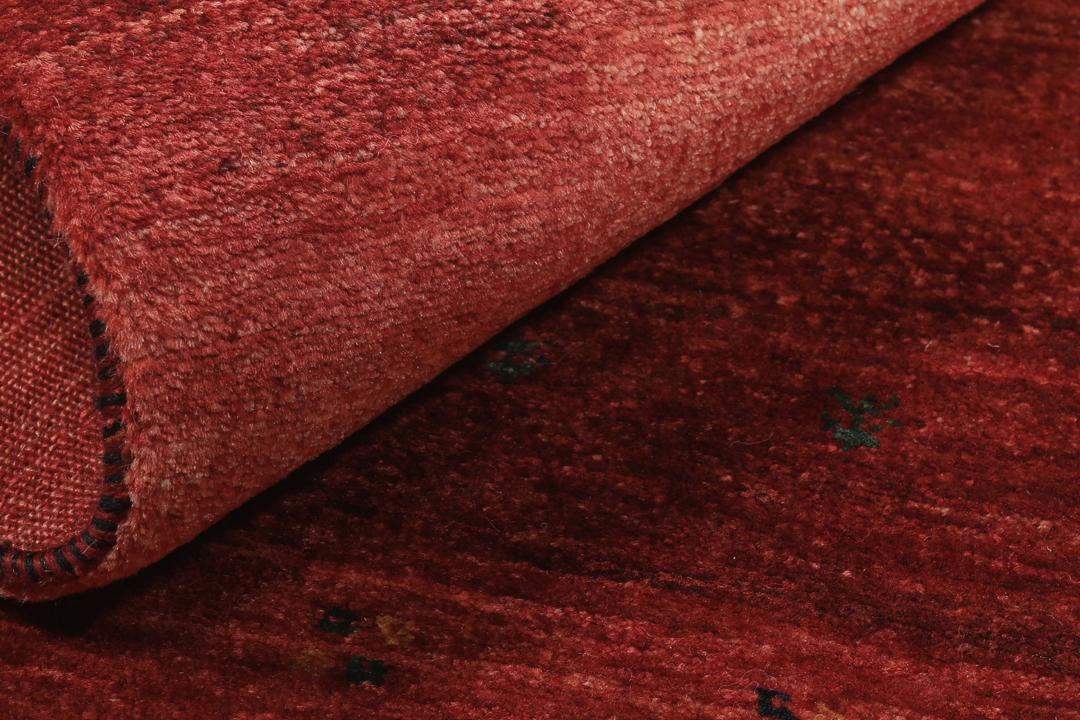
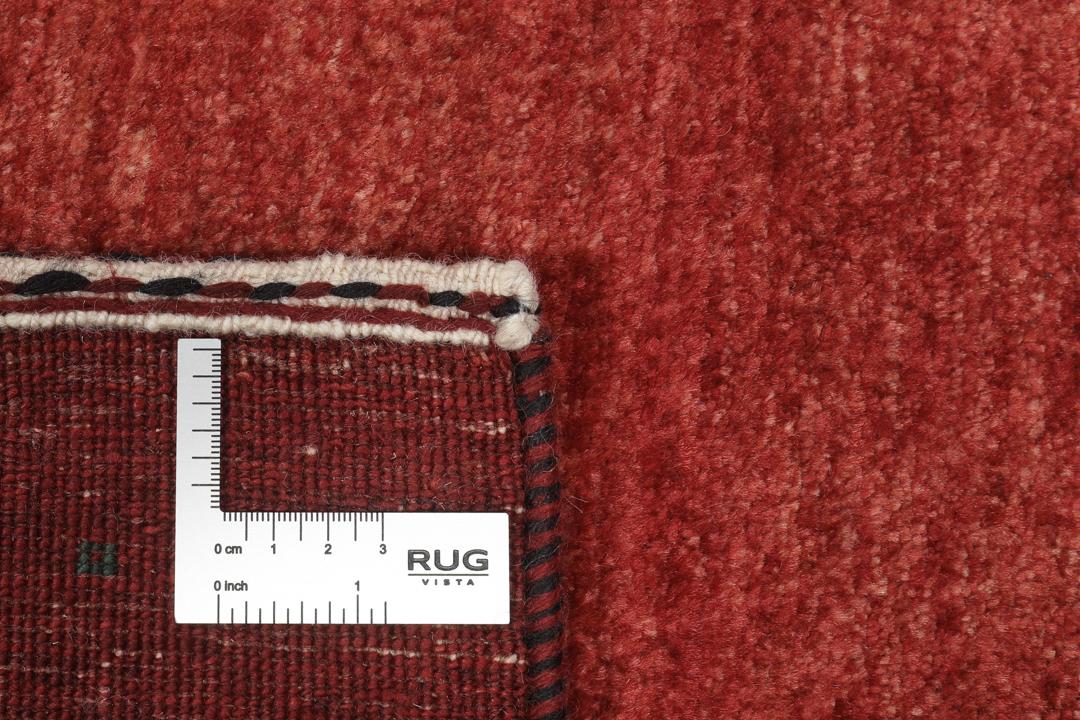
The Loribaft tradition finds its roots in the nomadic cultures of the Middle East, specifically among the tribes who have long practised the art of weaving as a way of documenting their environment and culture. These rugs evolved from the need for functional, portable, and durable textiles that could serve as floor coverings, blankets, or wall hangings in a nomadic lifestyle.
The term 'Lori' refers to the tribal heritage of the weavers, while 'baft' translates simply to 'weave.' Over time, these rugs have become celebrated for their thicker, softer pile compared to traditional flat-woven textiles. This shift toward a more luxurious, plush finish has made them highly sought after by those who prioritise comfort and tactile quality in their home decor.
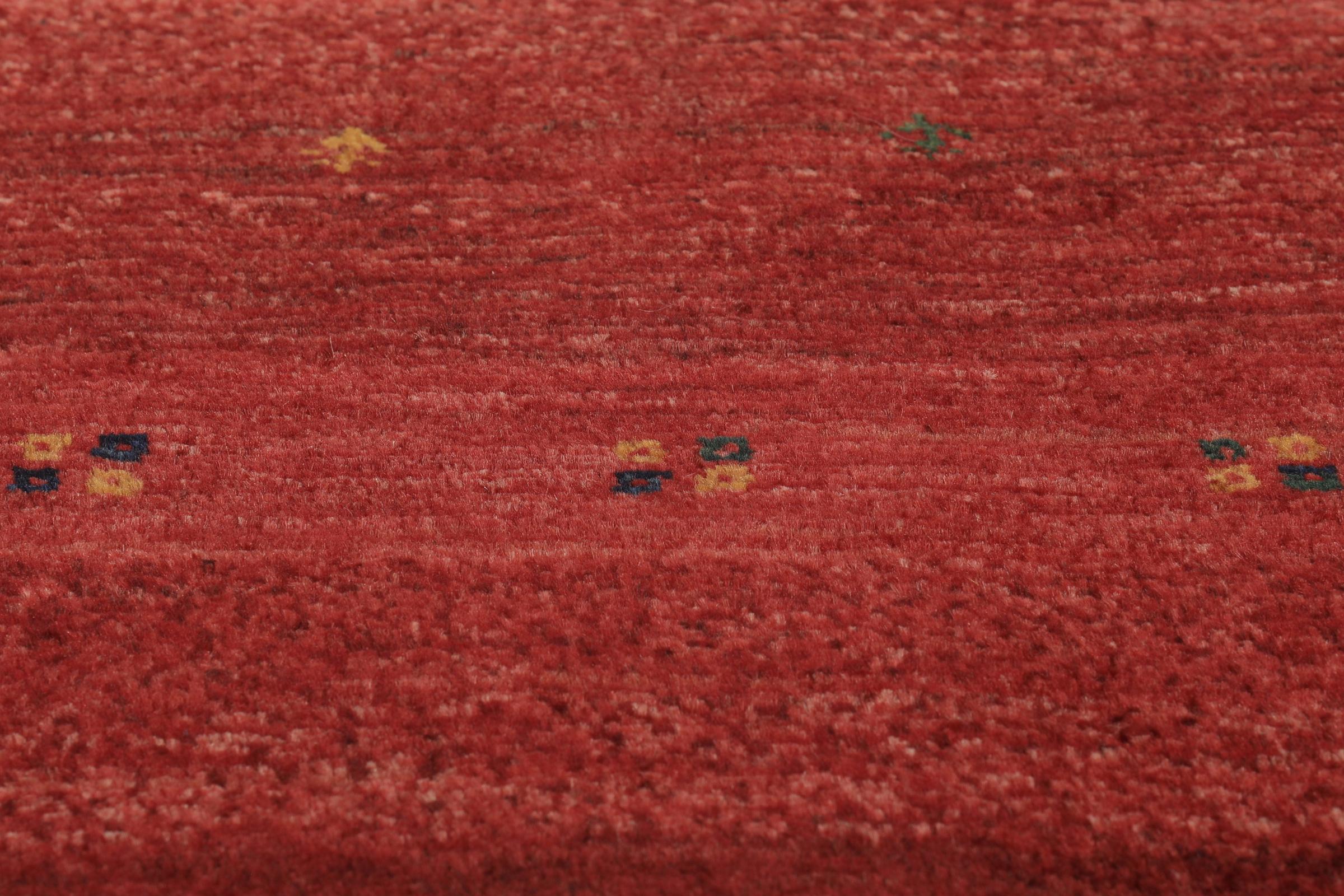
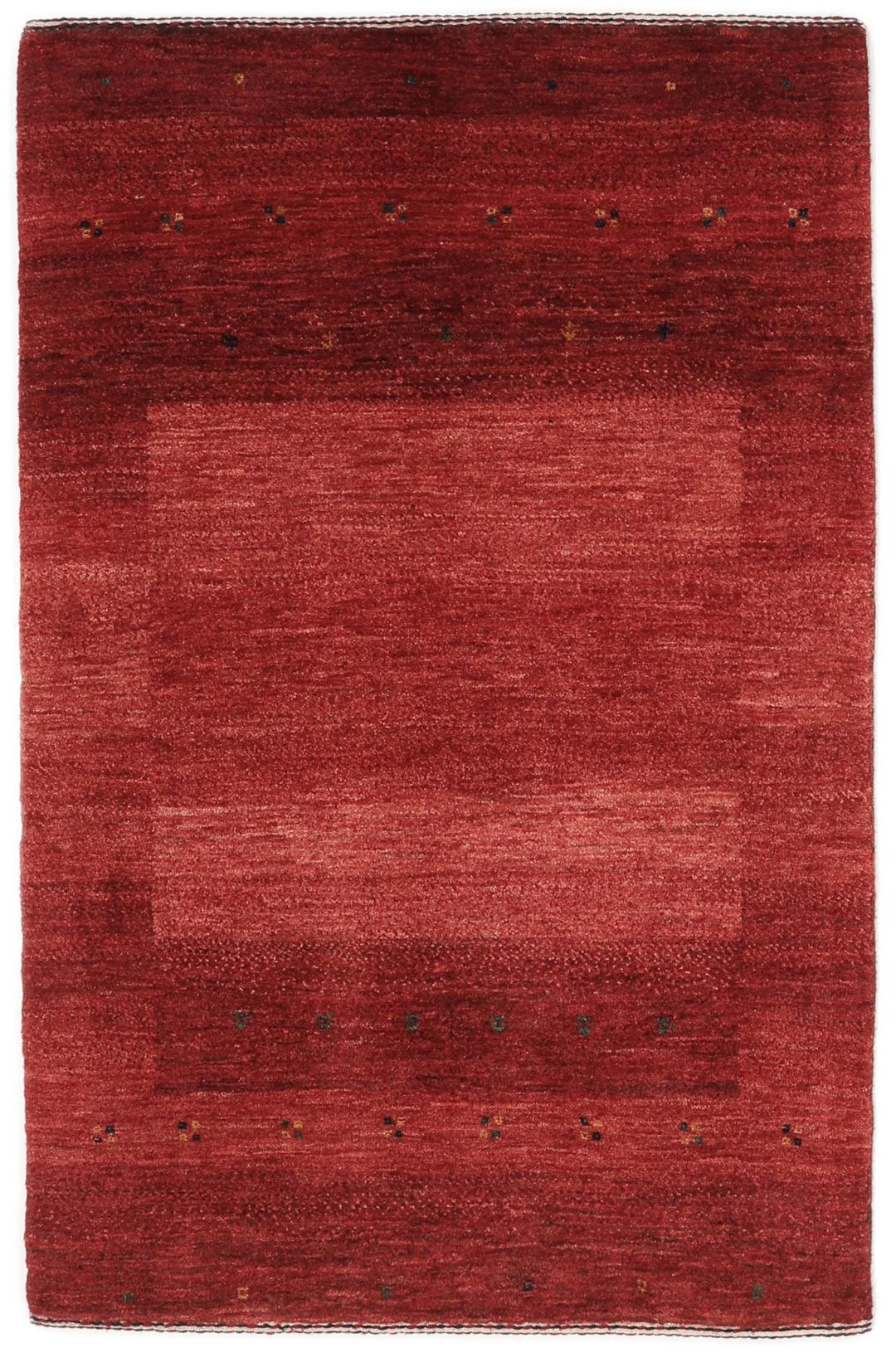
Visually, these rugs are often defined by their bold, field-filling colours and sparse, symbolic motifs. Unlike more intricate floral designs found in urban workshops, the Loribaft aesthetic is intentionally simplified. This approach highlights the quality of the natural wool and the depth of the dyes, often resulting in subtle 'abrash' or colour variations that occur during the dyeing process, adding a depth that feels organic and alive.
Collecting a rug from this tradition is an investment in cultural history and human skill. Because each rug is a reflection of the weaver's personal interpretation of their surroundings, they carry a sense of authenticity that is rare in modern home goods. They are valued not just for their appearance, but for the connection they provide to a legacy of craft that has been passed down through generations.