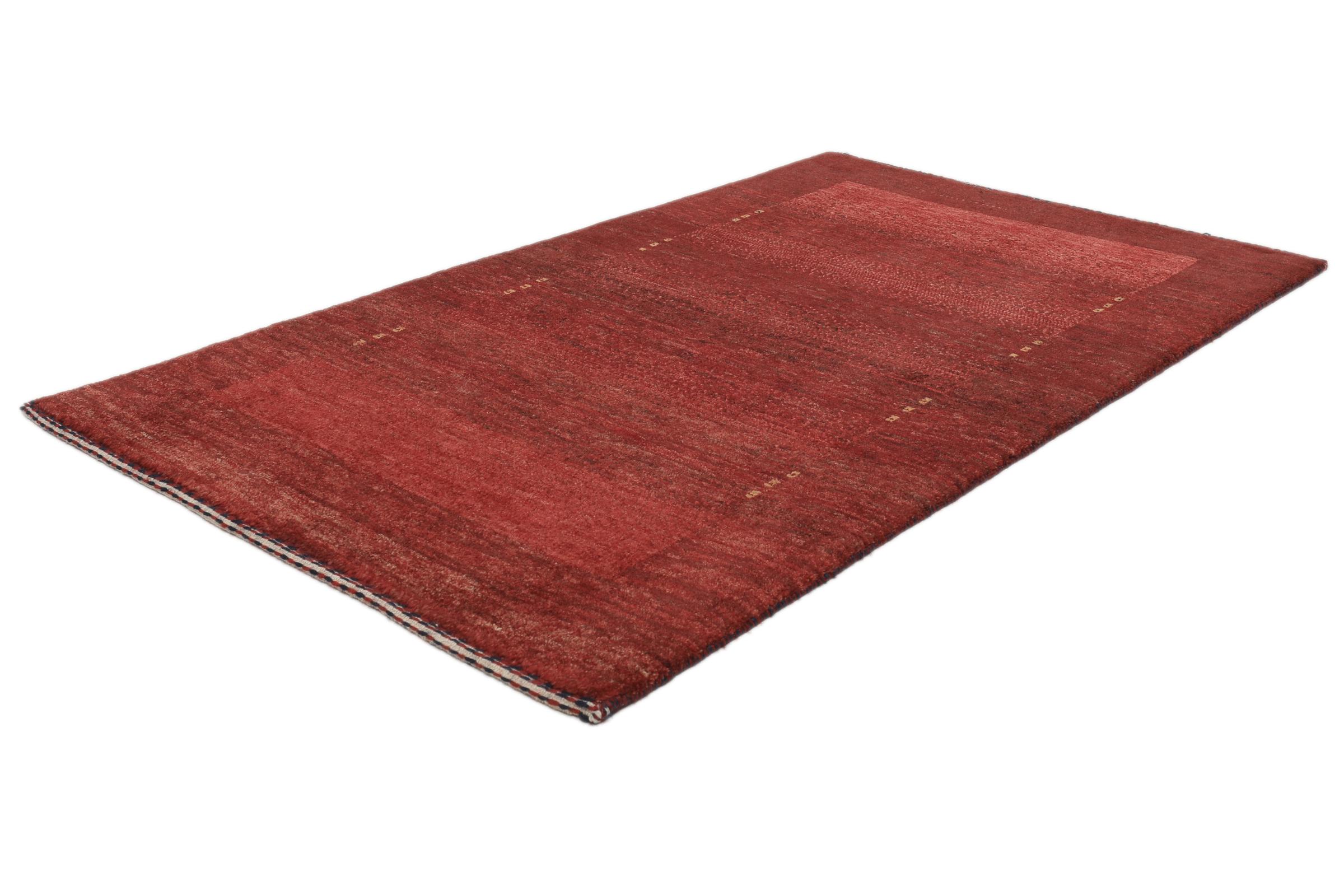
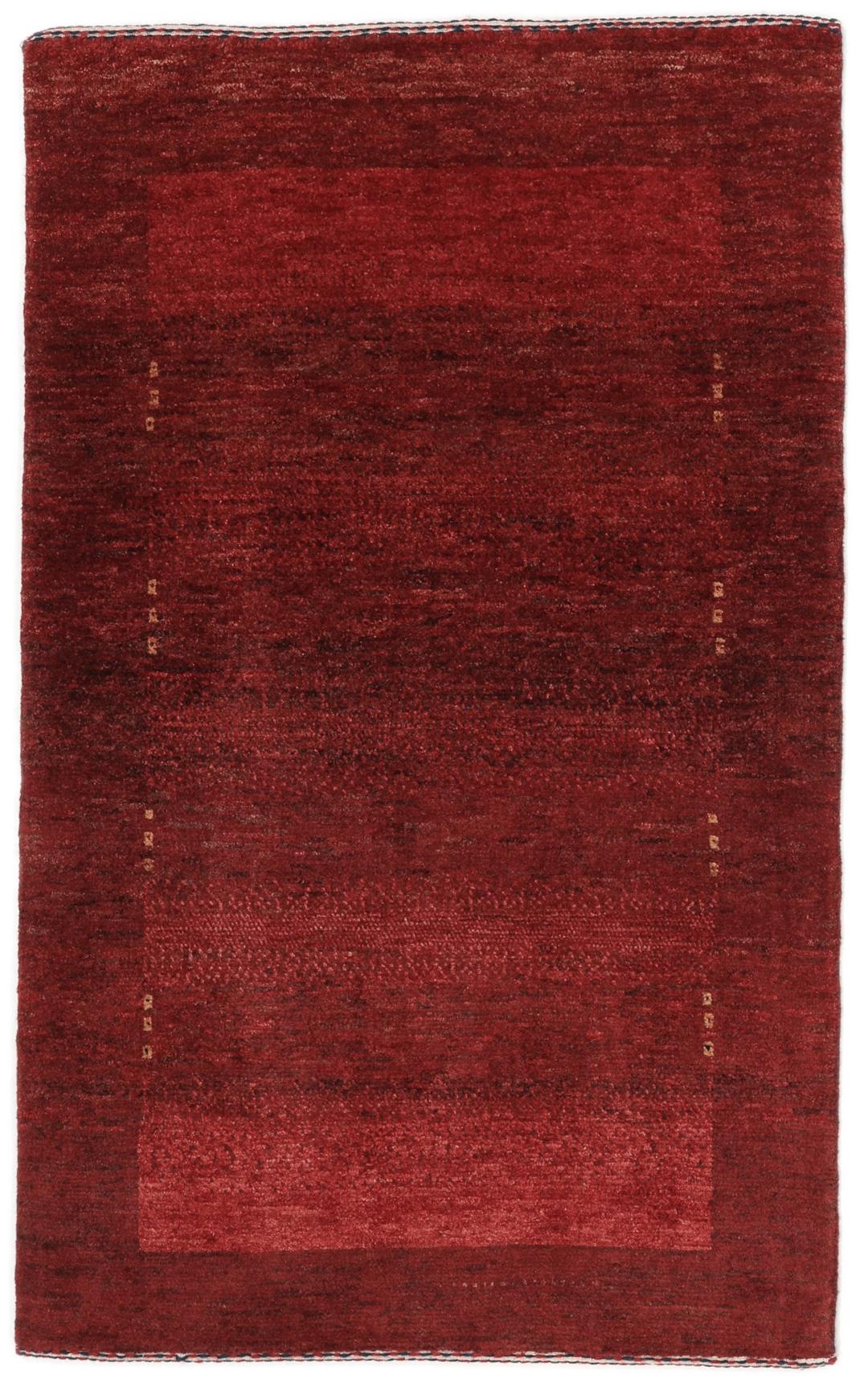
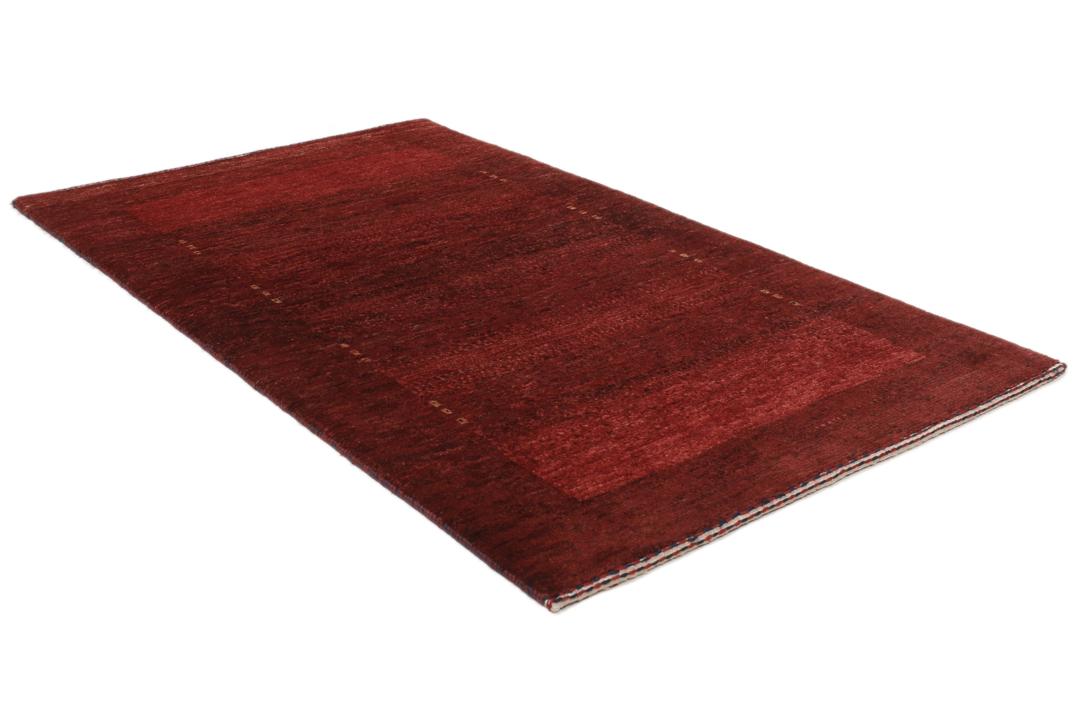
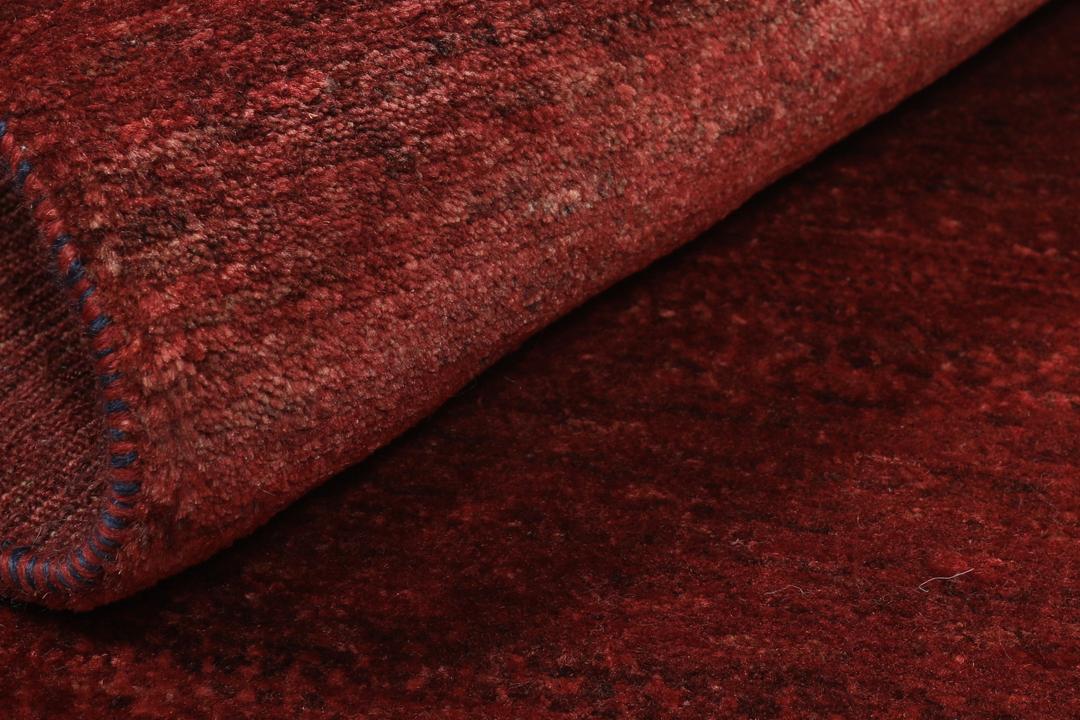
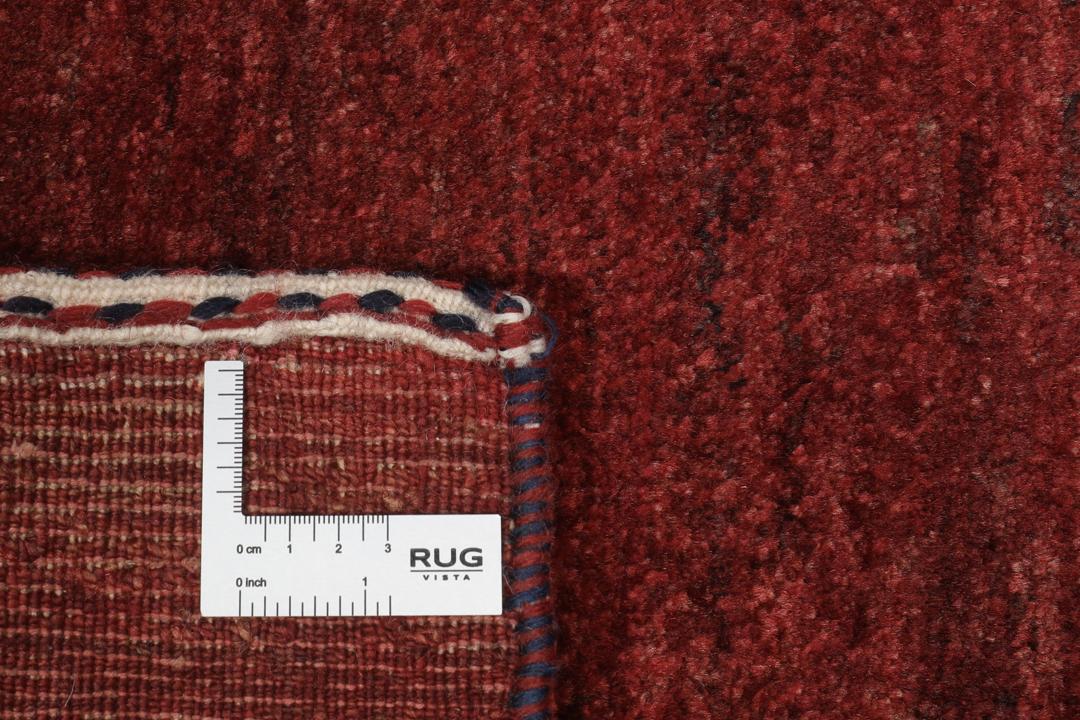
The Loribaft style traces its origins to the nomadic tribal weavers of the Middle East. These rugs are celebrated for their bold, simplified aesthetic, which stands in contrast to the more intricate and formal floral designs found in urban rug-making centres. They are deeply connected to the natural landscape and the cultural heritage of the tribes who have perfected this craft over generations.
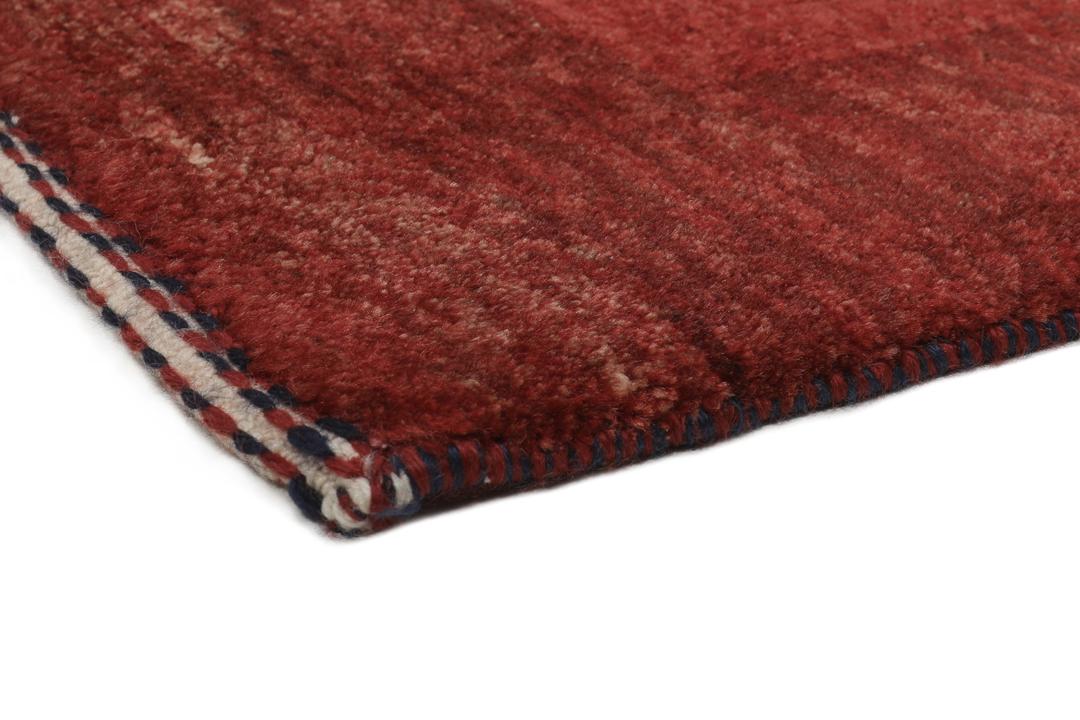
Kashkooli refers to a specific, refined style within the broader tribal tradition, known for having a higher knot density and a more polished finish. This evolution in craft allows for a slightly more detailed yet still minimalist look, balancing the raw, organic feel of tribal weaving with a level of precision that makes these rugs highly sought after for modern homes.
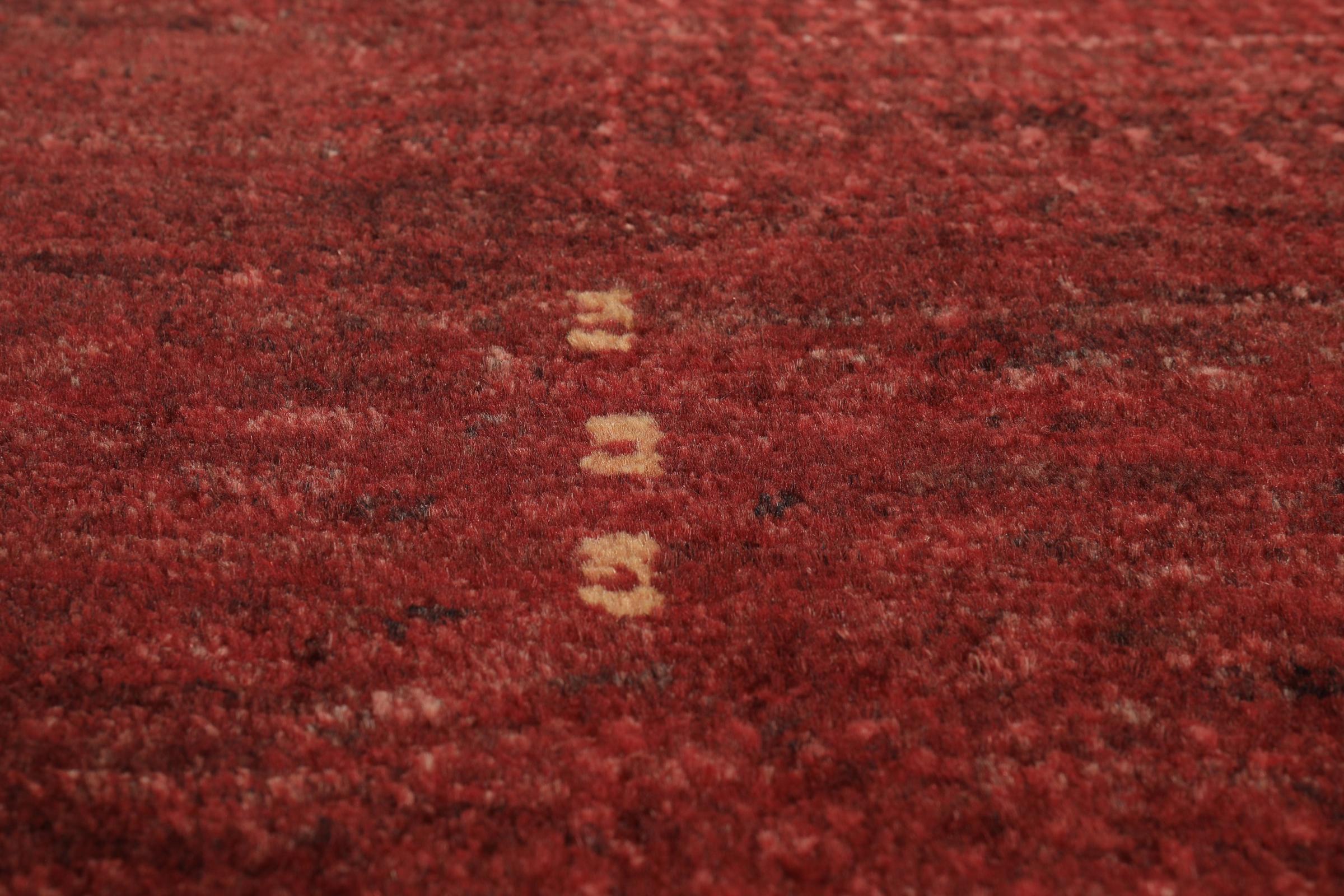
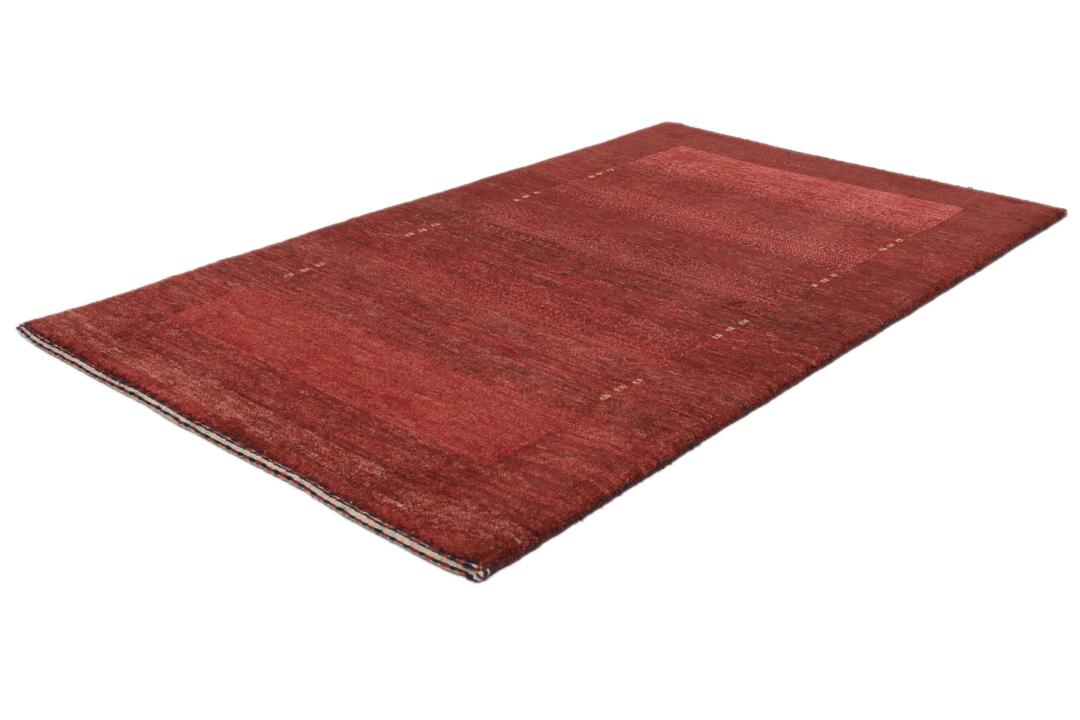
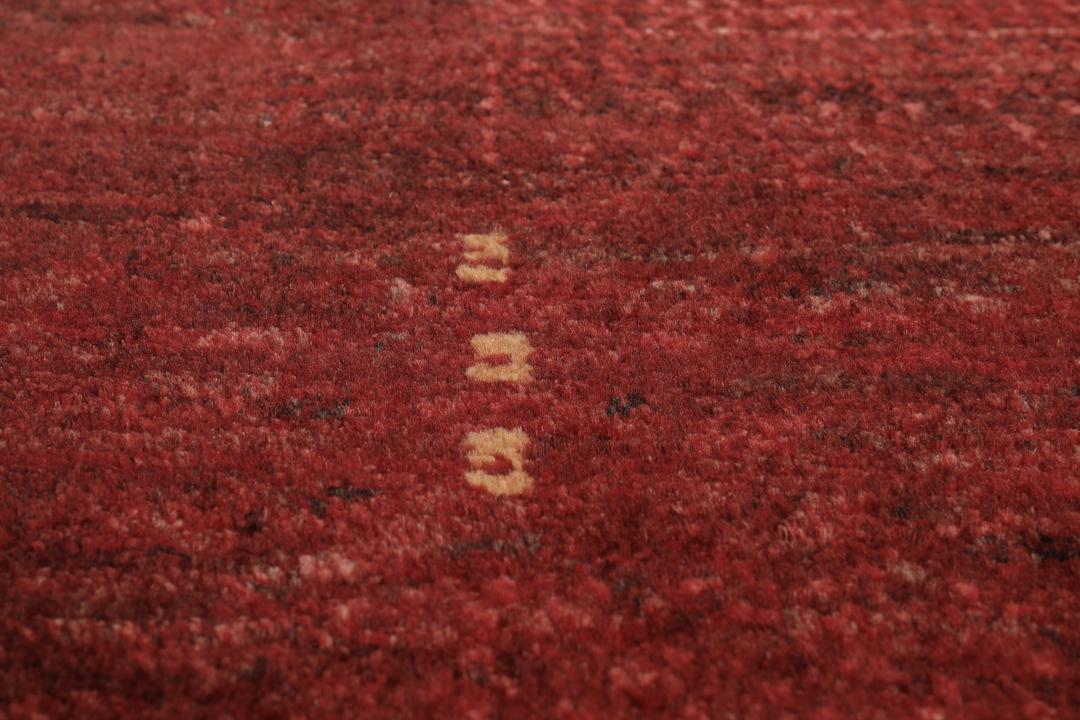
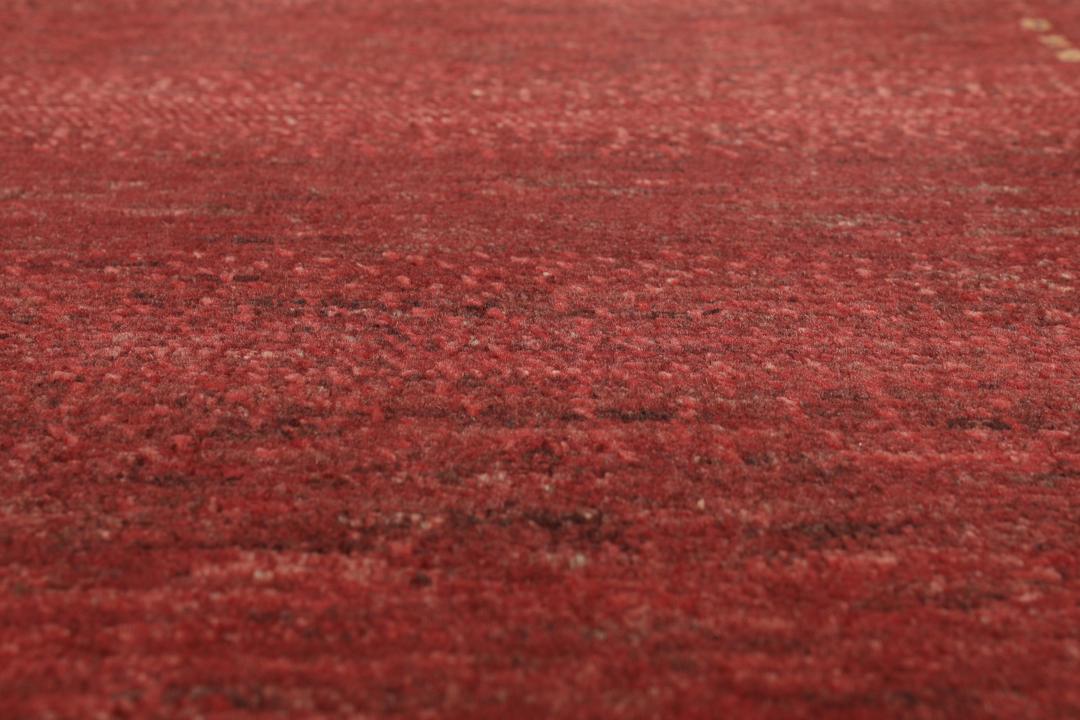
Signature elements of these rugs include an emphasis on the beauty of the wool itself, often showcased through solid or subtly abrash-dyed fields. The design usually focuses on the interplay of colour and texture rather than complex motifs, though small, scattered geometric markers are common. The use of natural dyes has historically given these rugs their deep, vibrant hues that remain rich and luminous for decades.
Collectors value Loribaft rugs for their honesty and the human connection they represent. Owning one is a way to preserve a living craft tradition, as these pieces are not merely floor coverings but expressions of tribal identity and skill. They are prized for their ability to bring a sense of history and warmth into contemporary settings, bridging the gap between ancient artistry and modern living.