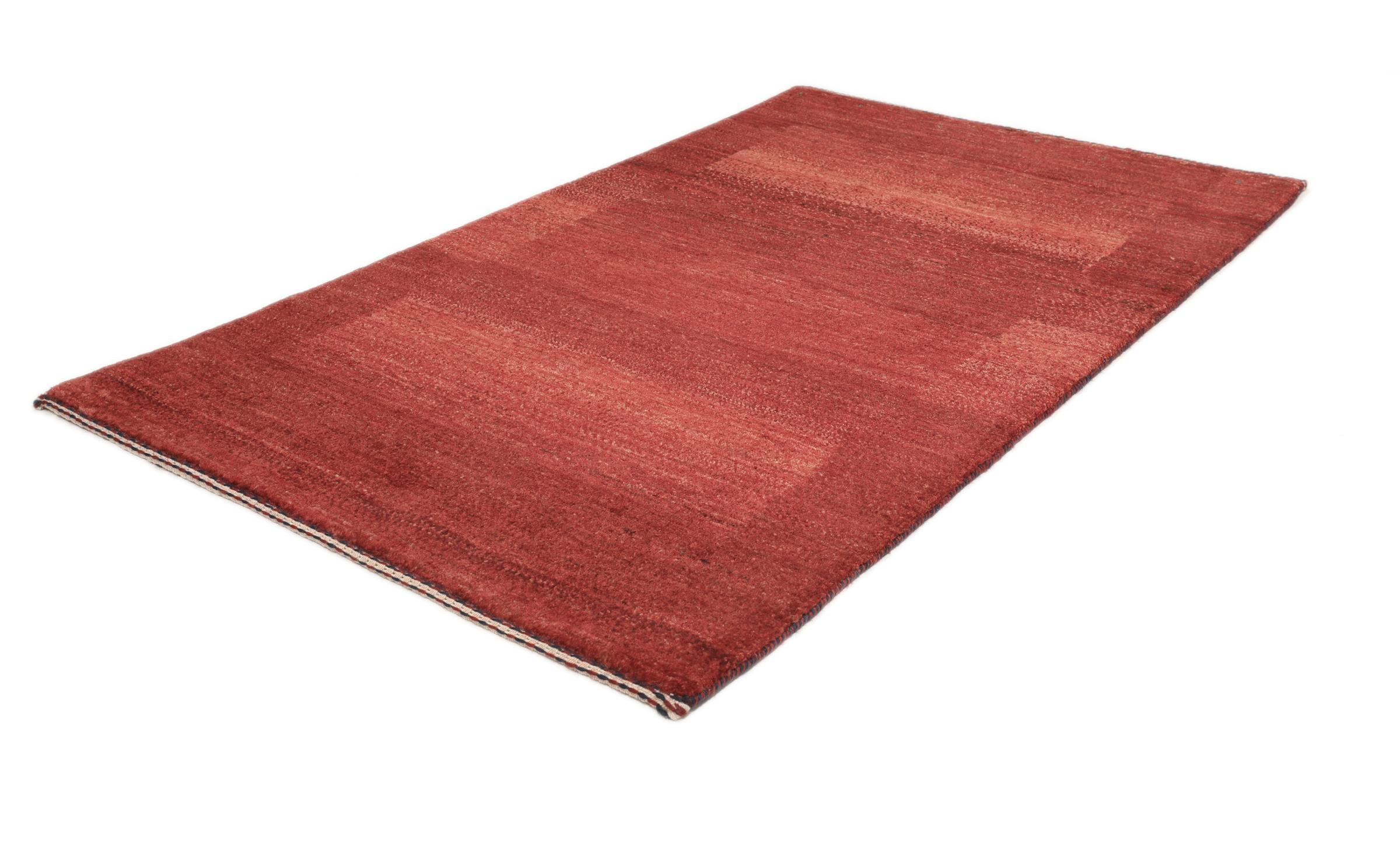
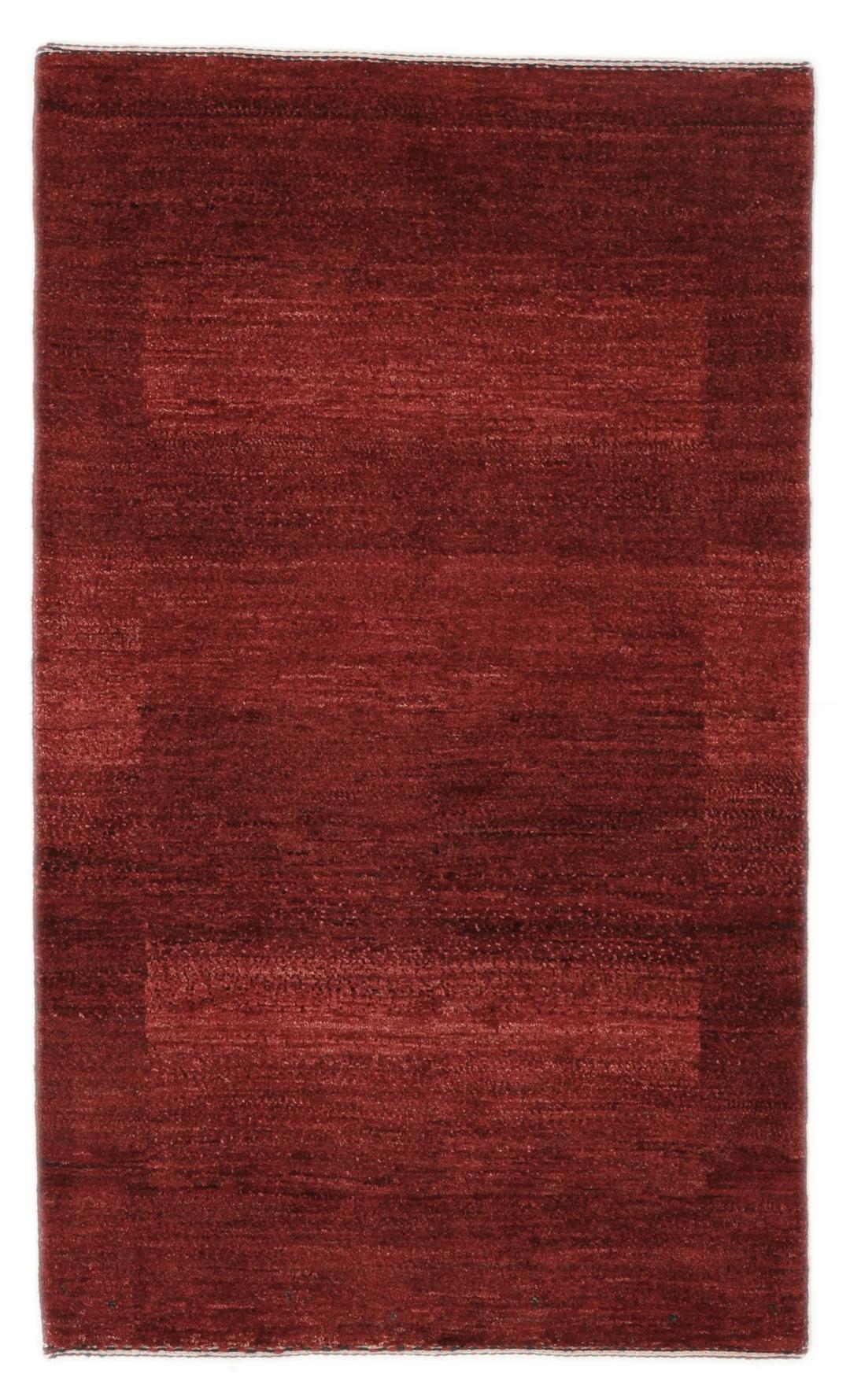
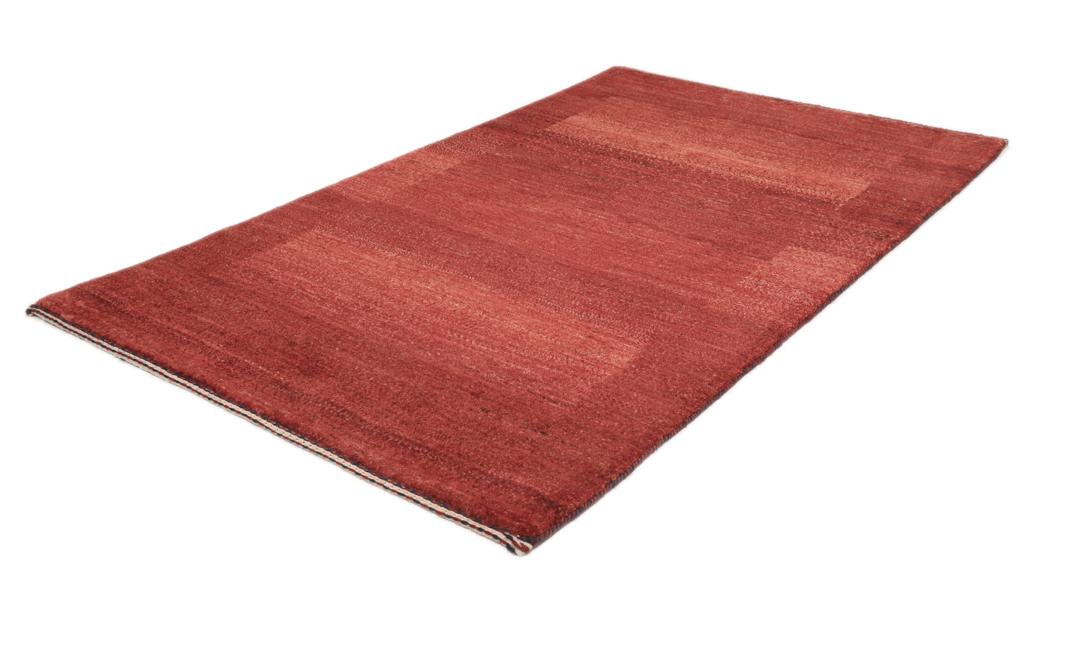
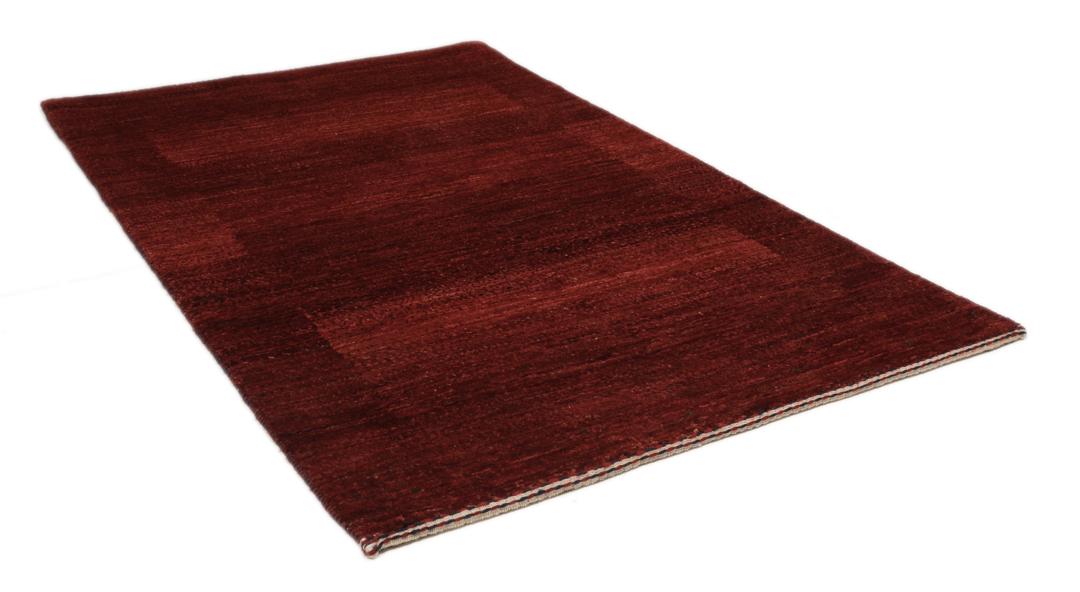
The Loribaft and Kashkooli rugs originate from the nomadic tribes of the Middle East, particularly known for their expressive and deeply cultural weaving traditions. These rugs were historically created by tribal weavers who drew inspiration from their surrounding landscapes, memories, and ancestral stories, resulting in designs that feel both personal and deeply connected to their environment.
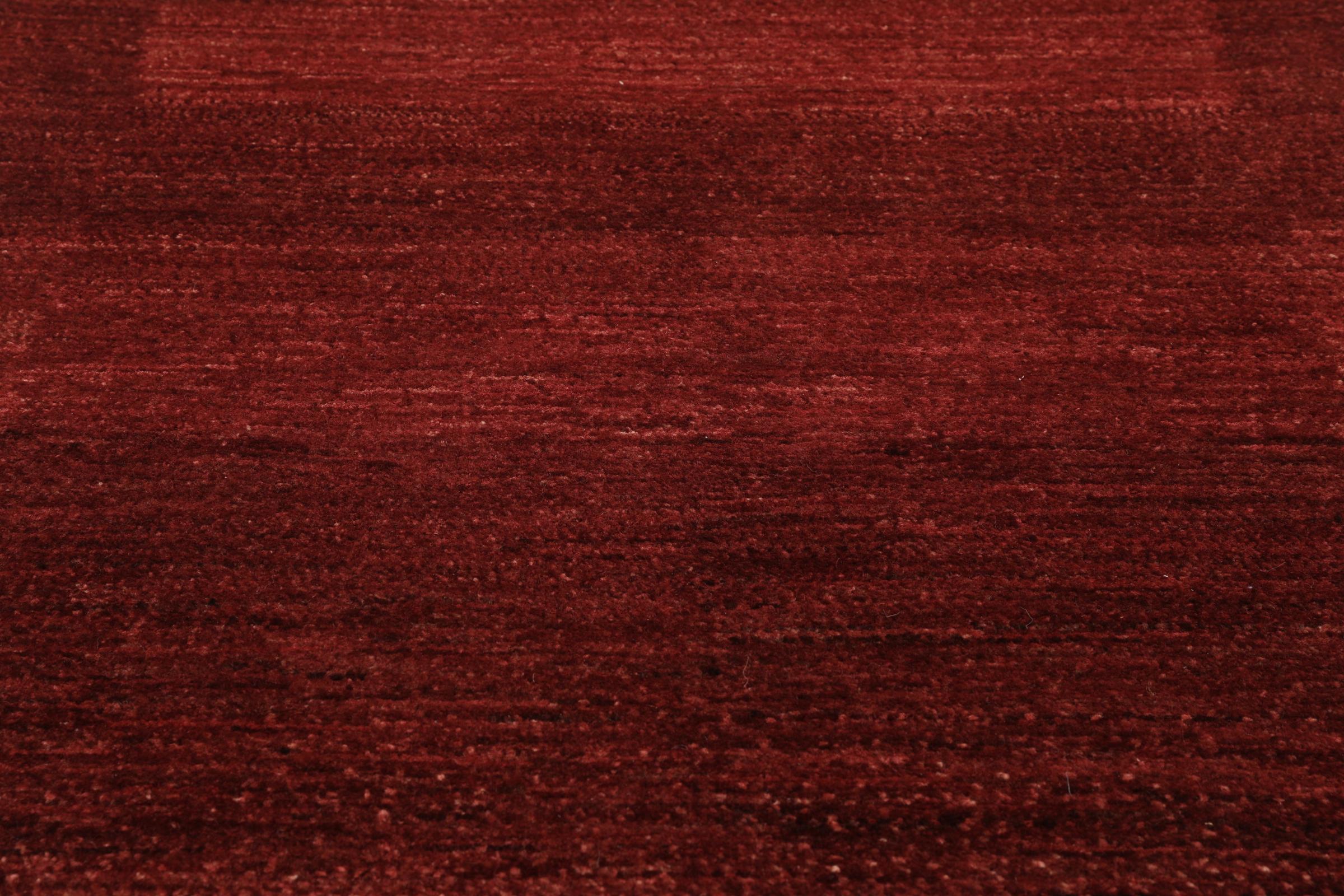
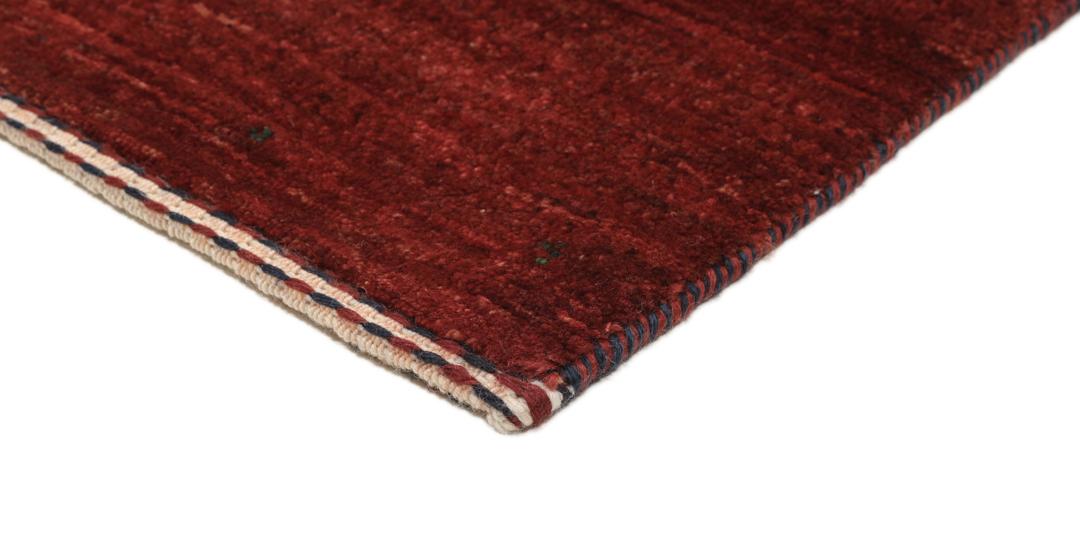
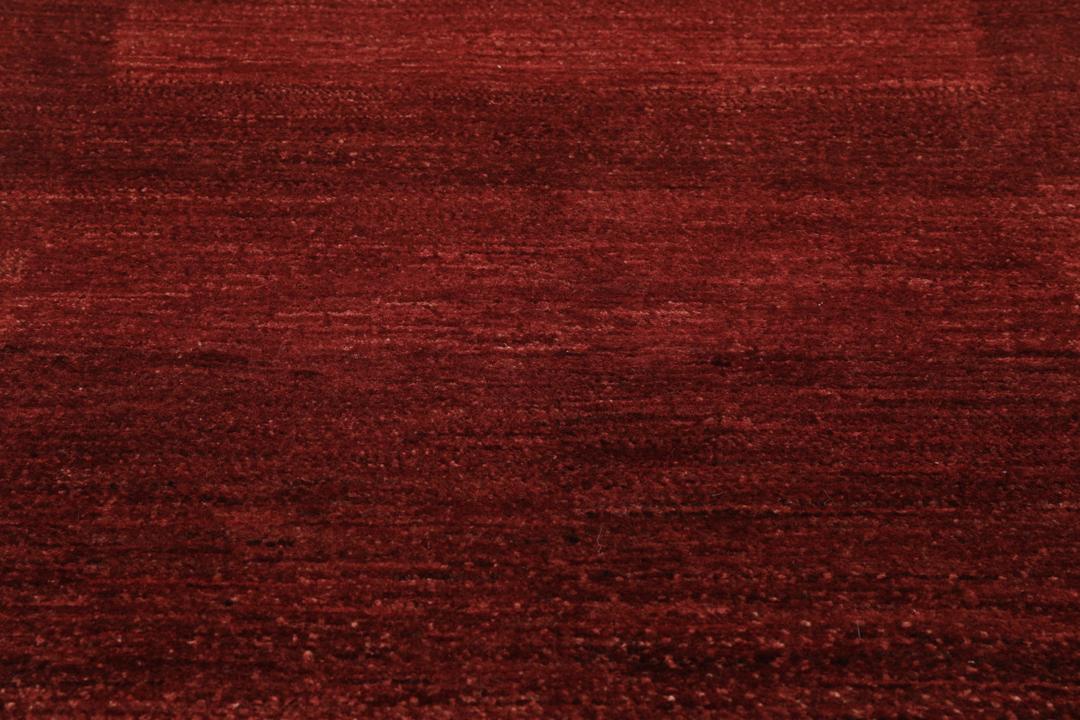
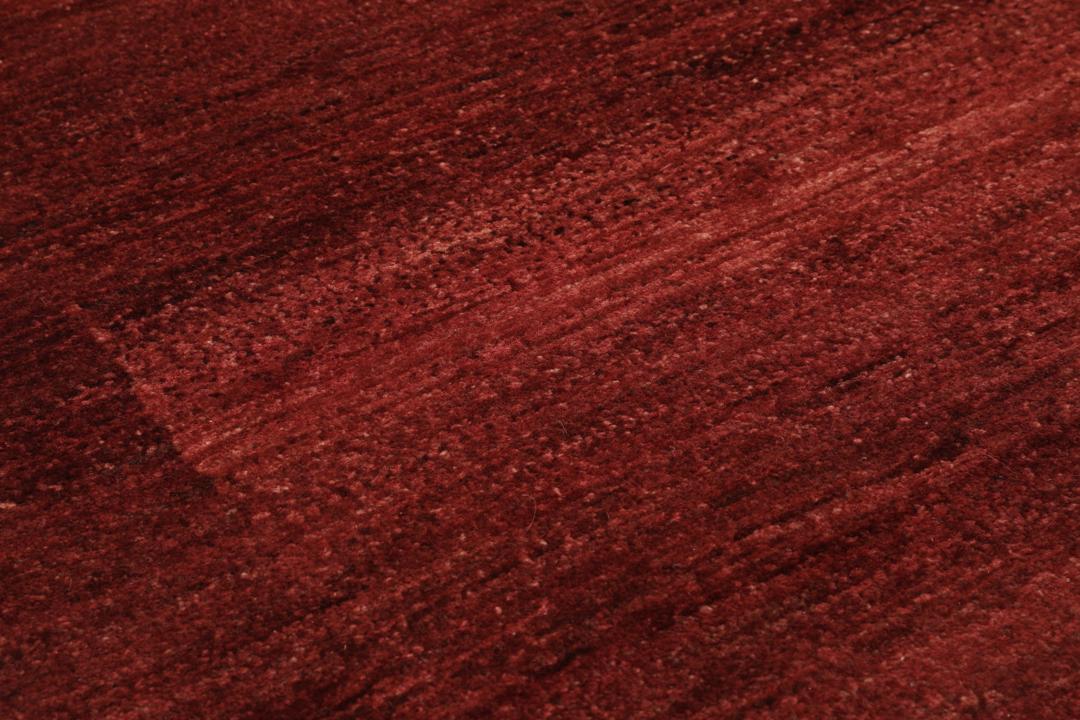
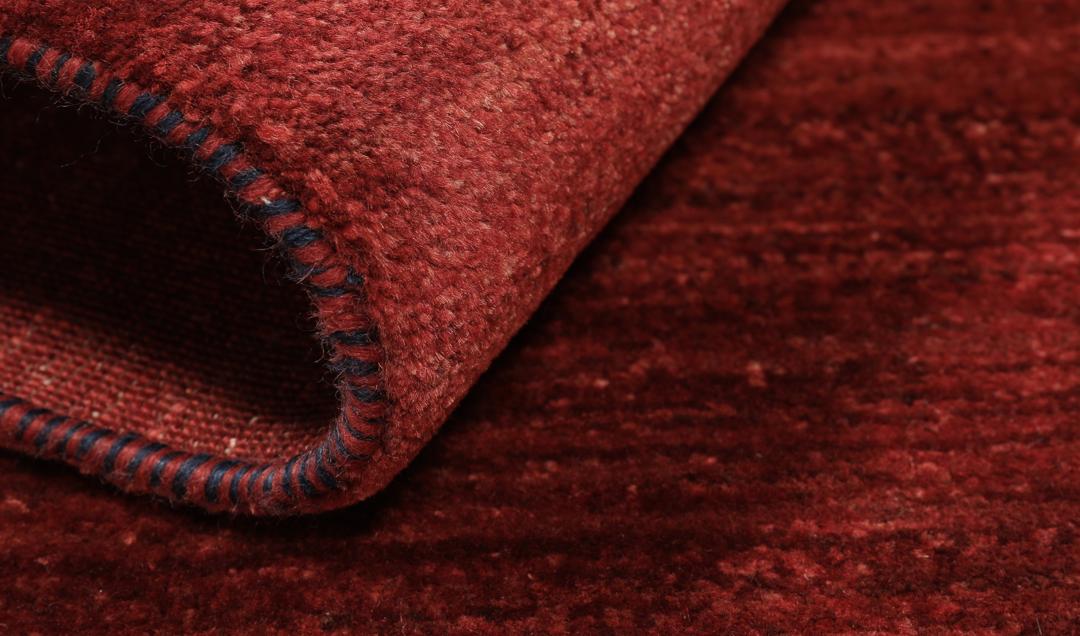
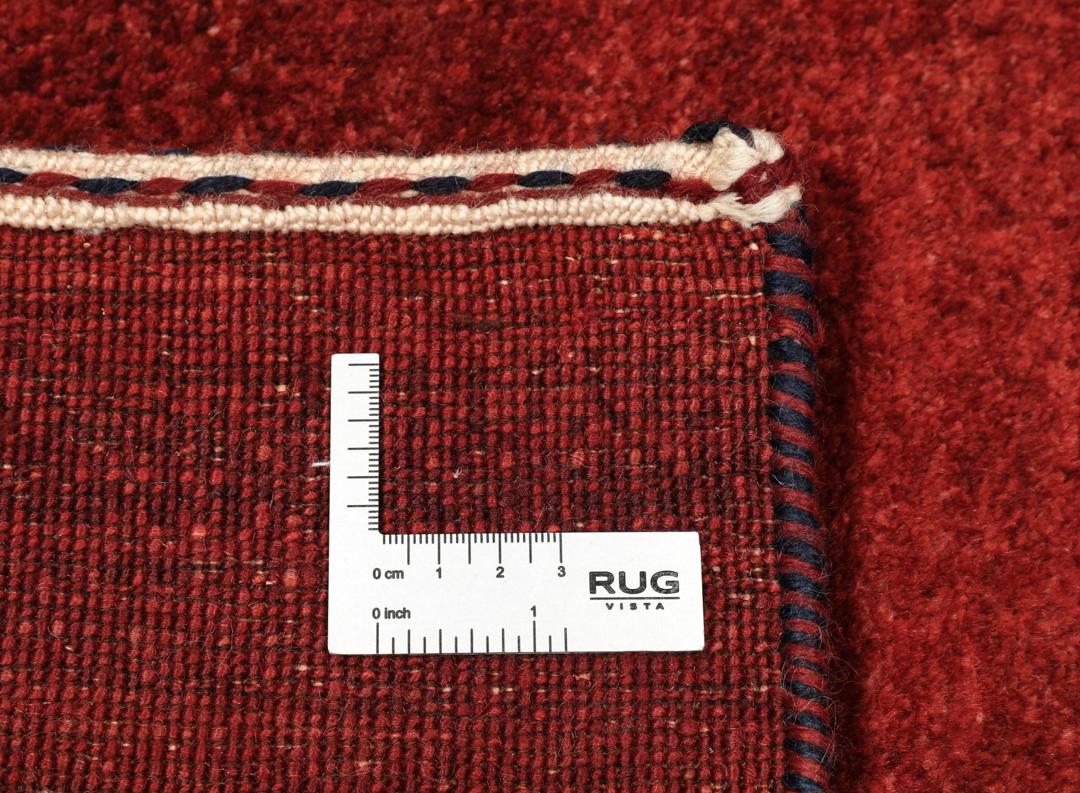
The term Loribaft refers to a style that prioritises a thicker, softer pile compared to many other regional types. This specific construction technique involves using high-quality wool that is hand-spun to create a dense, lustrous surface. The result is a rug that is not only visually striking but also incredibly soft and resilient, designed to provide comfort in the harsh conditions of nomadic life.
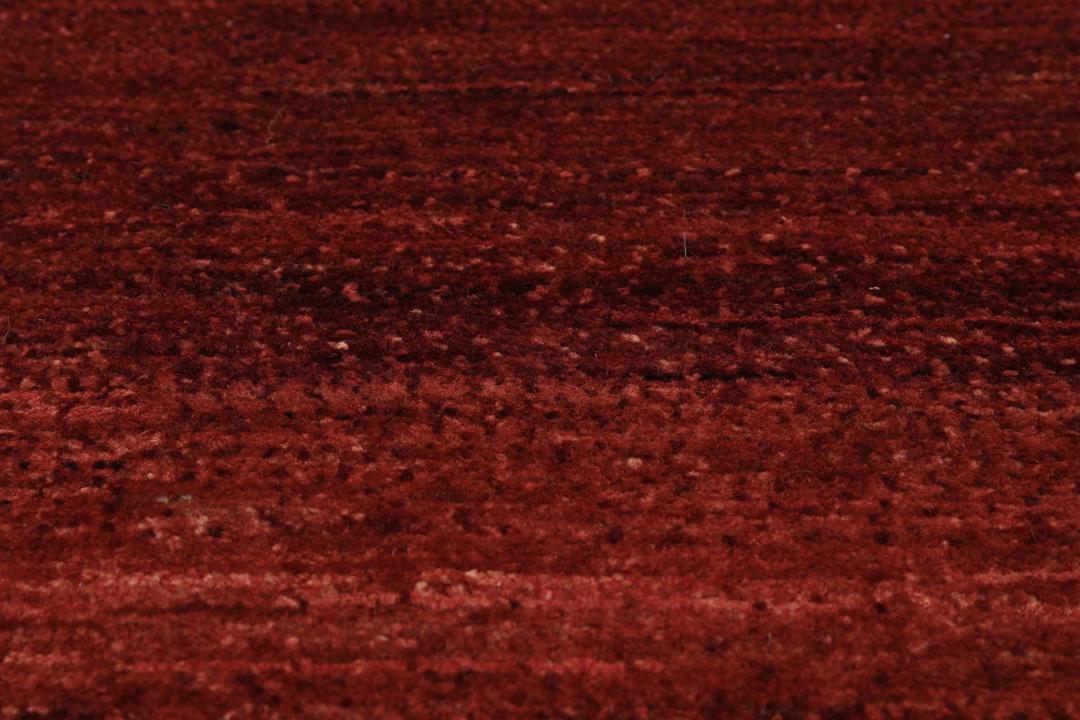
Visually, these rugs are often celebrated for their bold, saturated colours and simple, powerful motifs. While traditional patterns often lean toward geometric or simplified floral themes, the beauty of a Loribaft rug lies in its ability to showcase the natural variations of the wool and the depth of the dye. This particular rug features a rich, uniform red that highlights the skill of the dyer and the quality of the raw materials.
Collecting a rug from this tradition is an investment in human heritage and artistic expression. Each piece represents a bridge between ancient tribal life and modern home design, offering a level of authenticity and warmth that mass-manufactured flooring cannot replicate. Owning this rug is a way to celebrate the enduring legacy of the weavers who have kept these techniques alive for generations.