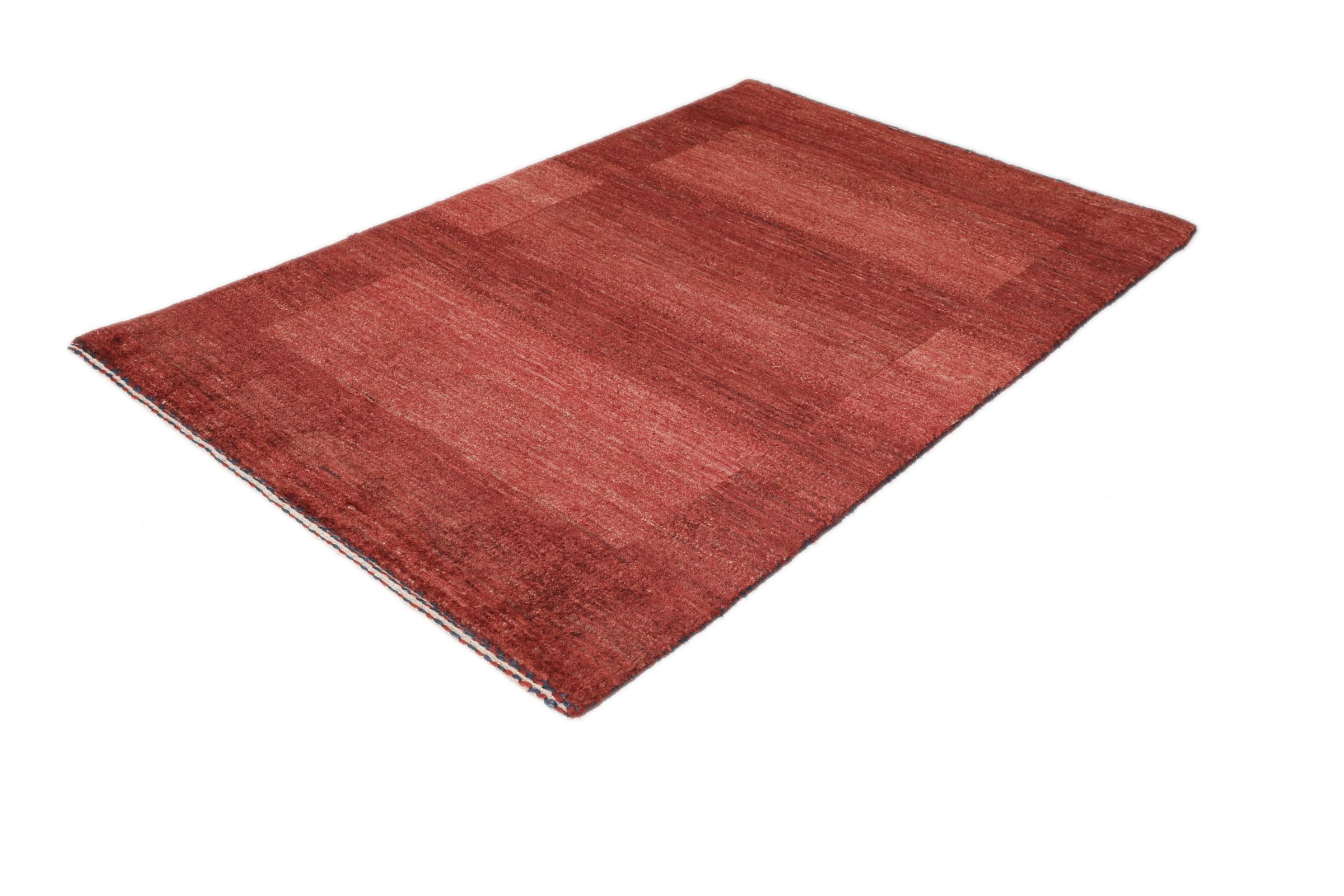
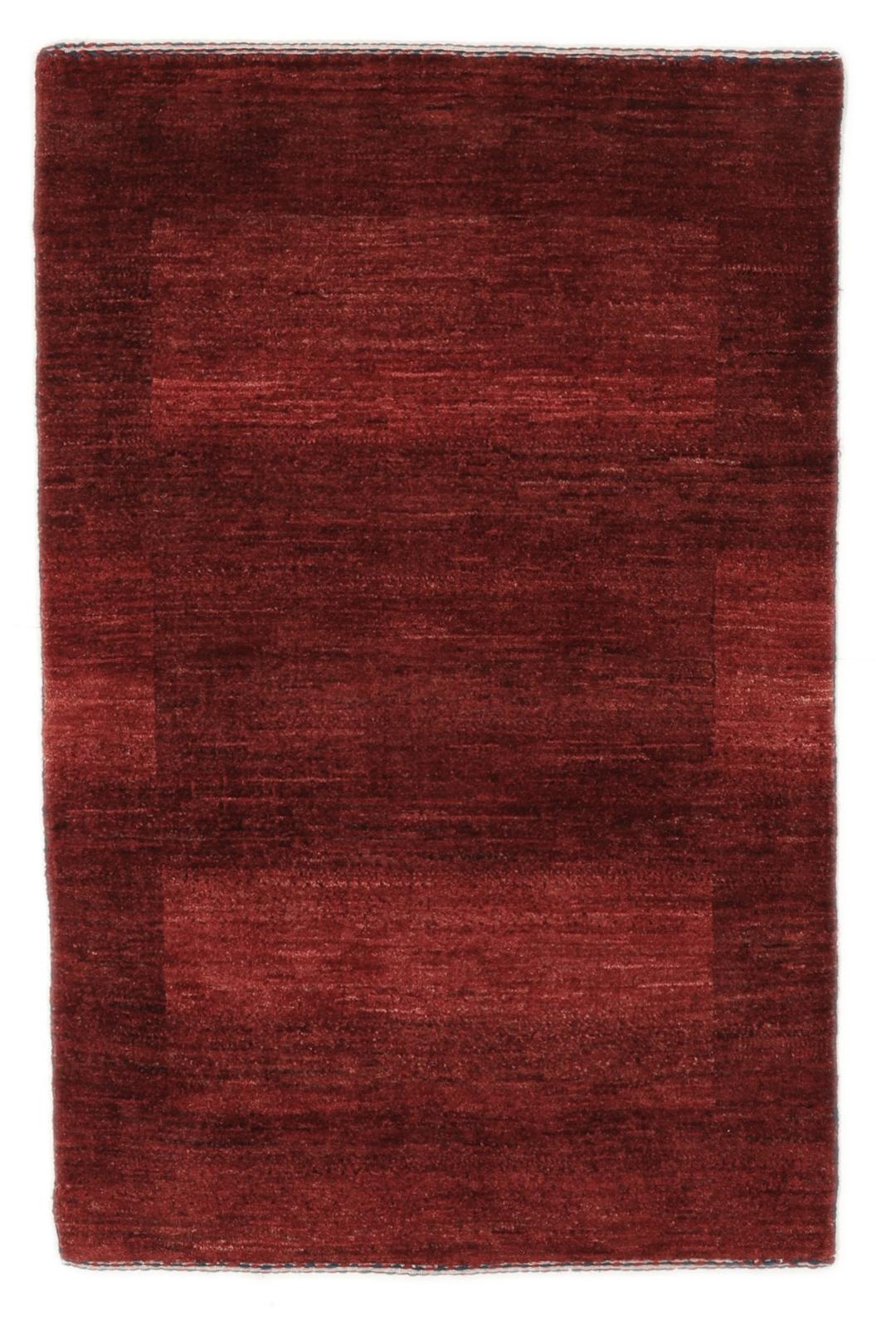
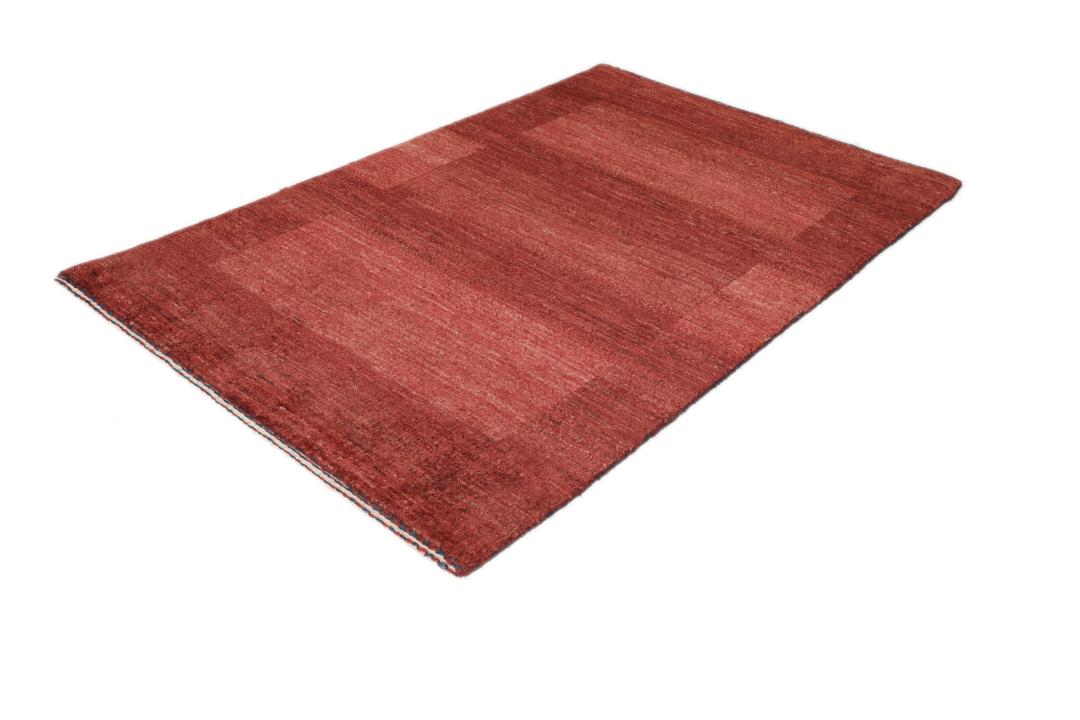
The Loribaft tradition finds its roots in the nomadic cultures of the Middle East, where weaving was a deeply integrated part of daily life. These rugs were traditionally crafted by tribal groups who drew inspiration from their surrounding landscapes and ancestral patterns, resulting in a style that is both rustic and sophisticated. Over time, these weaving practices have evolved, yet they remain anchored in a profound respect for the materials and the environment.
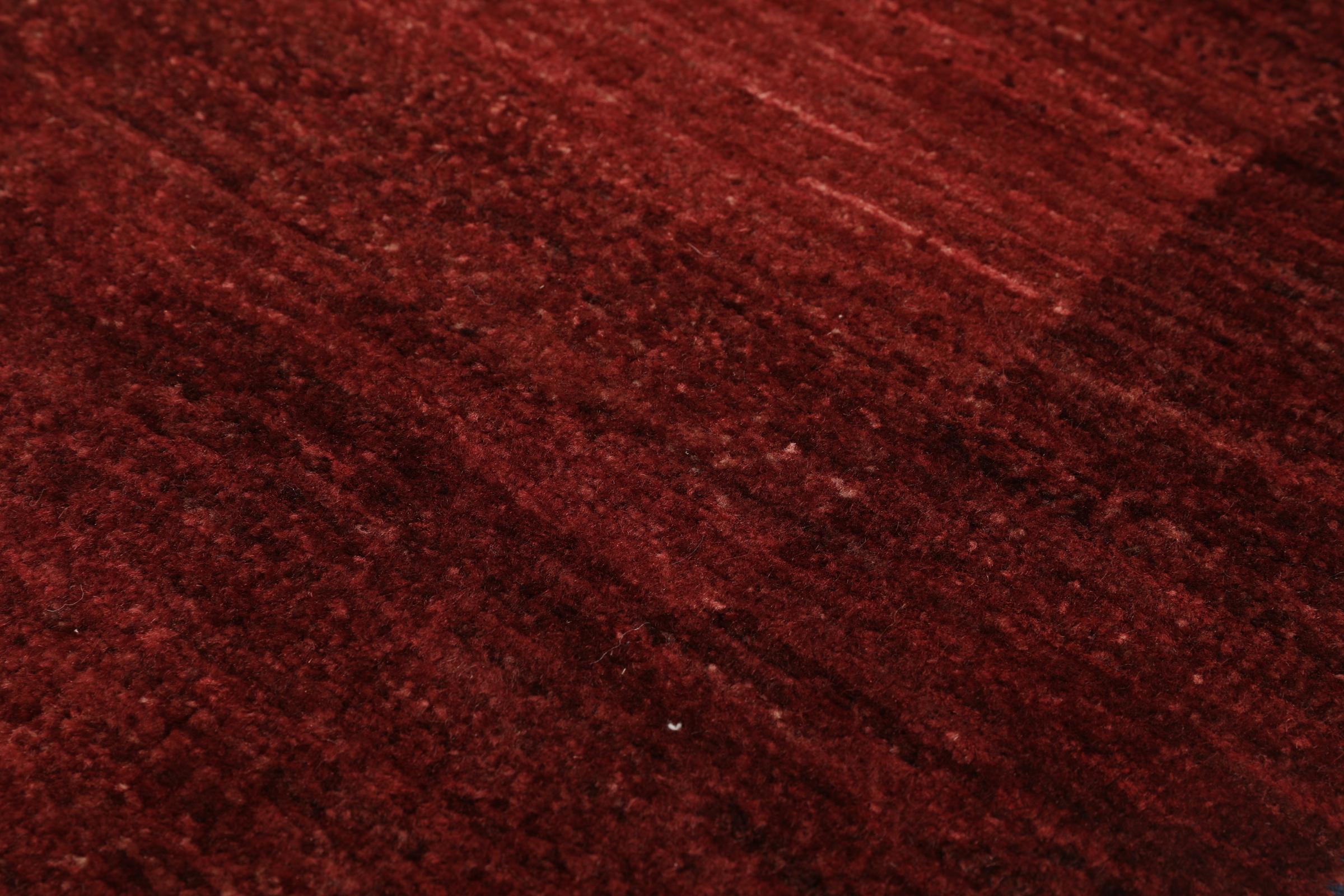
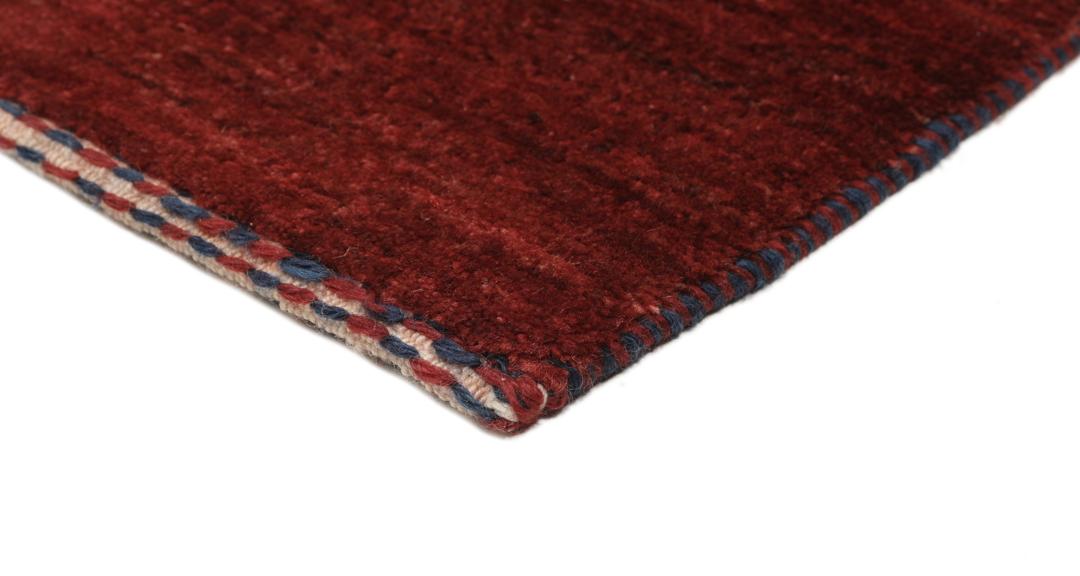
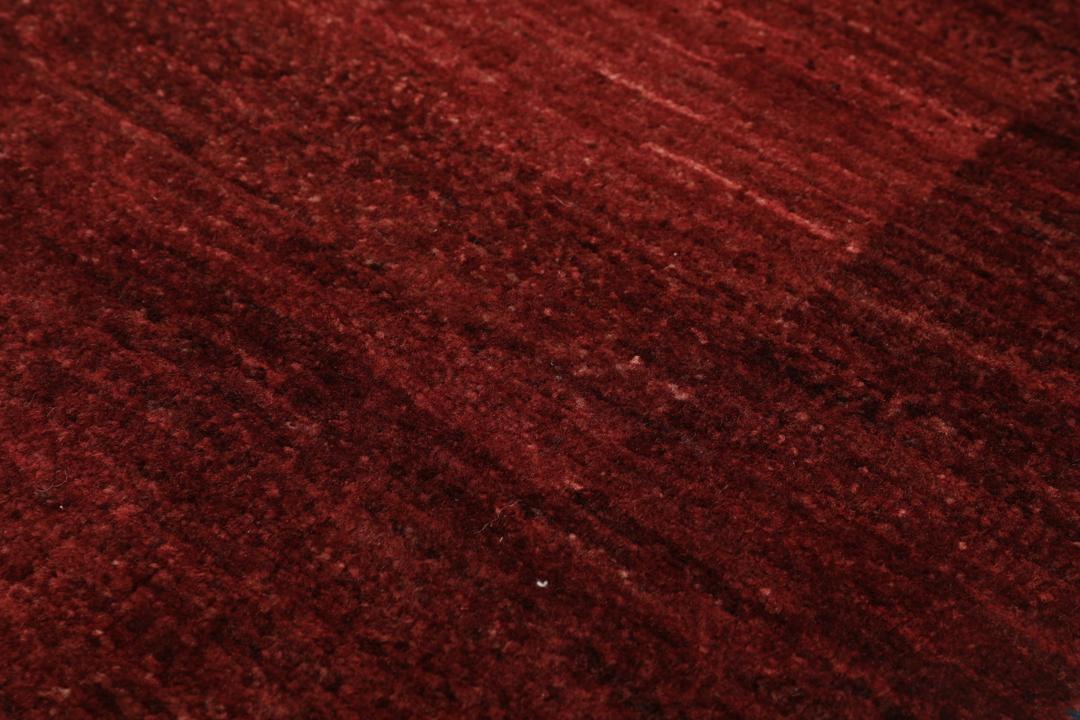
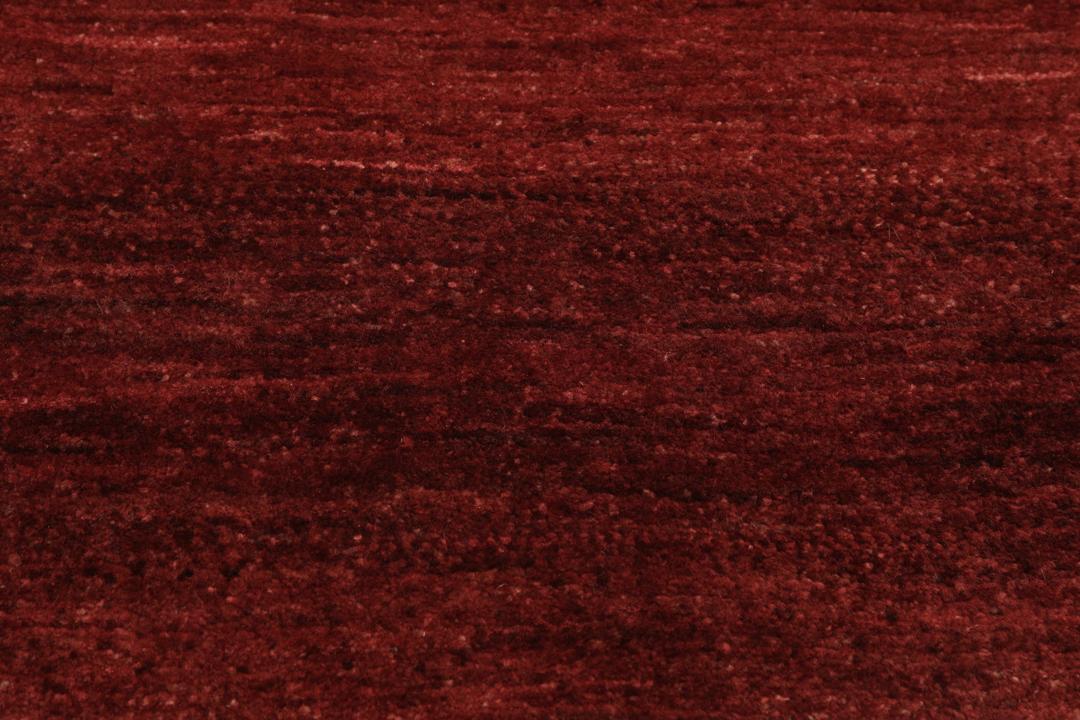
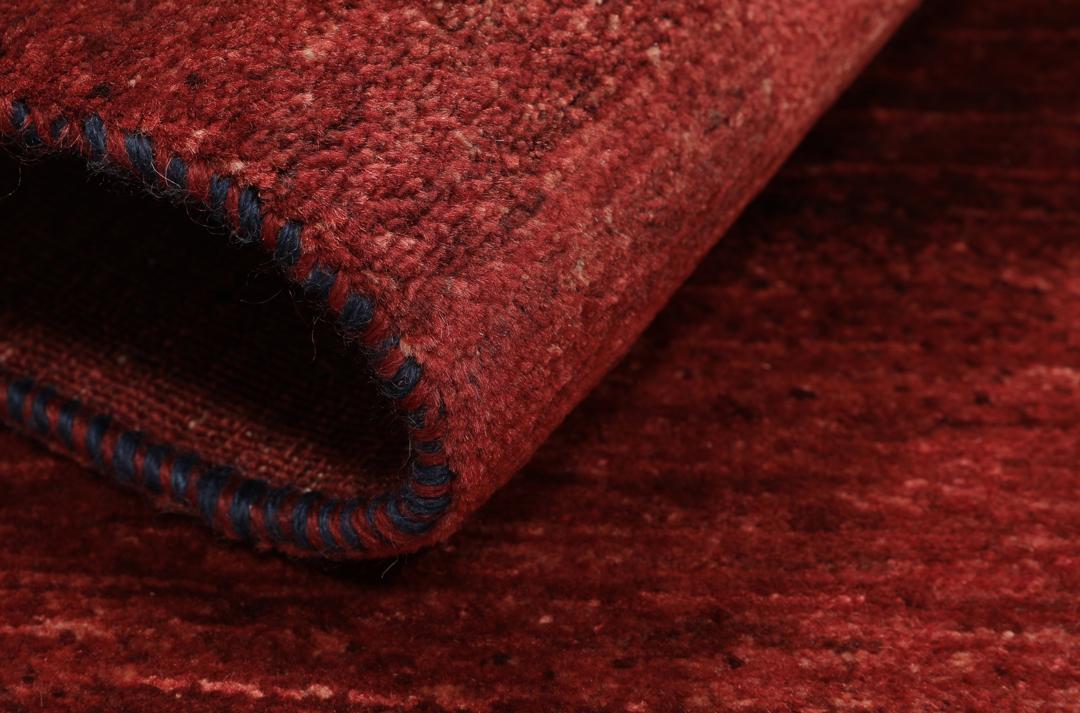
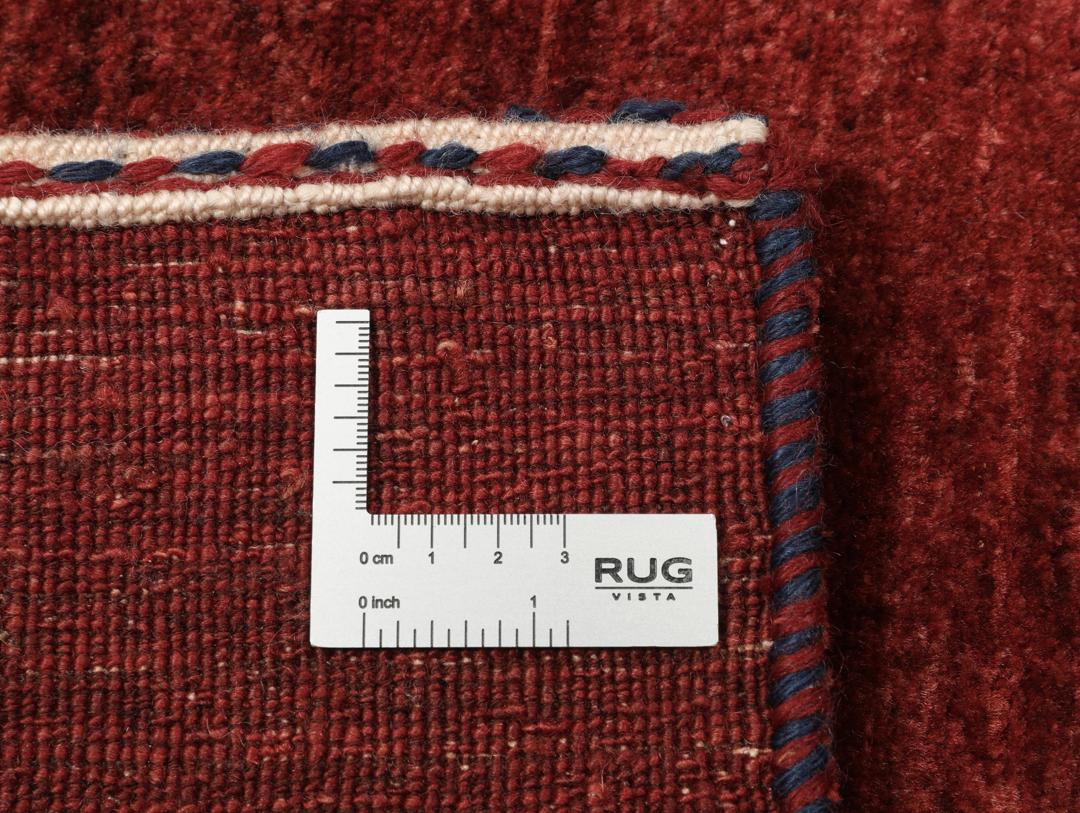
The term 'Loribaft' refers to a specific style of weaving often associated with the Luri and Qashqai tribes. These rugs are known for their thicker, more substantial pile compared to many other regional types. The use of high-quality wool, which is often hand-spun, gives the finished piece a lustrous sheen and a softness that develops a beautiful character as it ages.
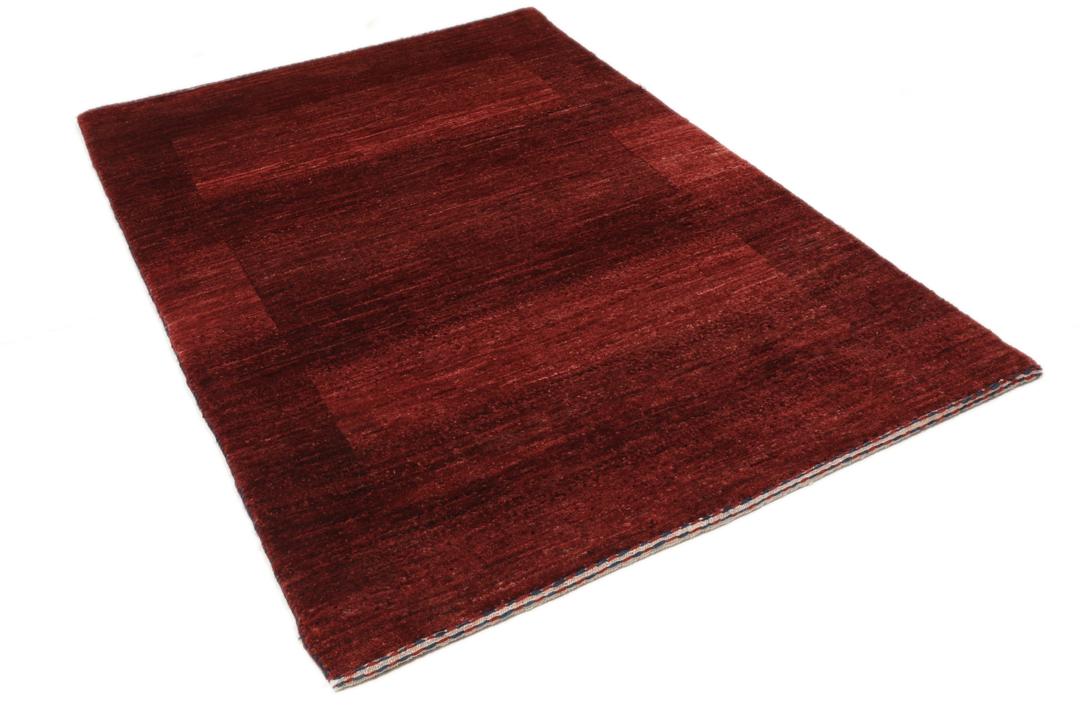
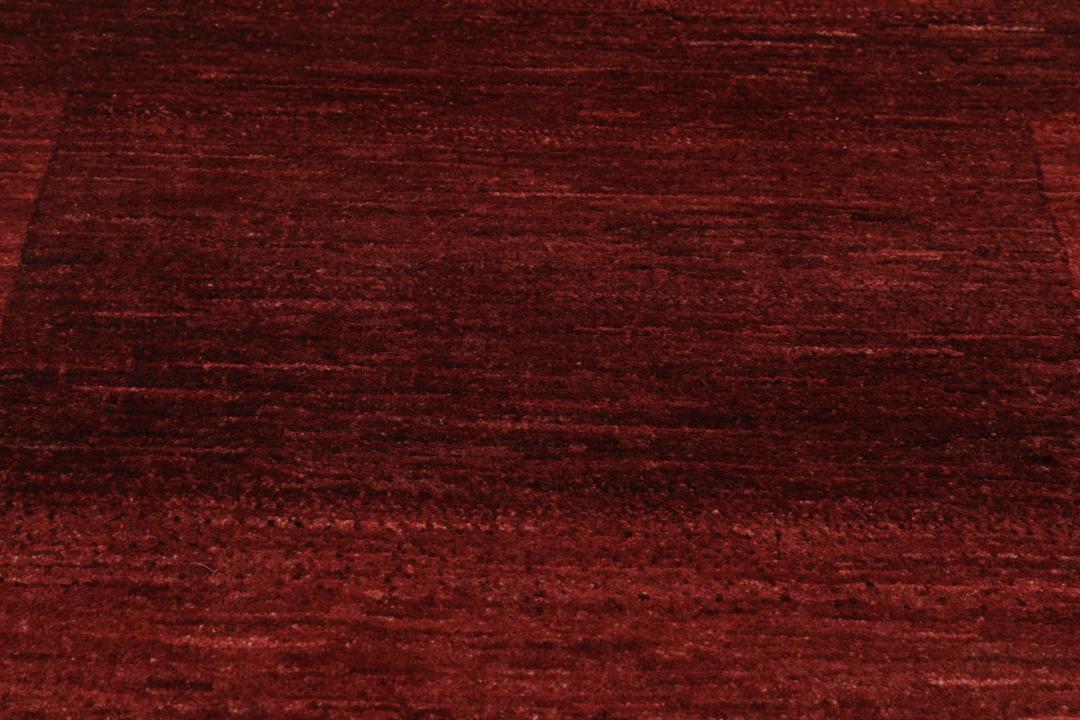
Visual language in this tradition often leans toward minimalist or abstract expressions, allowing the material and colour to take centre stage. While some rugs feature intricate tribal motifs, many Loribaft pieces focus on open fields and subtle gradients, reflecting a focus on the purity of the wool and the depth of the dye. This particular rug captures that essence, showcasing a bold, unified presence that commands attention without overwhelming a room.
Owning a Loribaft rug is more than just a decor choice; it is an investment in a living heritage. These rugs are highly valued by collectors for their authenticity, the immense skill required for their creation, and their ability to bring a sense of history into a modern home. They serve as a bridge between ancient craft and contemporary living, offering a lasting, tactile connection to a rich cultural past.