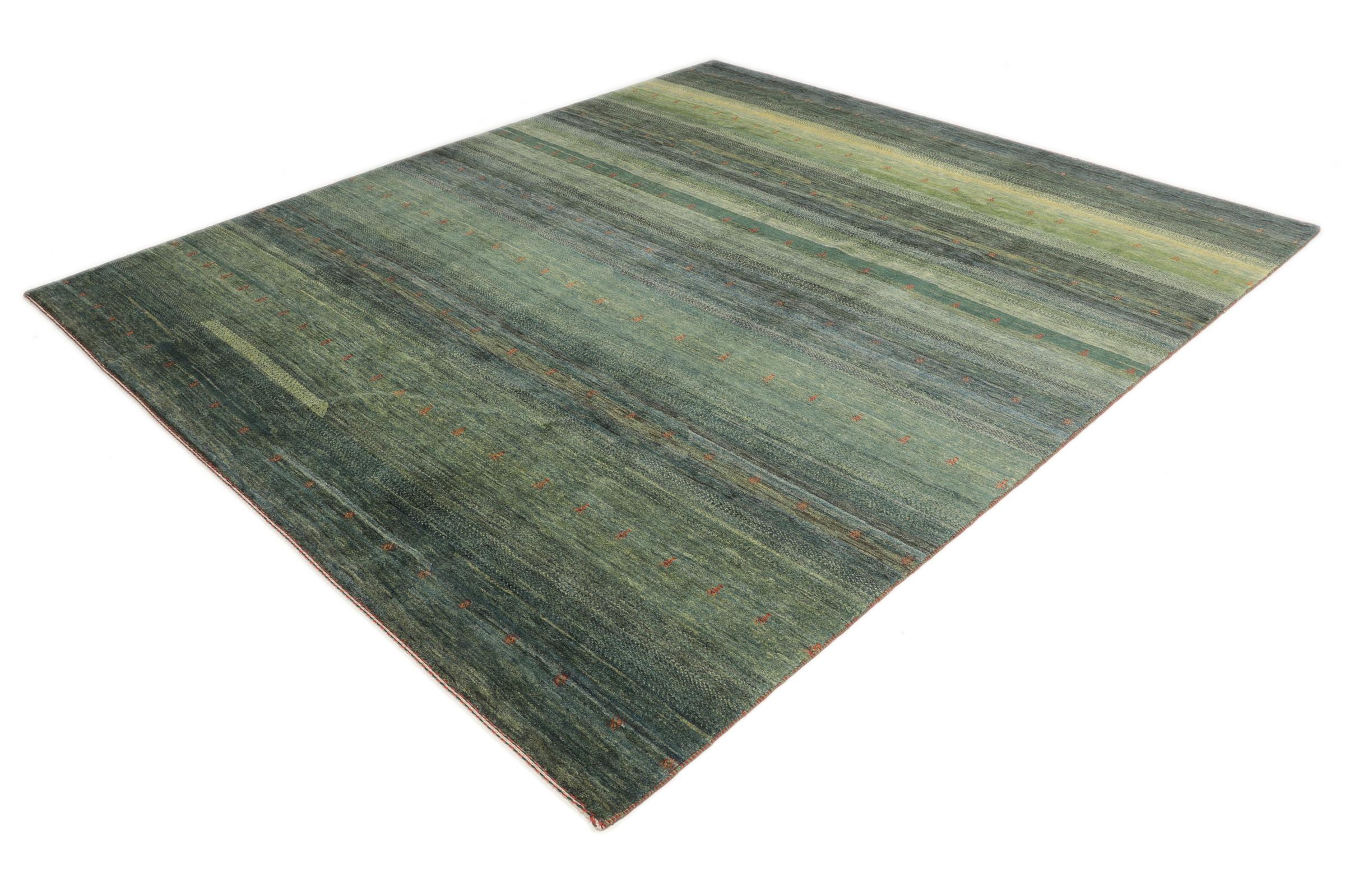
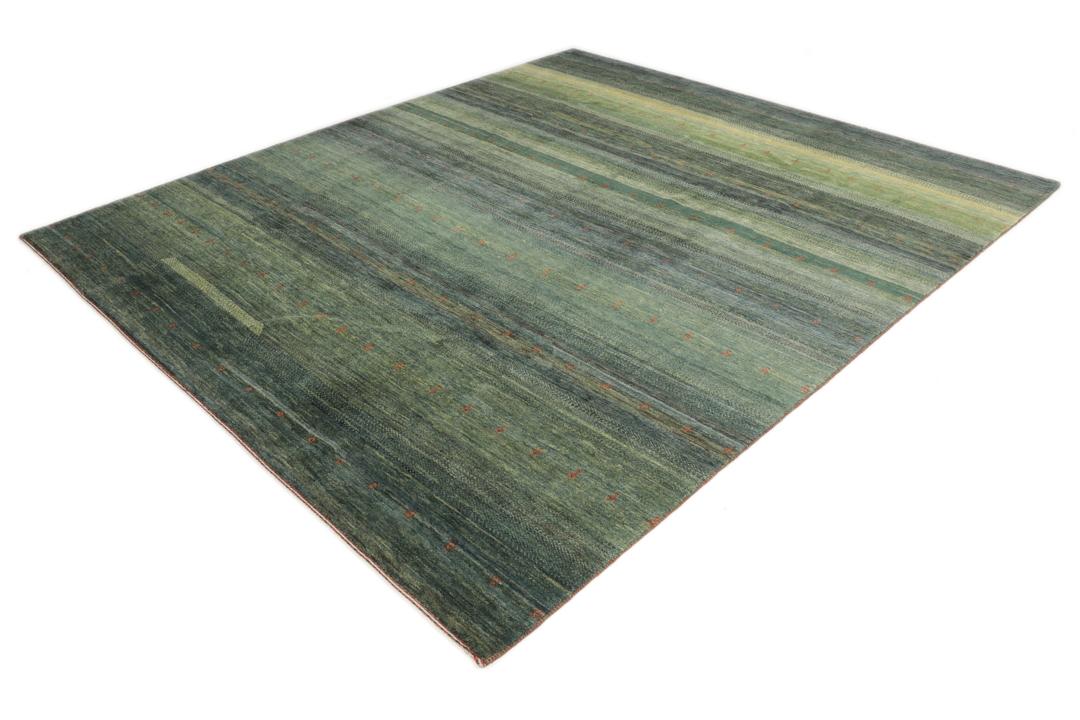
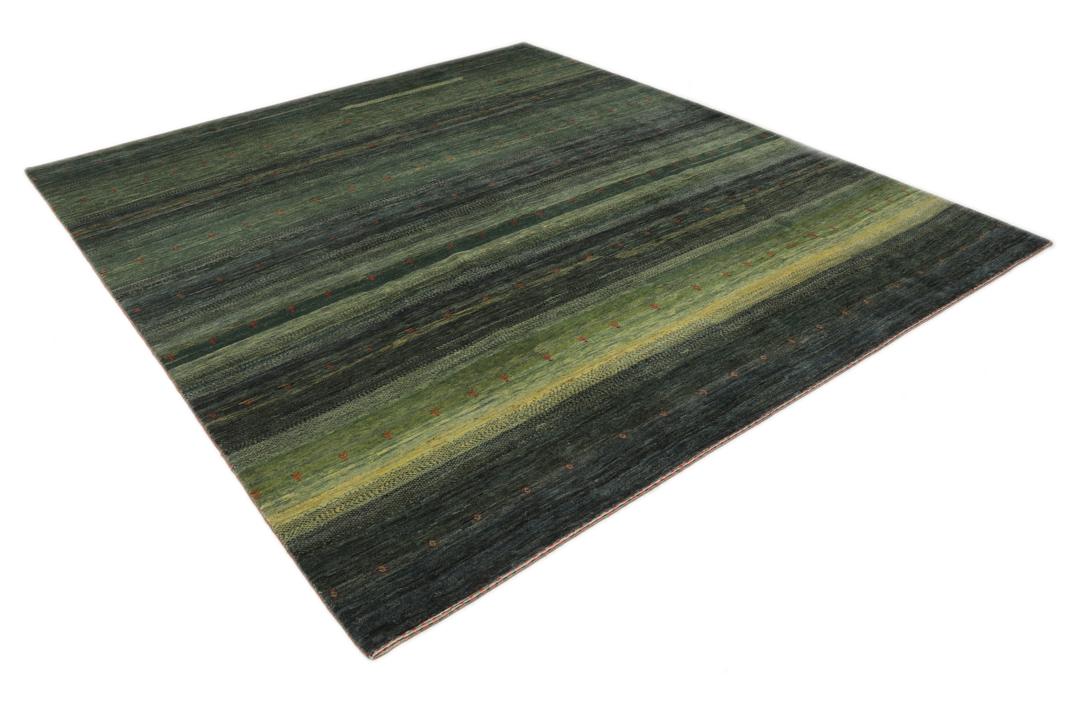
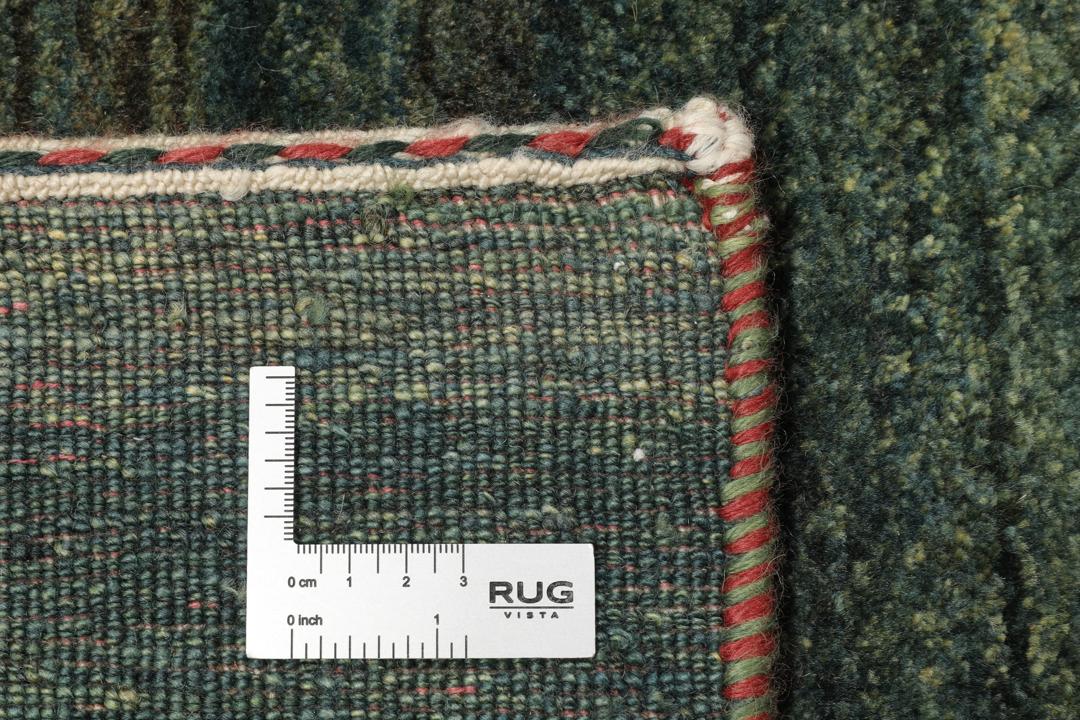
Loribaft rugs originate from the tribal weaving traditions of the Middle East, specifically associated with the nomadic populations who have lived in the rugged landscapes of the region for centuries. These rugs were historically created for practical use within nomadic tents, serving as insulation against the cold ground and as vibrant expressions of the weaver's personal and cultural identity.
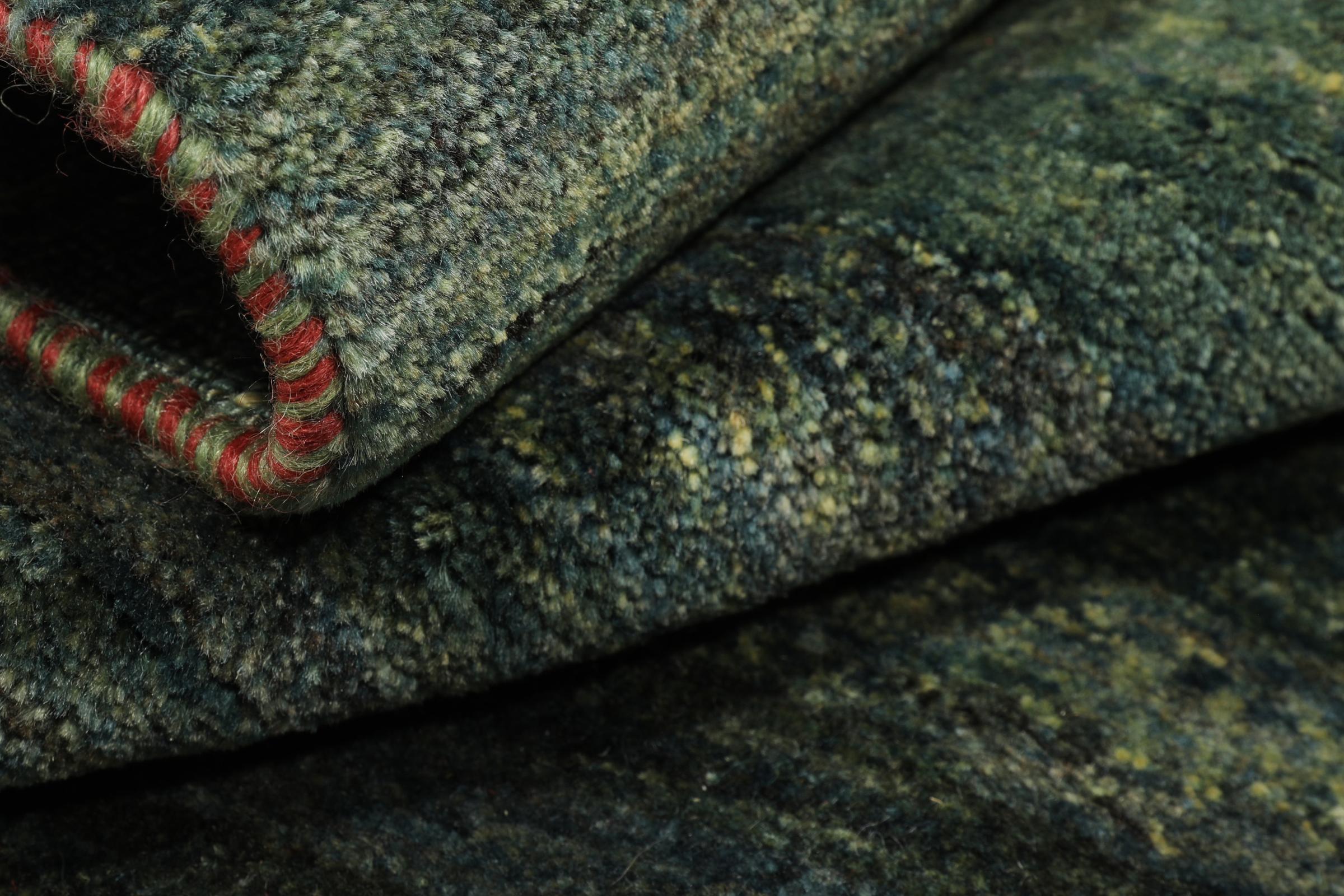
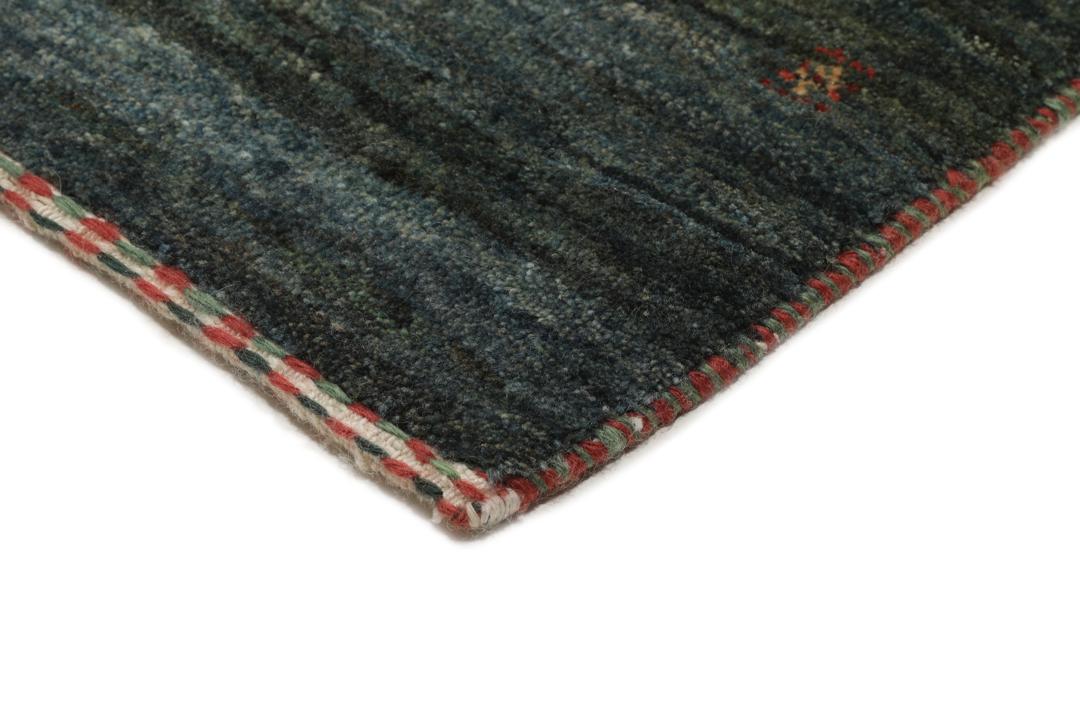
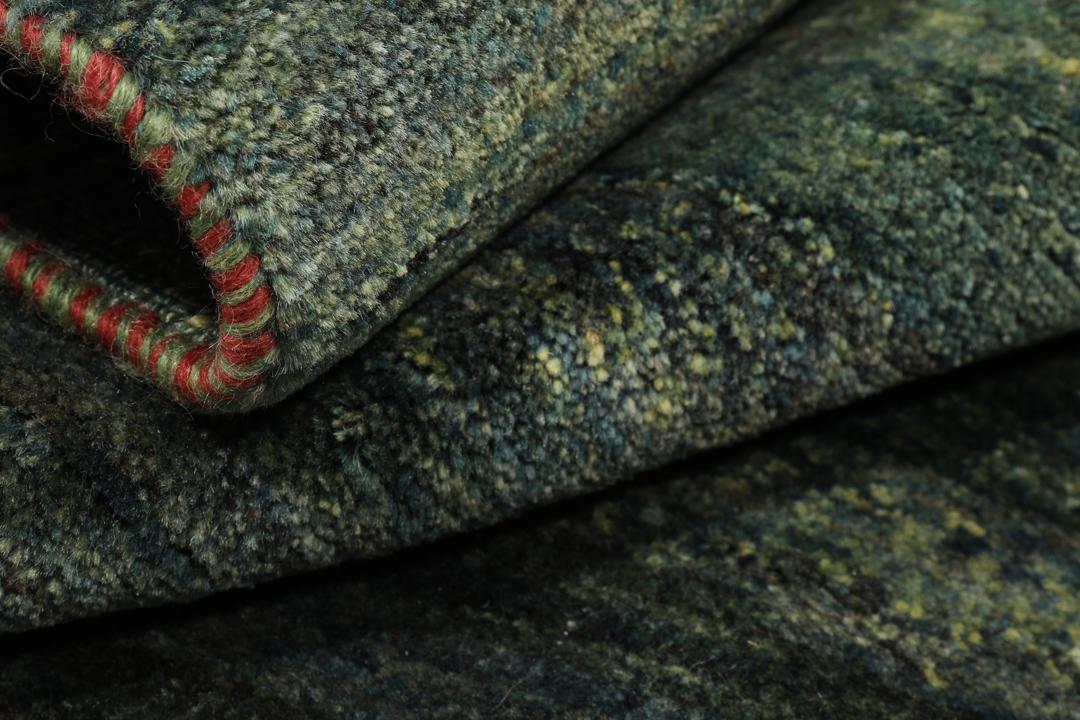
The term Loribaft refers to a style that emphasises a thick, plush pile made from high-quality wool, often using a simplified, more contemporary approach to traditional tribal designs. Unlike more formal, city-made rugs, these pieces often feature a more relaxed, spontaneous quality, reflecting the weaver's artistic freedom and the natural environment from which they draw their inspiration.
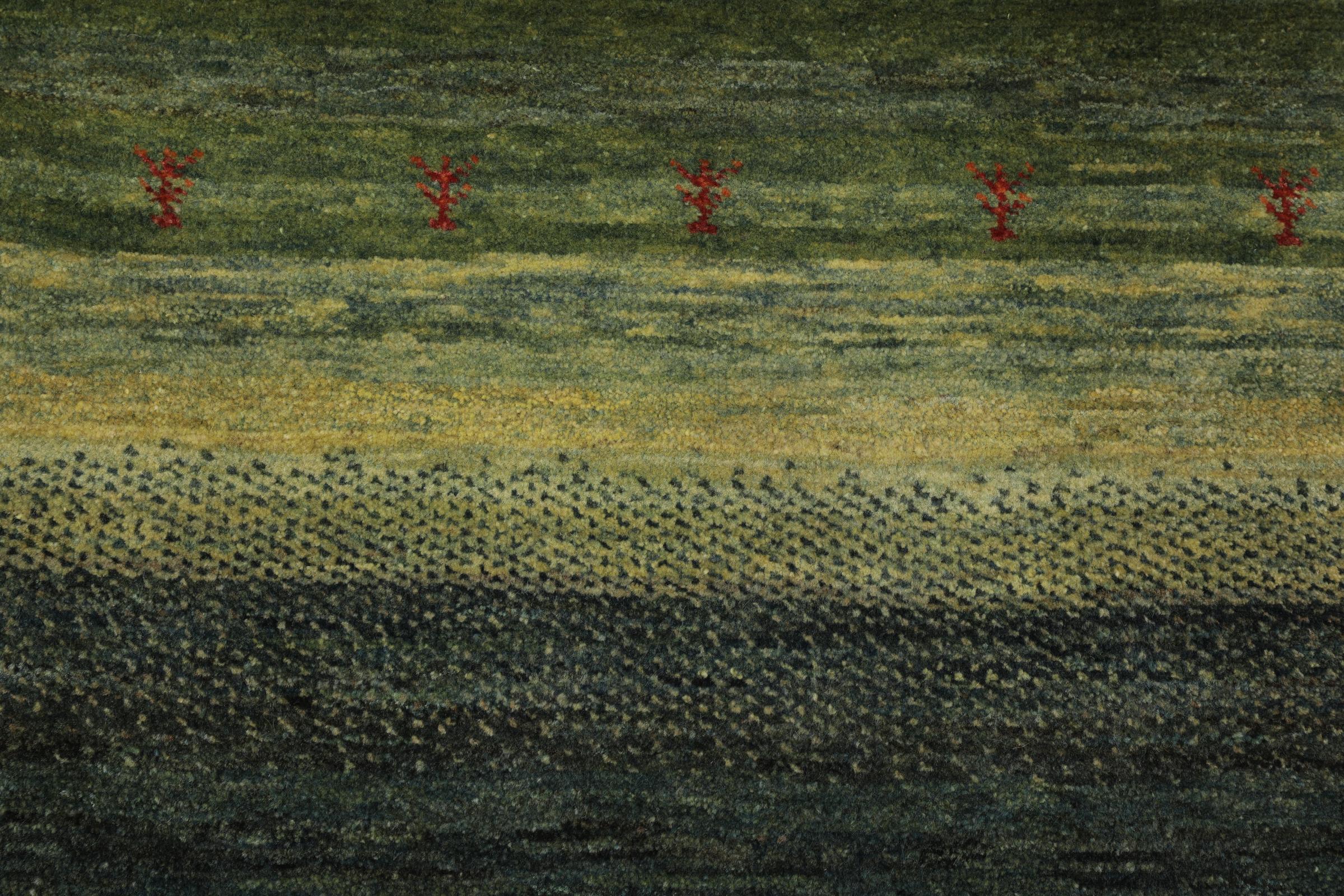
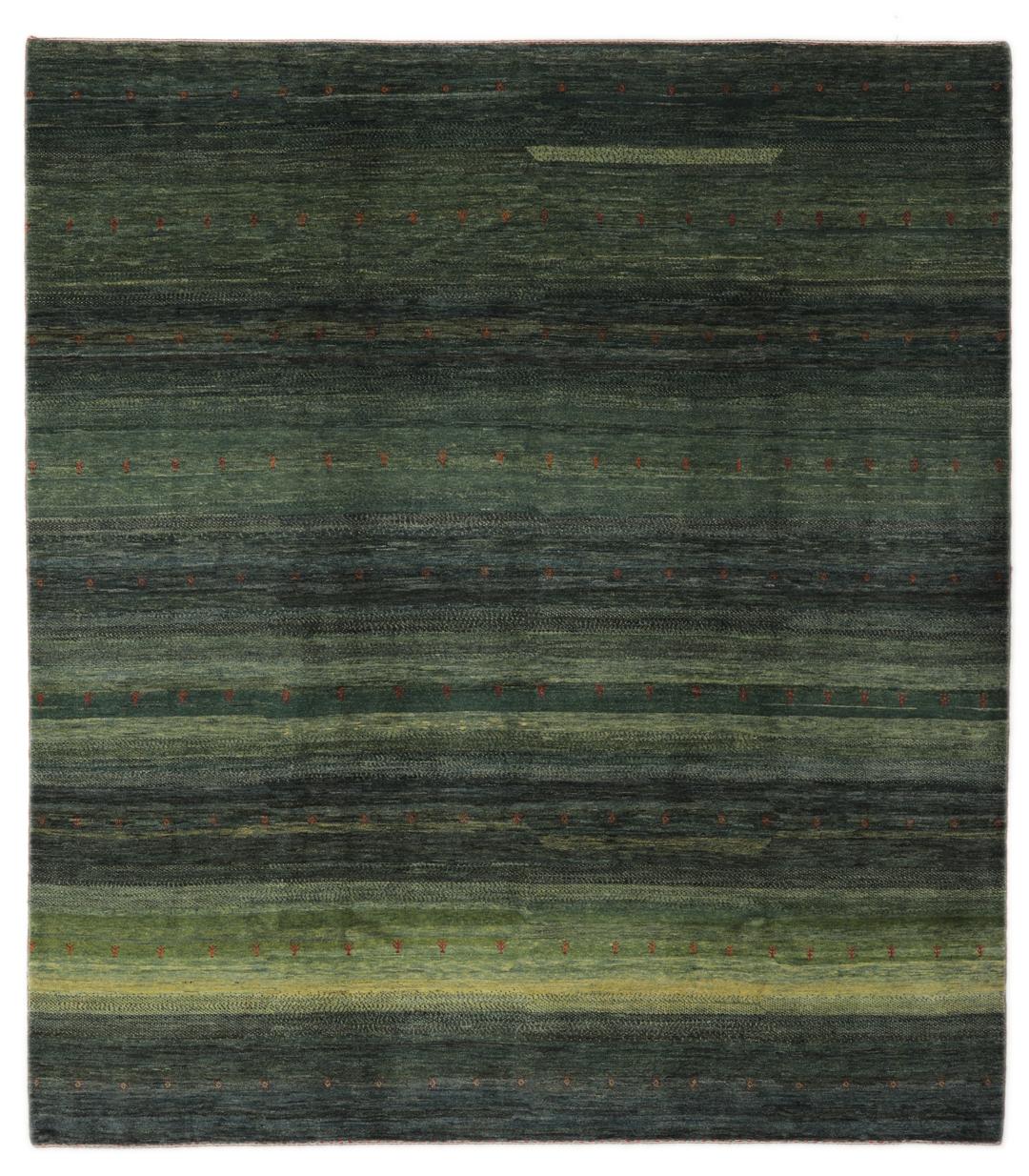
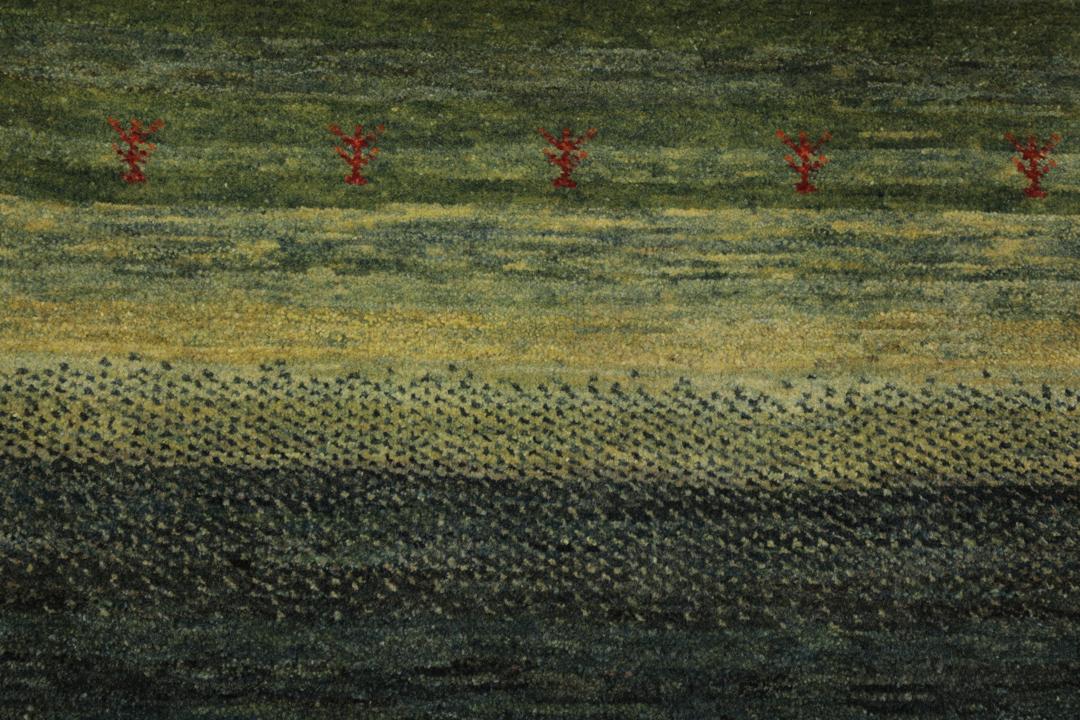
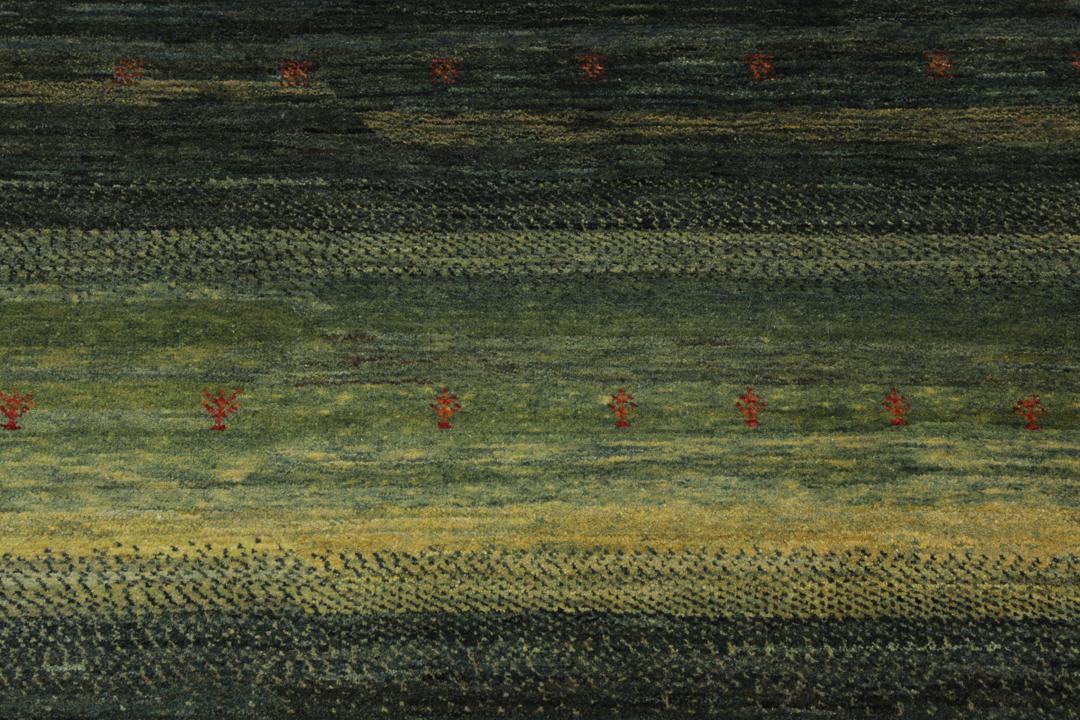
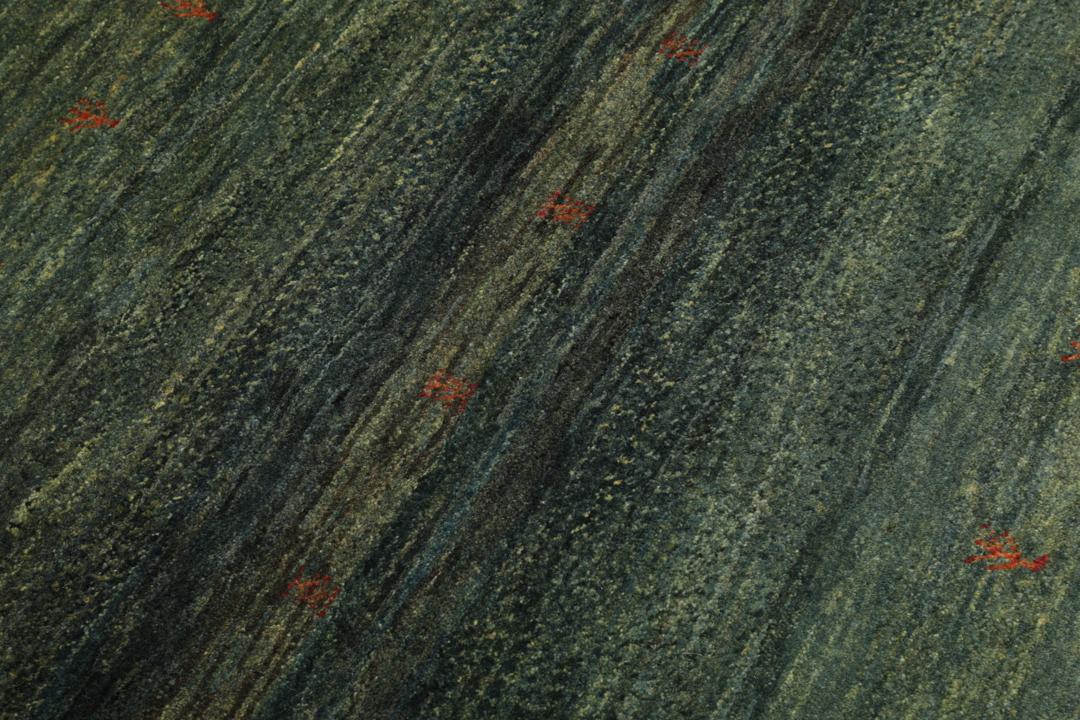
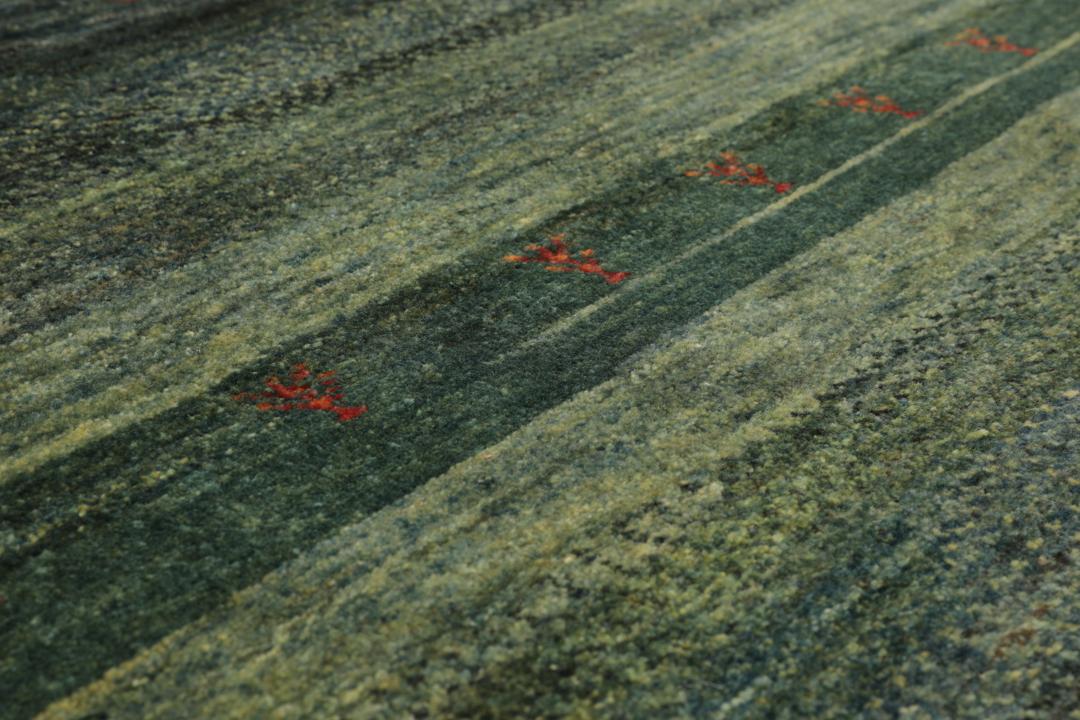
Visually, these rugs are known for their deep, saturated colours—often derived from natural dyes—and their minimalist approach to pattern. While they may incorporate geometric motifs or subtle repeats, the focus is frequently on the beauty of the wool itself and the variations in colour achieved during the dyeing process, which gives each rug a unique, painterly appearance.
Collectors value Loribaft rugs for their authenticity and the palpable sense of human connection they bring to a modern home. They are more than just floor coverings; they are tangible records of a long-standing craft tradition that values skill, patience, and the ability to turn raw, natural materials into something that provides both utility and aesthetic beauty for generations.