Loribaft rugs originate from the tribal traditions of the Middle East, specifically associated with the nomadic peoples of the region. These rugs were historically created by weavers who drew inspiration from their natural surroundings and ancestral stories, translating them into geometric symbols and motifs. Over time, these designs evolved into the sophisticated, highly sought-after styles that represent a bridge between ancient tribal art and modern interior design.
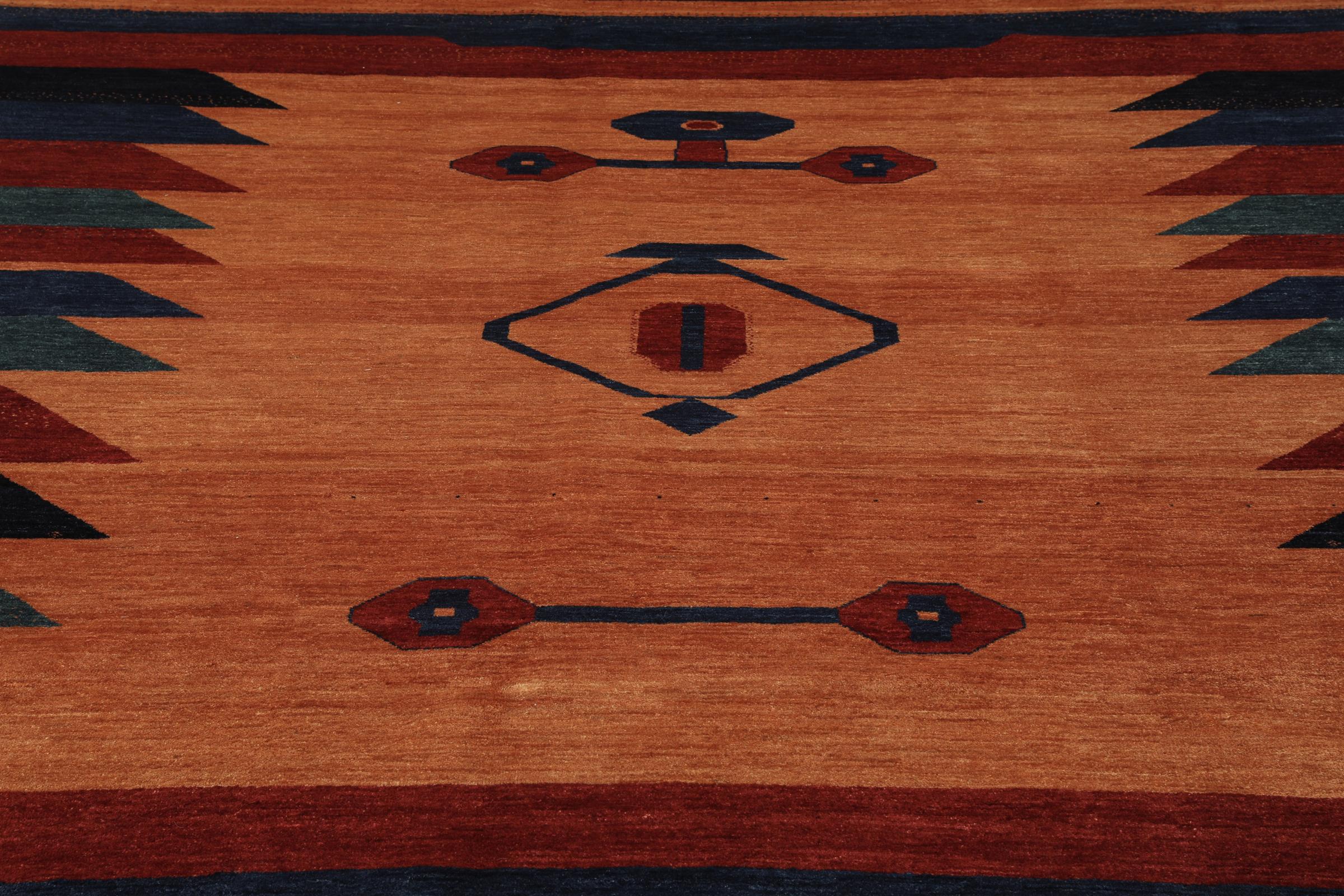
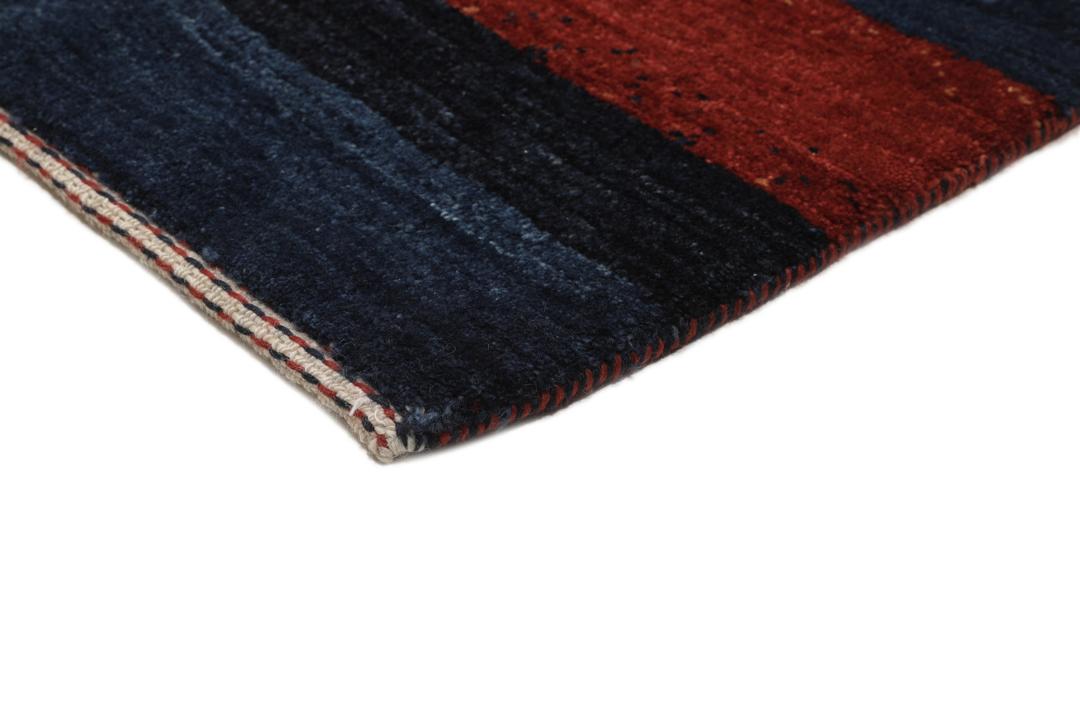
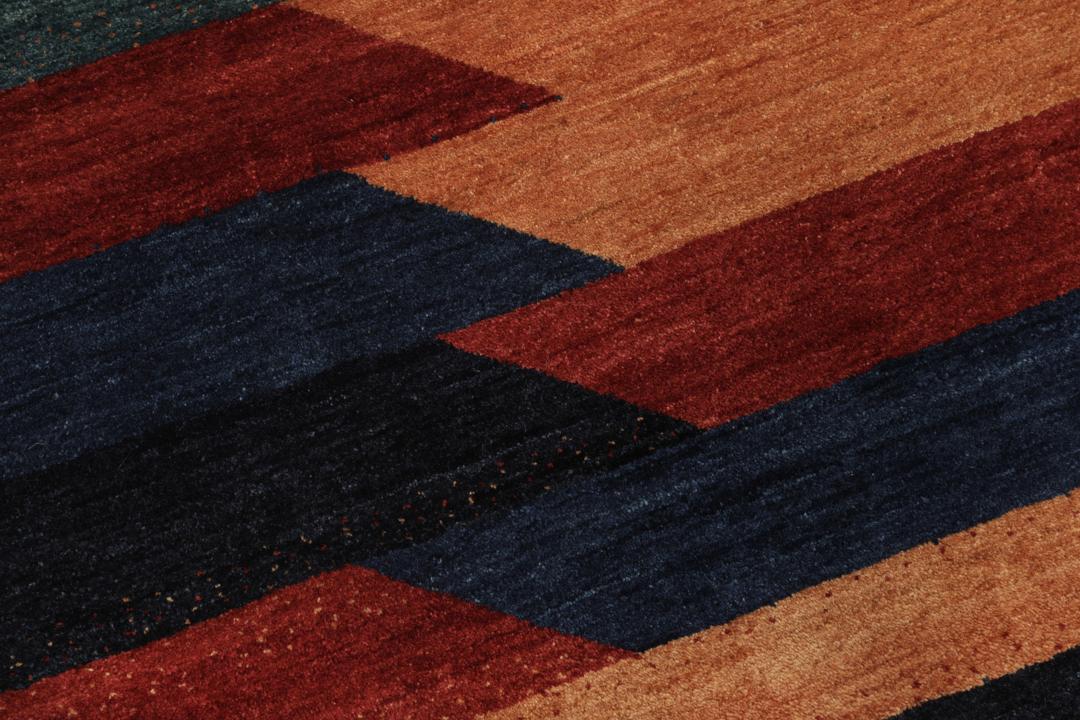
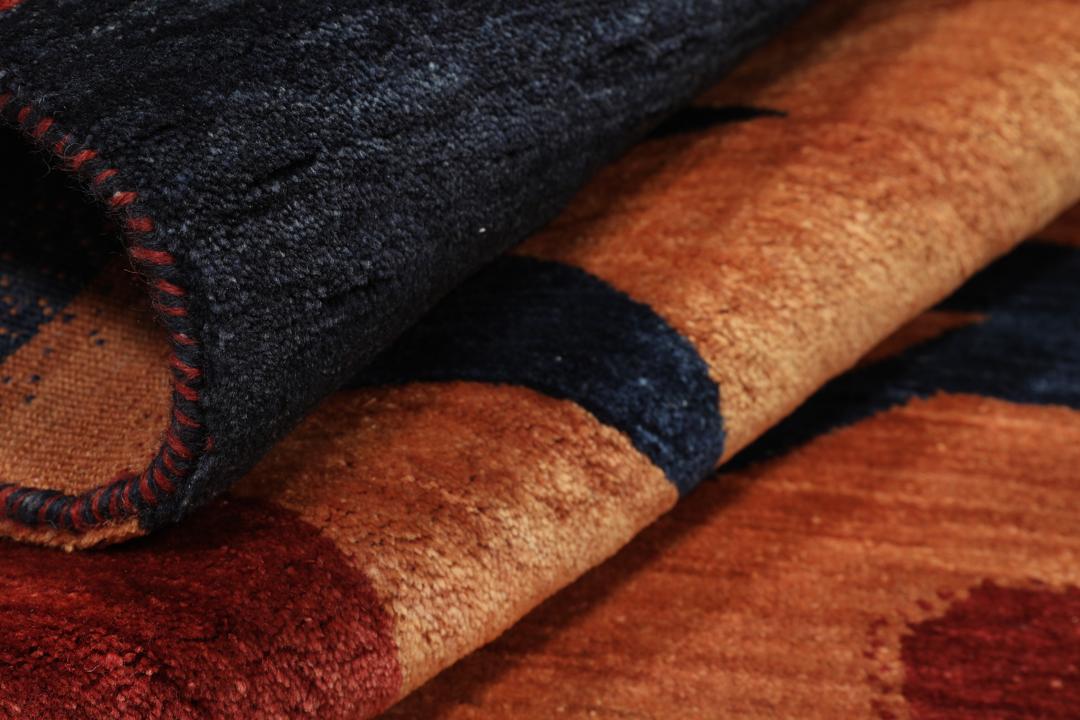
The term 'Loribaft' refers to a specific style of weaving that emphasises a thicker, softer pile and a more relaxed, artistic approach to pattern. Unlike more rigid, formal rug styles, these pieces are celebrated for their slightly irregular, hand-drawn aesthetic, which adds a layer of warmth and human touch. The use of high-quality wool ensures that the finished product is not only visually striking but also incredibly soft and resilient.
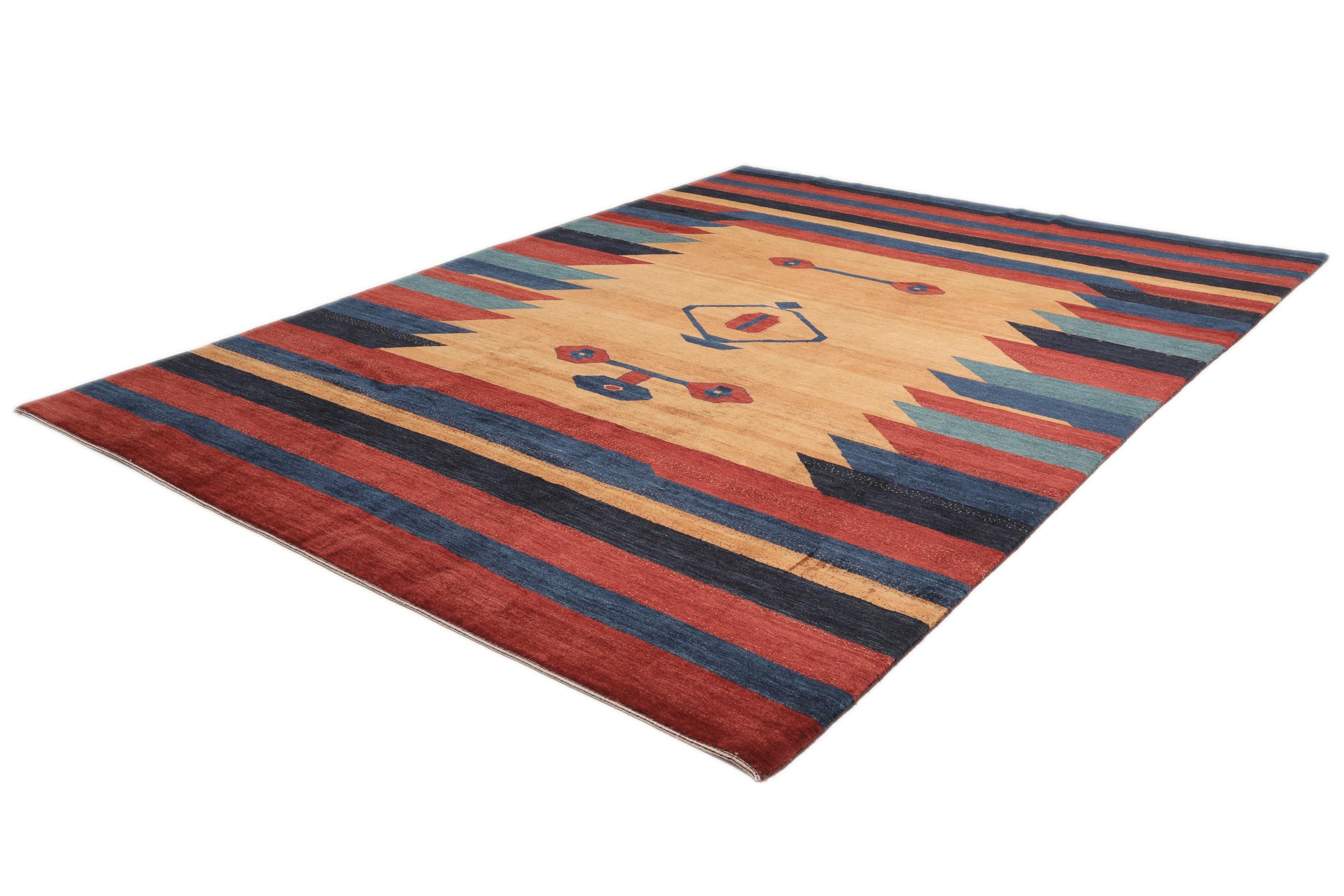
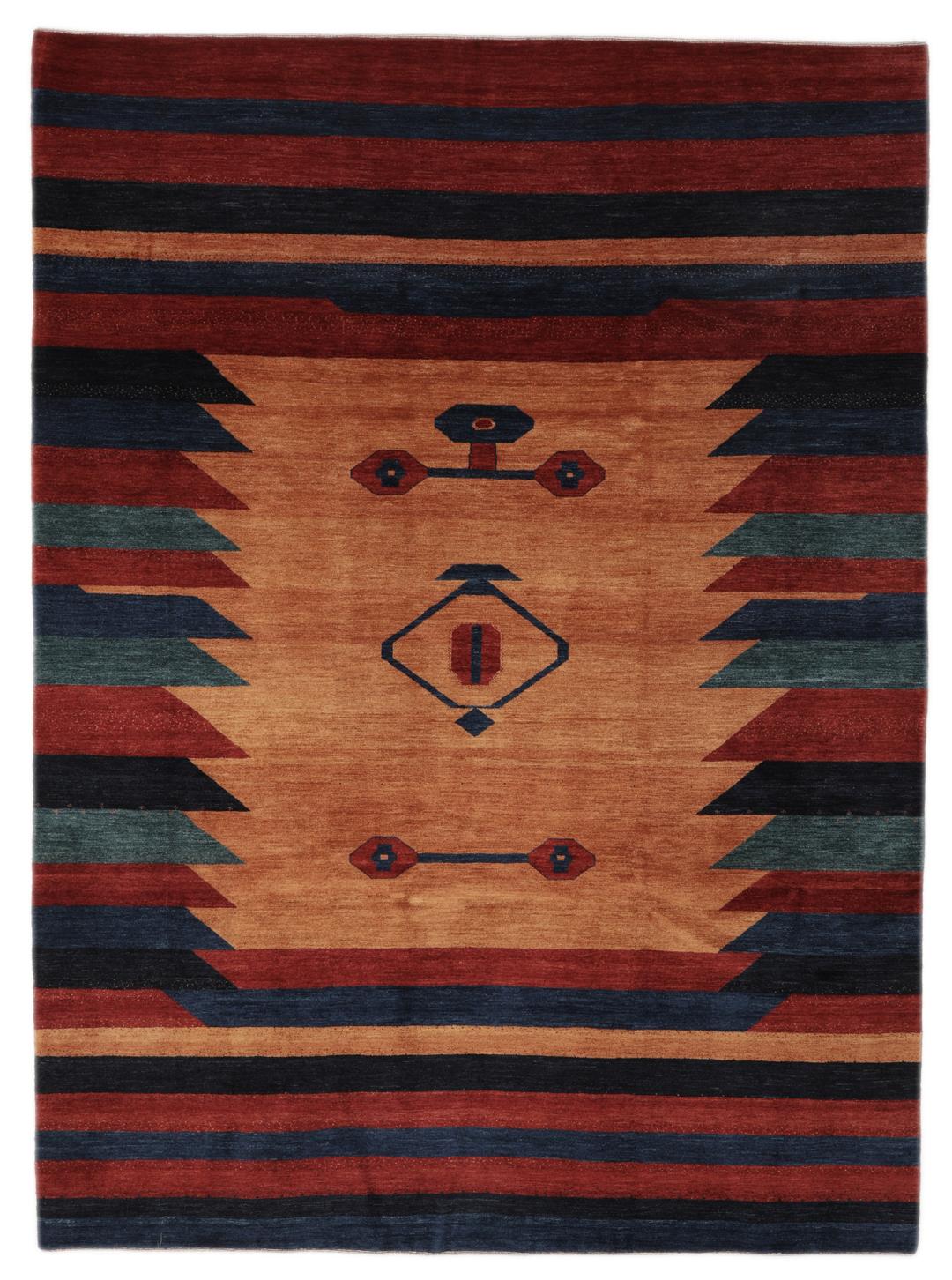
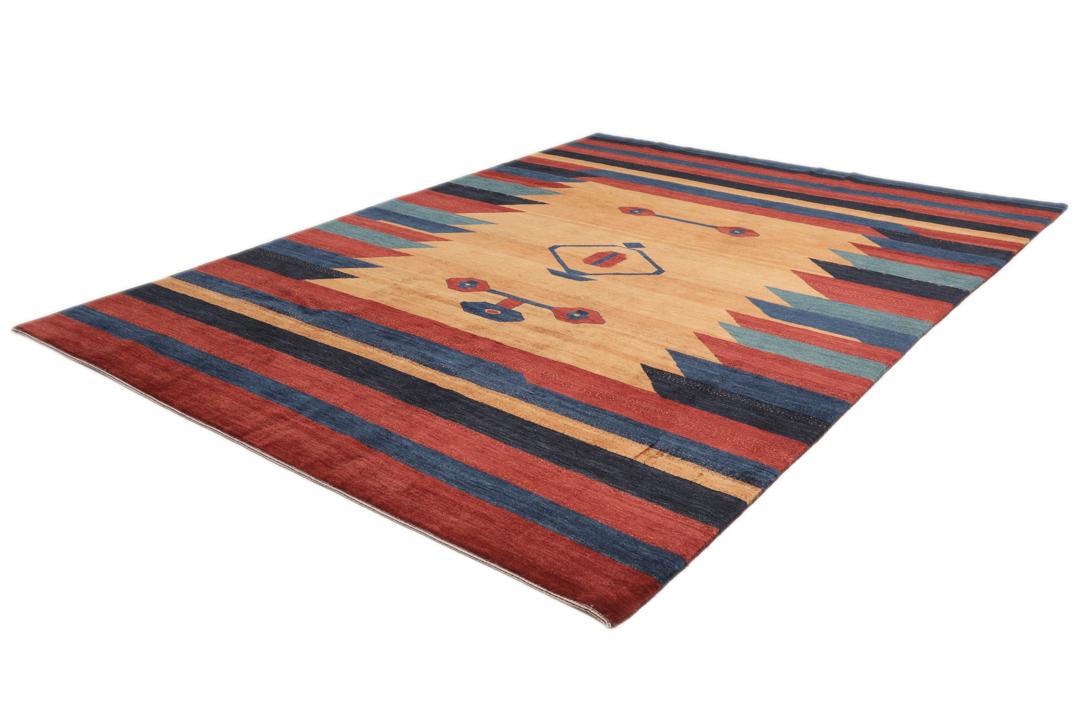
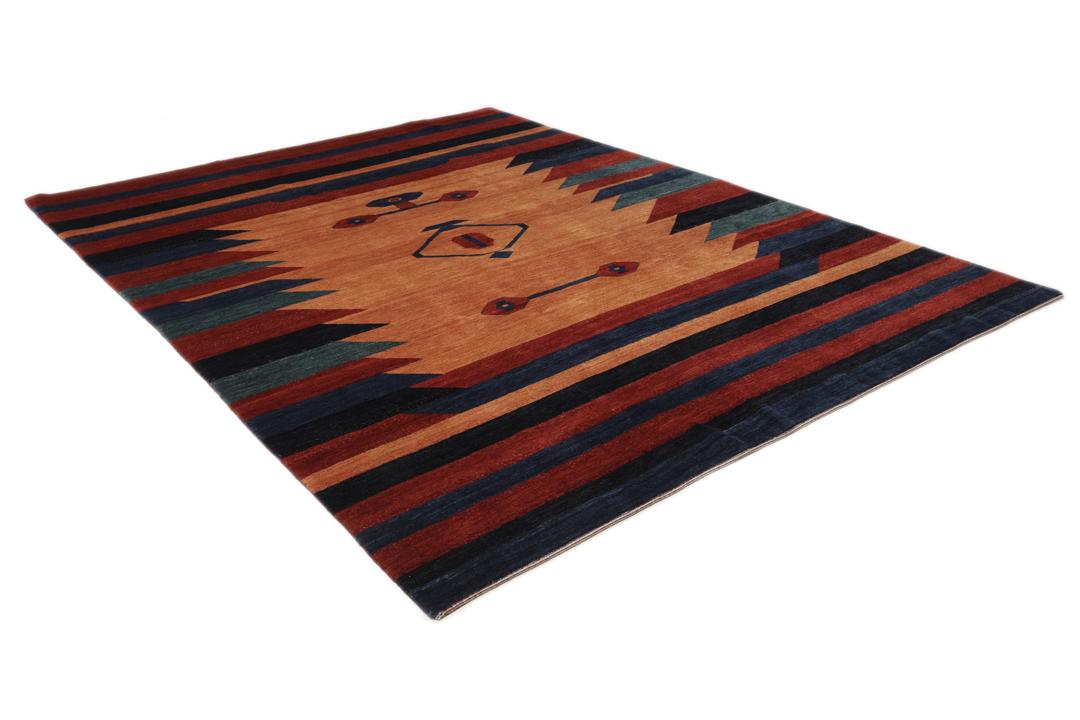
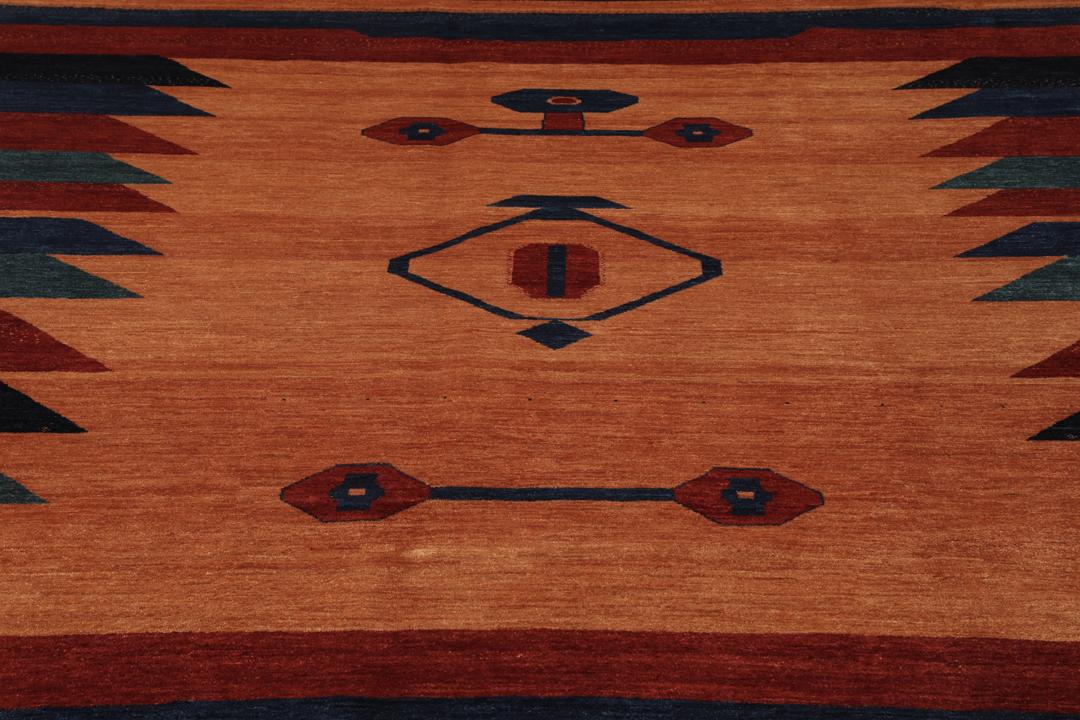
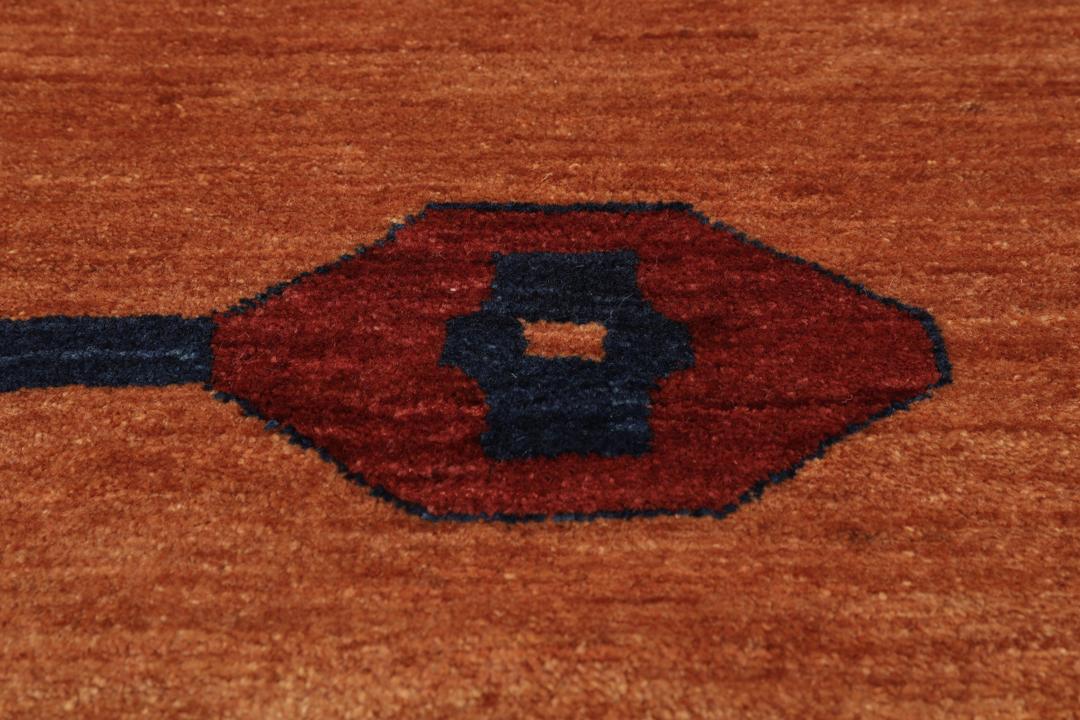
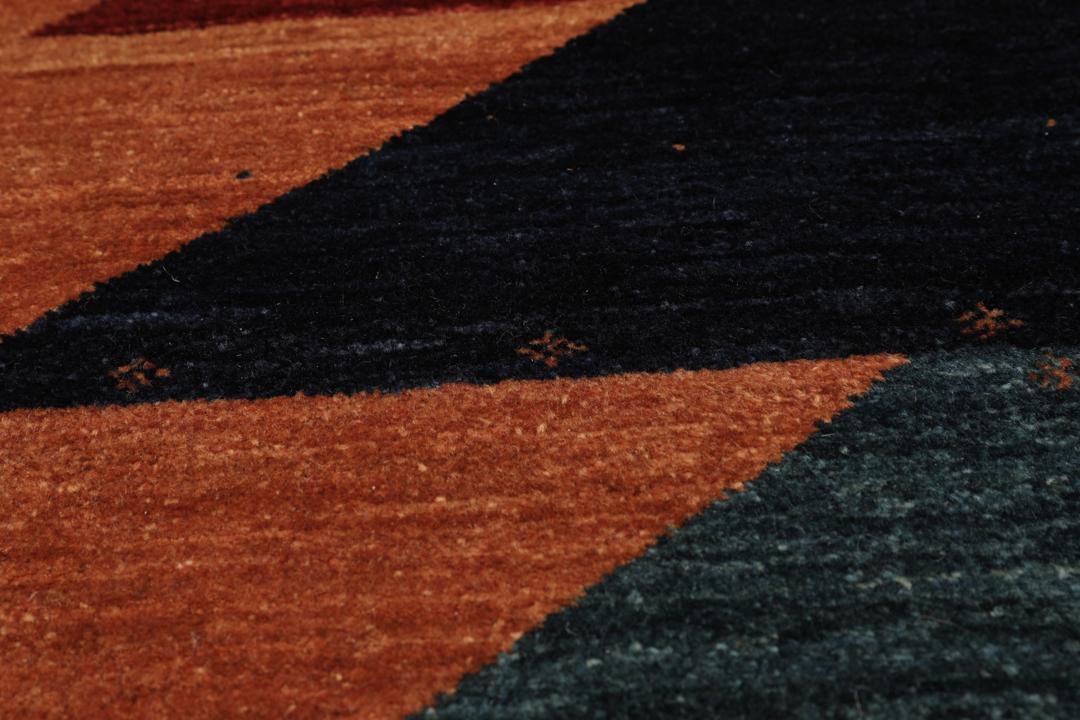
Signature design elements often include bold, simplified geometric shapes, such as diamonds, stylised animals, or abstract motifs, set against vibrant, deeply saturated fields of colour. The borders are typically kept simple to allow the central field to remain the focal point. This rug features a particularly evocative composition, where the contrast between the dark, geometric borders and the warm, ochre-toned centre reflects the classic Loribaft balance of light and shadow.
These rugs are deeply valued by collectors and homeowners alike for their cultural weight and the undeniable skill required to produce them. Owning a Loribaft represents a connection to a long-standing craft tradition that prizes individual expression within a framework of communal heritage. Each piece is an authentic record of the weaver's skill, making them lasting investments that bring both beauty and history into the home.