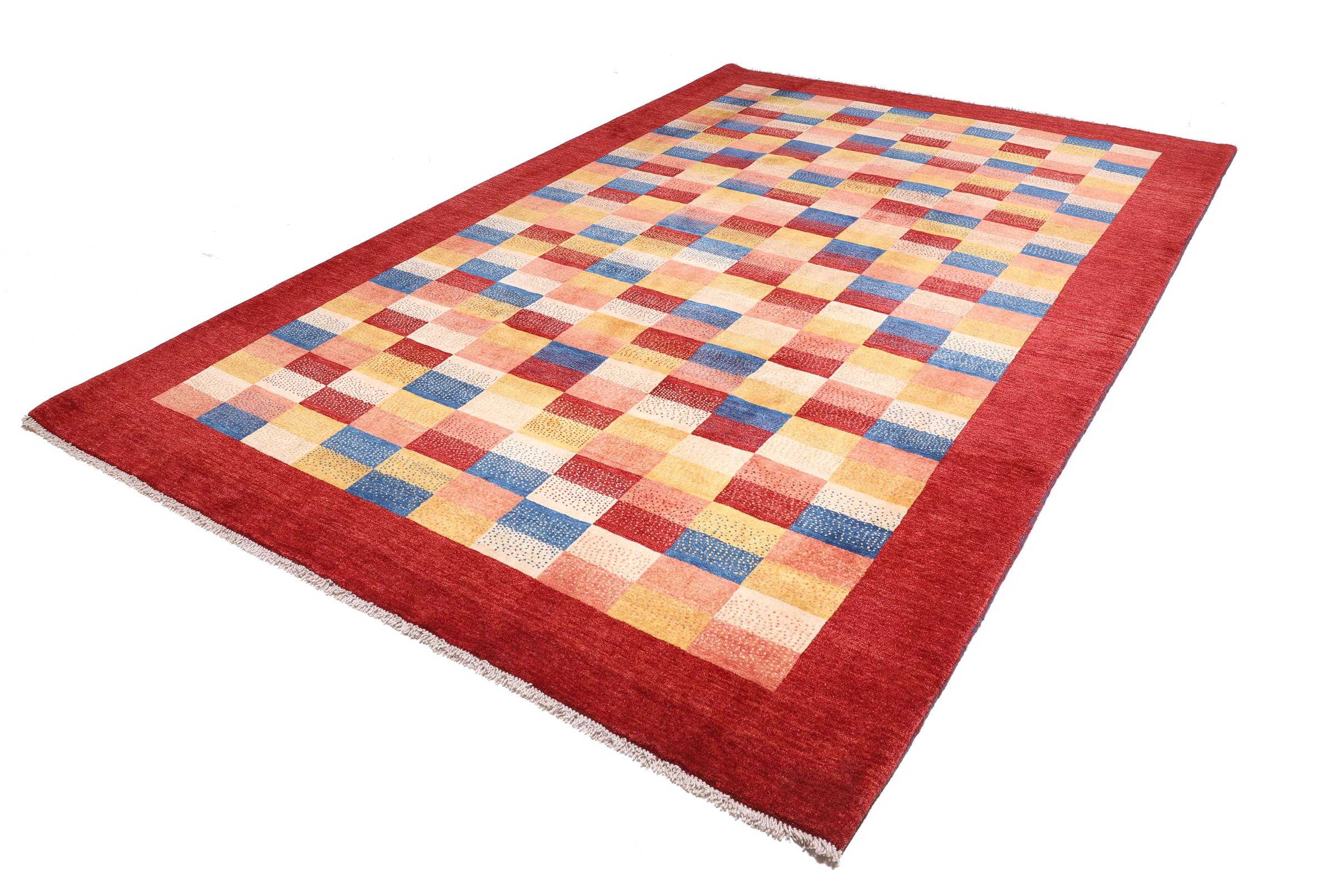
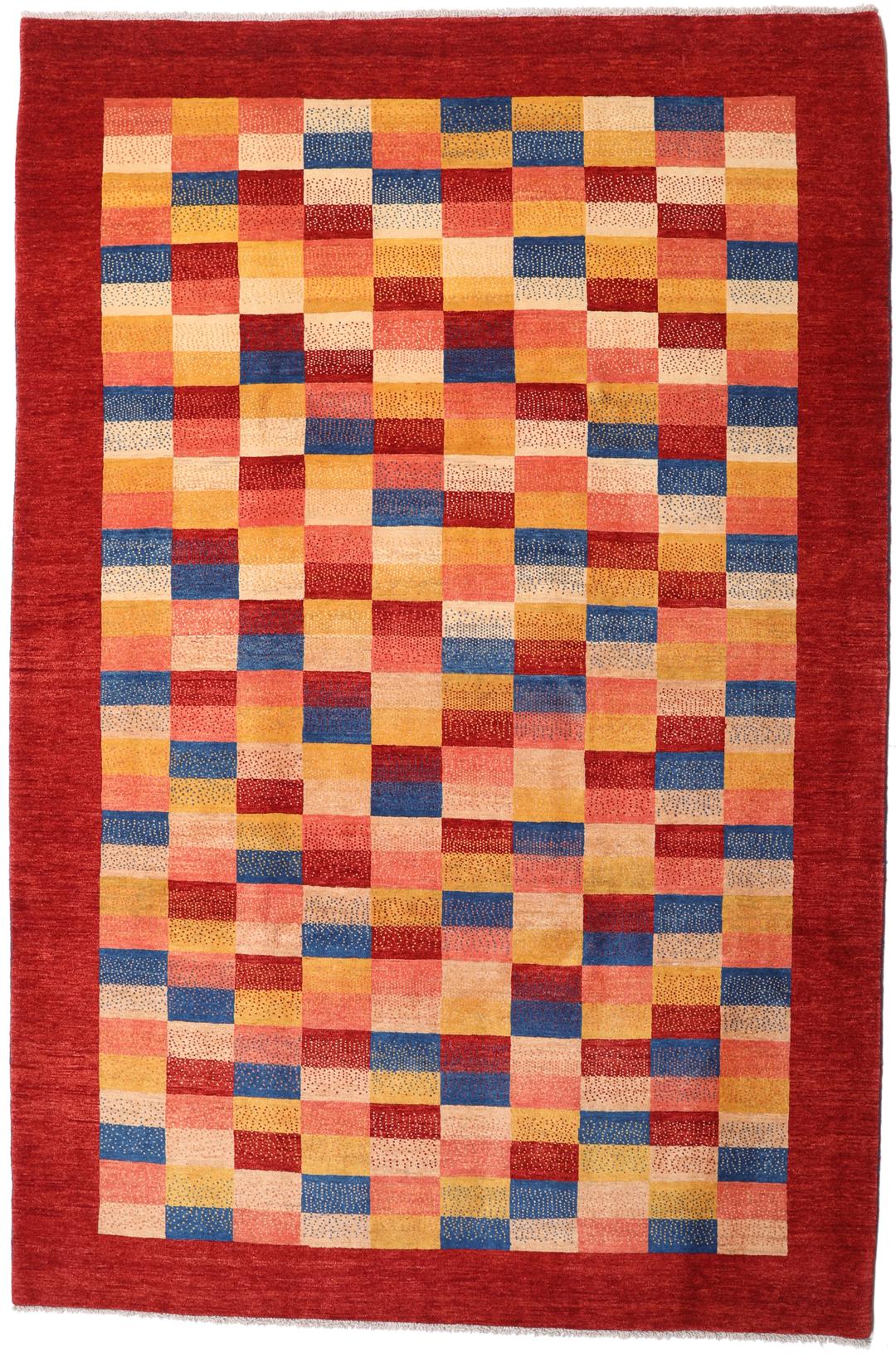
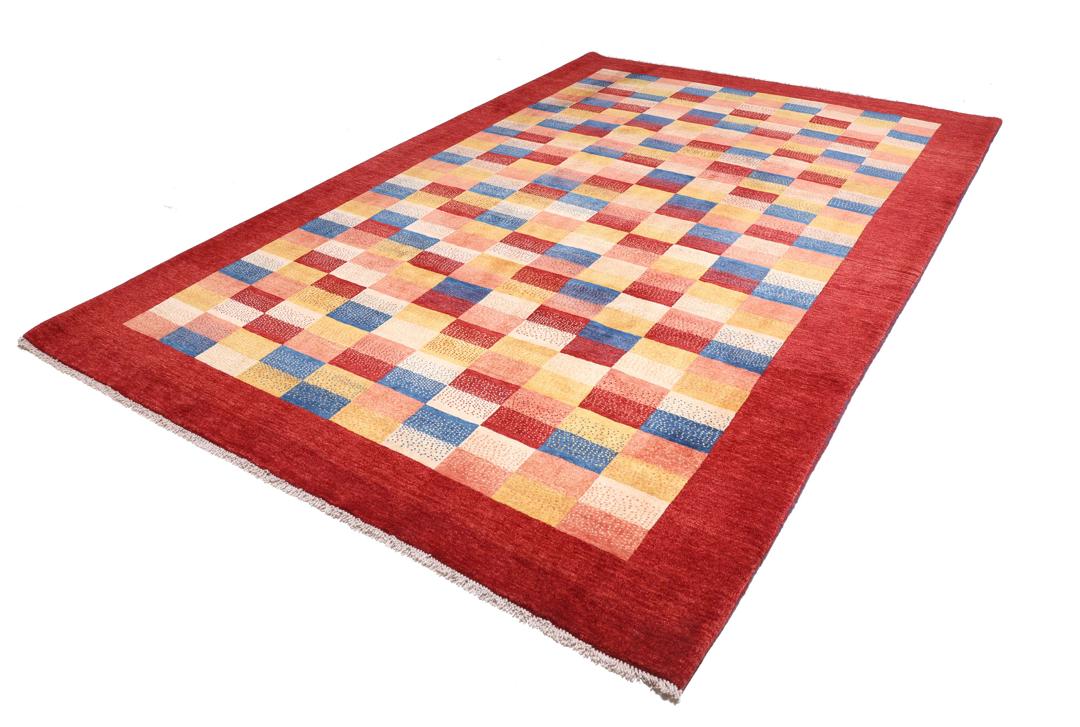
The Loribaft and Kashkooli traditions are deeply embedded in the nomadic history of the Middle East, particularly among the tribal weavers who have passed down these techniques for generations. These rugs are renowned for their expressive, often geometric designs that reflect the daily lives and environments of the weavers. Originally created for practical use in tents, these pieces have evolved into highly sought-after collector items that bridge the gap between traditional utility and contemporary art.
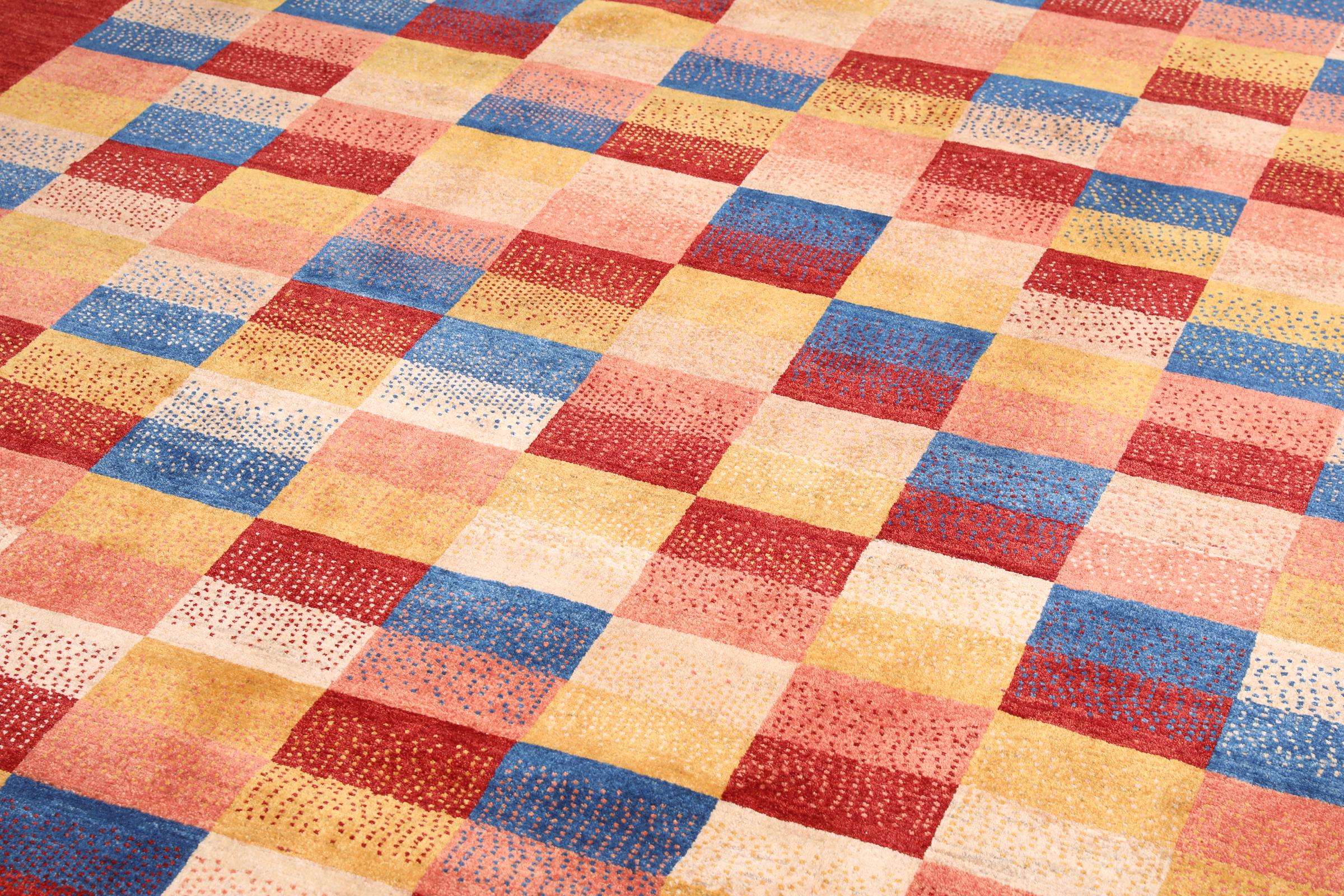
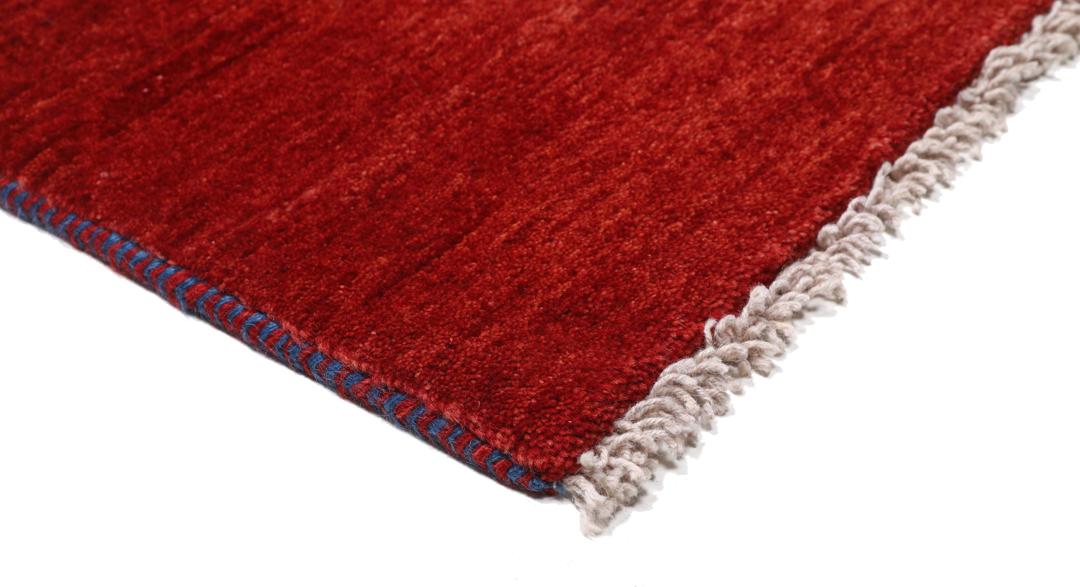
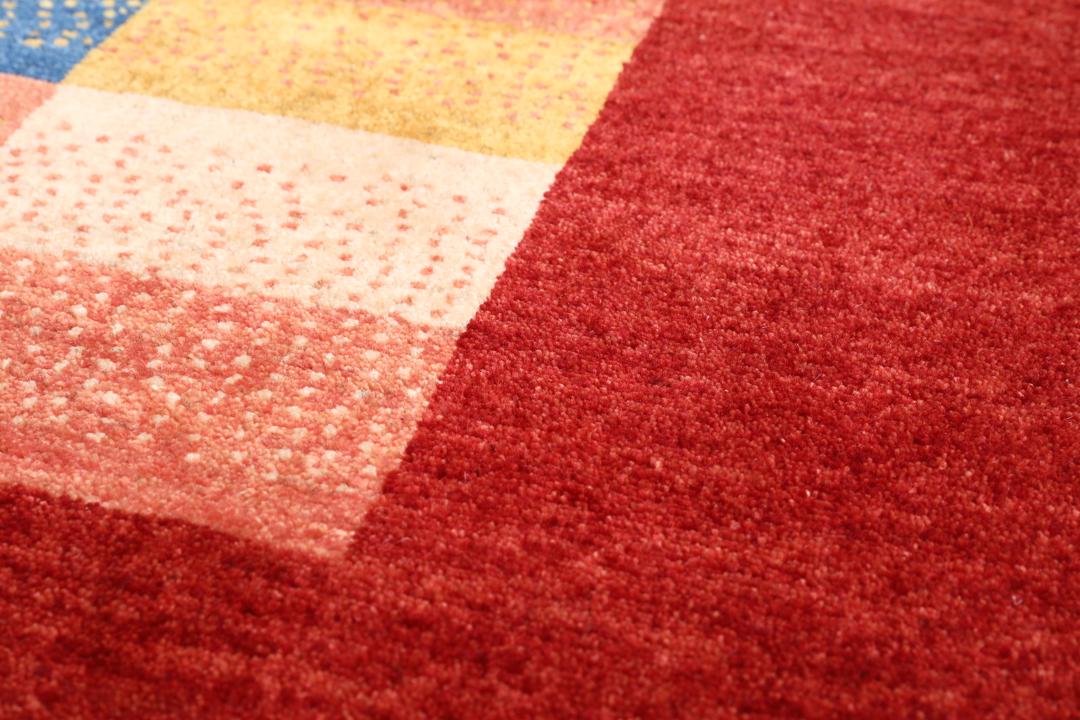
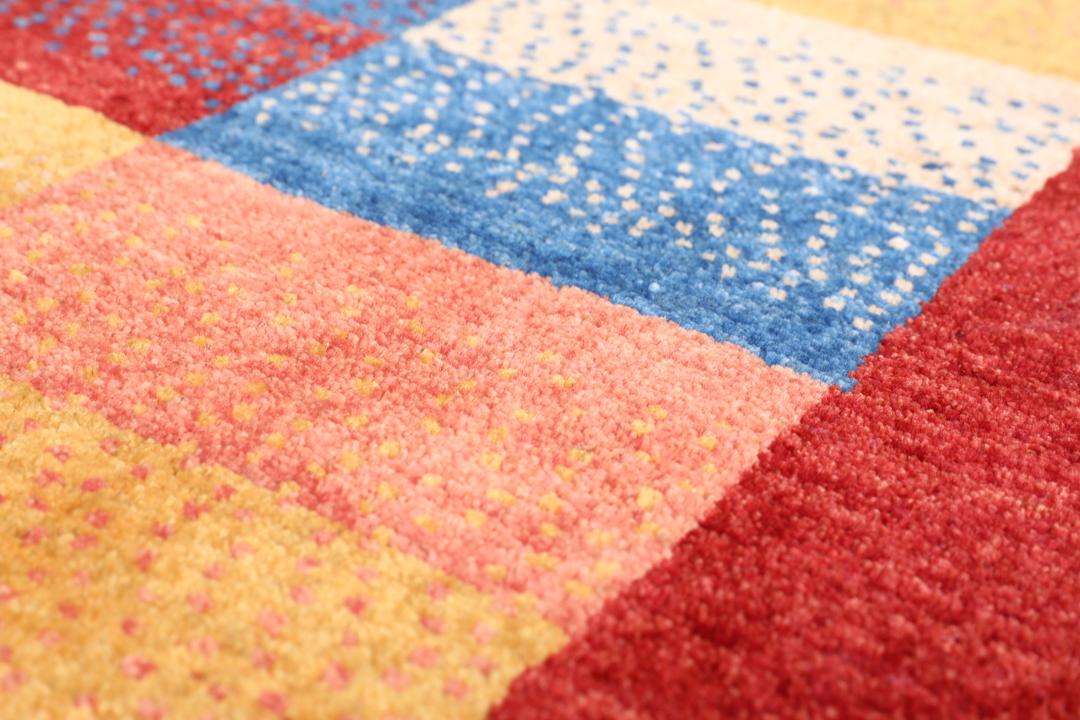
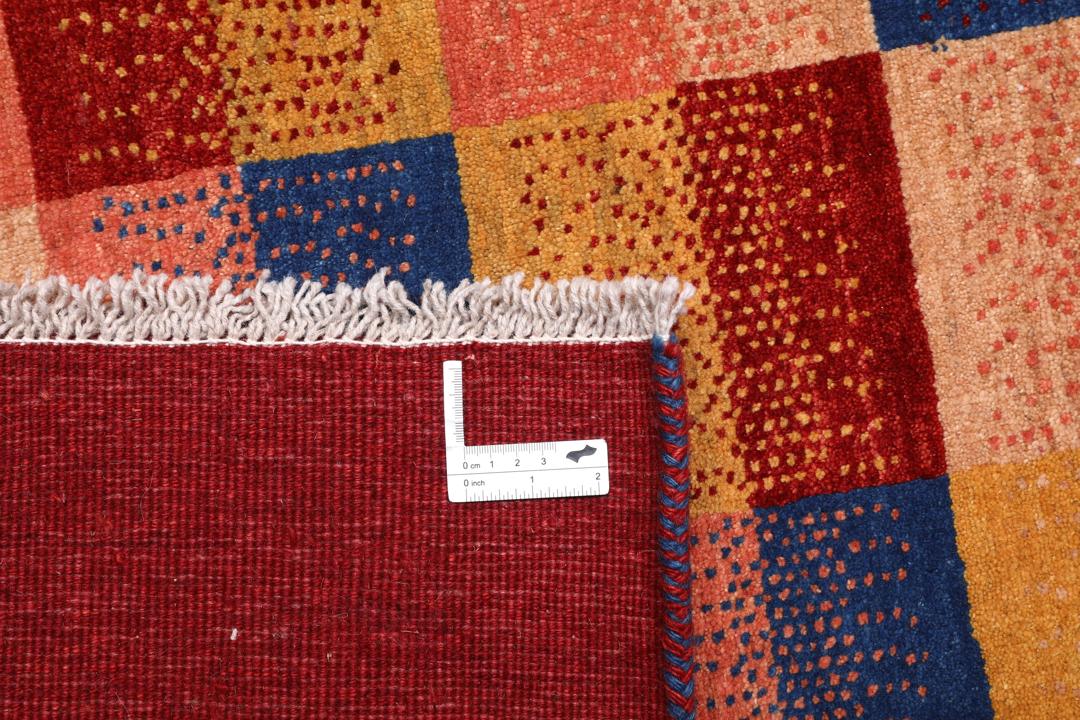
In the context of rug terminology, 'Loribaft' refers to a style that emphasises a thicker, more plush pile compared to the finer, flatter weaves found in other regional traditions. This construction technique is vital for the rug's longevity, as it creates a dense surface that is incredibly soft to the touch while being robust enough to handle the wear of daily life. The term 'Kashkooli' often denotes a finer variation within this family, showcasing a higher level of detail and a more refined aesthetic.
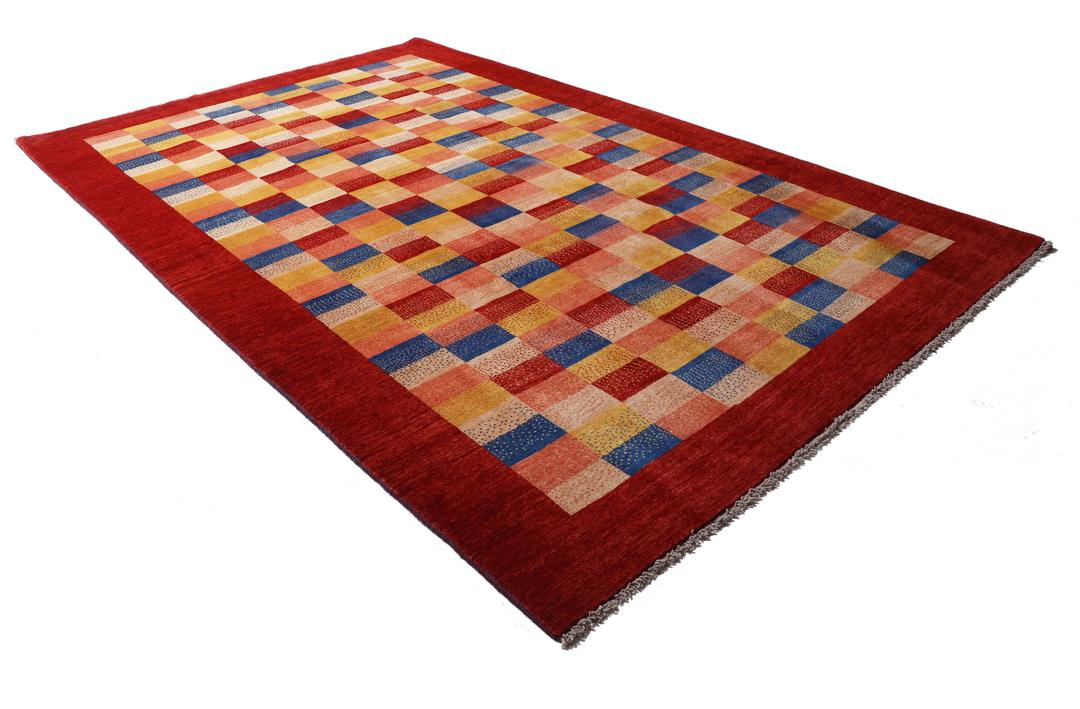
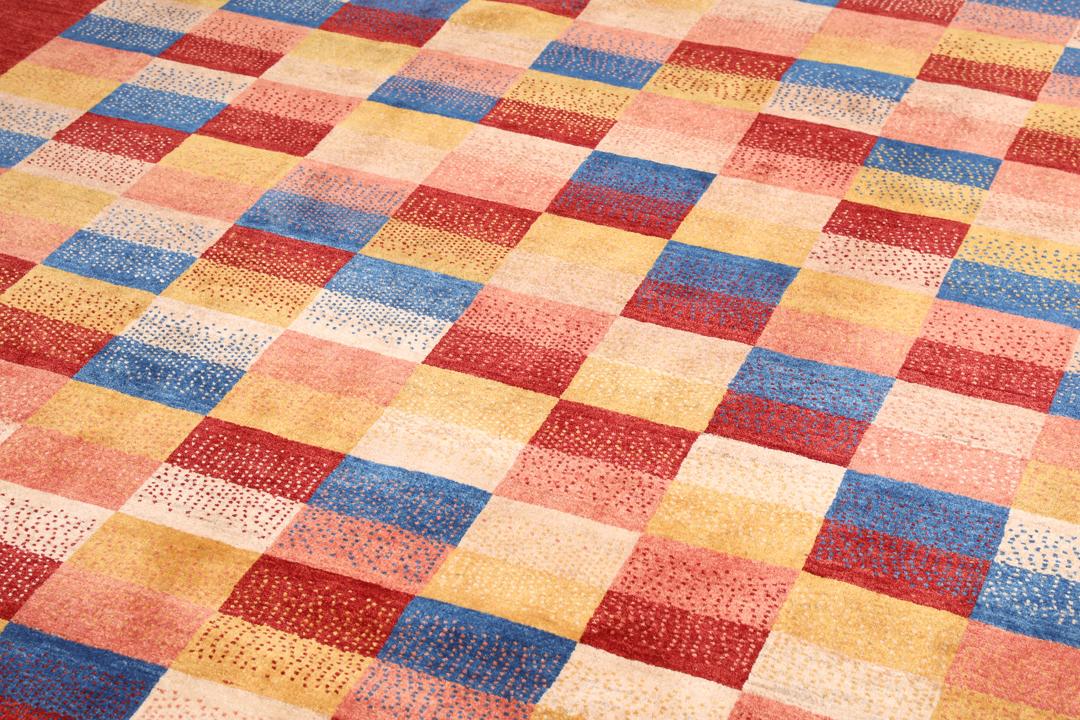
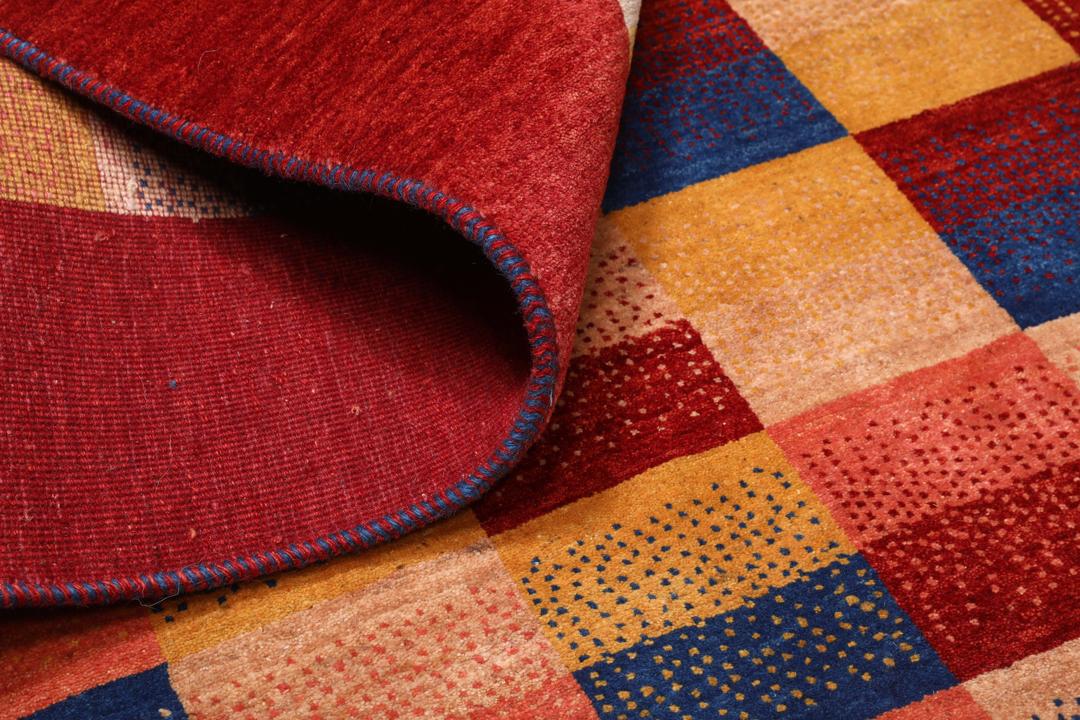
The signature design elements of these rugs often include bold geometric motifs, such as the vibrant checkered patterns seen here, which are balanced by rich, saturated colours derived from natural dyes. These patterns are not merely decorative but serve as a visual language, with each rug telling a unique story of its creator's heritage and local environment. The use of a central field filled with repeating shapes, framed by a distinct border, is a hallmark of this tradition that provides visual harmony and structure.
Collectors value these rugs for their authenticity and the palpable sense of human connection they bring to a space. Owning a piece from this tradition is an investment in cultural preservation, as it supports the continued practice of ancient, hand-based crafts. Each rug stands as a testament to the skill of the weaver, offering a depth of character and a level of quality that is simply impossible to replicate with modern manufacturing processes.