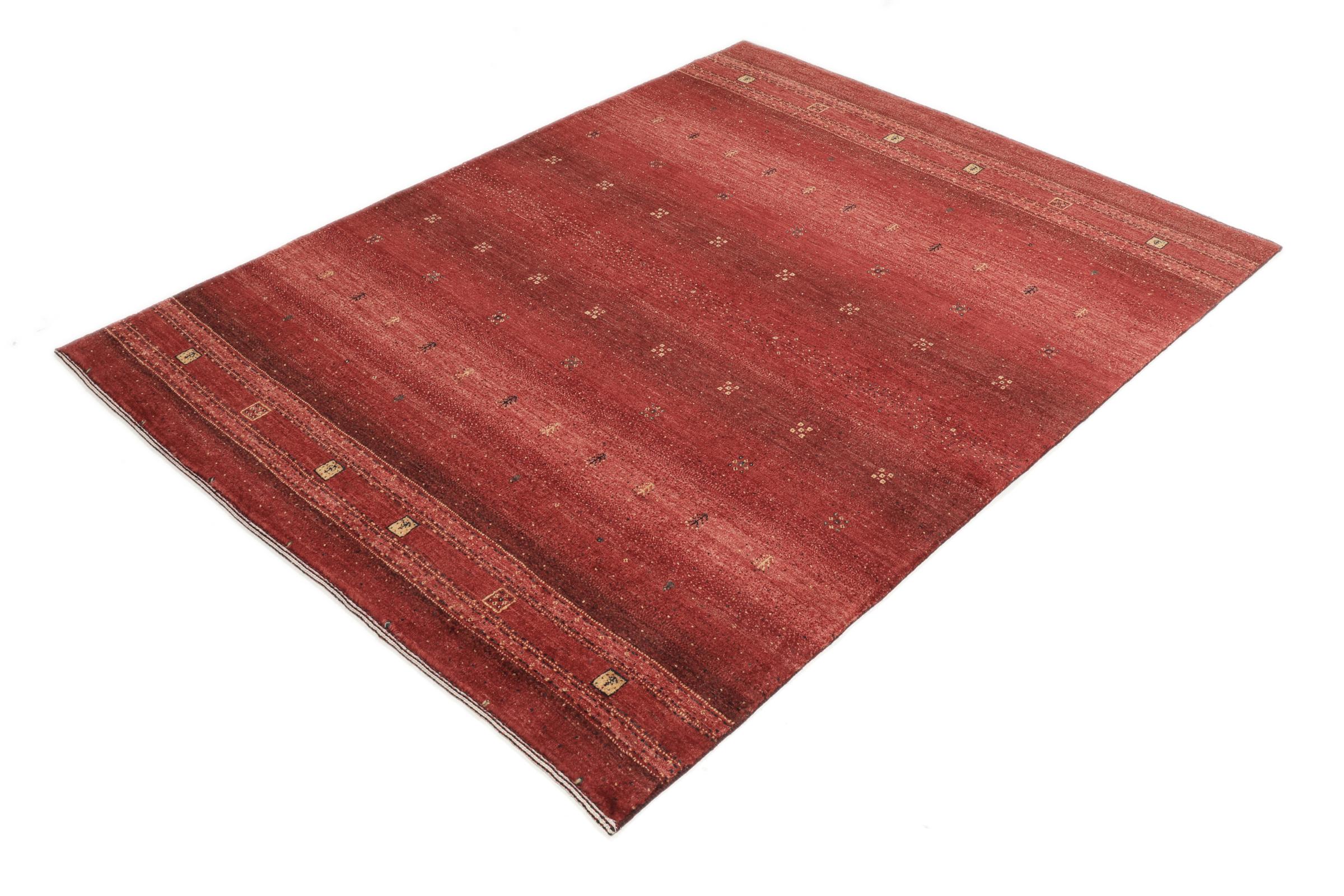
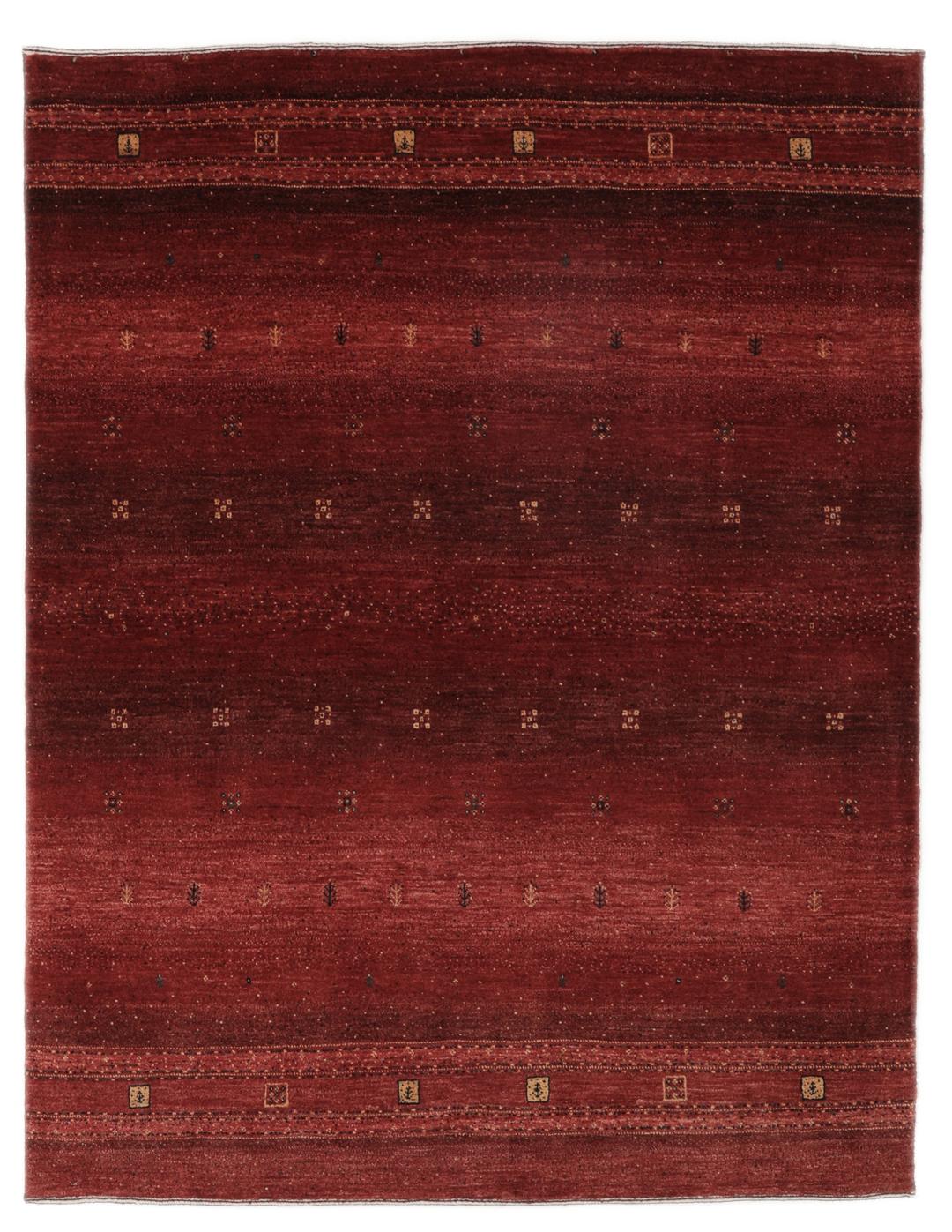
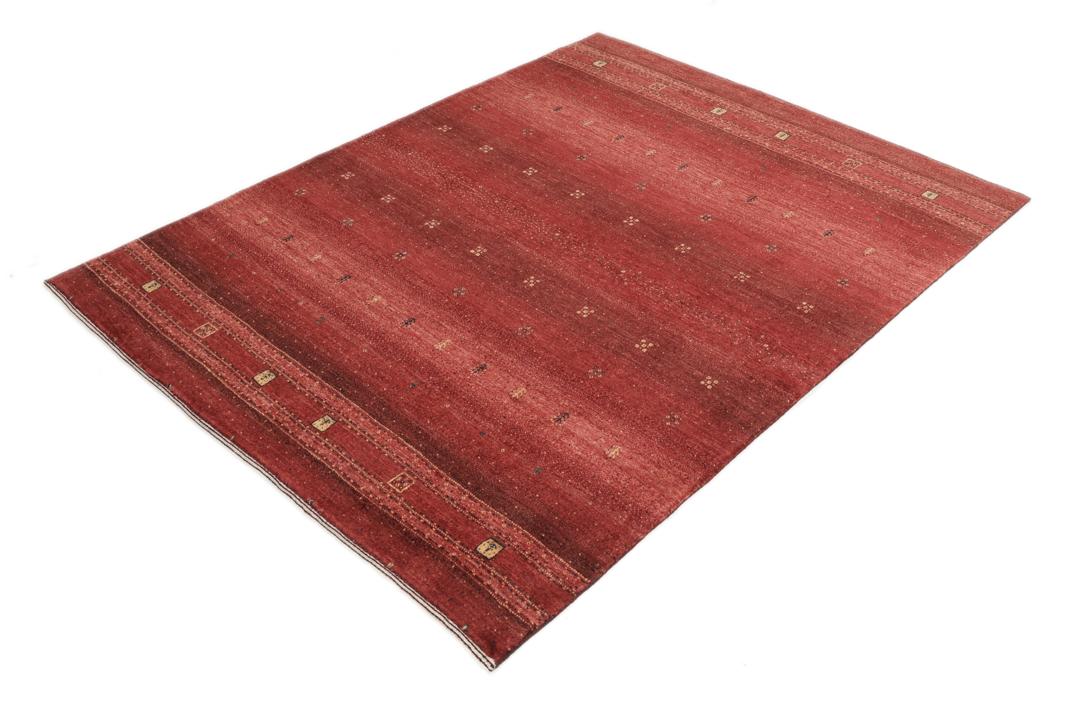
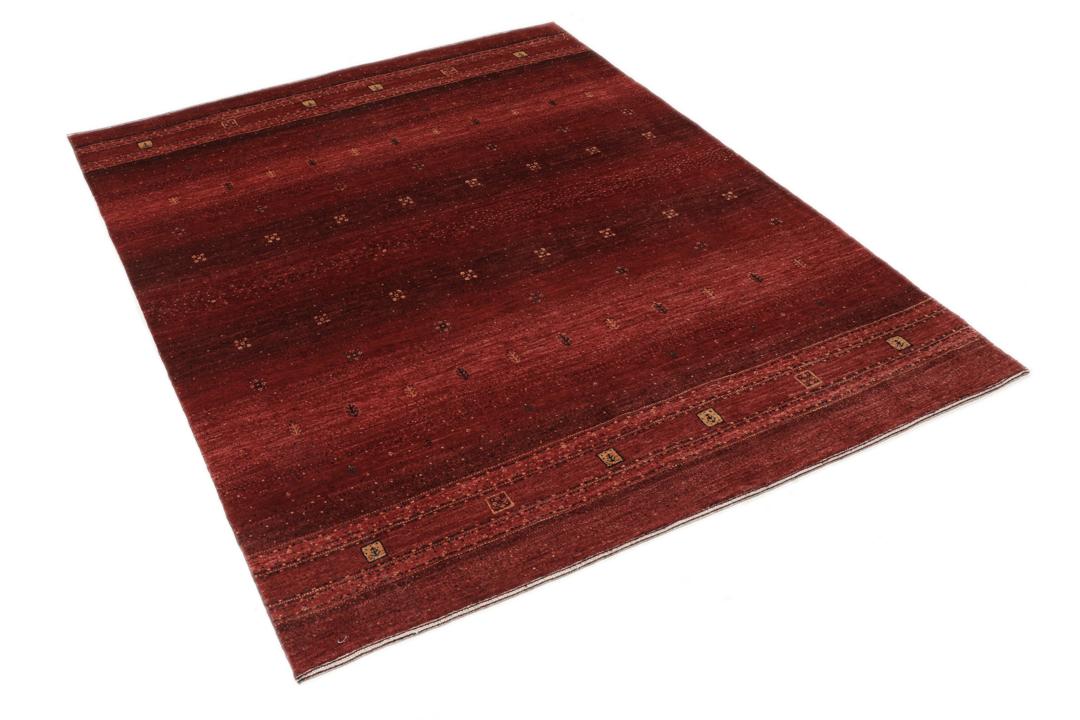
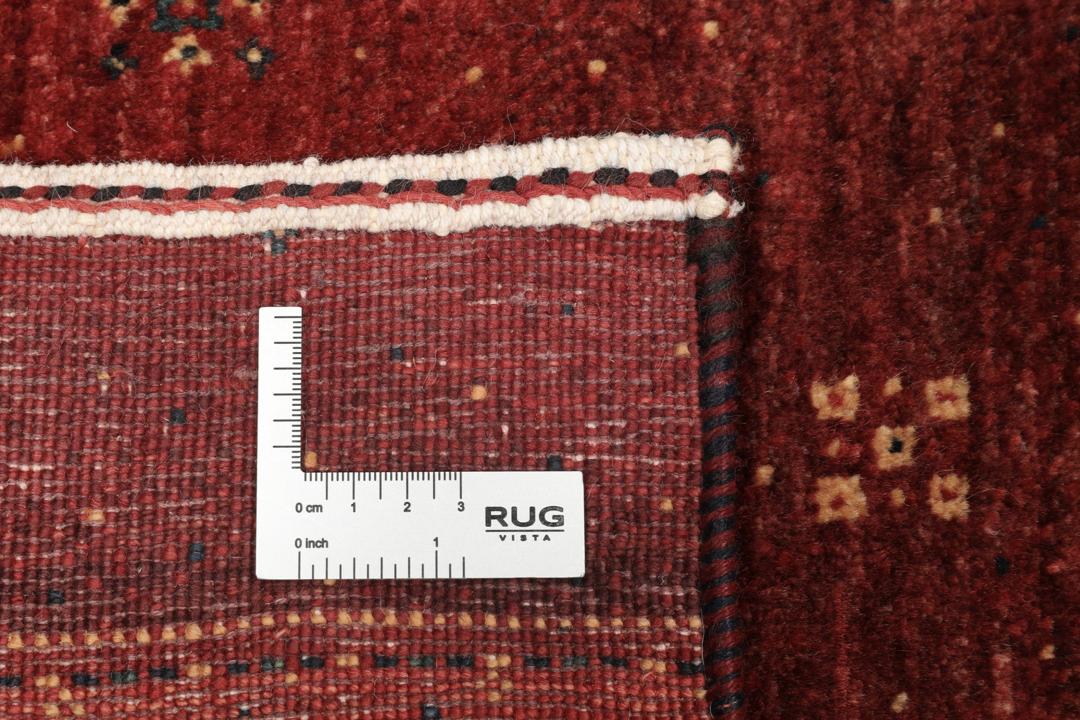
Loribaft rugs originate from the tribal regions of the Middle East, where the art of weaving has been passed down through generations of nomadic and settled communities. These rugs were traditionally created for domestic use, serving as warm floor coverings that provided insulation against the cold ground, reflecting the practical needs and aesthetic values of their creators.
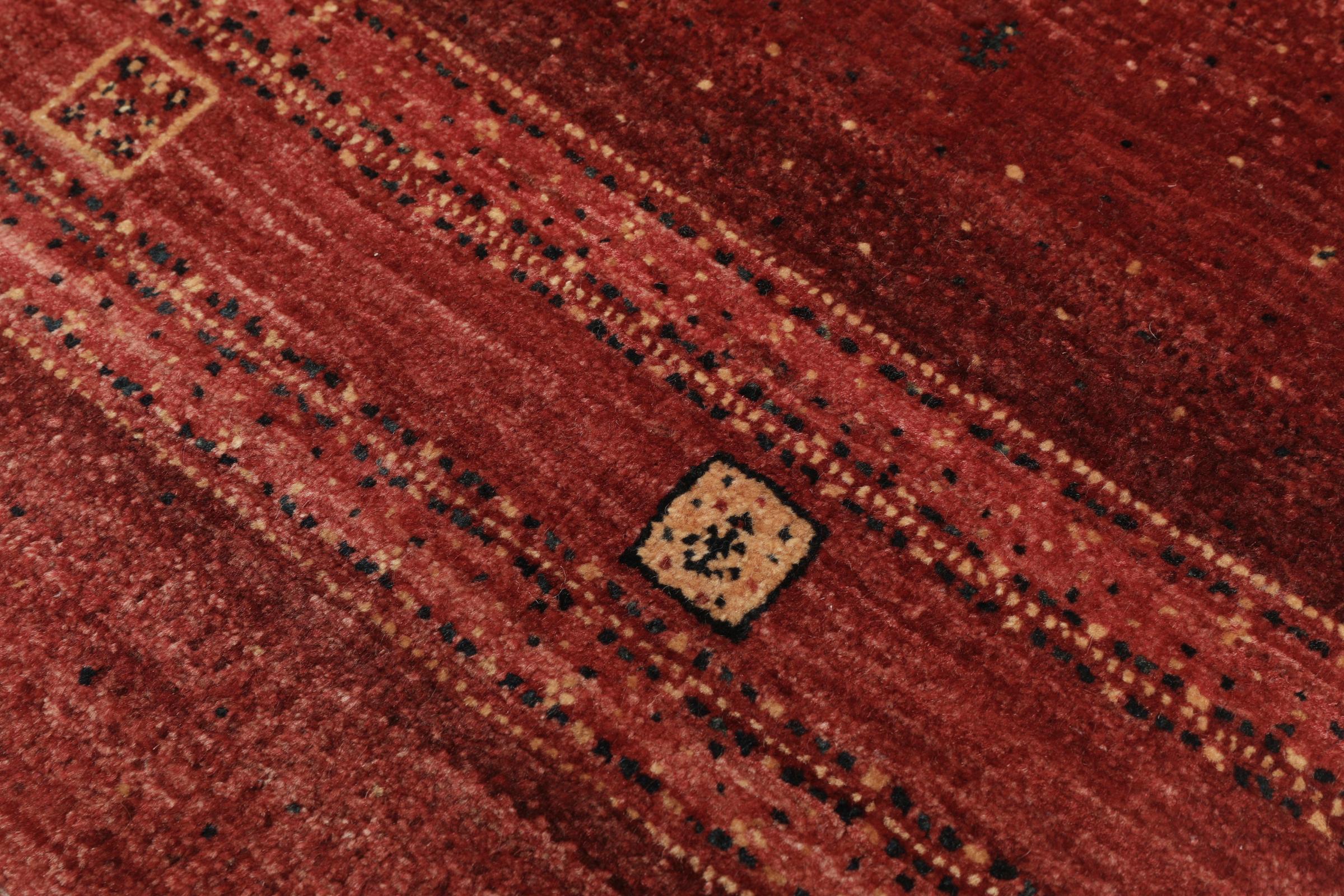
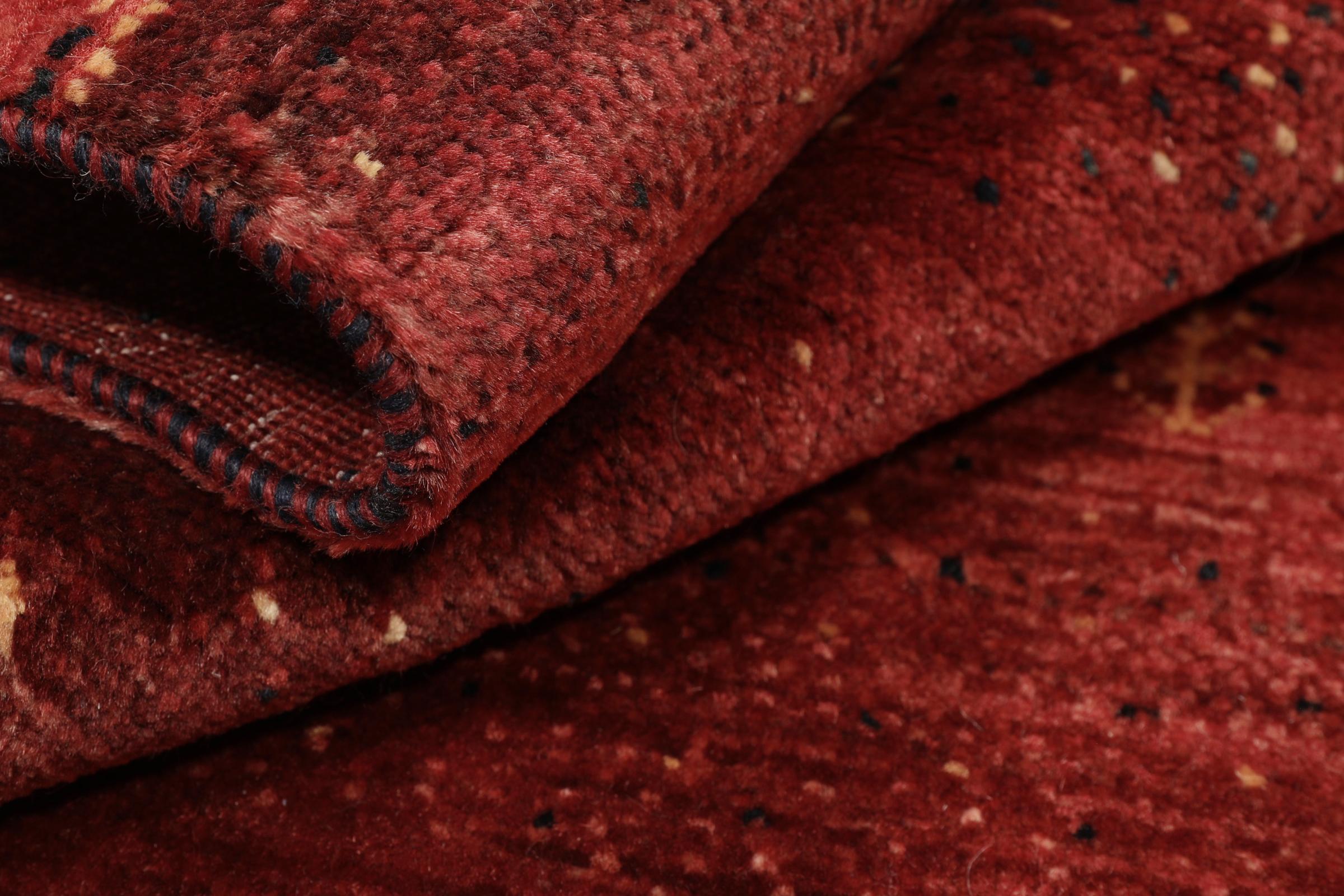
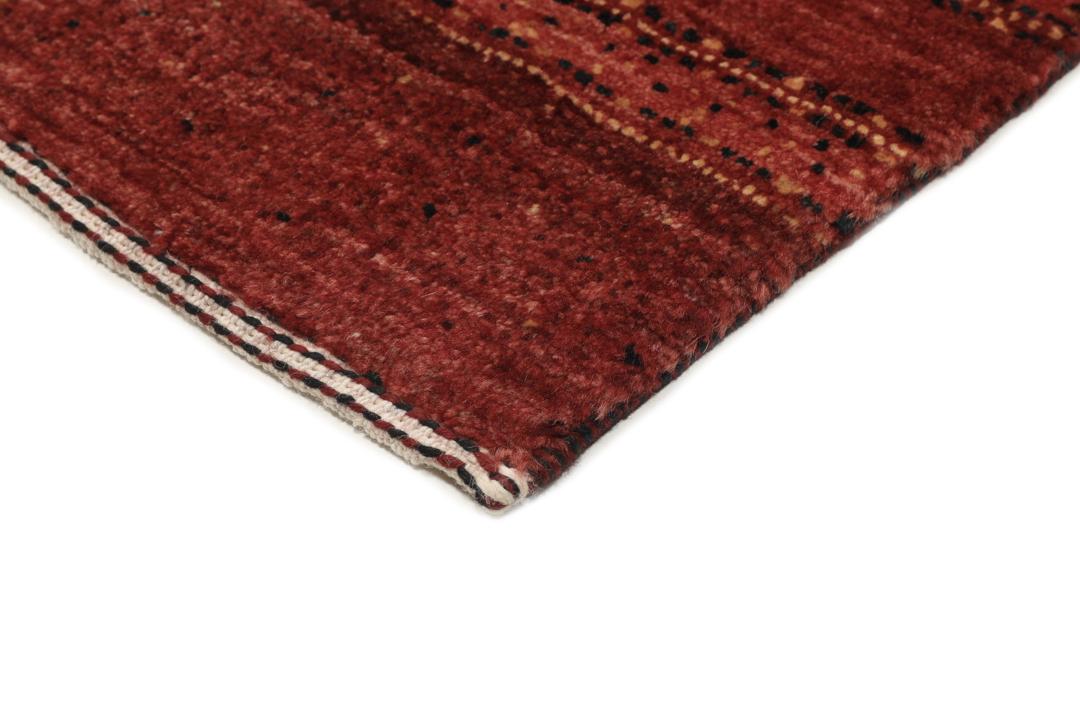
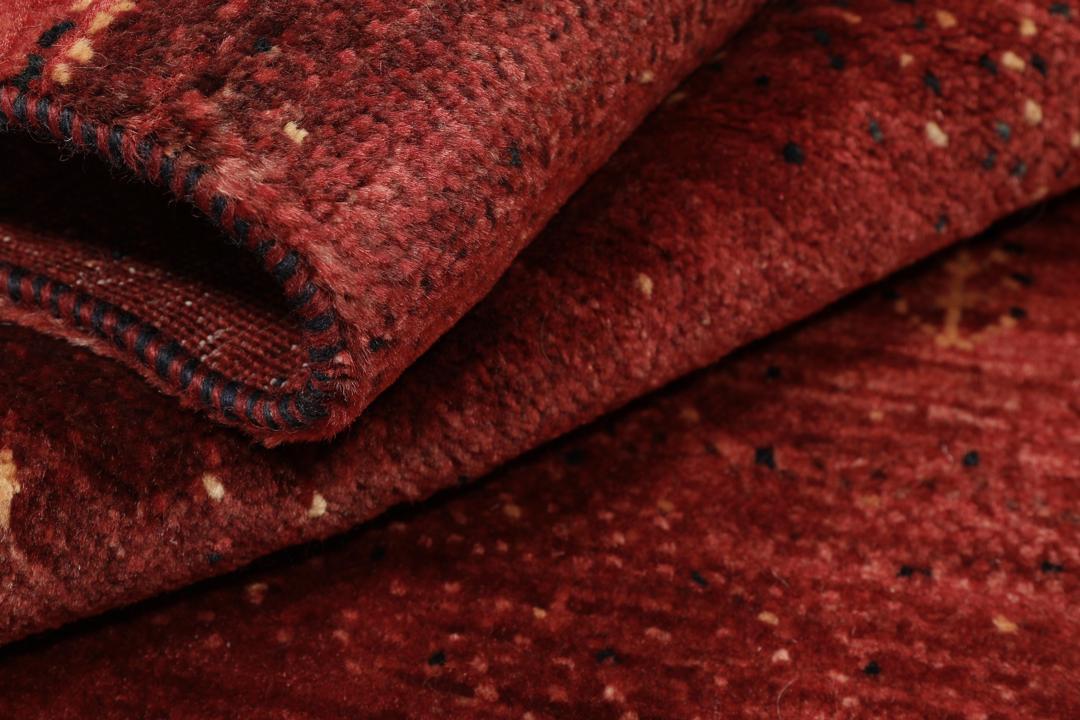
The term 'Loribaft' refers to a specific style of weaving that emphasises a thicker, softer, and more plush pile compared to traditional flatweaves. This construction method involves using high-quality, hand-spun wool that is knotted with a density that balances softness with structural resilience. This style is closely related to the Kashkooli tradition, which is renowned for its finer knotting and artistic, often more refined design sensibilities.
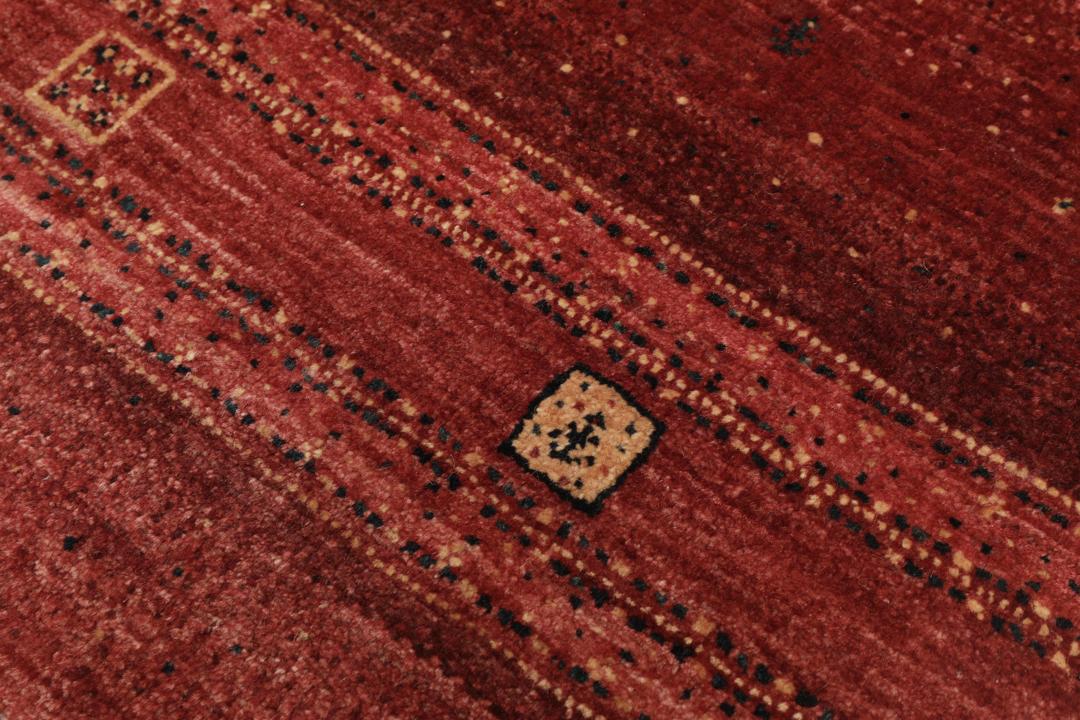
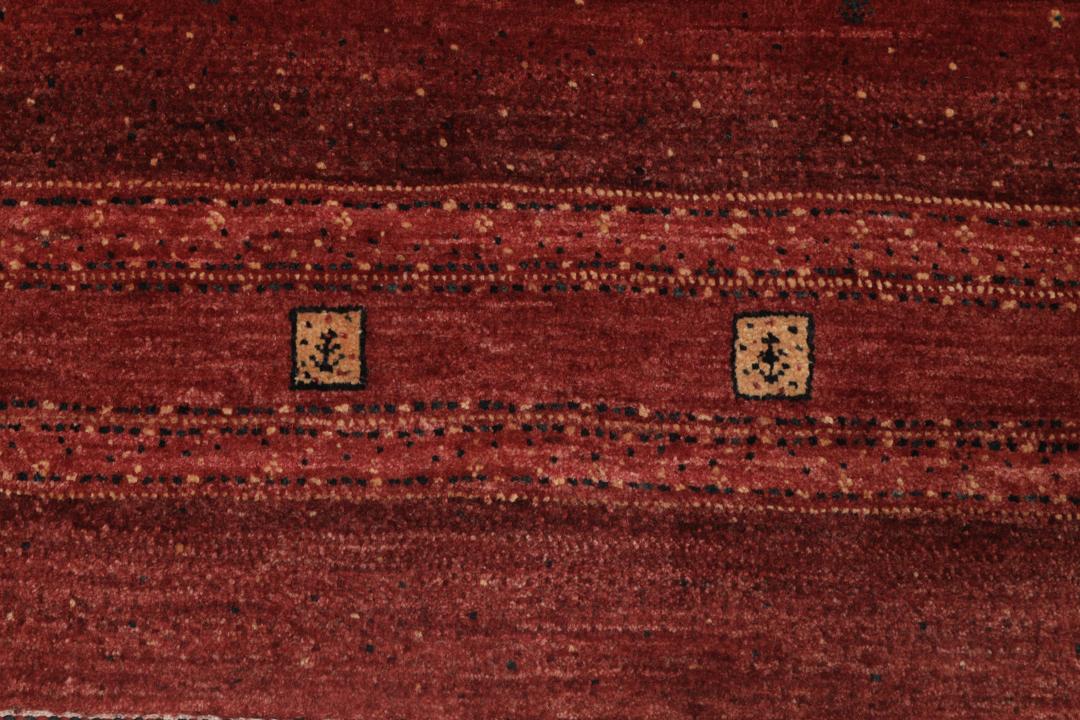
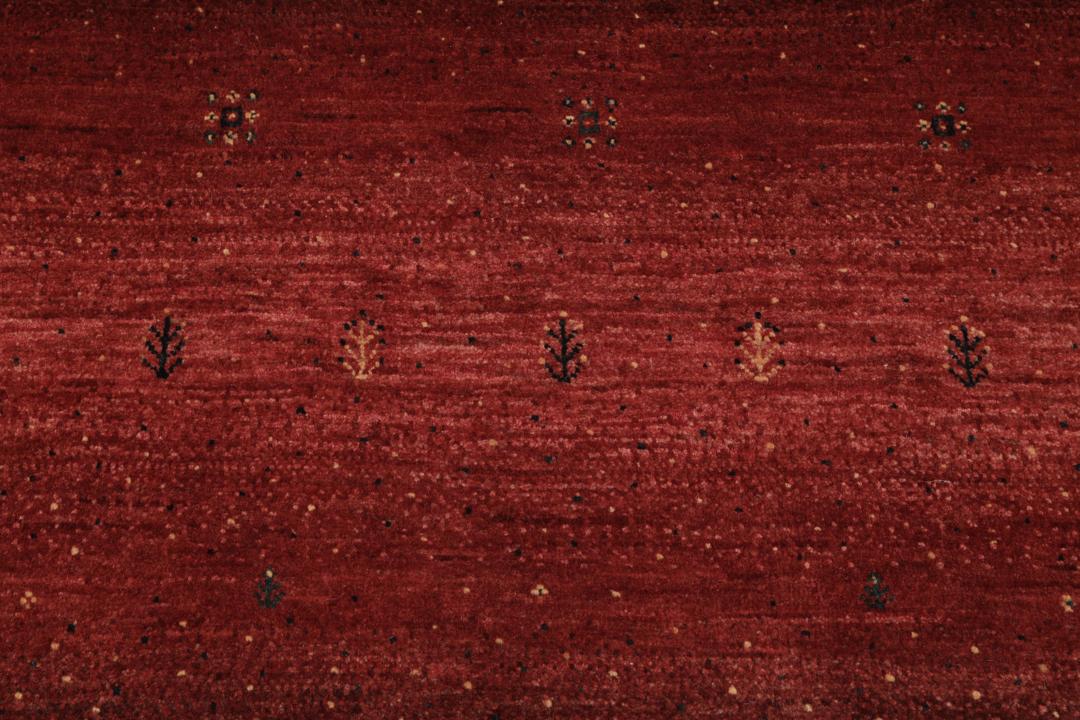
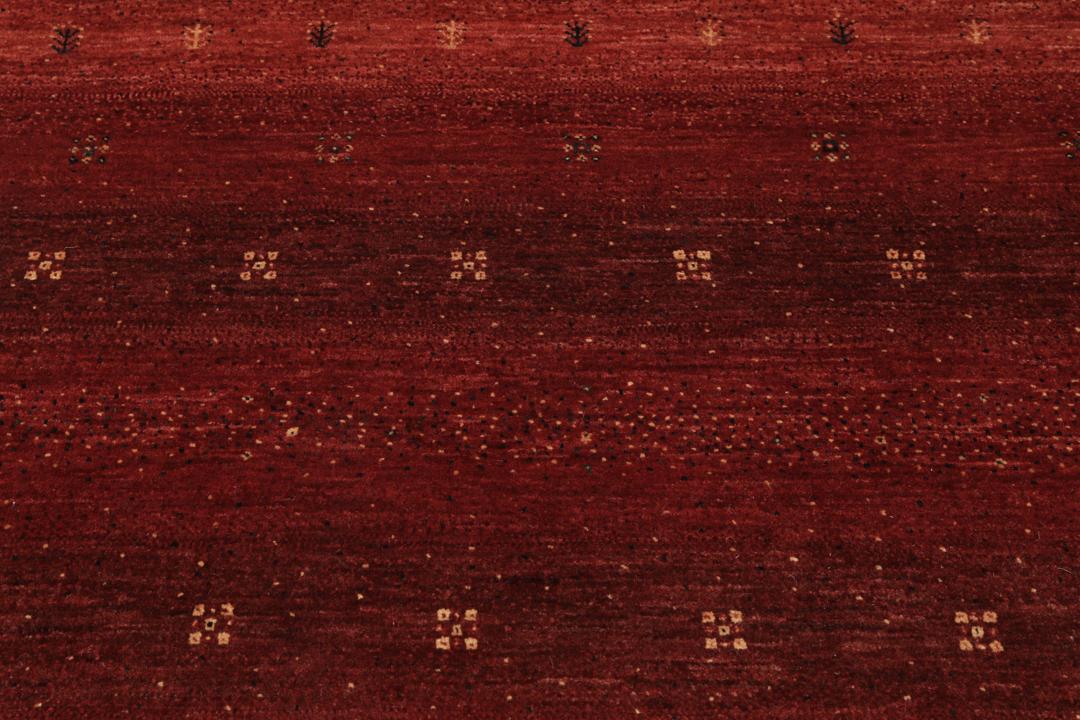
Visually, these rugs are defined by their use of natural dyes and an open, often minimalist field. While traditional Middle Eastern rugs are frequently associated with intricate, complex floral or geometric patterns, Loribaft rugs often feature a more restrained design language. They may highlight subtle, stylised motifs, such as small trees, animals, or geometric symbols, which serve as personal expressions of the weaver's environment and cultural heritage.
Collectors value these rugs for their authenticity and the human story woven into every fibre. Owning a Loribaft Fine rug is an opportunity to connect with a long-standing tradition of craftsmanship that prioritises quality, natural materials, and the unique artistic vision of the individual weaver. It is a piece that carries cultural weight, standing as a beautiful, lasting alternative to mass-produced decor.