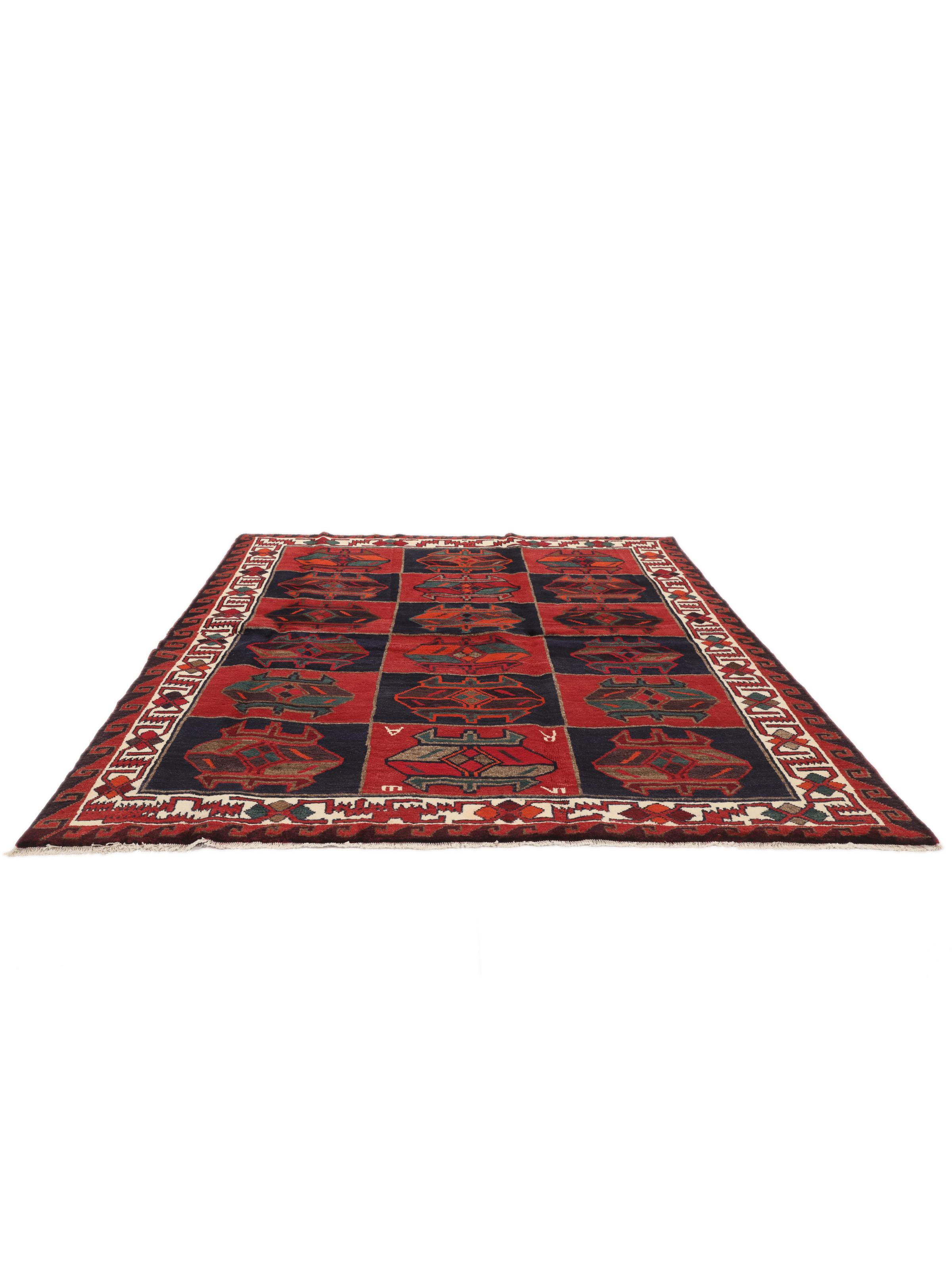
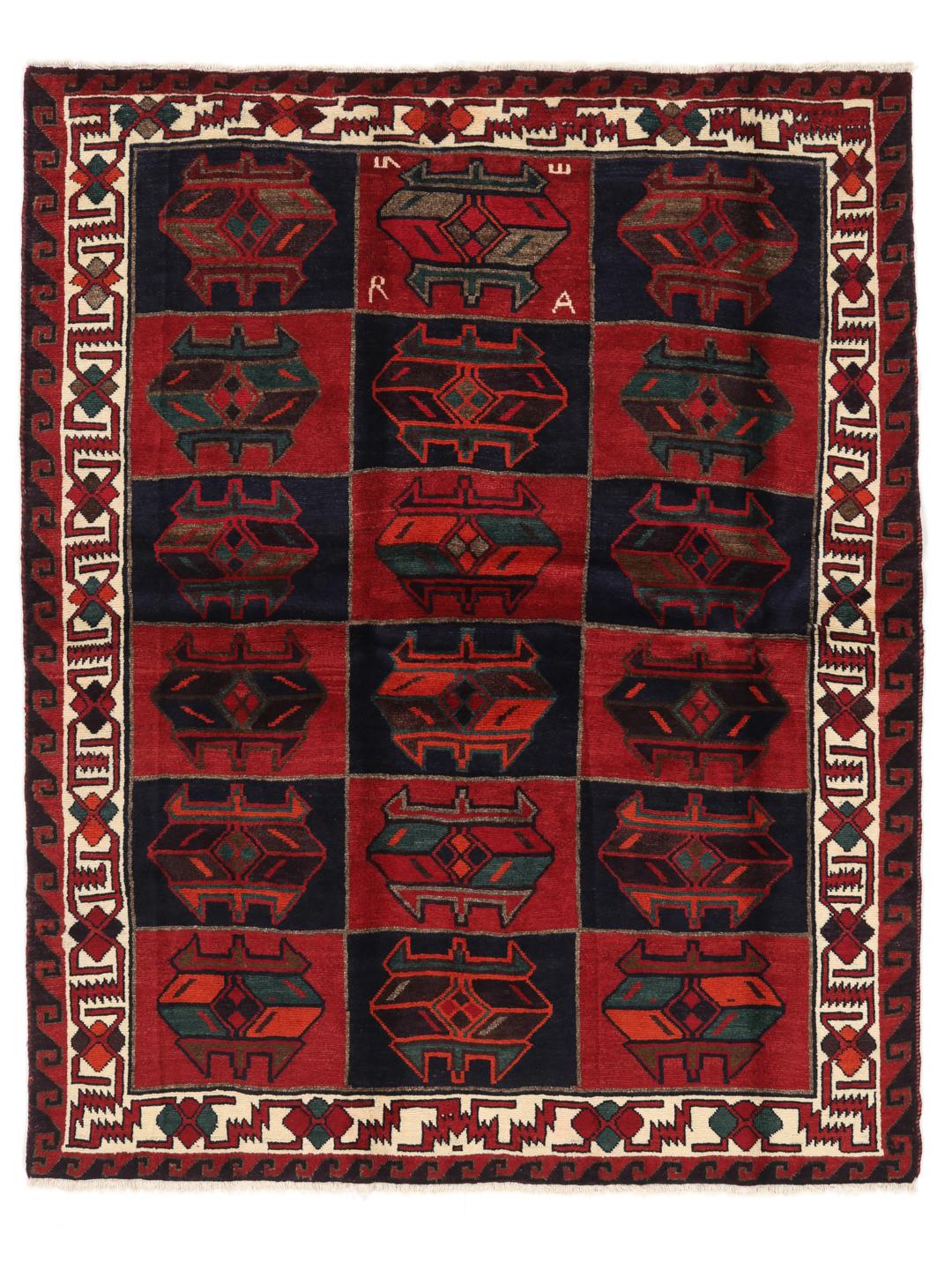
Lori rugs originate from the mountainous regions of the Middle East, traditionally woven by the Luri tribes. These nomadic and semi-nomadic people have a long history of creating textiles that reflect their environment and cultural identity. The craft is deeply rooted in the need for functional, portable, and durable floor coverings, which has evolved into a celebrated tradition of artistic expression.
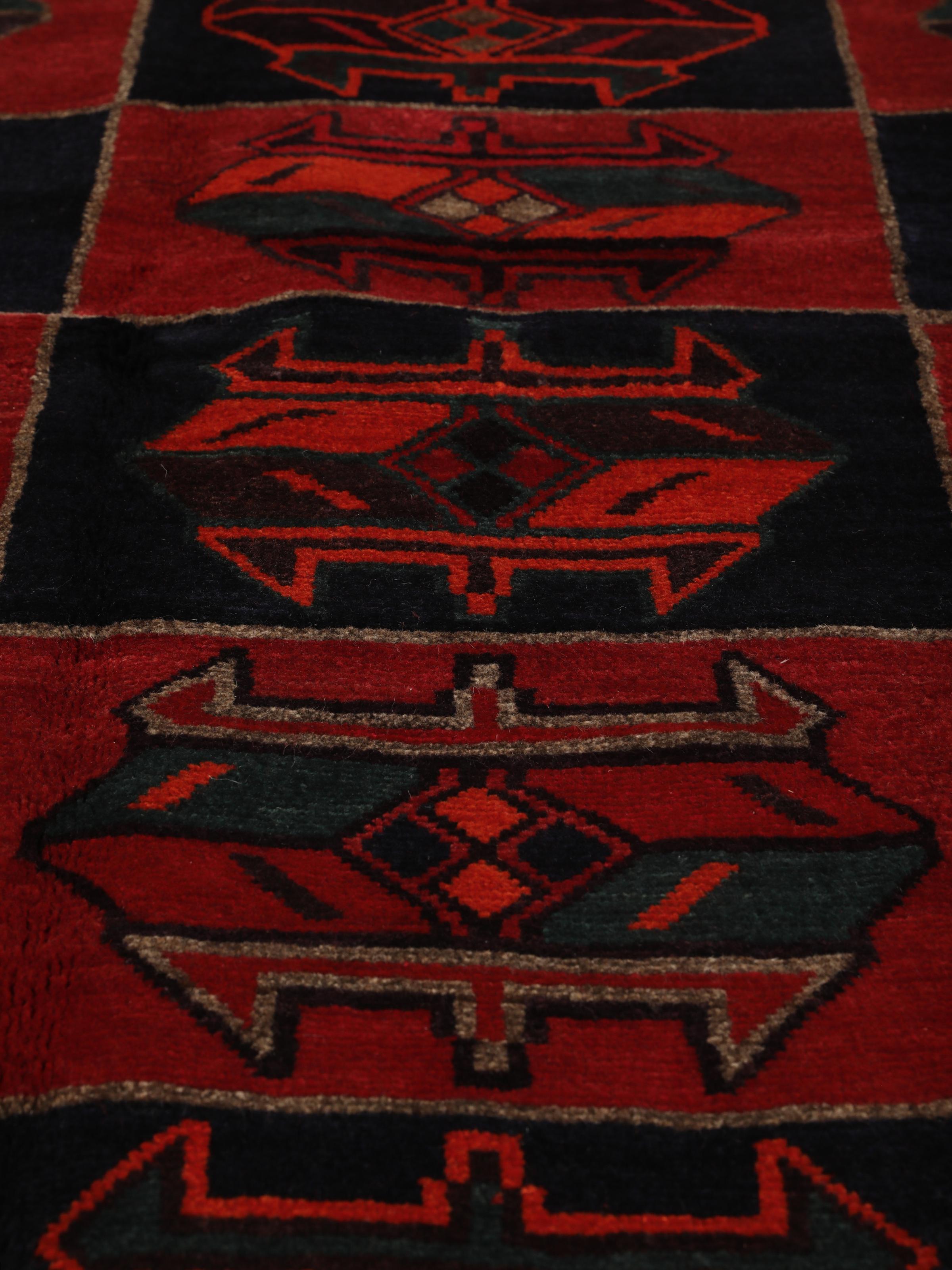
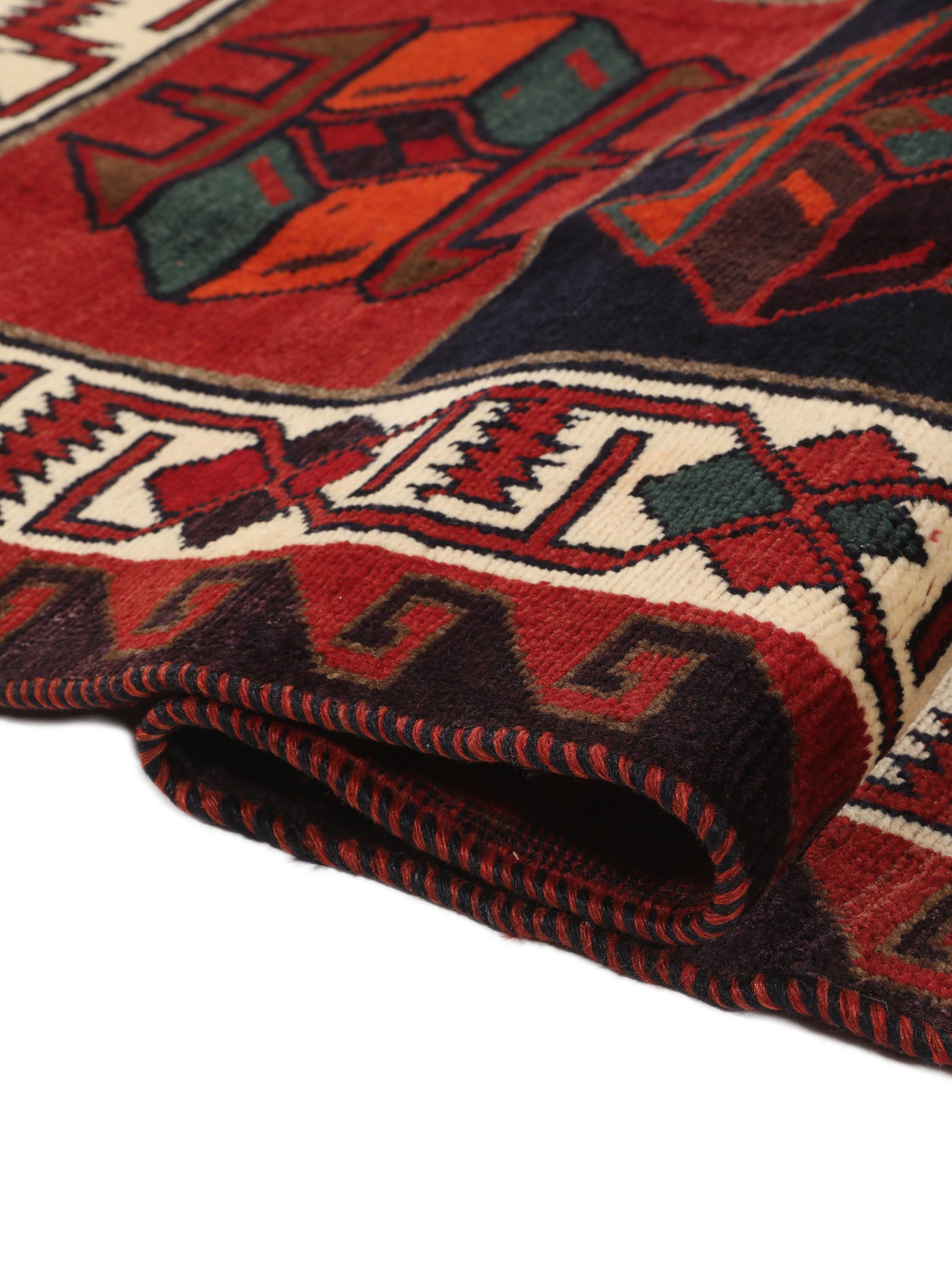
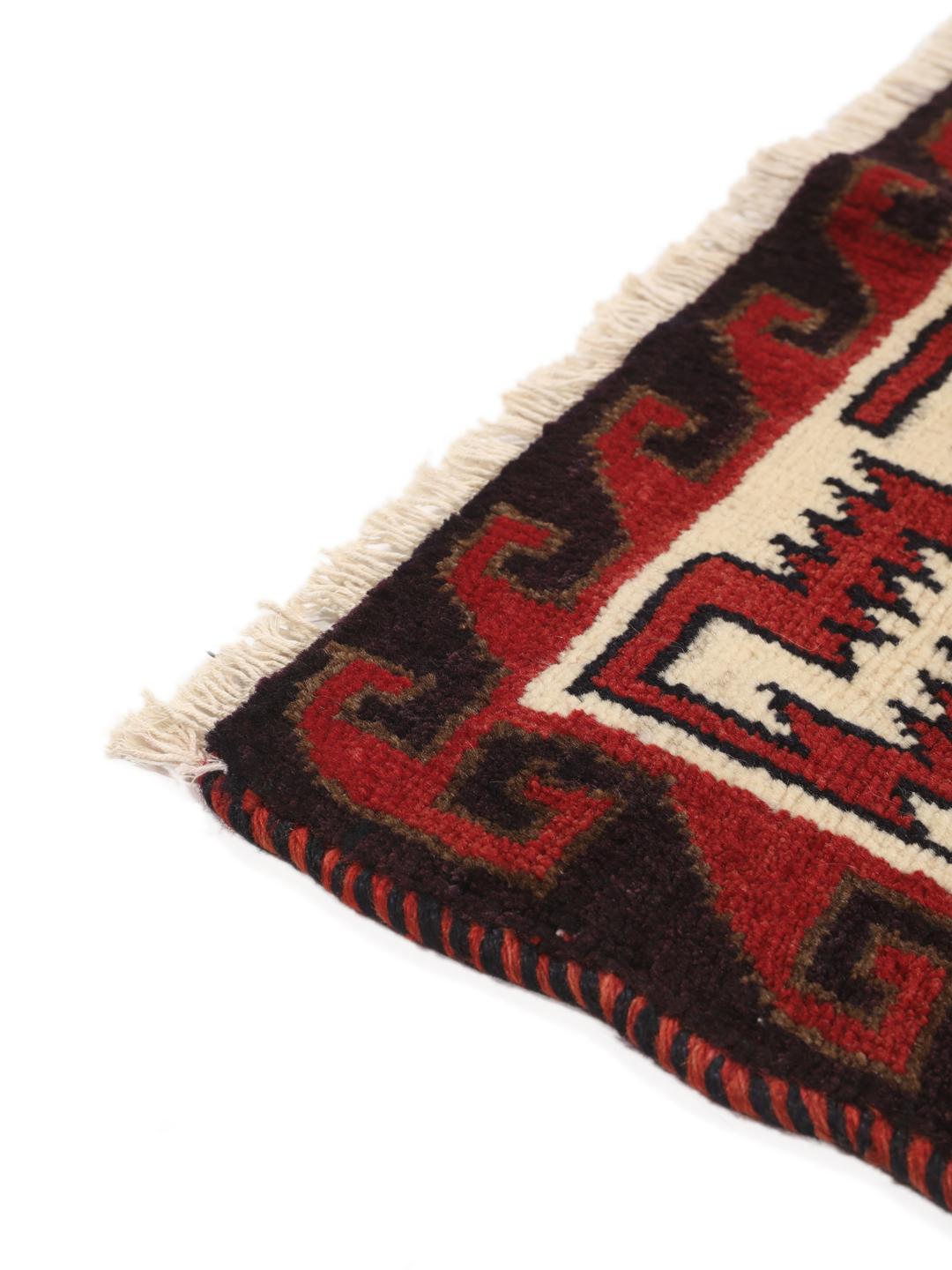
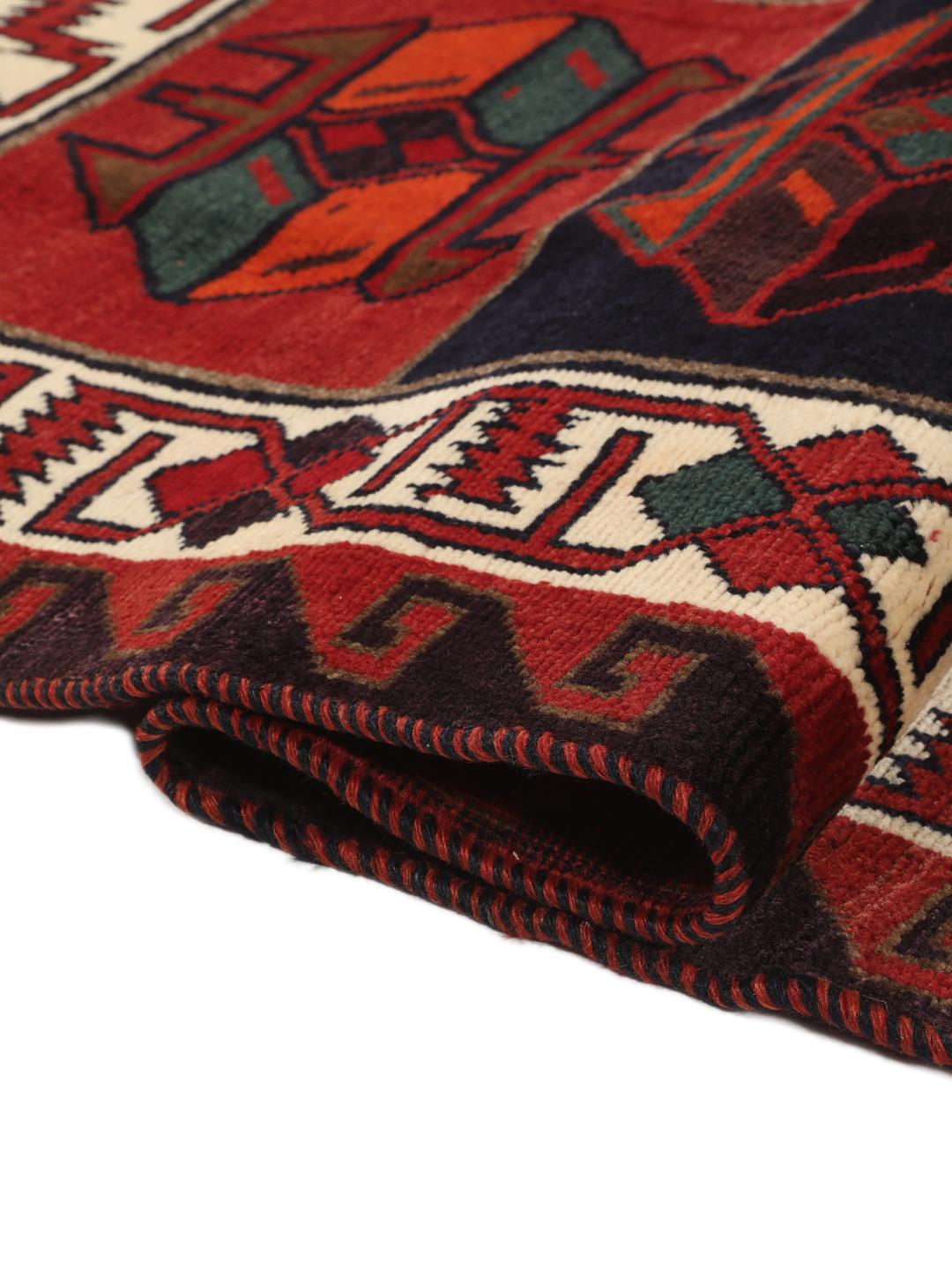
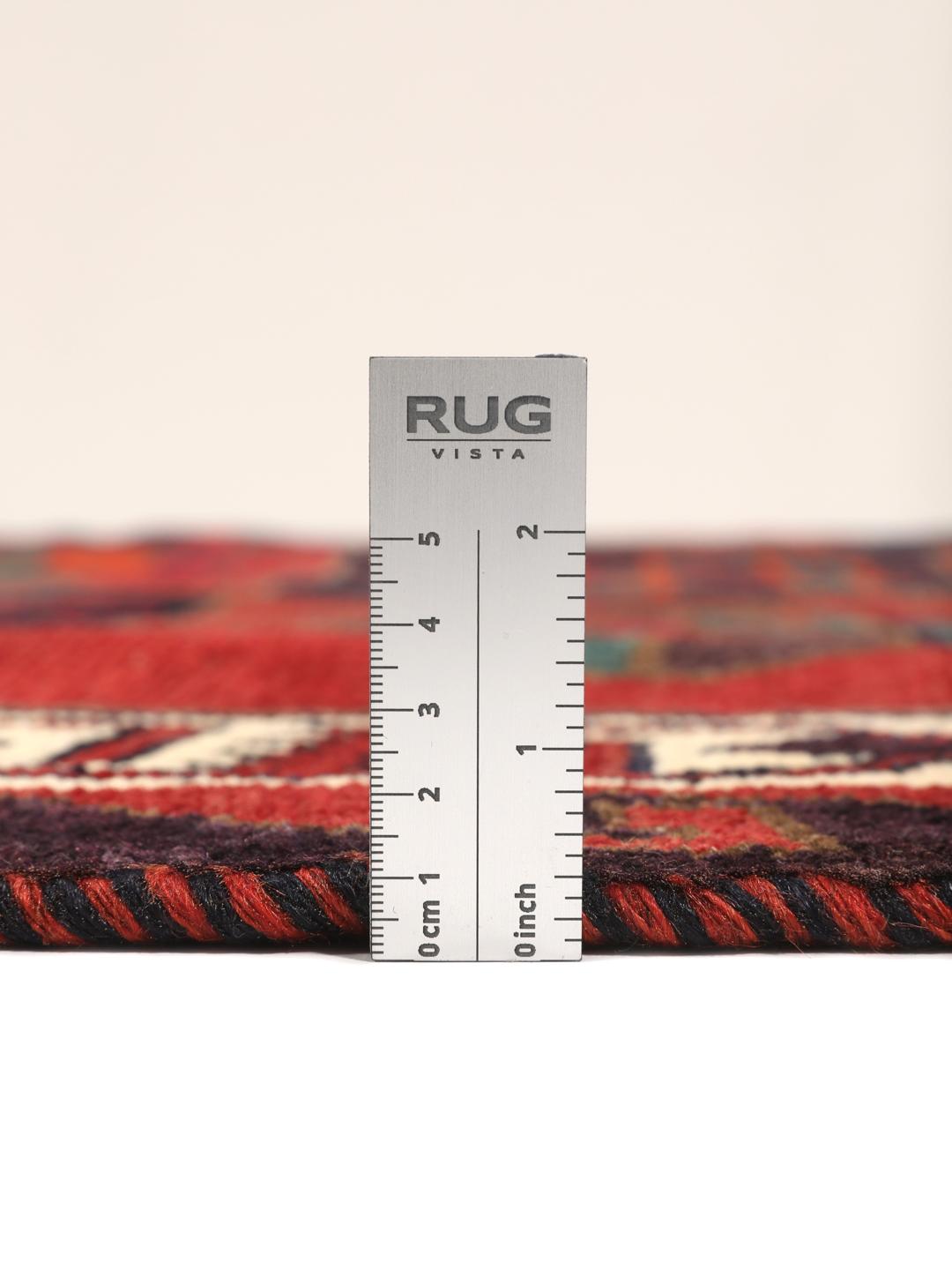
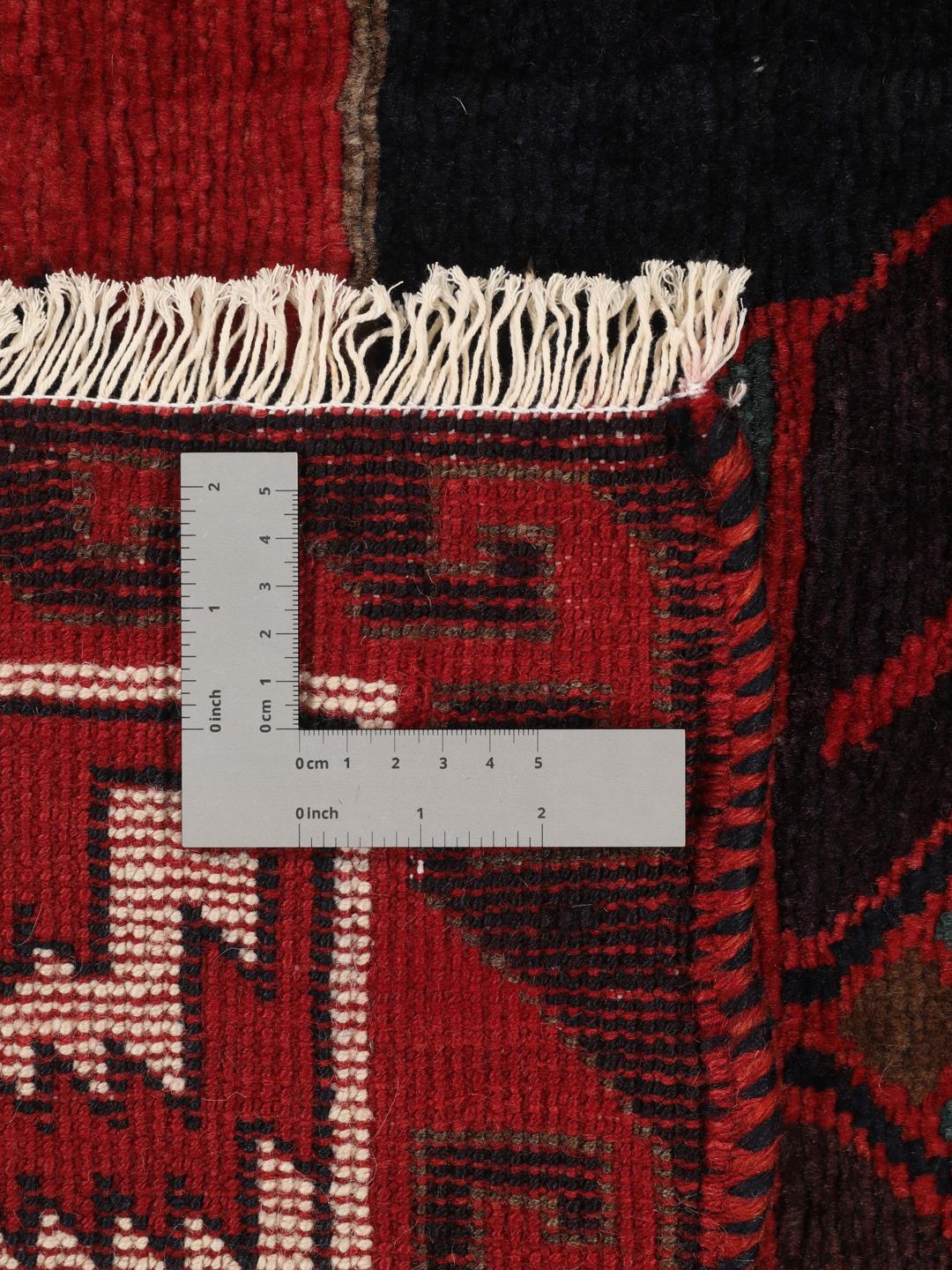
The construction of these rugs relies on time-honoured weaving techniques where the skill of the artisan defines the final quality. By using traditional hand-knotting methods, the weavers create a pile that is dense and resilient. This approach is not just about aesthetics, but about ensuring the longevity of the rug in a nomadic lifestyle, resulting in a product that is naturally robust and long-lasting.
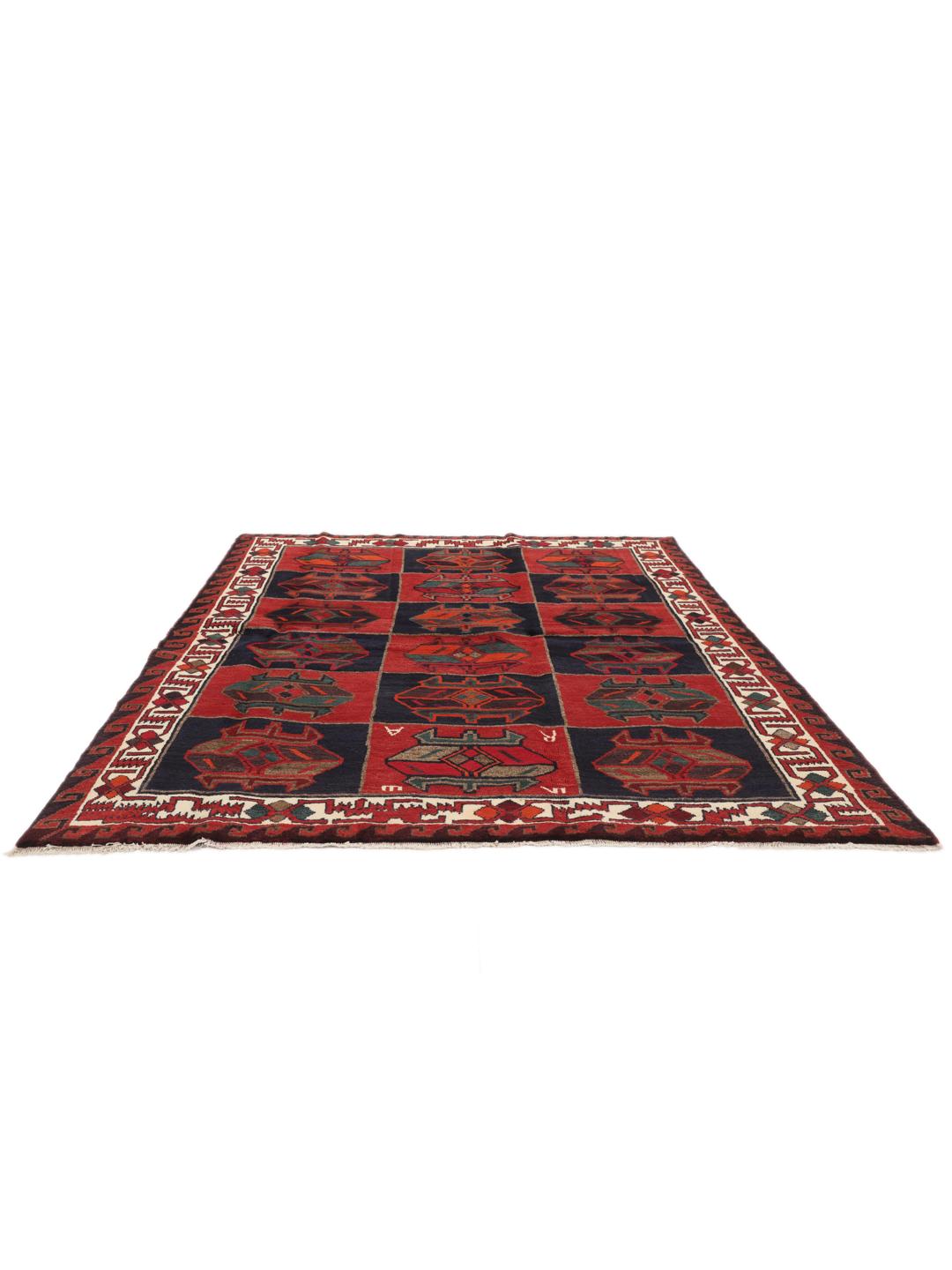
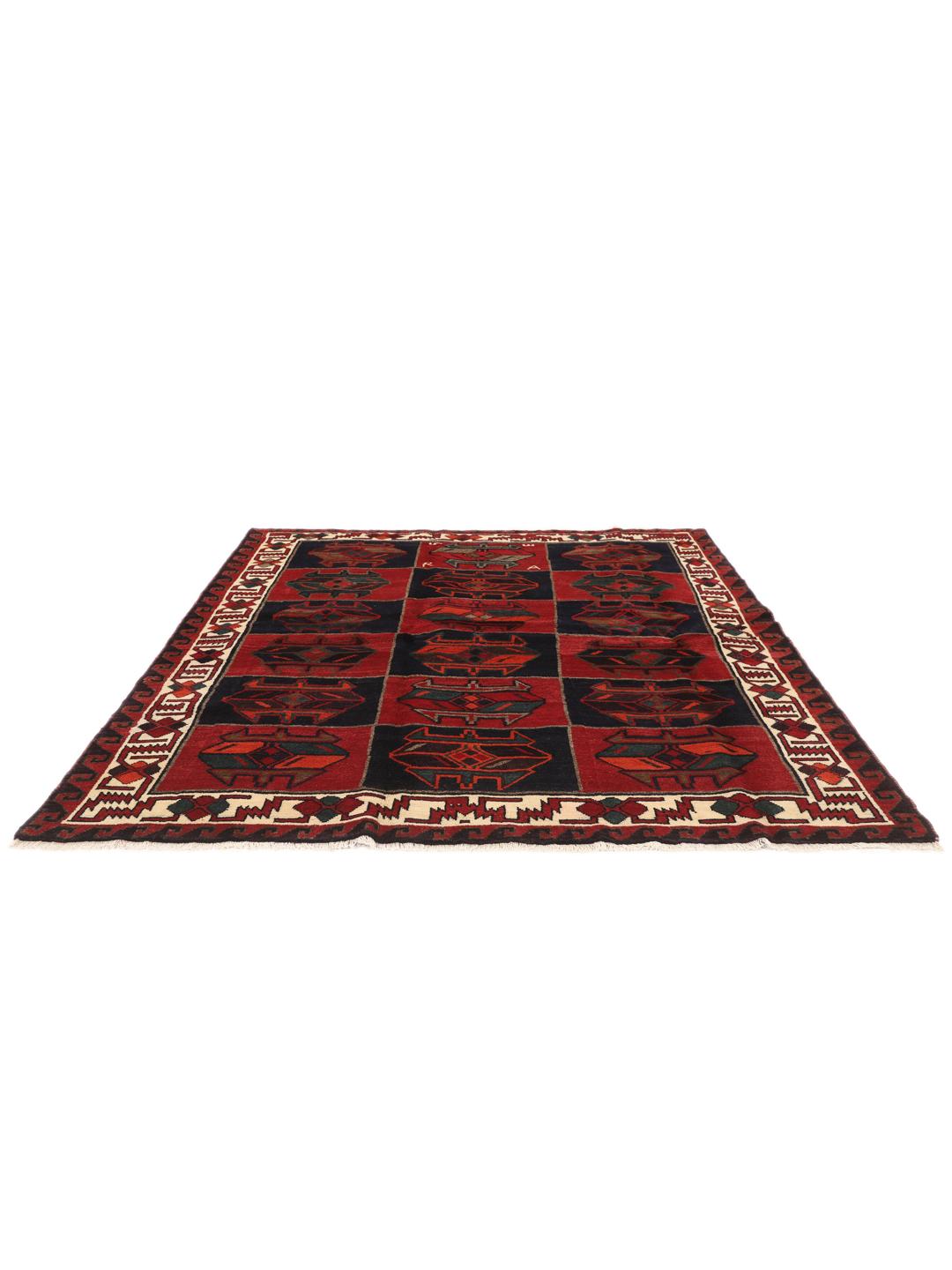
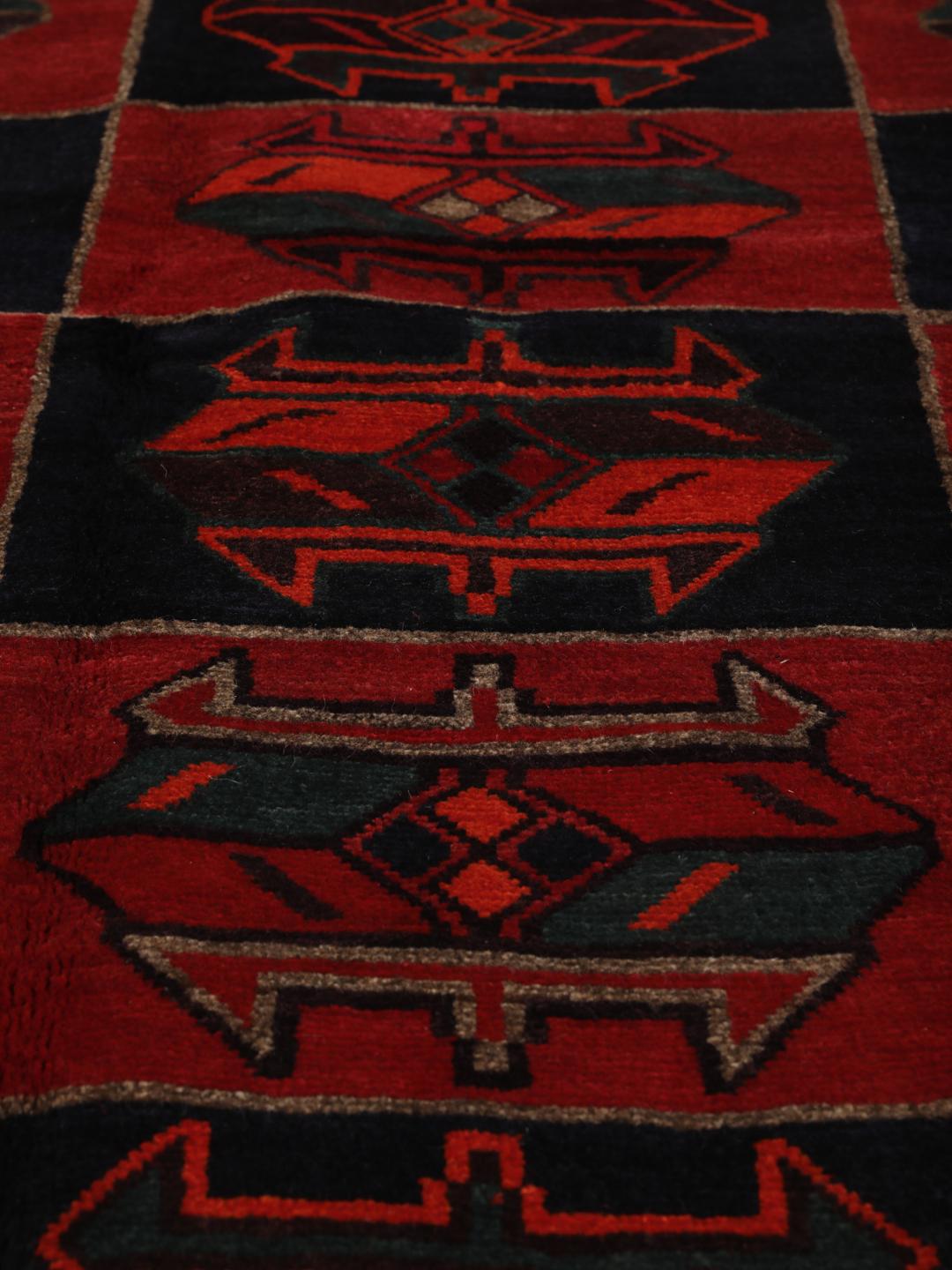
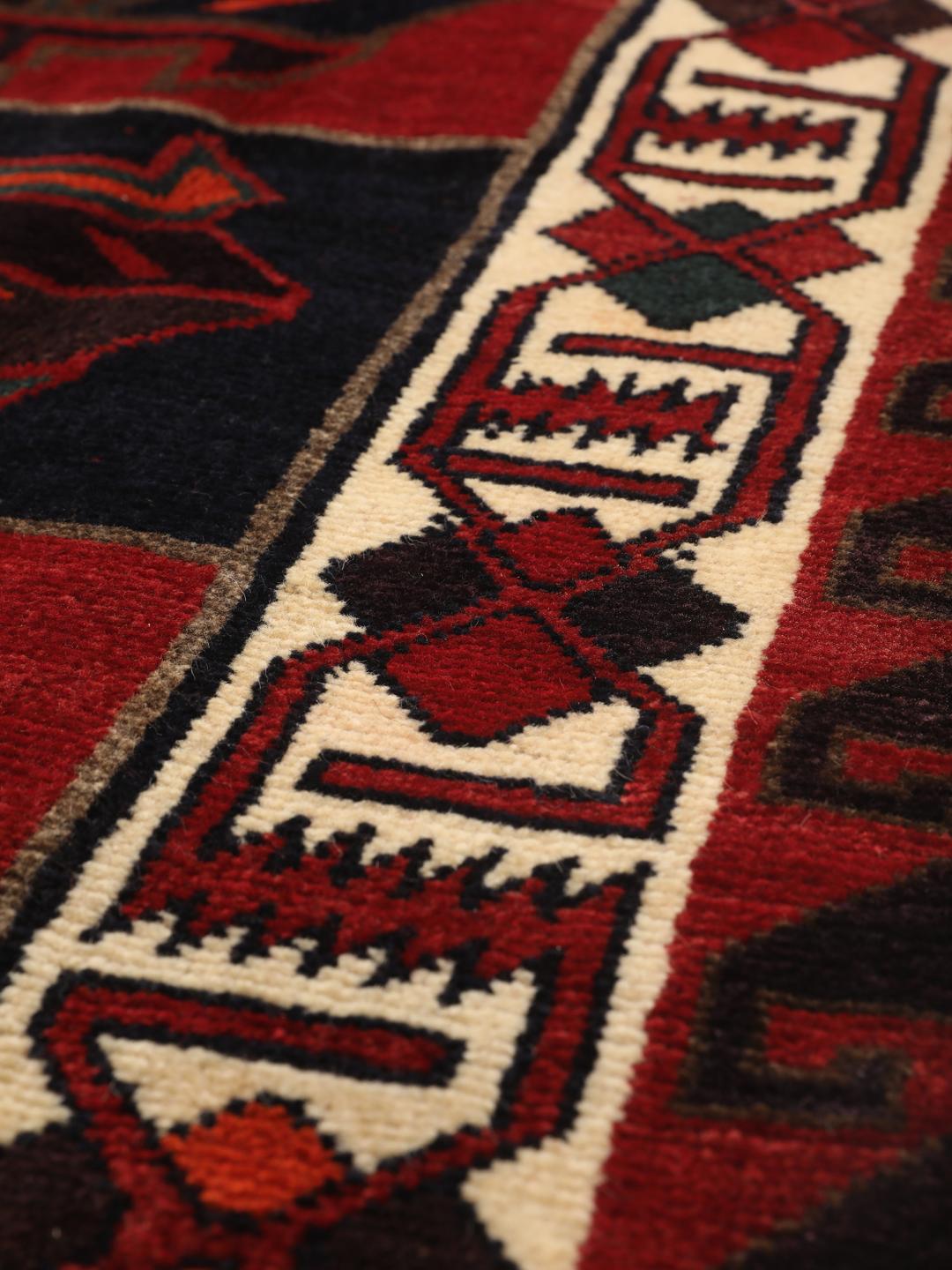
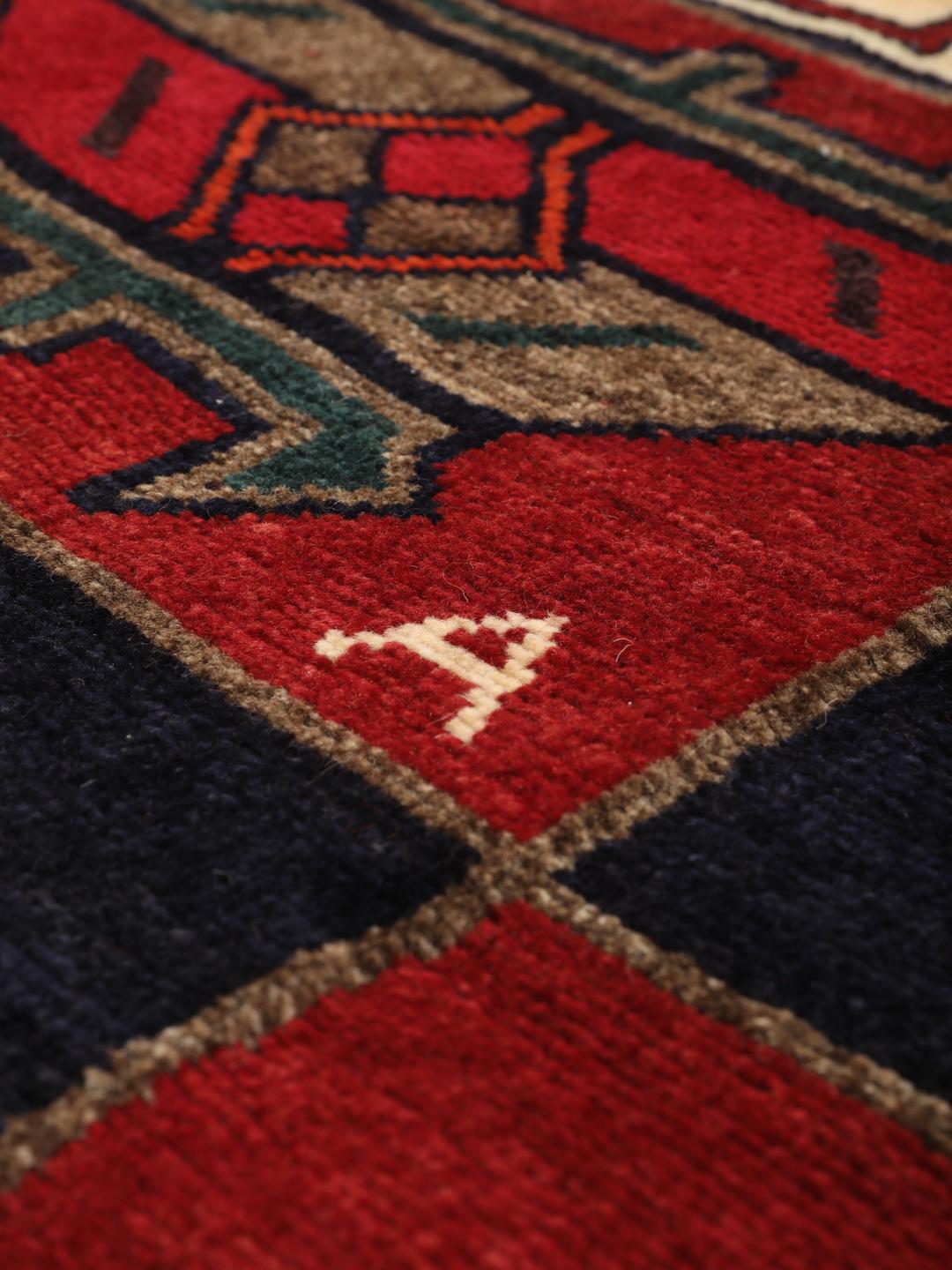
Visually, Lori rugs are known for their bold, tribal-inspired geometric patterns. They often feature repeating motifs, such as stylized medallions or angular shapes, set against deep, rich backgrounds. The colour palette typically leans toward earthy, saturated tones, which are achieved through traditional dyeing practices. This specific piece stands out for its strong, rhythmic arrangement, which is a hallmark of the Lori design language.
Collecting a Lori rug is an opportunity to own a piece of cultural heritage. They are highly valued for their authenticity and the human story woven into every thread. Owning one is a testament to the appreciation of traditional skill and the enduring appeal of designs that have been refined by generations of weavers in the heart of the Middle East.