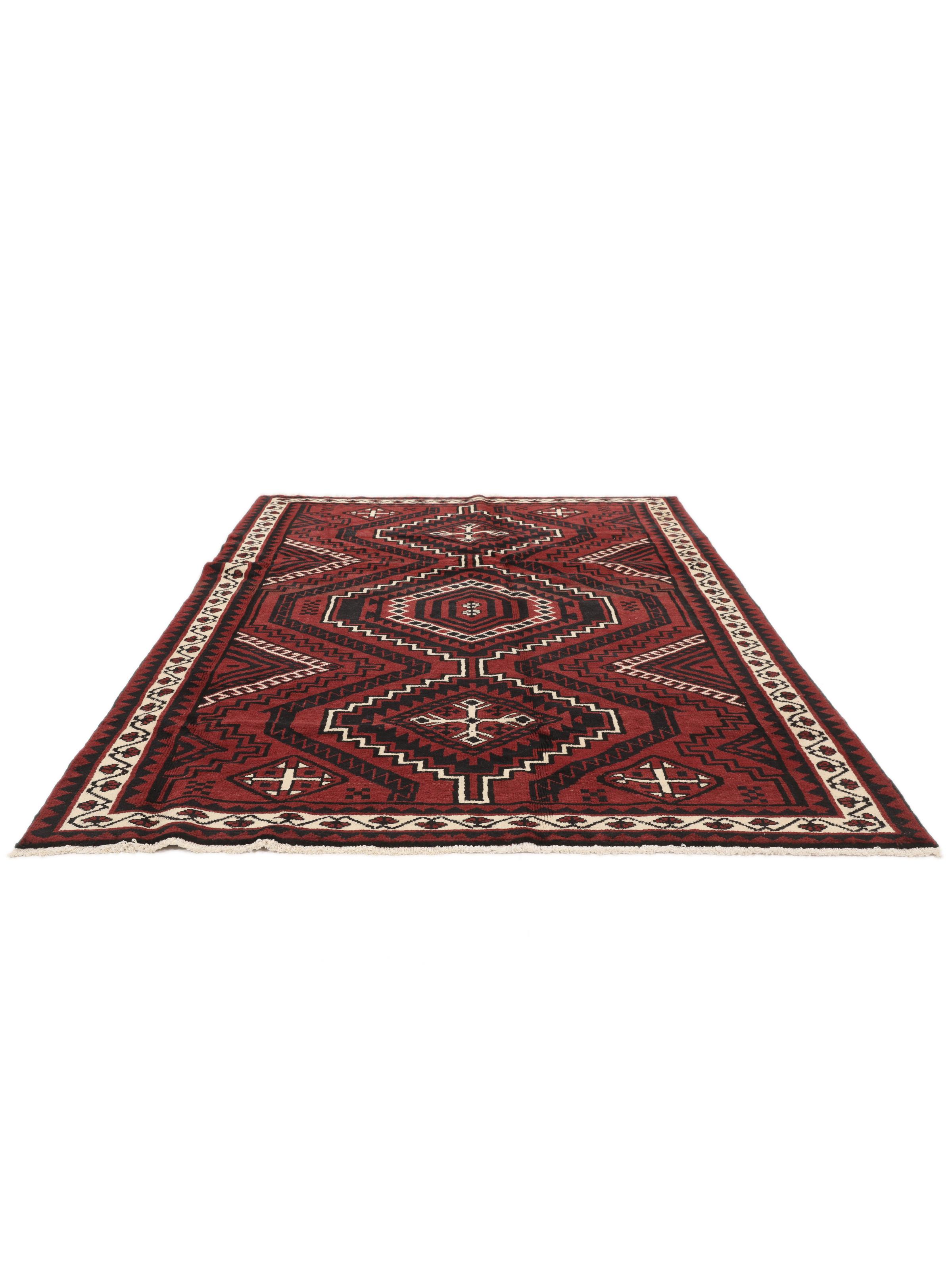
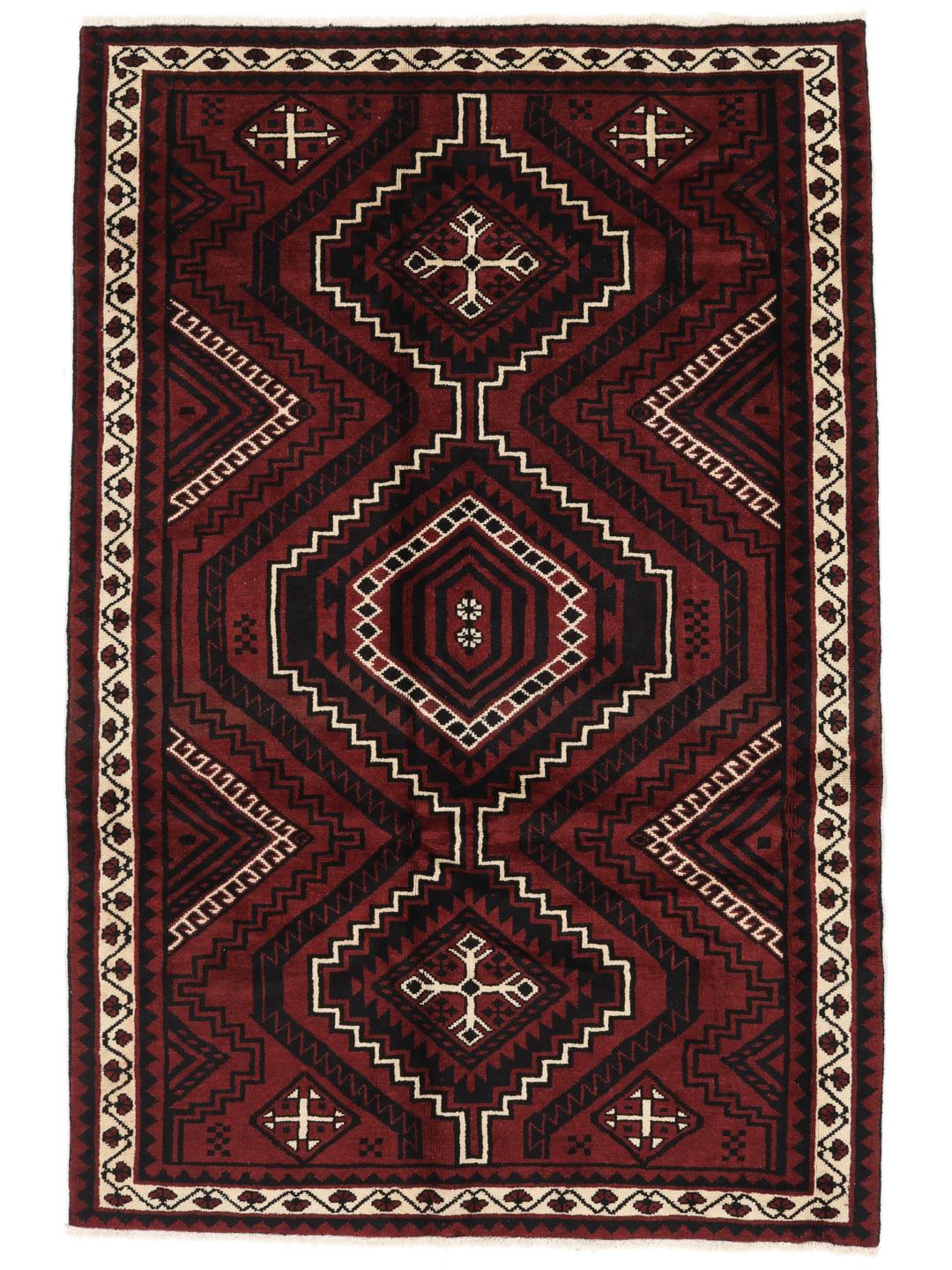
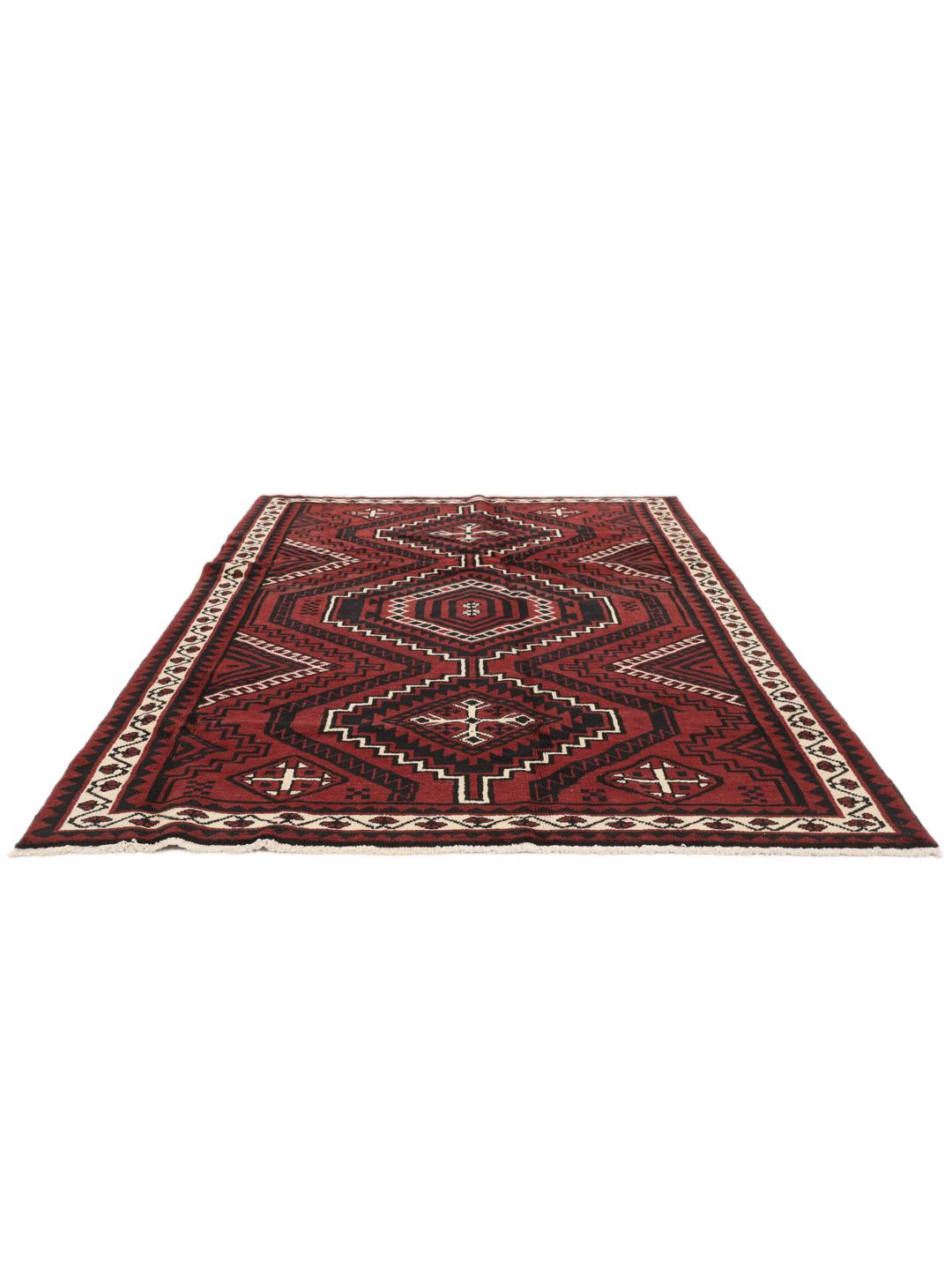
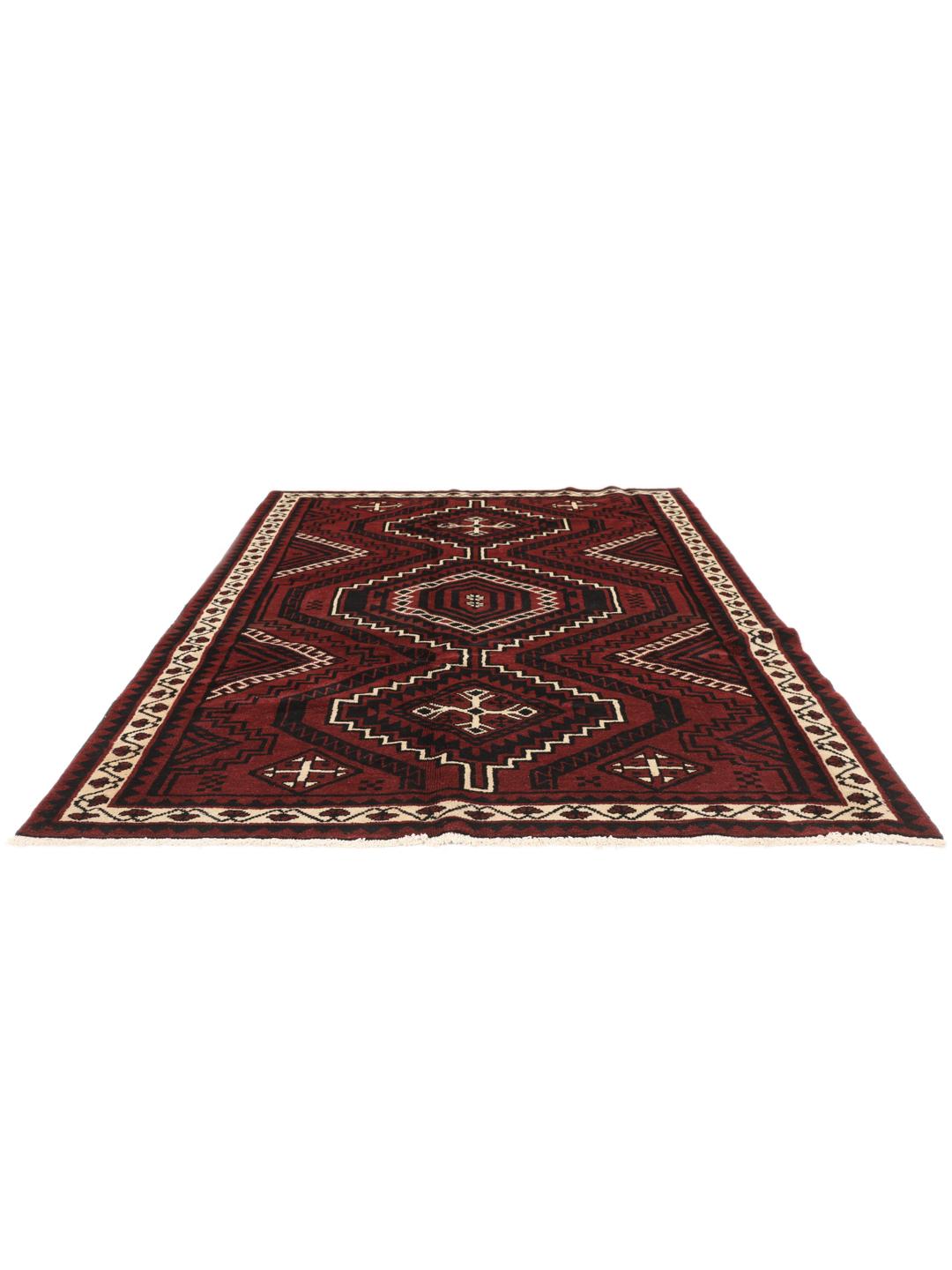
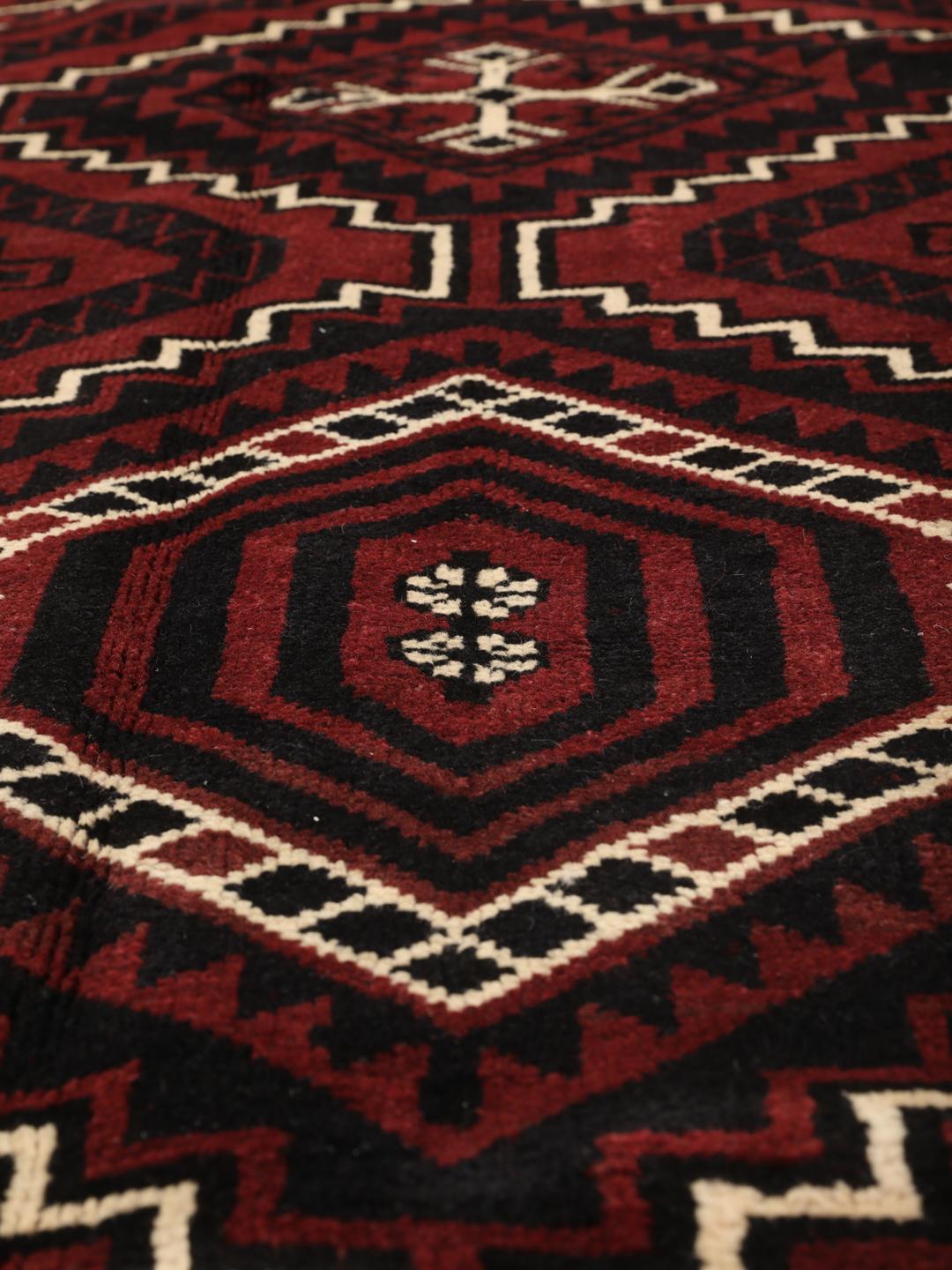
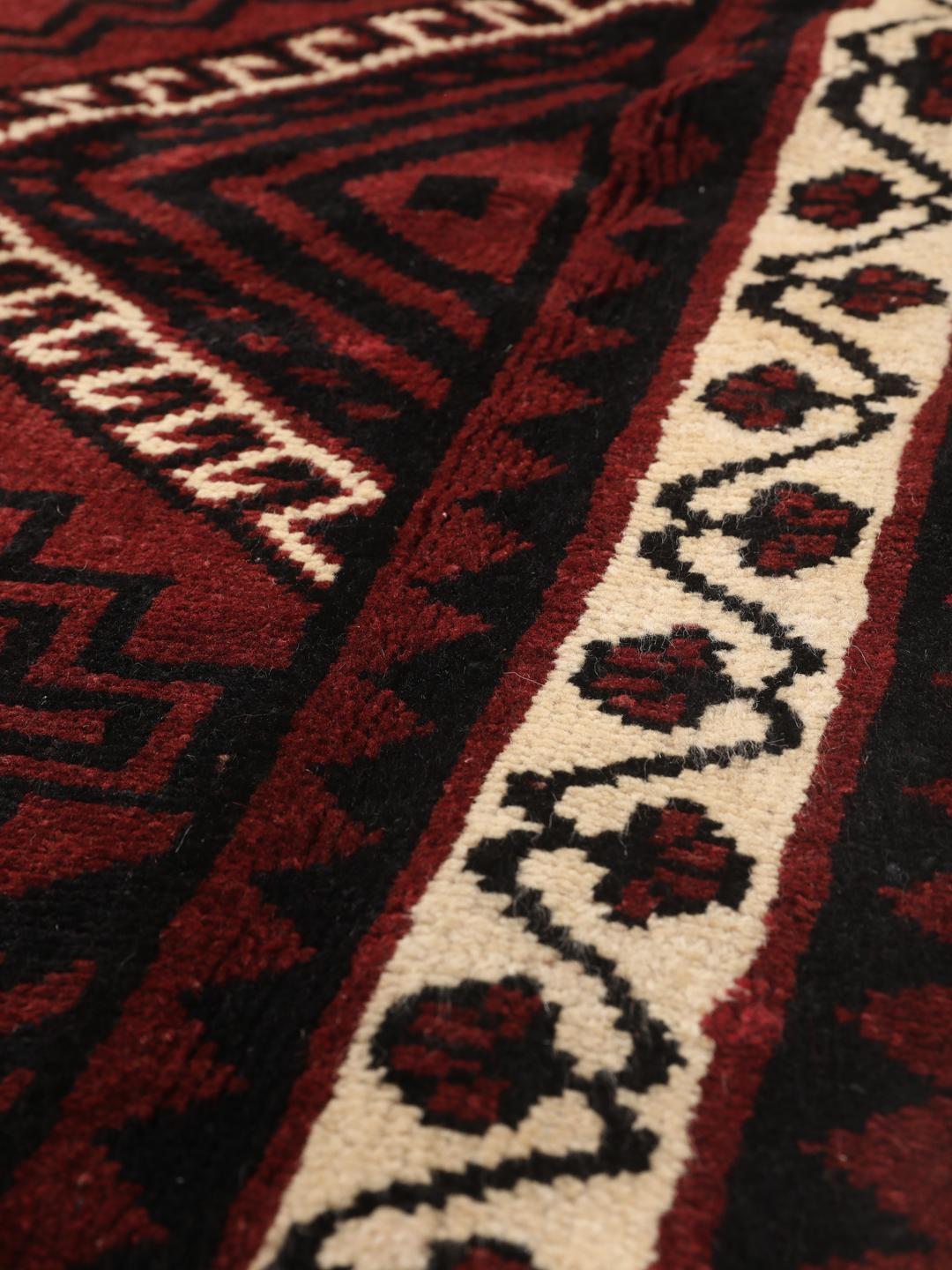
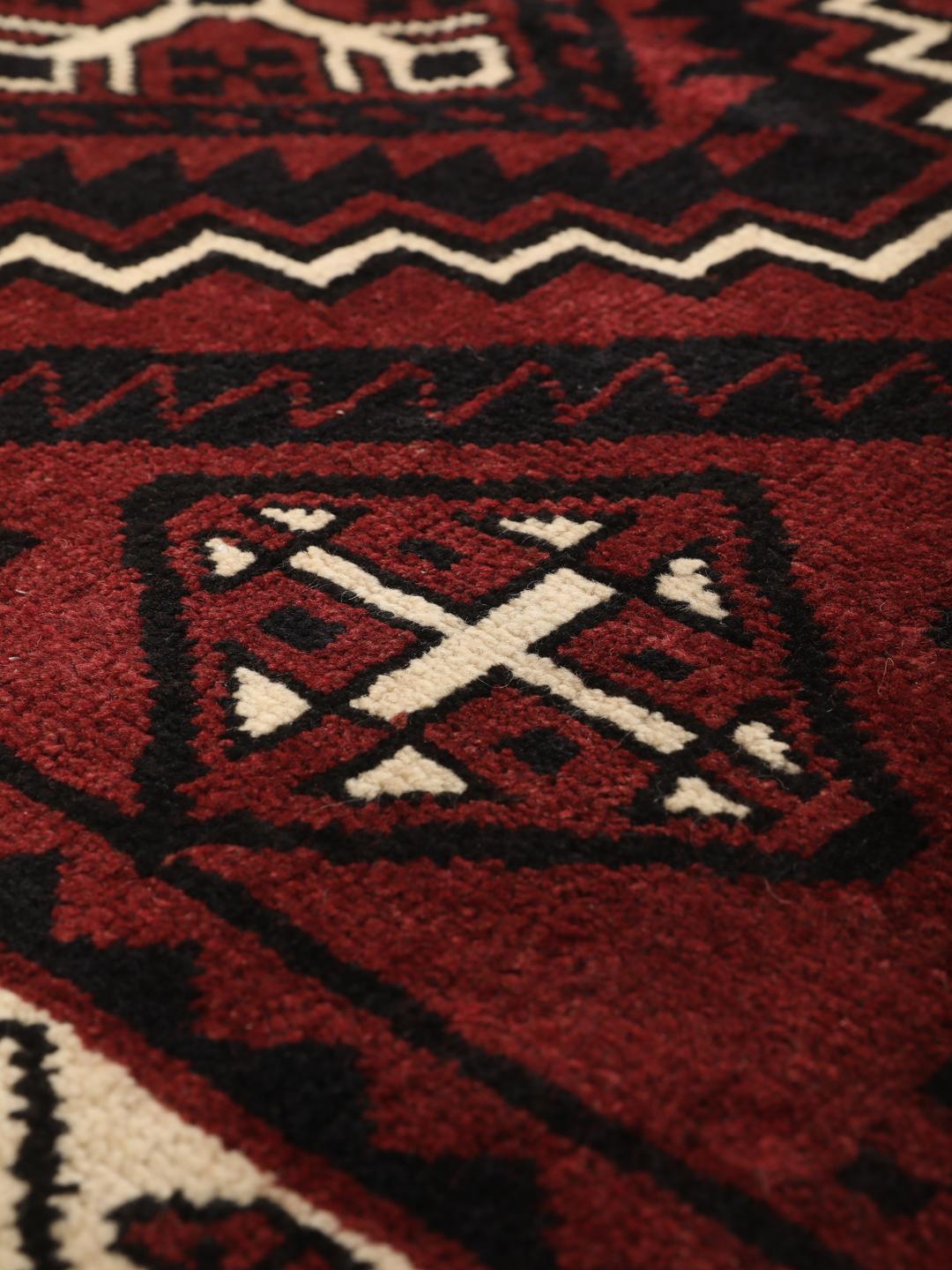
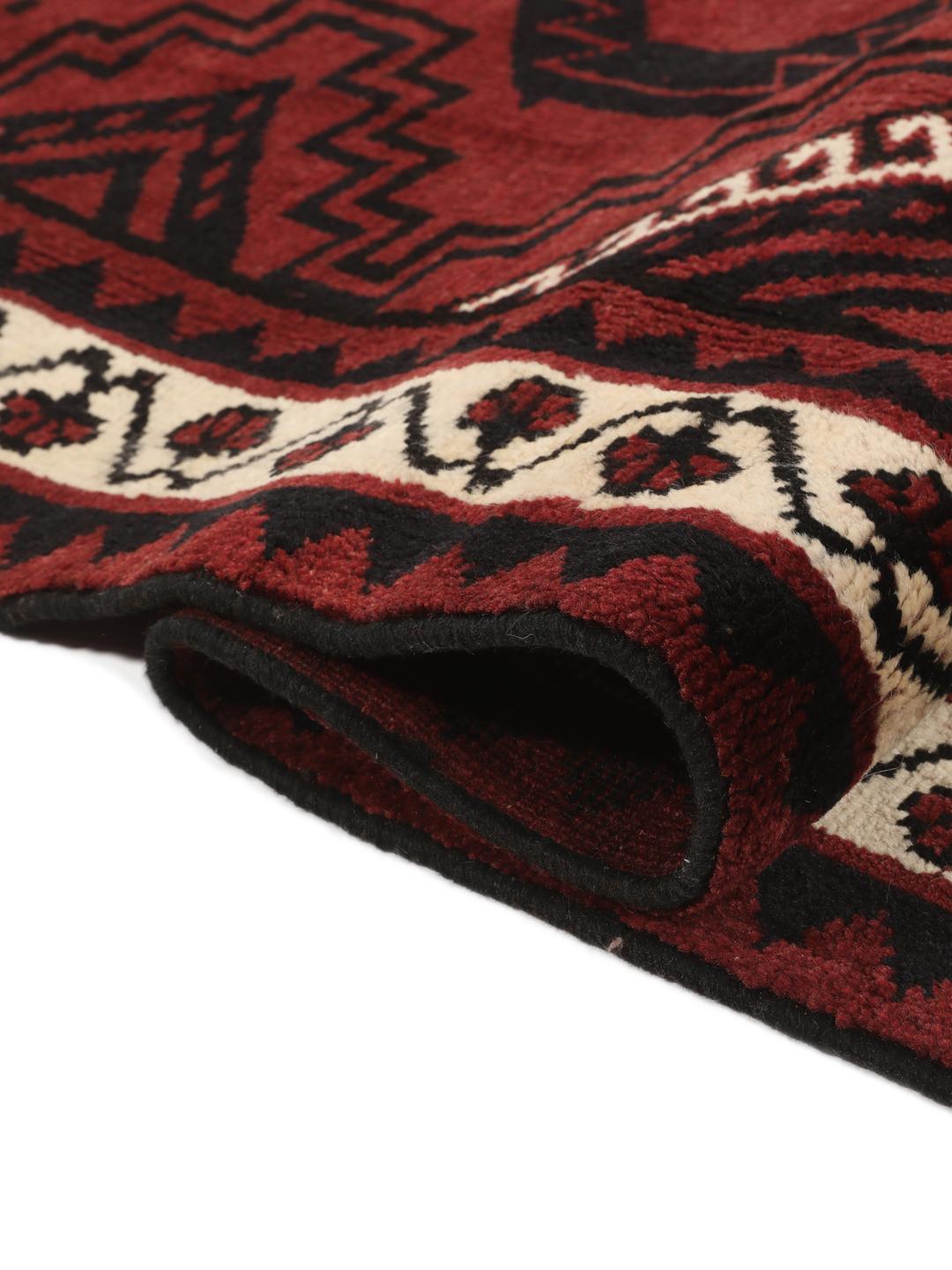
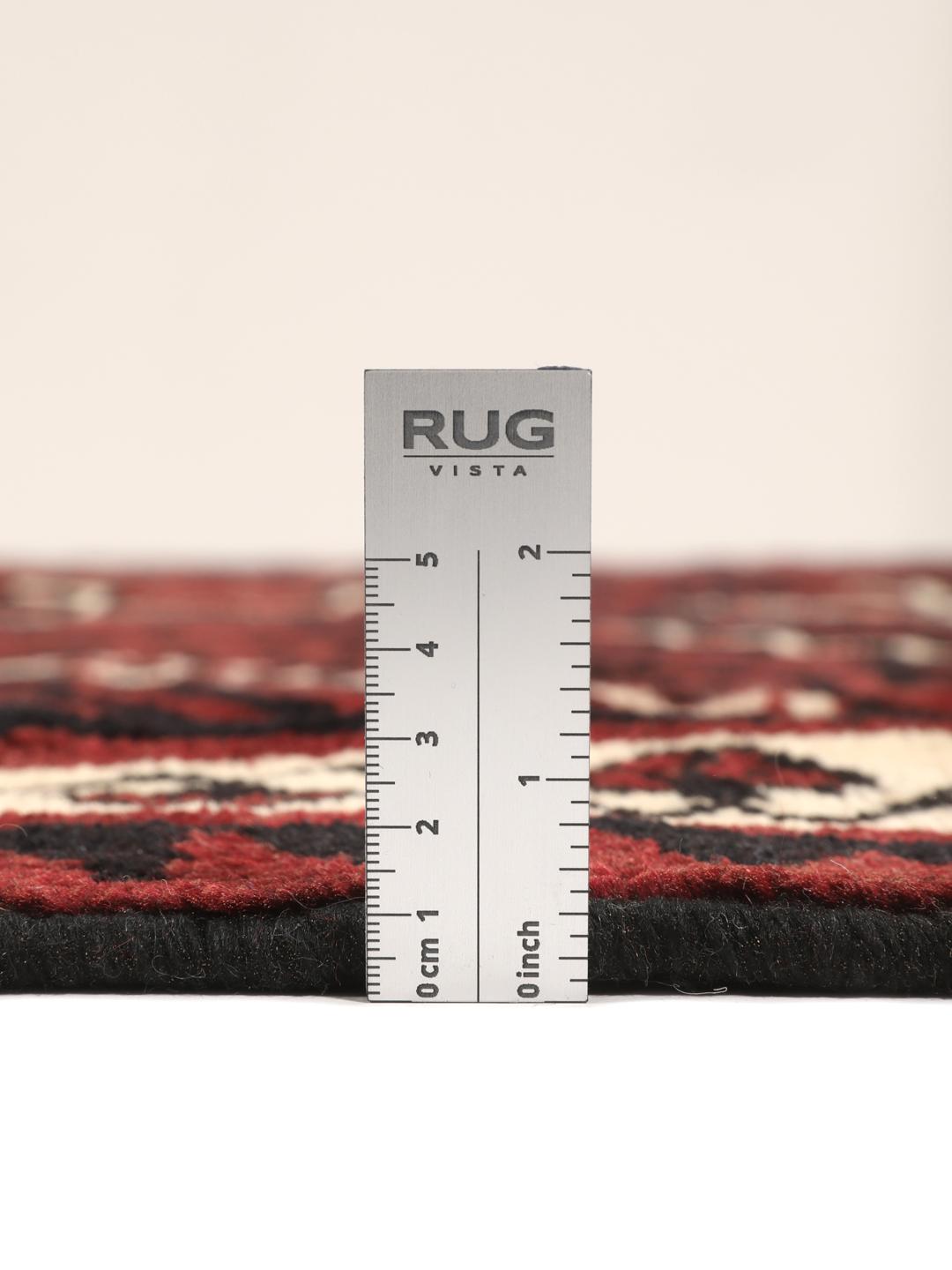
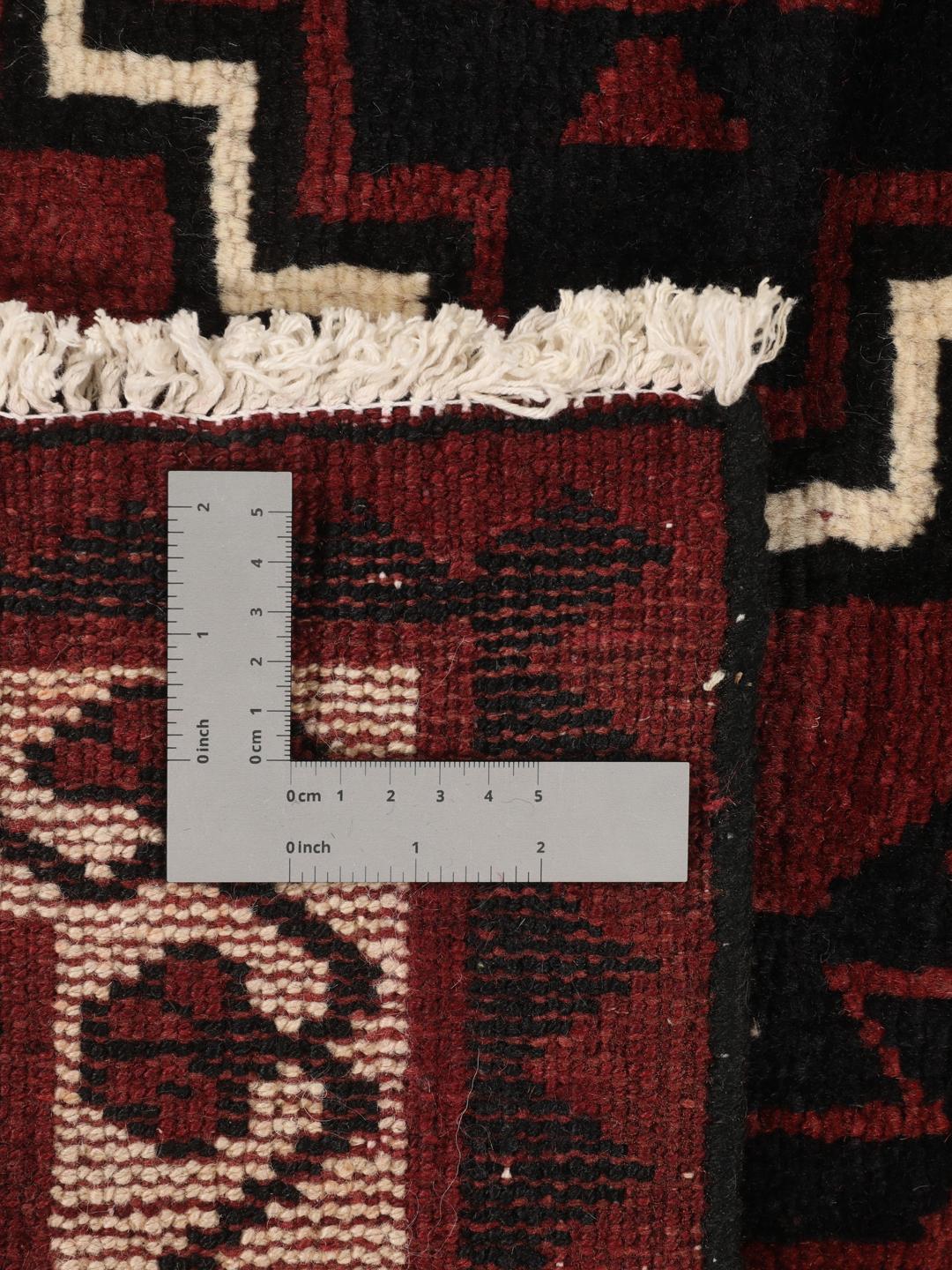
Lori rugs originate from the mountainous regions of the Middle East, crafted by the nomadic and semi-nomadic tribes who have called these rugged landscapes home for centuries. These rugs are deeply tied to the cultural identity of the weavers, serving as both functional floor coverings for tents and as canvases for traditional storytelling. The patterns often reflect the natural environment of the highlands, translated into a geometric language that has been passed down through generations.
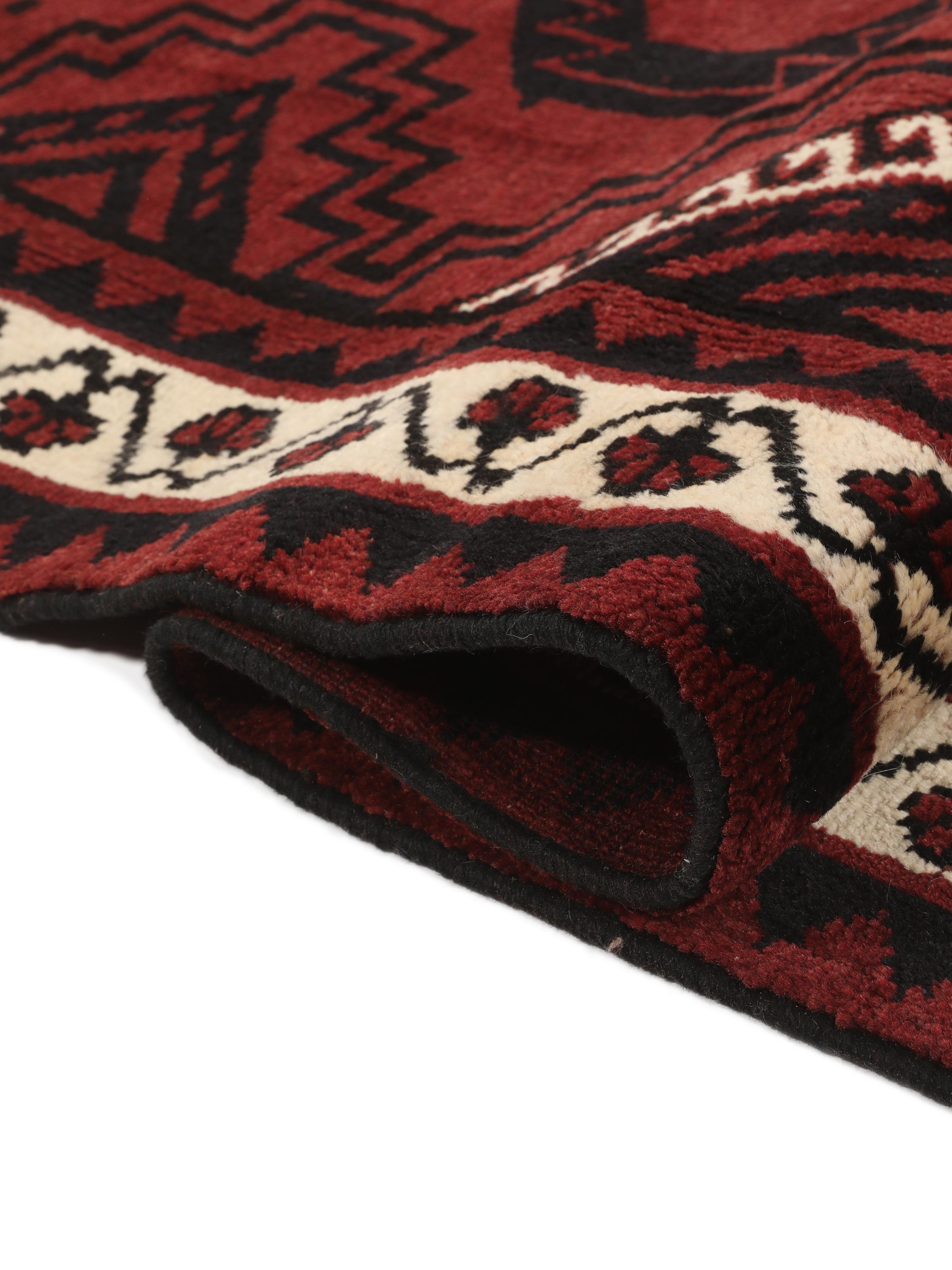
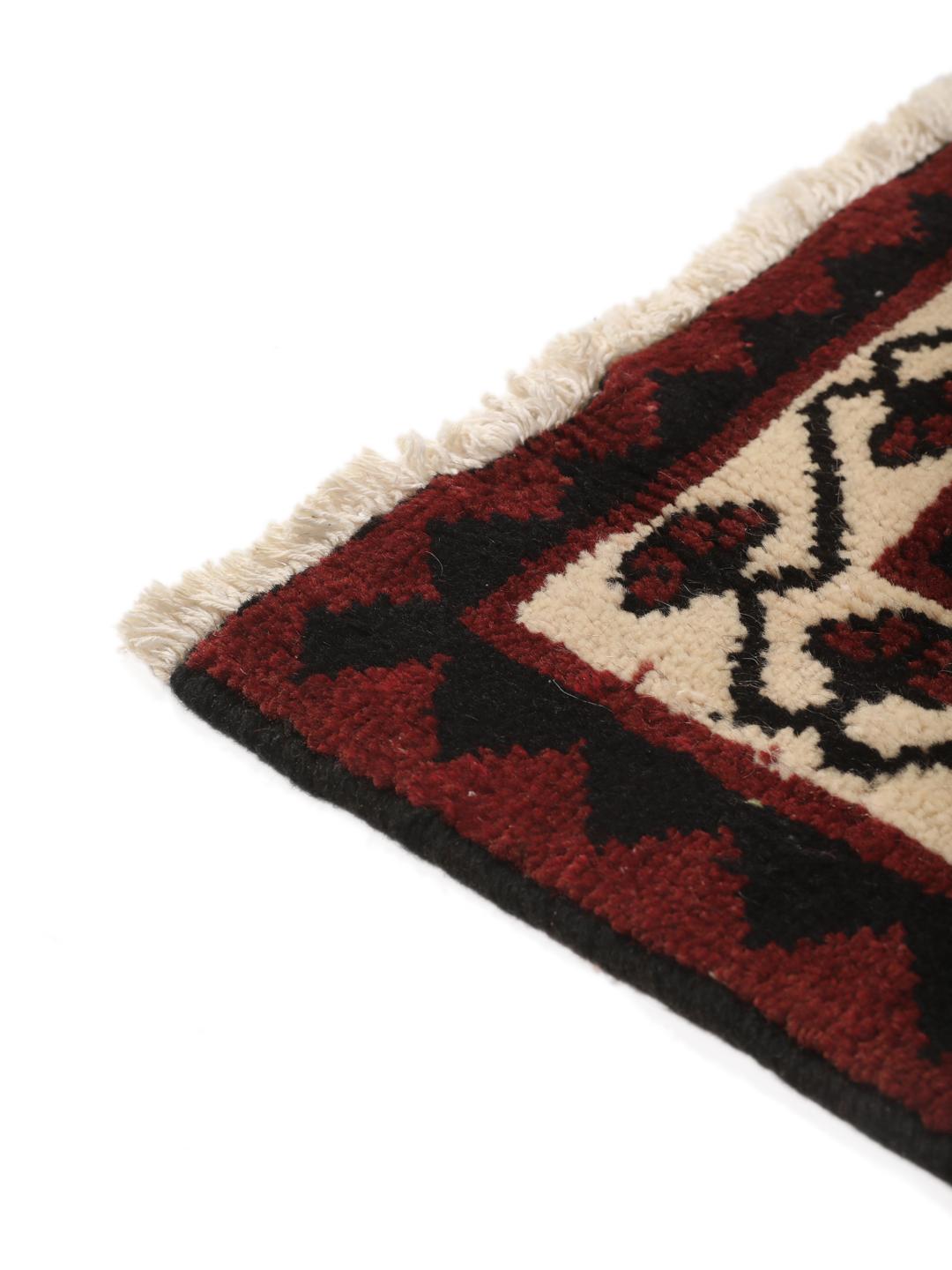
The term Lori refers to the tribal identity of the weavers, who are known for their bold and expressive approach to textile design. Unlike more formal urban workshops, these tribal pieces often feature a more spontaneous and improvisational spirit. The construction is focused on strength and utility, utilising techniques that have been perfected to withstand the demands of a nomadic lifestyle while maintaining a high level of aesthetic beauty.
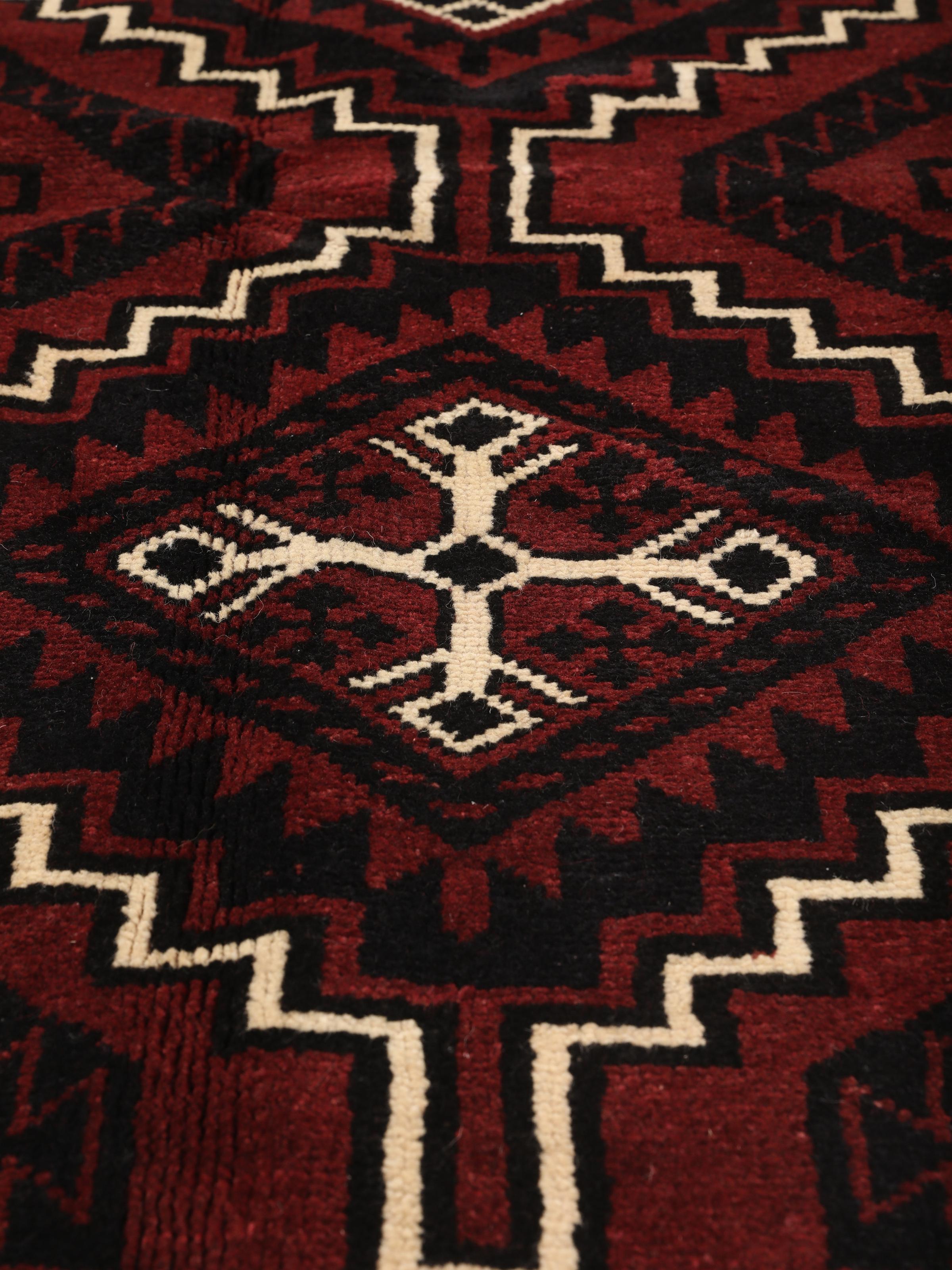
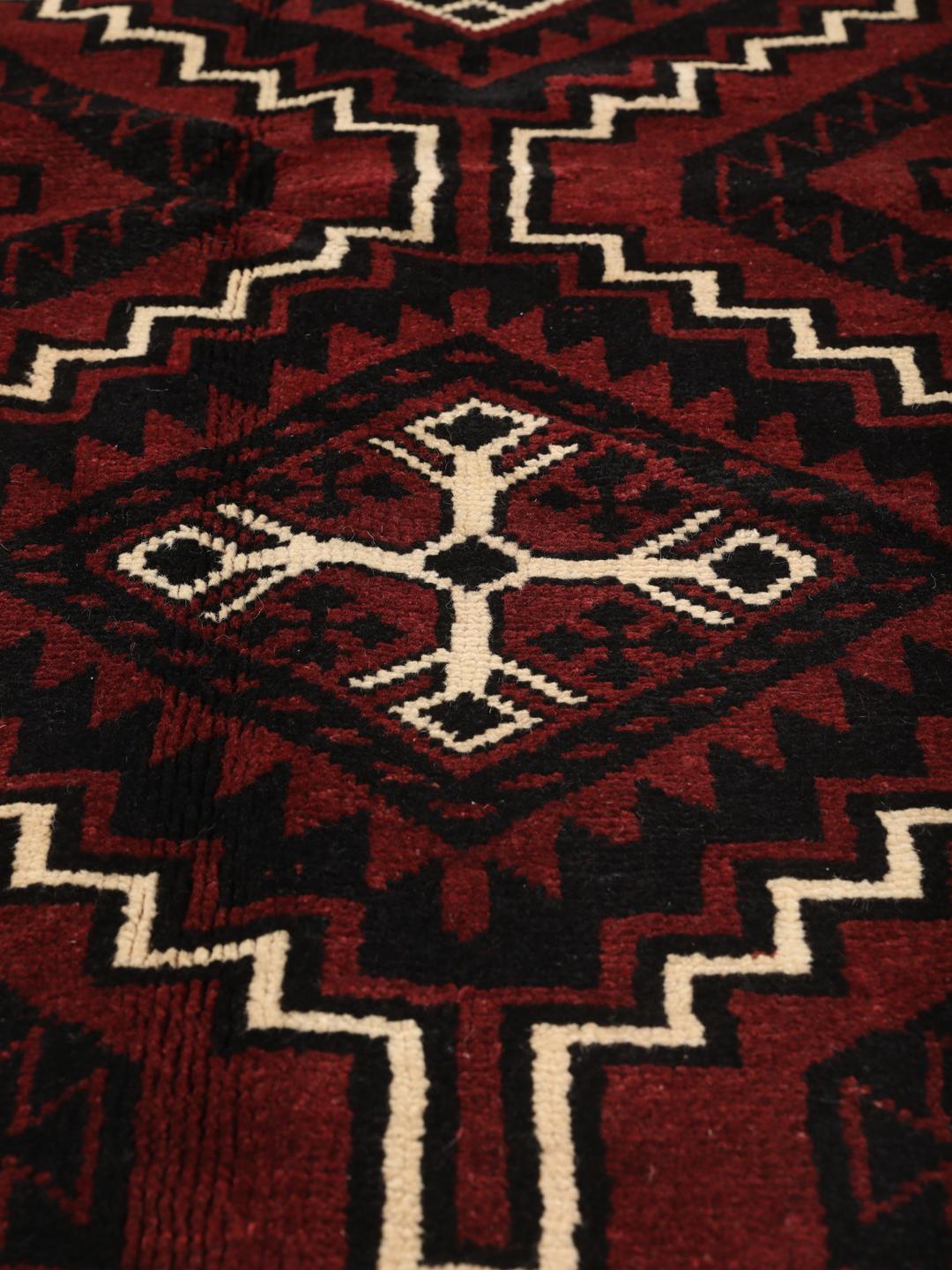
Signature design elements in Lori rugs typically include geometric medallions, sharp-edged tribal motifs, and a colour palette rooted in natural dyes like madder root for deep reds and walnut husks for darker tones. The borders often feature repetitive patterns that frame the field, providing a sense of order to the more abstract motifs found in the centre. These designs are not merely decorative but often hold symbolic meaning, representing elements of tribal protection, prosperity, and the natural world.
Today, these rugs are highly sought after by collectors who value the authenticity and raw skill found in tribal weaving. Owning a Lori piece is more than just a home decor choice; it is an act of preserving a specific cultural heritage. These rugs are recognised for their enduring quality and the human narrative woven into every thread, making them a meaningful addition to any collection that values history, skill, and genuine craft.