The Lori rug tradition finds its roots in the mountainous regions of the Middle East, where tribal weaving has served as both a practical necessity and a vital form of artistic expression for centuries. These rugs are deeply connected to the nomadic and semi-nomadic lifestyles of the people who created them, reflecting the rugged beauty of their natural environment in every thread.
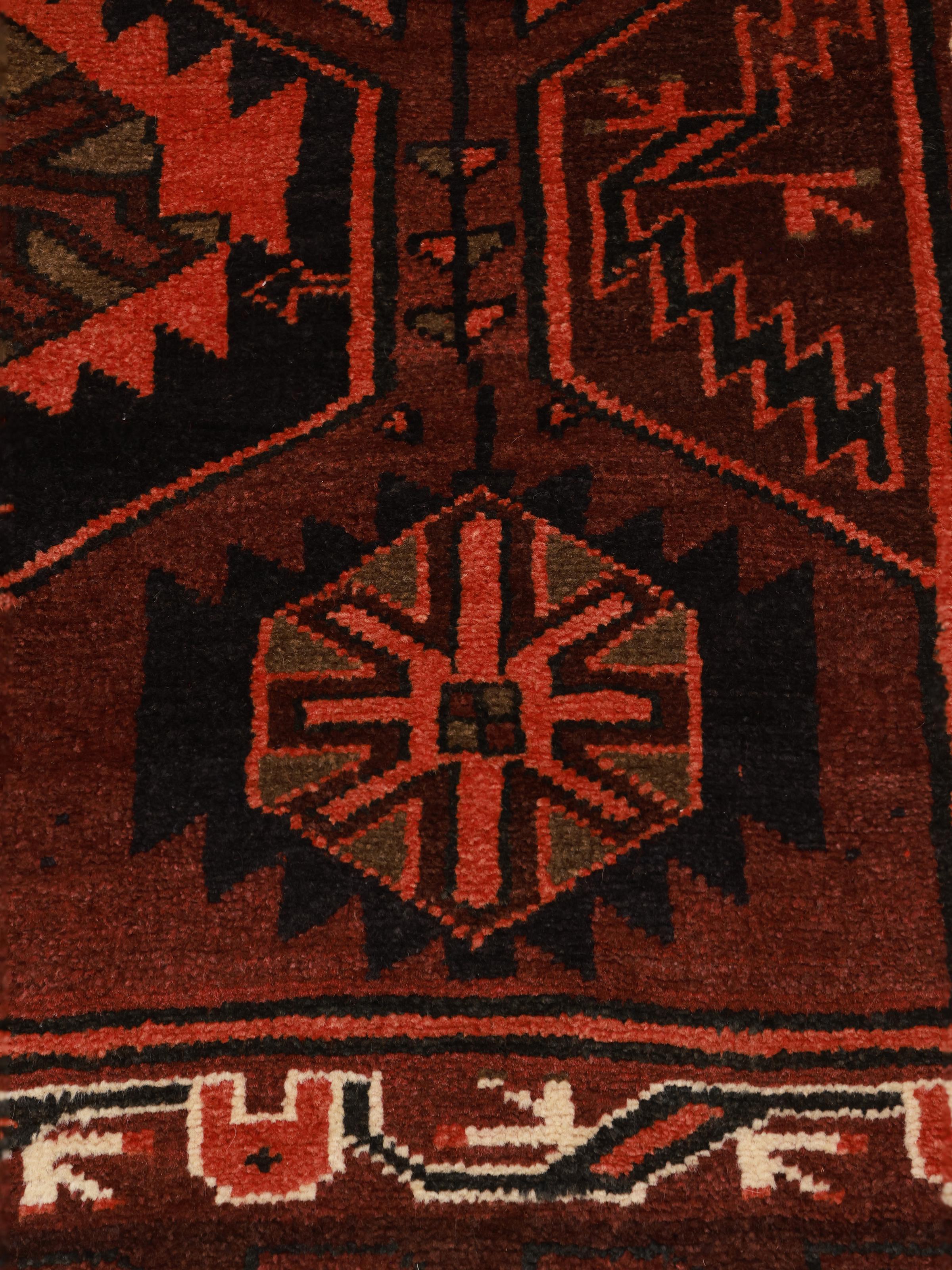
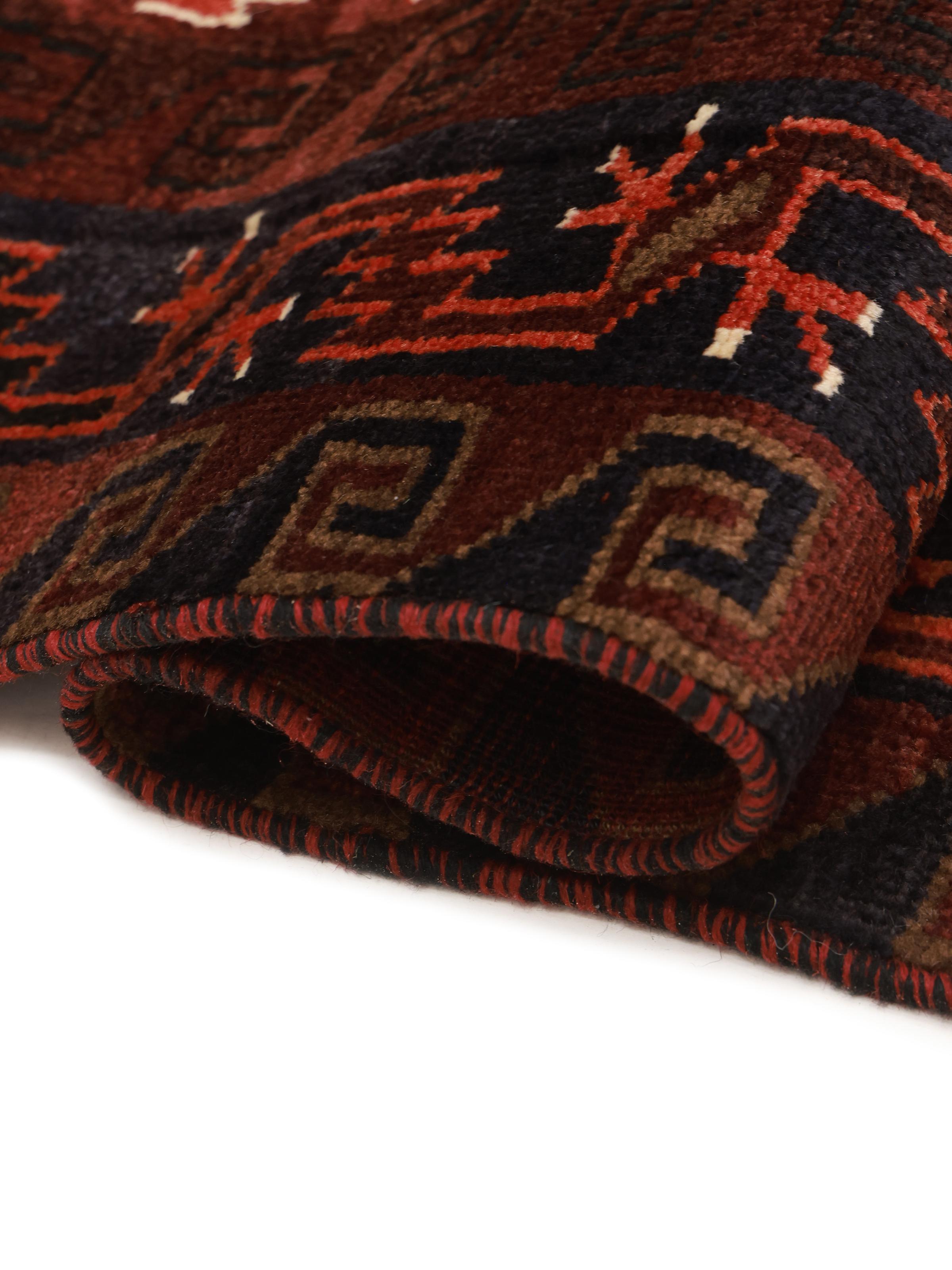
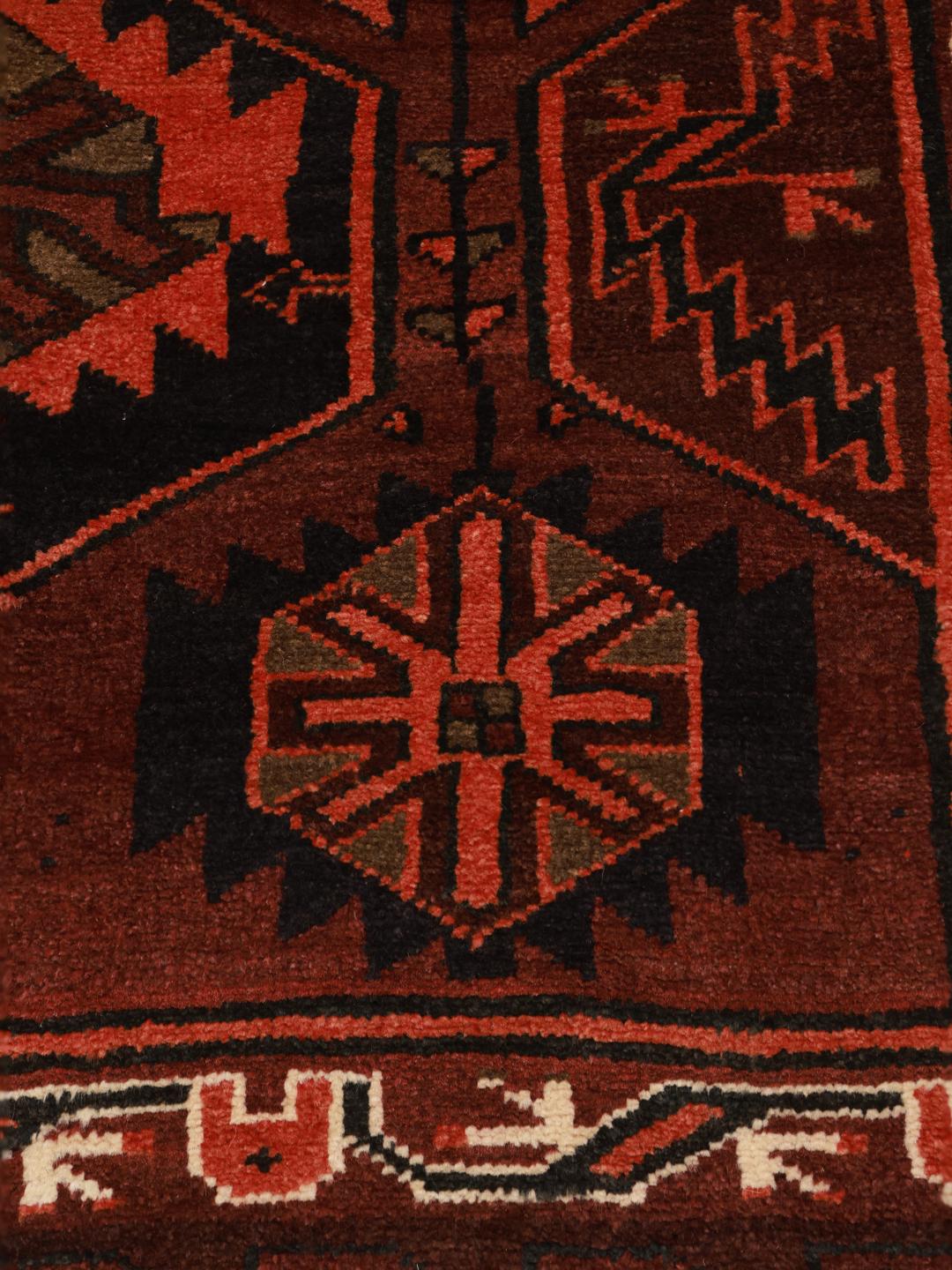
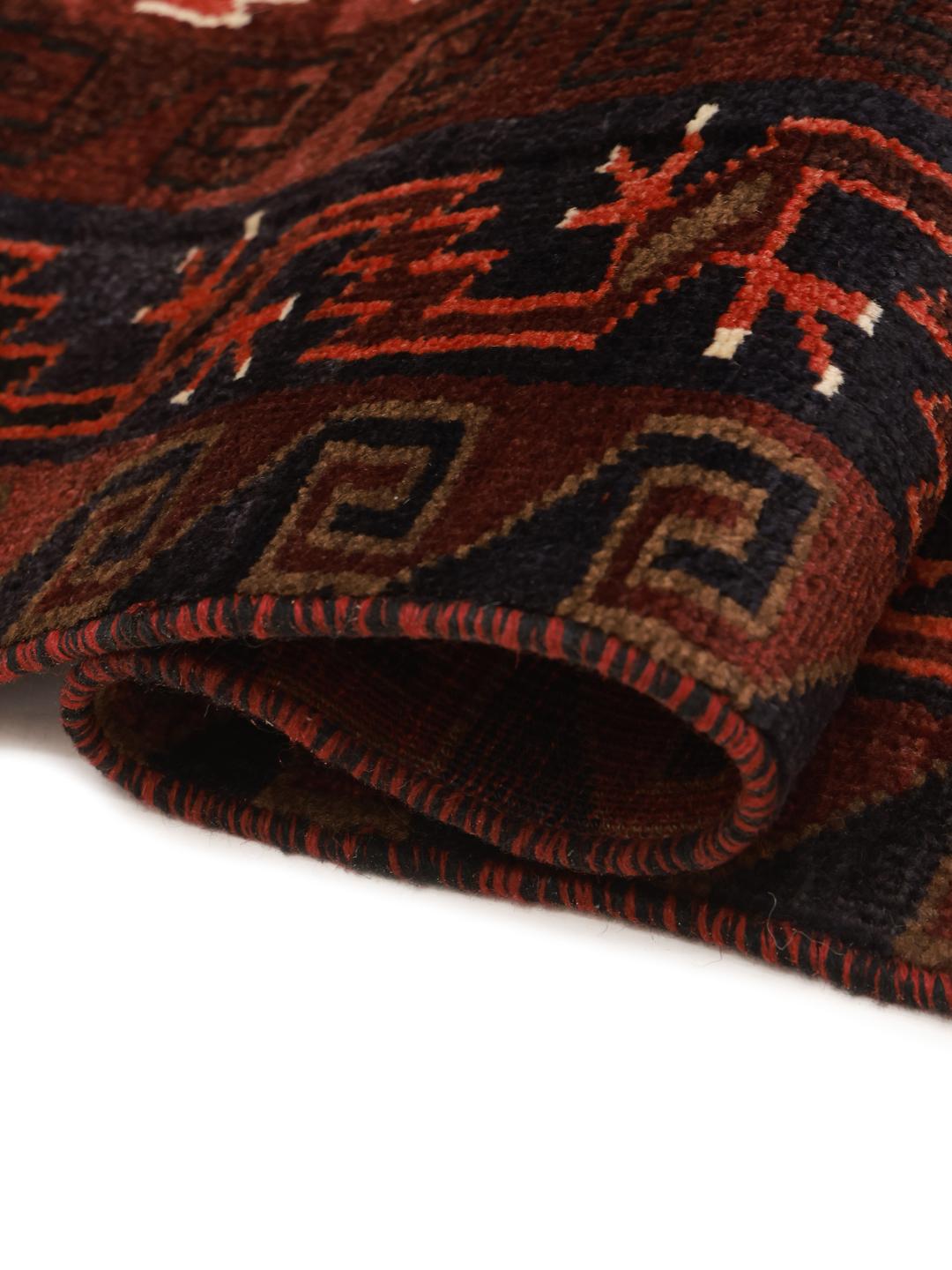
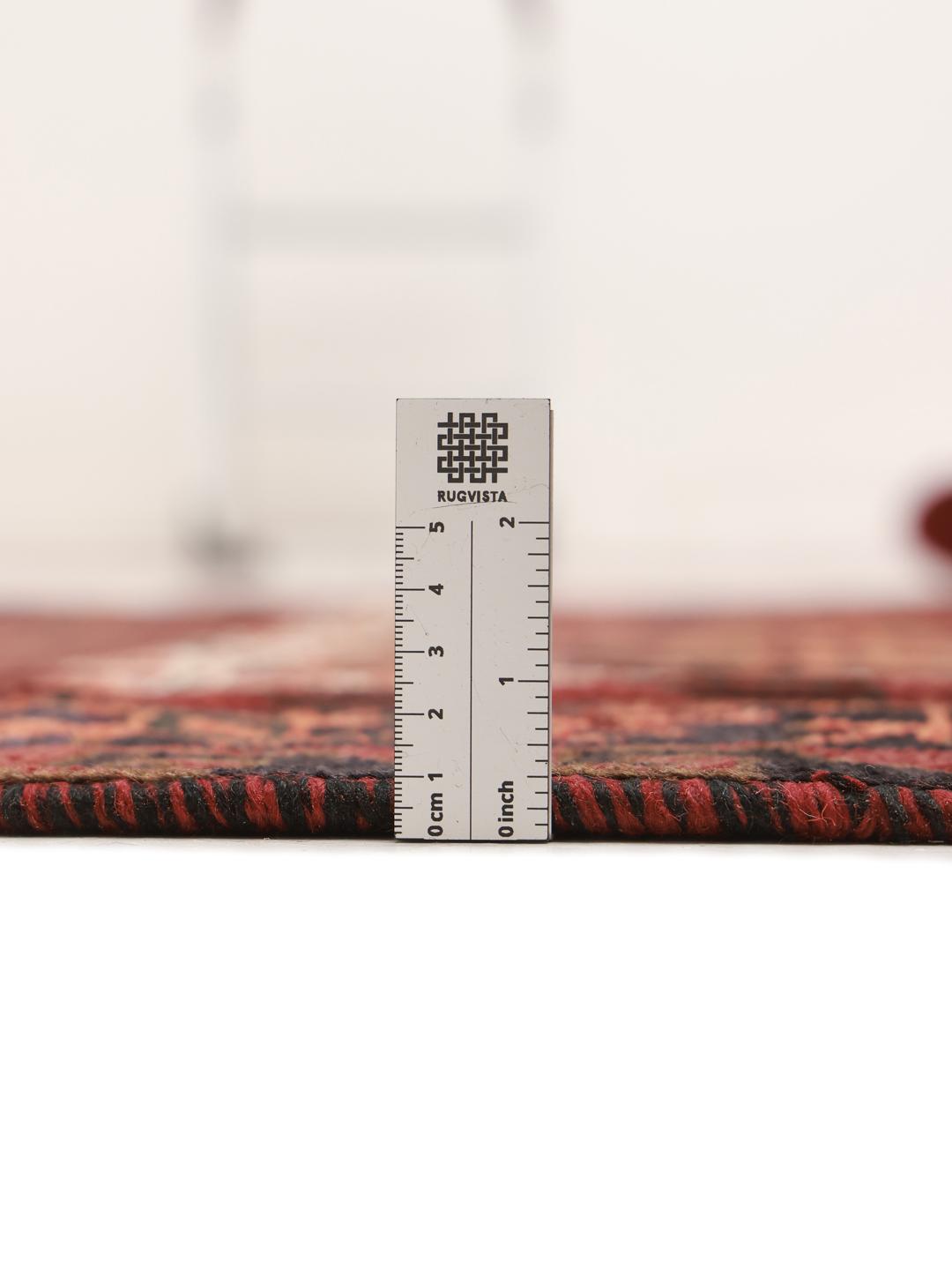
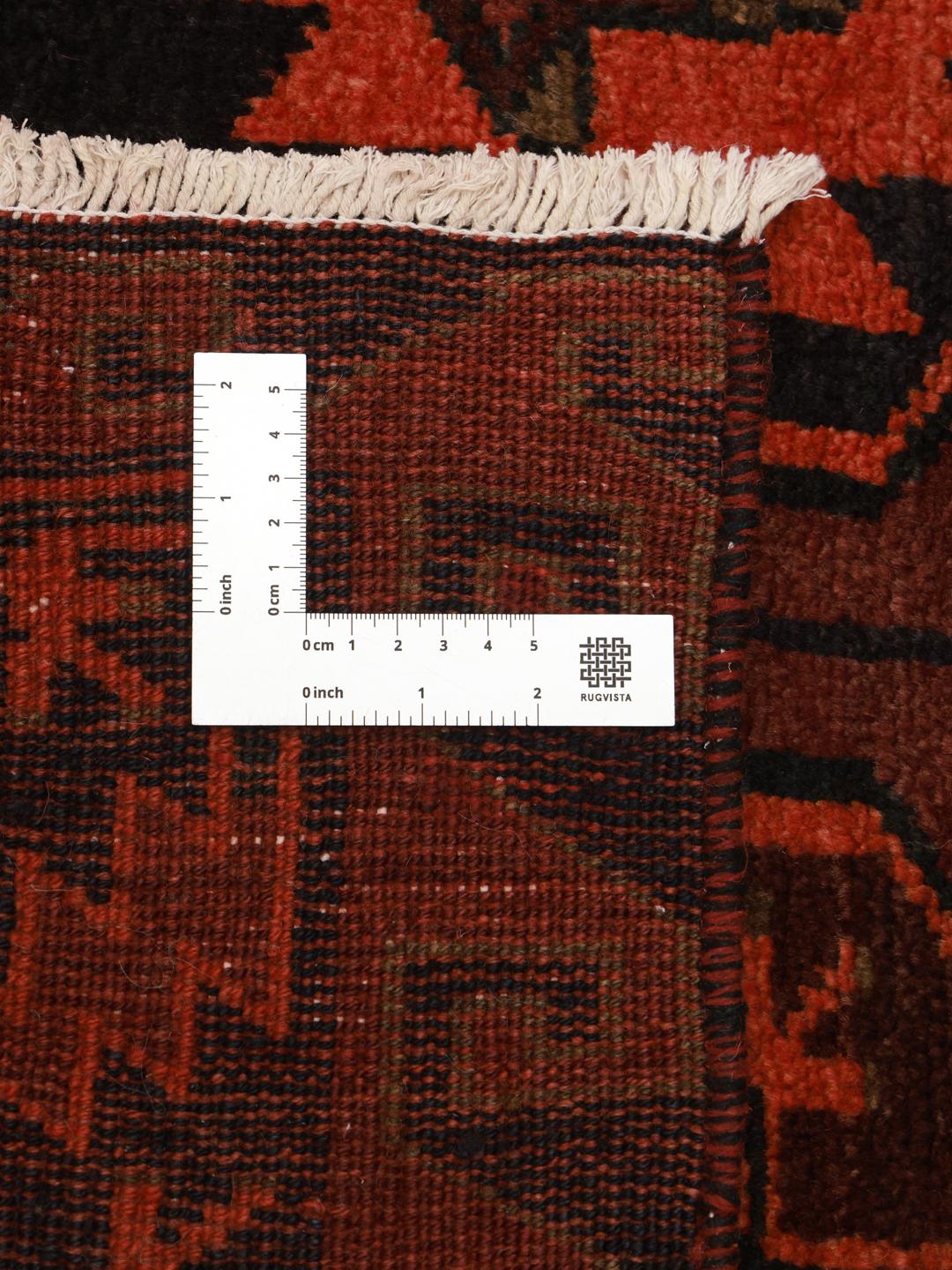
The construction of these rugs is defined by a commitment to traditional hand-knotting, which allows for the creation of intricate, durable designs. The use of wool, known for its natural strength and ability to hold vibrant dyes, is central to the longevity of these pieces. The density achieved through hand-knotting ensures that the rug remains a resilient, lasting feature in any home.
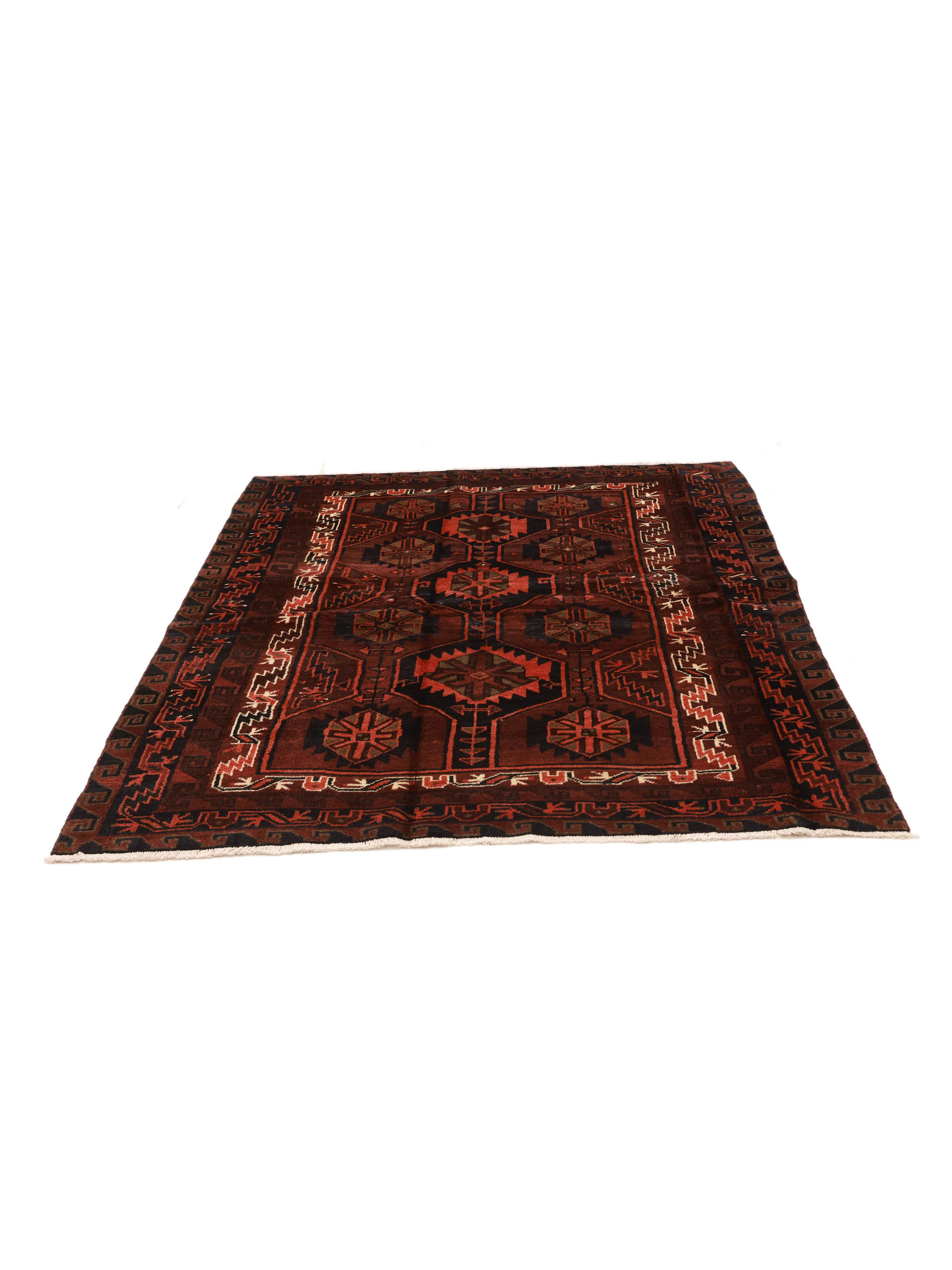
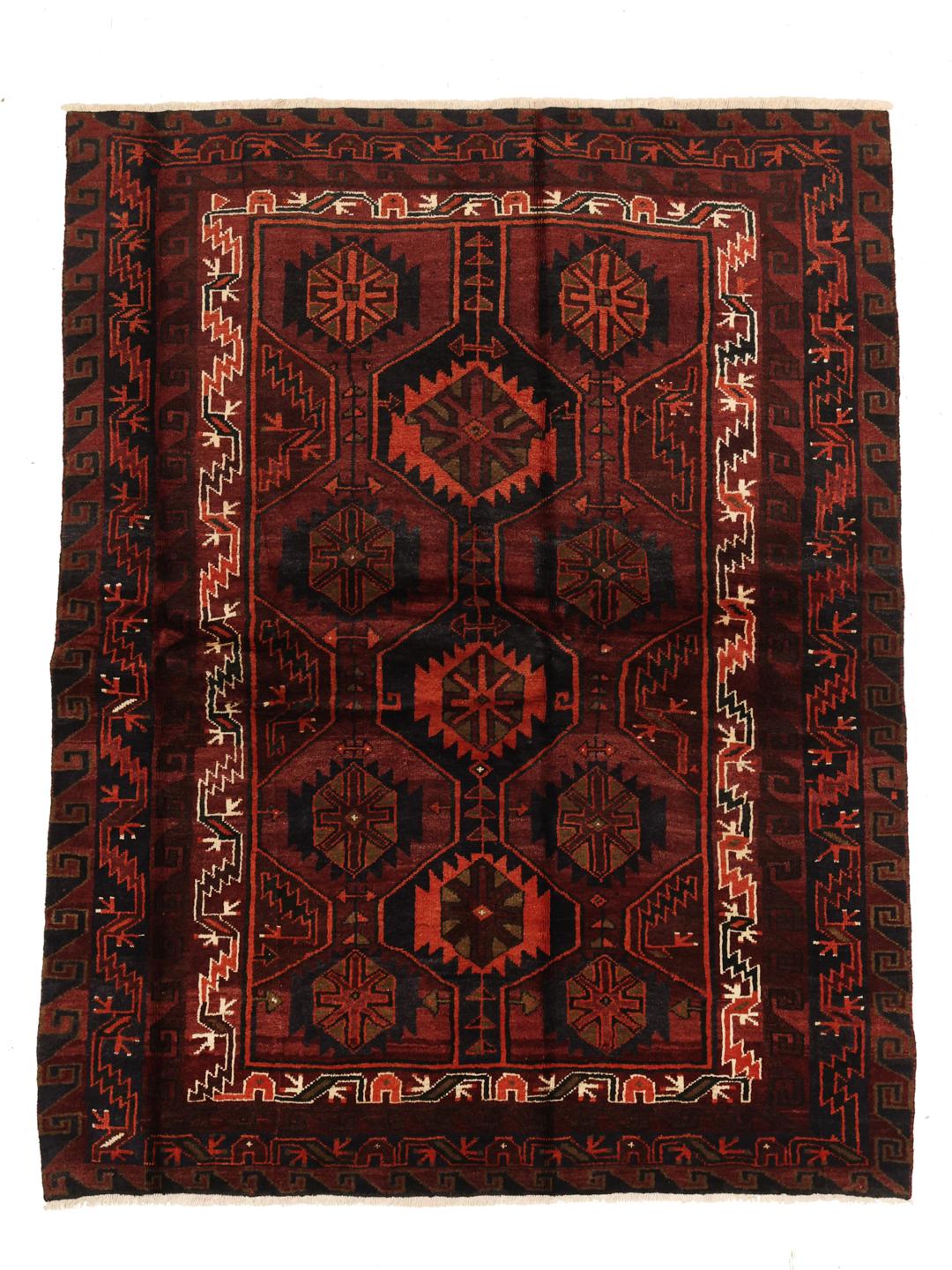
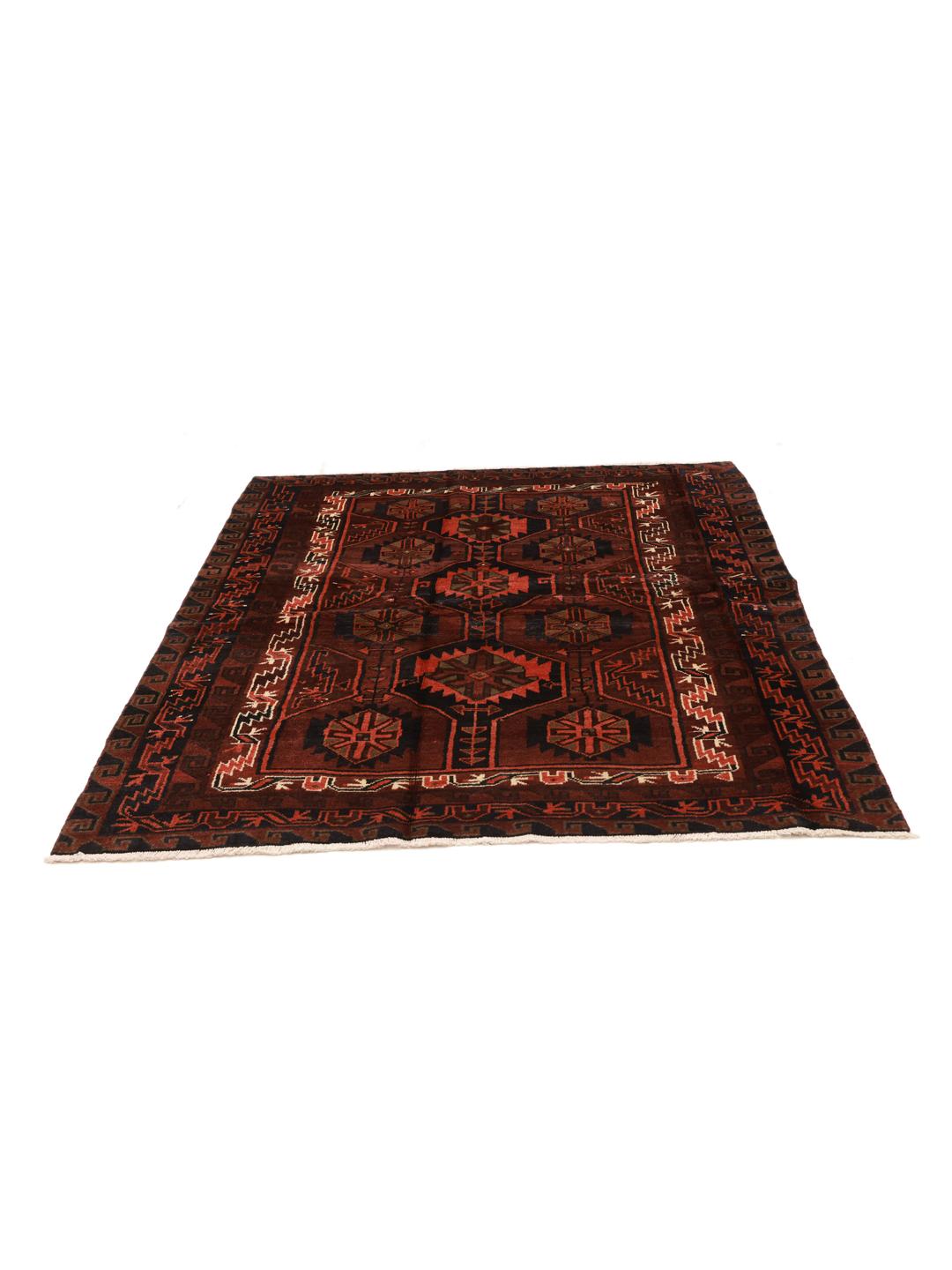
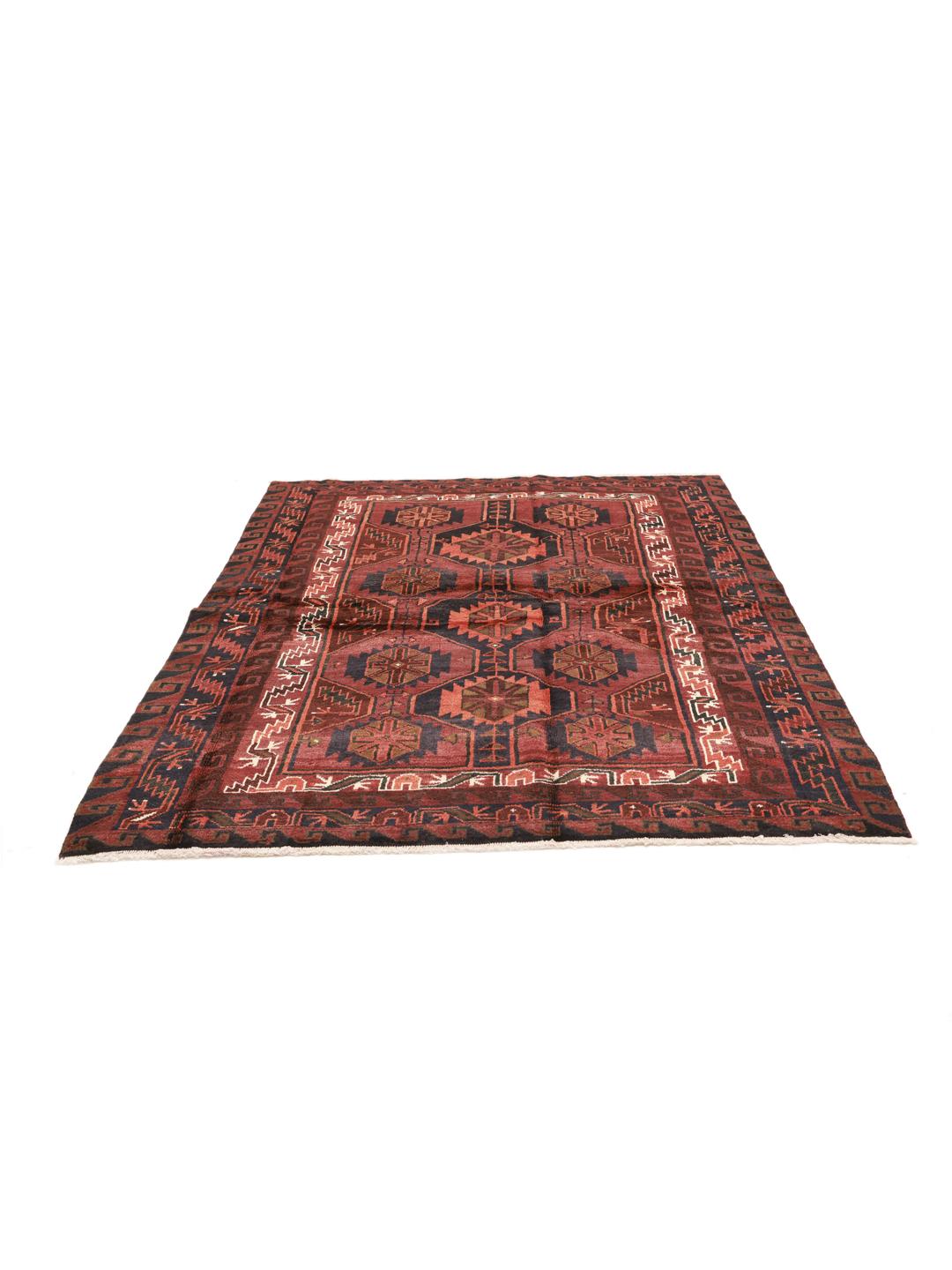
Visually, Lori rugs are celebrated for their geometric rigor and bold, symbolic motifs. They often feature repeating patterns of medallions and stylized floral elements, framed by decorative borders that anchor the design. The dark, earthy palette seen here is a hallmark of the style, creating a sense of depth and mystery that sets these rugs apart from more ornamental traditions.
Owning a Lori rug is an investment in cultural heritage and human skill. Because they are rooted in a long history of tribal craftsmanship, these rugs are highly valued by collectors who appreciate the authenticity of a hand-made object. Choosing such a piece means bringing a legacy of artistry into your home, ensuring your space is grounded by a genuine connection to history.