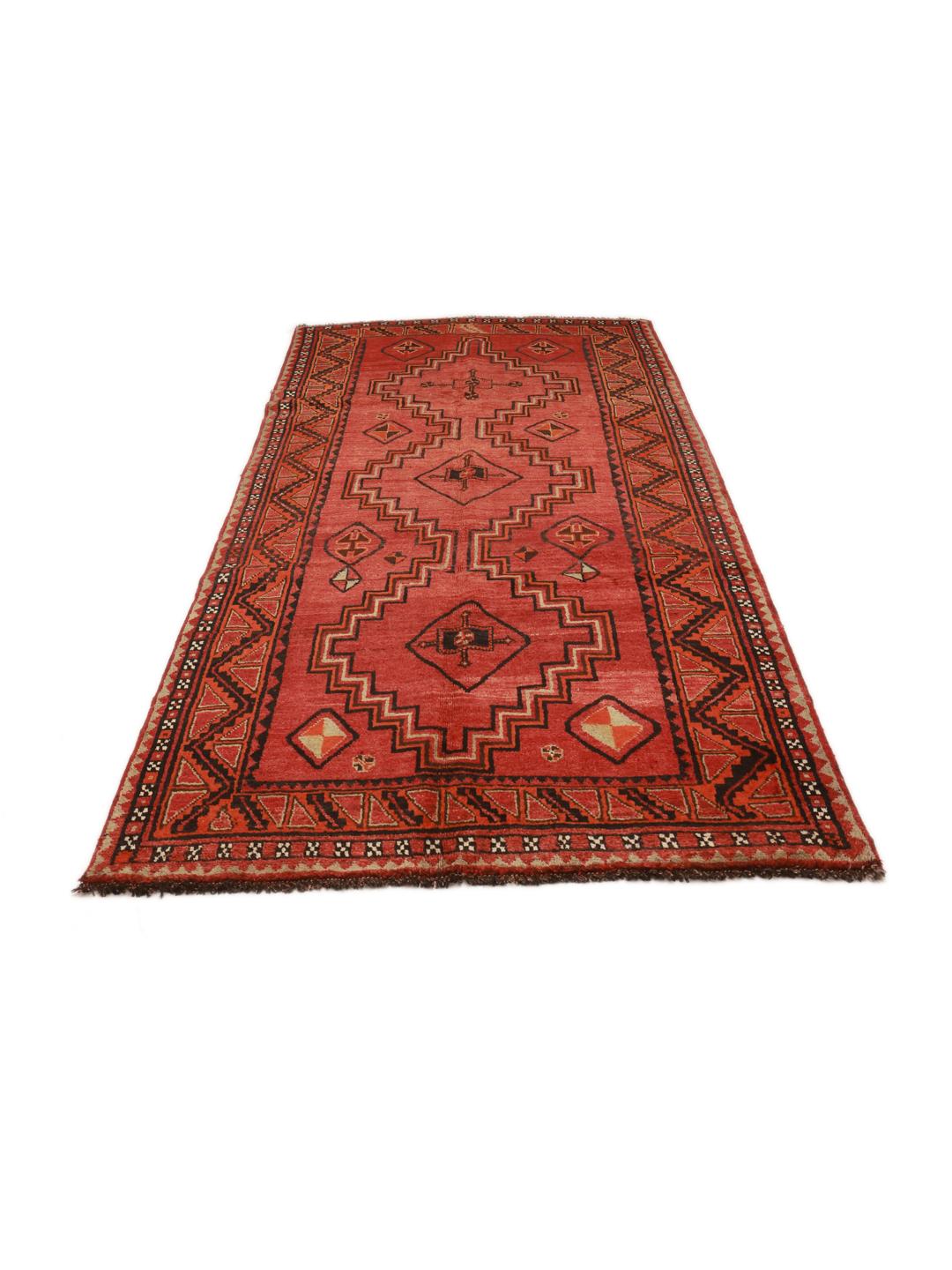
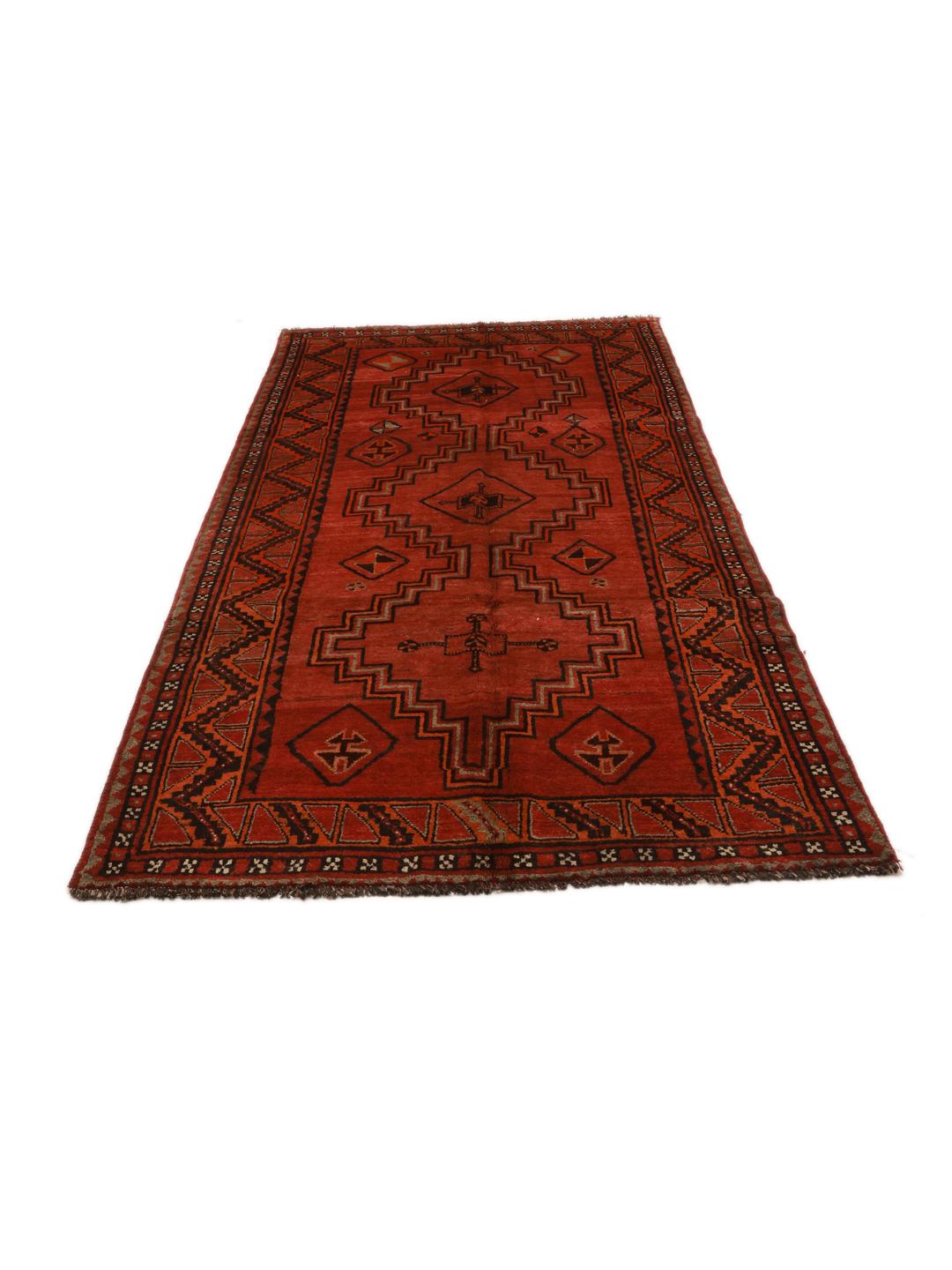
Lori rugs originate from the tribal traditions of the Middle Eastern region, specifically crafted by the Luri people. These nomadic and semi-nomadic groups have a long history of weaving, creating textiles that are deeply connected to their environment and daily survival. Their designs are often passed down through generations, reflecting a cultural identity that is both resilient and expressive.
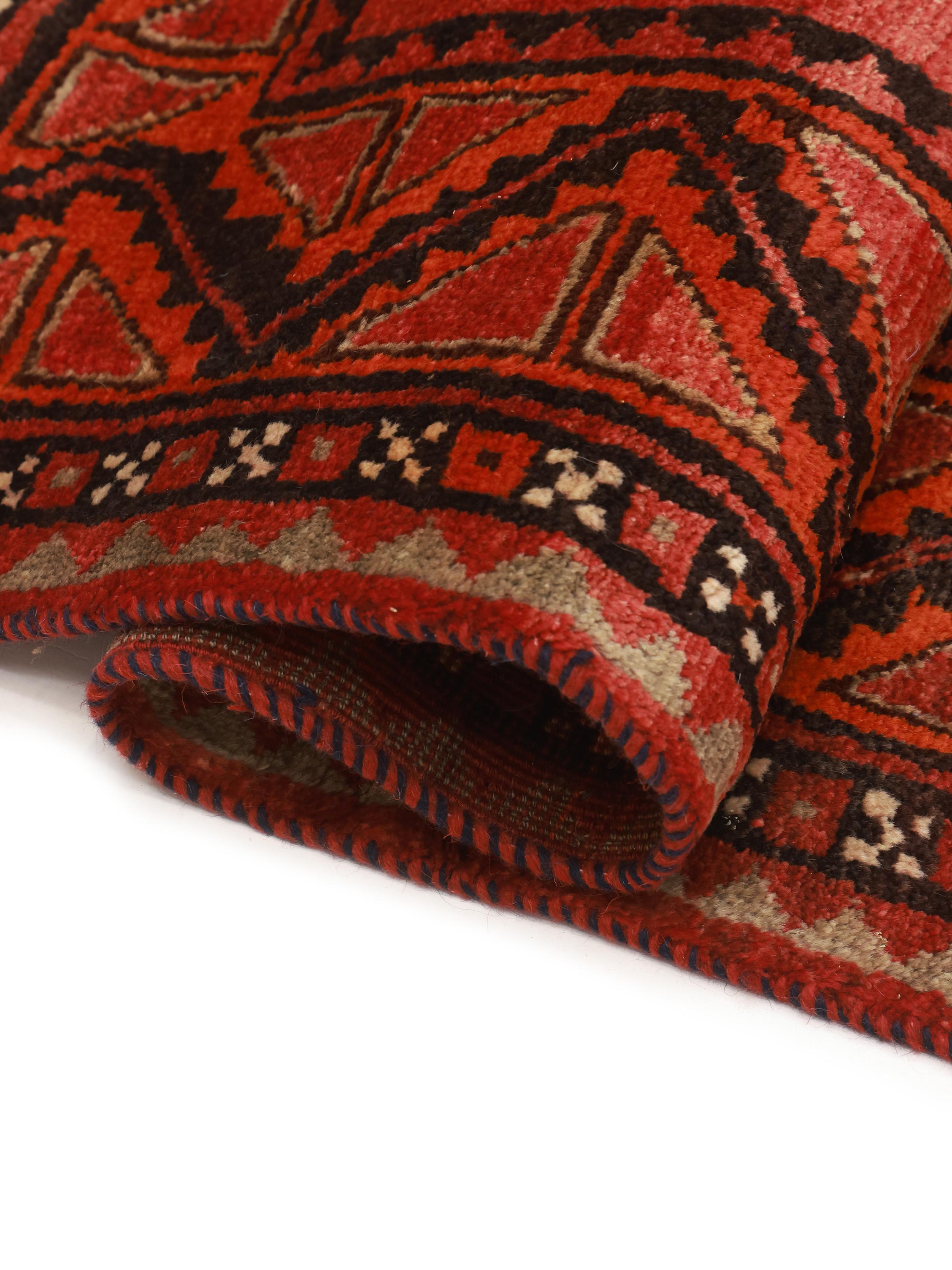
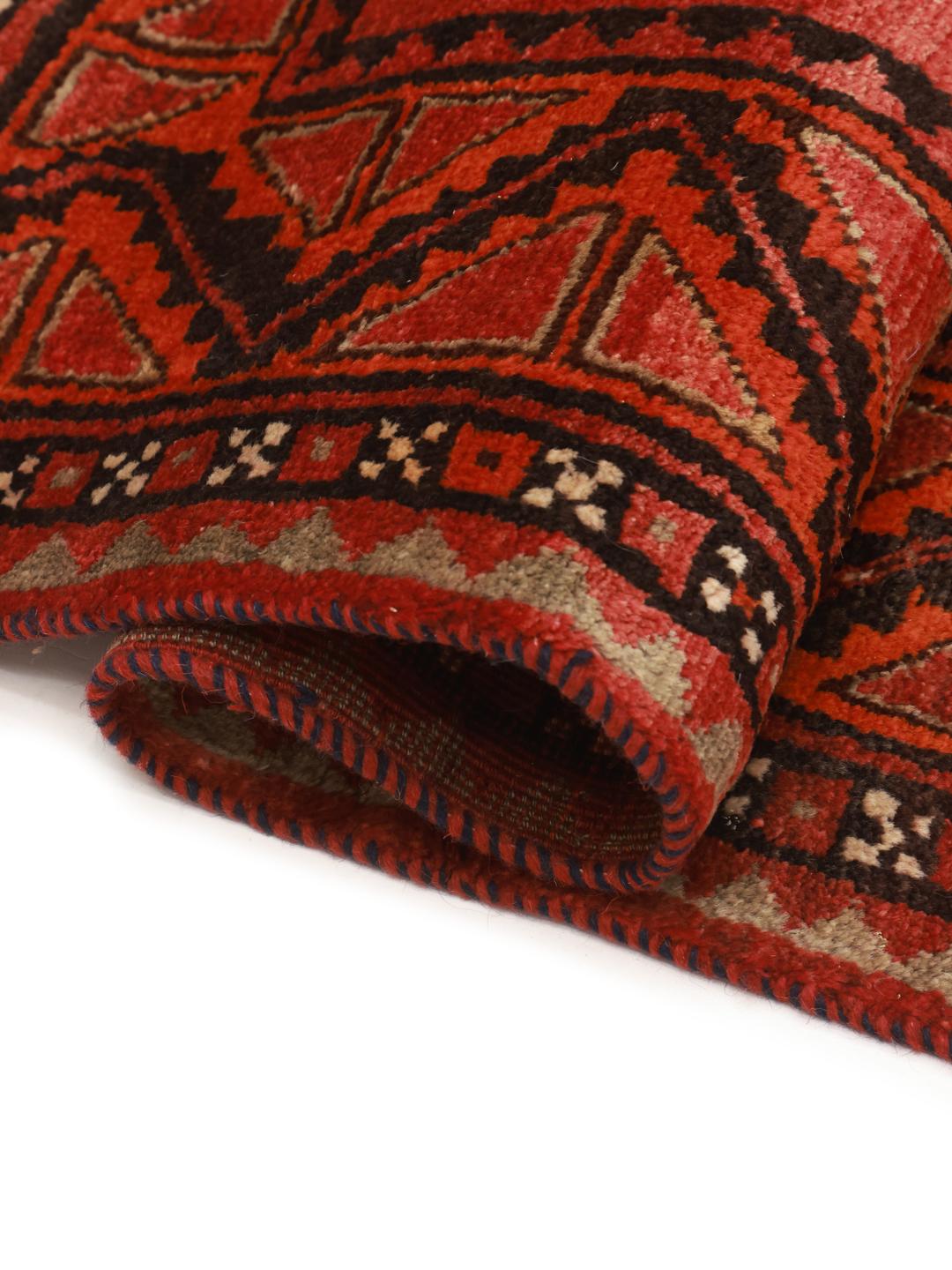
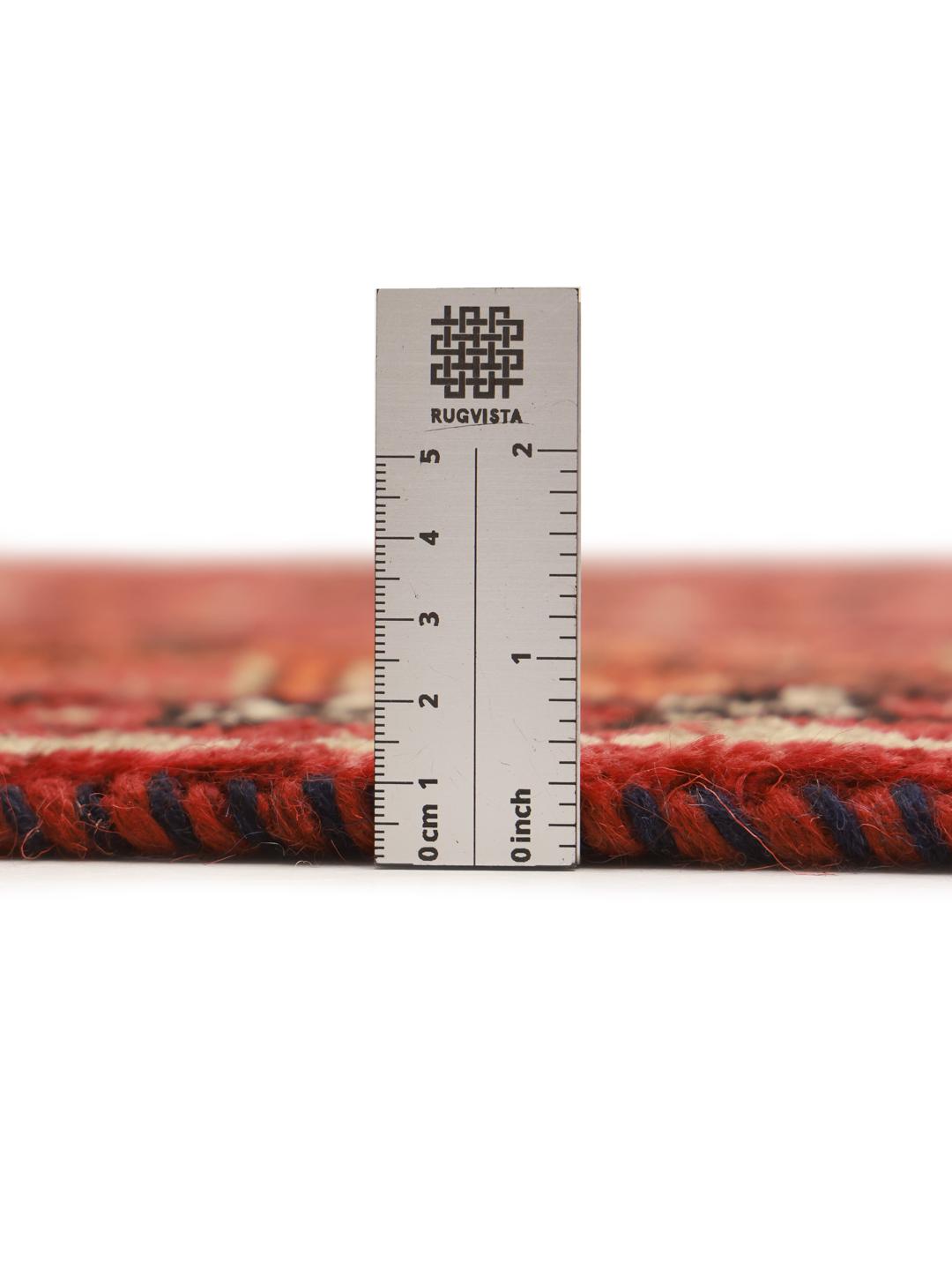
The term Lori refers to the specific tribal origin of these rugs, which are known for their bold, geometric aesthetics and straightforward construction. Unlike more formal, city-based rug traditions, these pieces often feature a thicker, more robust pile that was originally designed to withstand the rigours of nomadic life, providing essential insulation against the elements.
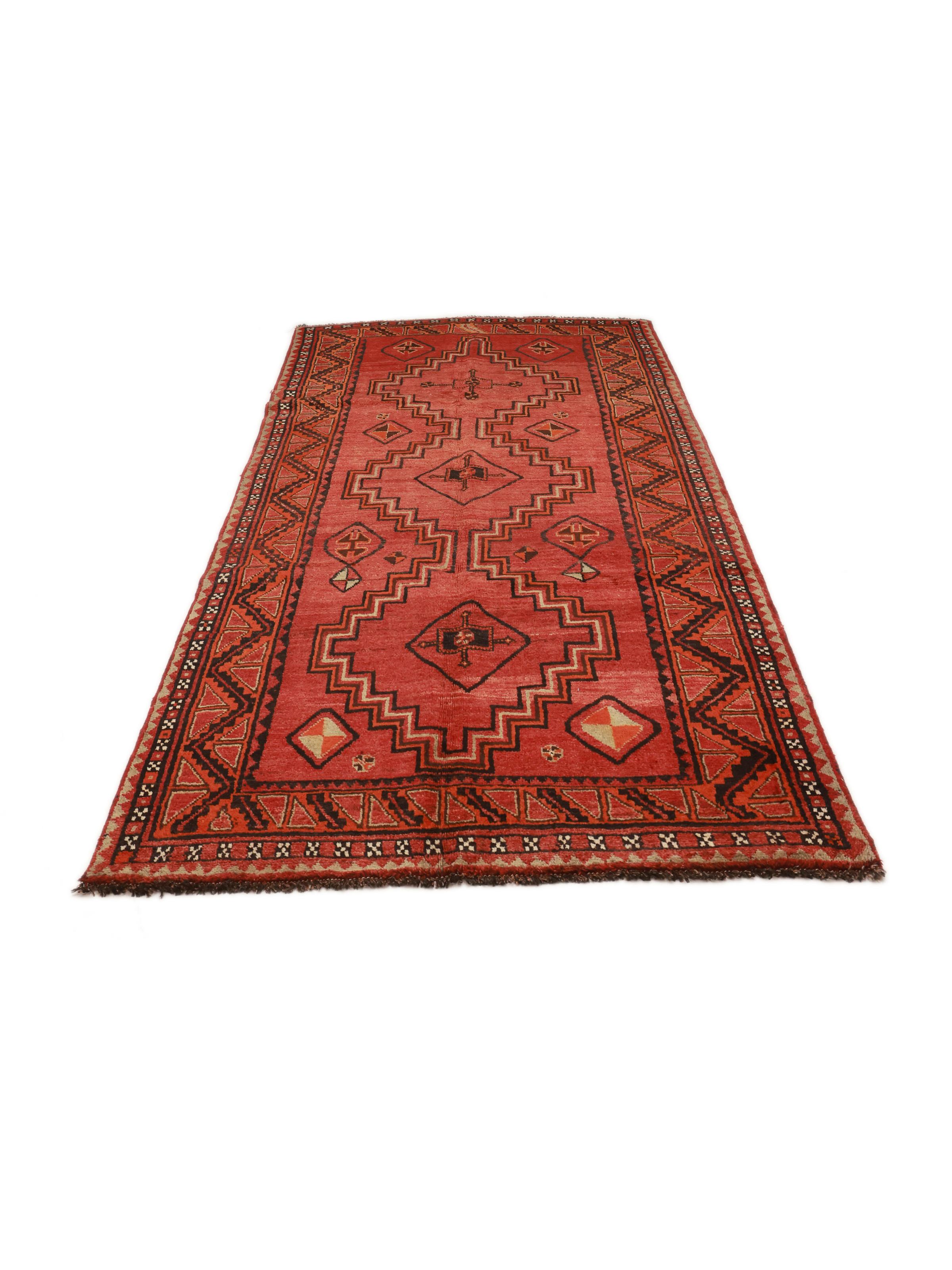
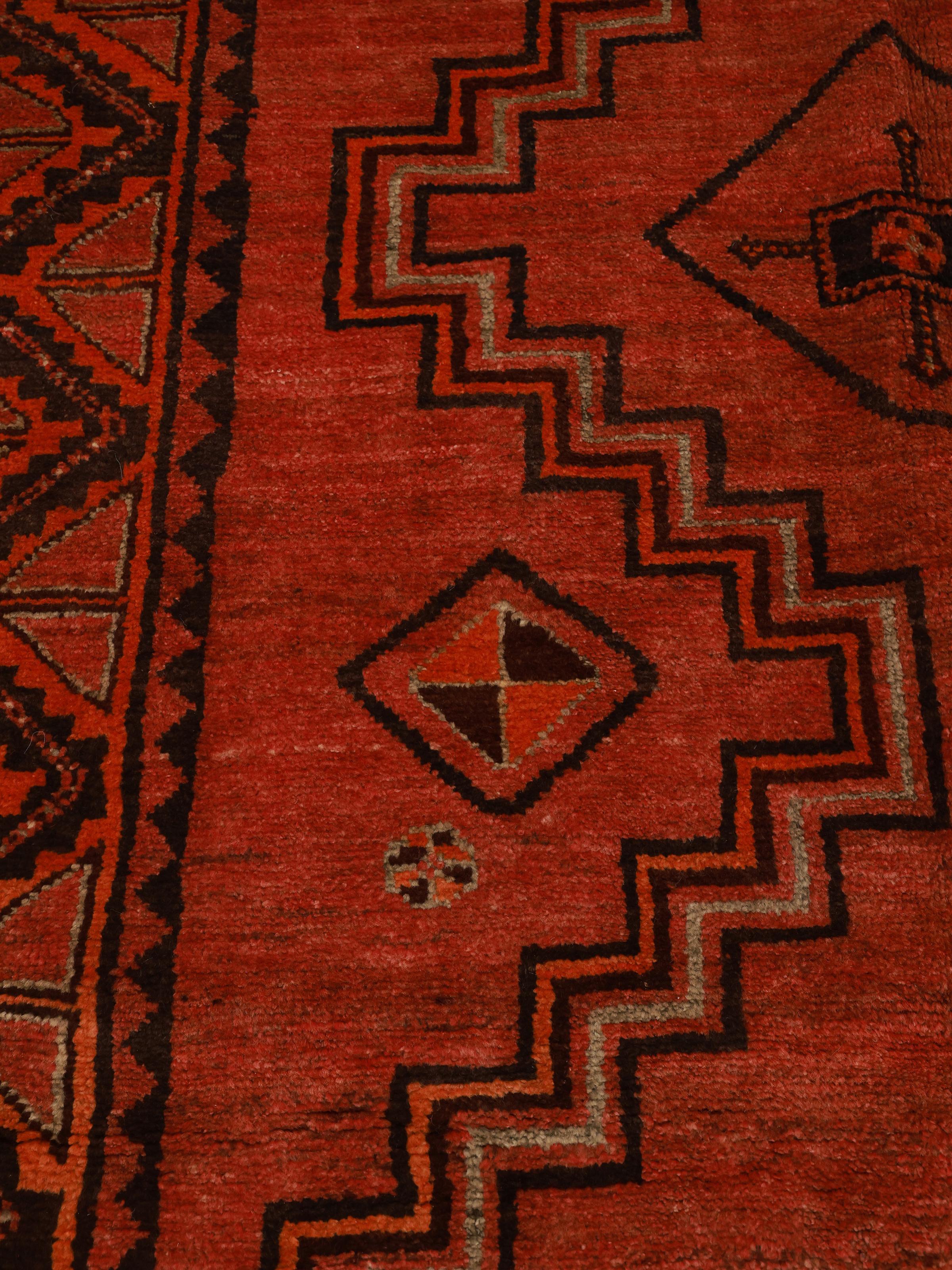
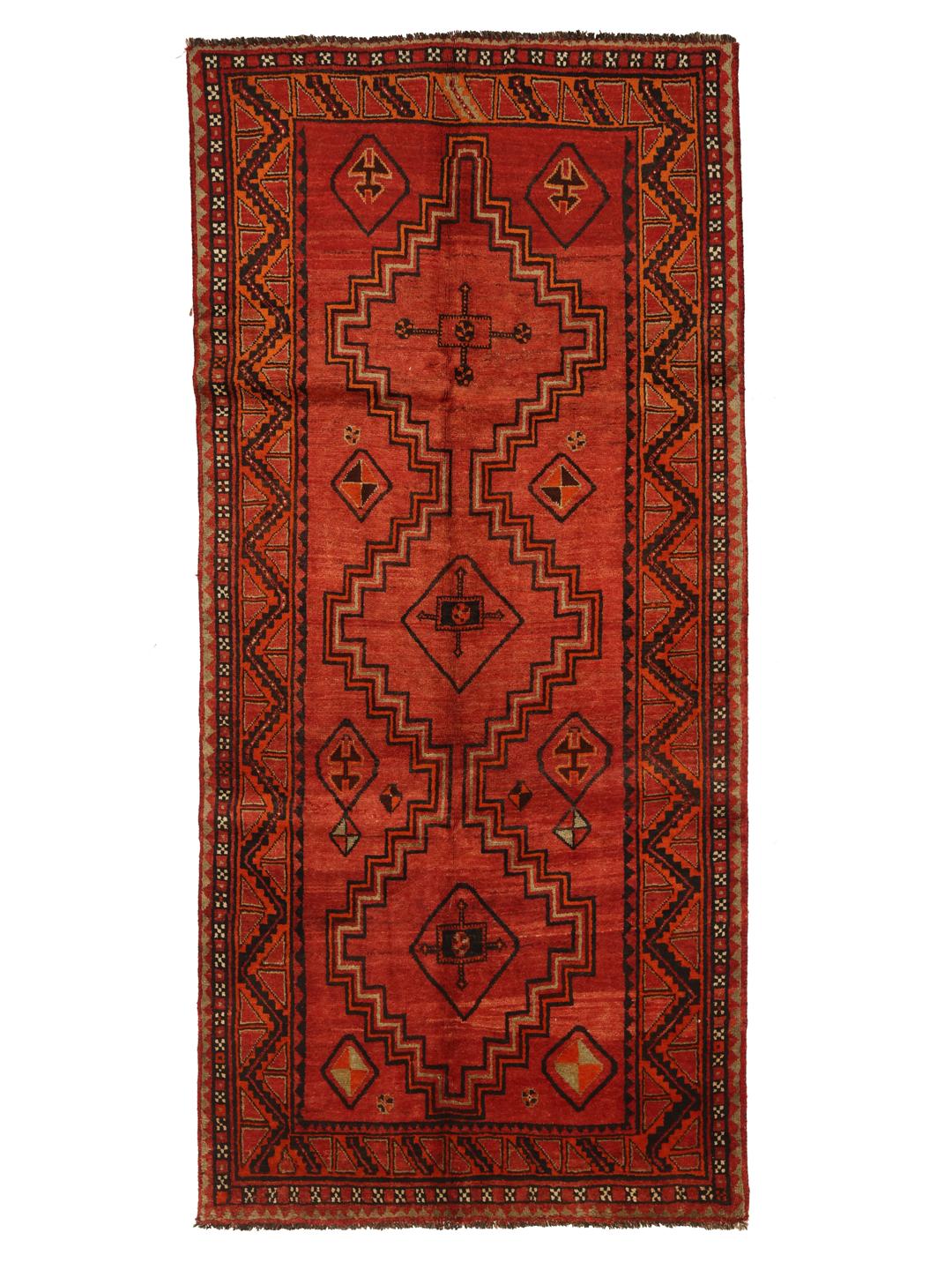
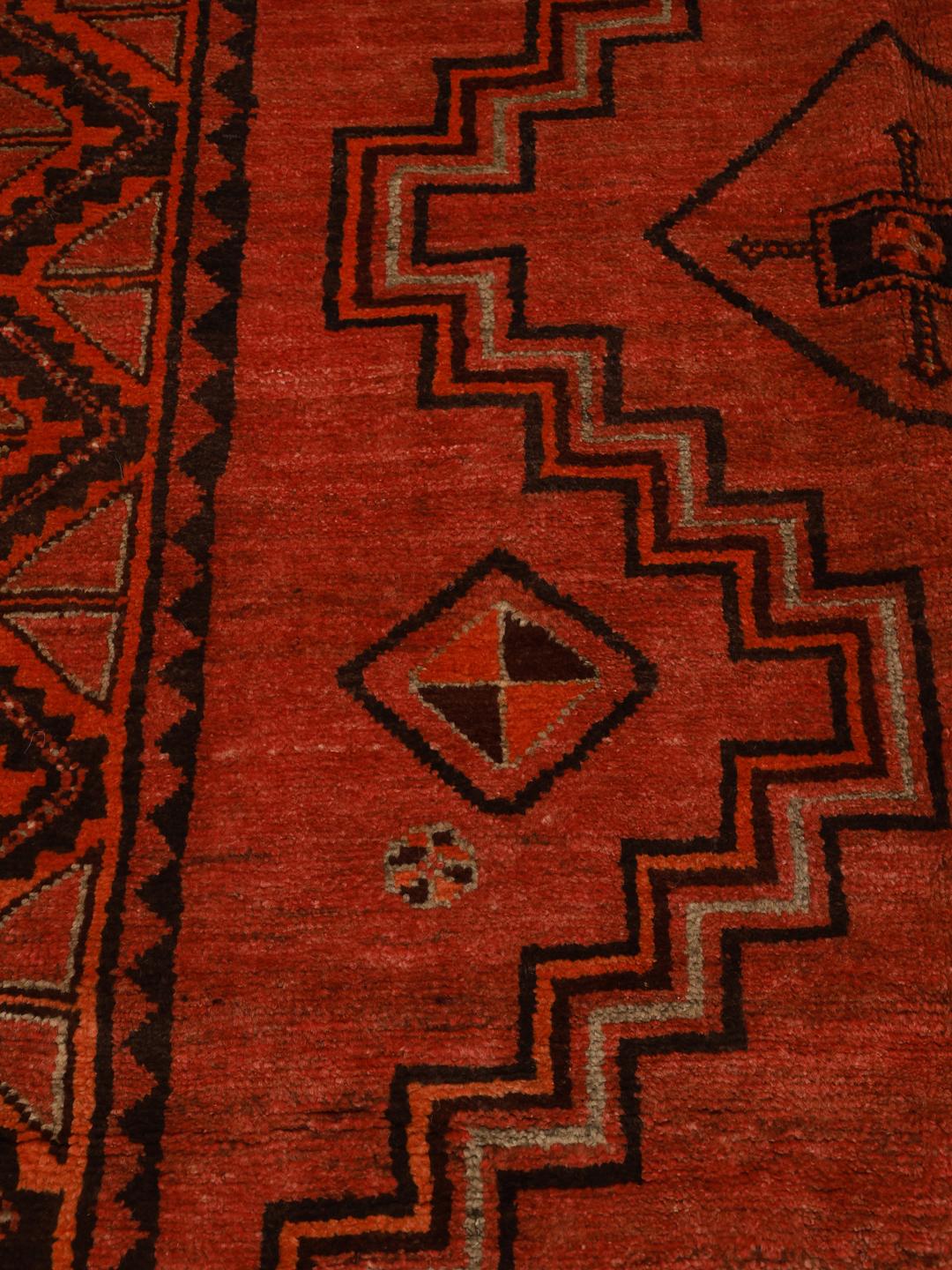
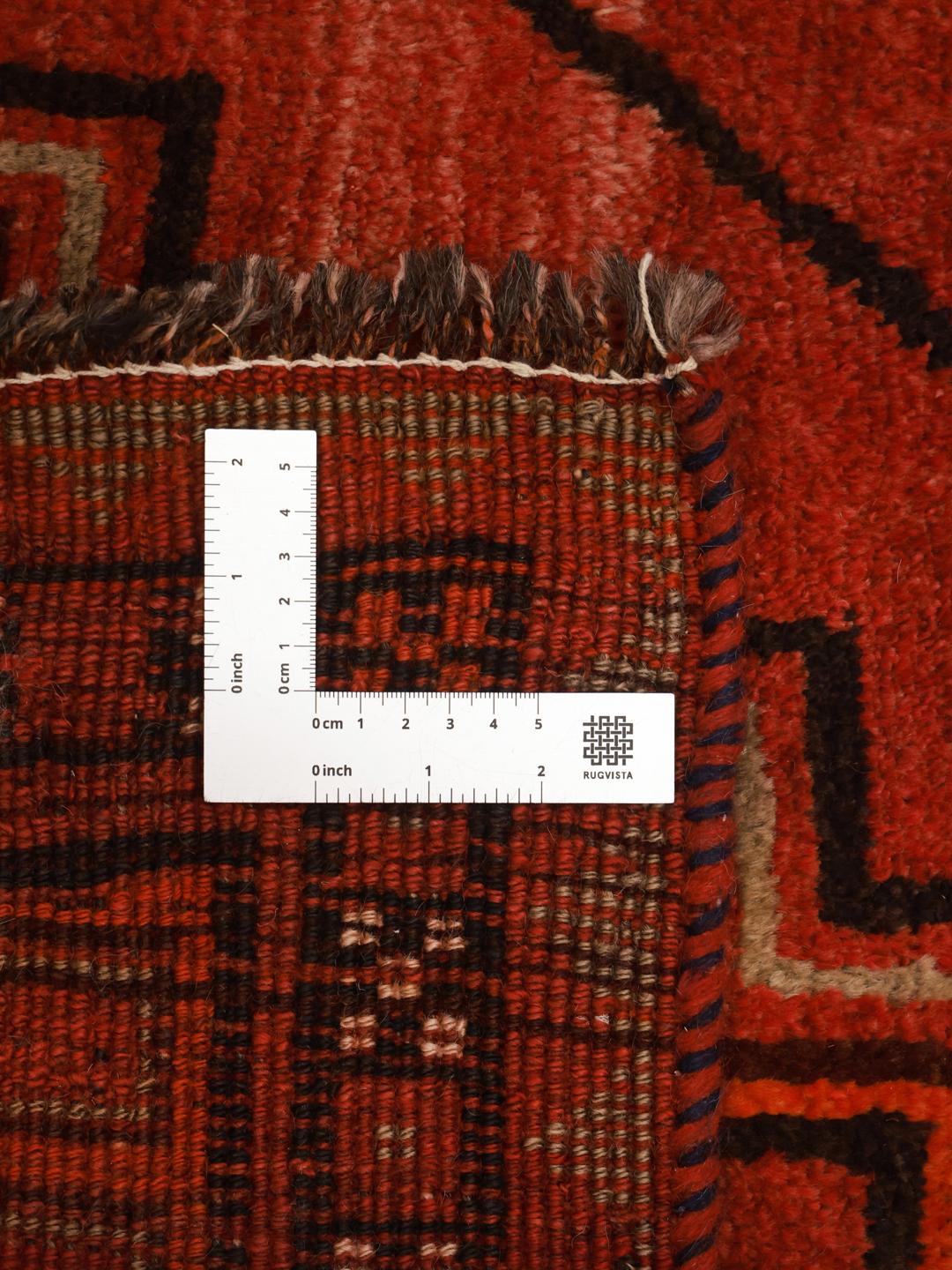
Signature design elements for Lori rugs often include large, repeating geometric medallions and stepped diamond motifs, as seen in this piece. The colour palette is typically dominated by rich, earthy tones like deep reds and browns, which are derived from traditional natural dyes. These motifs are not merely decorative but often hold symbolic meaning, representing tribal heritage and the natural world.
Owning a Lori rug is an opportunity to connect with a storied tradition of craftsmanship. These rugs are highly valued by collectors for their authenticity and the human effort required to create them. Because they are rooted in such a distinct cultural context, each rug serves as a bridge to a historic way of life, offering an enduring sense of heritage and skill that is increasingly rare today.