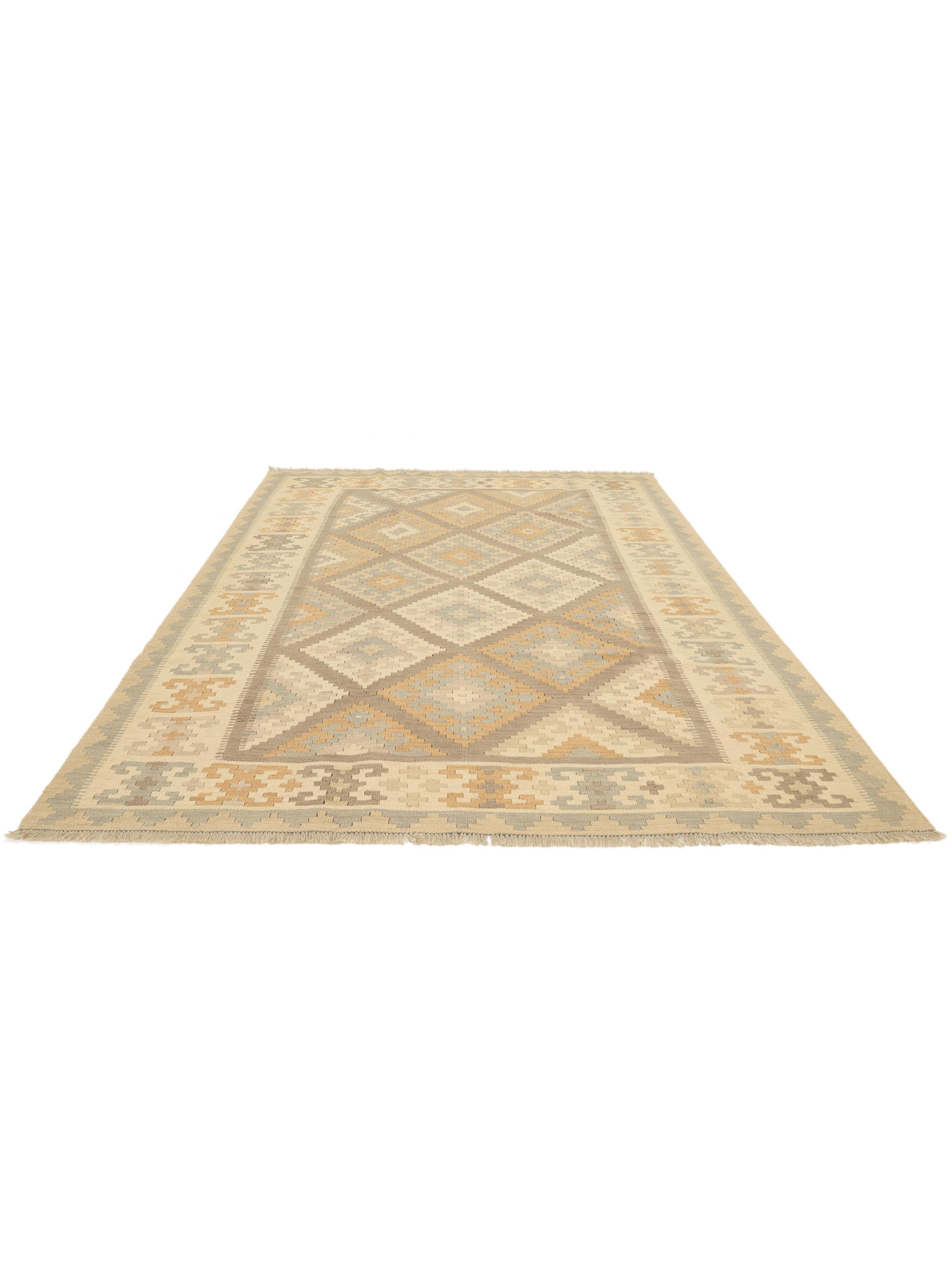
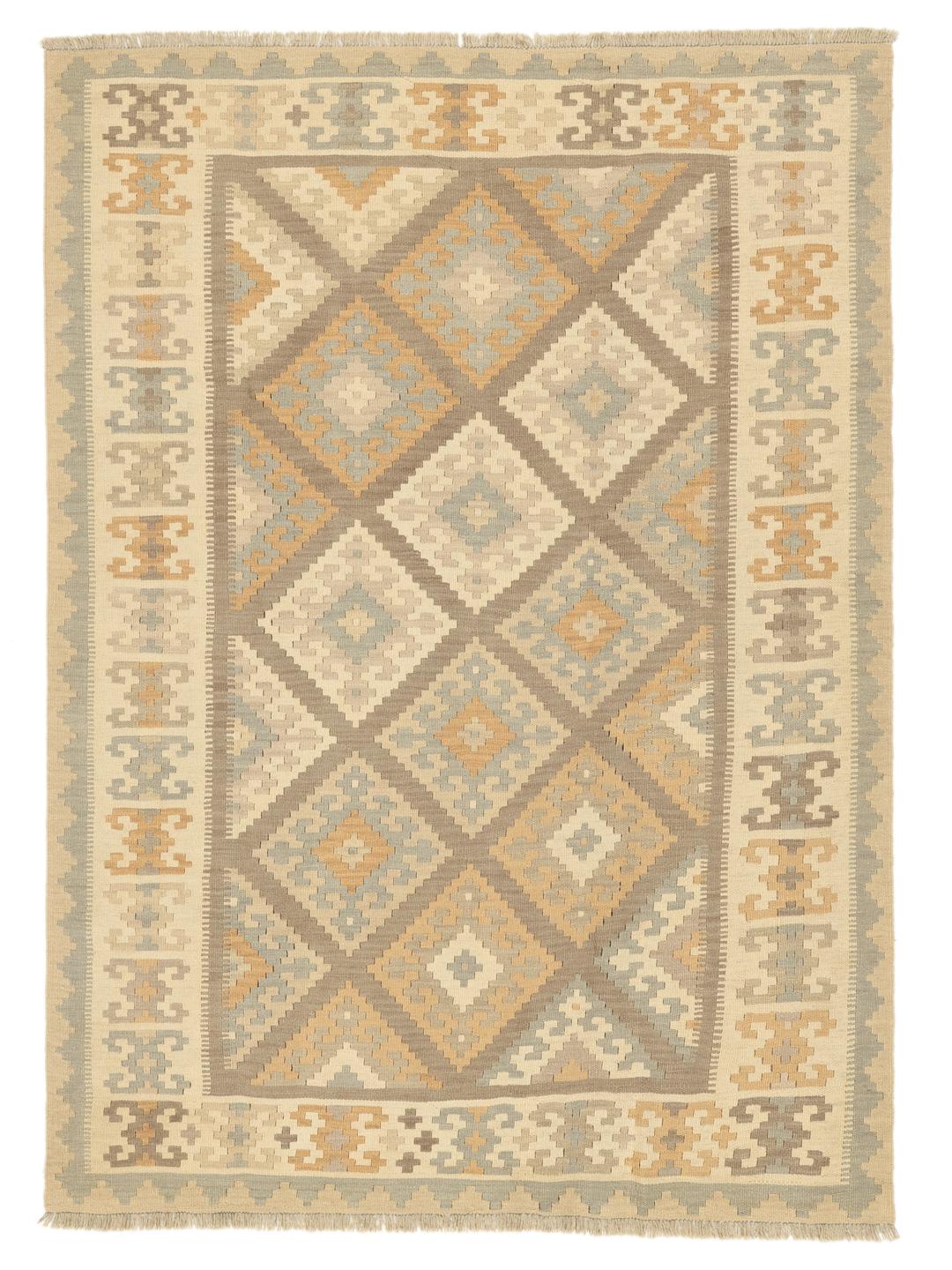
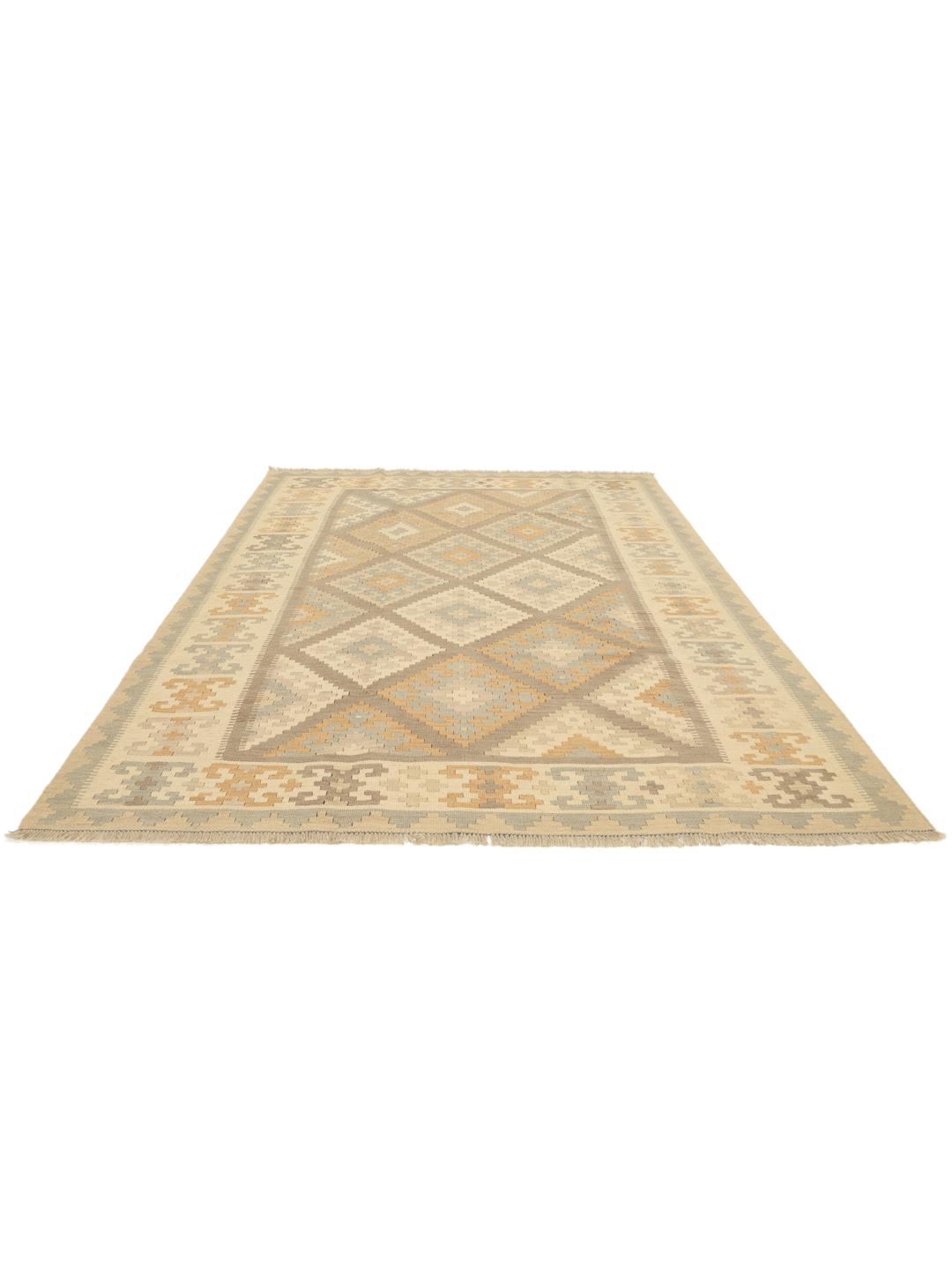
The Ghashghai people are a nomadic tribal confederation with a rich history in the southern regions of the Middle East. Their weaving traditions are deeply connected to their migratory lifestyle, reflecting the landscapes and cultural symbols of their heritage. Kelims from this region are celebrated for their vibrant history and their ability to translate complex tribal narratives into functional, everyday objects.
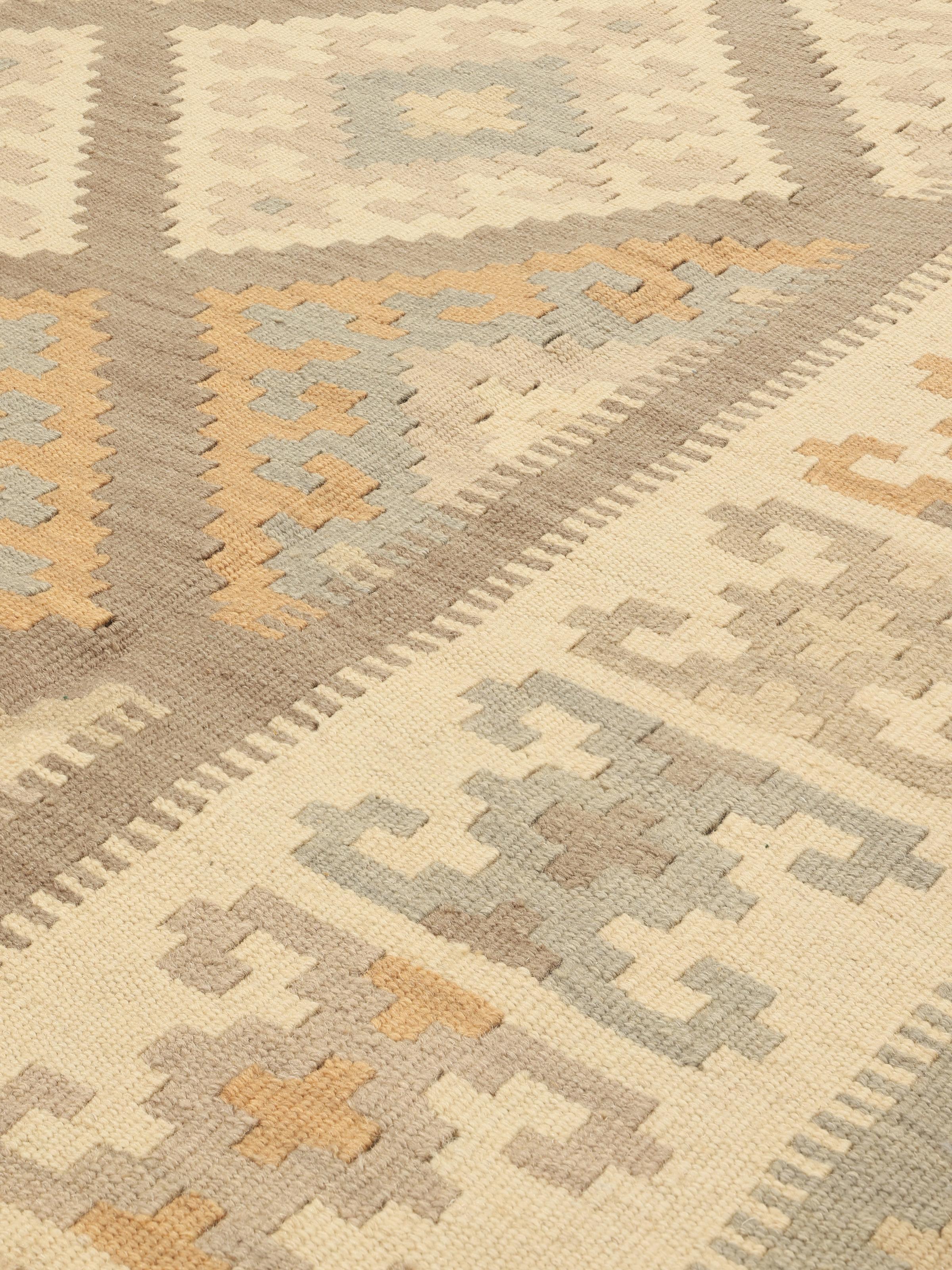
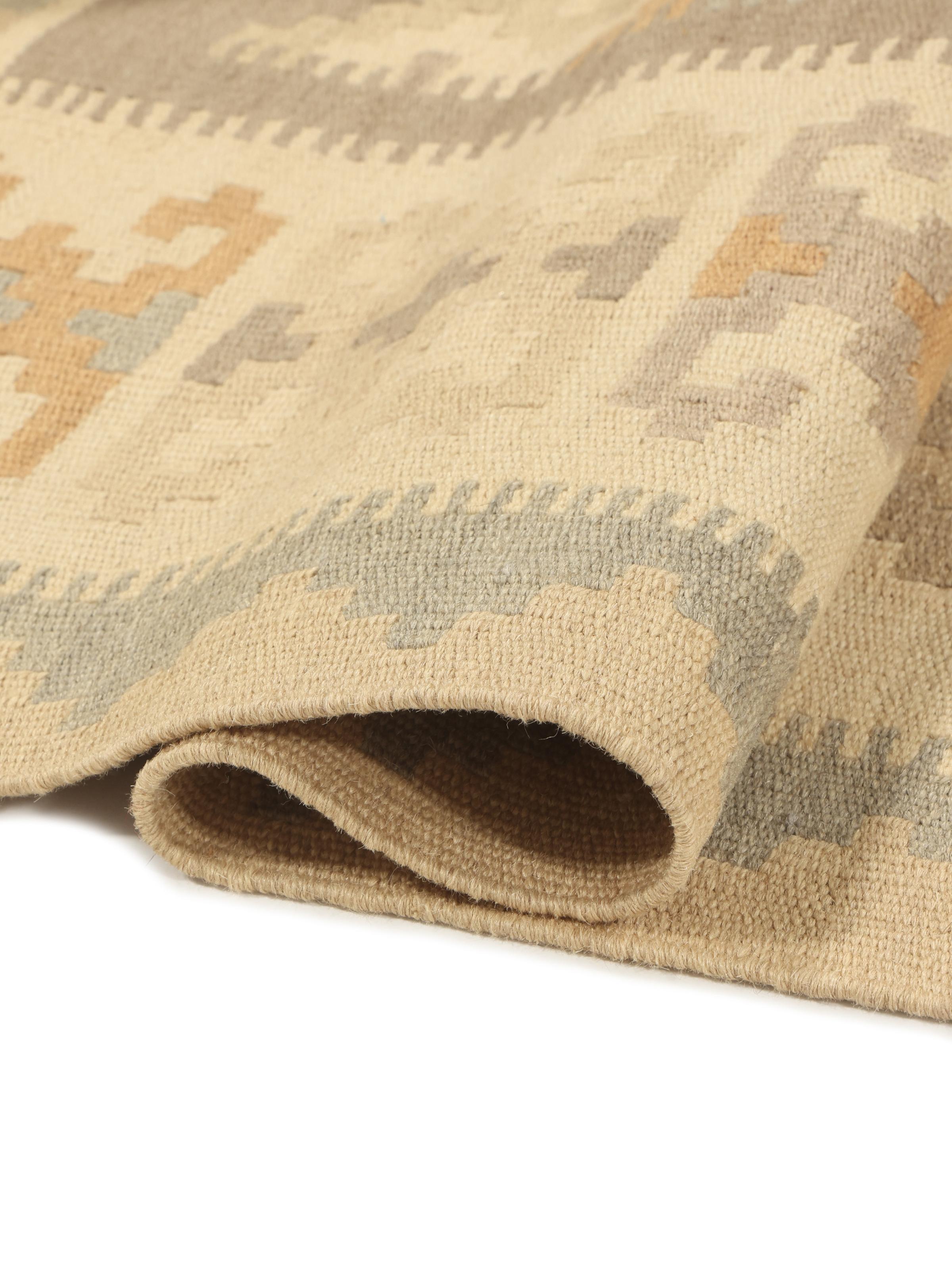
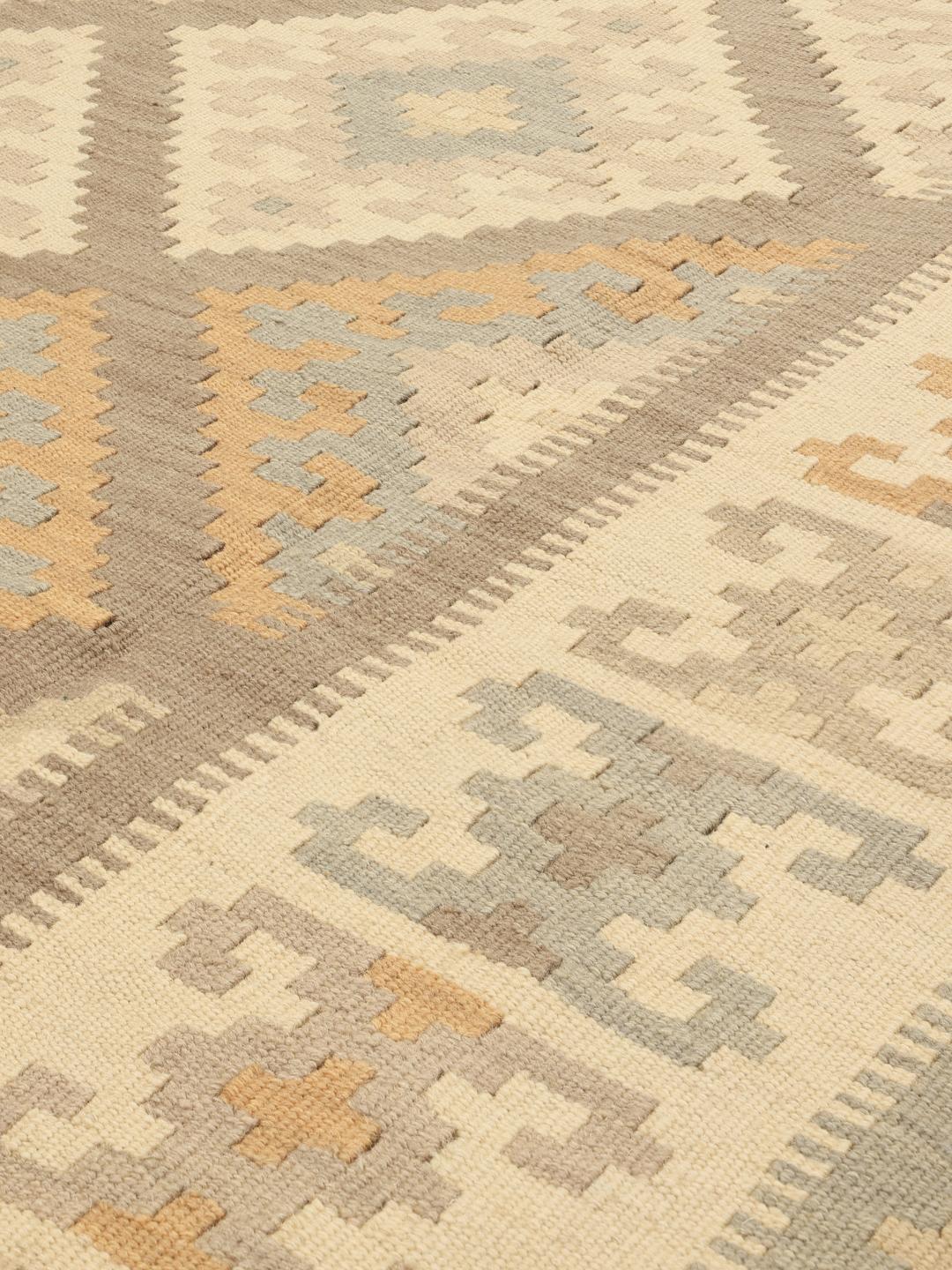
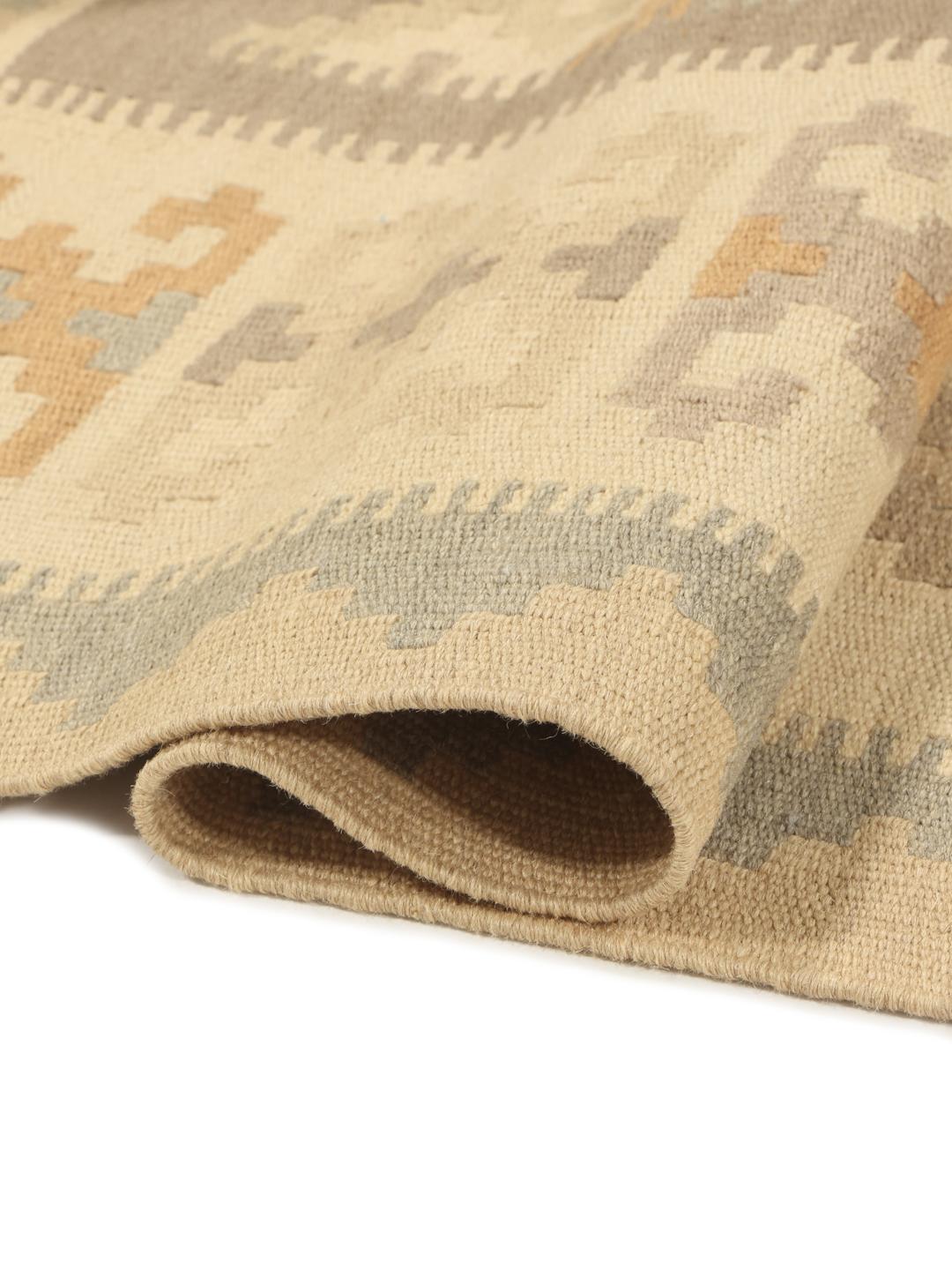
The term 'kelim' refers to a specific flat-weaving technique where there is no pile. This construction is highly valued for its versatility and durability. By skipping the knotting process, weavers create a thinner, lighter fabric that is both portable and exceptionally strong. This technique allows for crisp, sharp geometric lines that are distinct from the softer, more blended patterns often found in knotted rugs.
Signature elements of Ghashghai design typically include bold geometric medallions, repeated diamond shapes, and stylized floral or animal motifs. The borders often feature intricate, rhythmic patterns that frame the field, providing a sense of balance and order. This particular piece uses a sophisticated, muted palette, which highlights the structural beauty of the motifs and the weaver's mastery of symmetry.
Collecting a Ghashghai kelim is more than just a decor choice; it is an investment in cultural preservation. These rugs are highly prized by collectors for their authenticity and the human story they tell. Owning one allows you to connect with a long-standing tradition of nomadic art, bringing a sense of history and genuine craft into your modern home.