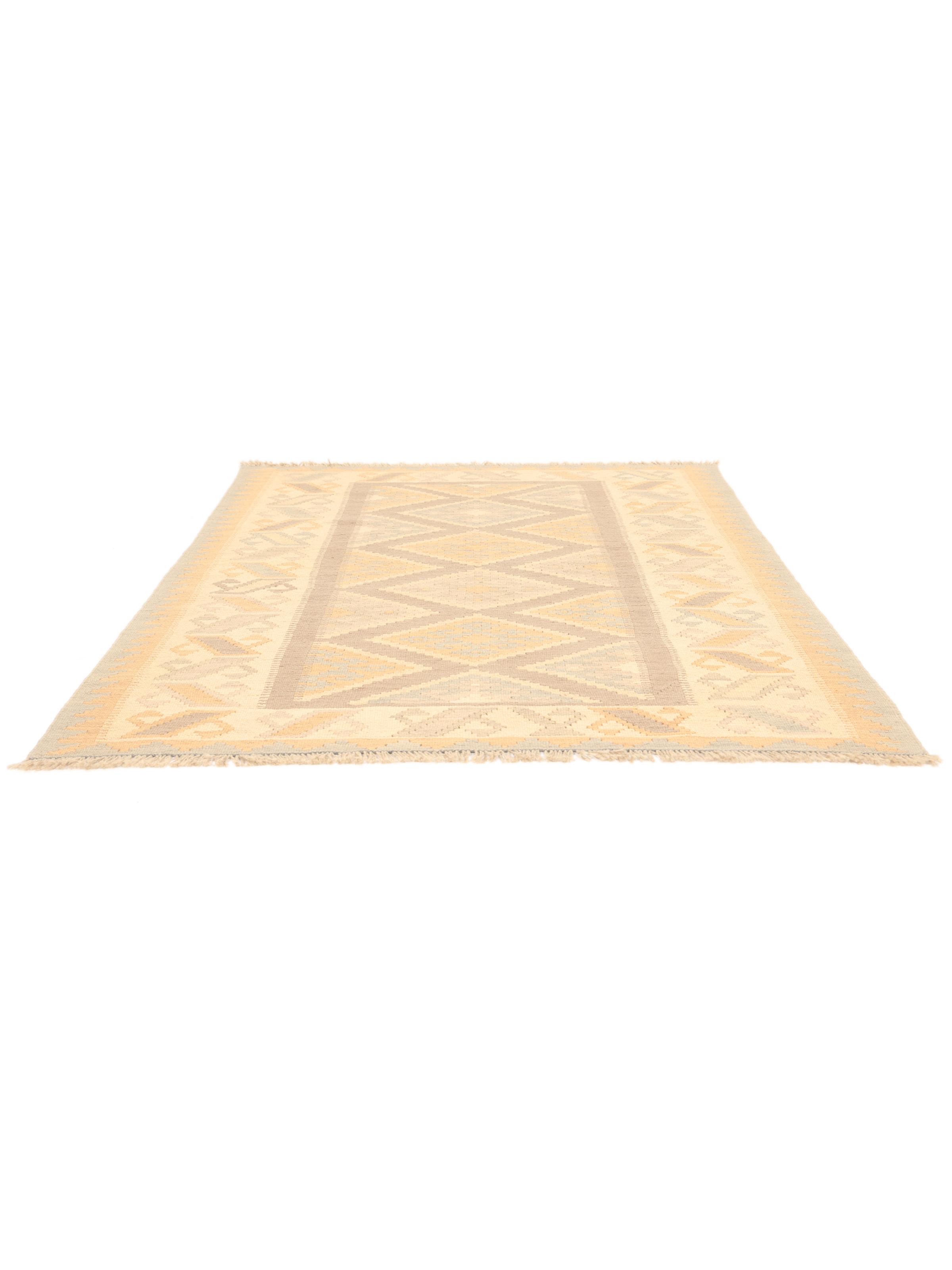
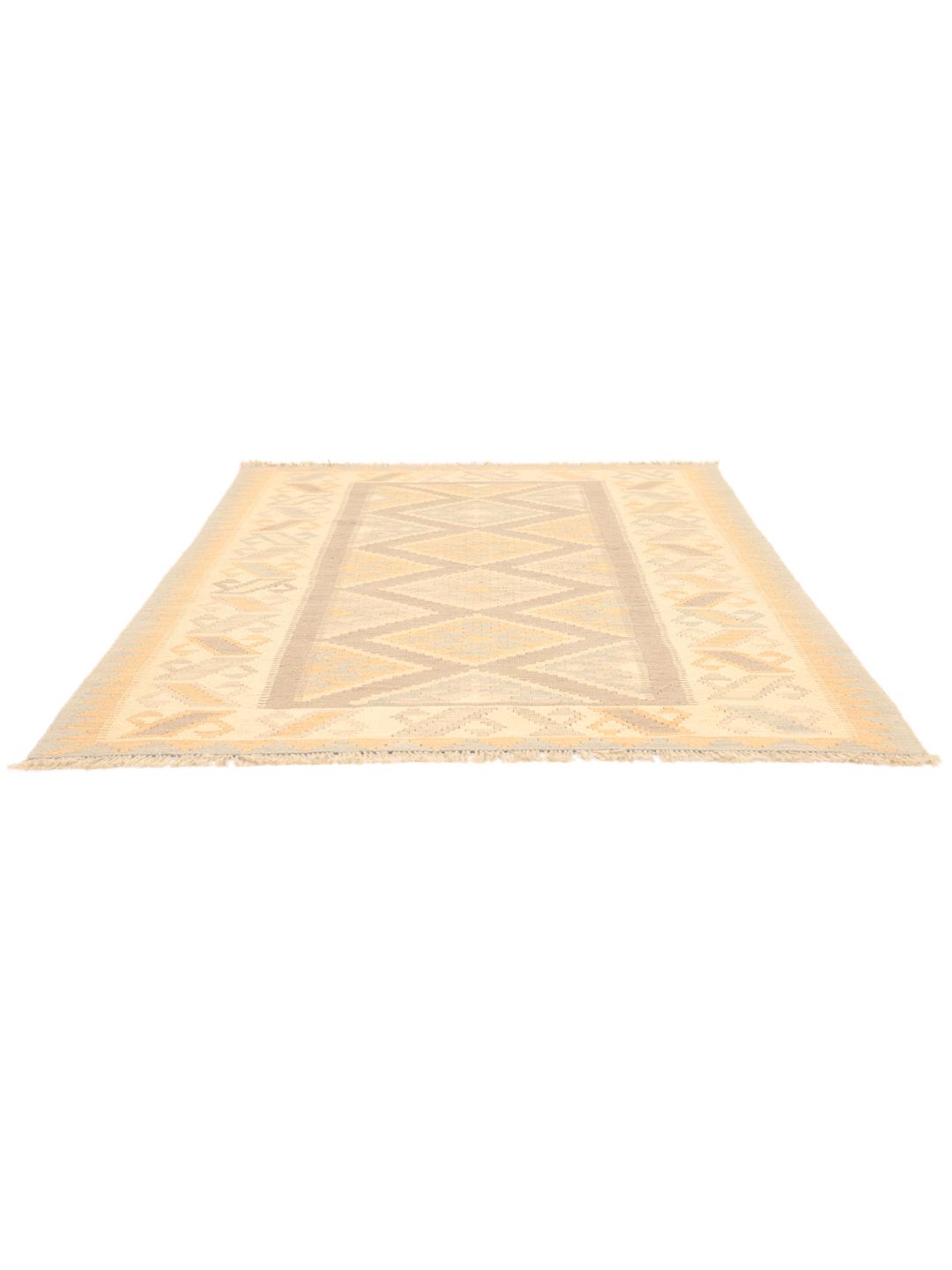
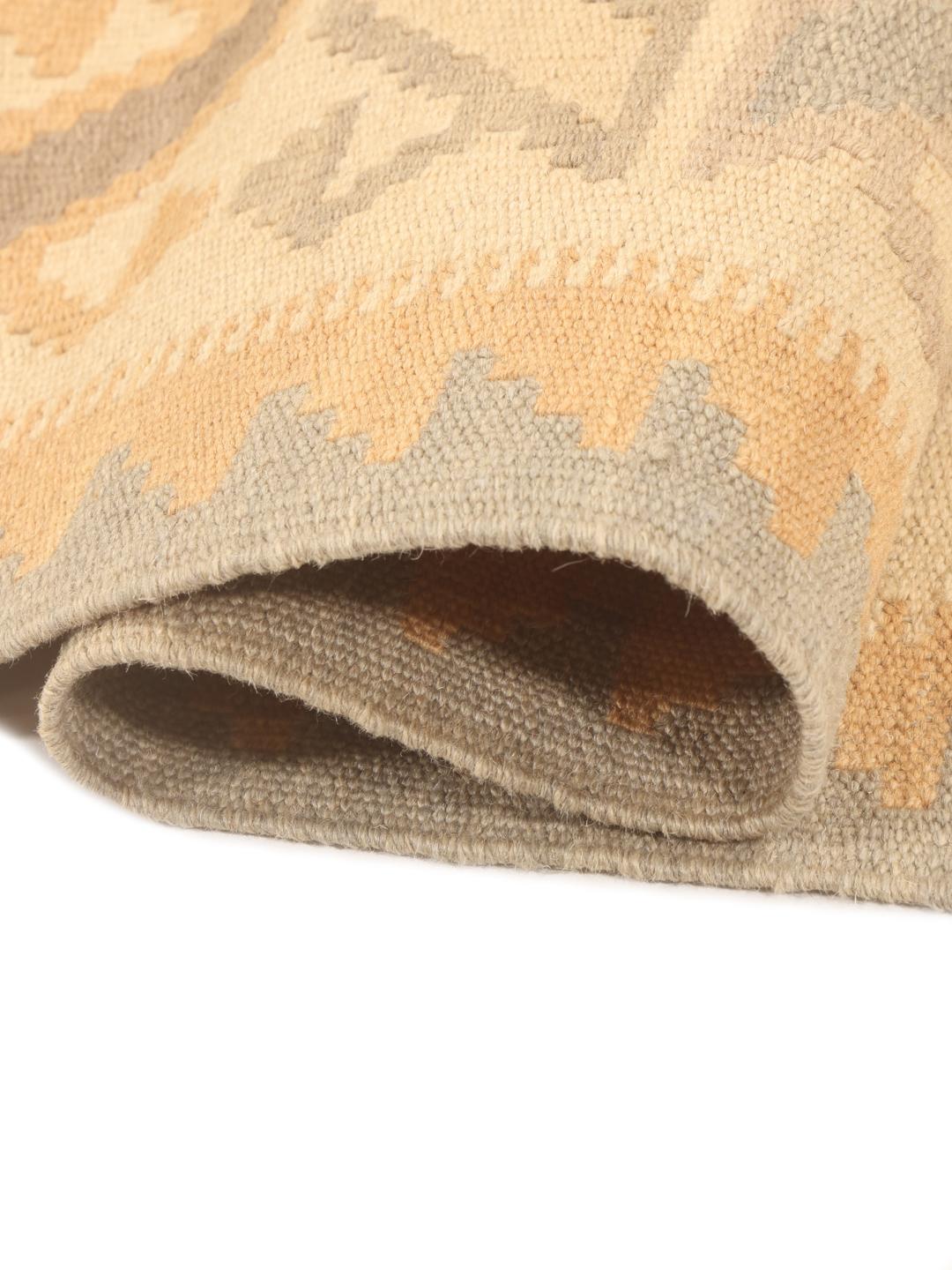
The Ghashghai people, a nomadic confederation from the Middle East, are renowned for their long-standing tradition of weaving distinctive Kelims. These rugs were historically created by nomadic tribes to serve functional purposes in their seasonal migrations, providing warmth, floor covering, and decoration for their tents. The designs are deeply connected to the environment and the cultural identity of the weavers, often passed down through generations.
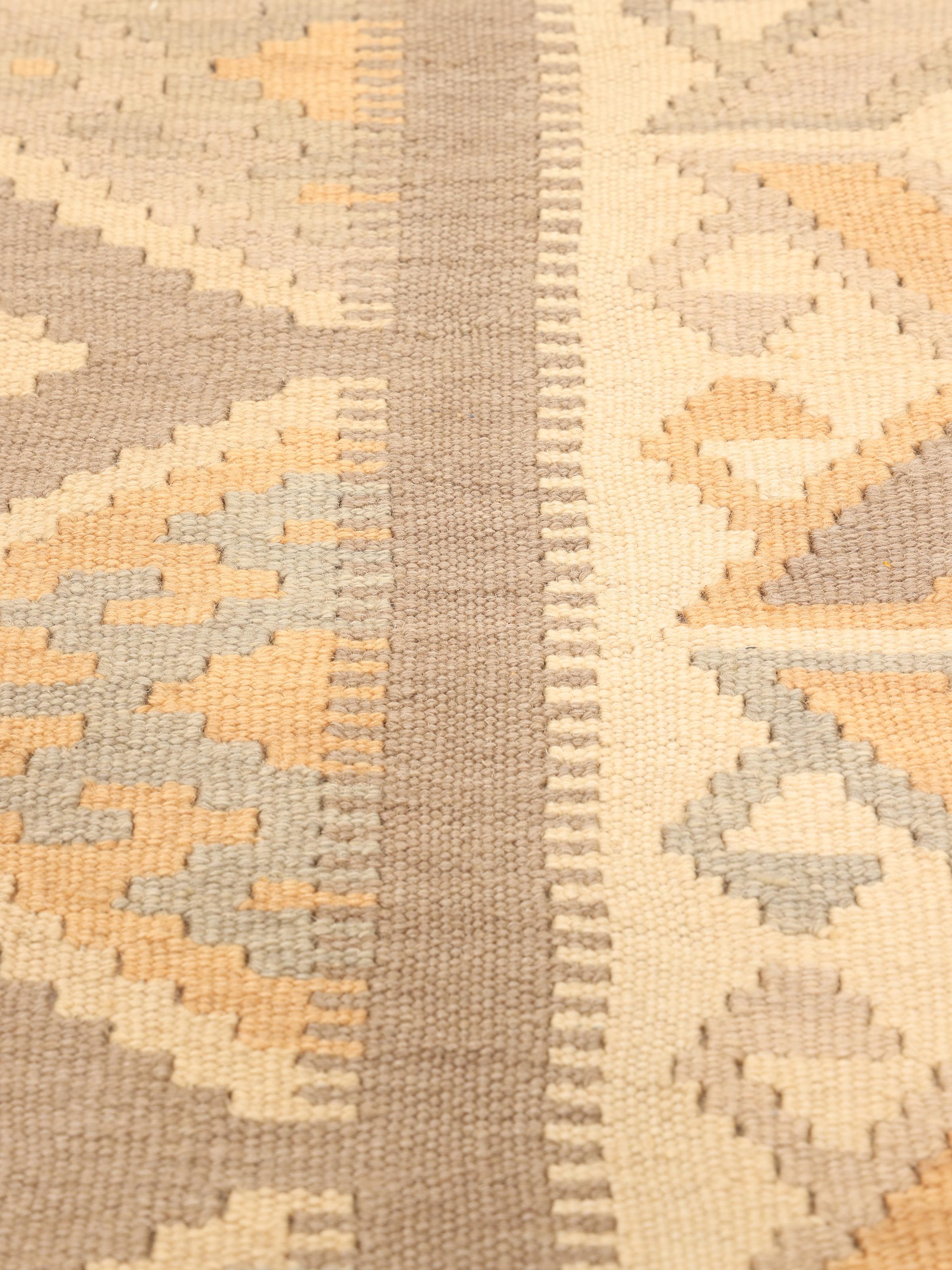
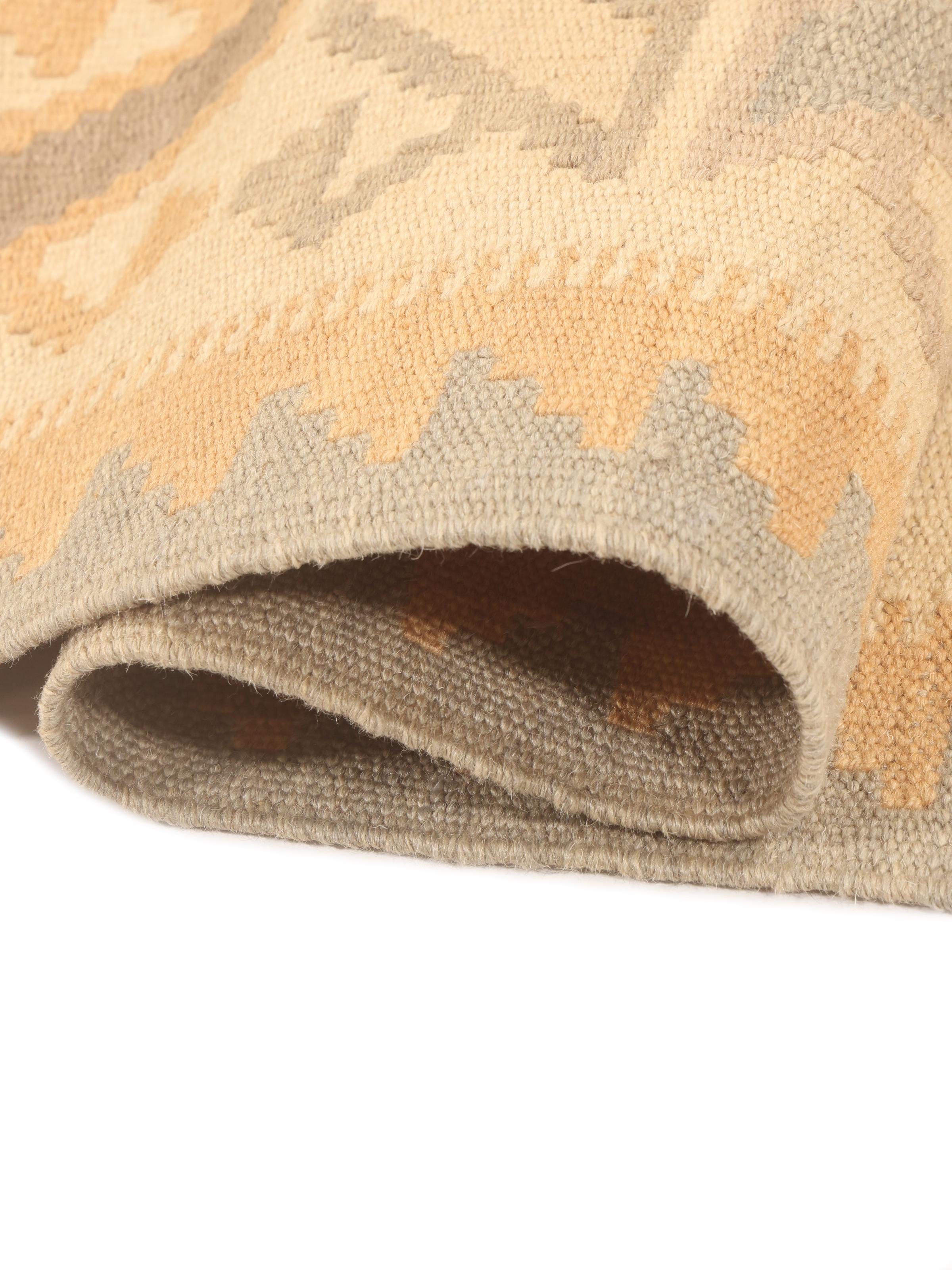
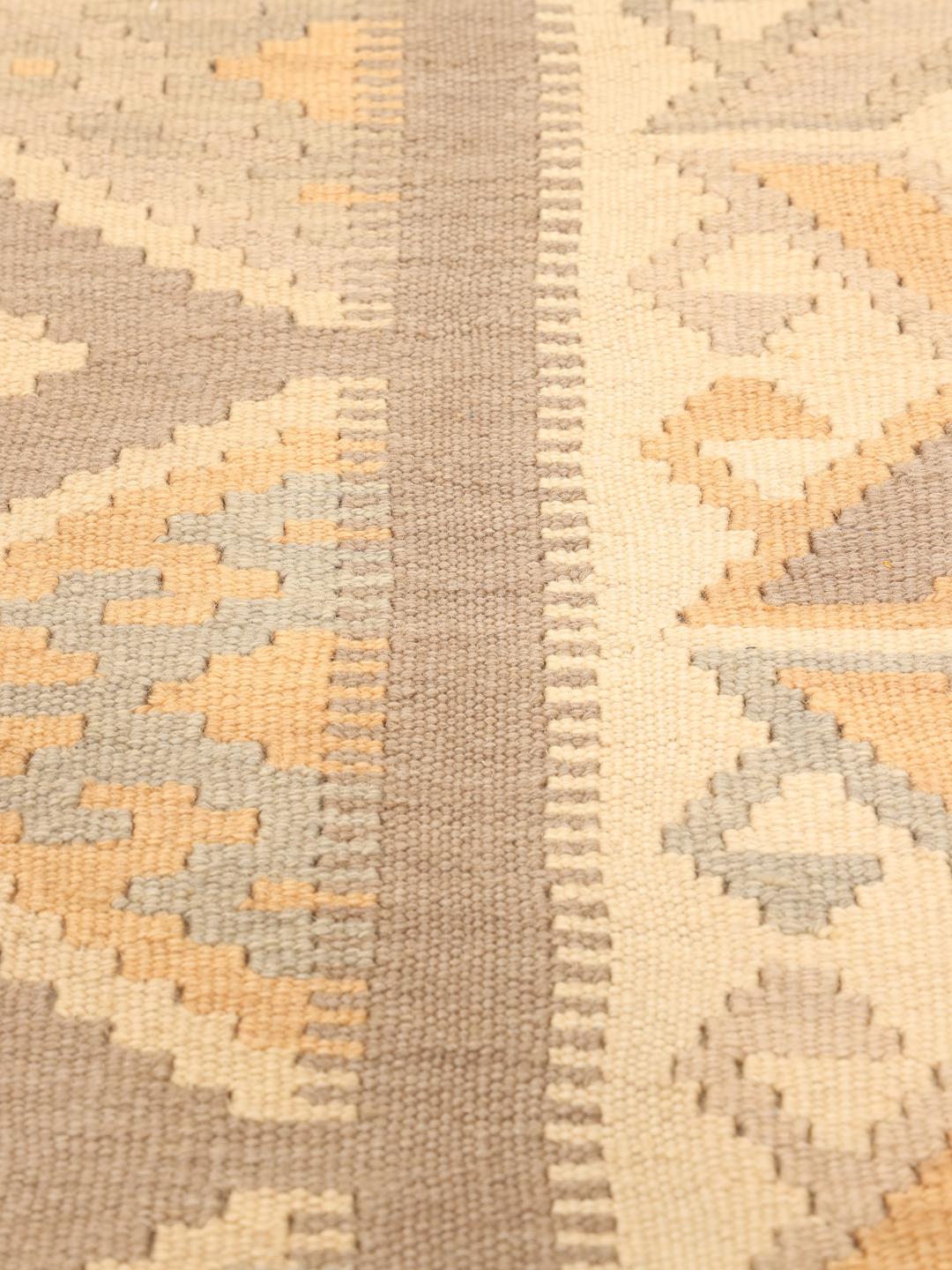
A Kelim is defined by its flat-woven technique, which differs significantly from knotted rugs. By tightly interweaving the coloured weft threads over and under the warp threads, the weaver creates a smooth surface where the pattern is identical on both sides. This technique requires exceptional precision, as the weaver must maintain consistent tension to ensure the geometric lines remain sharp and the finished rug stays perfectly rectangular.
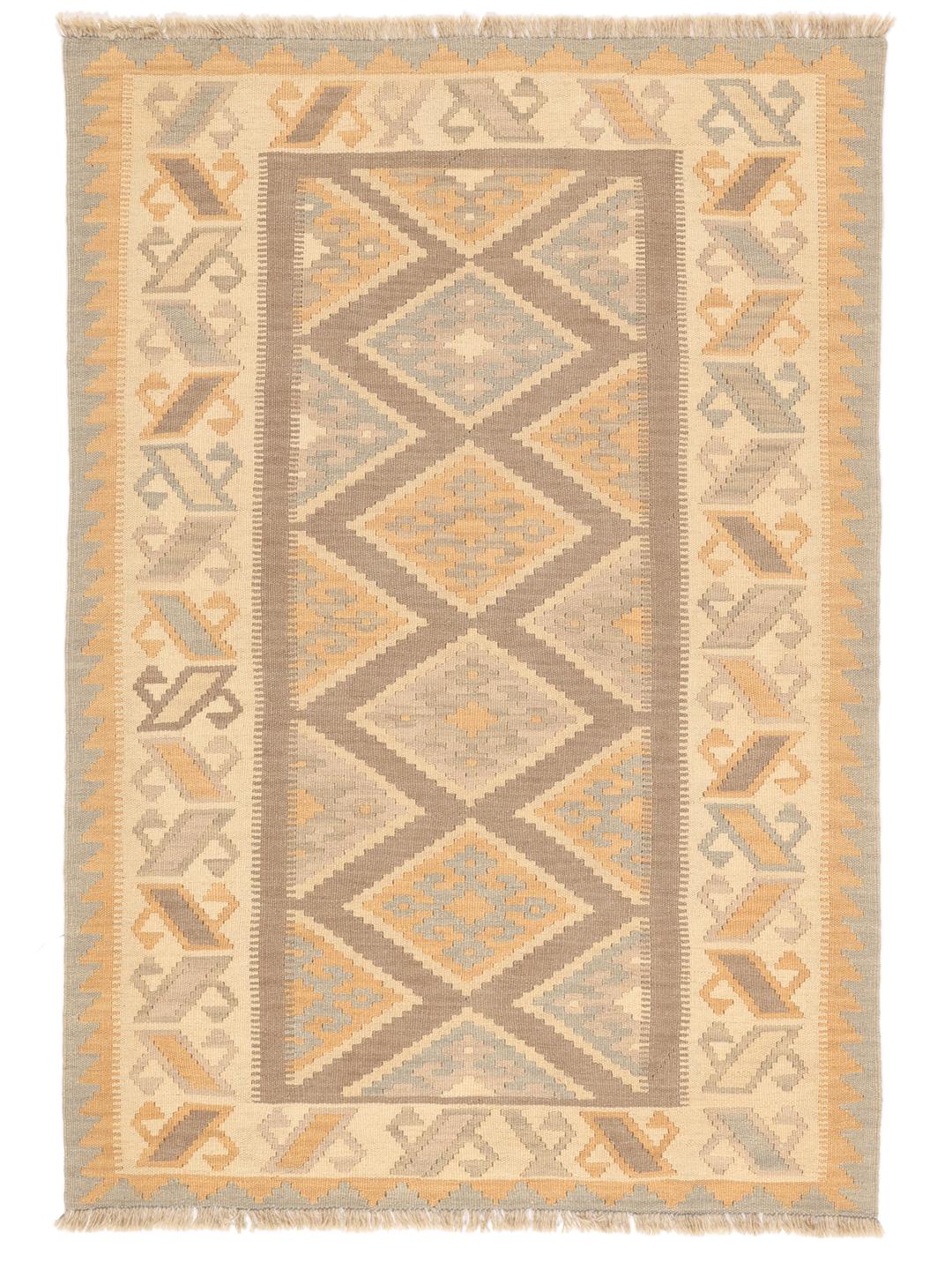
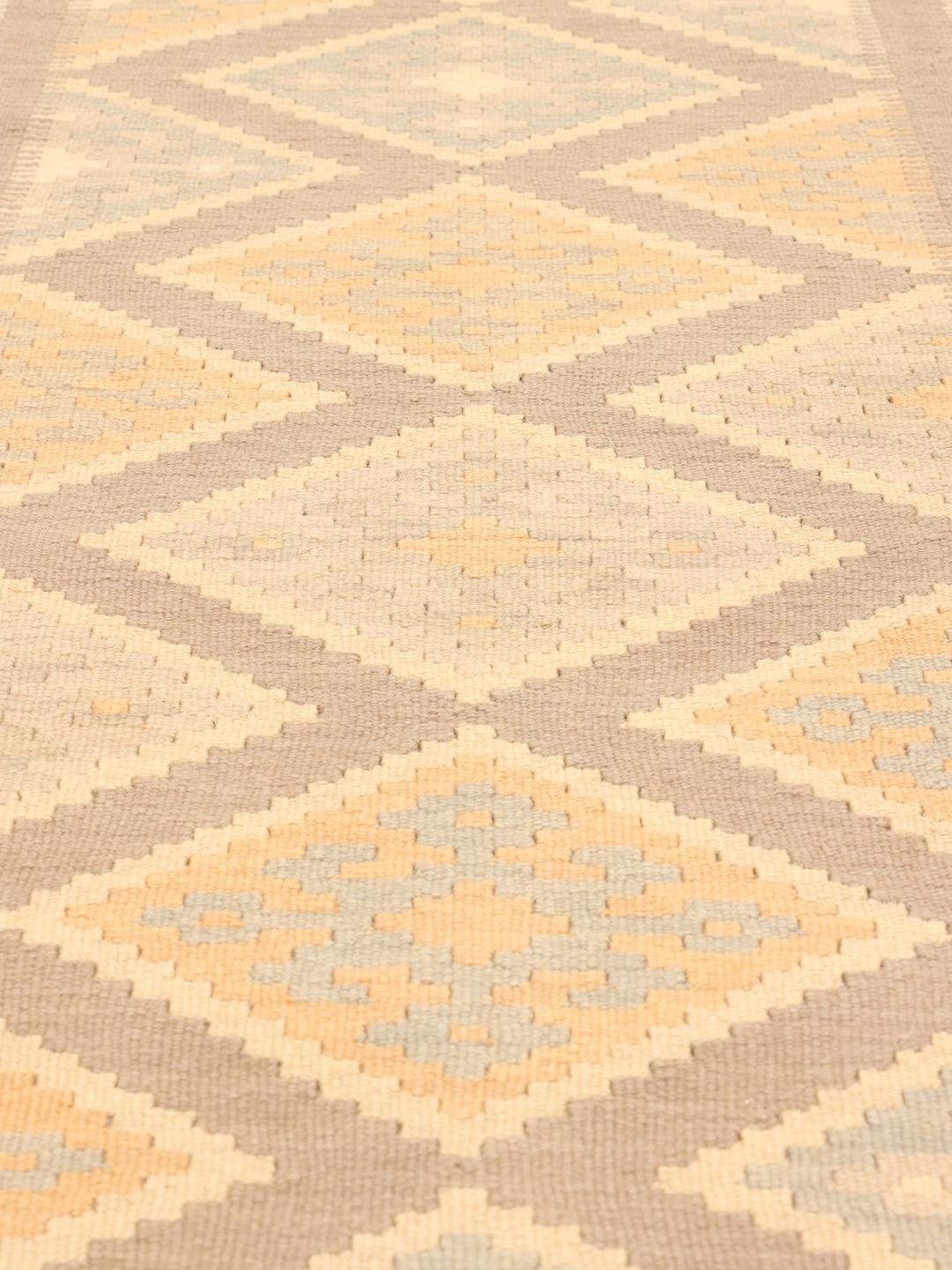
The visual language of Ghashghai Kelims is famous for its bold, geometric abstraction. While many traditional examples feature vibrant, saturated colours, this specific piece utilises a softer, more contemporary palette of earthy neutrals. This variation showcases the adaptability of the tradition, demonstrating how weavers can honour historical motifs—such as diamonds and stepped borders—while creating a look that fits modern, calm interior styles.
Collecting these rugs is an investment in human history and the preservation of ancient craft. Each piece serves as a physical record of the weaver's artistic choices and technical skill, making them highly valued by those who appreciate the intersection of utility and beauty. Owning a Ghashghai Kelim provides a tangible connection to a nomadic lifestyle and the enduring legacy of Middle Eastern textile arts.