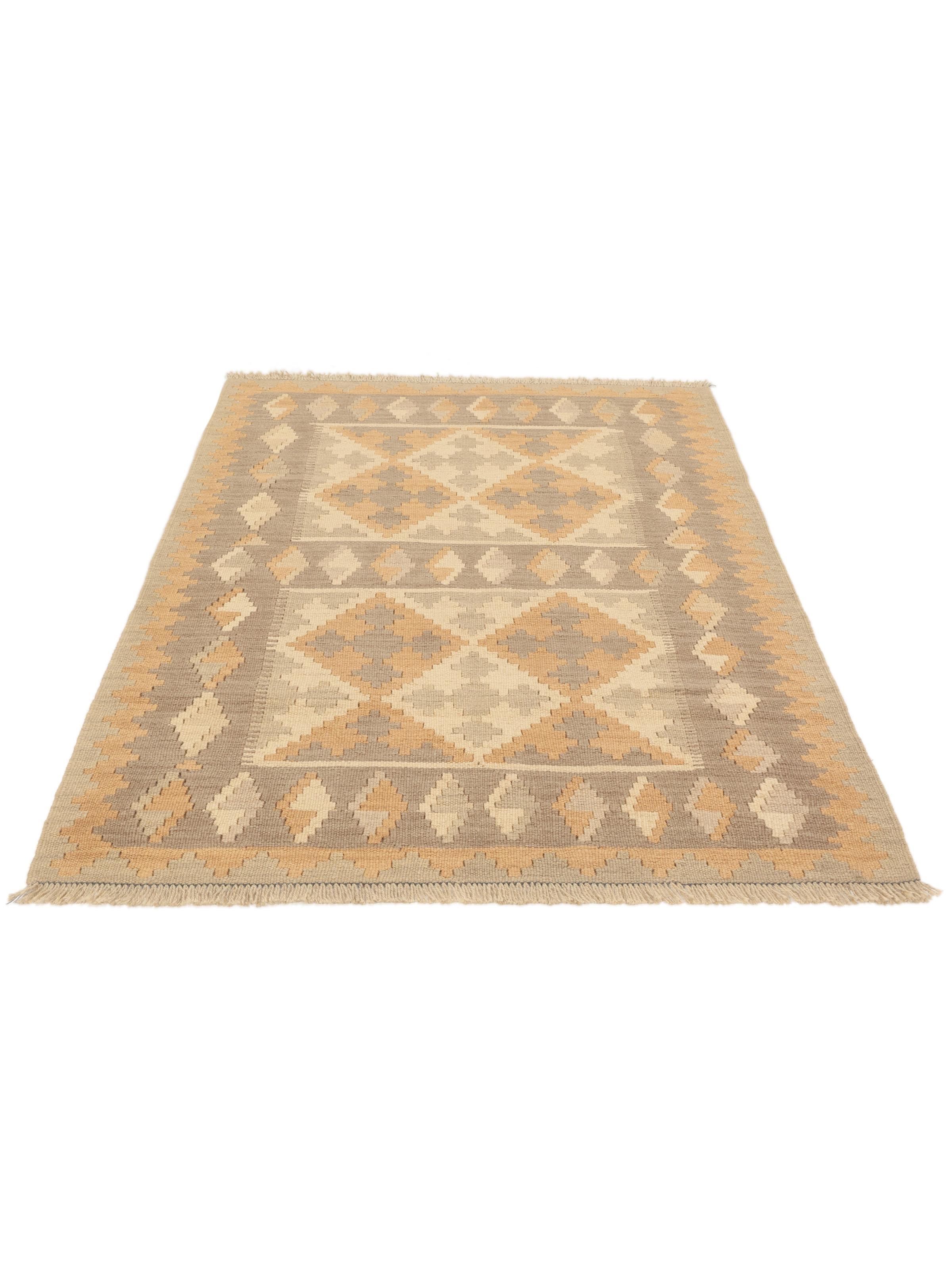
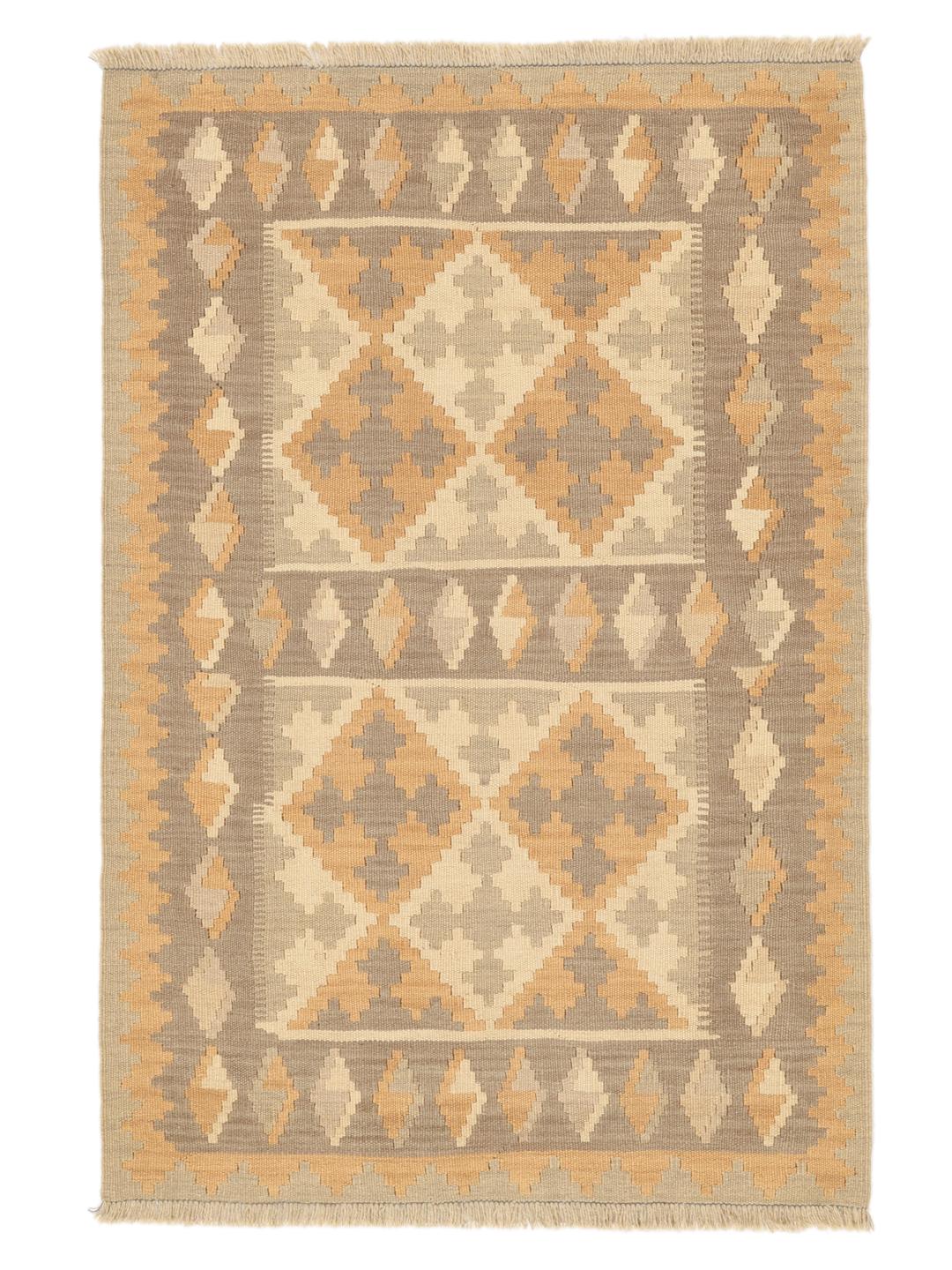
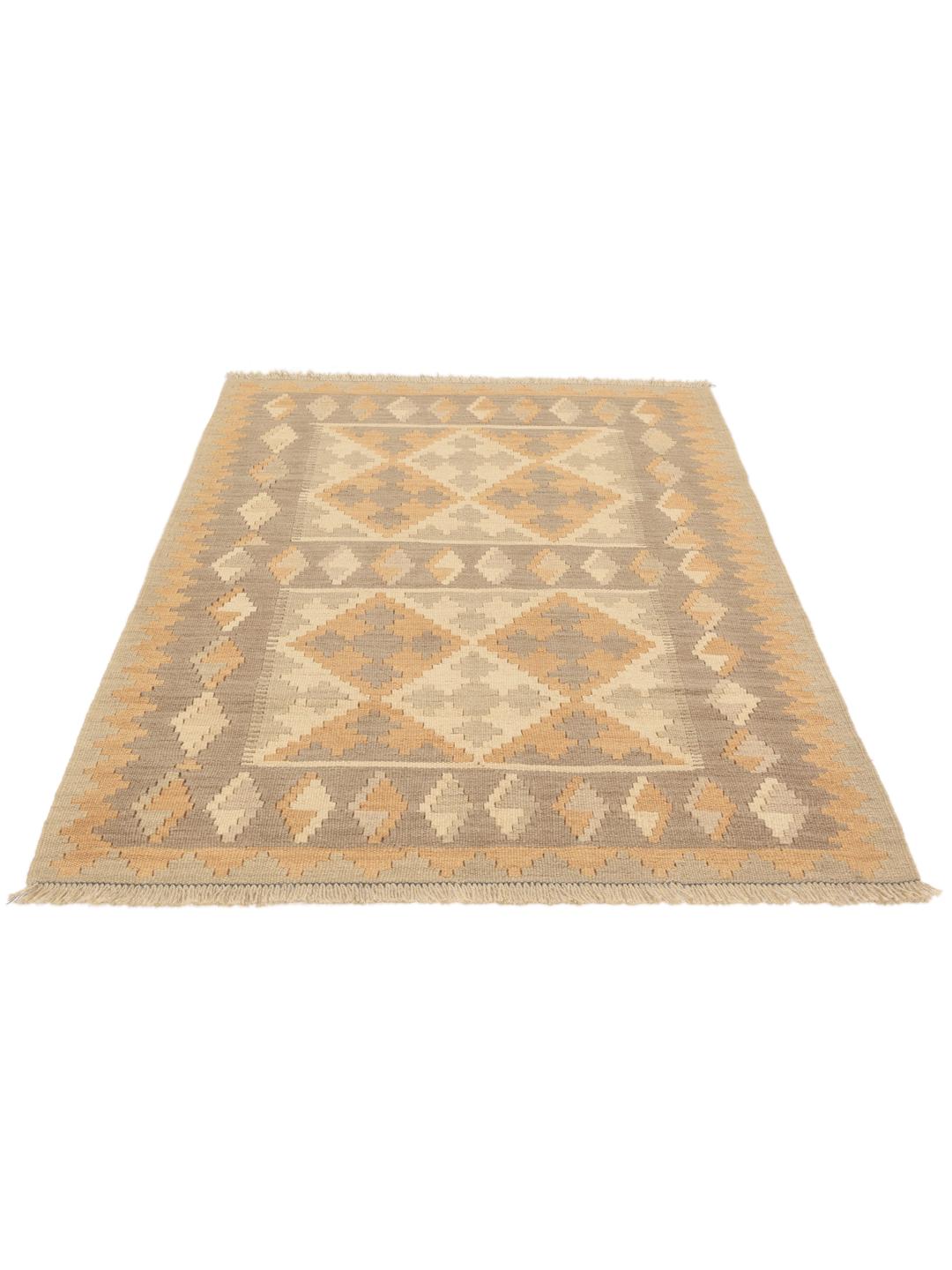
The Kelim tradition is deeply rooted in the nomadic cultures of the Middle East, where portable, functional textiles were essential for life on the move. These rugs were traditionally woven by tribal groups, including the Ghashghai people, who used them as floor coverings, blankets, and storage bags. The knowledge of these weaving techniques was passed down through generations, making every rug a carrier of cultural history and regional identity.
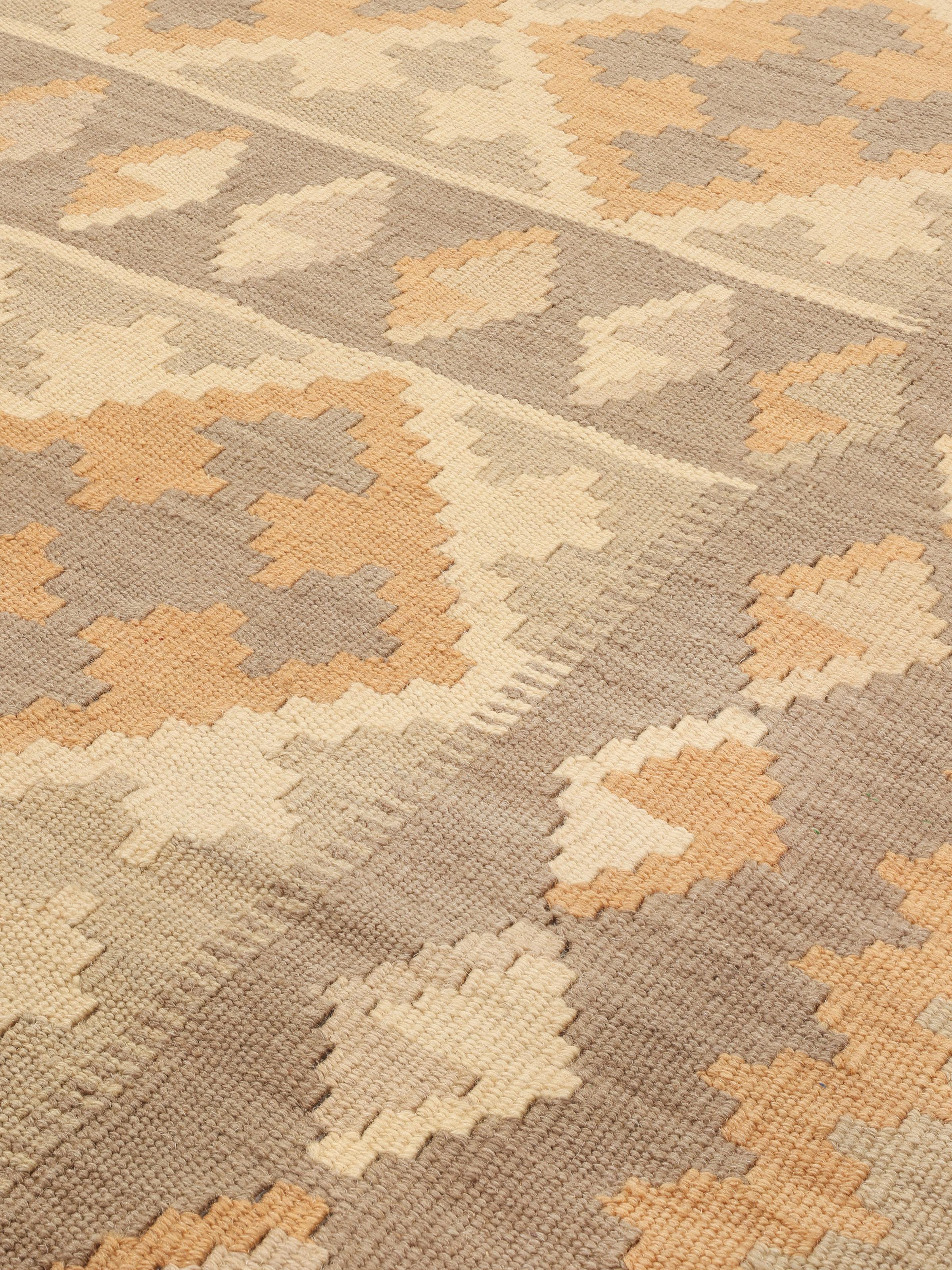
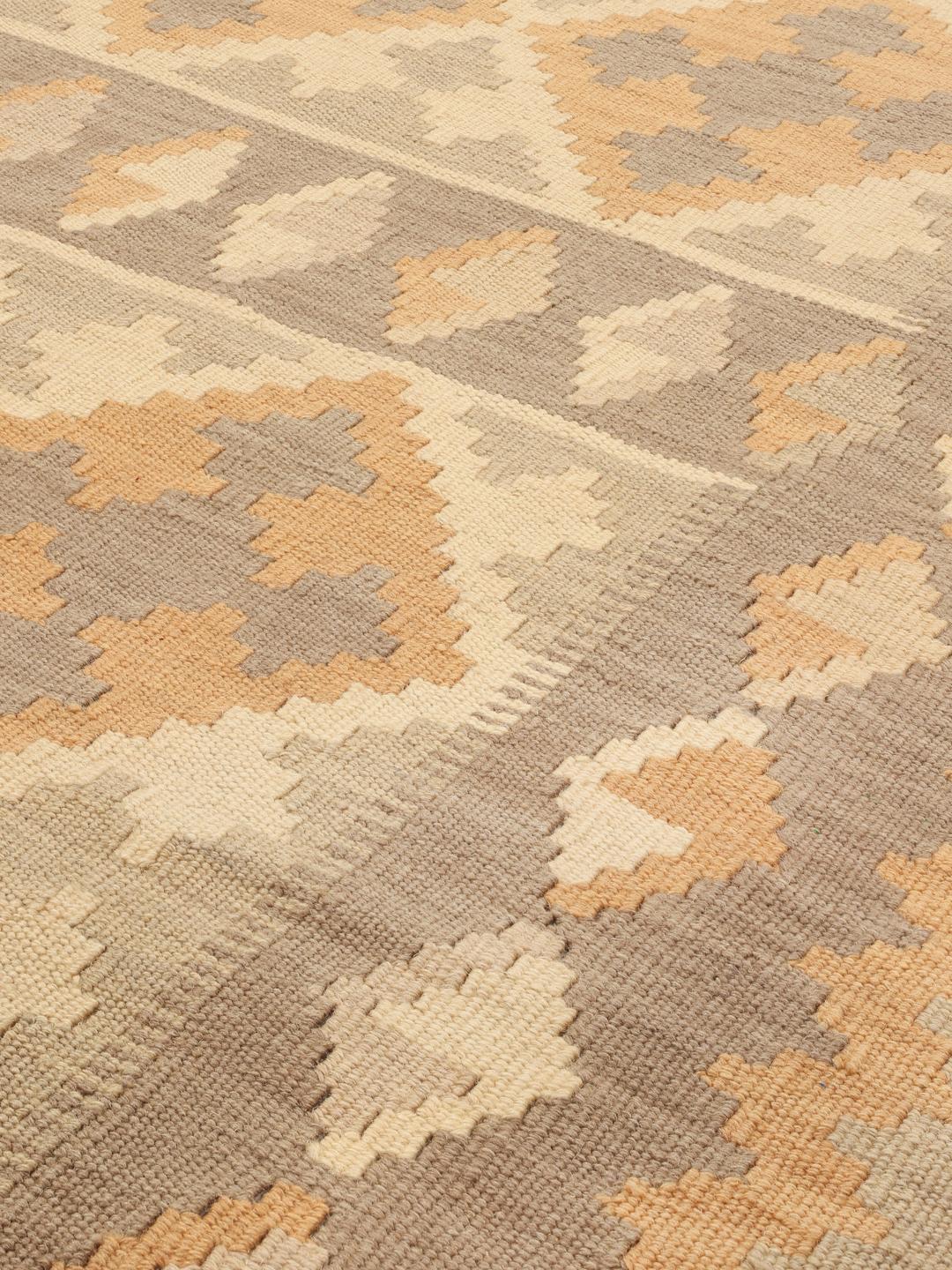
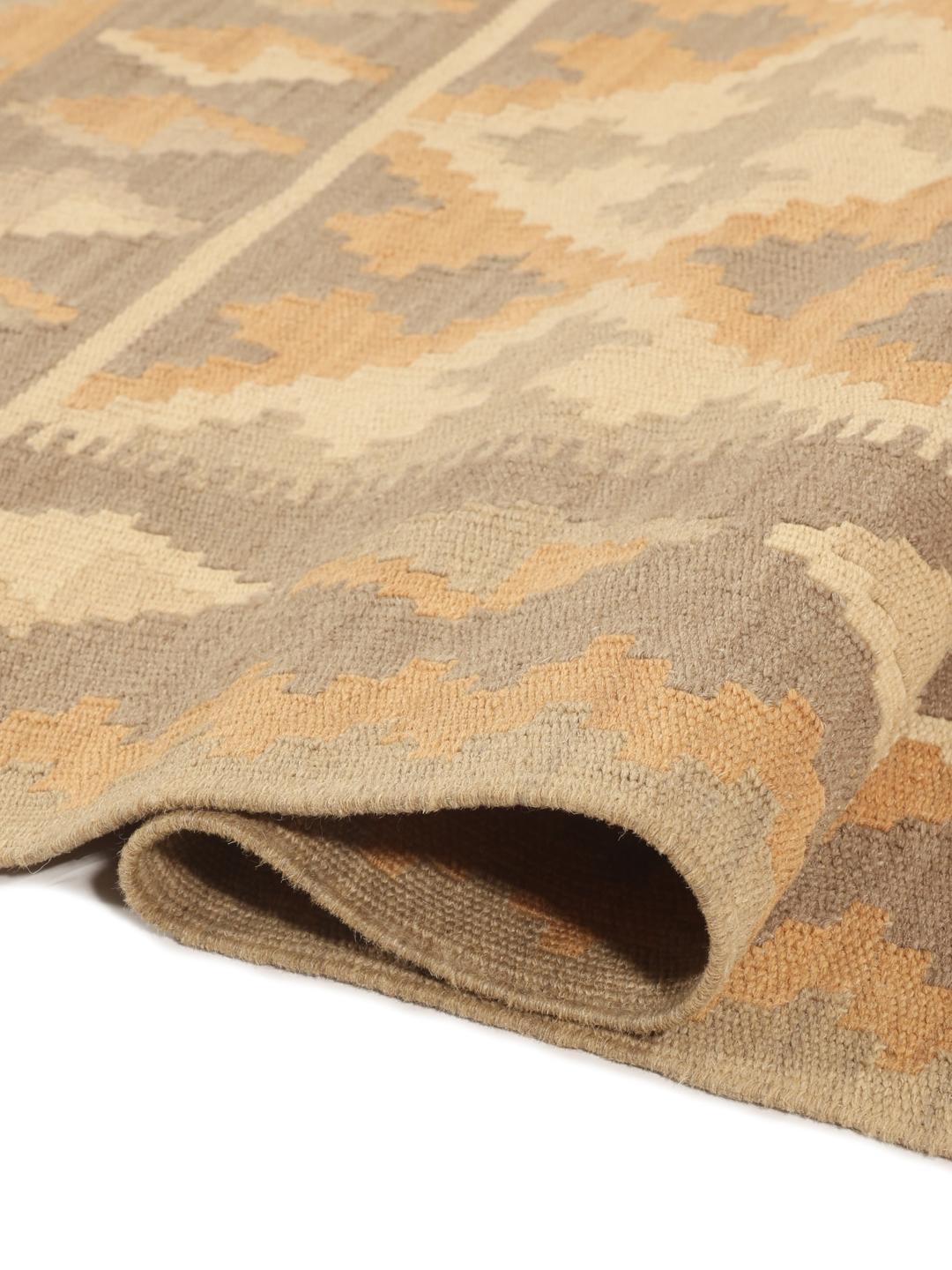
The term 'Kelim' refers to the specific flat-weaving technique used to create these pieces. By interlocking the coloured weft threads over the warp threads, the weaver creates a smooth, pileless surface that is identical on both sides. This technique is valued for its ability to produce sharp, clean geometric designs, which are characteristic of the bold and expressive visual language found in tribal textile traditions.
The designs found in Ghashghai Kelims often reflect the weaver's environment and surroundings, featuring stylized interpretations of natural motifs. Common patterns include diamonds, hooks, and intricate borders, which are often arranged in rows or central medallions. The use of natural dyes and earthy palettes, as seen in this piece, is a classic feature that helps the rugs blend seamlessly into various home interiors while retaining their authentic, tribal character.
Collecting these rugs is an investment in a living tradition. As nomadic lifestyles have shifted, the production of these authentic, hand-woven pieces has become increasingly rare, elevating their status as highly sought-after items. When you own a Kelim, you are preserving a piece of heritage that values human skill and creative expression over the uniformity of modern, machine-made alternatives.