The Kurdi rugs of the Ghuchan region are deeply rooted in the nomadic traditions of the Middle East. These rugs are woven by Kurdish tribes, whose history of textile production is characterised by a unique blend of cultural influences, ranging from ancient Anatolian motifs to the distinct patterns of the Middle Eastern plateau. The Ghuchan area, in particular, is renowned for producing rugs that reflect the grit and beauty of a semi-nomadic lifestyle.
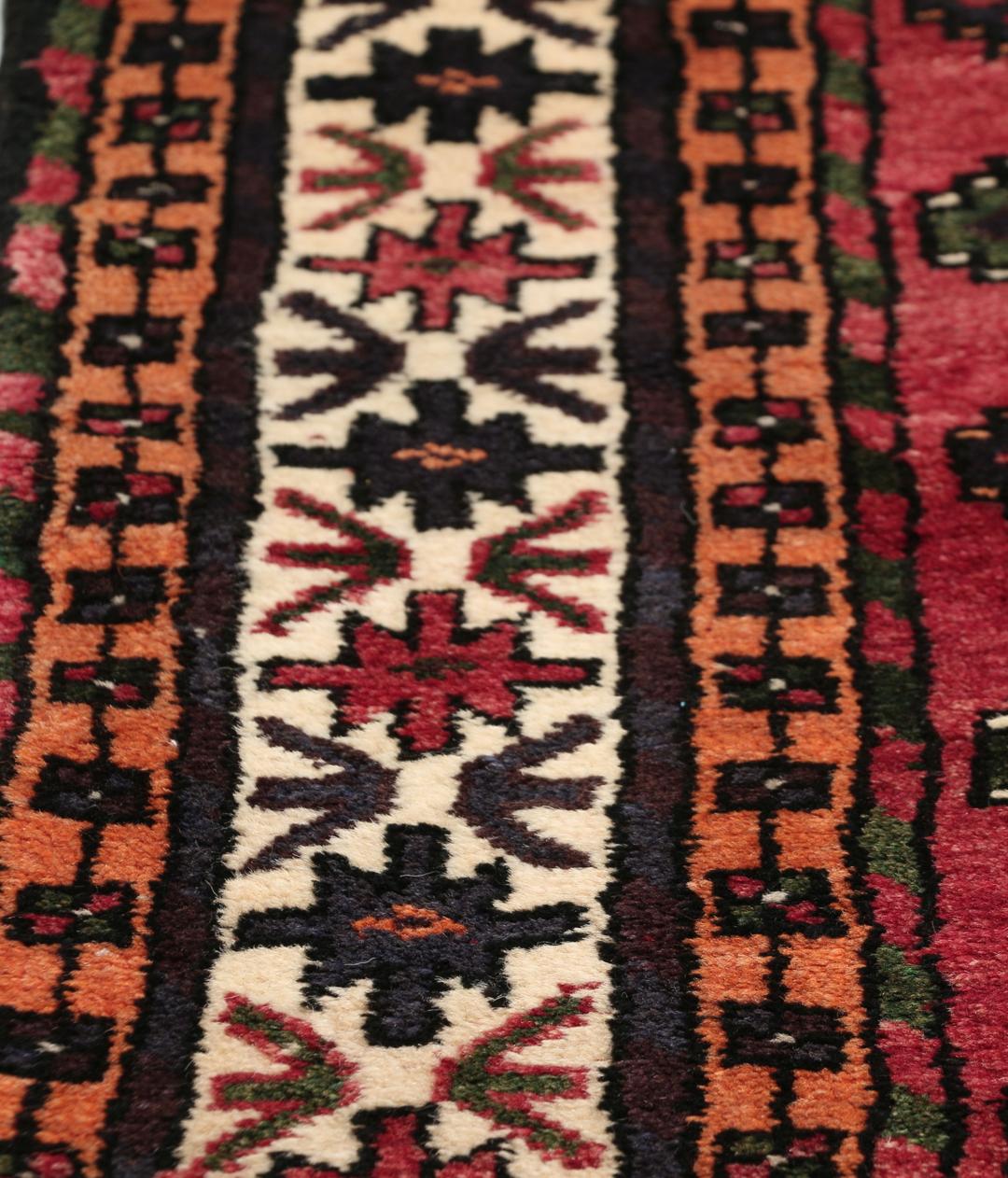
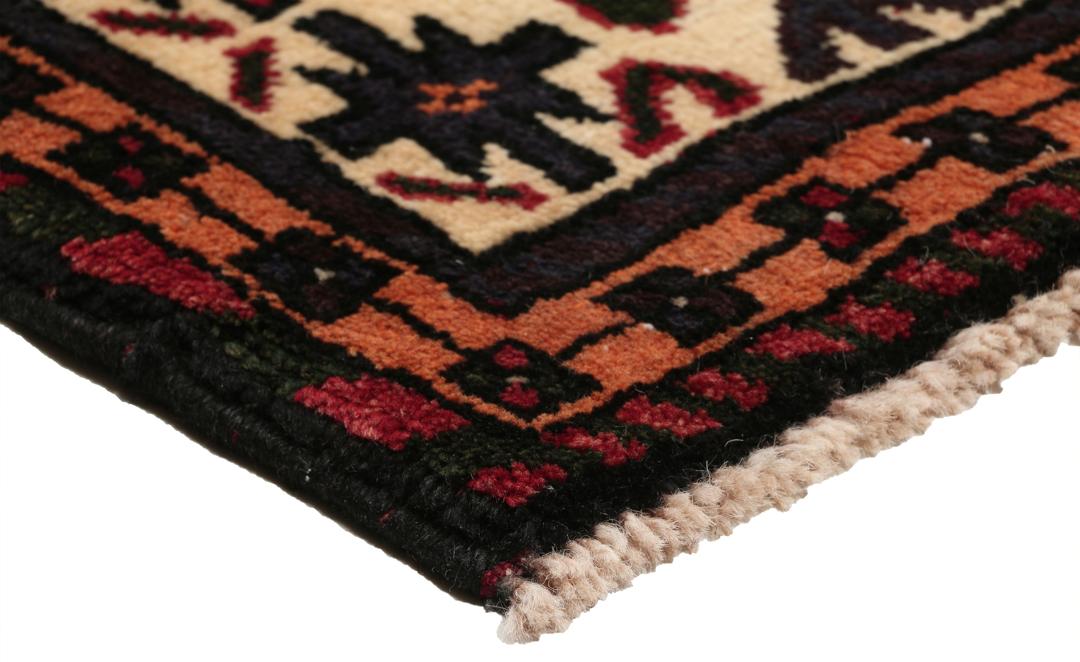
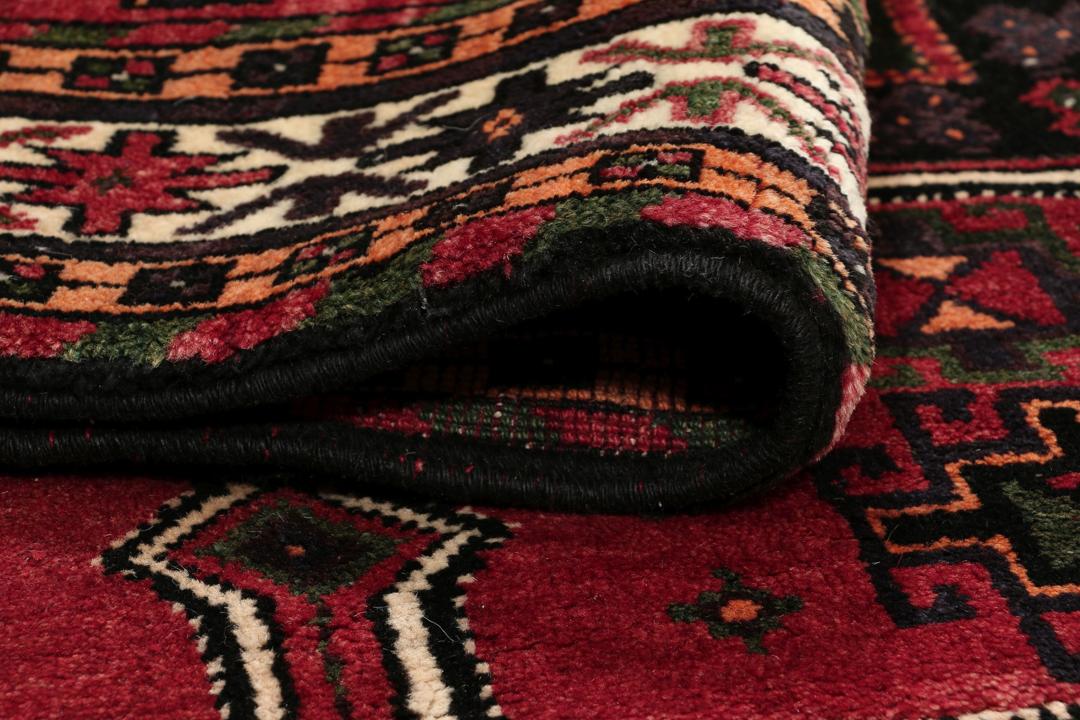
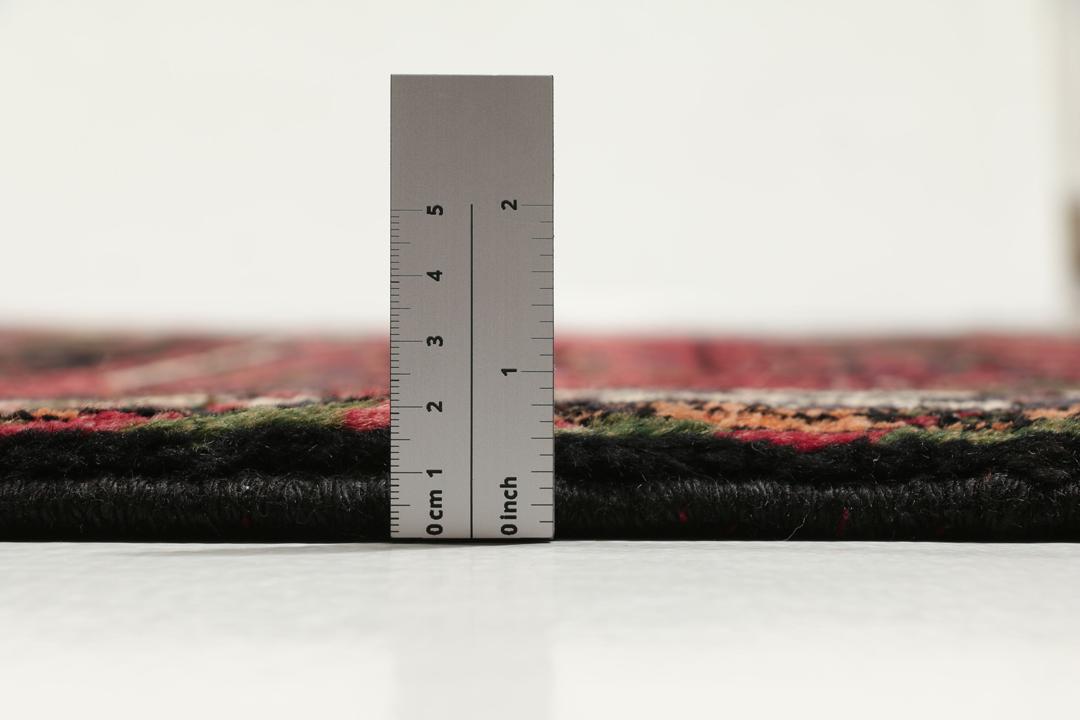
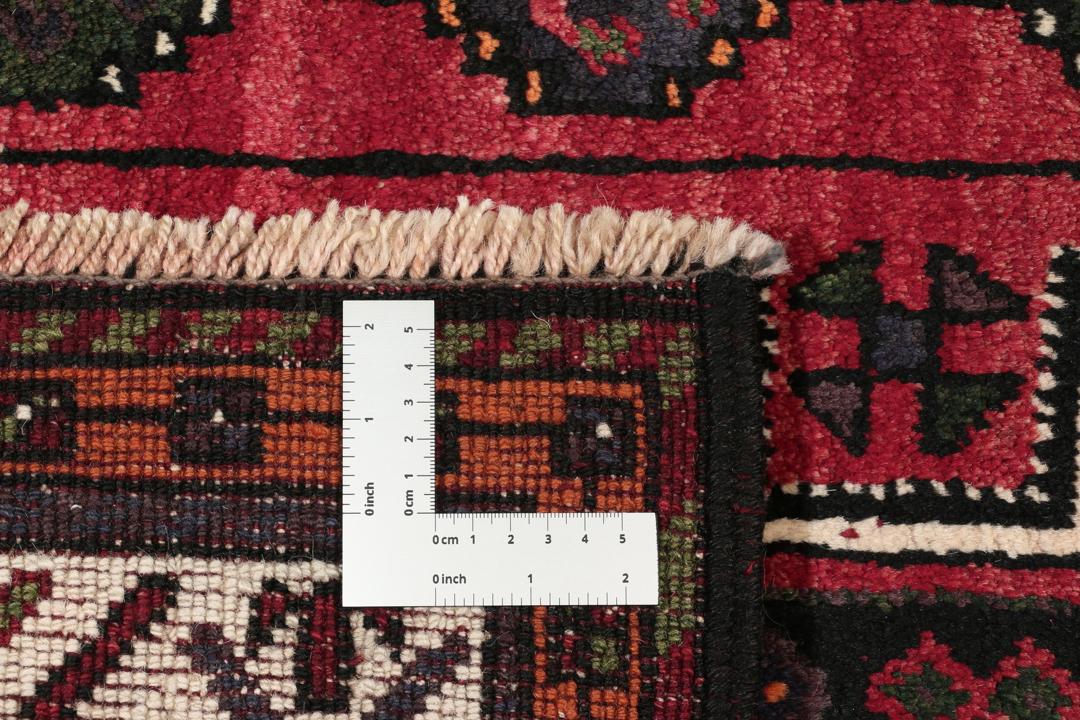
The technical construction of these rugs is highly regarded for its durability. The use of high-quality, local wool is a defining feature, as it is known for its strength and natural lustre. The artisans employ a traditional knotting technique that creates a robust foundation, allowing the rugs to withstand the harsh conditions of their original environment. This technical focus ensures that the finished product is not only a beautiful decorative item but a highly durable textile.
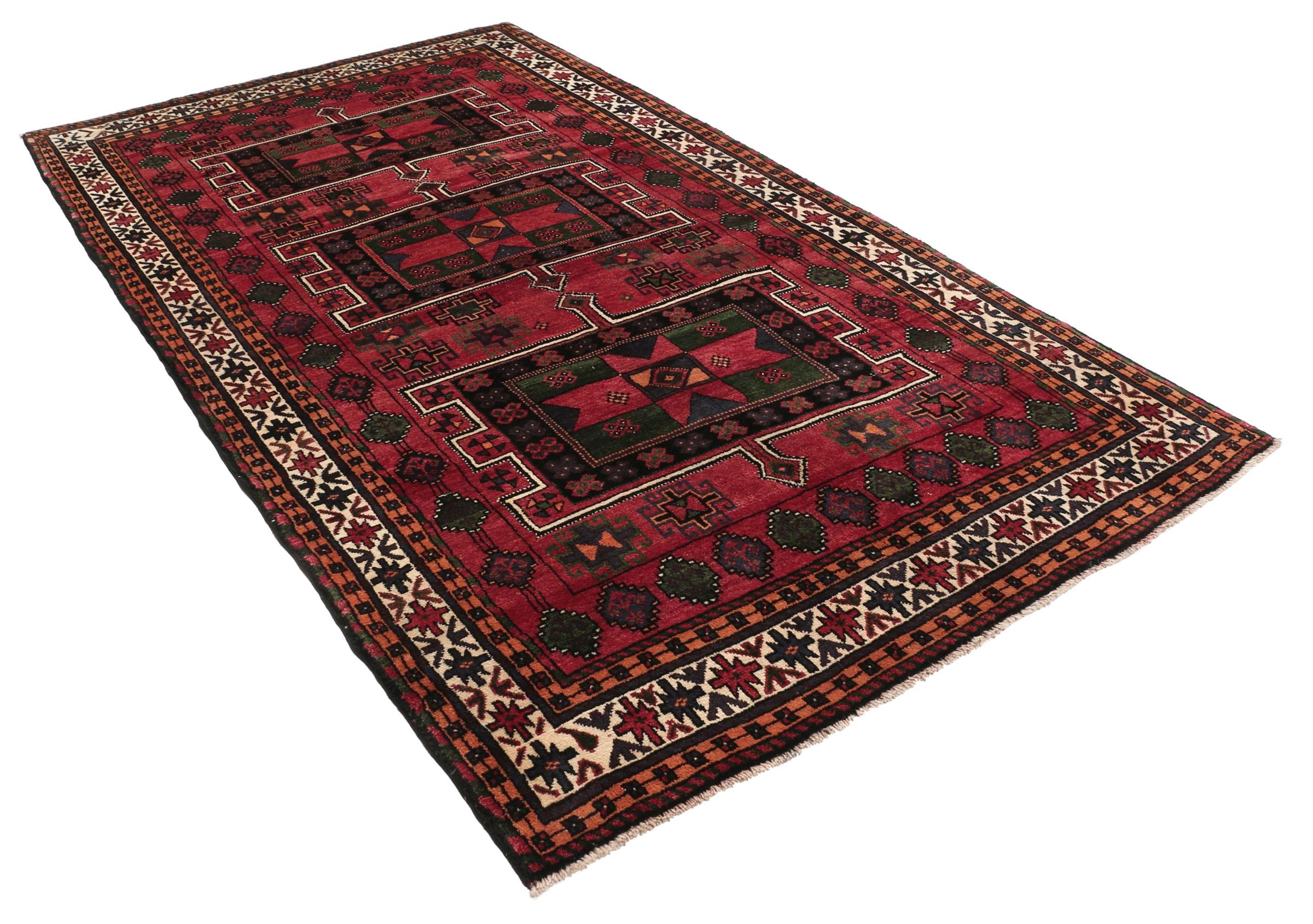
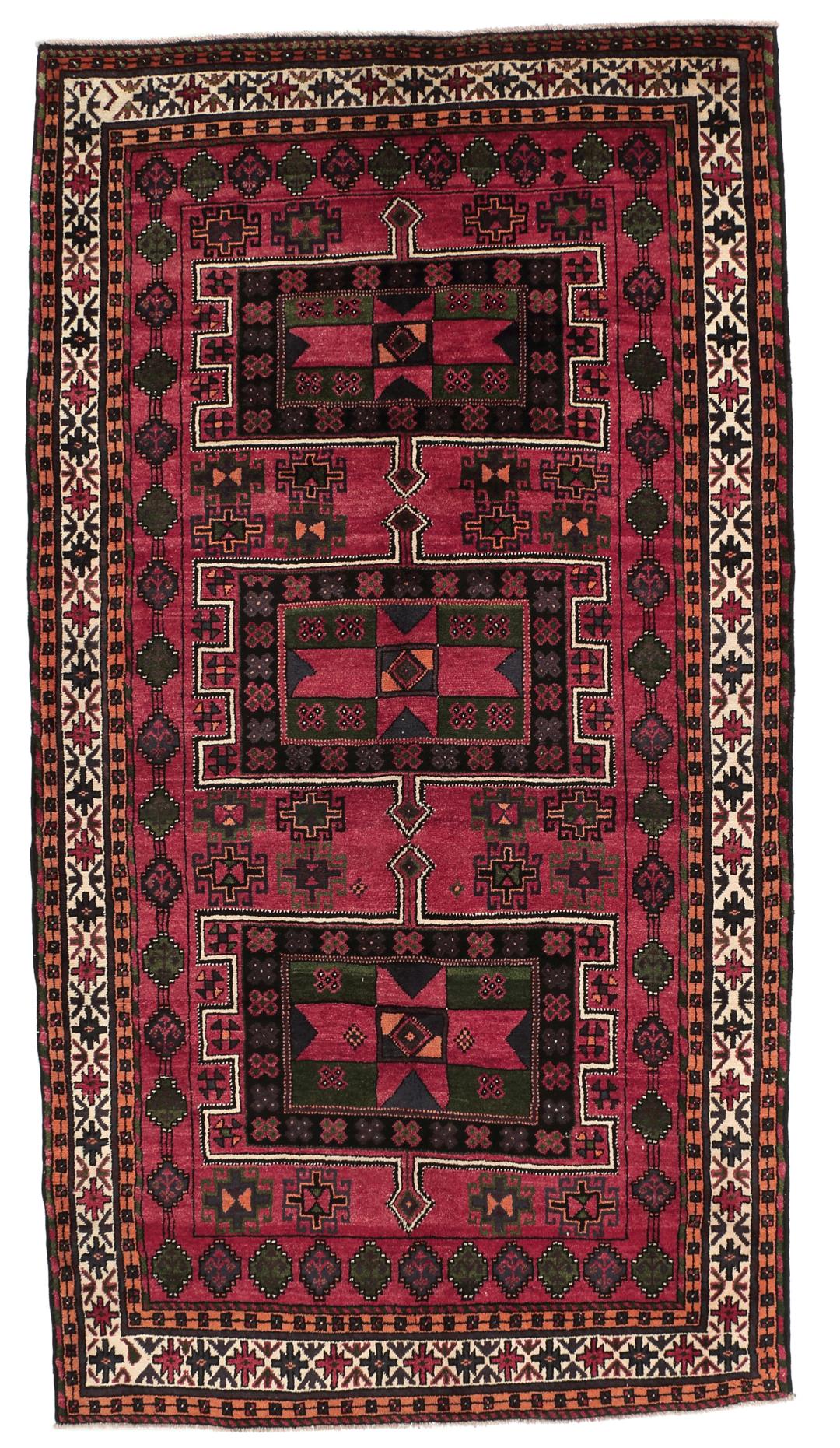
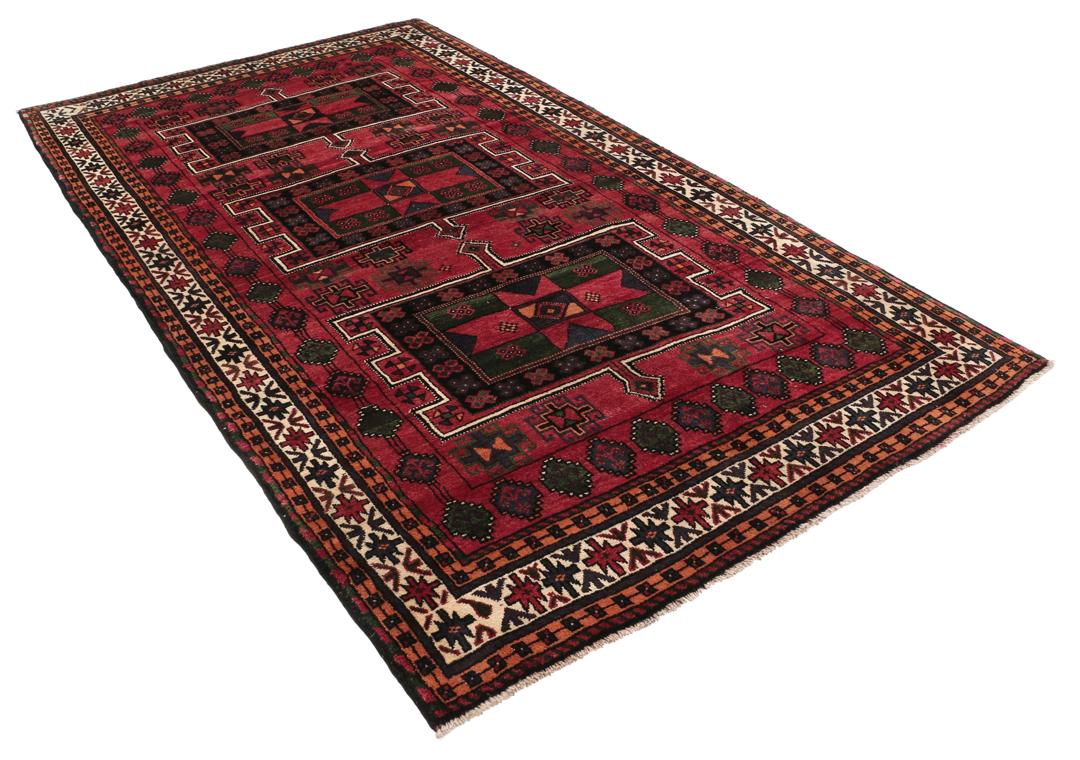
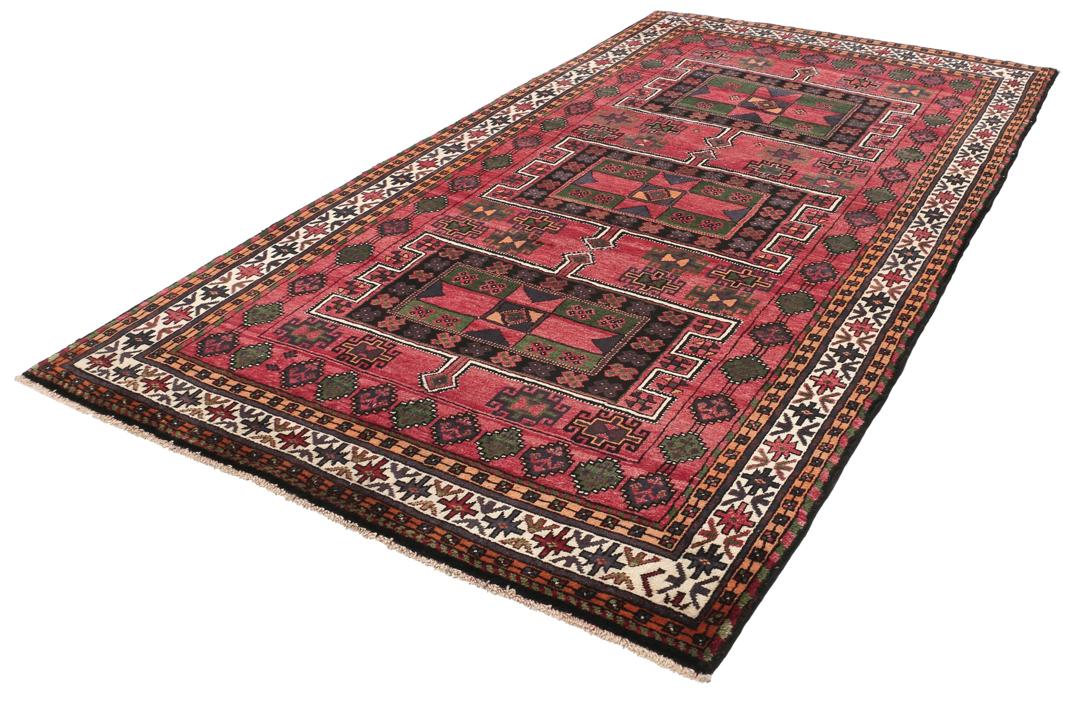
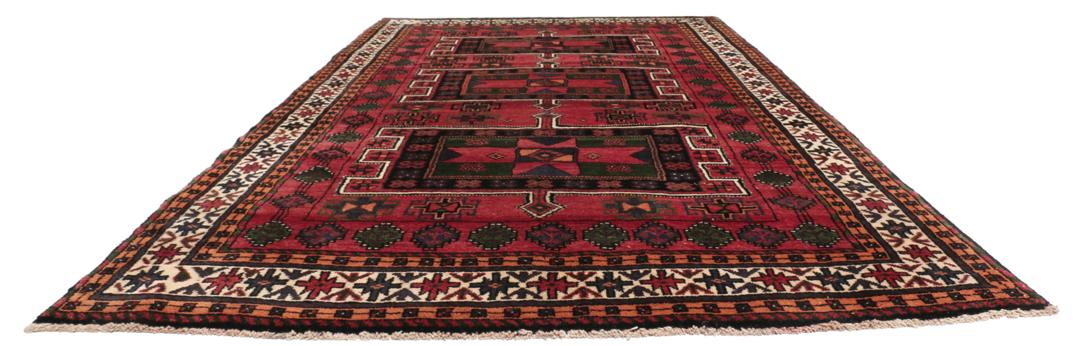
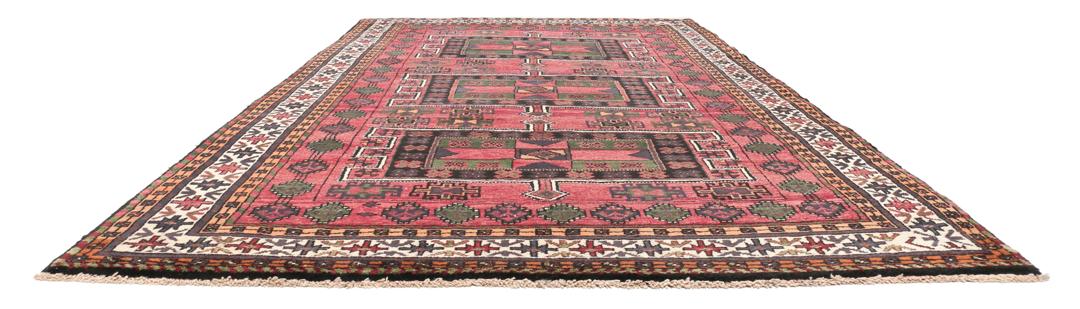
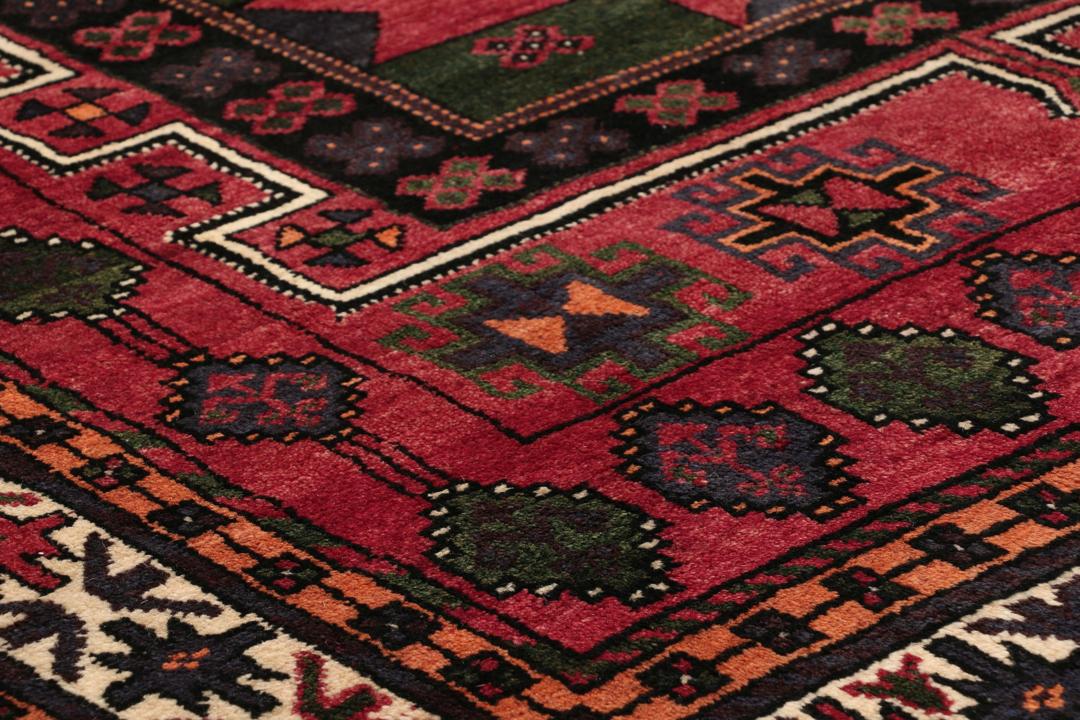
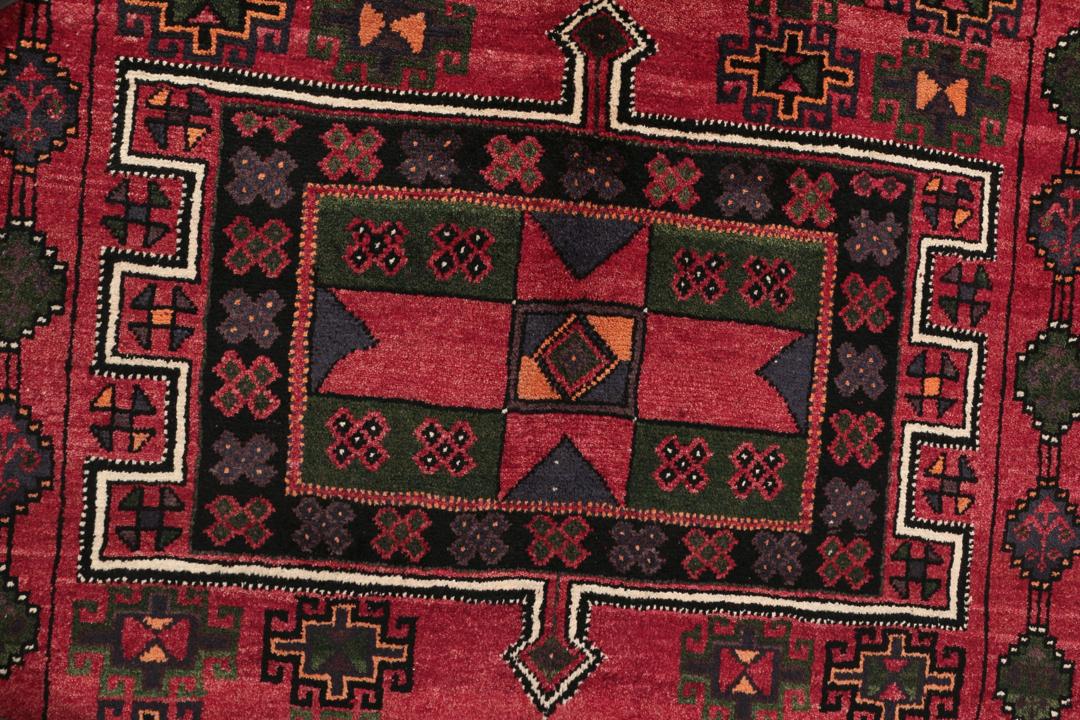
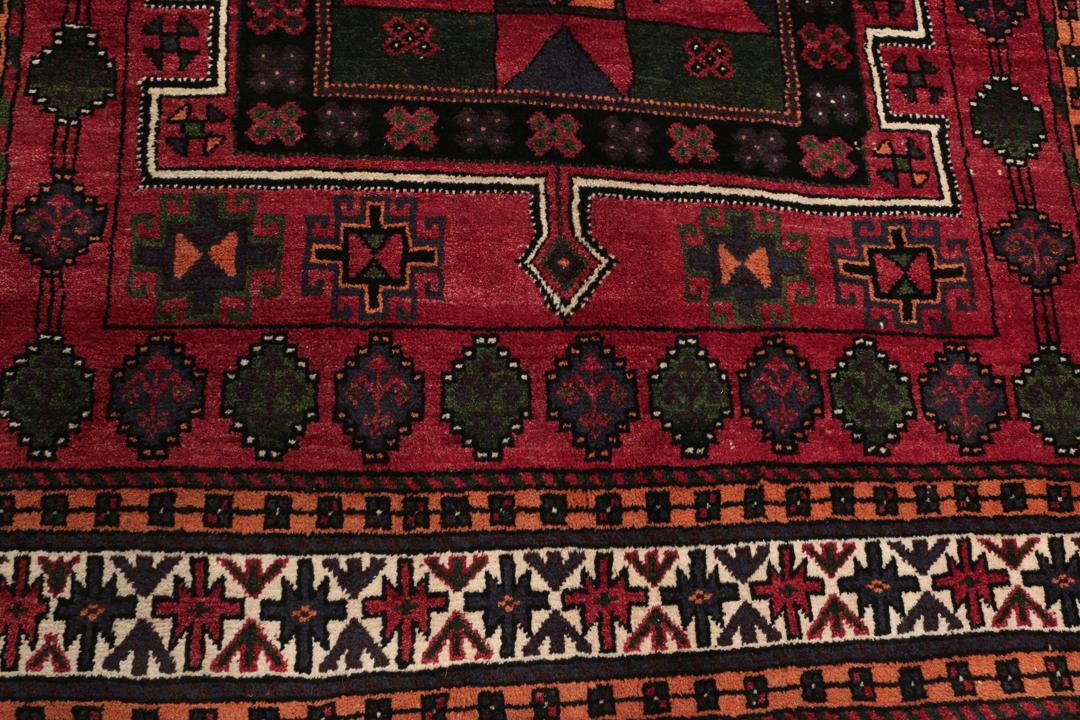
Visually, Kurdi Ghuchan rugs are celebrated for their bold geometric language. They often feature large-scale medallions and stylised motifs, which are frequently inspired by the natural world or tribal symbols of protection. The colour palette is usually dominated by deep, earthy tones like dark red, indigo, and black, which are derived from traditional natural dyes. This specific rug showcases a clear, intentional use of these heritage patterns, creating a rhythmic, balanced composition.
Owning a Kurdi Ghuchan rug is an opportunity to preserve a vanishing craft. Because these pieces are still produced in small, community-based settings, they carry a level of authenticity and cultural weight that mass-produced items cannot replicate. Collectors value these rugs for their honesty of design and the skill required to maintain a centuries-old tradition in the modern world.