Kunduz rugs originate from the northern regions of Afghanistan, an area with a profound history of nomadic and village weaving traditions. These rugs are deeply connected to the cultural identity of the region, where the craft has been passed down through generations, evolving to incorporate both traditional tribal motifs and more formal design elements that appeal to global sensibilities.
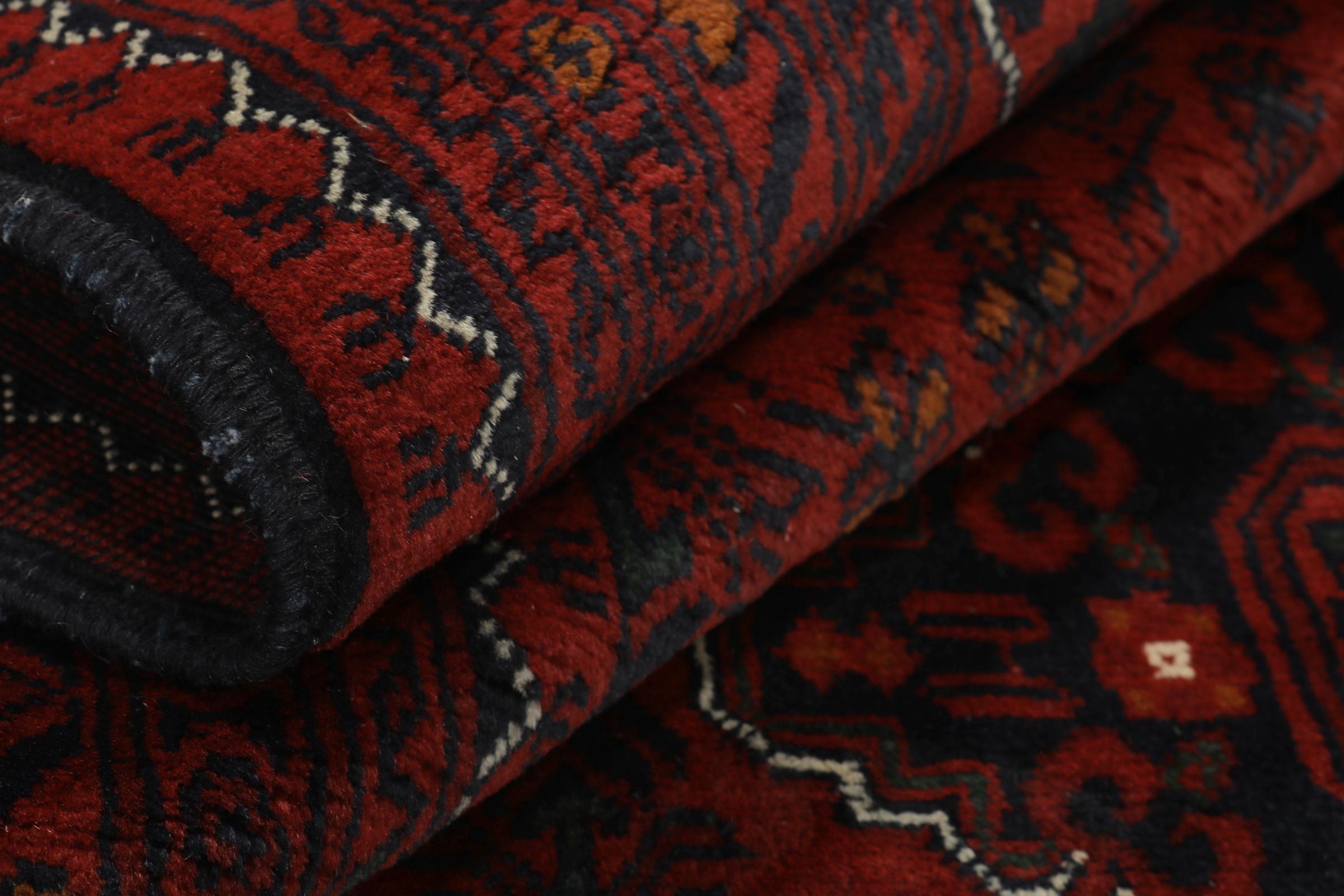
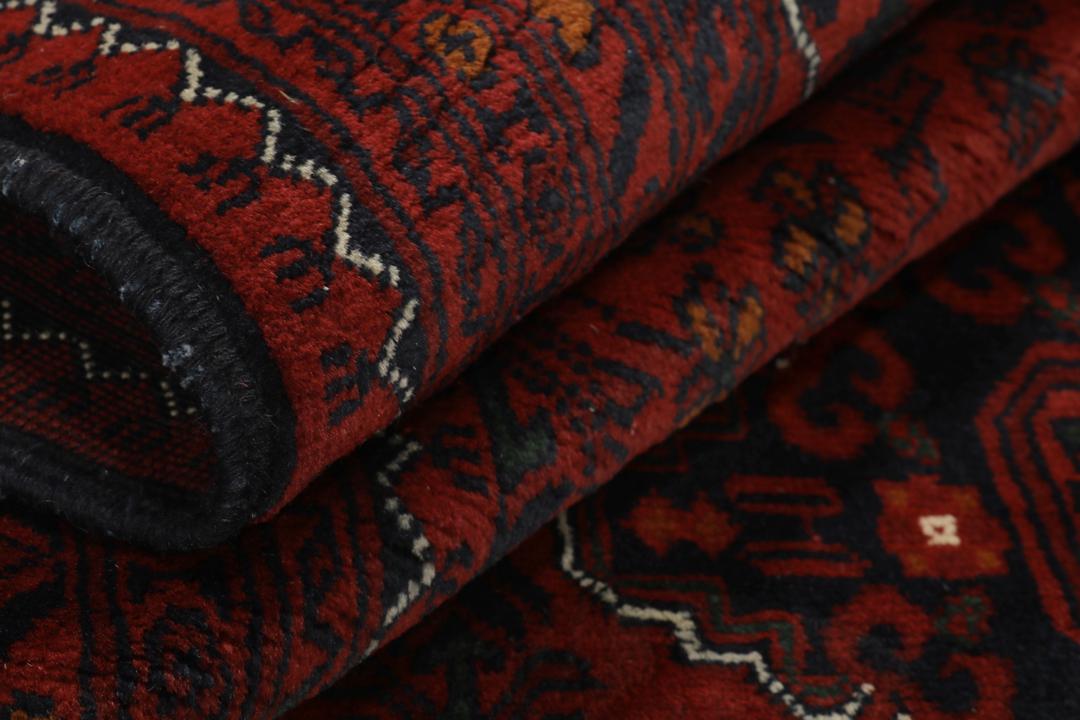
The term Kunduz refers to both the city and the surrounding province, which serve as important hubs for the trade and assembly of these high-quality Wool rugs. The weaving process relies on traditional looms and a deep understanding of natural materials, where the Wool is often hand-spun to retain its natural oils and lustre, resulting in a pile that is exceptionally soft yet remarkably durable.
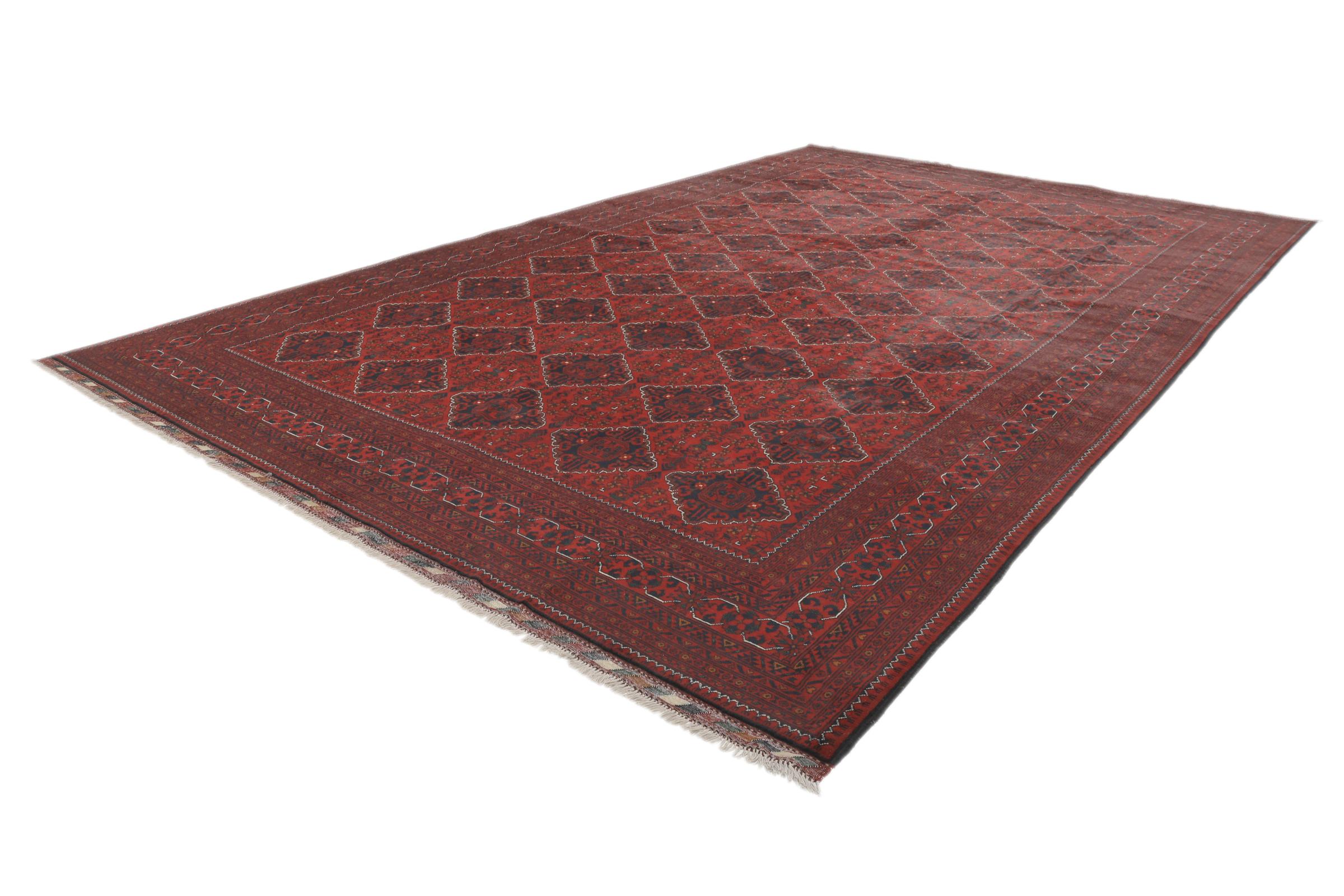
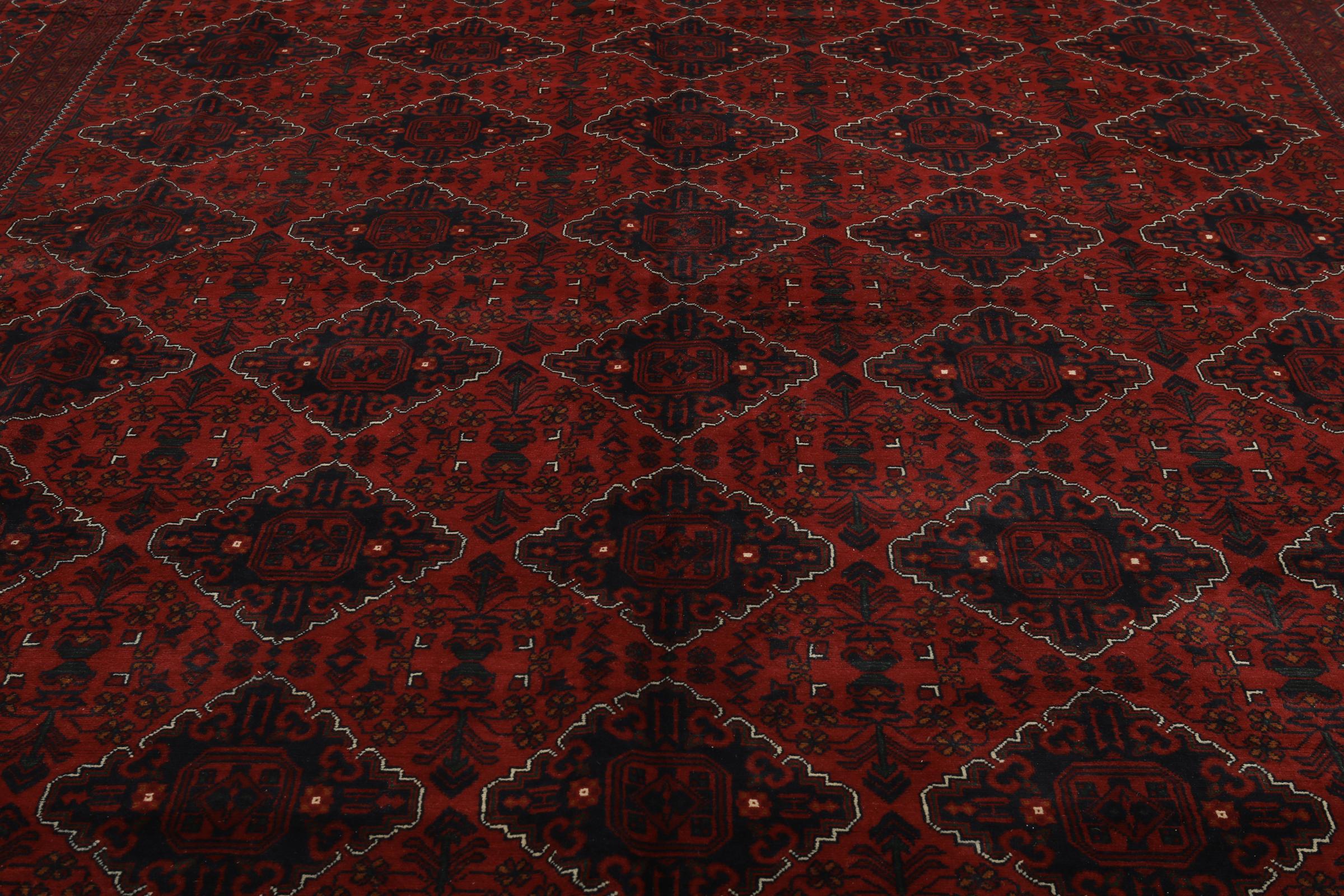
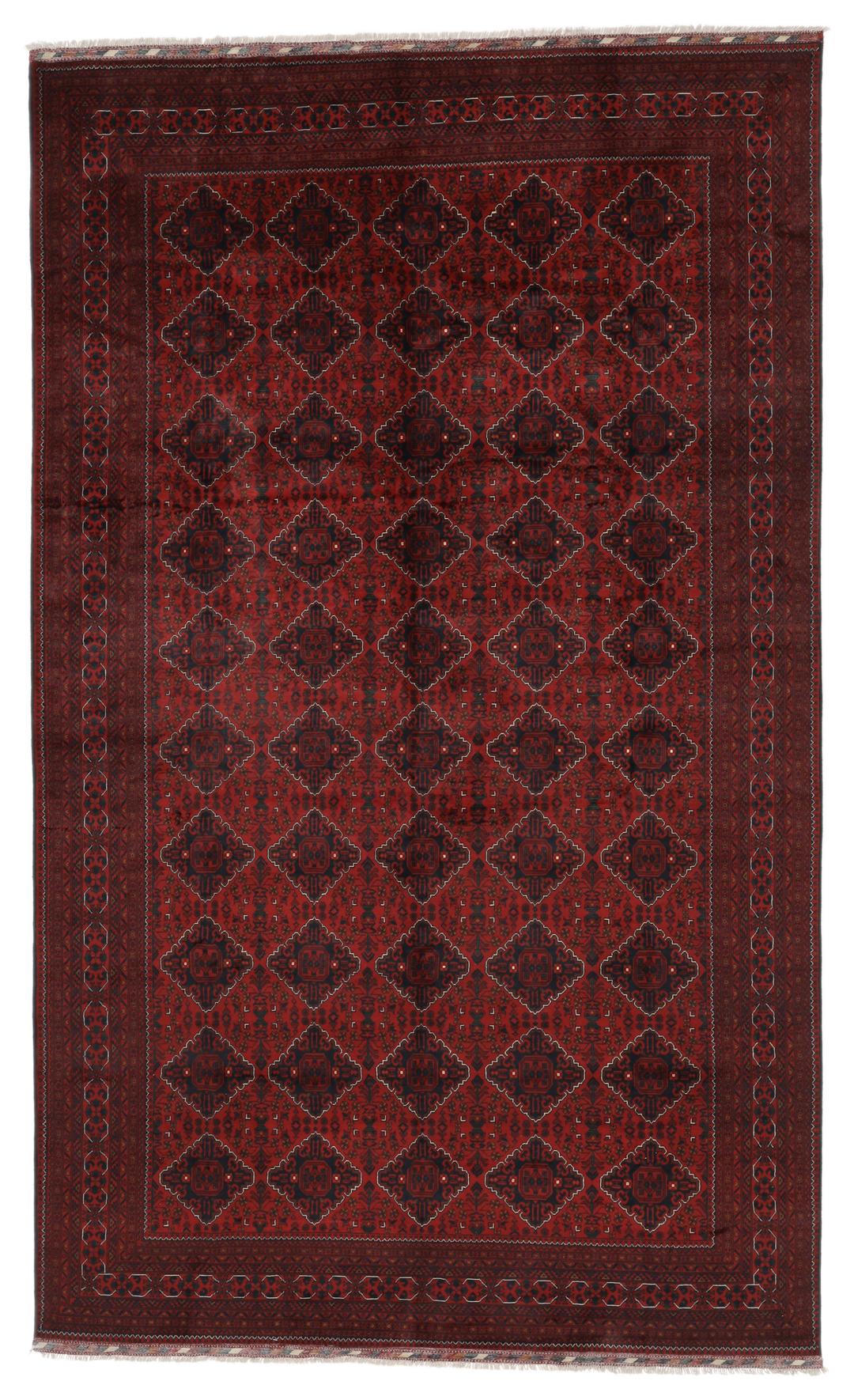
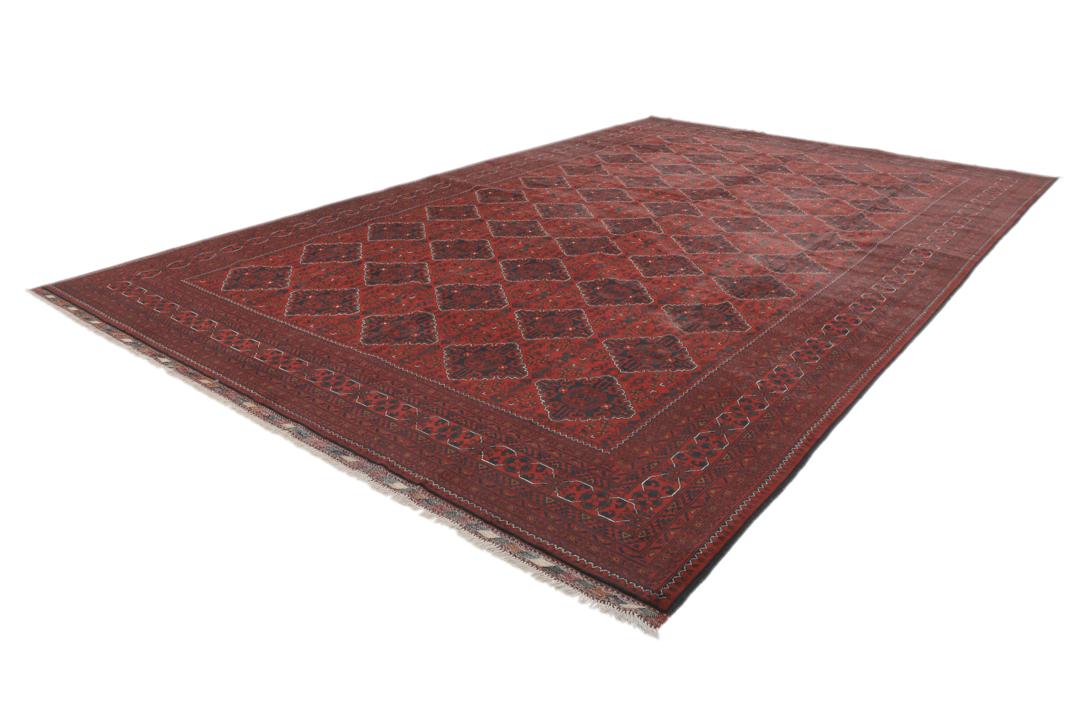
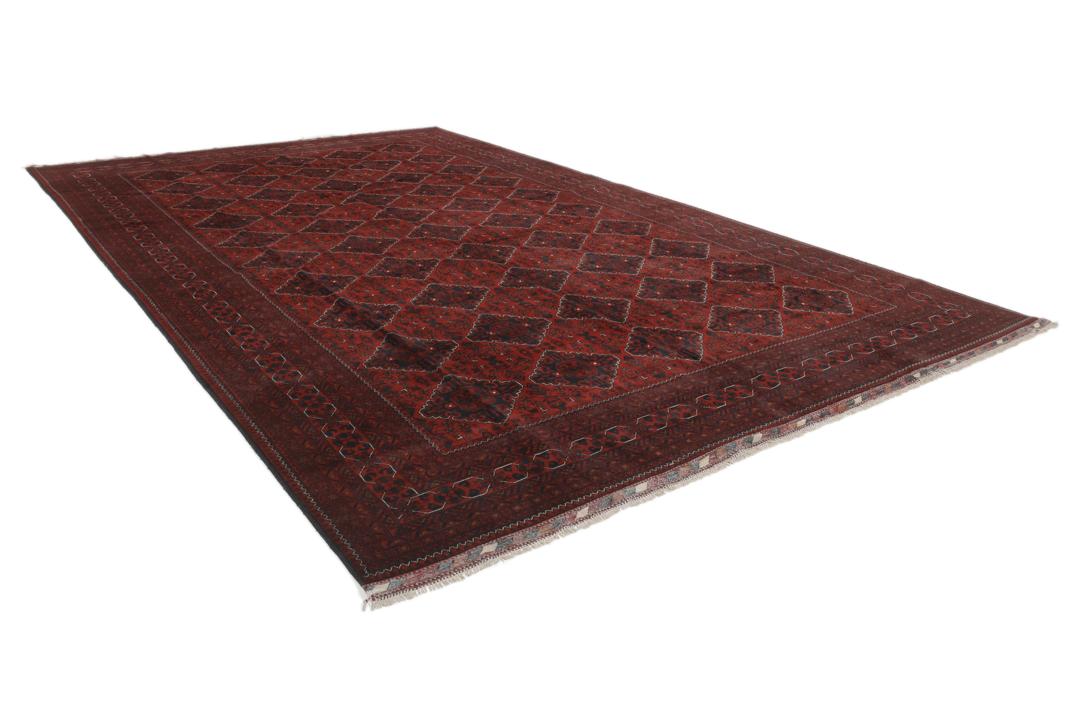
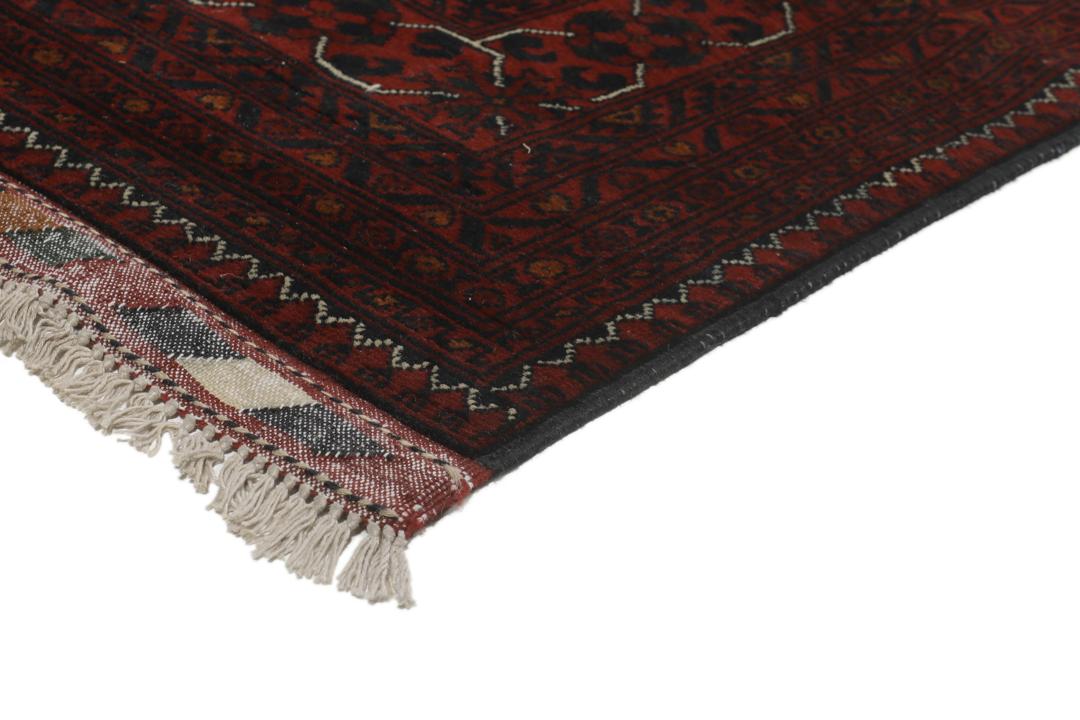
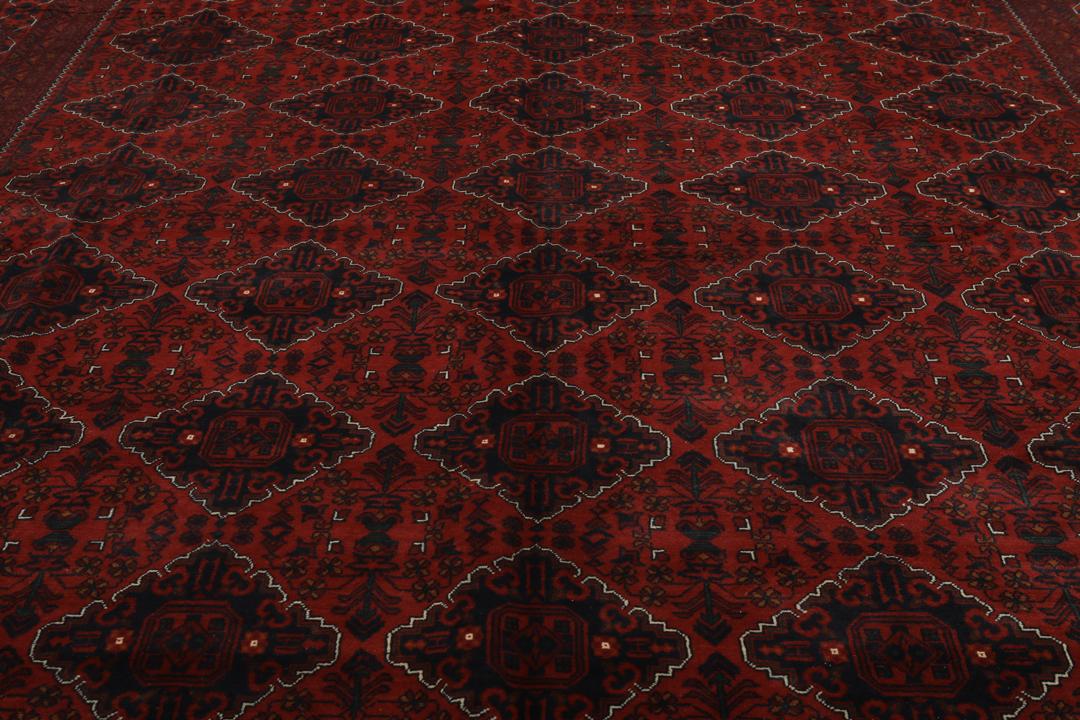
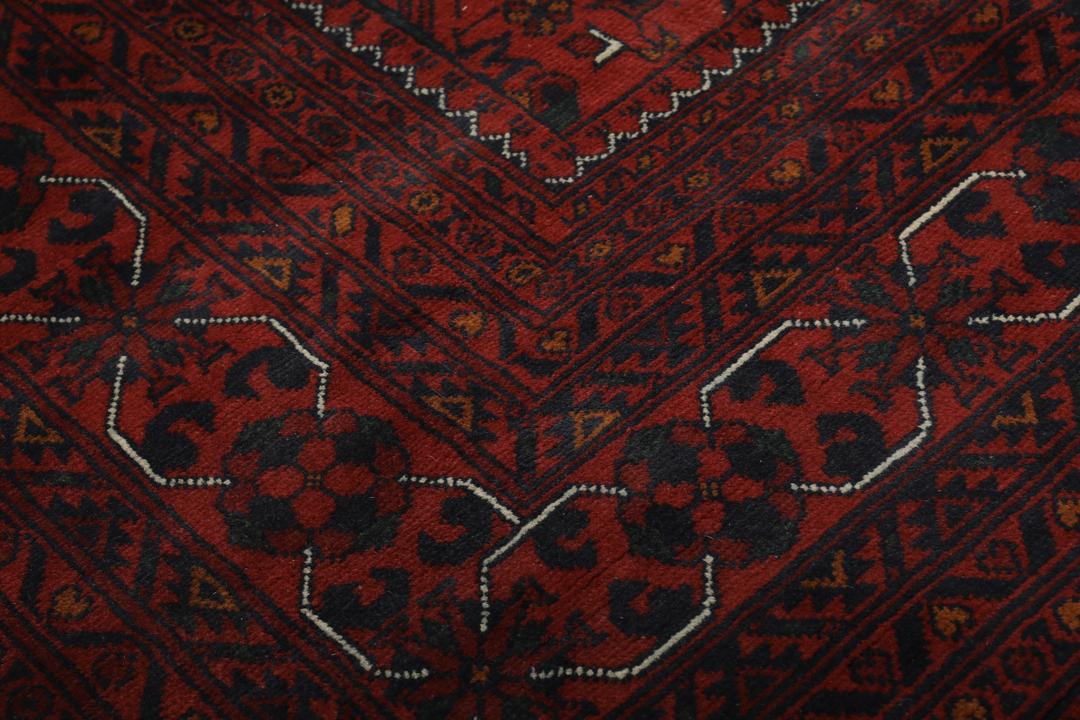
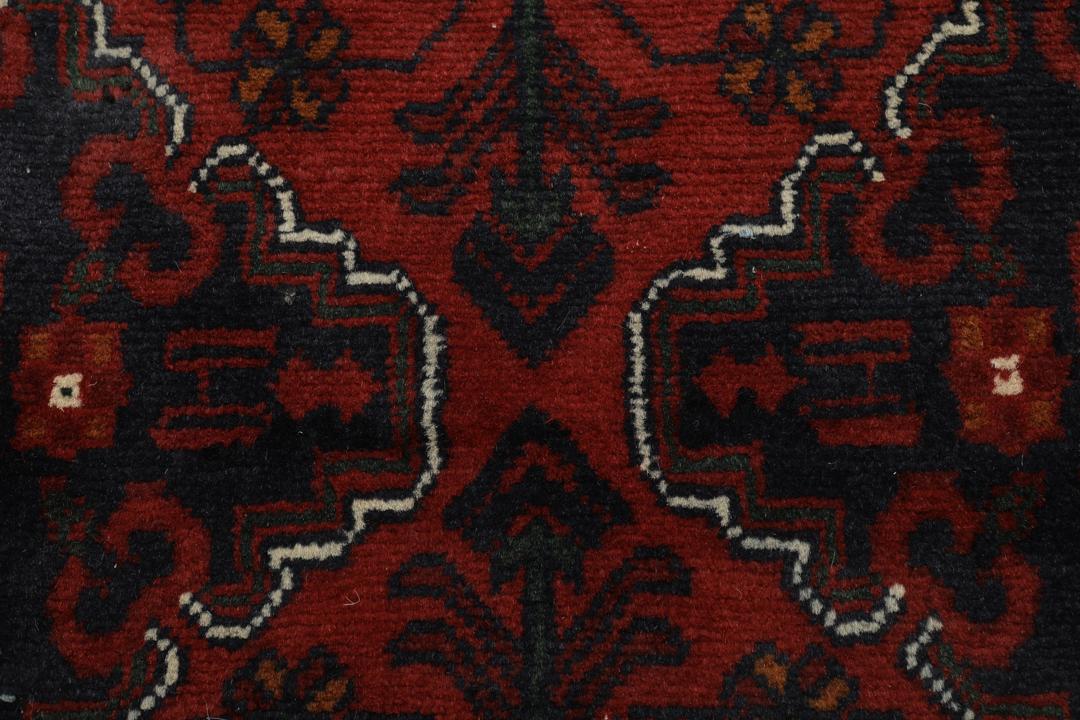
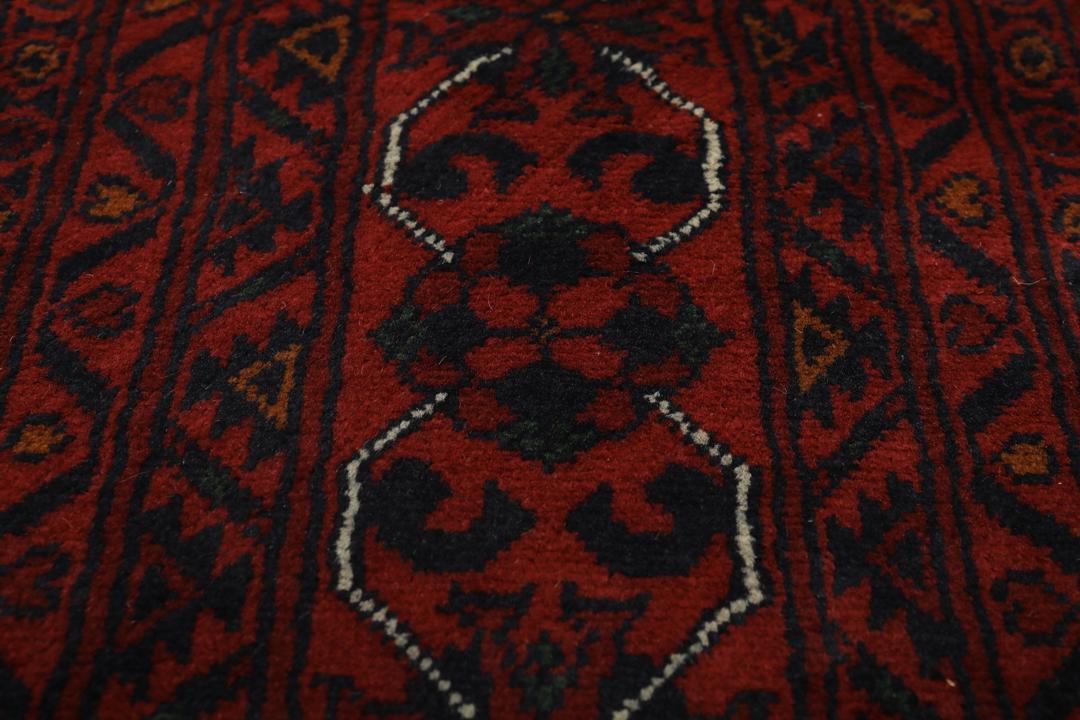
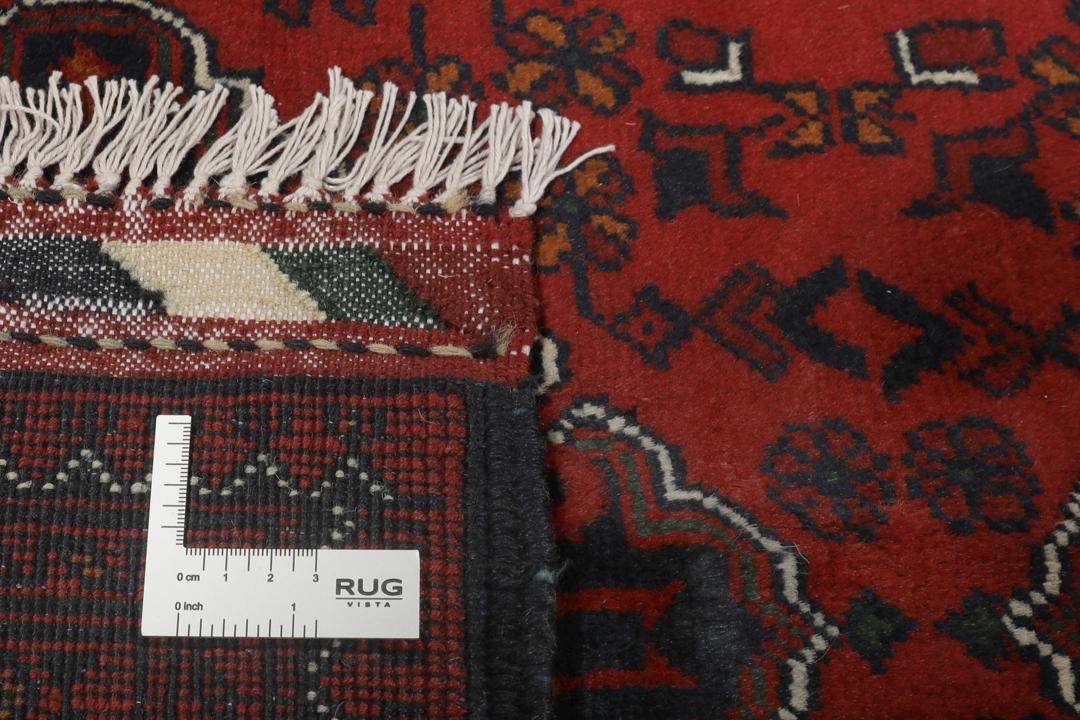
The design language of a Kunduz rug is typically characterised by repeating geometric medallions, often referred to as guls, which are arranged in orderly rows across the field. These motifs are frequently framed by intricate, multi-layered borders that demonstrate the weaver's command over symmetry and balance. The deep, dark-red and dark-blue tones are hallmarks of the region's classic aesthetic, achieved through traditional dyeing techniques that produce rich, enduring colours.
Collecting a Kunduz rug is an investment in cultural heritage and human skill. These pieces are valued for their ability to bring a sense of history and warmth into contemporary homes. By choosing a hand-knotted rug from this tradition, you are supporting a craft that values slow, deliberate production over speed, ensuring that the legacy of Afghan weaving continues to be appreciated for its beauty and longevity.