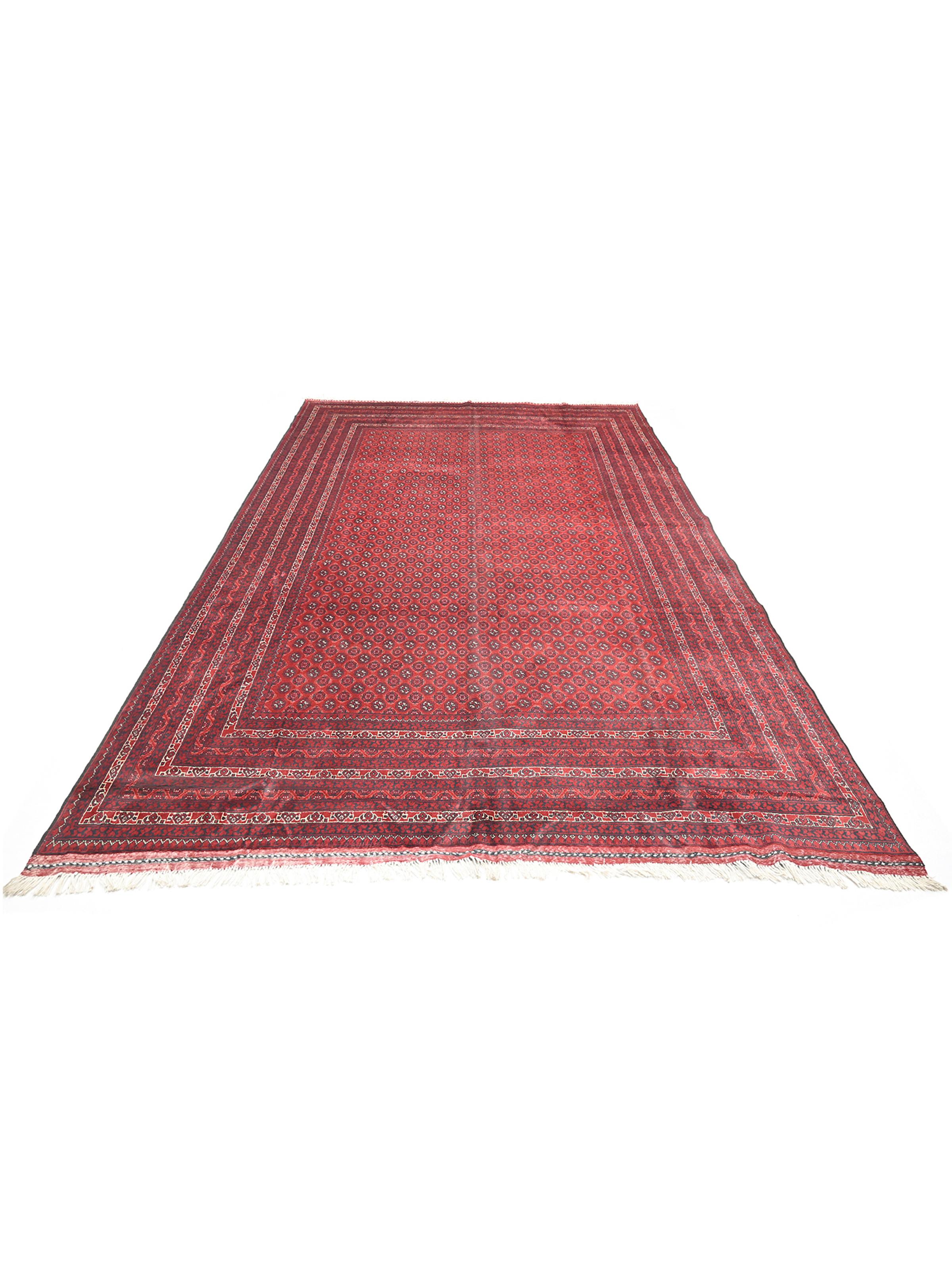
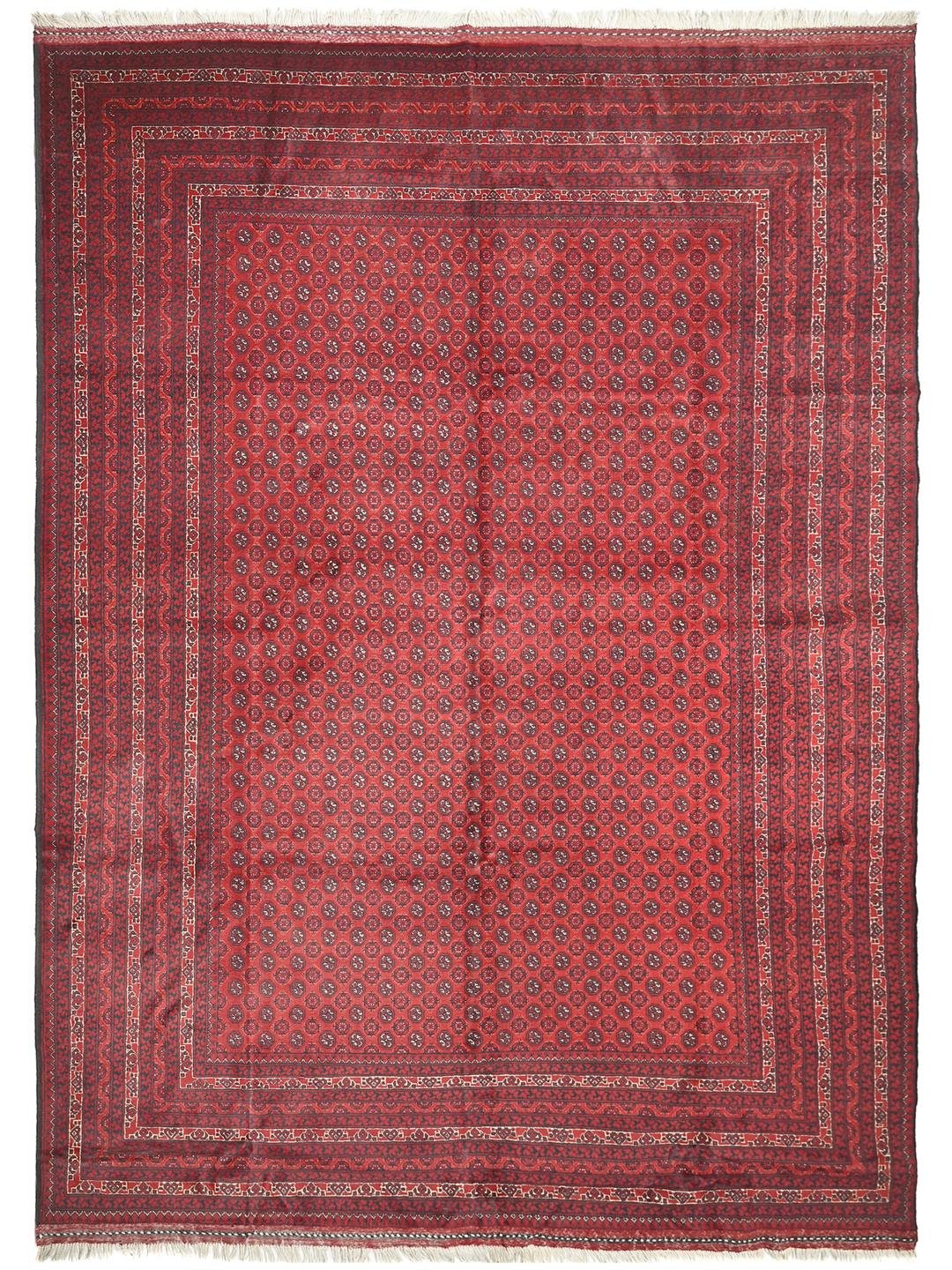
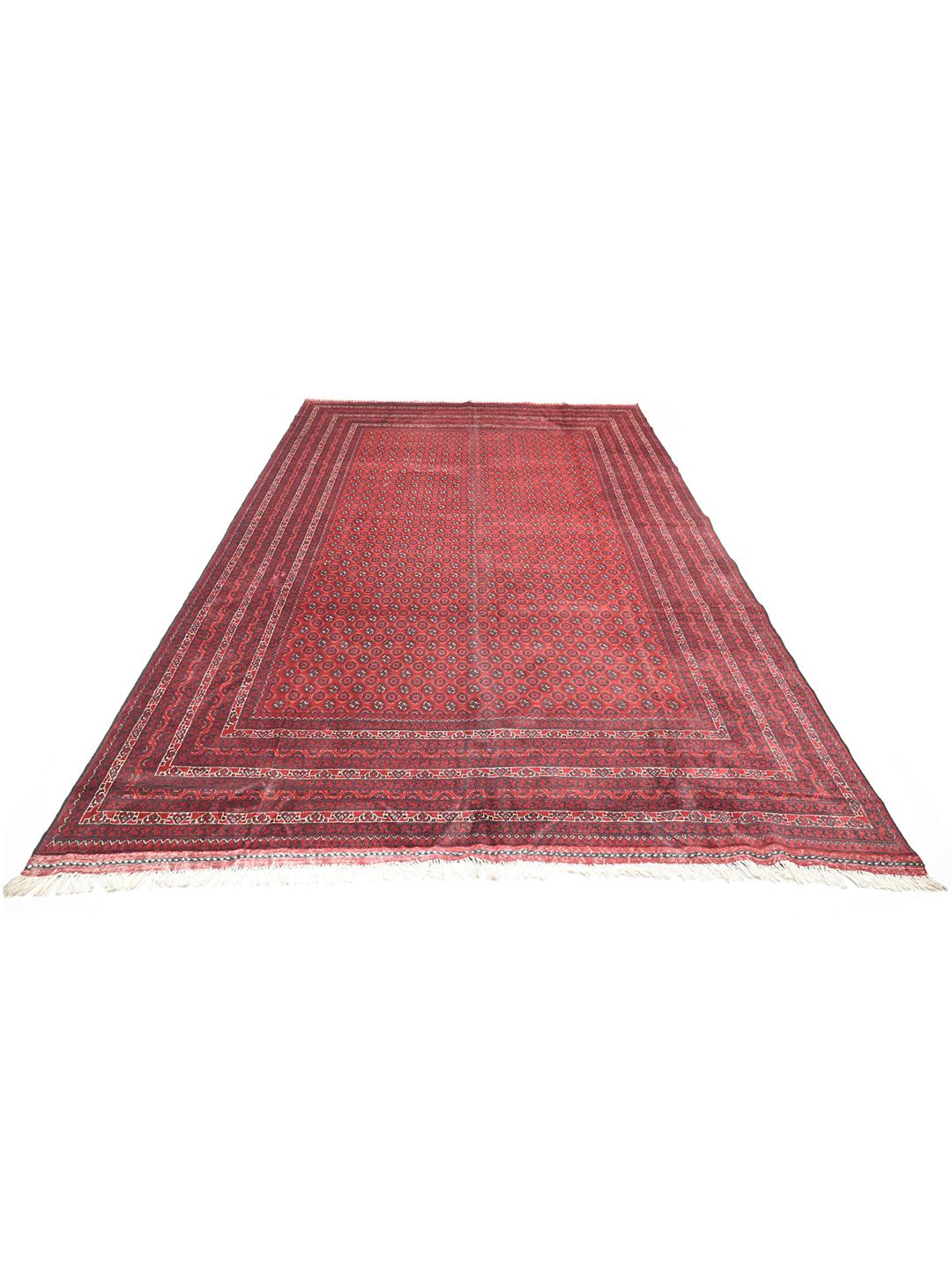
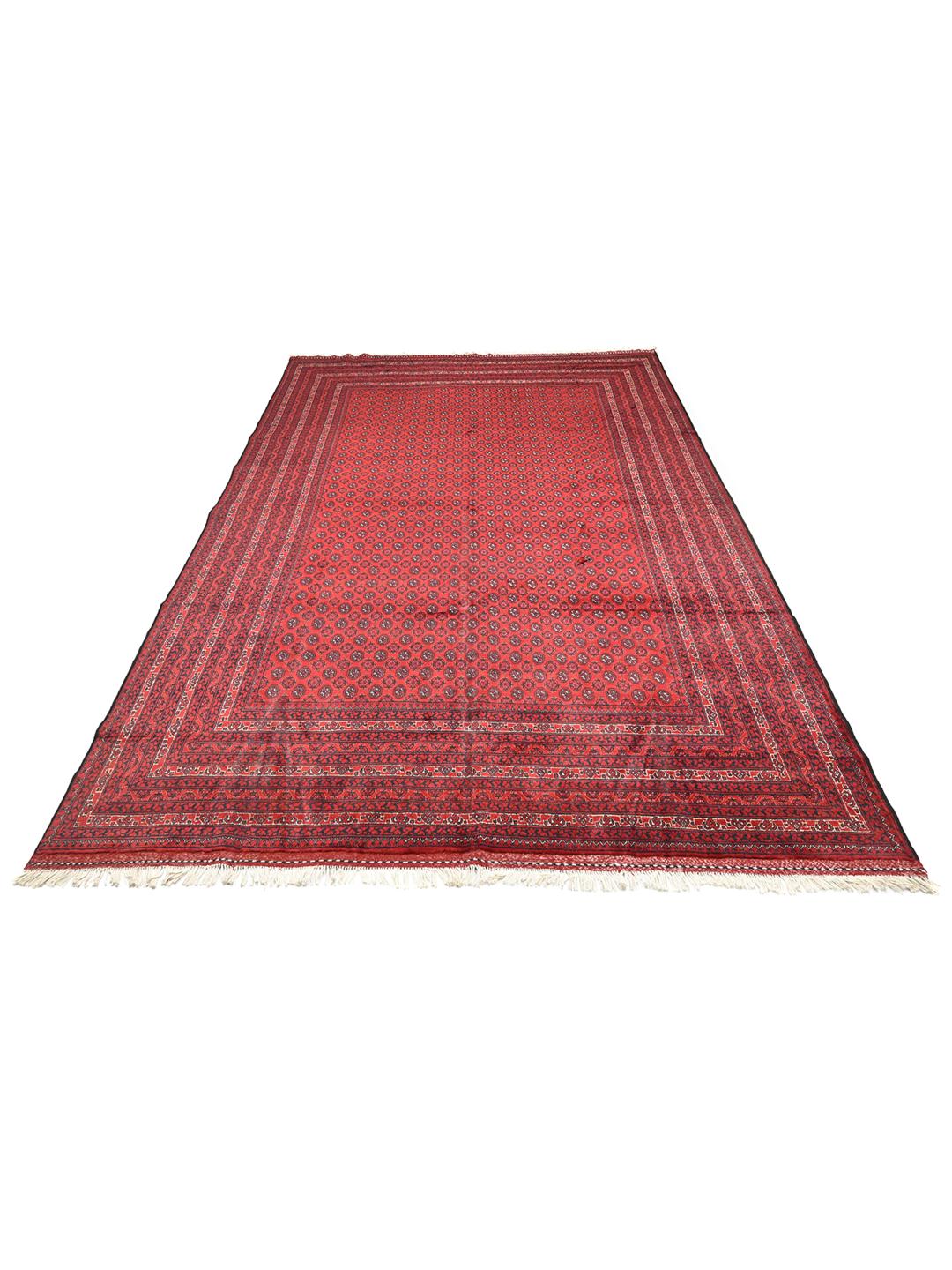
The Kunduz rug takes its name from the historic city in northern Afghanistan, a region with a long and storied tradition of weaving that has evolved over centuries. These rugs are deeply connected to the cultural landscape of the Middle East, drawing on generations of knowledge passed down through families. The region's history as a crossroads of trade and culture has heavily influenced the development of these rugs, resulting in a distinct visual language that is both recognisable and deeply respected.
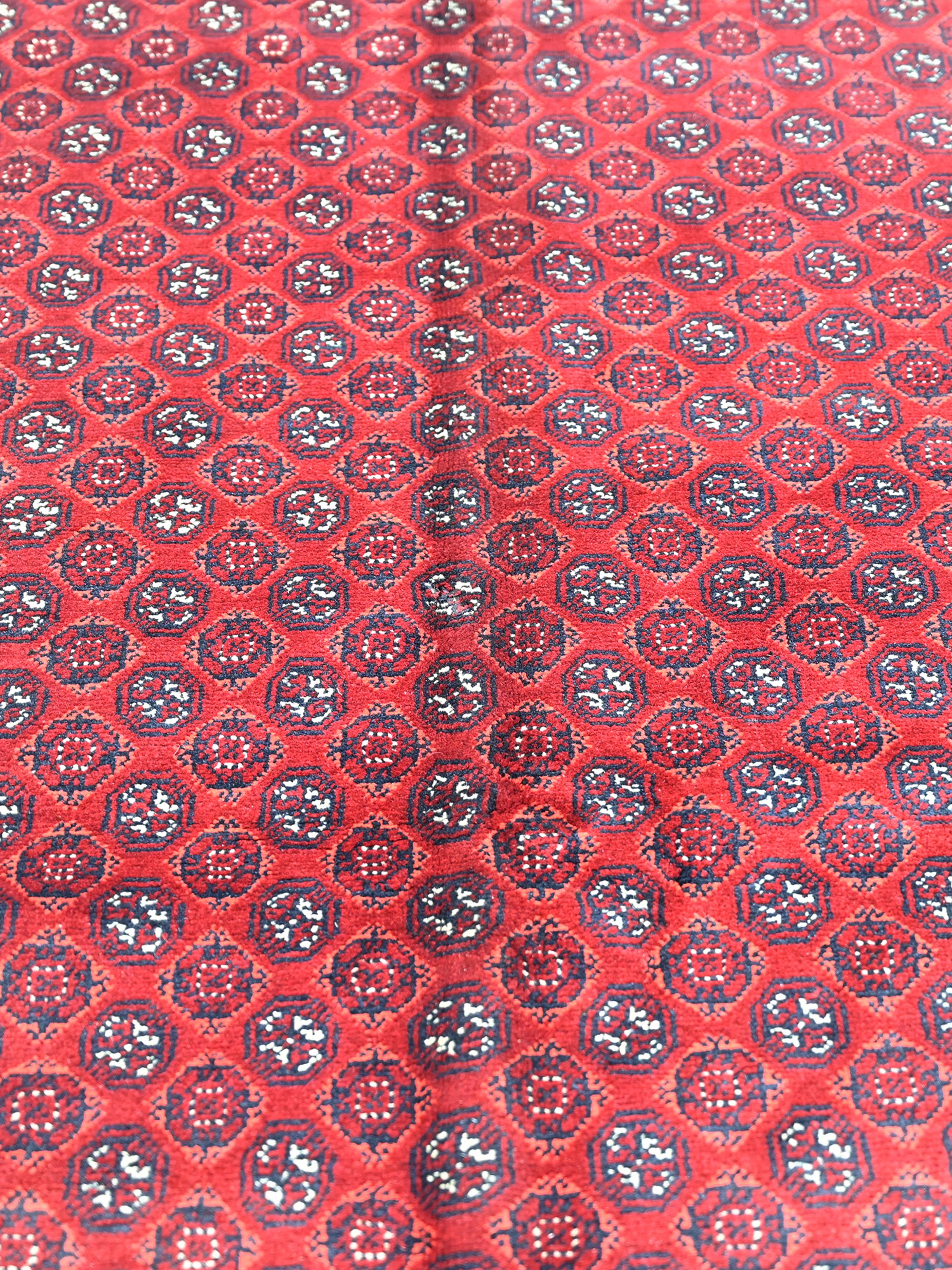
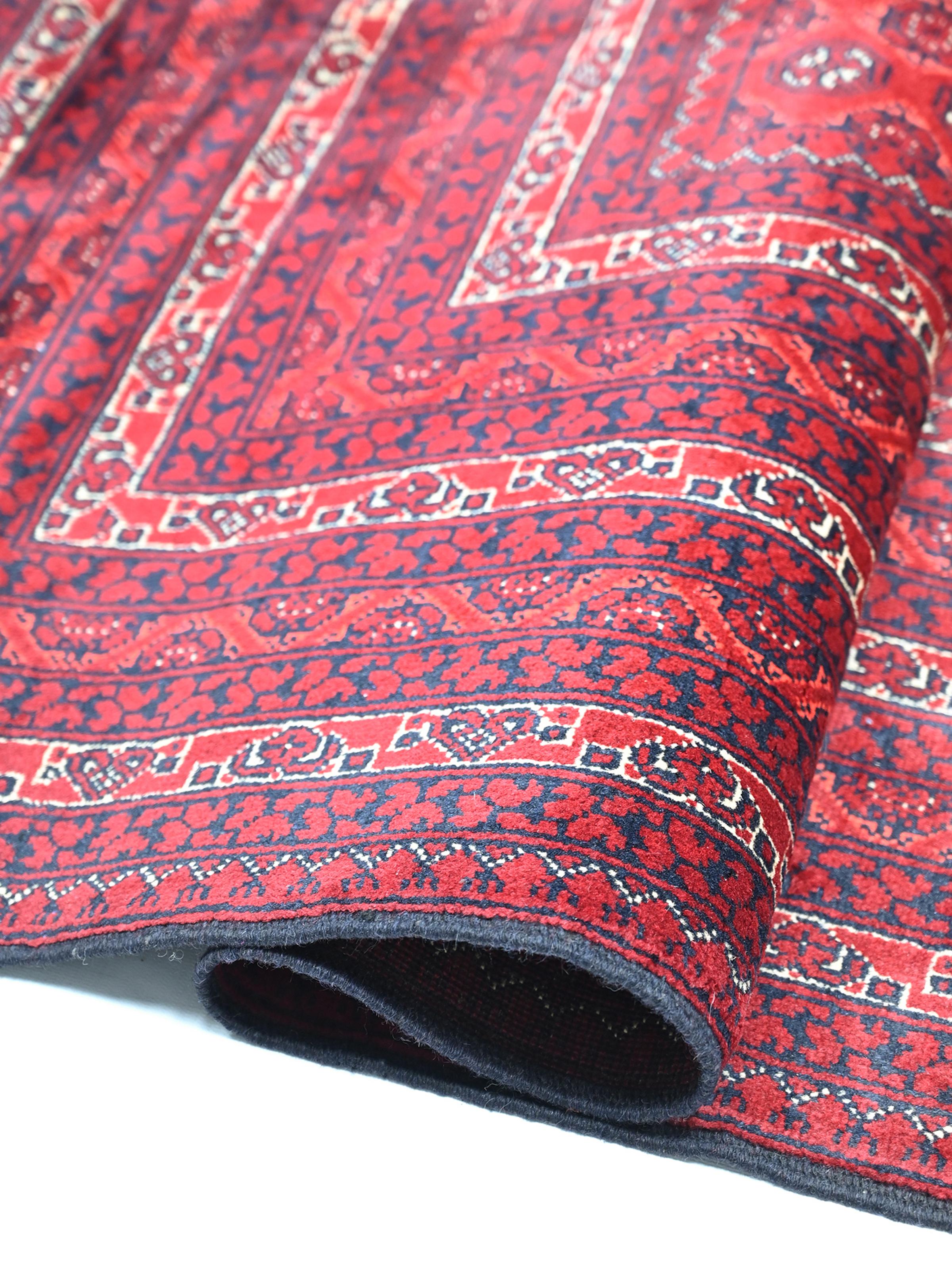
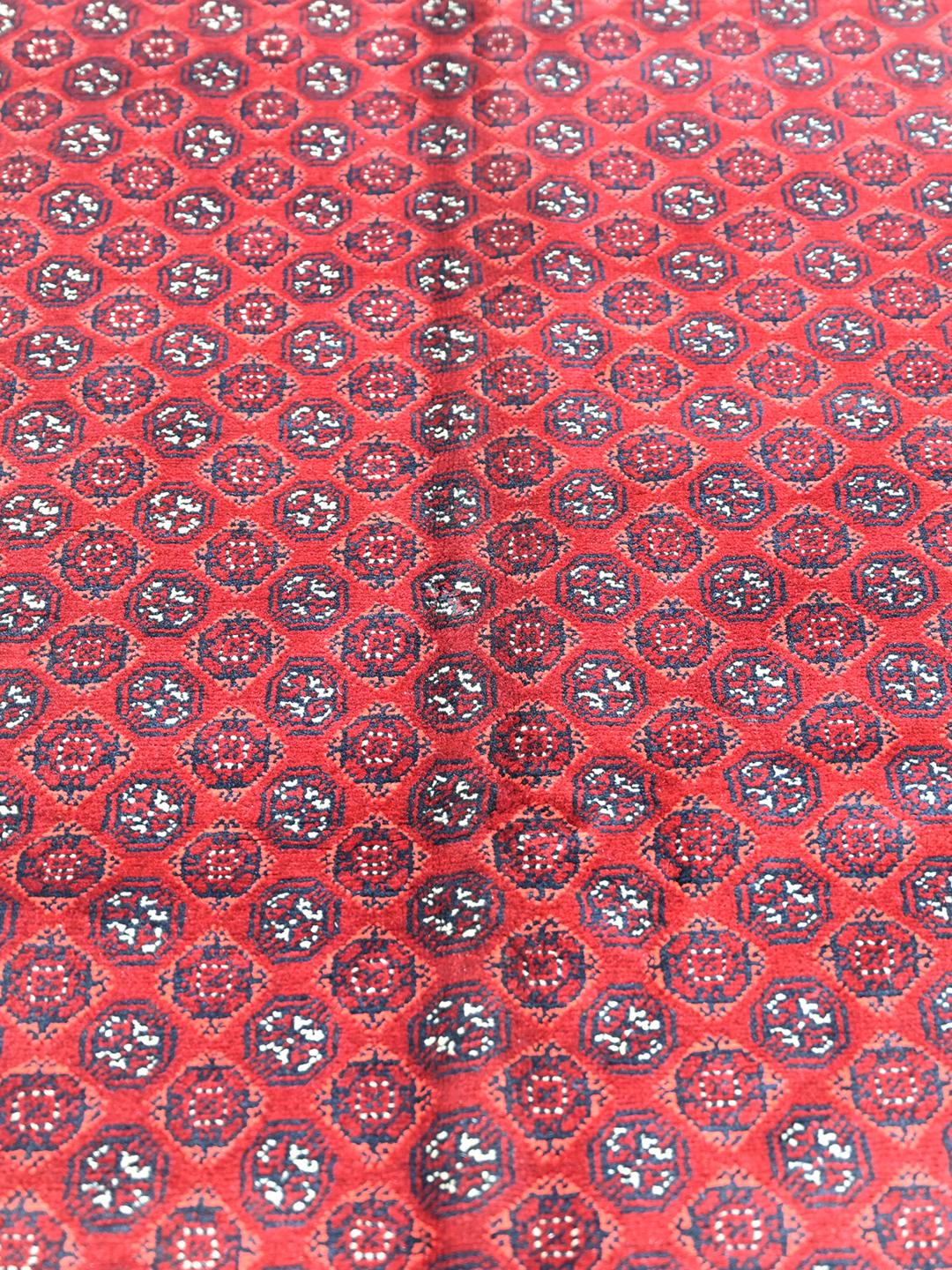
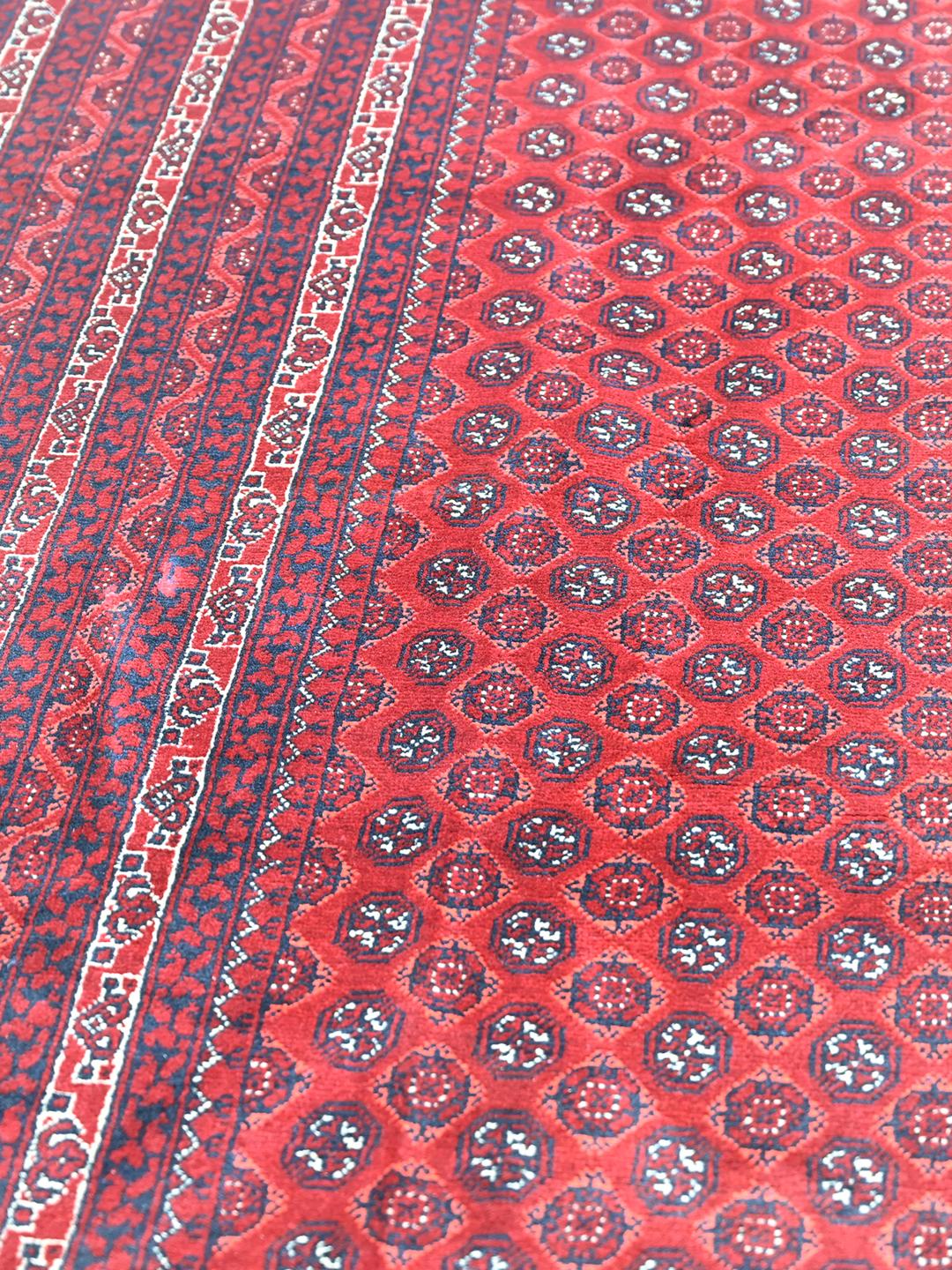
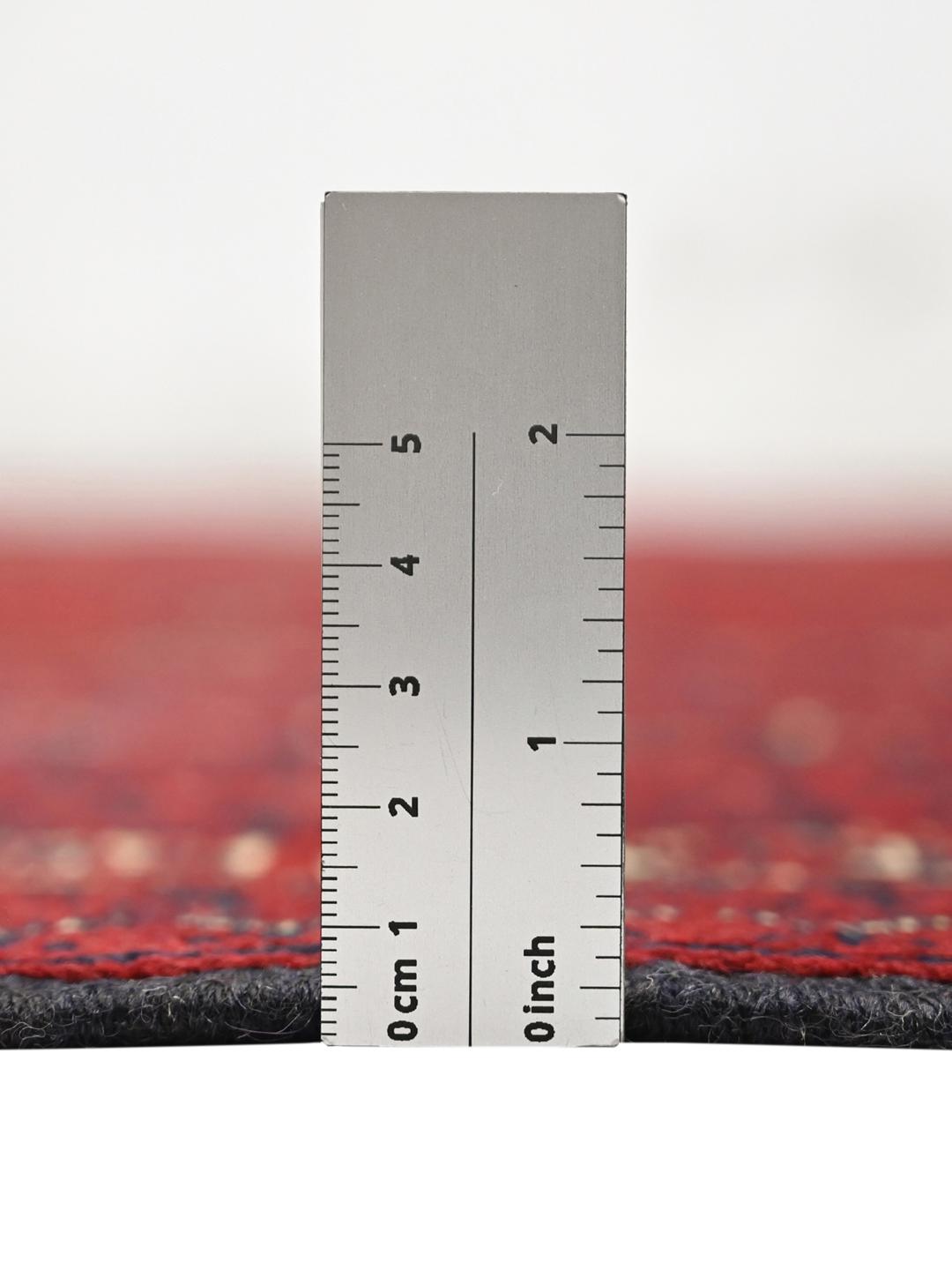
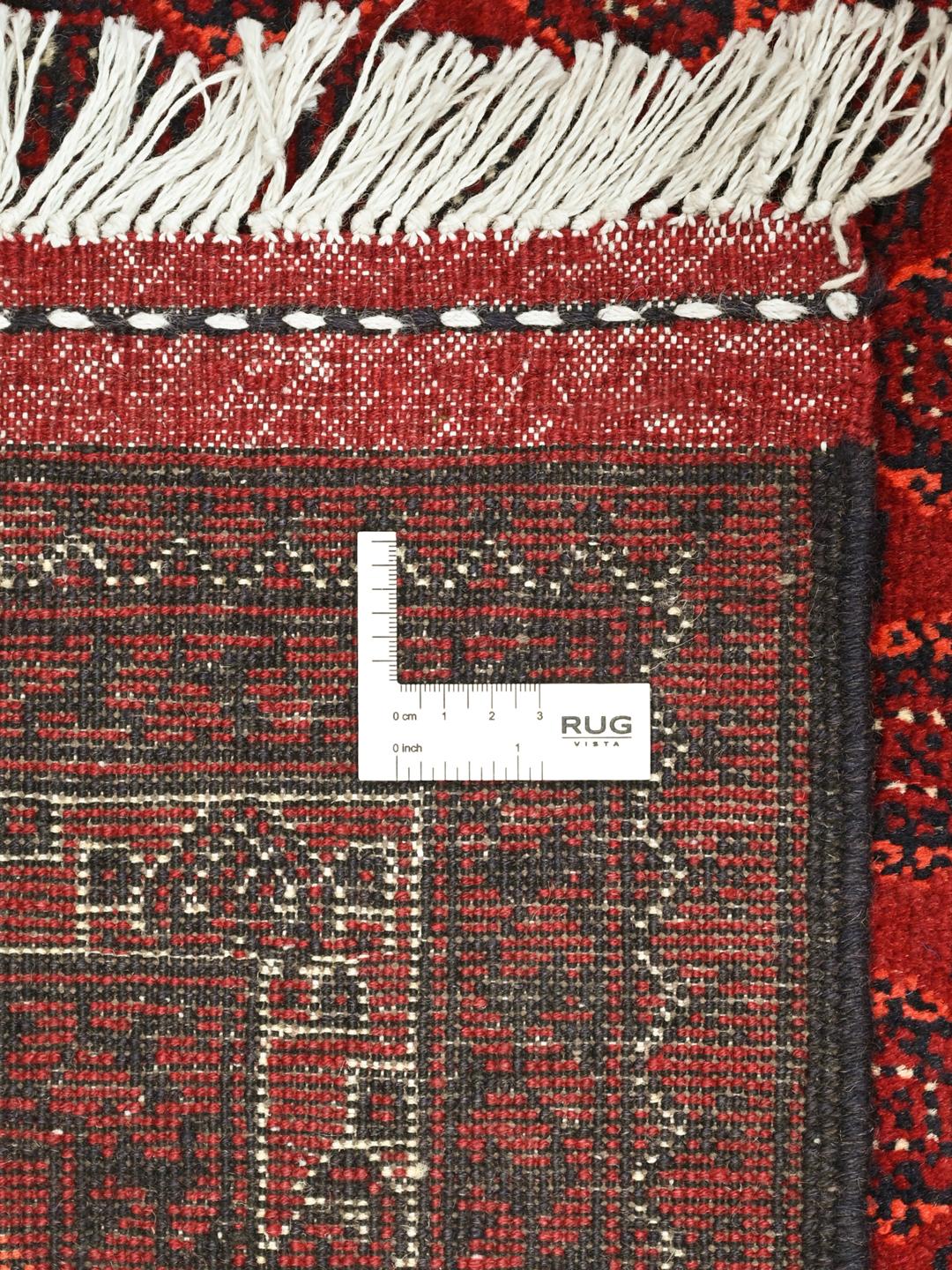
The technique of hand-knotting is the heart of what makes these rugs special. By tying individual strands of wool to a foundation of cotton, weavers create a robust structure that is built for longevity. This method allows for a density and pile quality that provides both warmth and durability, ensuring that the rug maintains its integrity even after decades of use. It is a slow, rhythmic process that transforms raw, natural fibres into a functional piece of art.
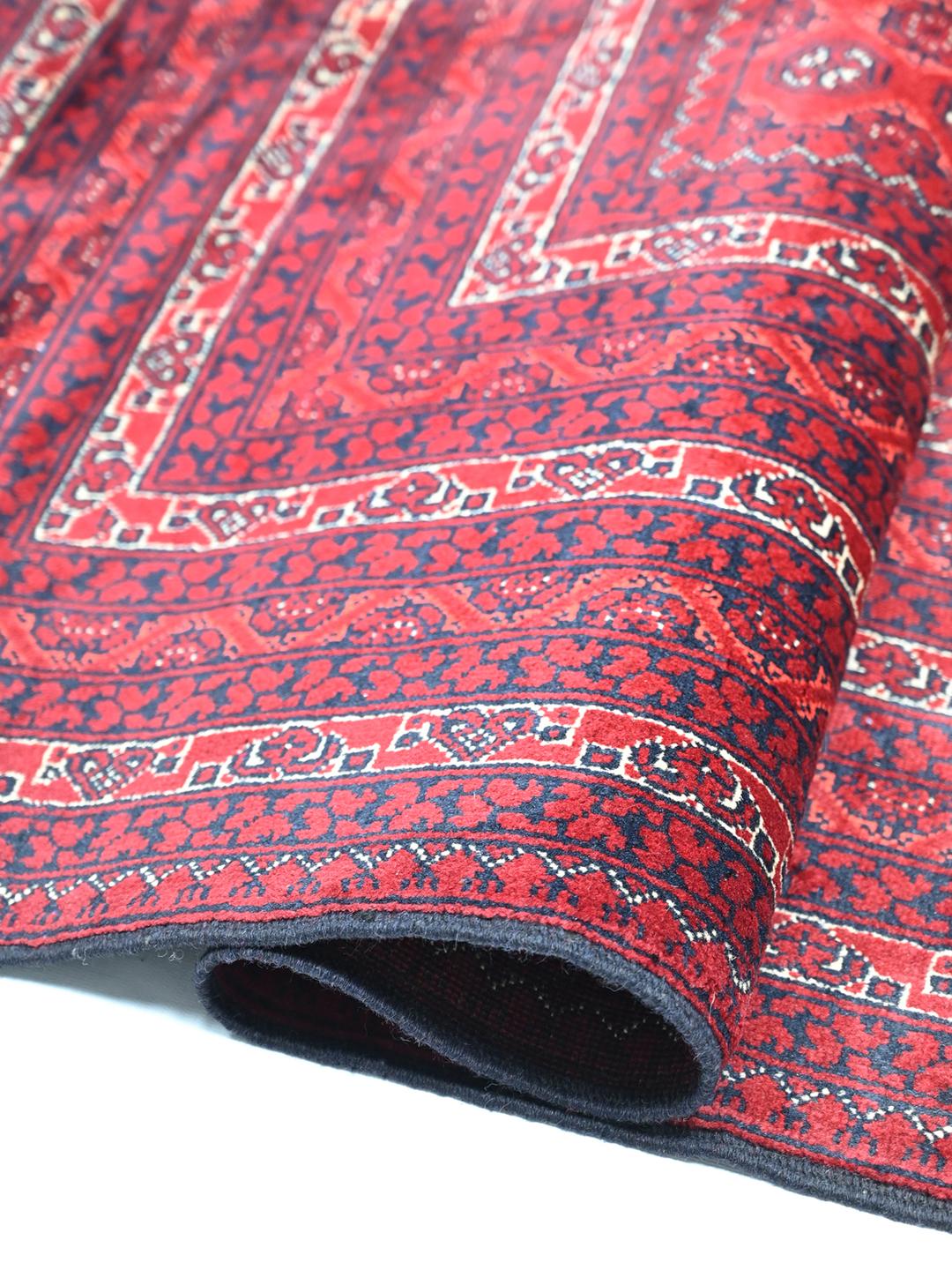
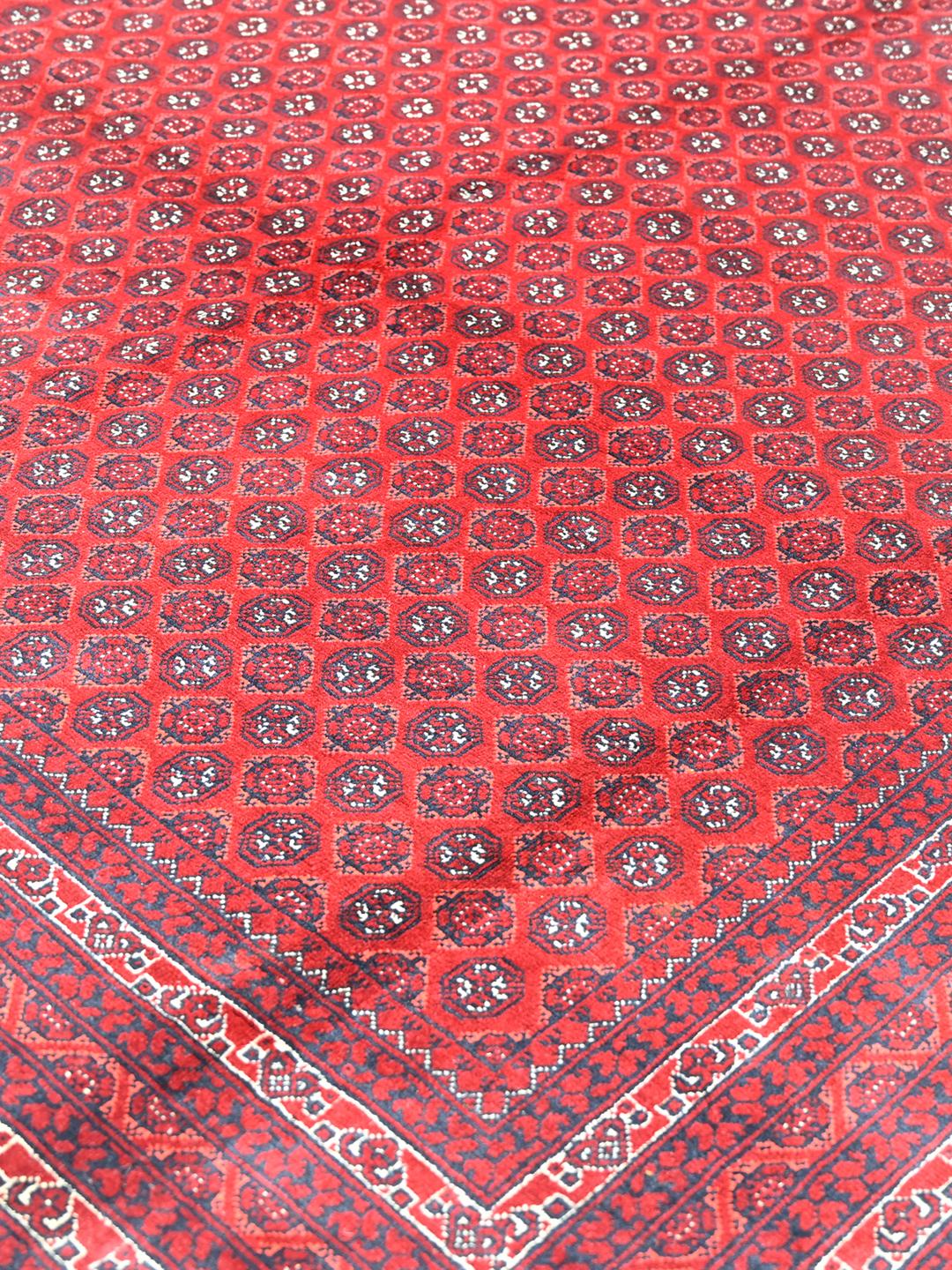
Signature design elements in Kunduz rugs often feature geometric patterns and tribal-inspired motifs that reflect the identity of the weavers. These designs are frequently arranged in a balanced, symmetrical fashion, often enclosed by elaborate borders that frame the central field. The use of deep, resonant red tones is a hallmark of this tradition, symbolising vitality and providing a consistent aesthetic that anchors the rug in its regional heritage.
These rugs are highly valued by collectors and enthusiasts for their cultural weight and the undeniable skill required to produce them. Owning a Kunduz rug is not merely about floor coverage; it is about preserving a legacy of craft and supporting the continuation of an ancient tradition. Each rug tells a story of its origin and the hands that created it, making it a meaningful addition to any collection that values quality, history, and the human element in design.