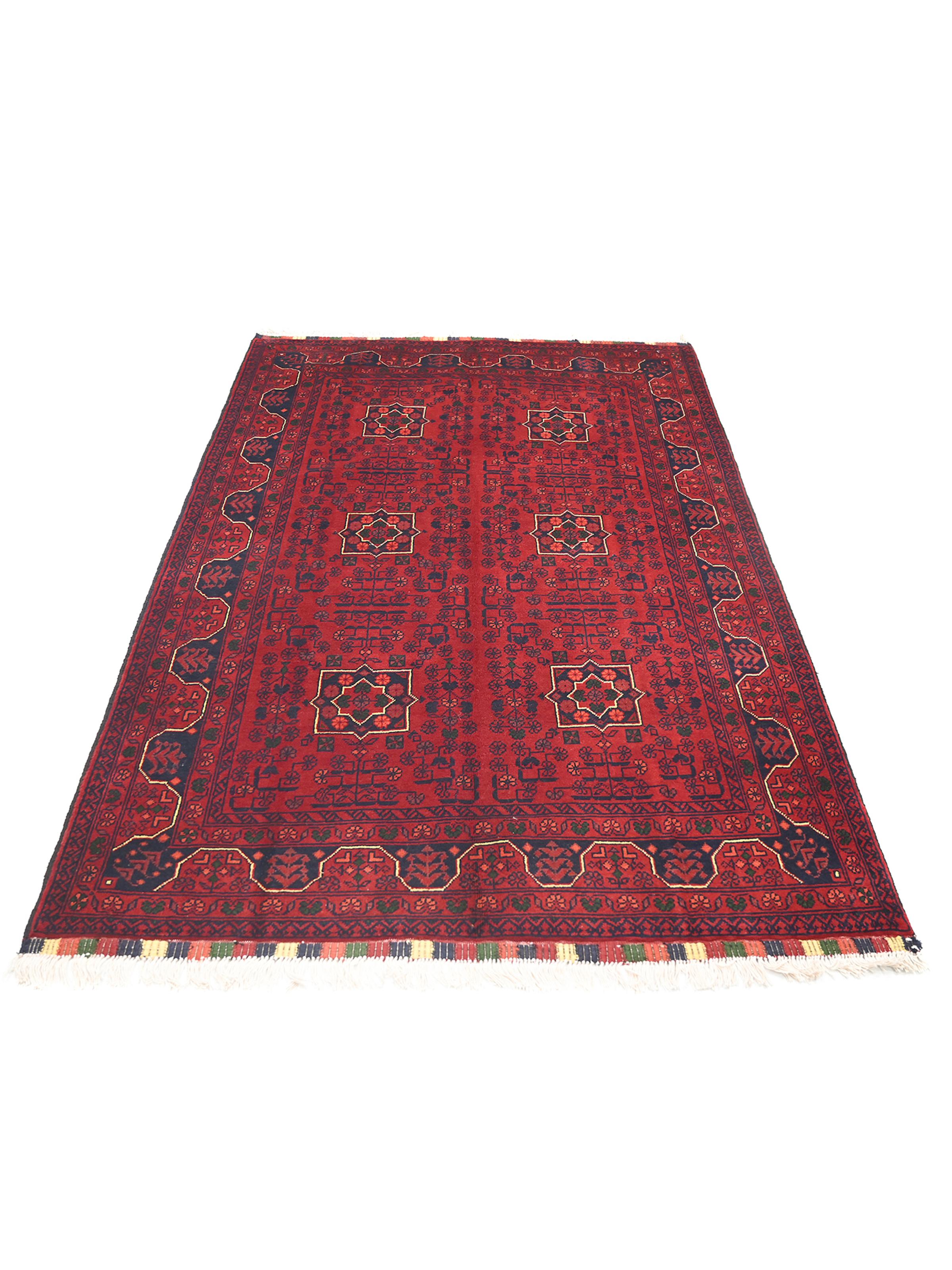
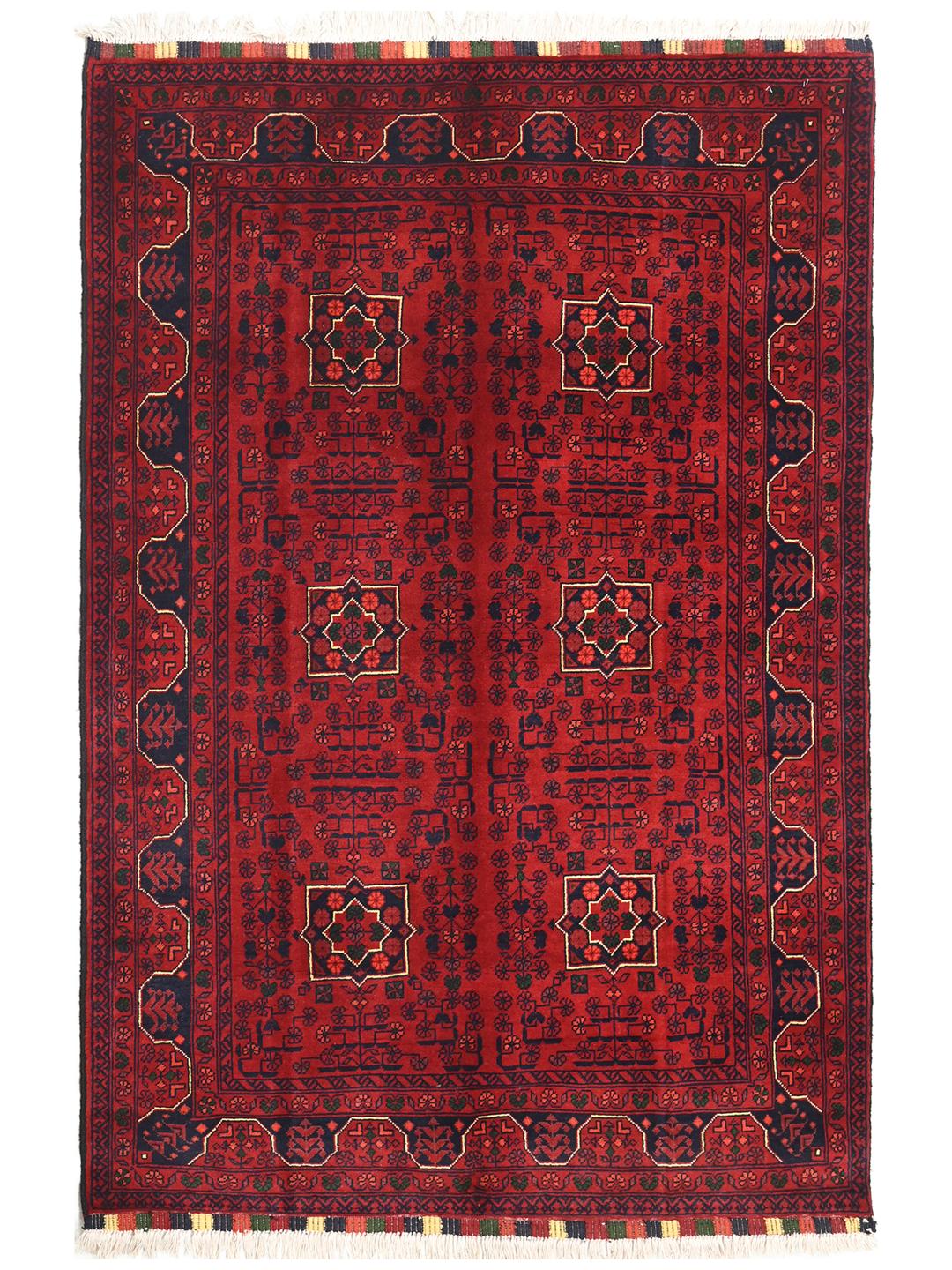
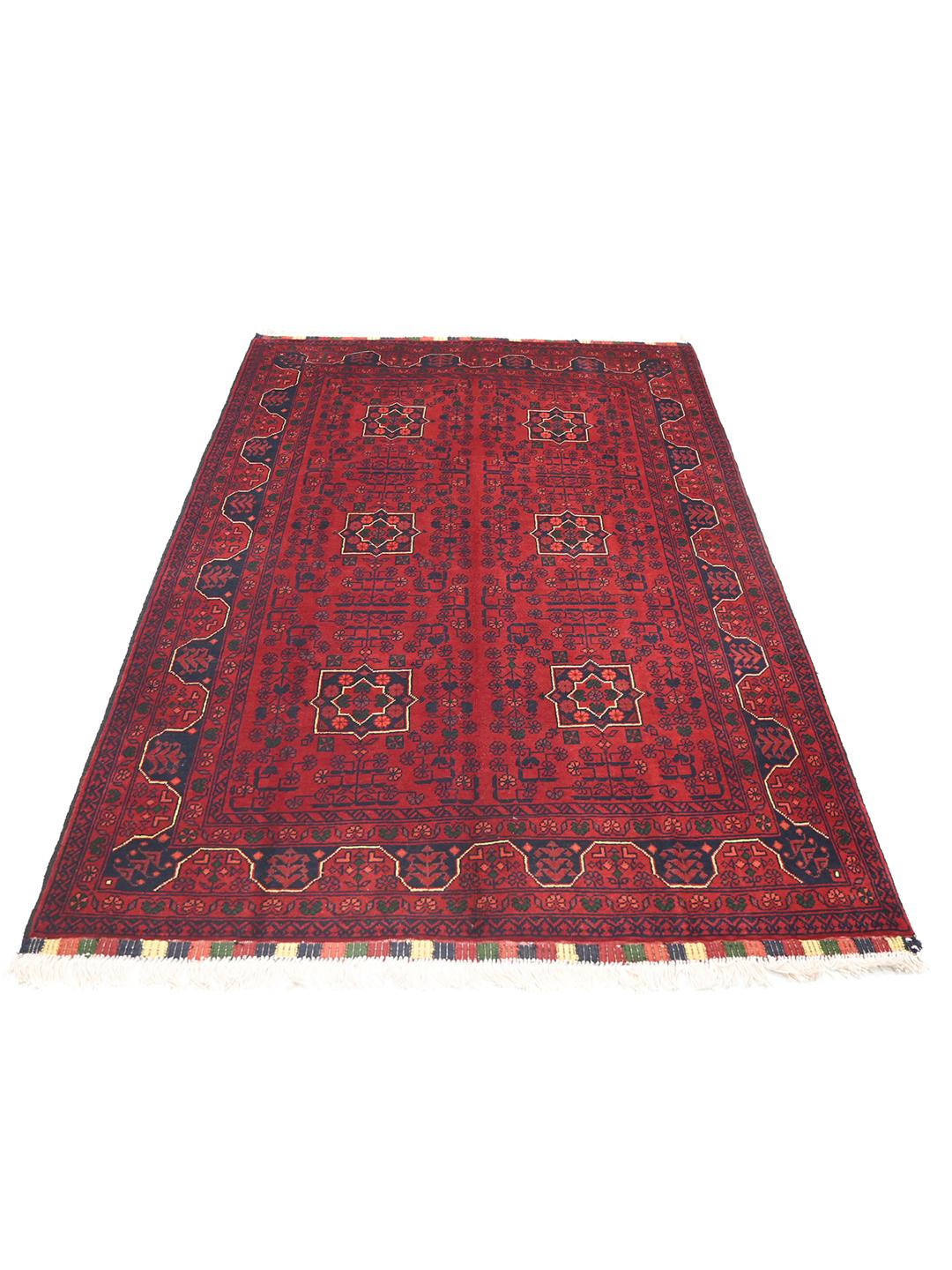
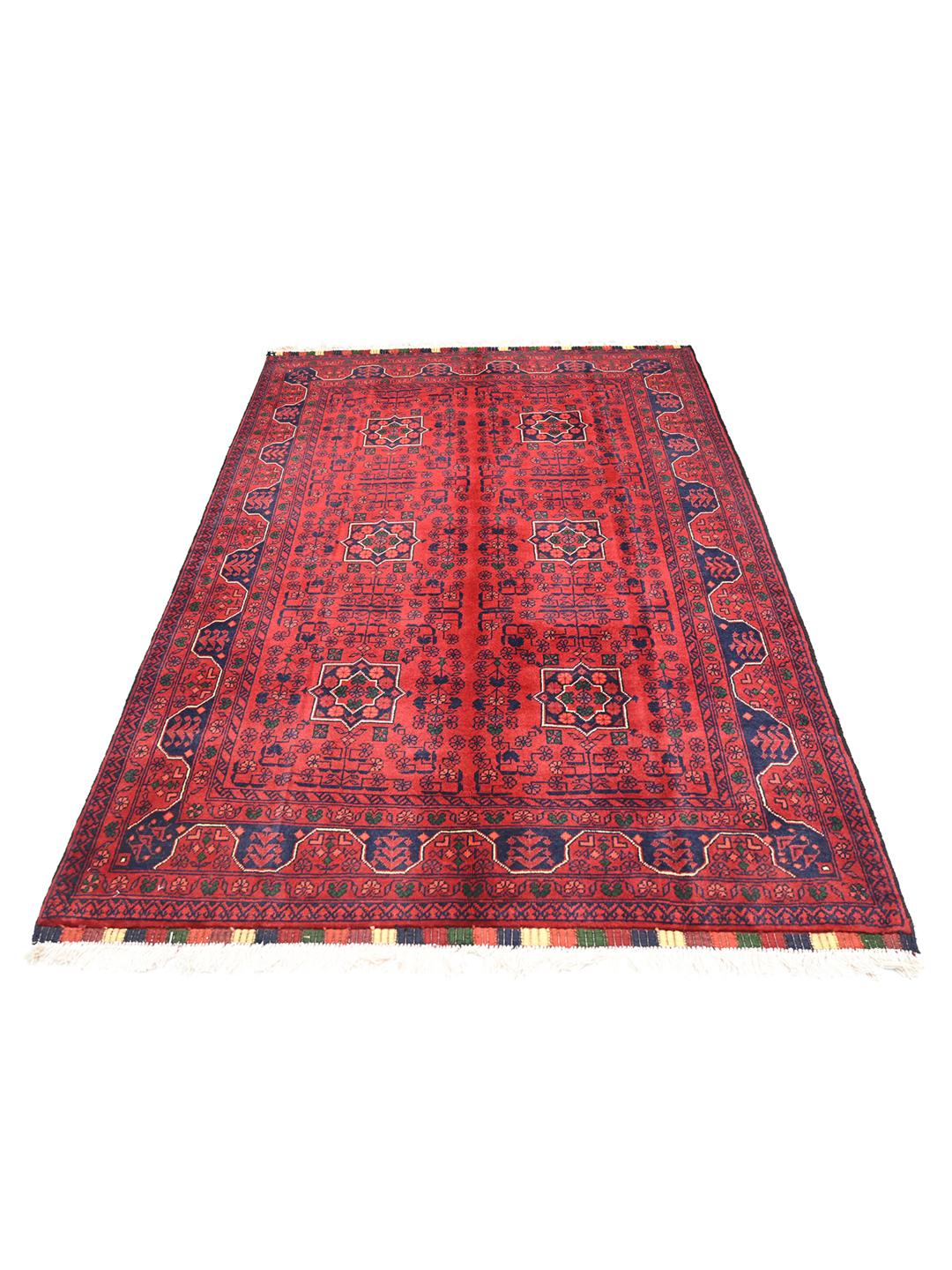
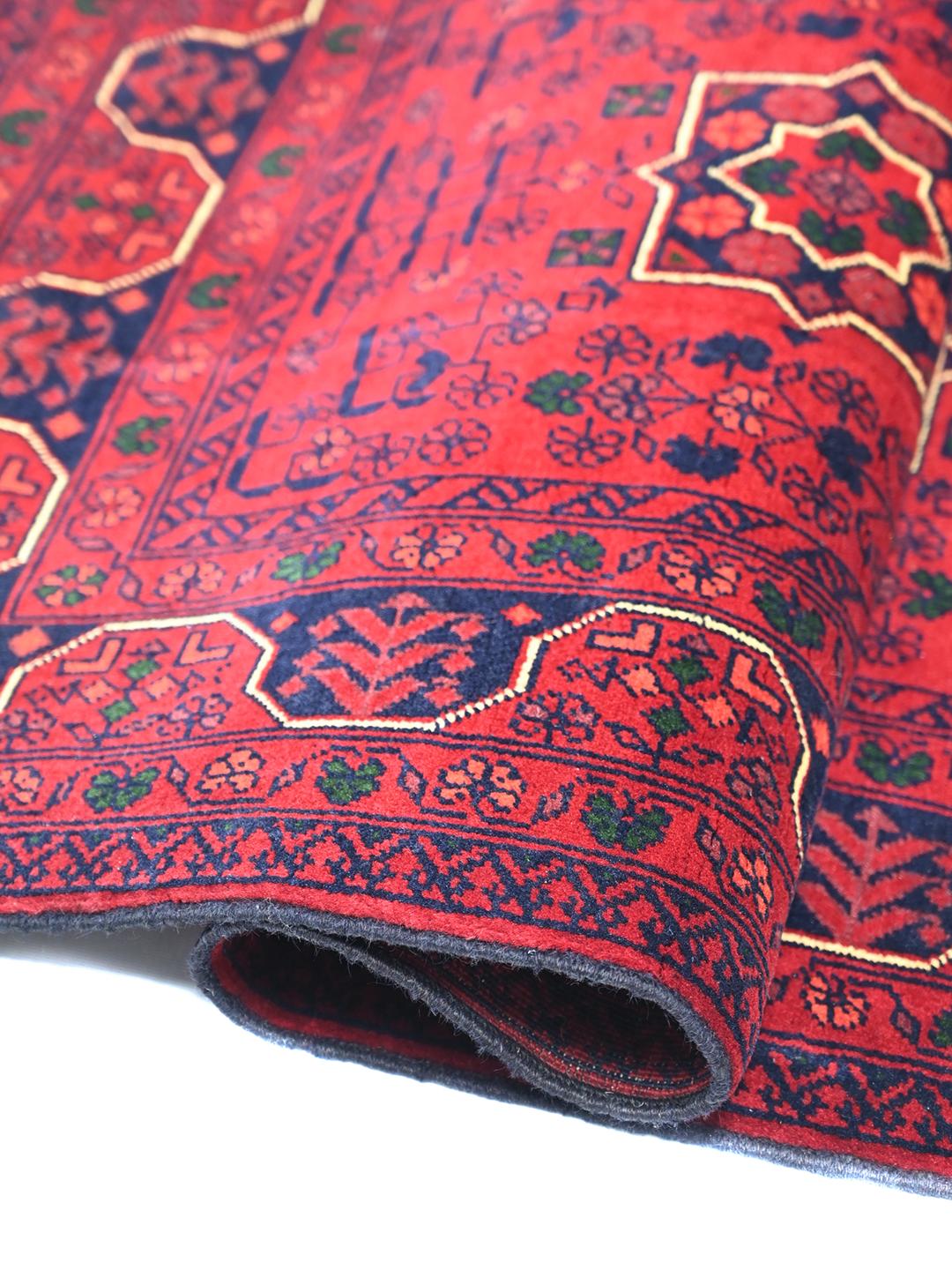
Kunduz rugs originate from the northern regions of Afghanistan, a land with a deep and storied history of nomadic and semi-nomadic weaving traditions. These rugs are highly regarded for their robust construction and the use of natural, earthy palettes that reflect the rugged landscape of their origin. Over generations, the weavers of this area have refined their techniques, creating a distinct style that bridges the gap between ancient tribal aesthetics and modern interior needs.
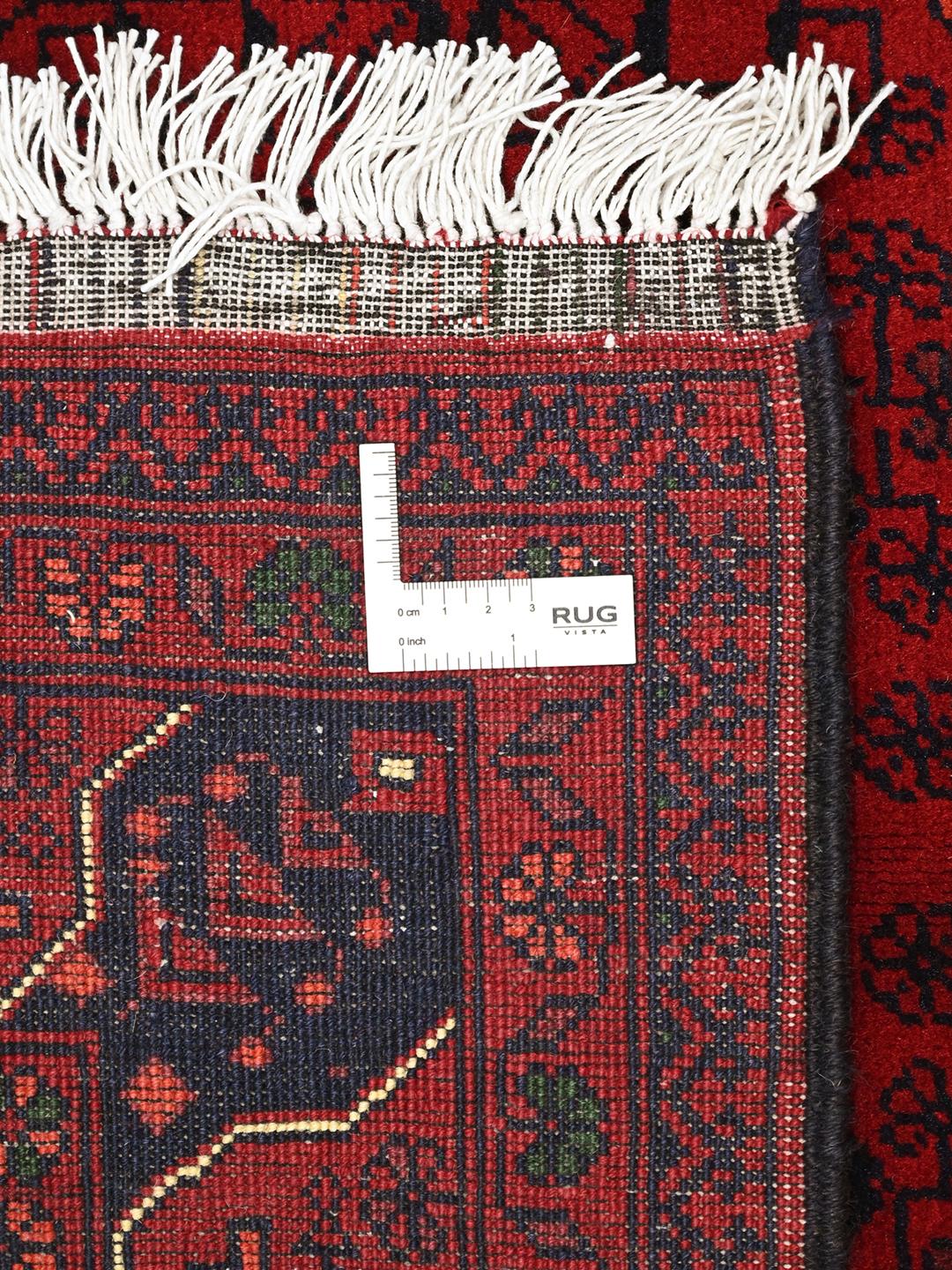
The term 'Kunduz' refers to both the city and the surrounding province, which serves as a vital hub for the trade and production of these textiles. The craft is deeply rooted in the local culture, where knowledge of wool preparation, natural dyeing, and complex knotting techniques is passed down through families. This continuity of practice ensures that each rug maintains the authentic character that collectors and enthusiasts have come to appreciate.
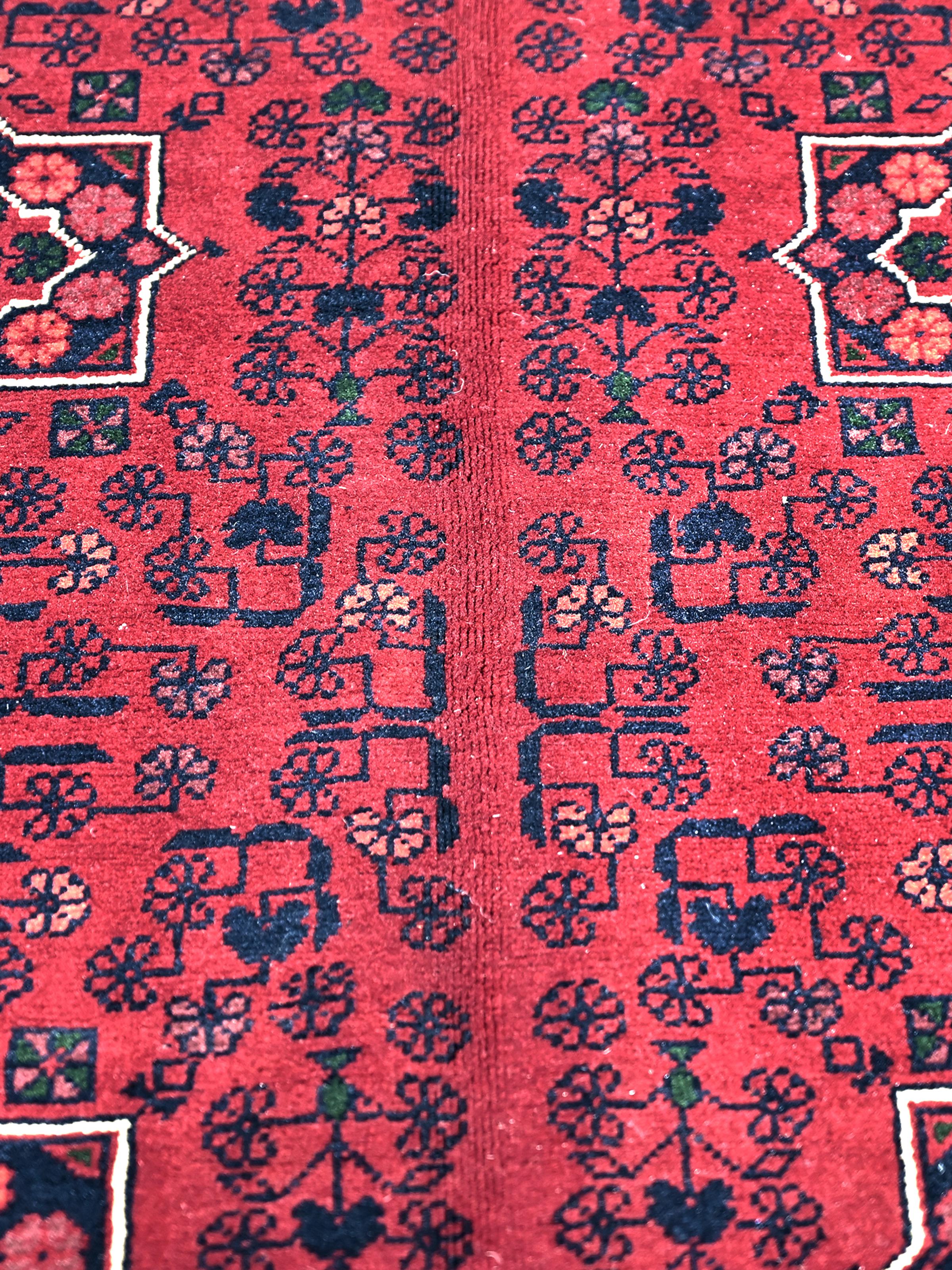
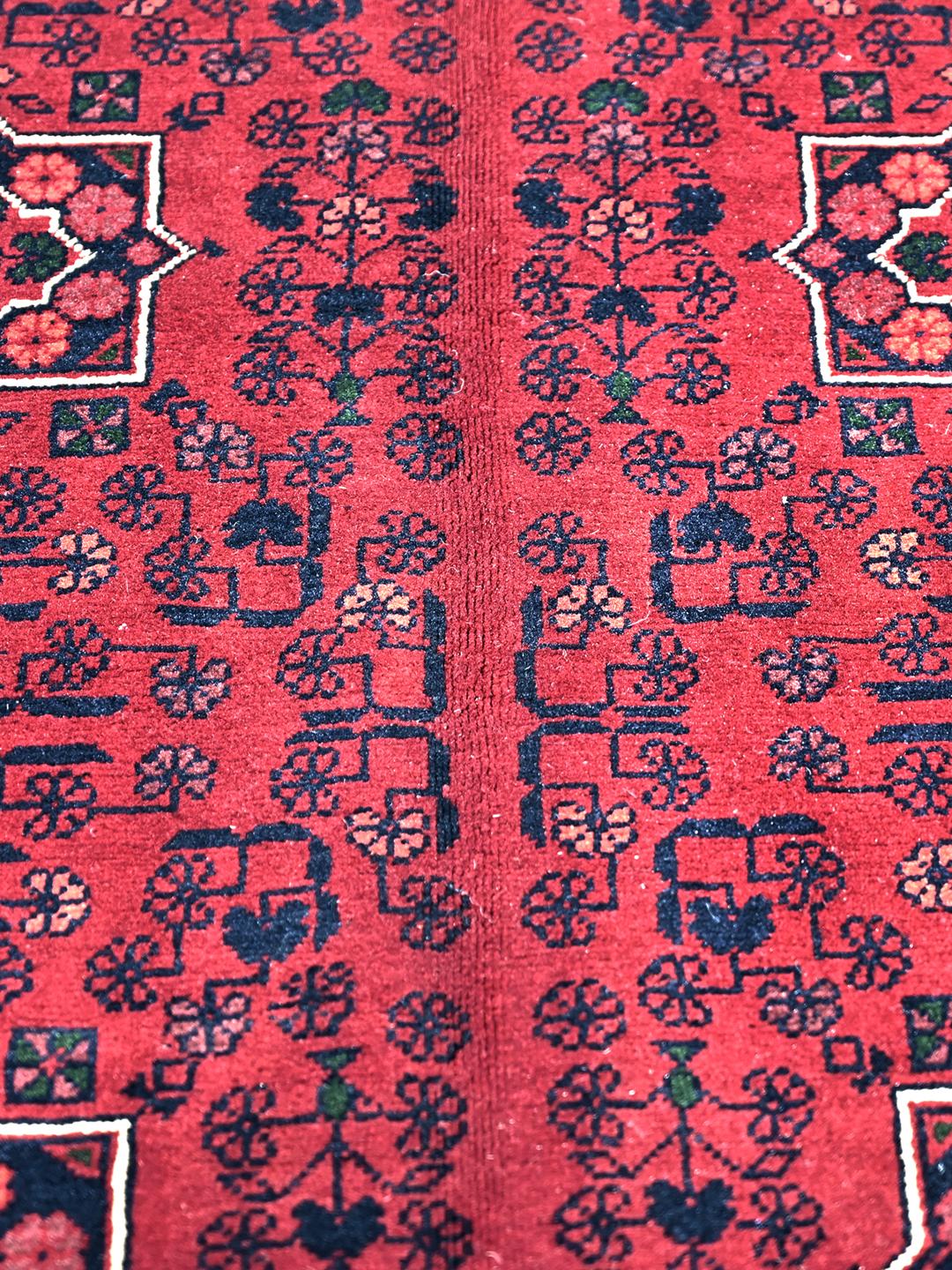
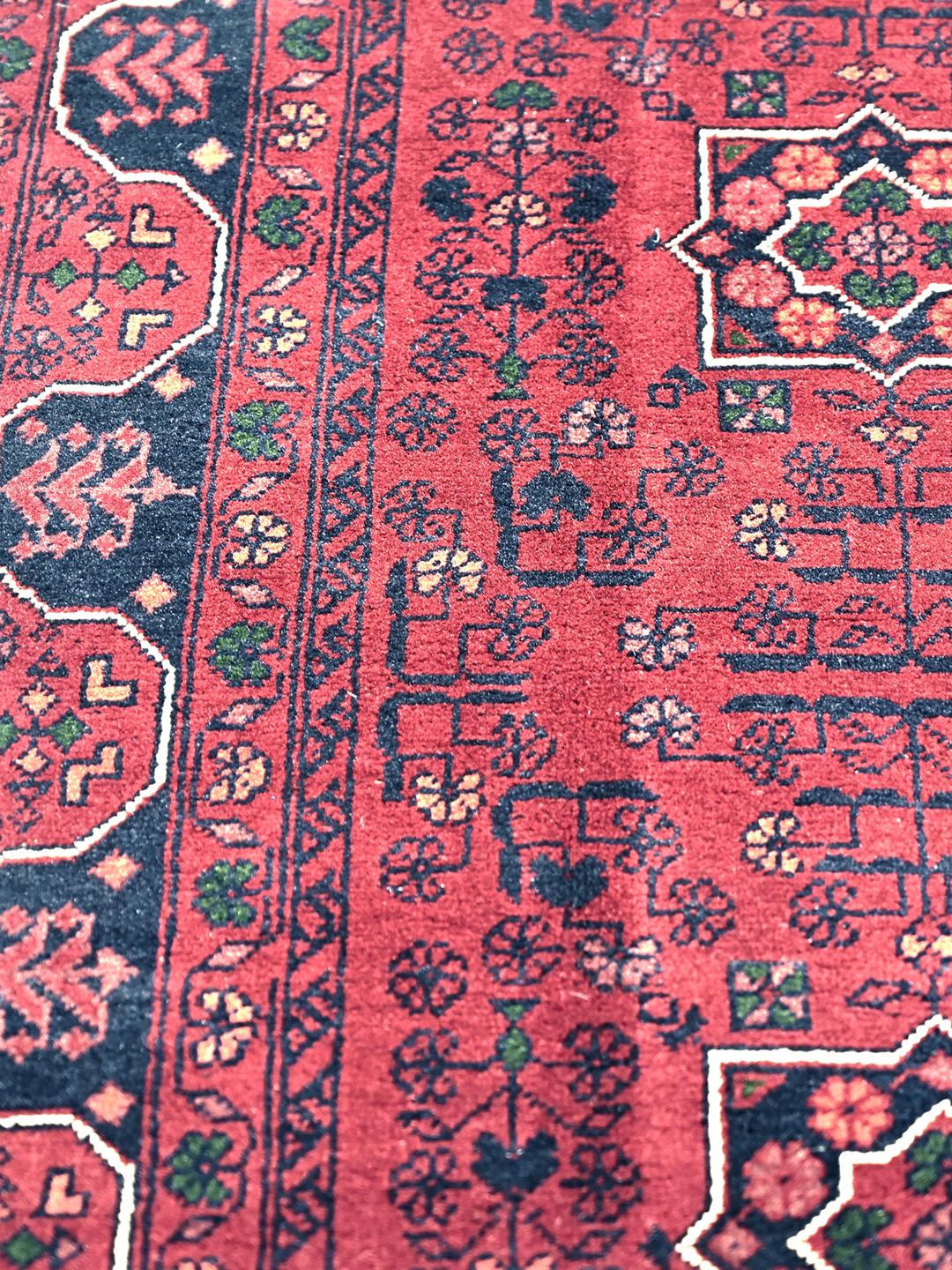
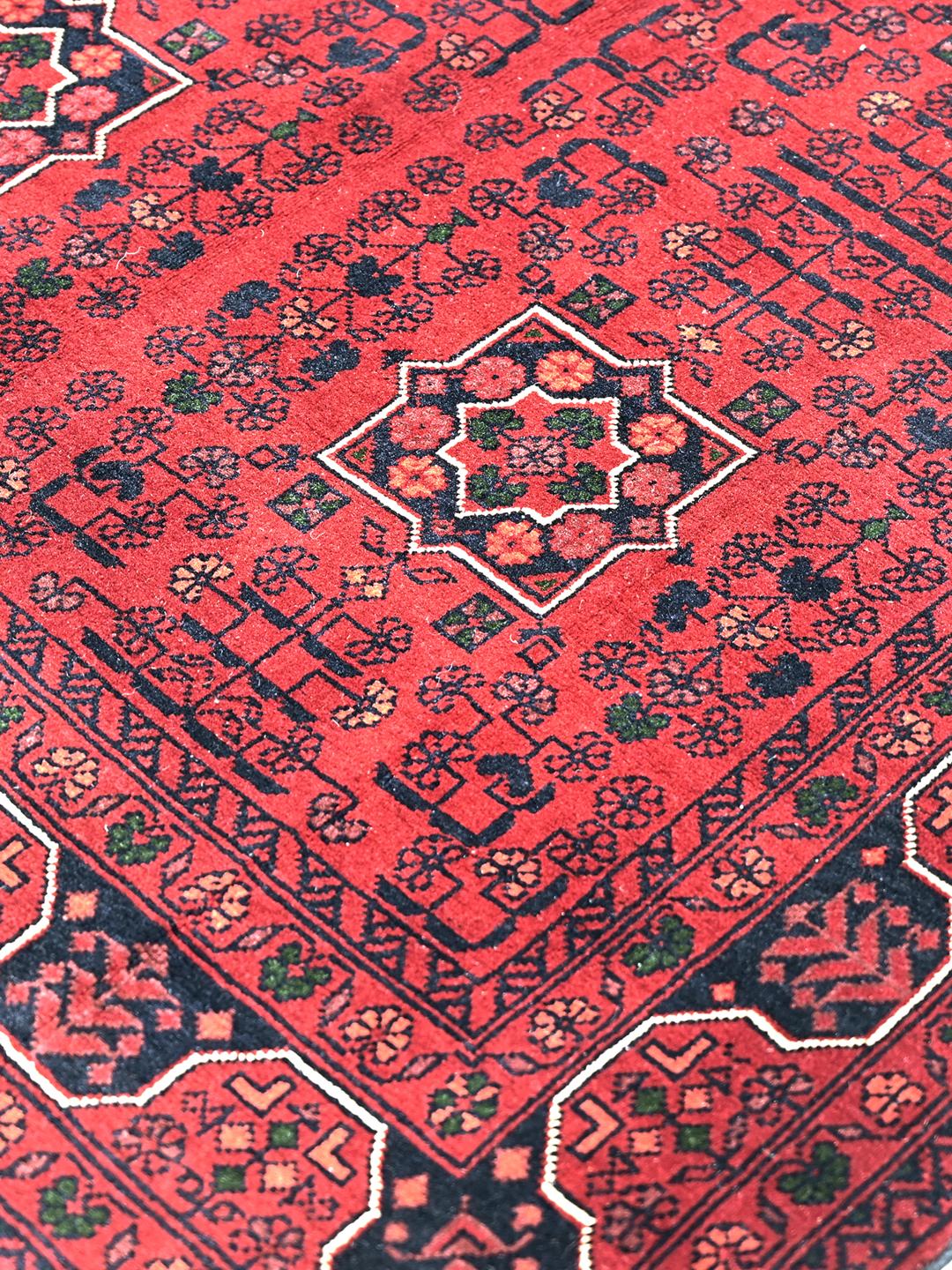
The design language of these rugs often centres on repeating geometric motifs, such as medallions or stylized floral elements, framed by ornate, decorative borders. These patterns are not merely aesthetic choices but are symbolic of the weaver's environment and heritage. The deep, dark-red tones often found in these pieces are achieved through time-honoured dyeing processes, resulting in a richness that changes subtly in different light conditions.
Collecting a Kunduz rug is an investment in a living tradition. These pieces are valued for their durability, their cultural narrative, and the sheer amount of human skill required to produce them. Owning one is a way to preserve a piece of history, as each rug acts as a record of the weaver's skill and the cultural identity of the Afghan people. They are truly pieces of home that carry the weight of tradition and the warmth of a handmade craft.