The tradition of rug weaving in the Konya region of Turkey is deeply rooted in the cultural history of the Anatolian plateau. For centuries, this area has been a central hub for textile production, where ancient techniques were passed down through generations. These rugs are known for their strong connection to the local environment, often incorporating symbols and colours that reflect the natural world and the spiritual life of the weavers who created them.
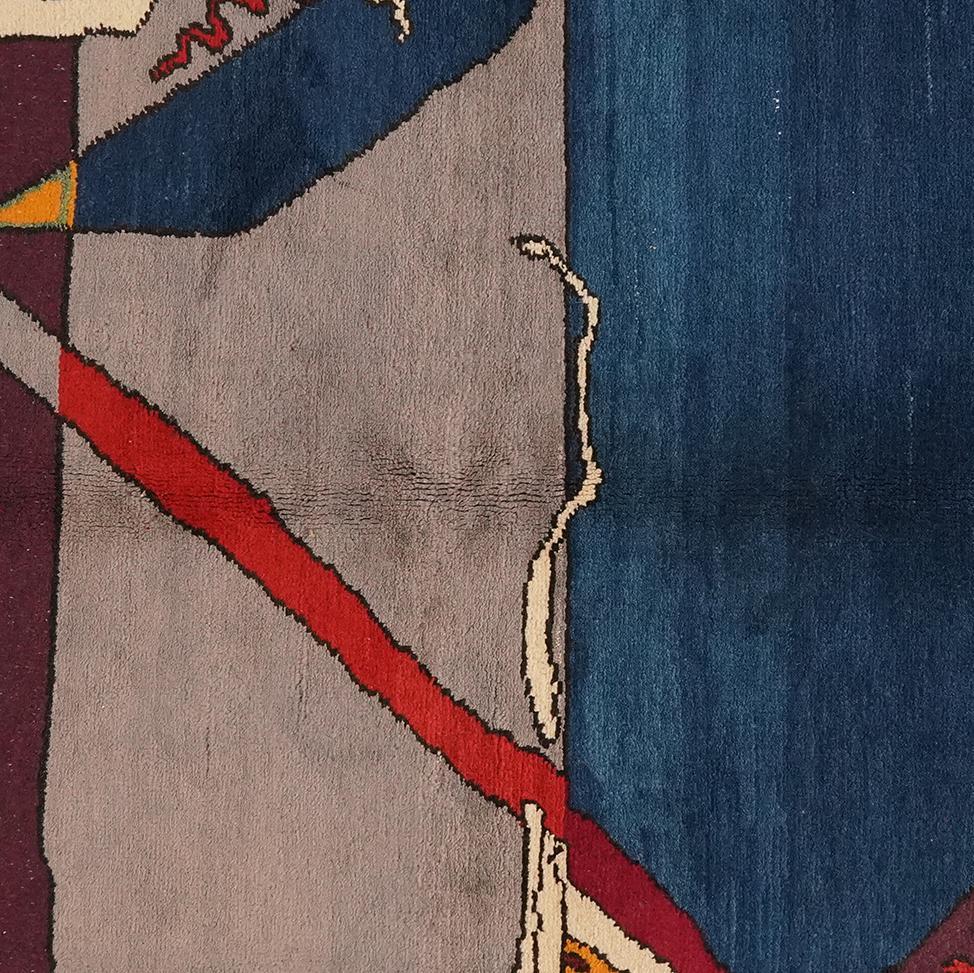
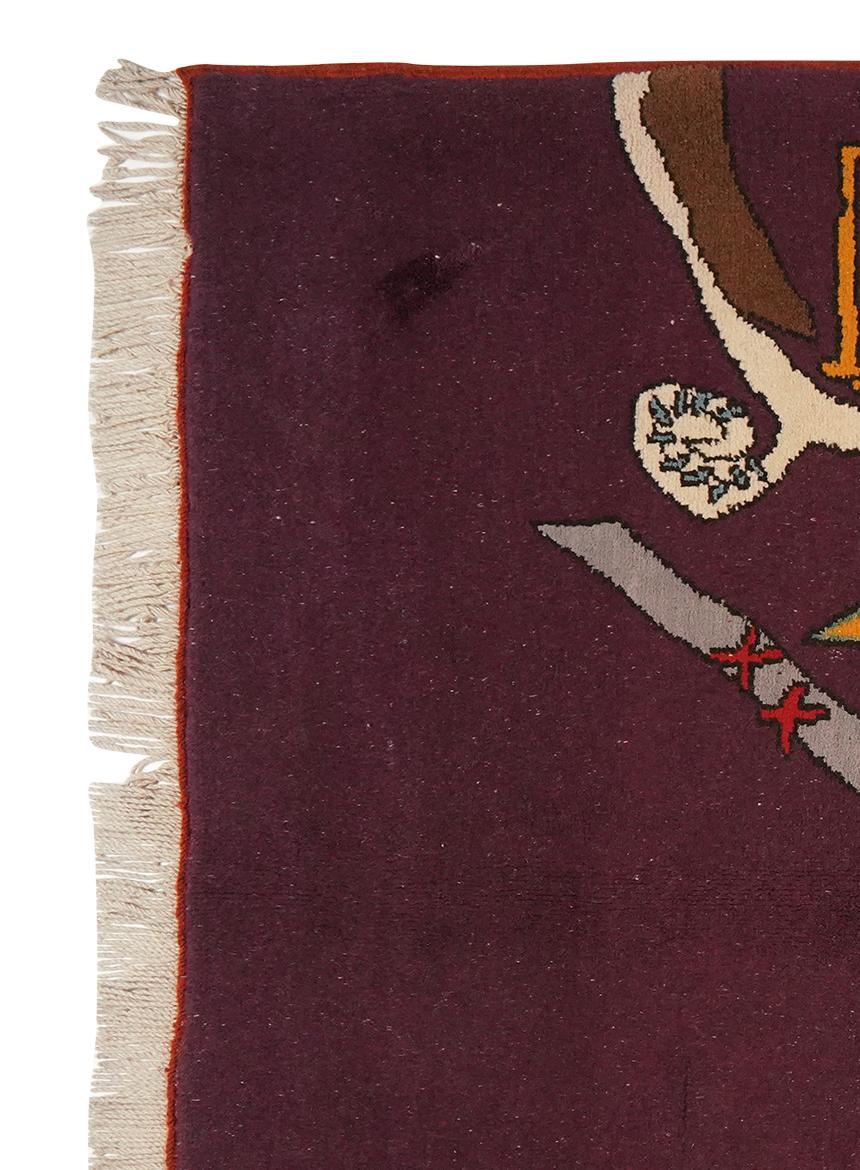
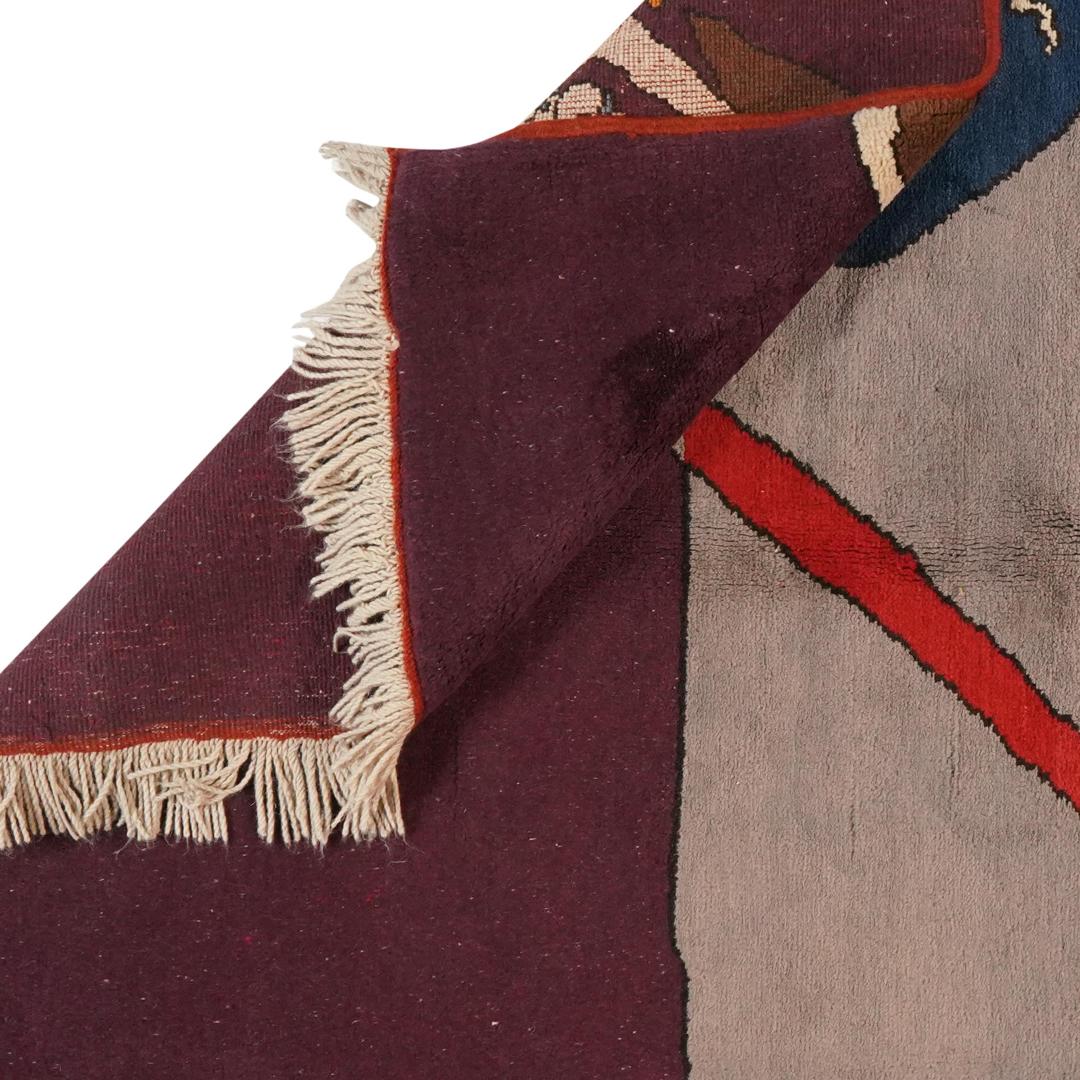
The terminology surrounding these rugs often refers to the specific knotting techniques and the quality of the Wool used. Hand-knotting involves securing each tuft of Wool to the foundation individually, a process that creates a highly durable and dense pile. This method is crucial for ensuring that the intricate patterns remain sharp and the rug maintains its shape and resilience, even in high-traffic areas of the home.
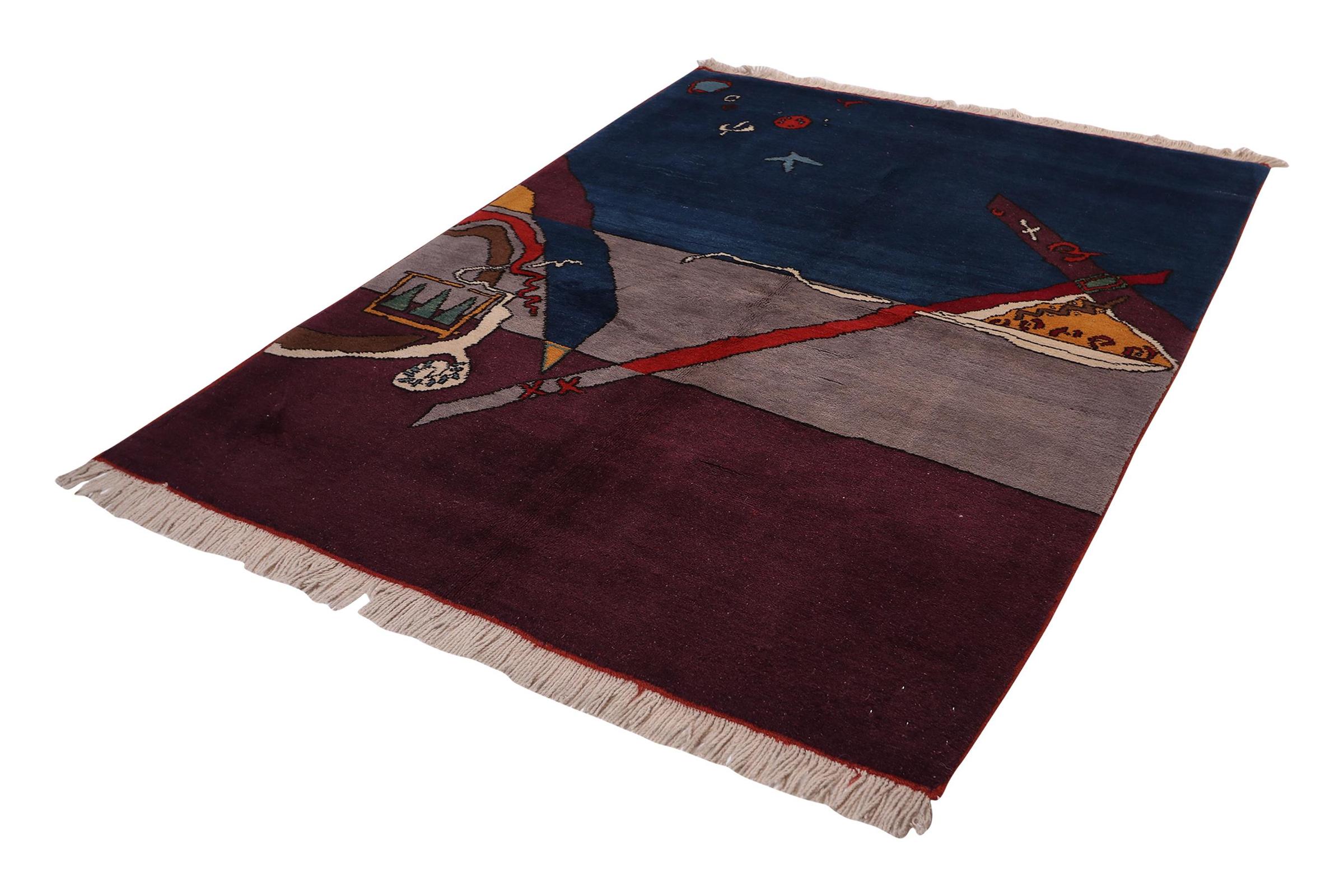
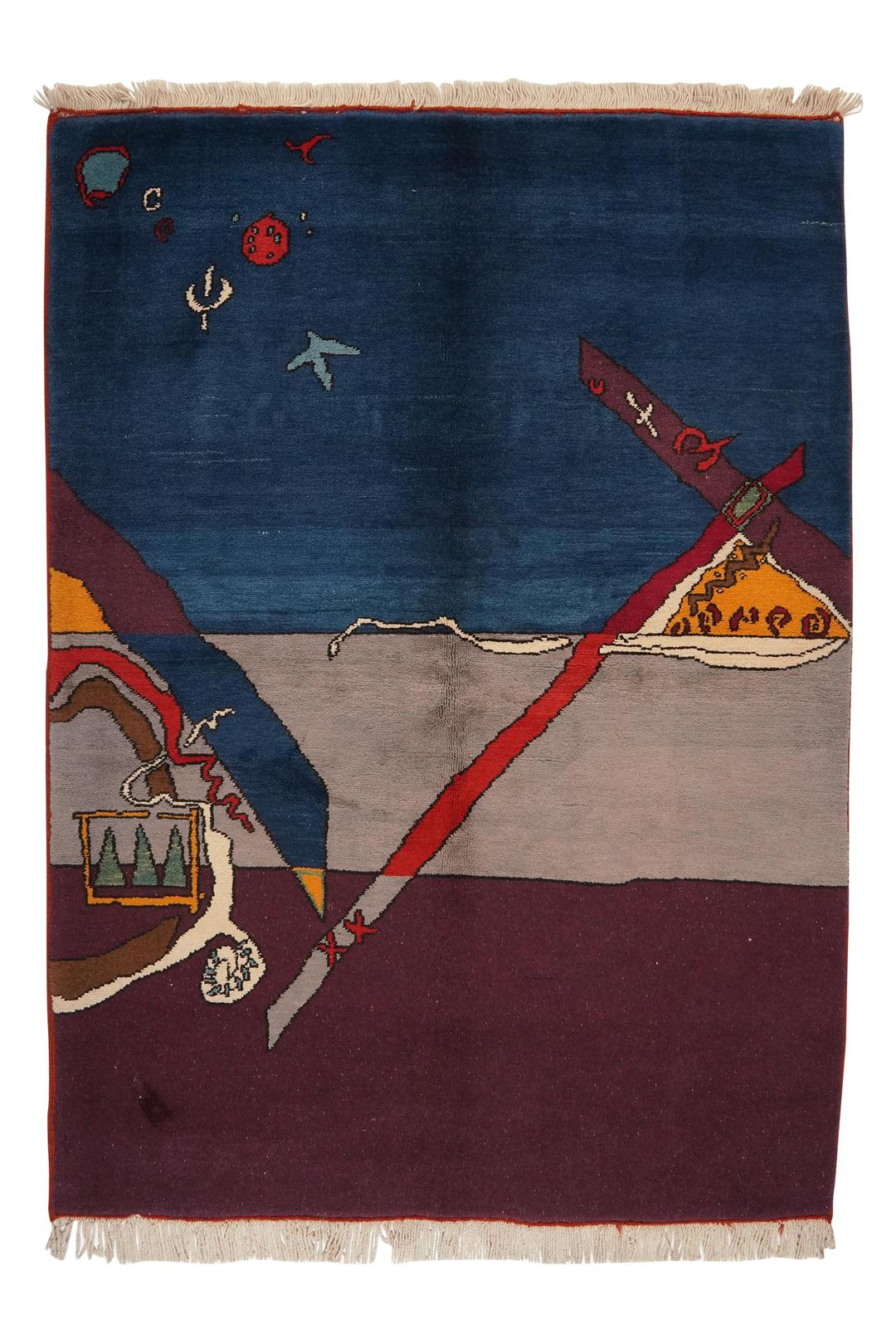
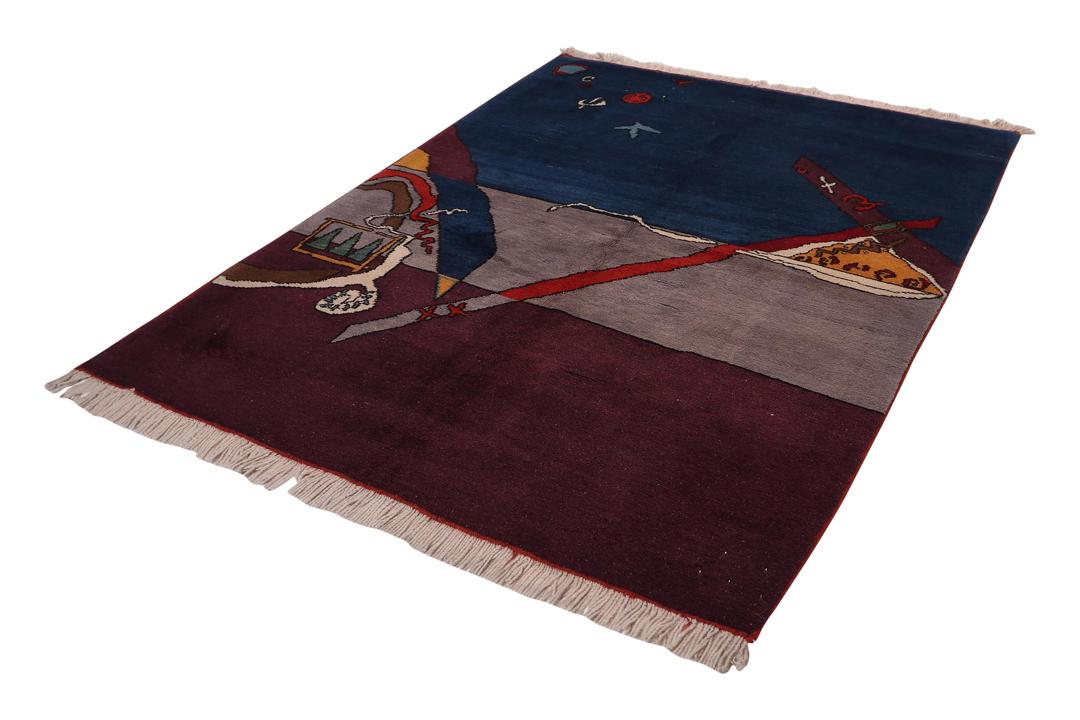
Visually, these rugs are celebrated for their expressive use of colour and unconventional motifs. While many traditional styles rely on symmetrical patterns, rugs from this region often feature bold, artistic compositions that defy standard expectations. This particular piece showcases a whimsical, almost dreamlike landscape, demonstrating the creative freedom often found in regional Turkish weaving, where the weaver acts as both a craftsperson and a storyteller.
Today, these rugs are highly valued by collectors and enthusiasts who appreciate the blend of history, skill, and genuine artistic intent. Owning a piece from this tradition is more than just a decor choice; it is an acquisition of a cultural artifact that carries the weight of its origin. It serves as a bridge to the past, reminding us of the value of slow, deliberate creation in an increasingly fast-paced world.