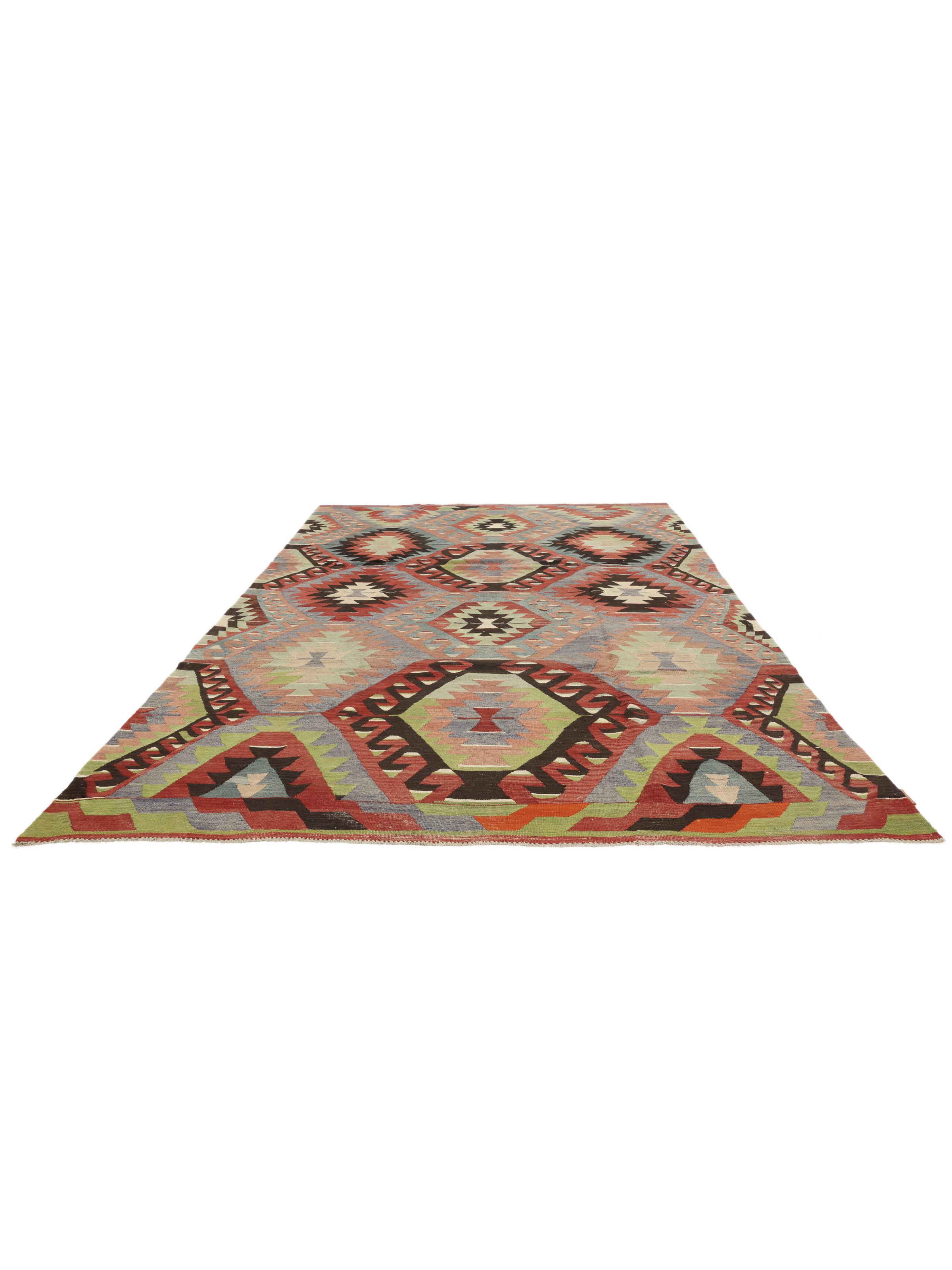
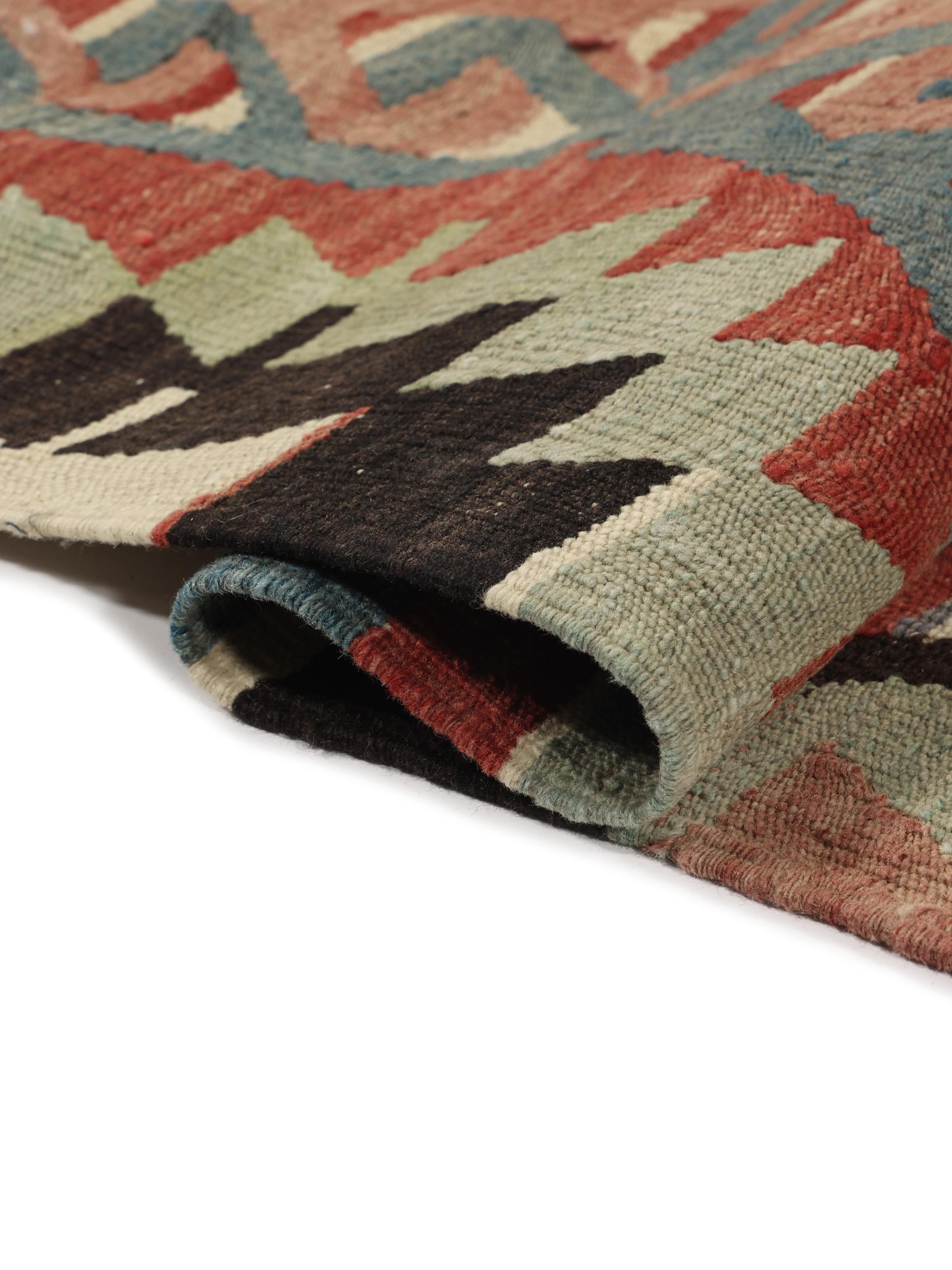
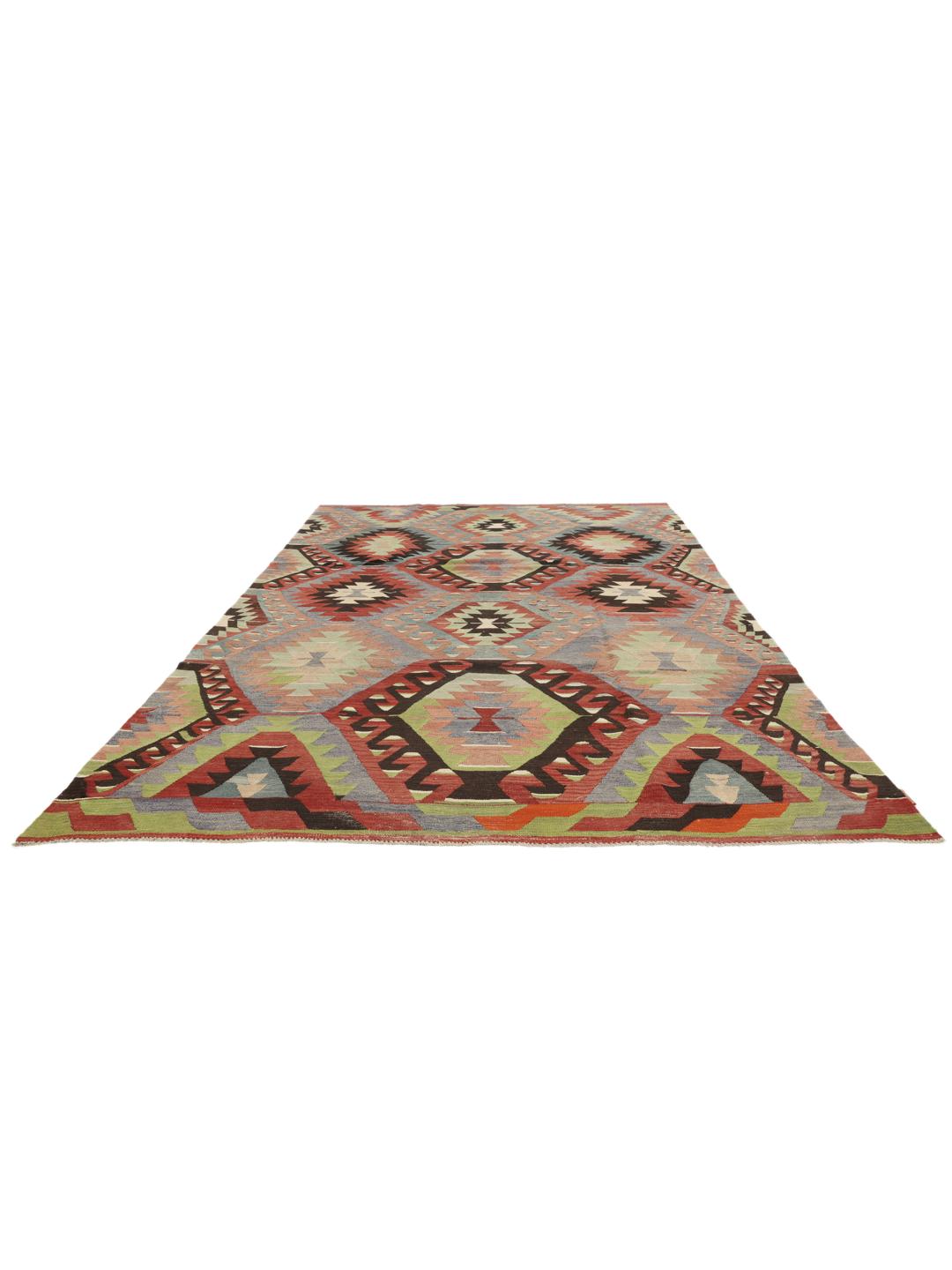
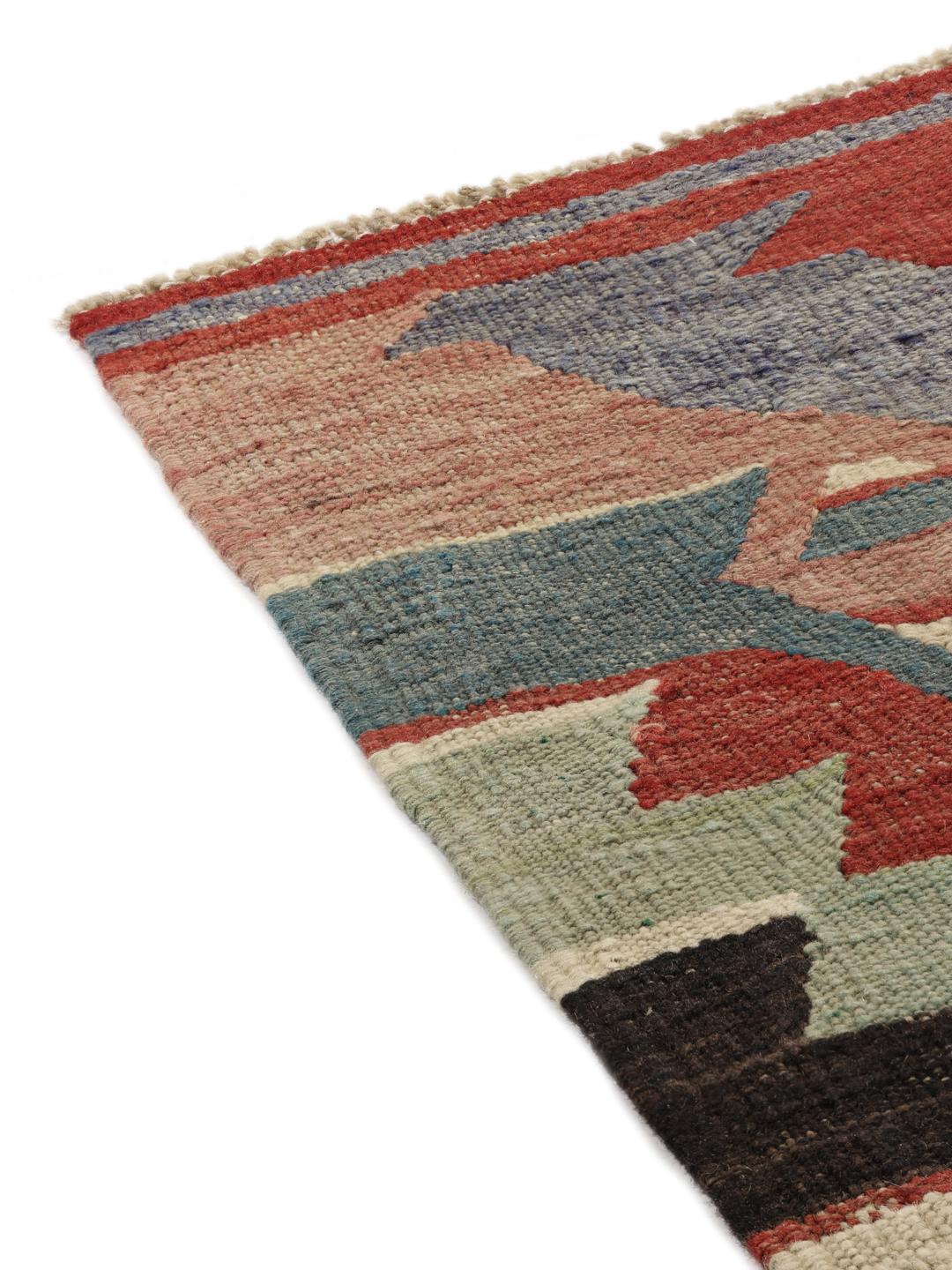
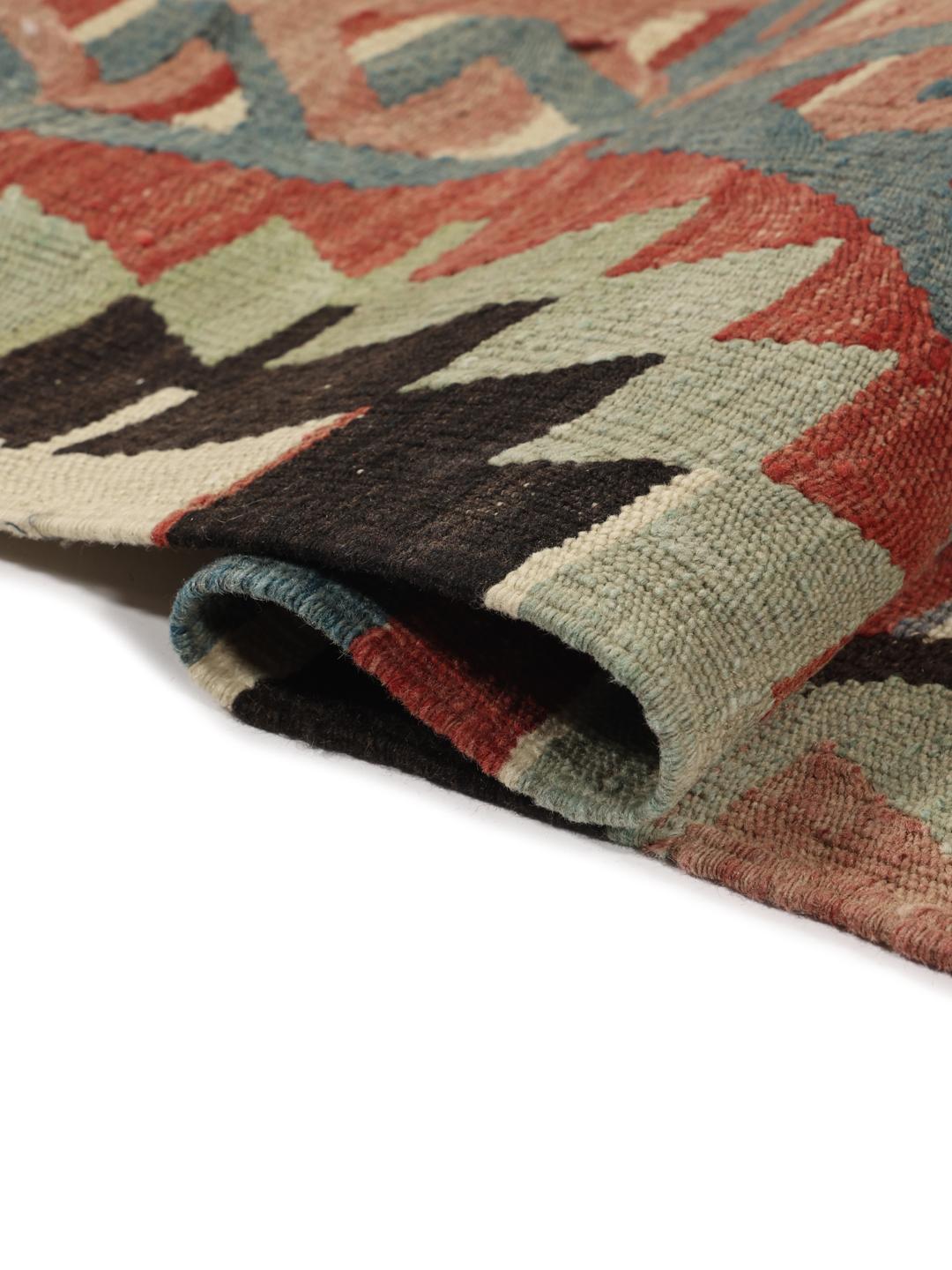
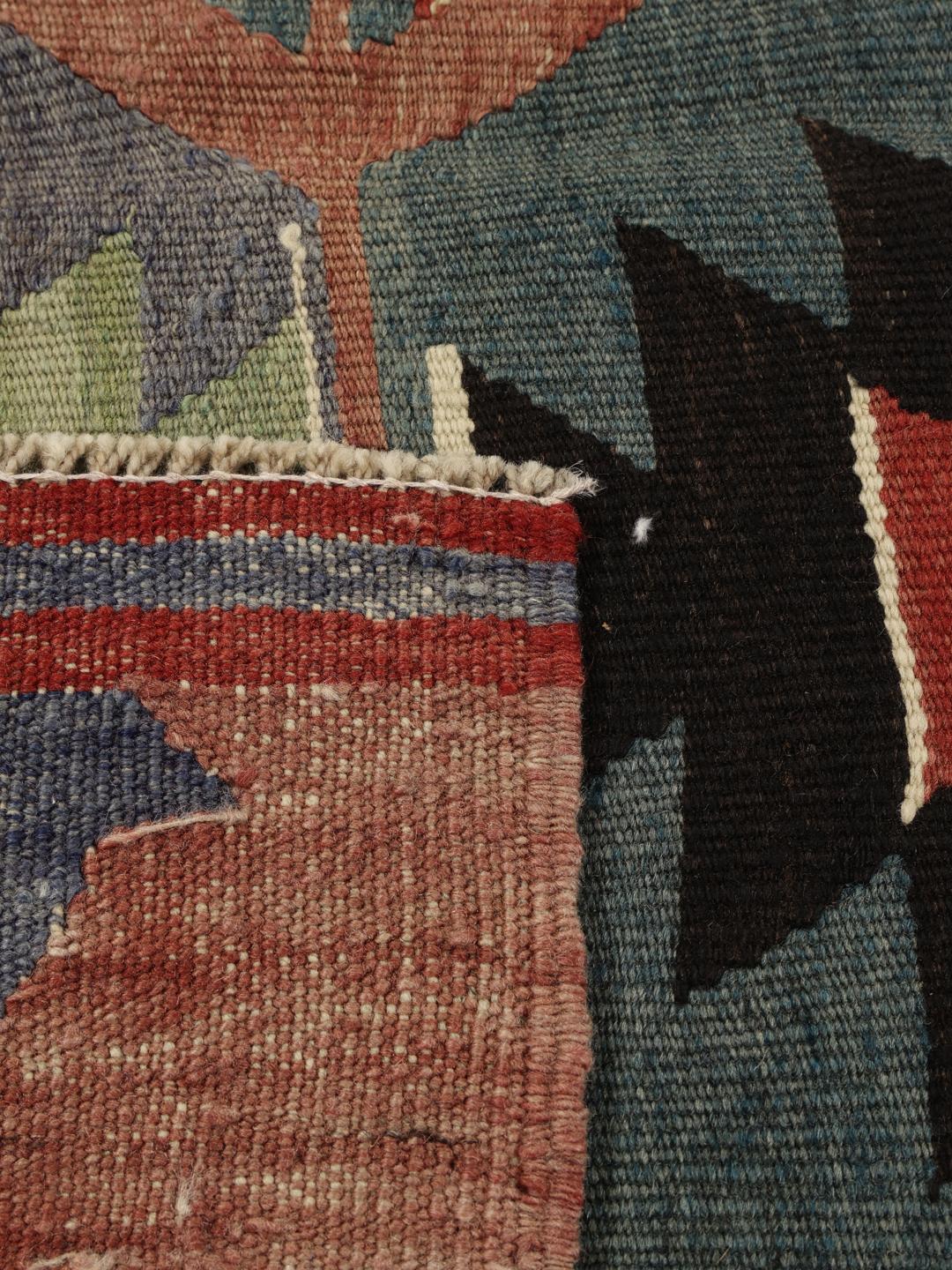
Kilim rugs represent one of the most storied traditions in Middle Eastern textile history. Originating from the nomadic and village cultures of Turkey, these rugs were initially crafted as utilitarian items, serving as floor coverings, wall hangings, and storage sacks. The term 'kilim' refers specifically to the flat-weaving technique where the warp and weft threads are tightly interlaced, resulting in a rug without a pile.
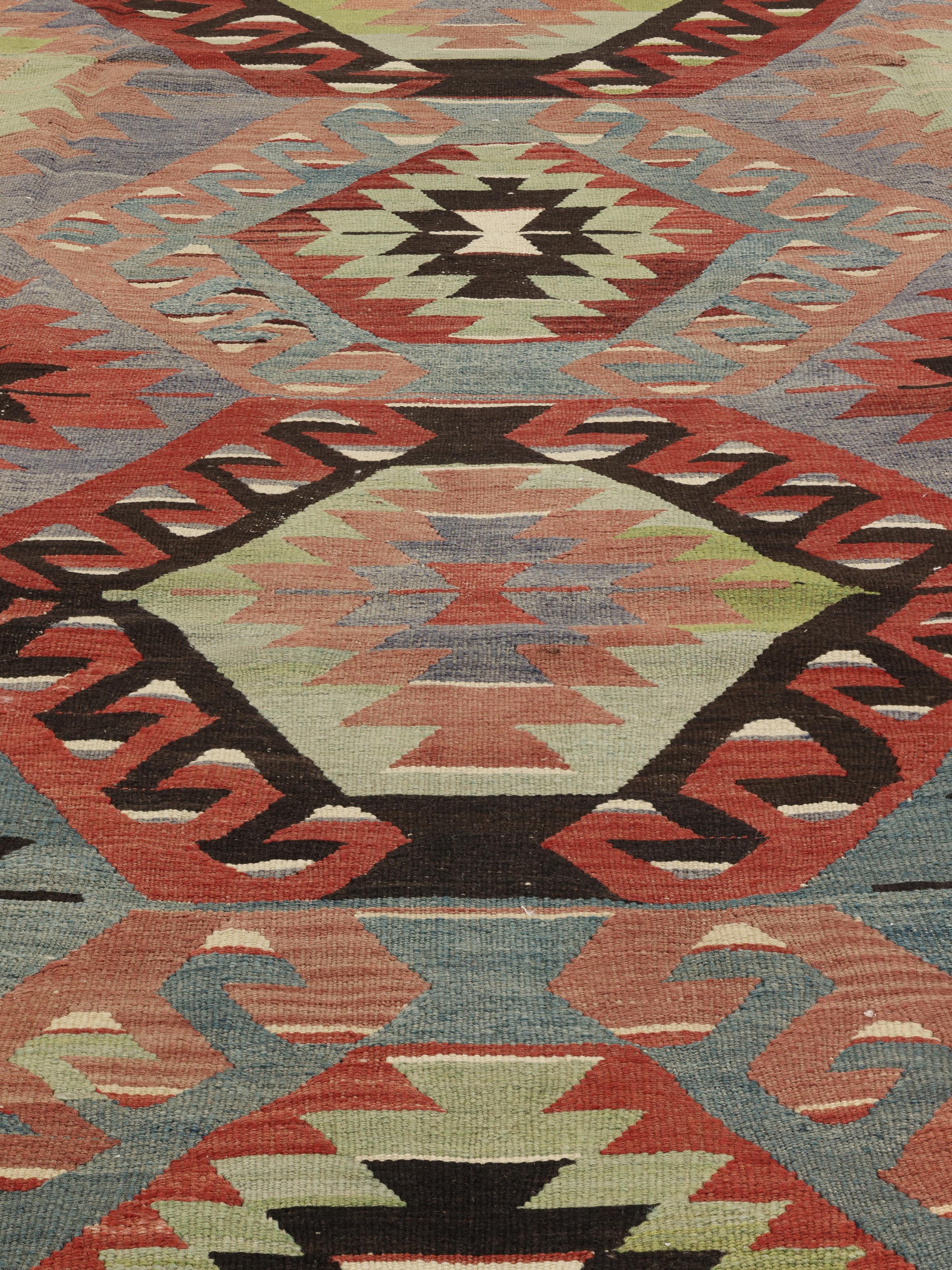
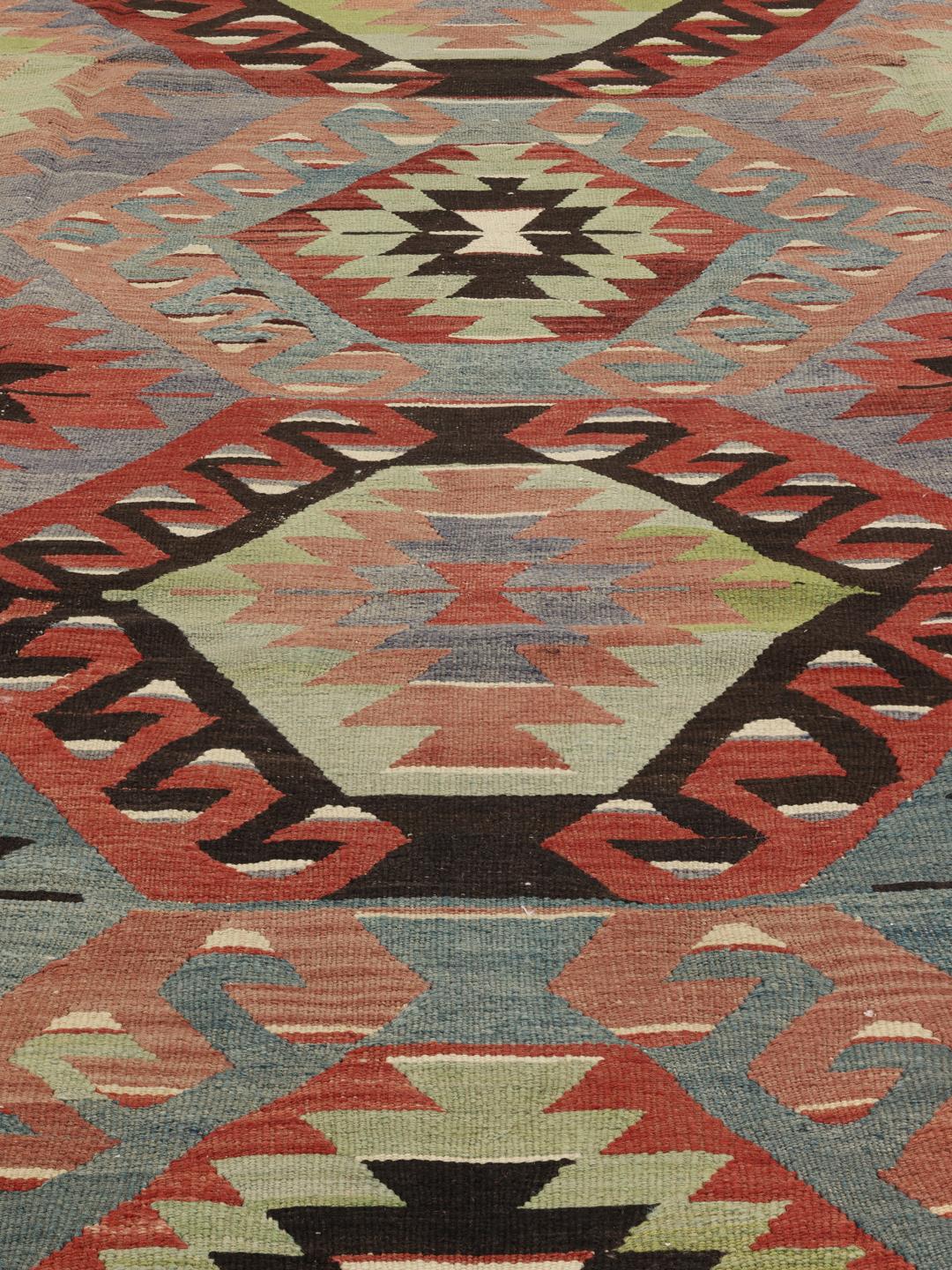
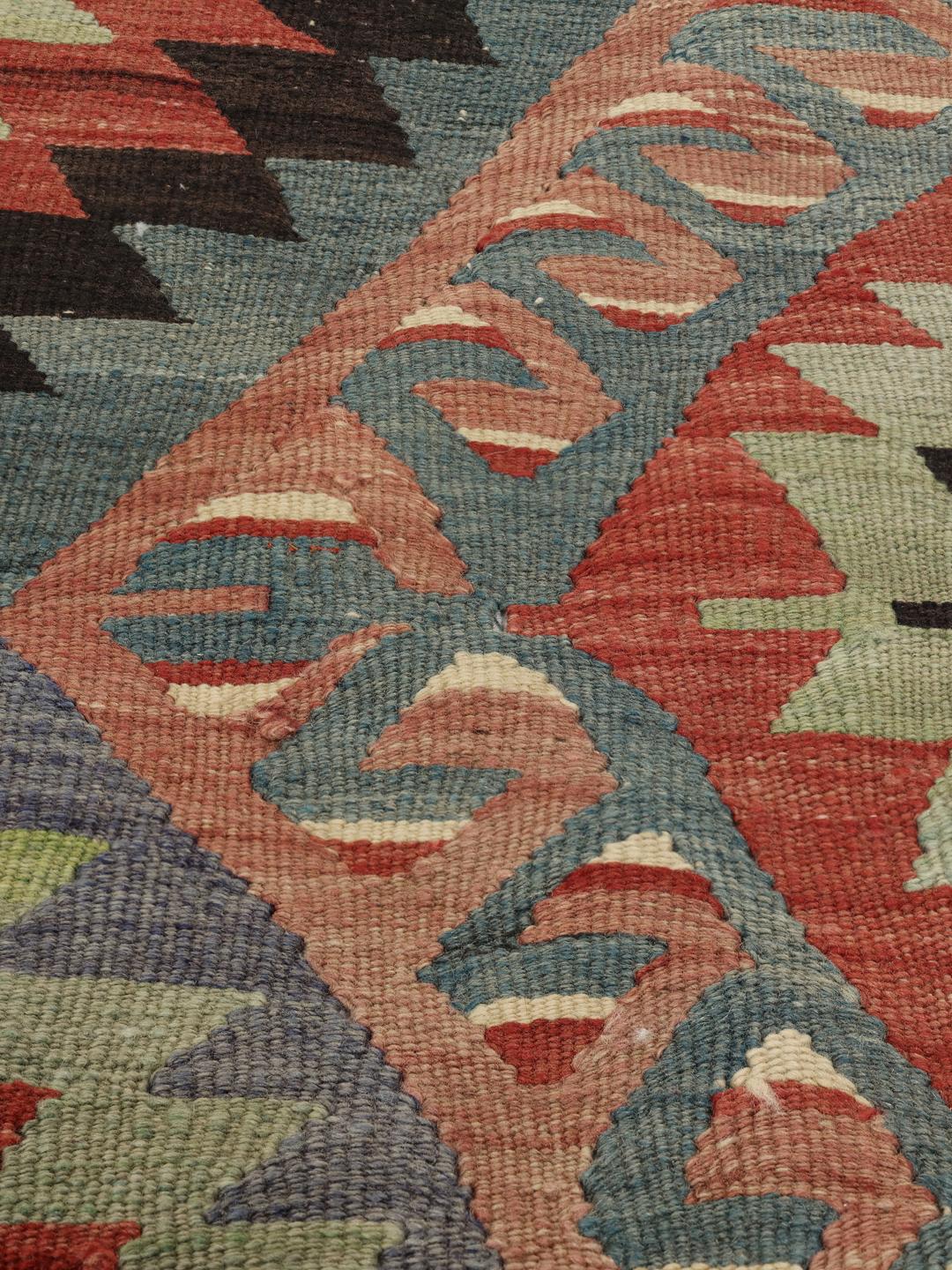
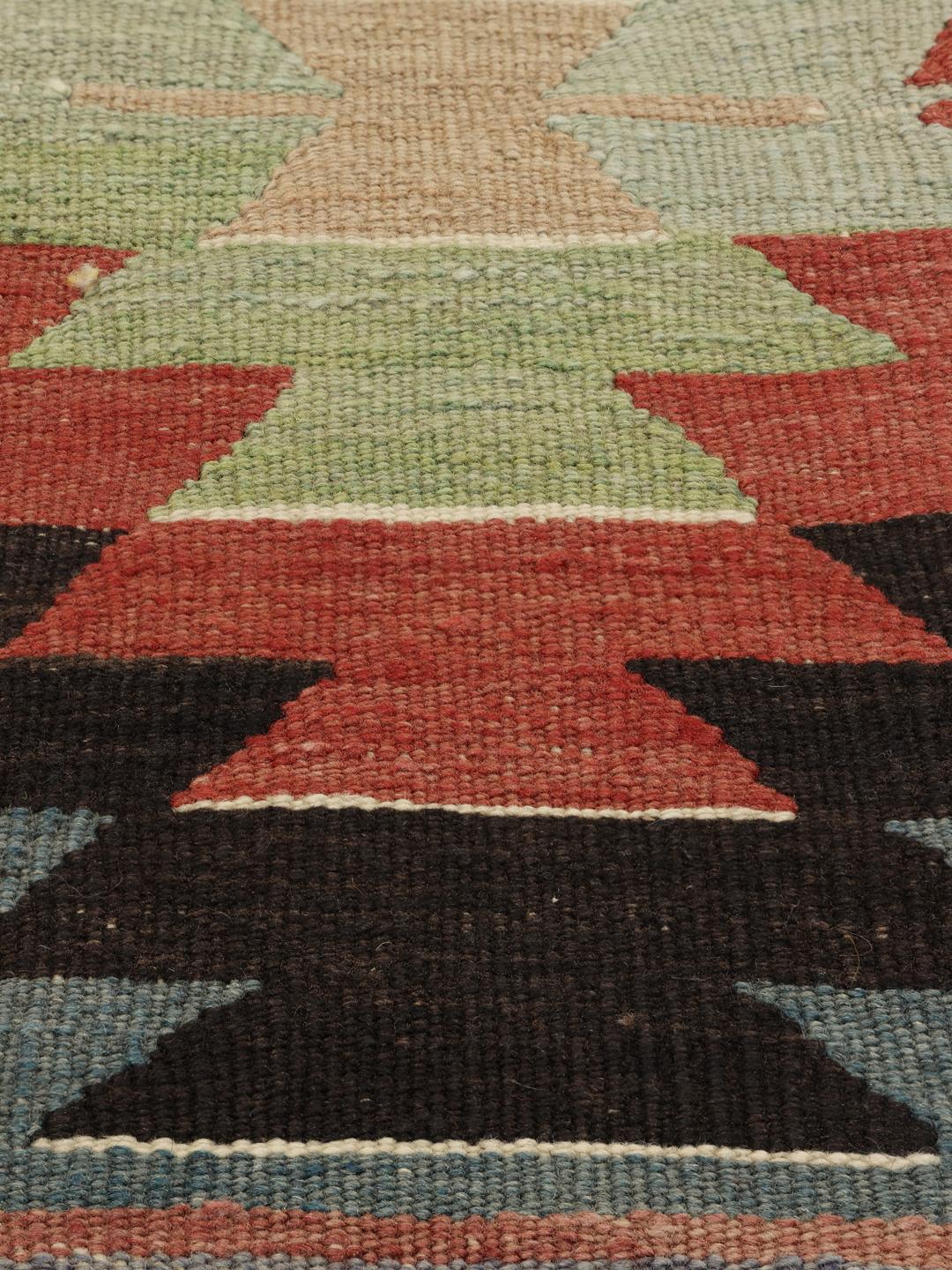
The technical mastery of a kilim lies in the slit-weave method, where the artisan creates clean, vertical lines by turning the weft back at the boundary of a colour change. This process is what allows for the sharp, angular geometric patterns that are synonymous with the style. Because the construction is so dense and the wool is high quality, these rugs are famously resilient, often lasting for generations while retaining their vibrant colour and structural integrity.
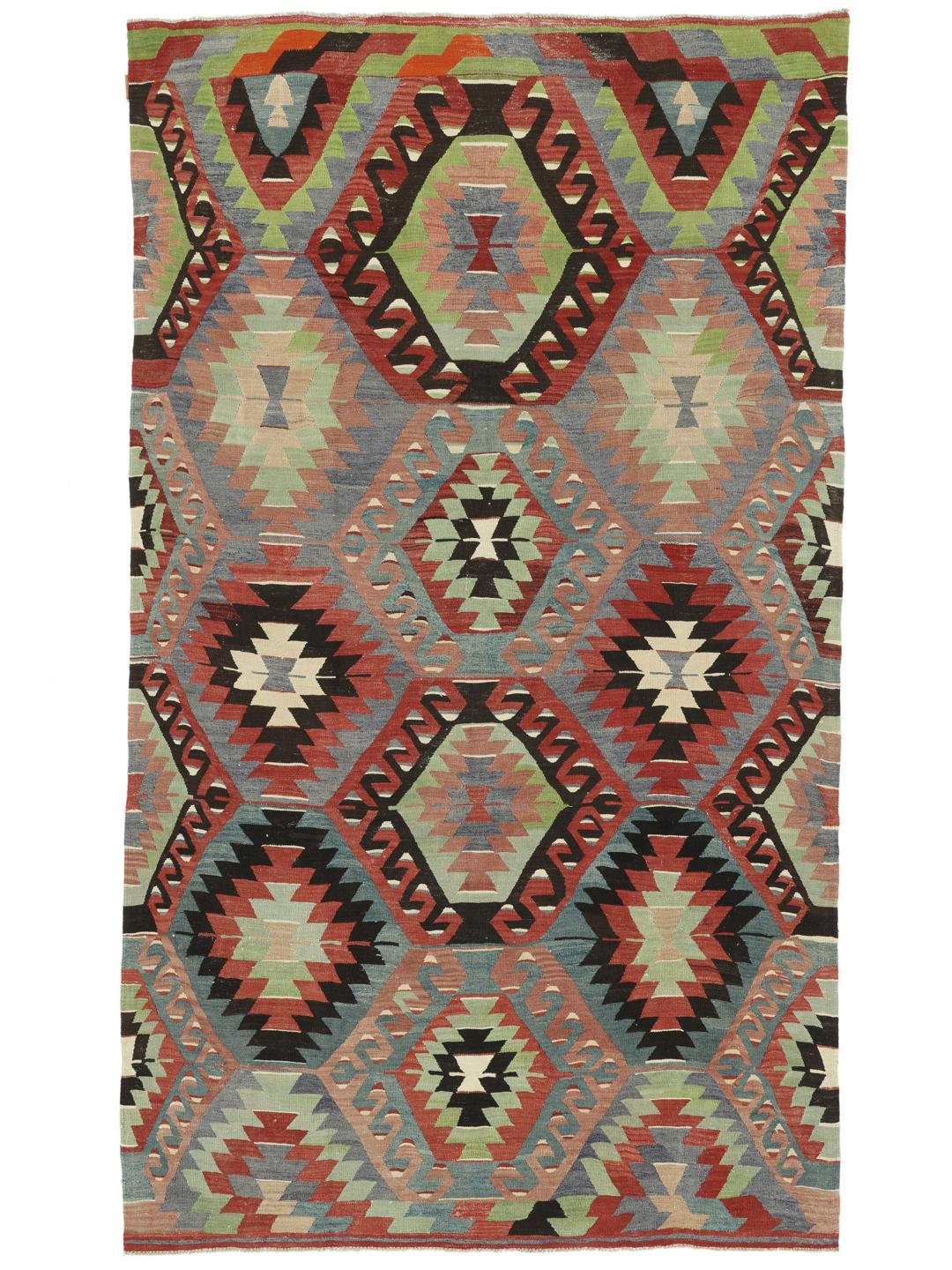
Signature design elements of Turkish kilims often include bold, symbolic motifs that carry cultural significance, such as stylized birds, protective amulets, or geometric representations of nature. The colour palettes are typically derived from natural dyes, which develop a beautiful, muted patina over time. In this vintage piece, the bold use of contrasting geometric shapes showcases the classic regional aesthetic that has made Turkish kilims a staple in interior design for decades.
Today, vintage kilims are highly sought after by collectors and enthusiasts who value the human element and the cultural weight they bring to a home. Owning a piece like this is more than just a decor choice; it is an act of preserving a traditional craft. Each rug tells a story of its time and place, offering a level of depth and authenticity that makes it a cherished heirloom for any modern interior.