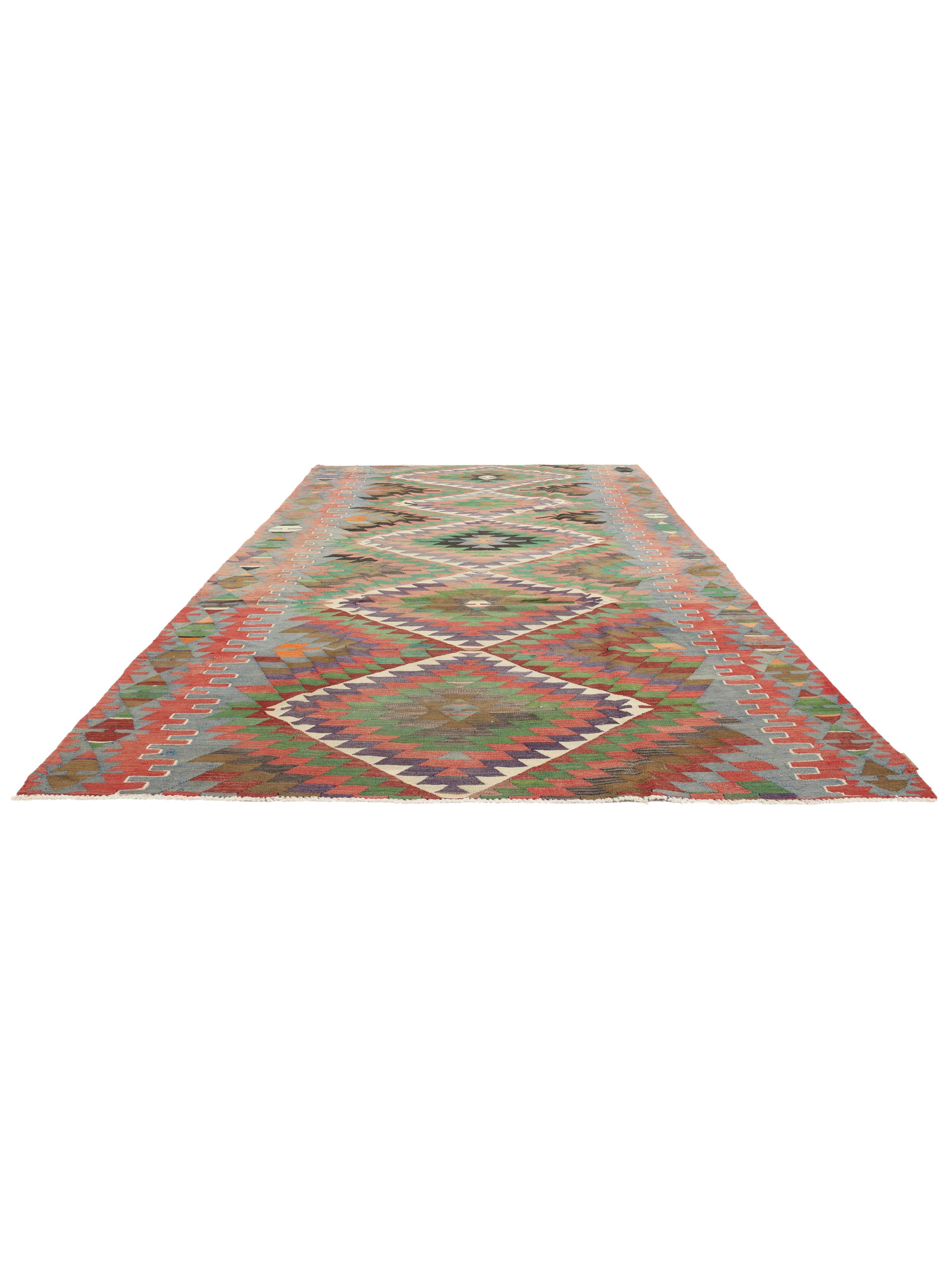
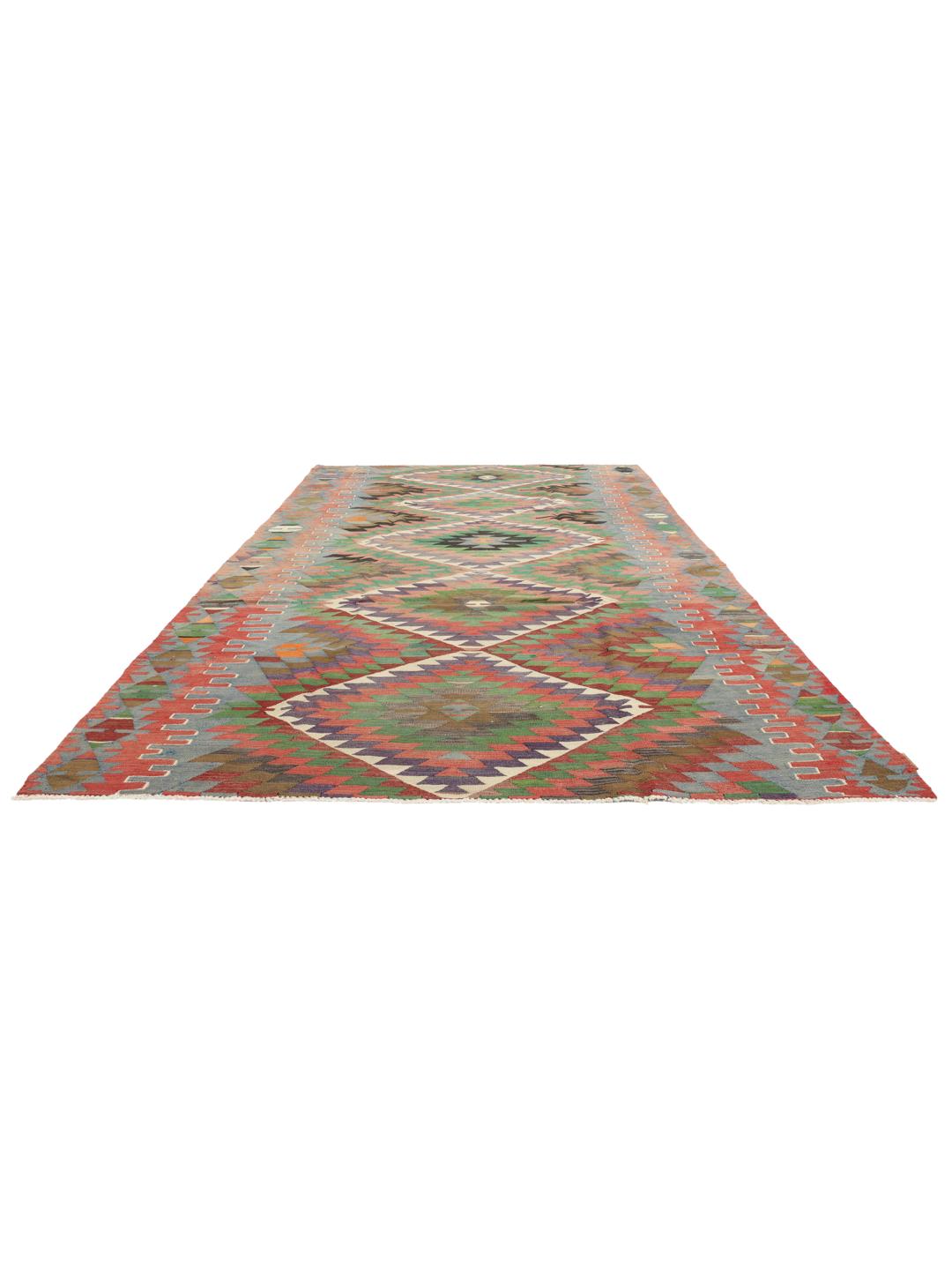
Kilim rugs are a cornerstone of Middle Eastern textile history, with roots that stretch back centuries across the nomadic tribes of Turkey. These rugs were traditionally woven as functional items for daily life, serving as floor coverings, tent dividers, and storage bags. The tradition of kilim weaving is deeply tied to the cultural identity of the region, where patterns were often passed down through generations, serving as a visual language that communicated tribal affiliations and personal stories.
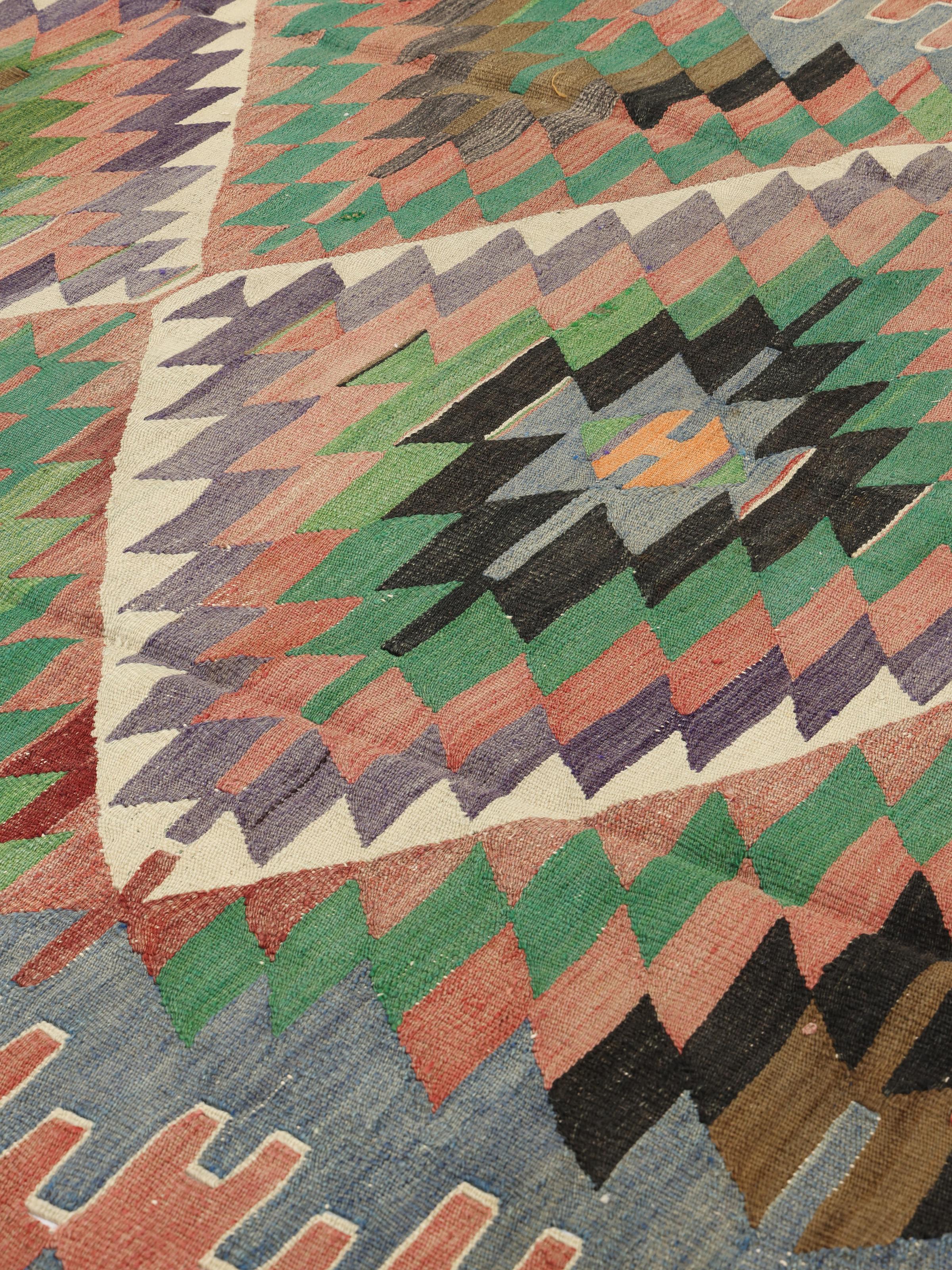
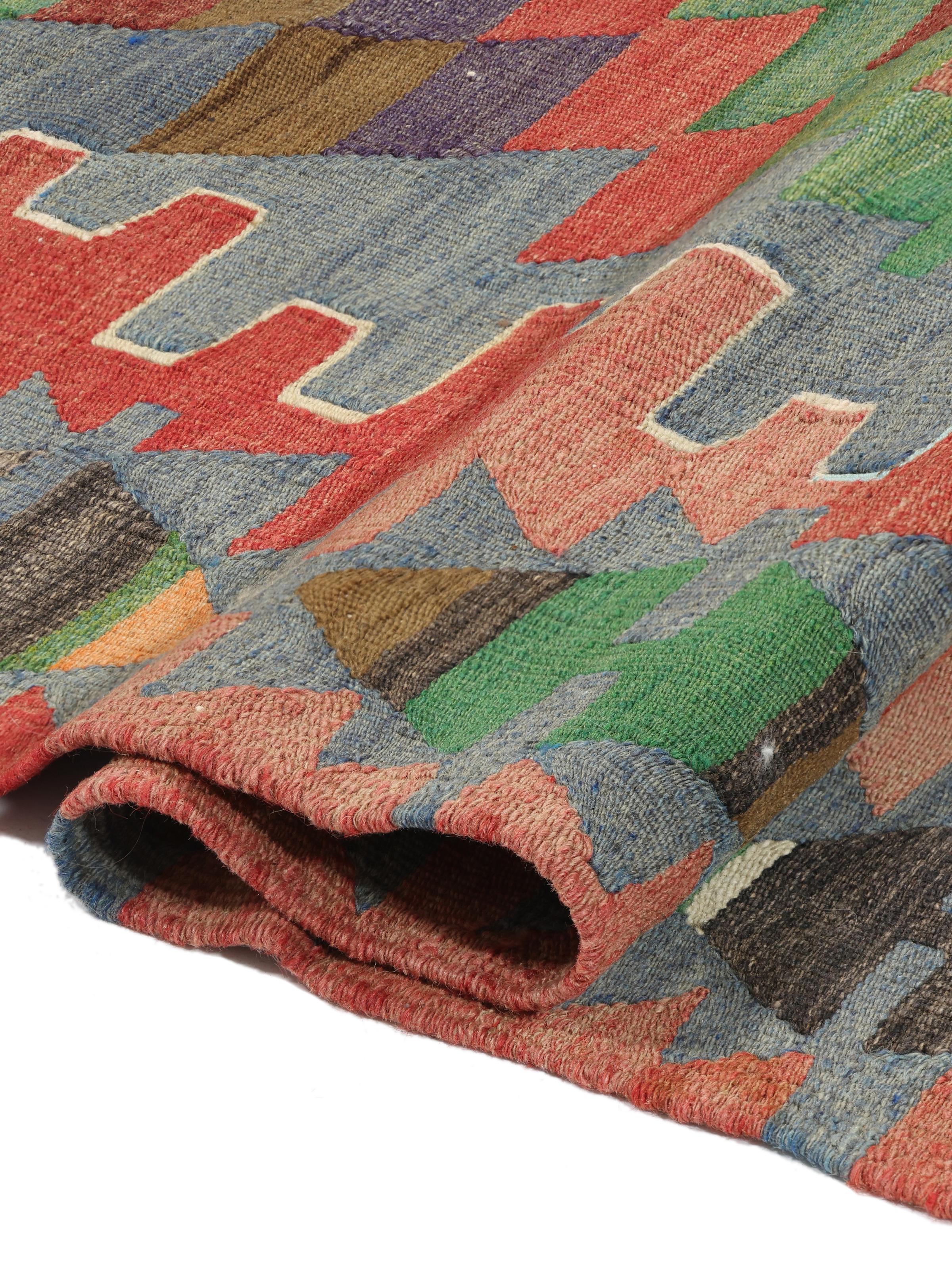
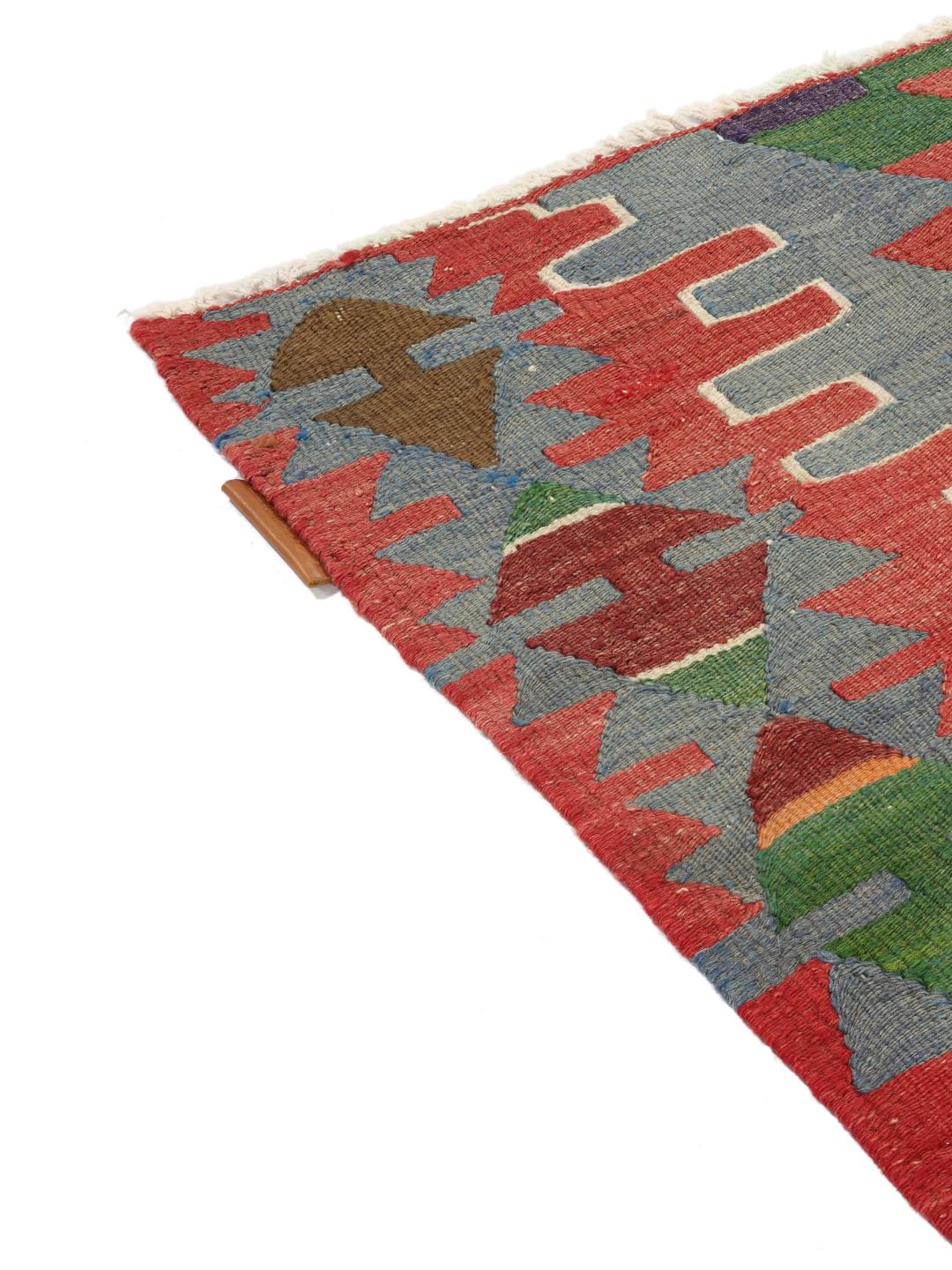
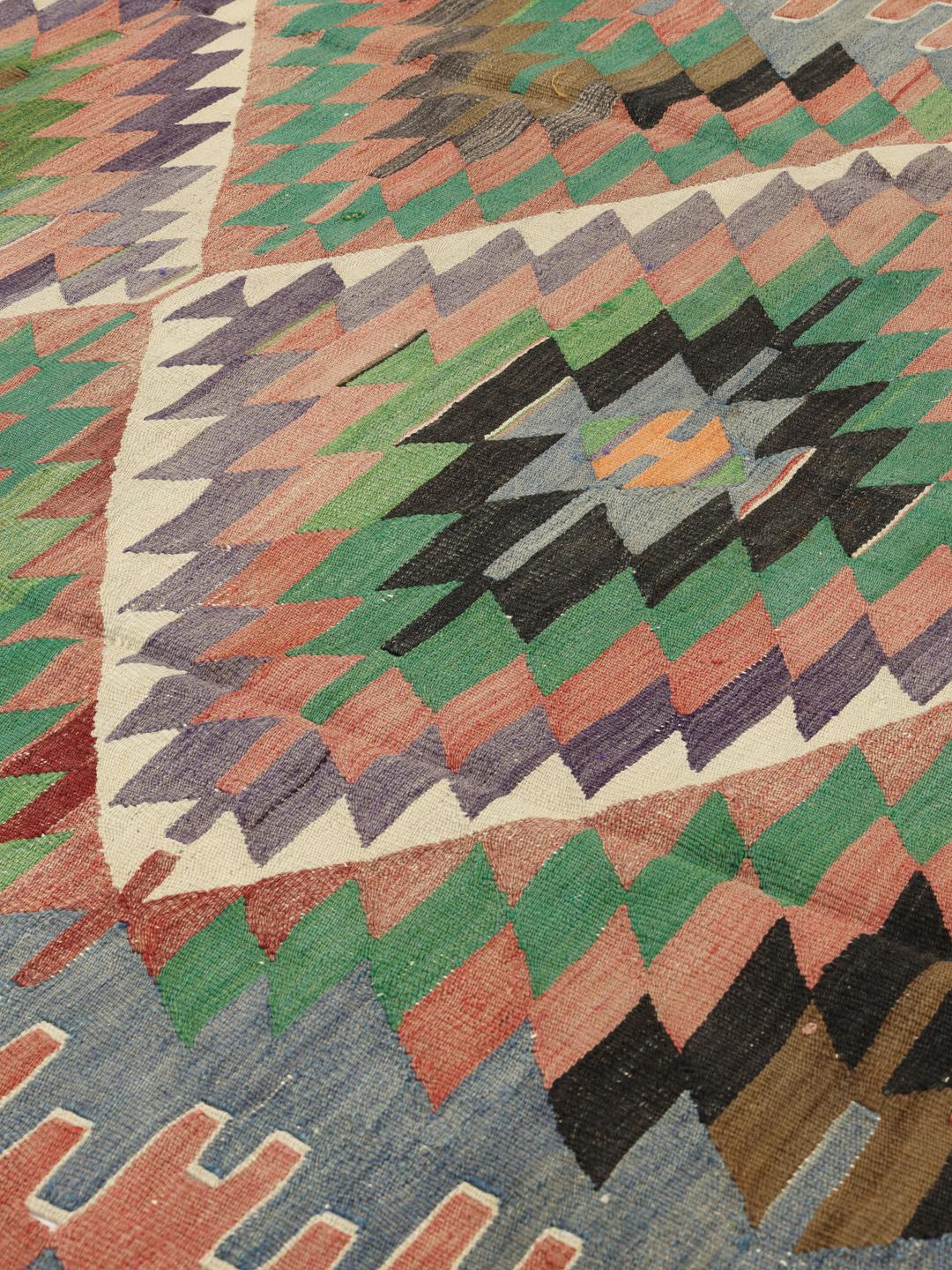
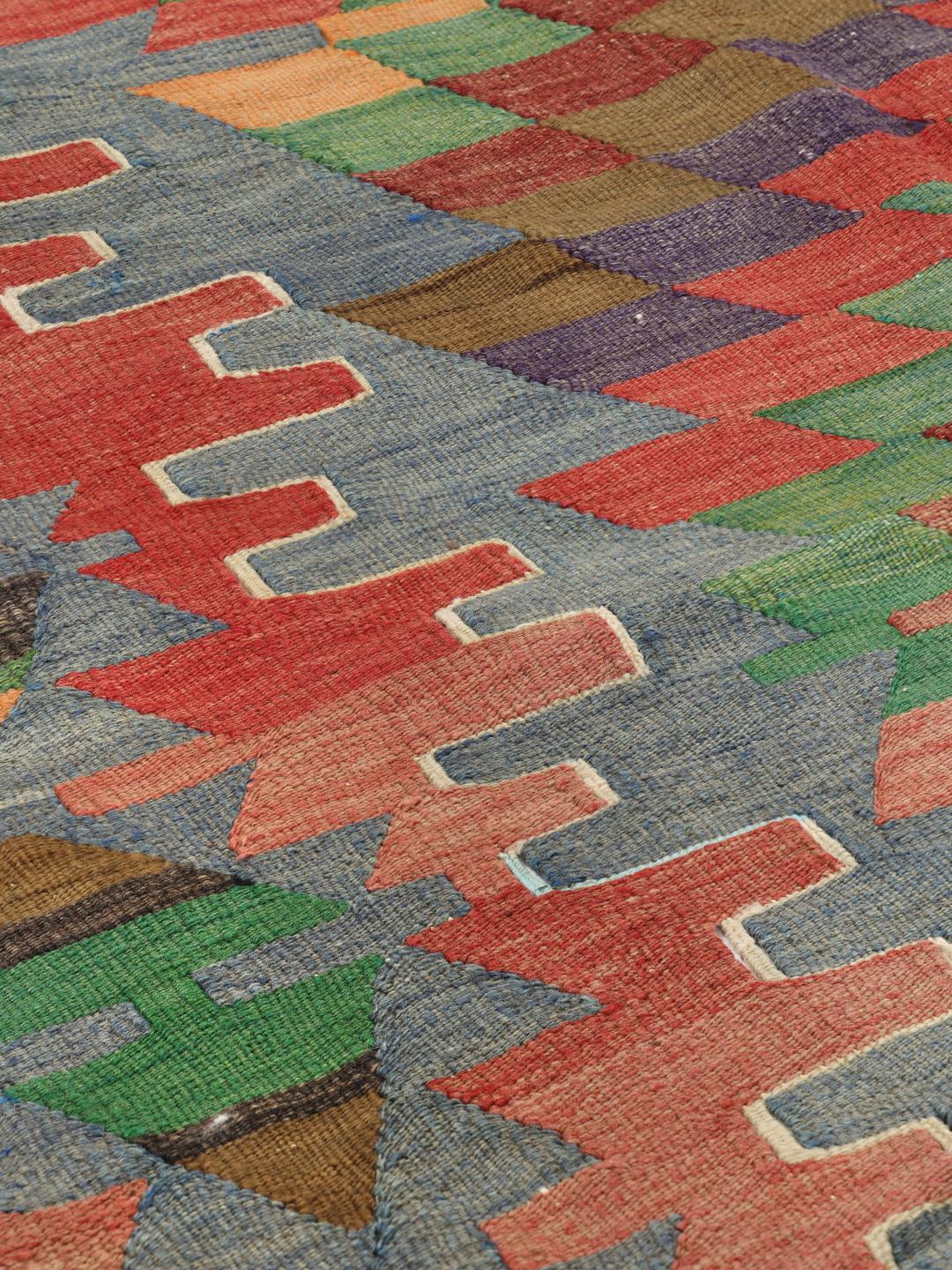
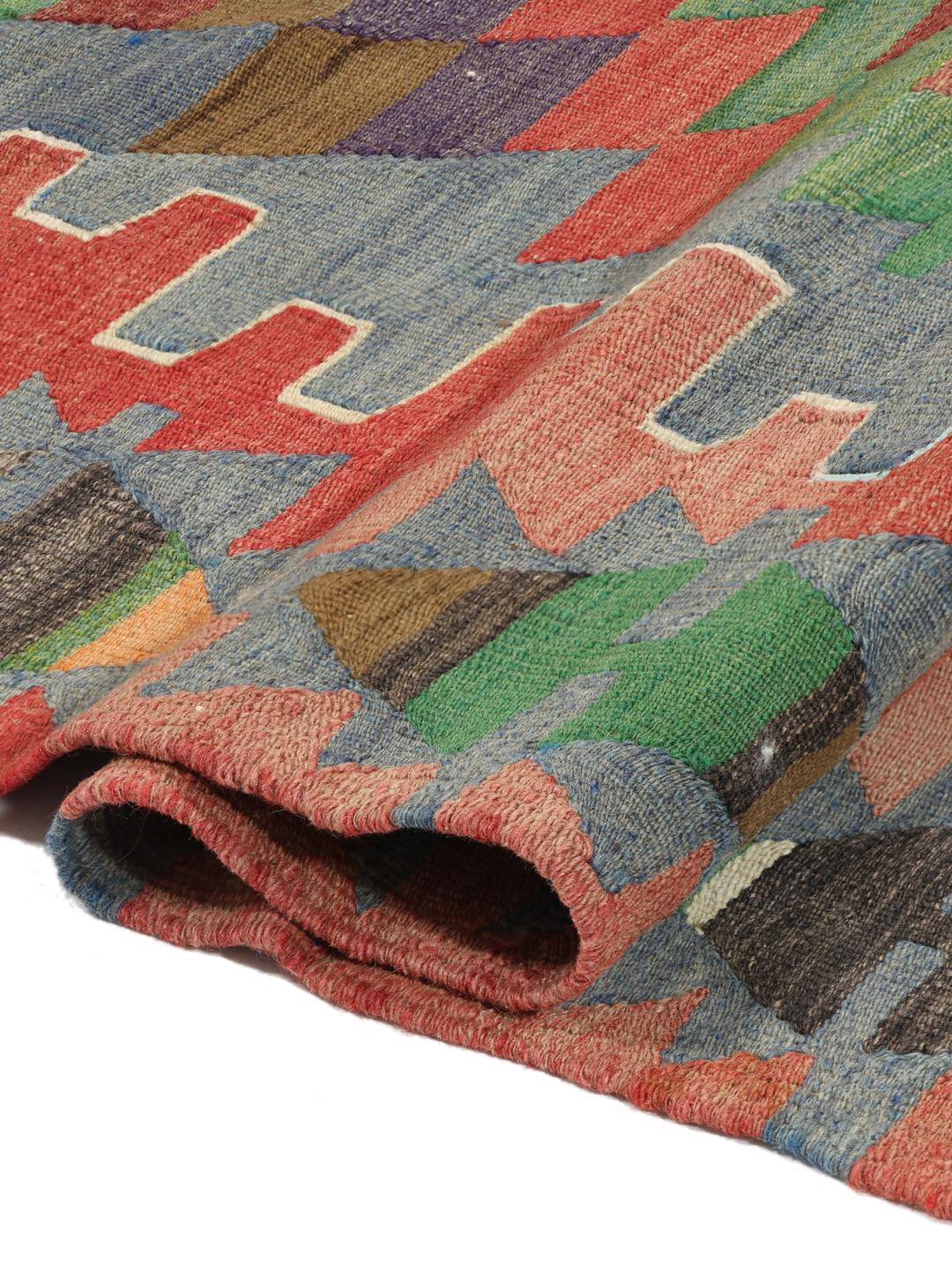
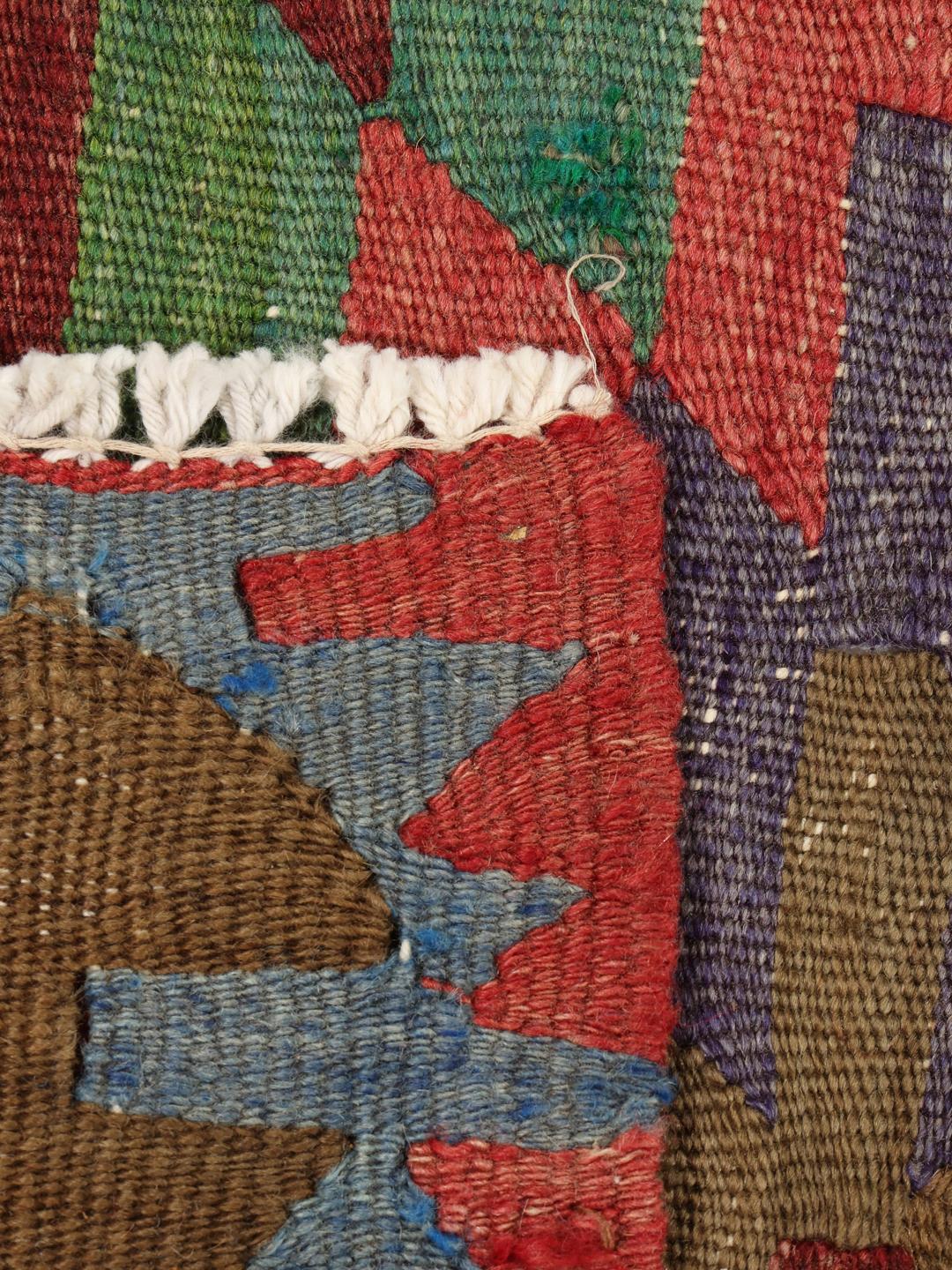
The term 'kilim' specifically refers to the flat-weave technique used to construct these rugs. Unlike pile rugs, which use individual knots, kilims are created by interweaving warp and weft strands to form a smooth, reversible surface. This technique is renowned for its strength and versatility, allowing for sharp, crisp geometric designs that have remained popular throughout history for their clean and sophisticated aesthetic.
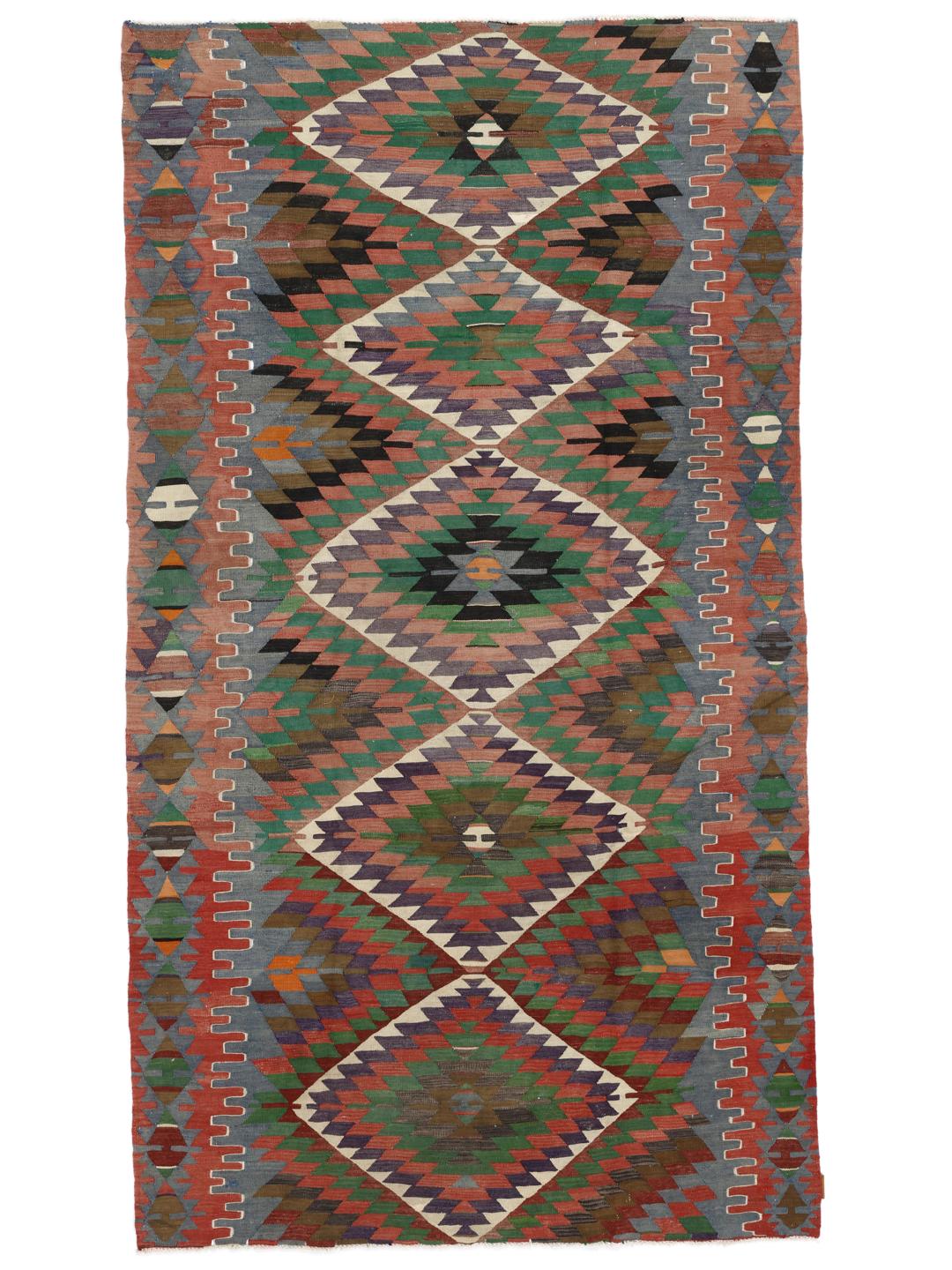
Signature design elements of Turkish kilims often include bold, angular motifs such as diamonds, zig-zags, and stylized floral elements. These patterns are typically arranged in a way that emphasises symmetry and rhythm, often framed by decorative borders that anchor the field. The use of vibrant, earthy tones is a hallmark of the tradition, reflecting the natural dyes that were historically sourced from local plants and minerals to create long-lasting, rich colours.
Today, vintage kilims are highly sought after by collectors and interior designers alike for their cultural weight and unique character. Owning a piece like this is more than just a decorative choice; it is an investment in a craft tradition that values human skill and historical continuity. These rugs are cherished for their ability to bring warmth and a sense of history to a home, bridging the gap between ancient nomadic life and modern living.