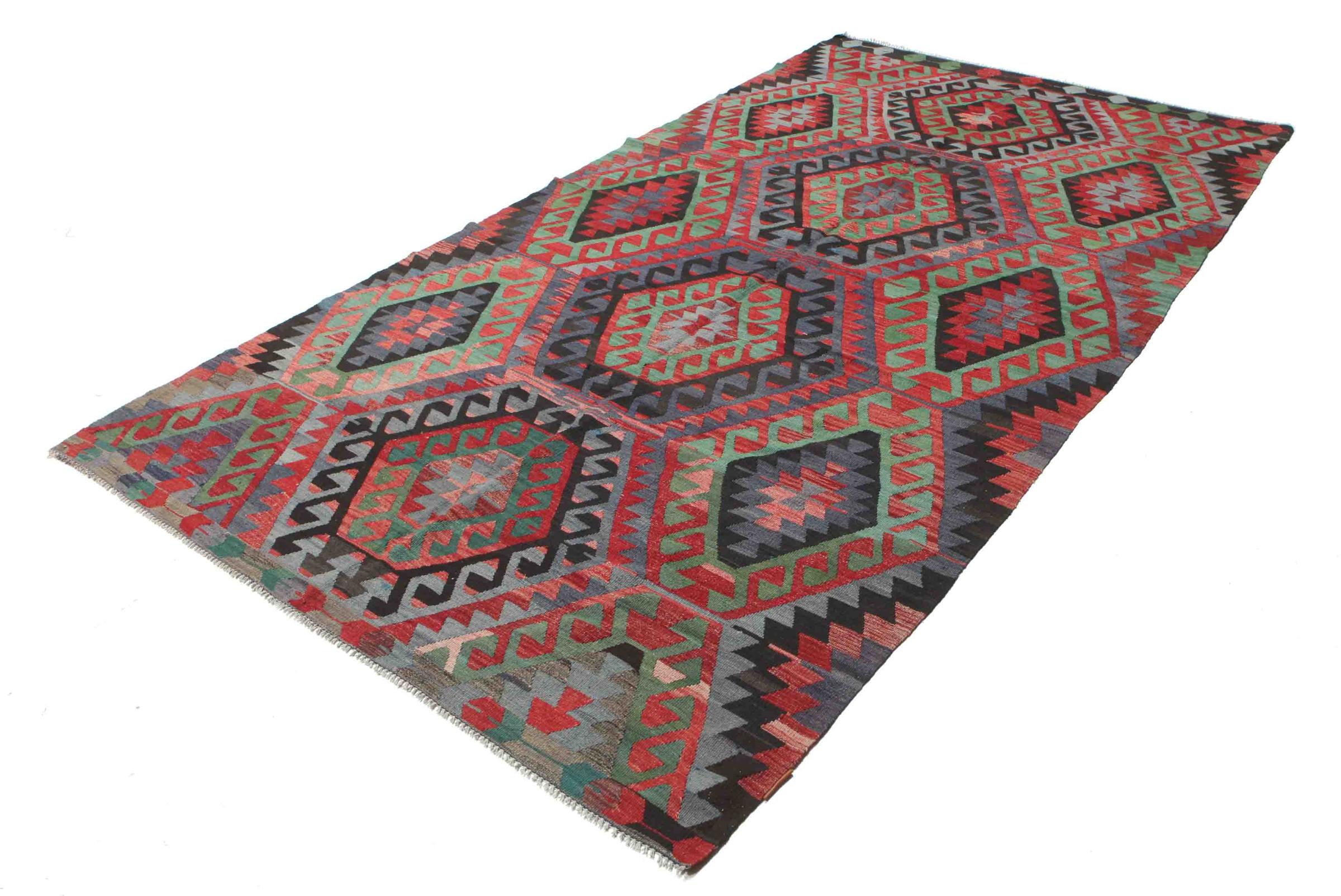
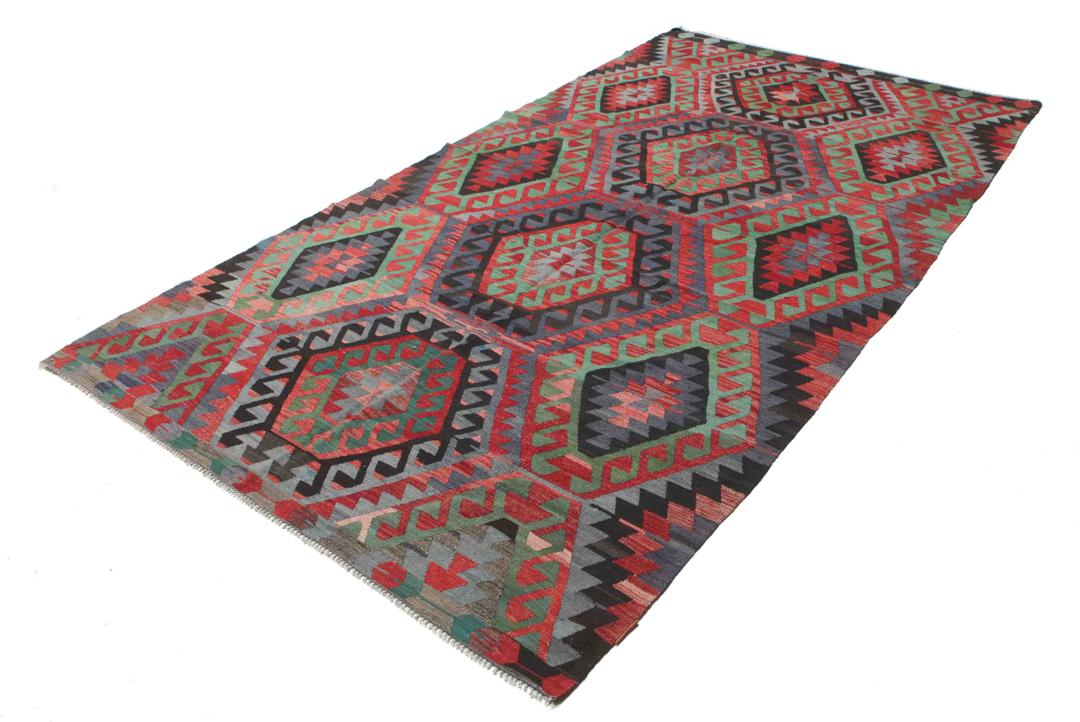
Kilim rugs represent one of the most enduring weaving traditions in the Middle East and Central Asia. The term refers specifically to the flat-woven technique where the horizontal threads are tightly packed to cover the vertical foundation, resulting in a rug without a pile. This tradition has deep roots in nomadic culture, where durable and portable textiles were essential for daily life.
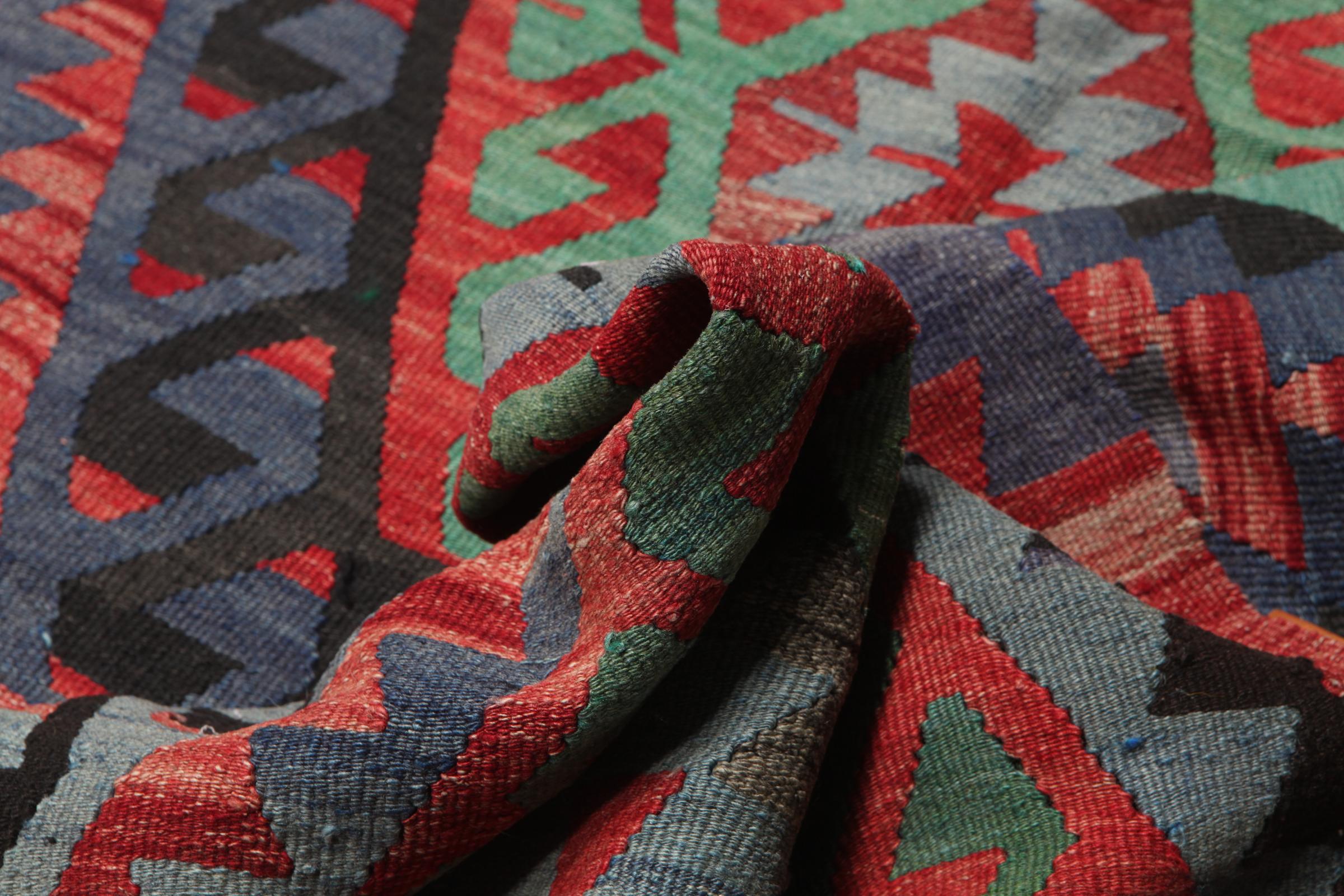
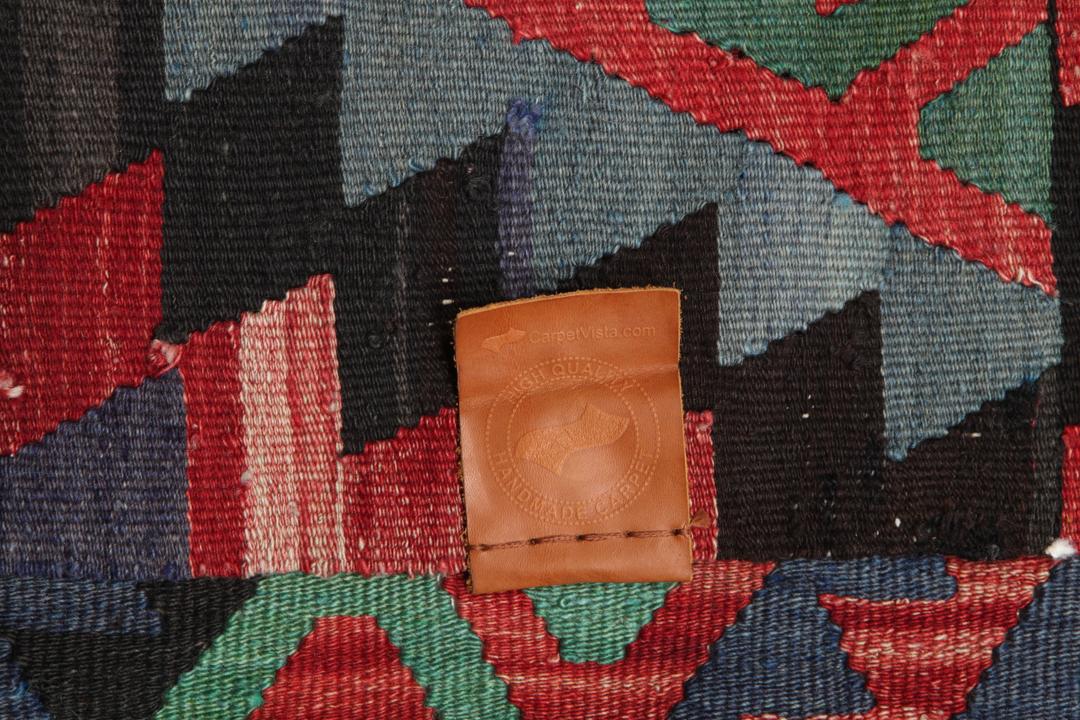
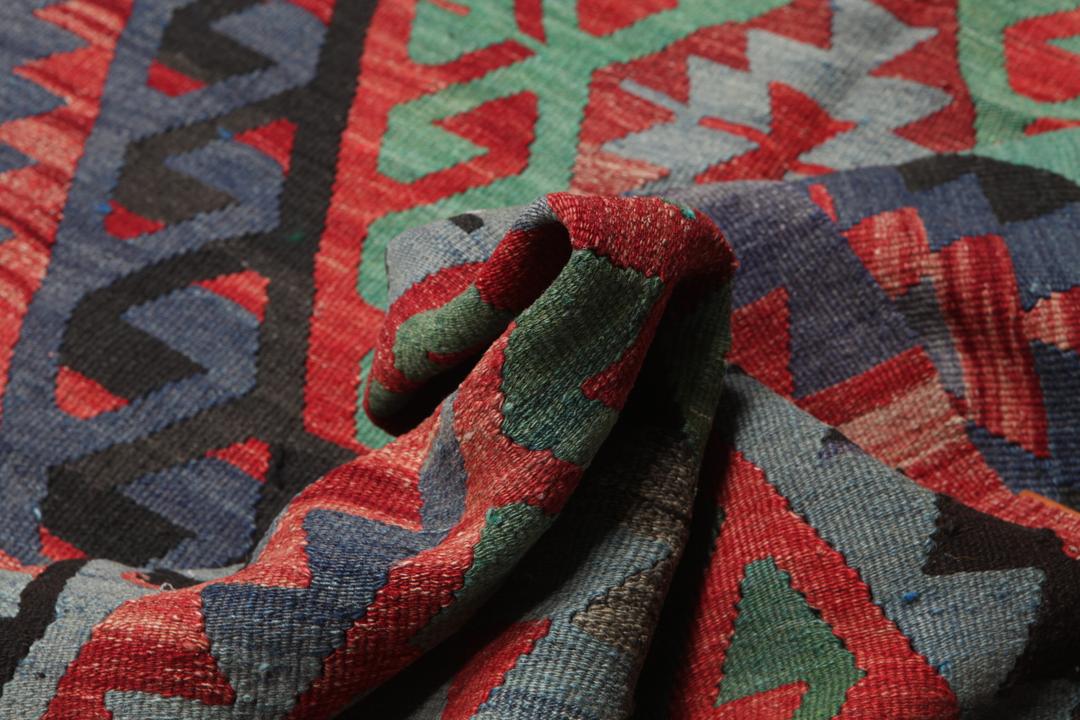
The flat-weave technique is what gives the kilim its characteristic lightweight feel and reversible nature. By weaving the design directly into the structure of the rug rather than knotting it on, the artisan creates a seamless, durable surface. This method requires immense precision, as the weaver must manage both the structural foundation and the intricate colour changes simultaneously to maintain the integrity of the design.
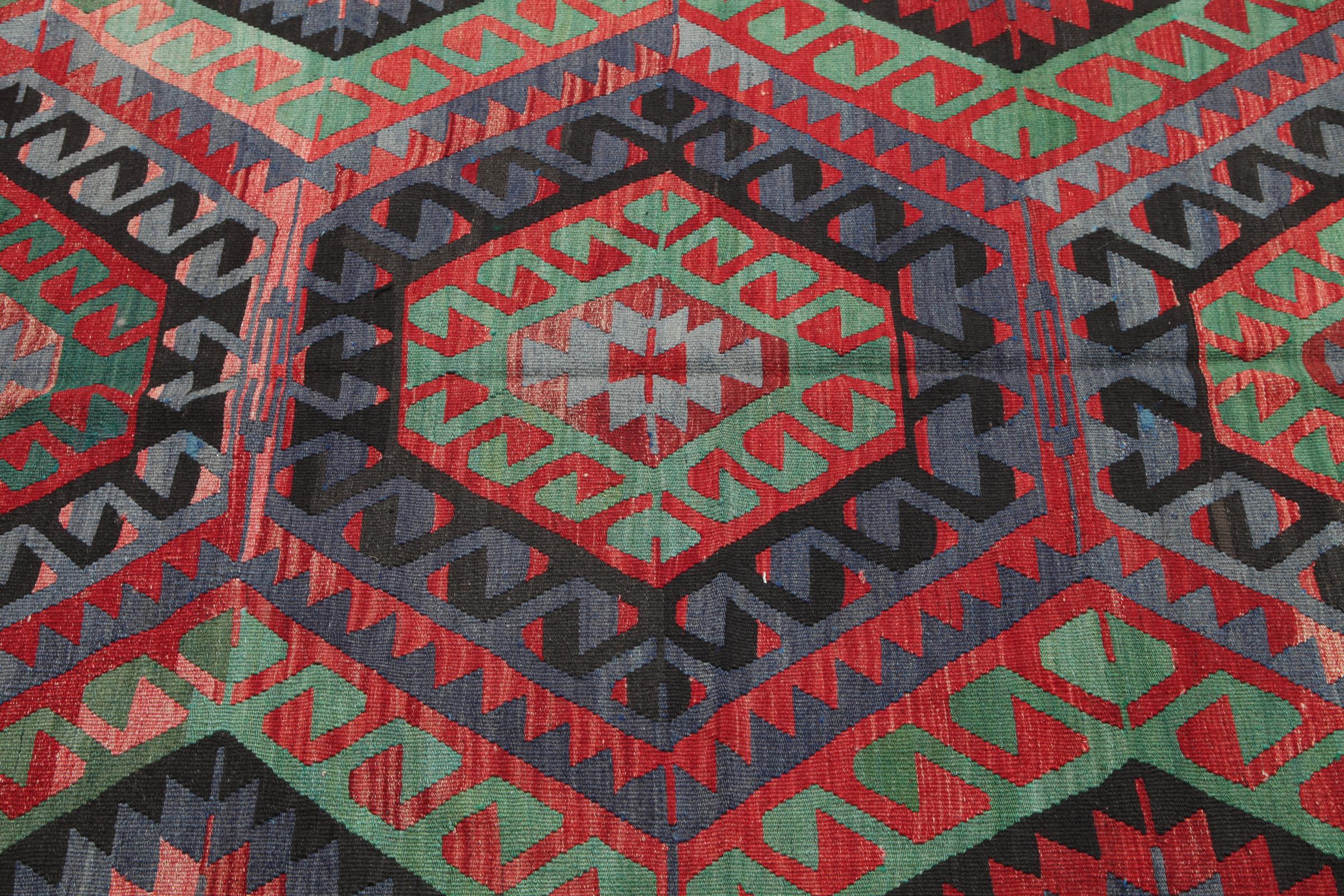
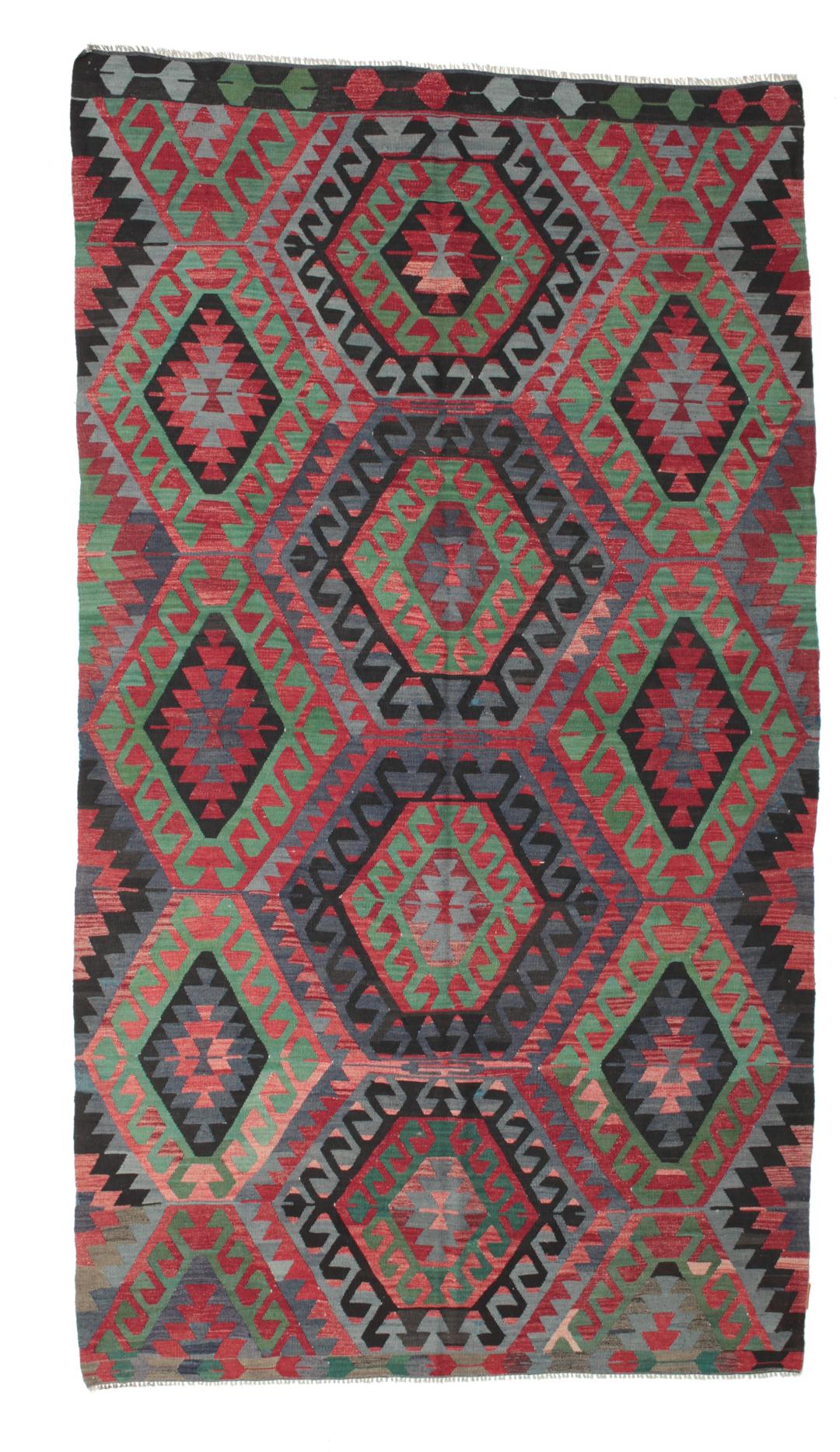
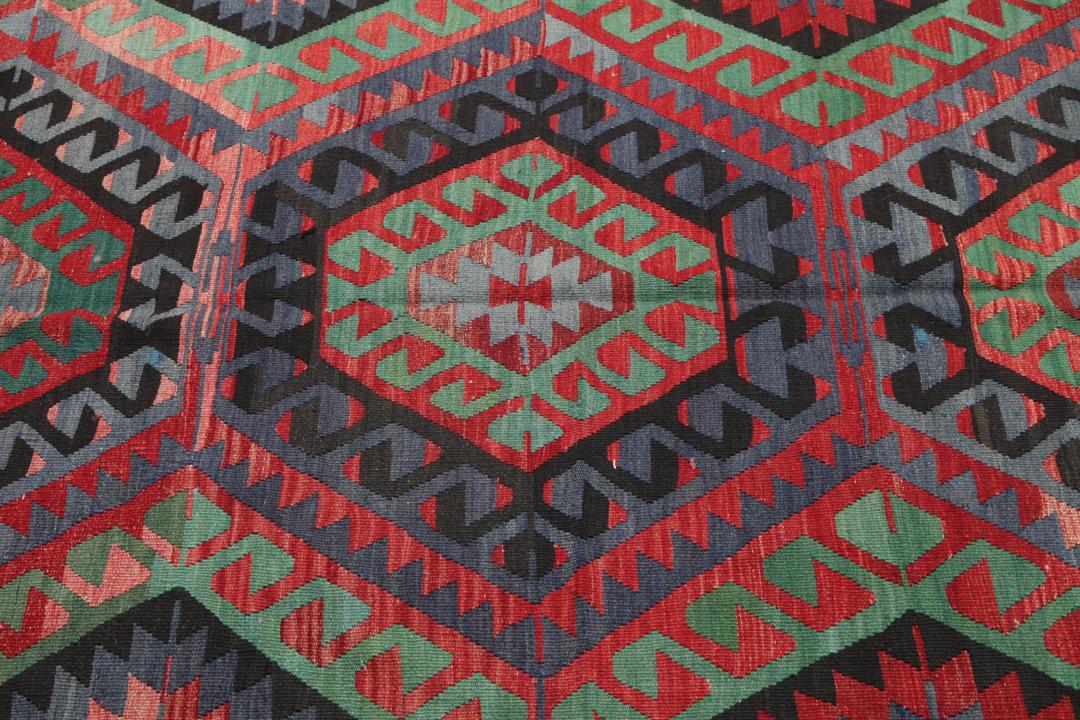
Visually, these rugs are defined by their sharp, geometric motifs. Traditional kilims often feature diamonds, triangles, and stylised floral motifs that serve as a visual language for the weaver's heritage. The use of bold, contrasting colours is a hallmark of this tradition, designed to stand out in the stark environments of the regions where they originated.
Owning a vintage kilim is an investment in human skill and tradition. Because these pieces were often created for personal use or as dowries, they possess a cultural weight that modern, mass-produced items lack. Collectors value these rugs not only for their aesthetic appeal but for the way they preserve the stories and techniques of the artisans who crafted them long ago.