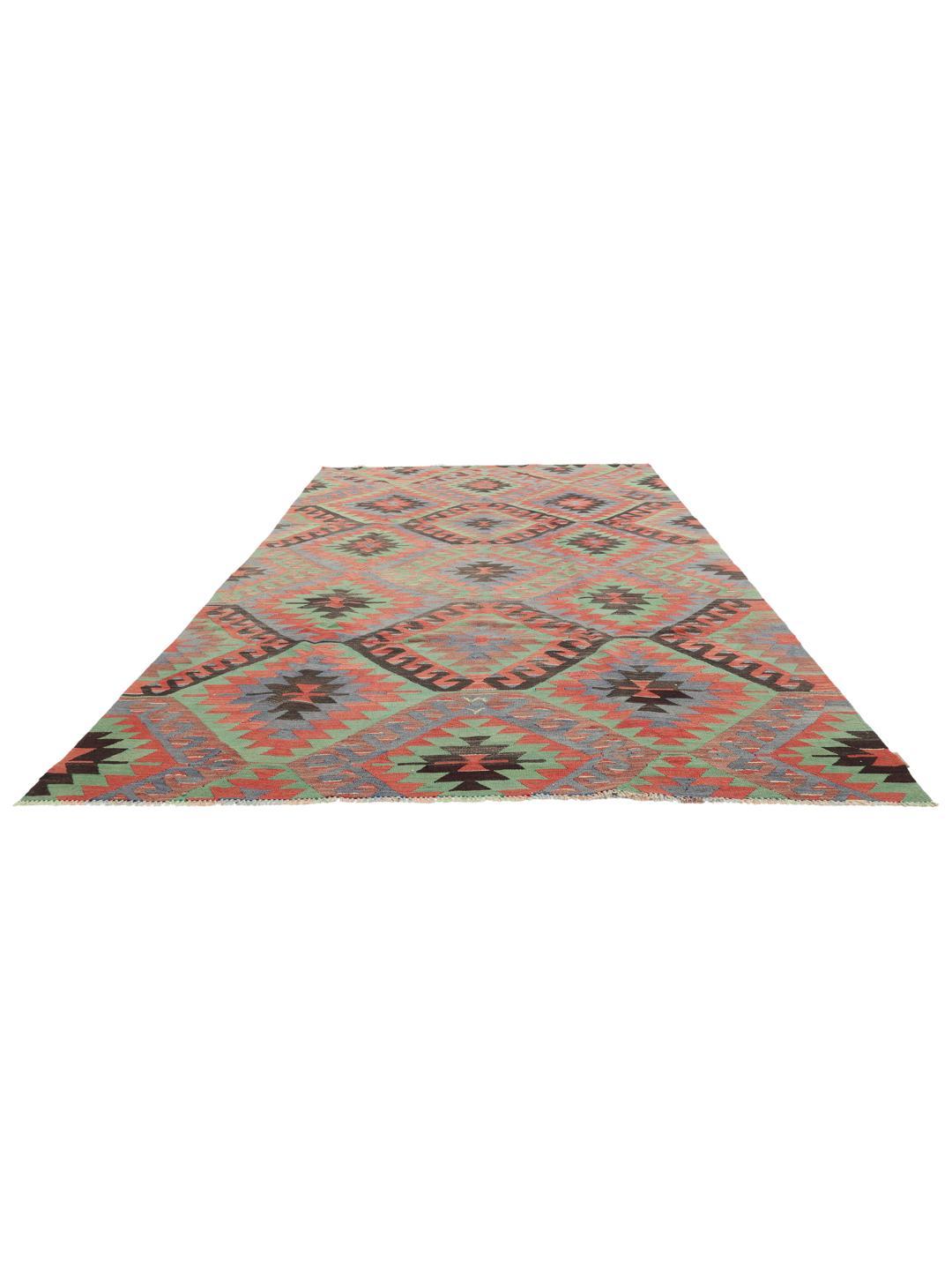
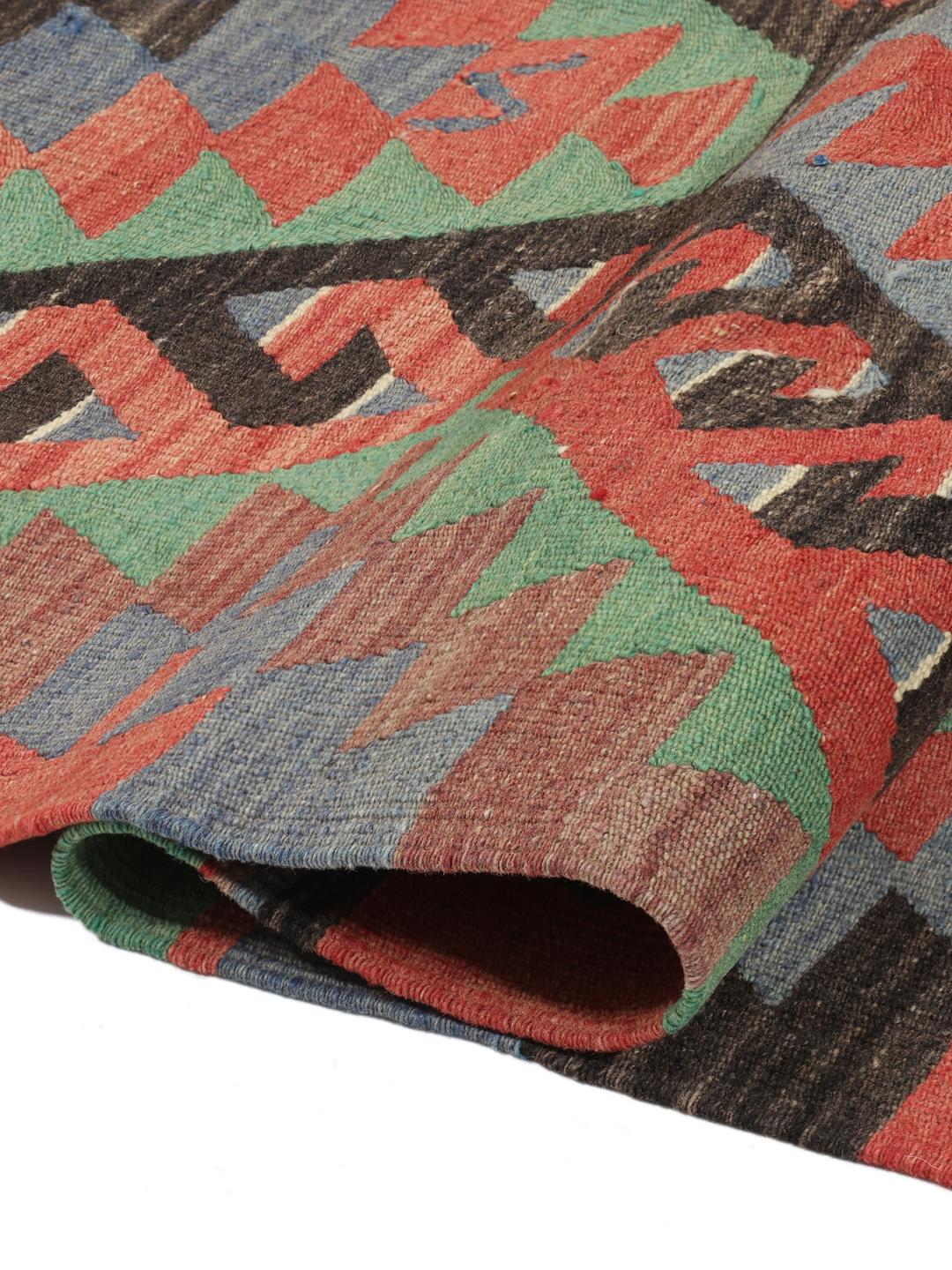
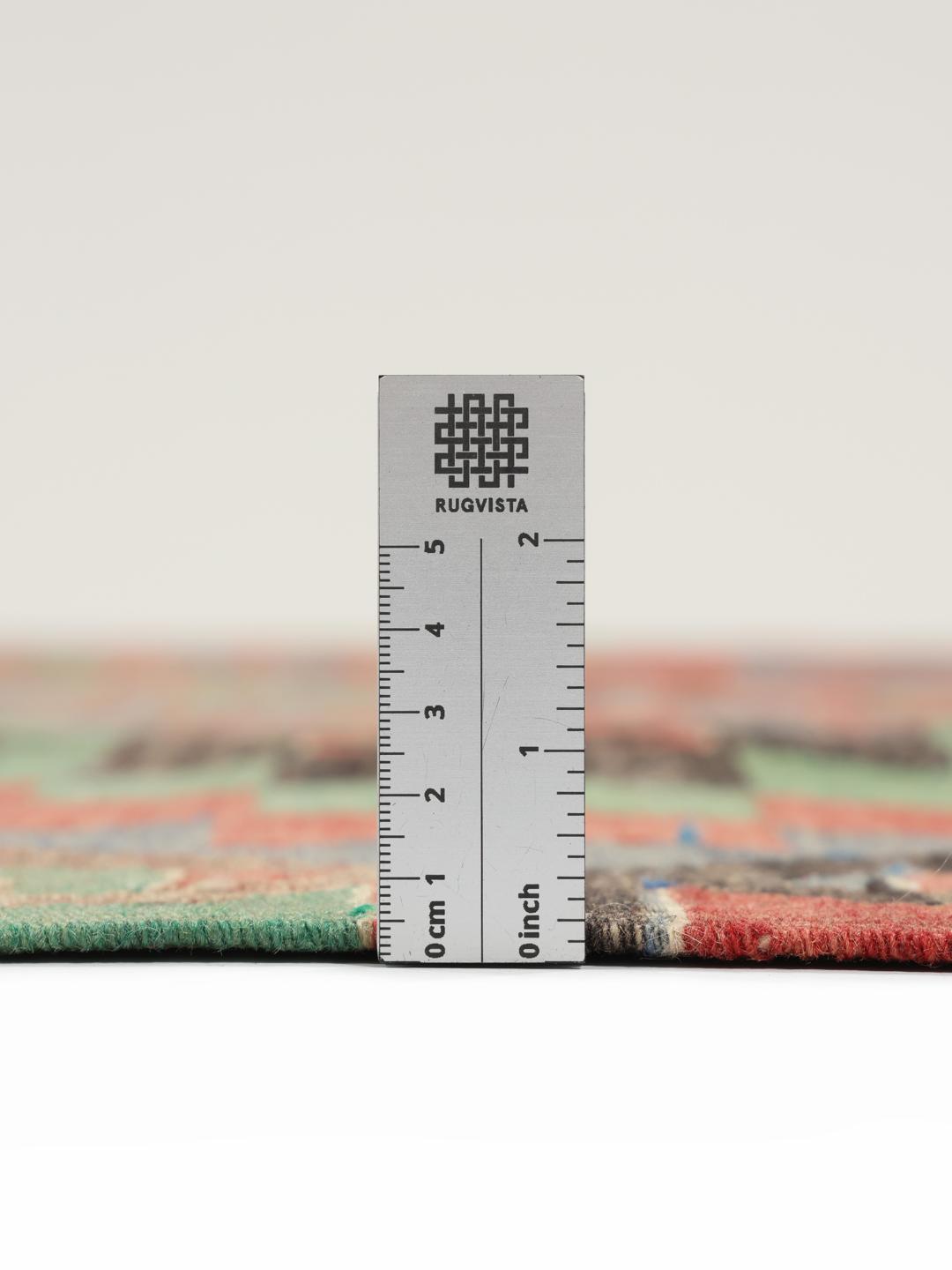
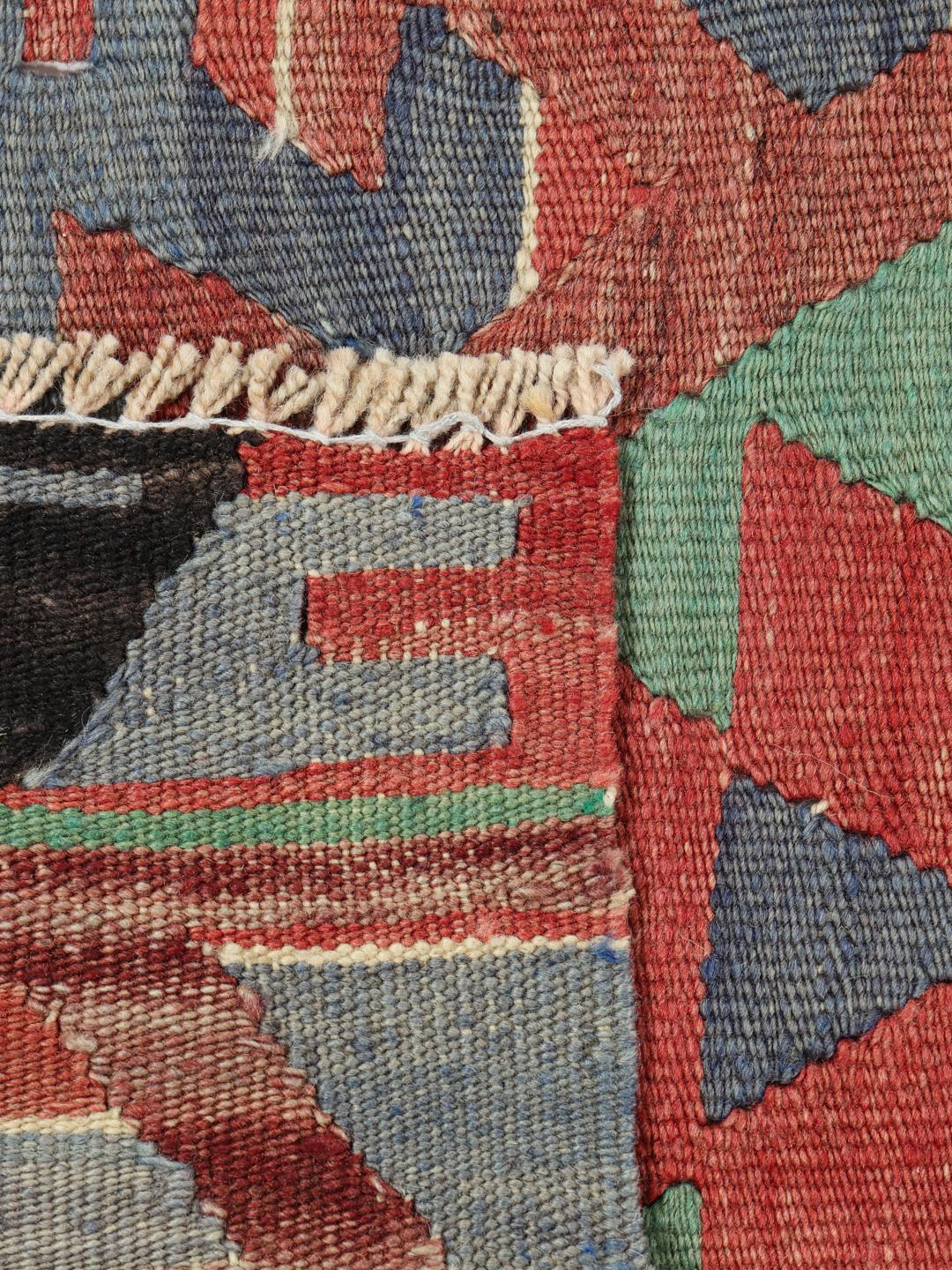
Kilim rugs represent one of the most enduring traditions in textile history, originating from the nomadic cultures of the Middle East and Central Asia. The term Kilim refers to a specific flat-weaving technique rather than a single style, characterised by the absence of a pile. Historically, these rugs were essential to nomadic life, serving as floor coverings, wall hangings, and functional storage bags, designed to be durable enough for travel yet beautiful enough to reflect the weaver’s cultural identity.
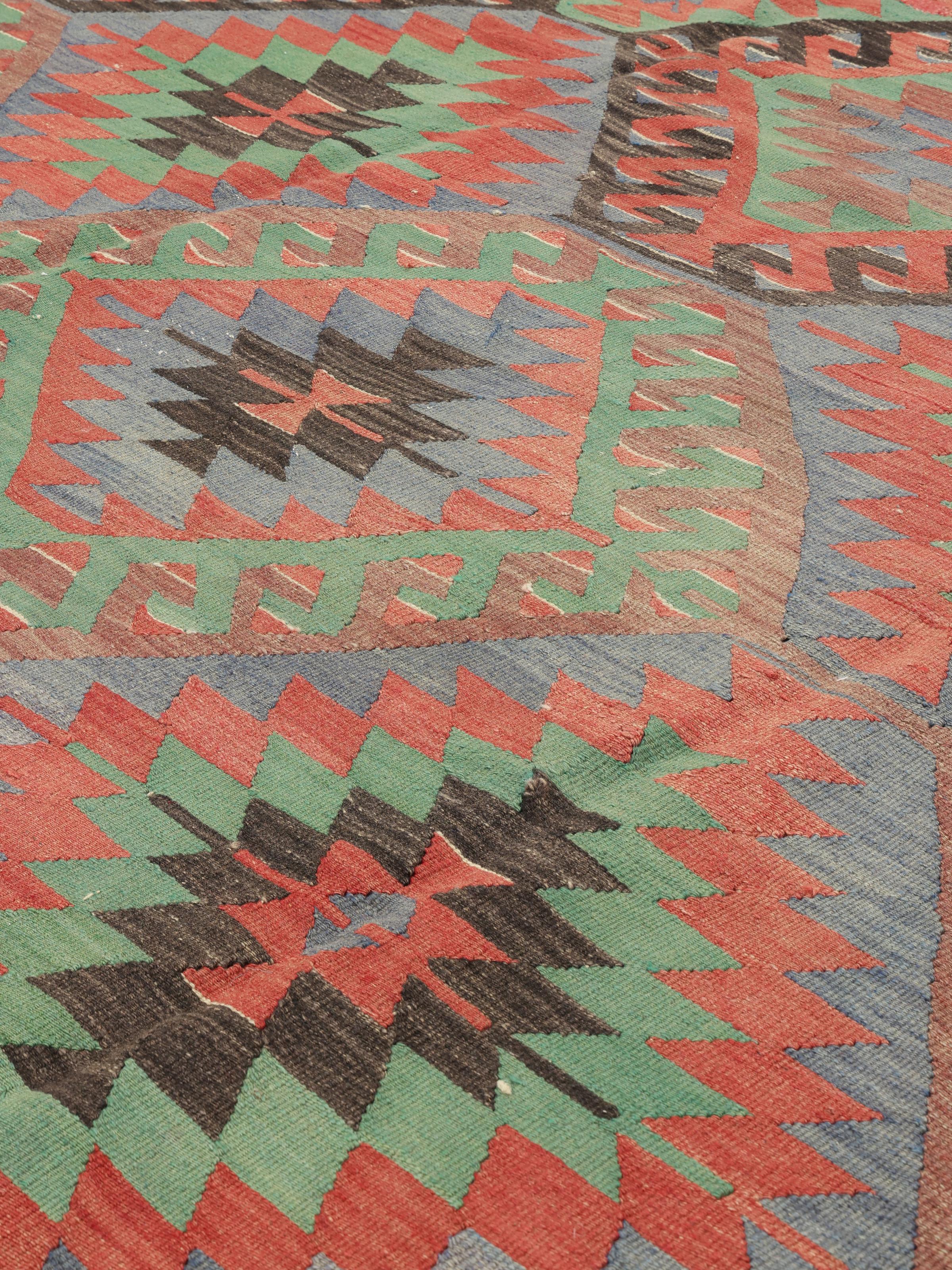
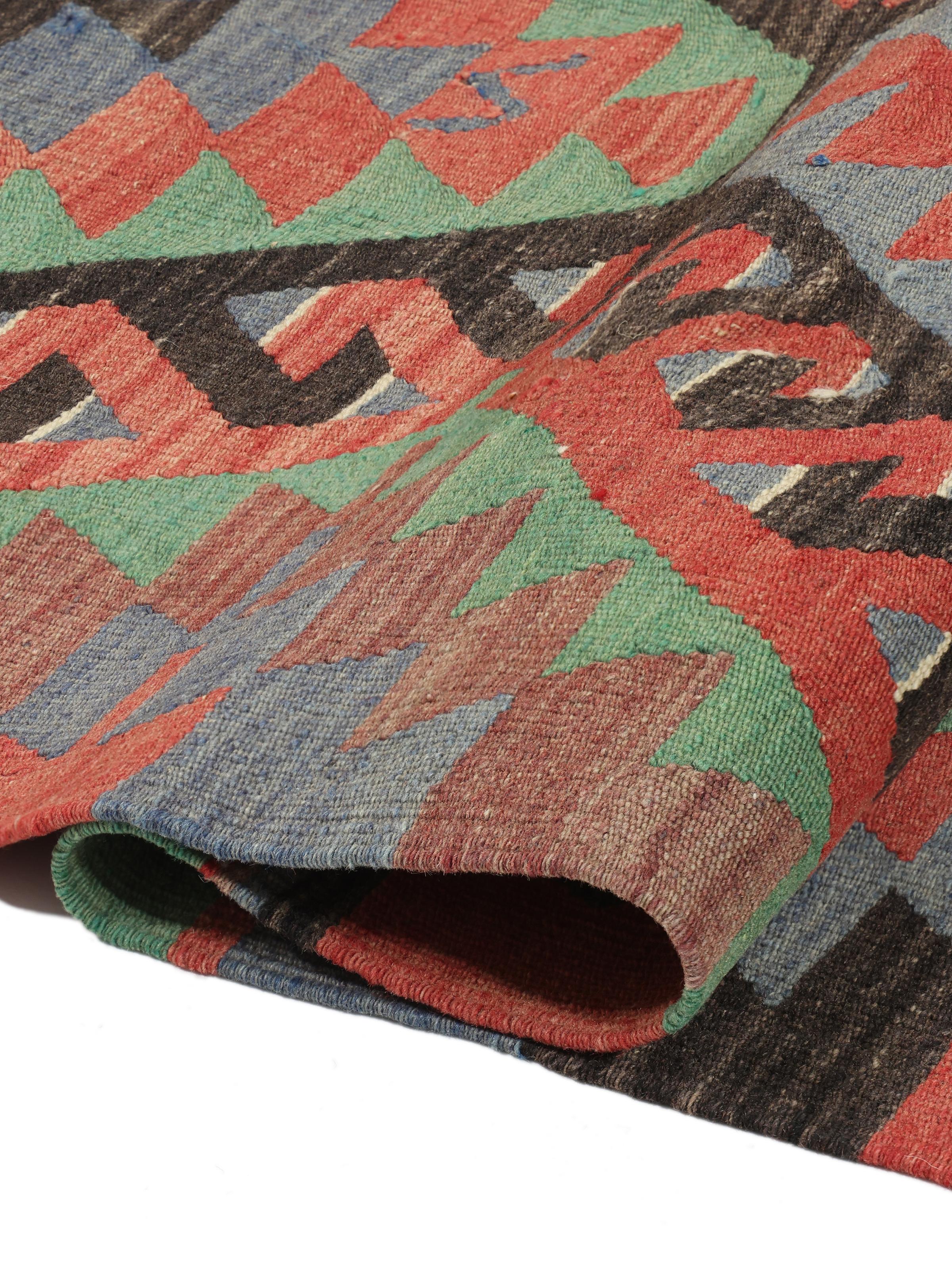
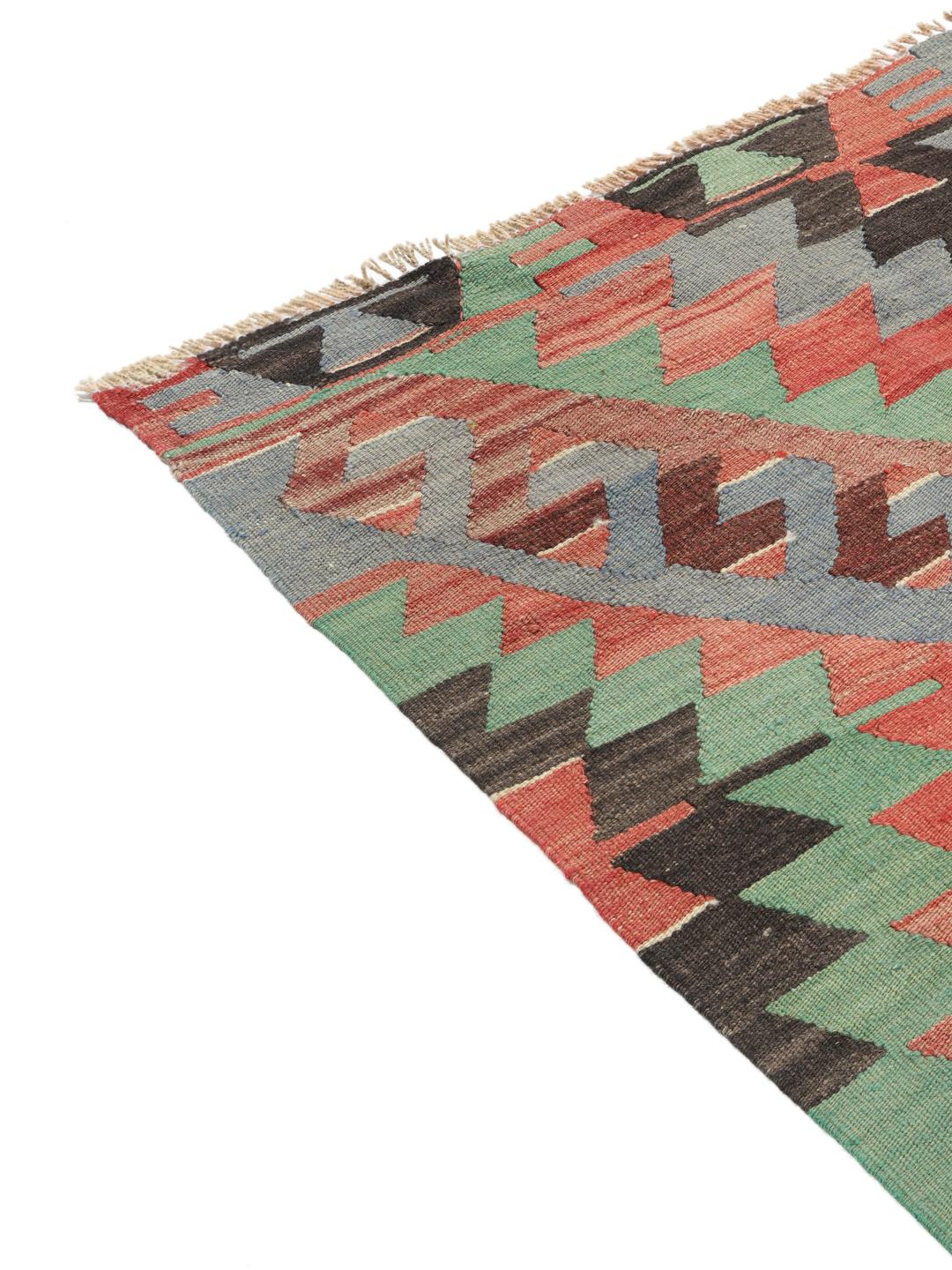
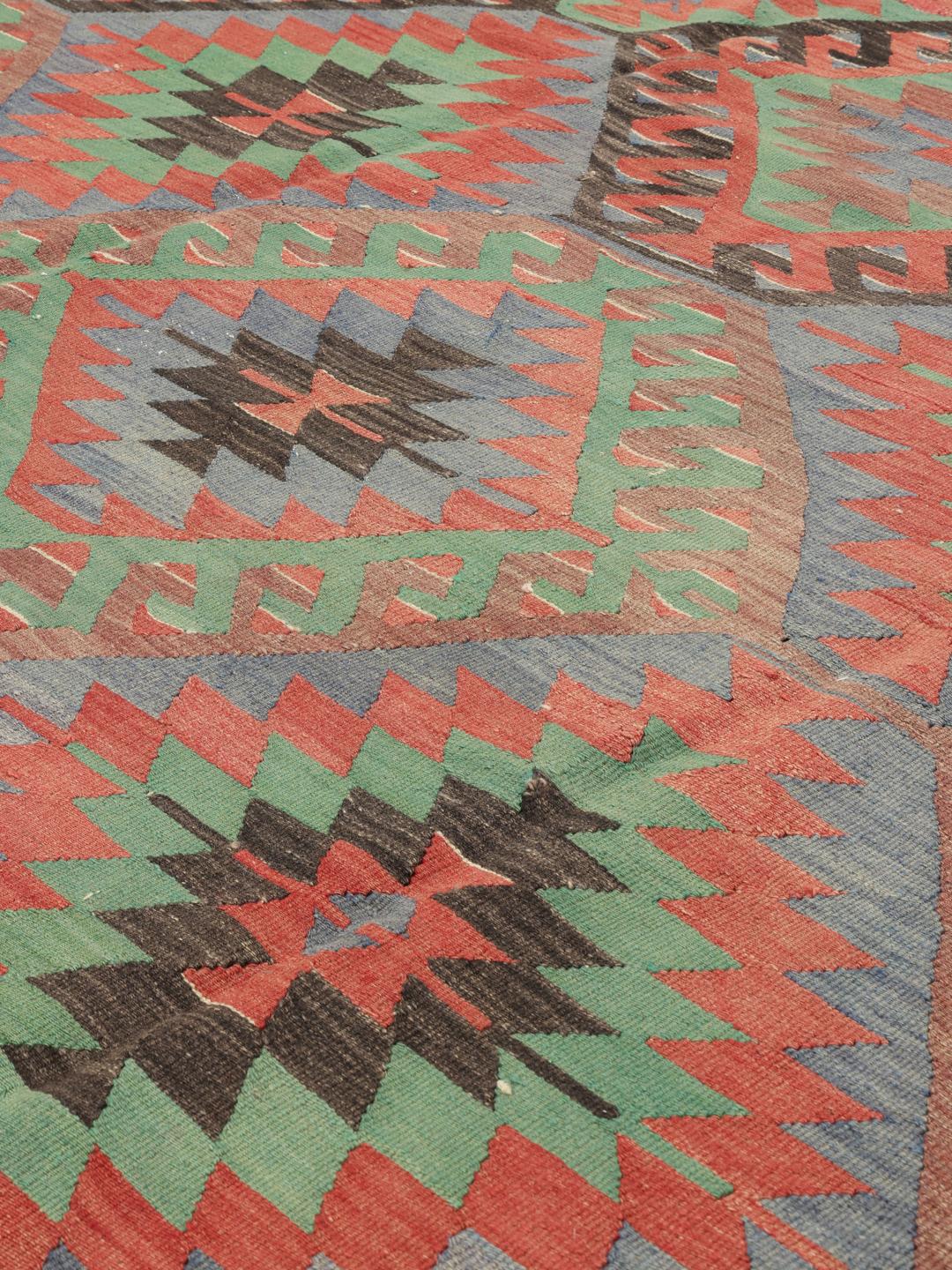
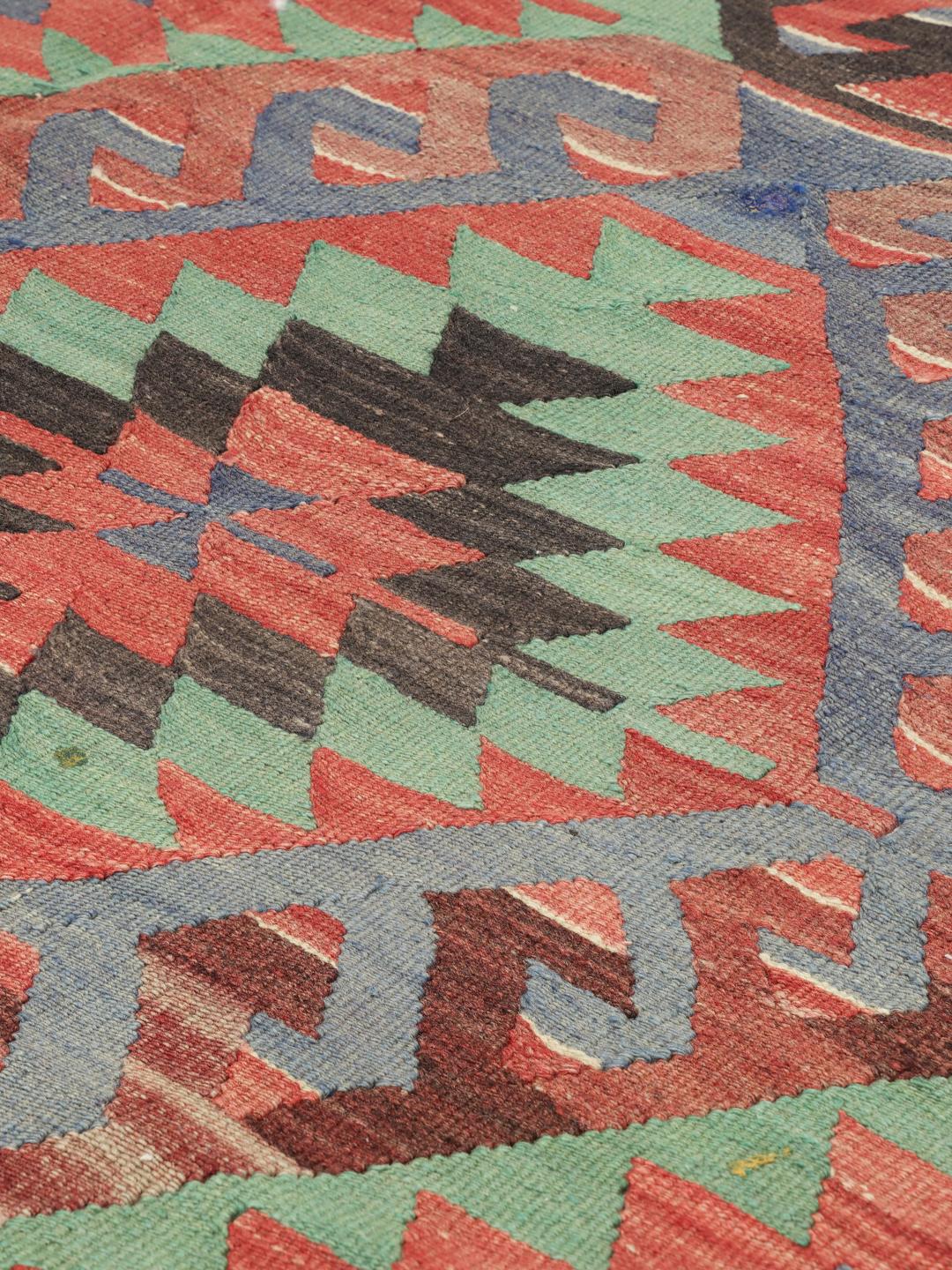
The craft of weaving a Kilim is a complex process where the warp and weft are tightly interlaced to form the pattern. This technique creates a reversible rug with a smooth, firm surface that is highly prized for its versatility. The quality of a Kilim is often determined by the fineness of the weave and the quality of the Wool, which allows for intricate, sharp-edged designs that have defined the aesthetic of the region for centuries.
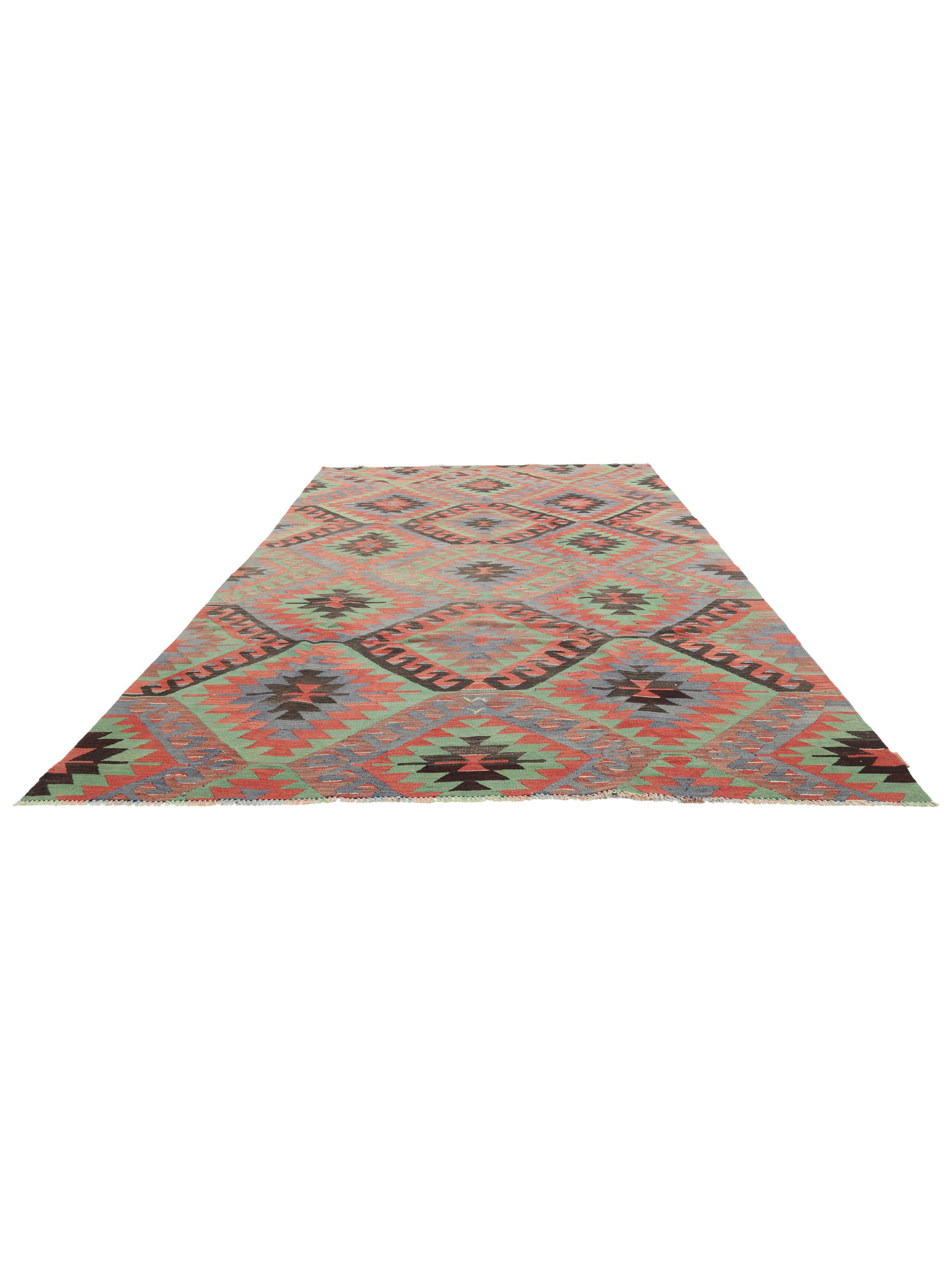
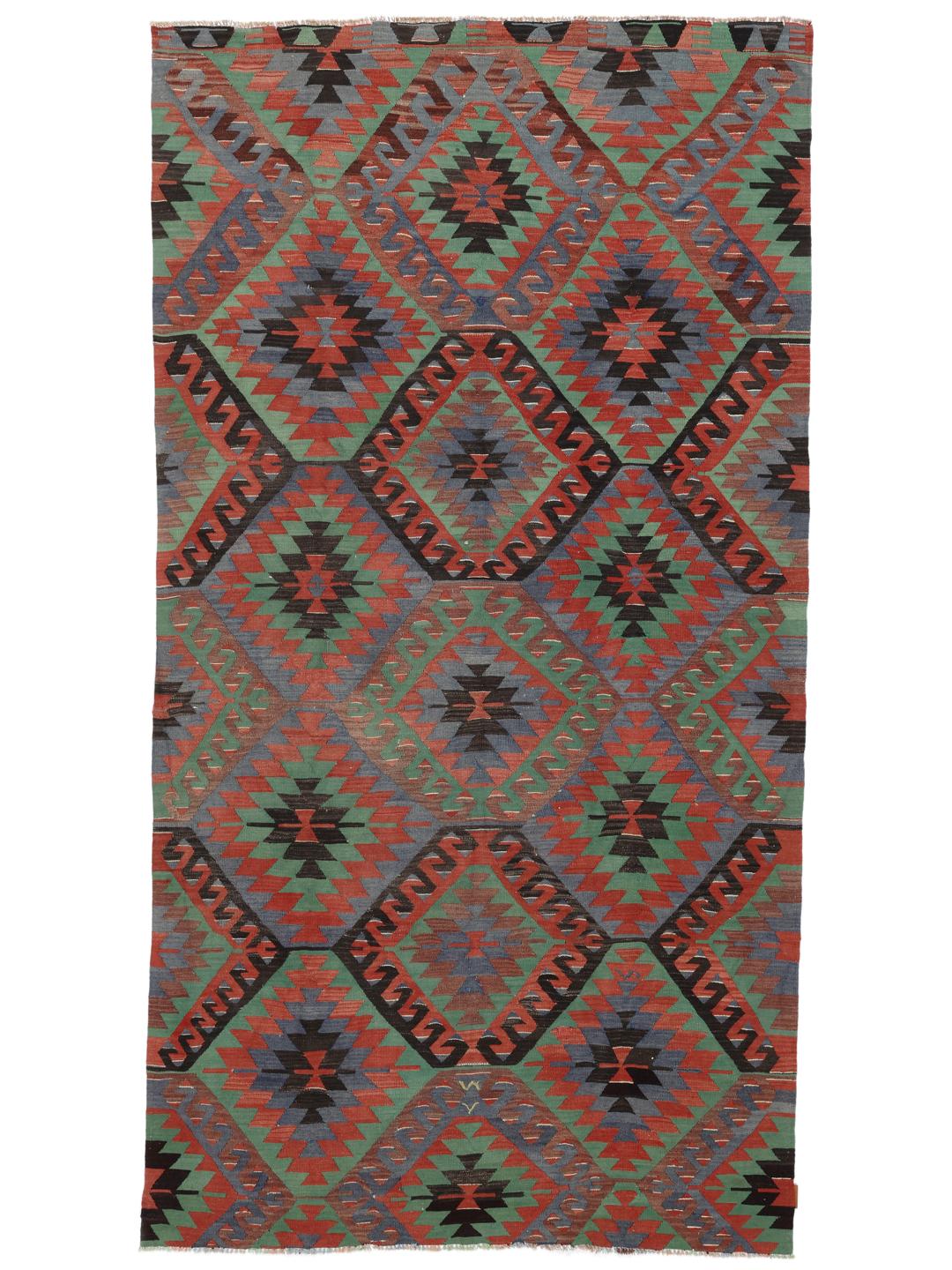
Signature design elements of Turkish Kilims often include bold geometric motifs such as diamonds, triangles, and stylized floral forms. Each symbol can hold deep traditional meaning, often representing protection, fertility, or the natural landscape. In this particular piece, the repeating geometric patterns demonstrate the weaver's mastery of symmetry and colour balance, showcasing the vibrant palette traditional to Turkish weaving centres.
Owning a vintage Kilim is an opportunity to connect with a legacy of skill and creativity. These rugs are highly valued by collectors and interior enthusiasts for their authenticity and the way they age, developing a softer patina that only enhances their charm. By acquiring this piece, you are preserving a craft tradition that has remained largely unchanged for generations, ensuring its story continues to be told in your home.