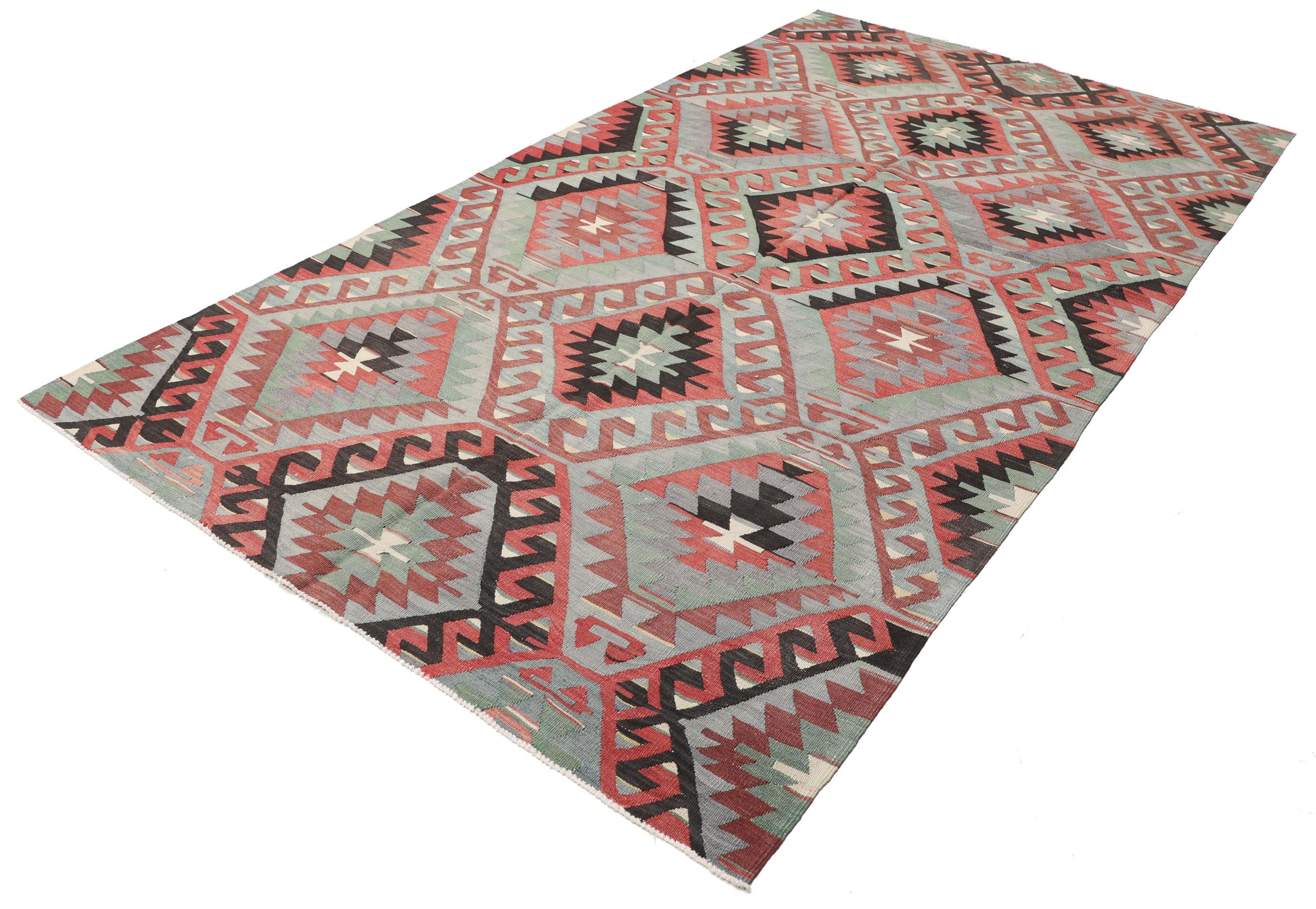
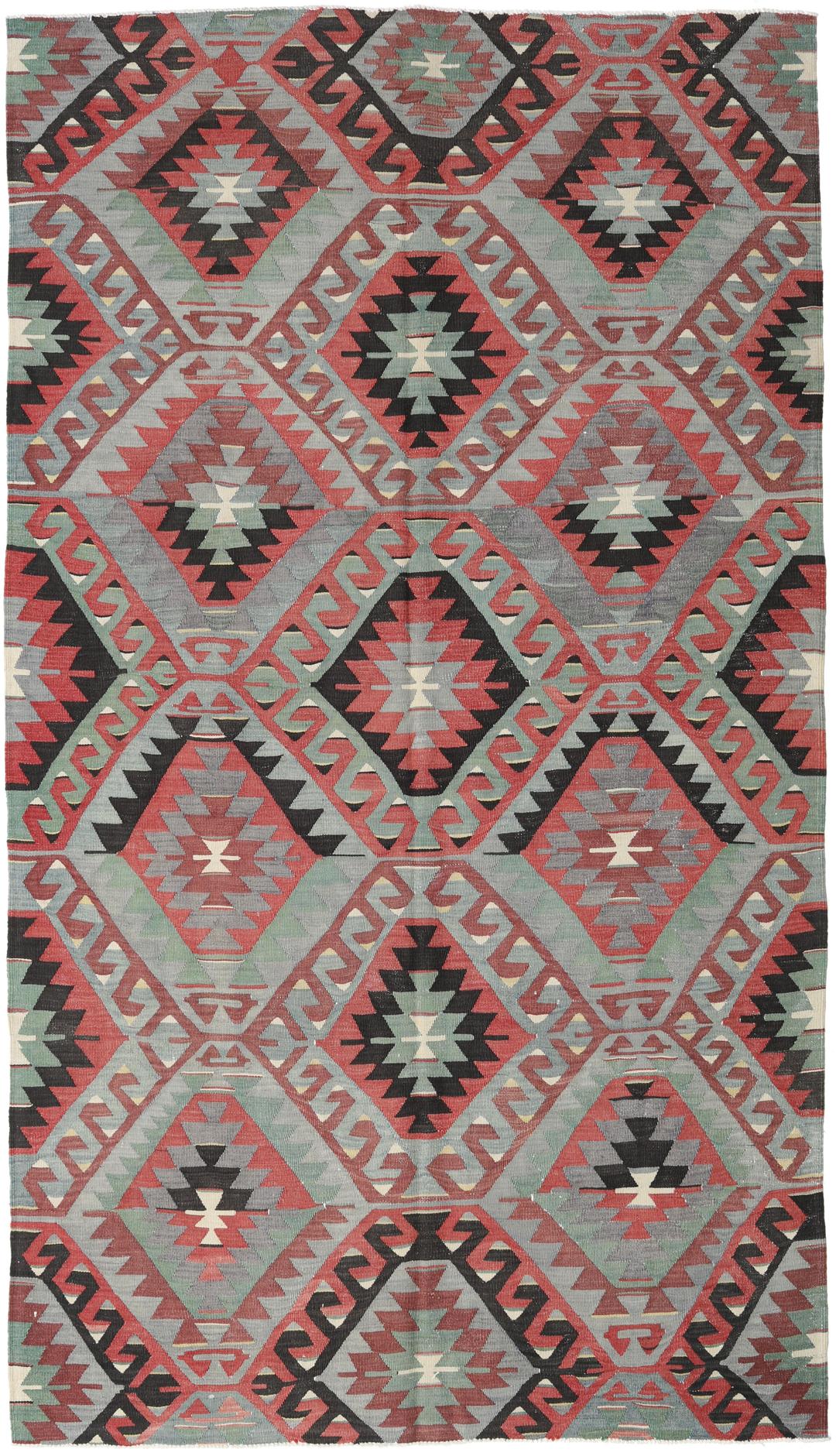
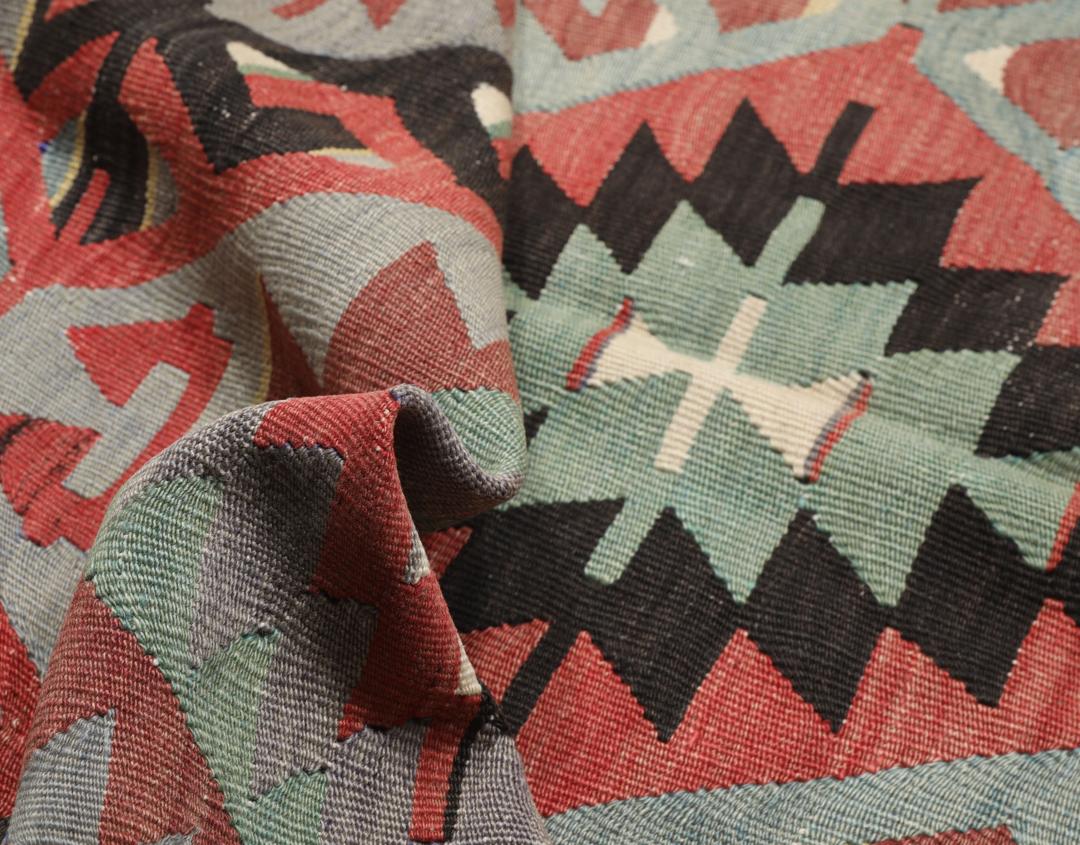
The term Kilim refers to a specific tradition of flat-weaving that has been central to the cultures of the Middle East and Central Asia for centuries. These rugs were traditionally created by nomadic and semi-nomadic tribes as versatile textiles, serving as floor coverings, wall hangings, and even as protective saddlebags during long migrations across the region.
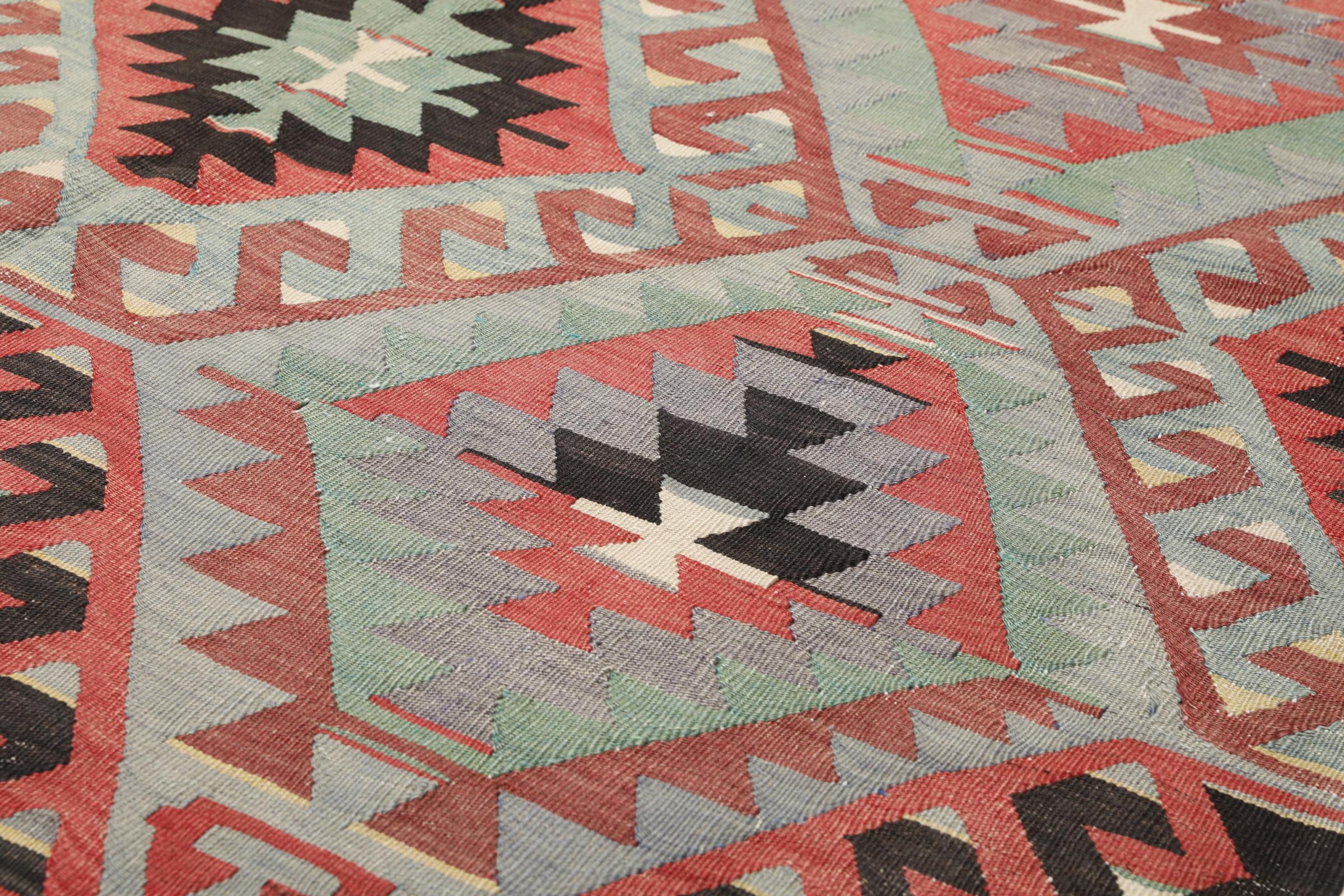
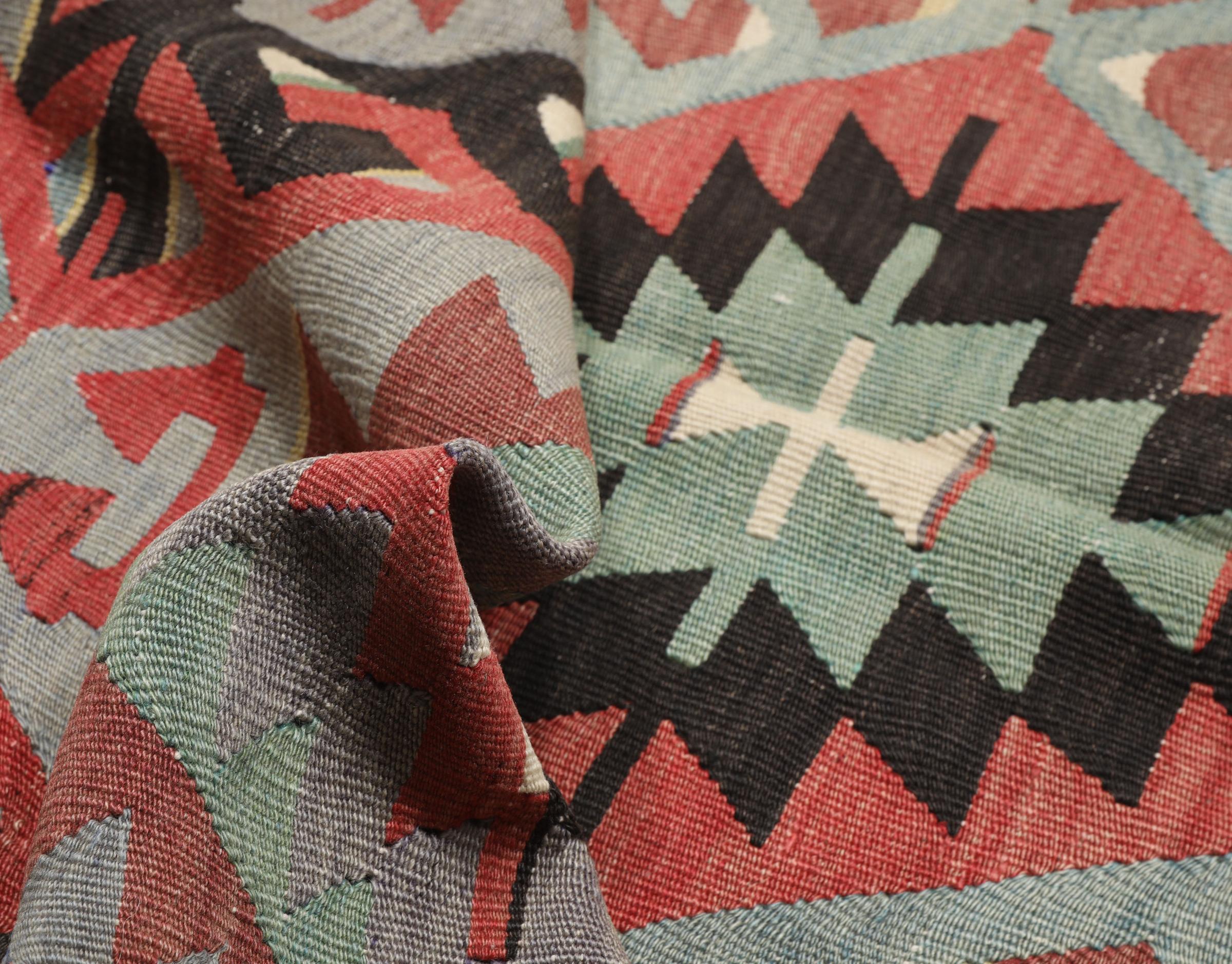
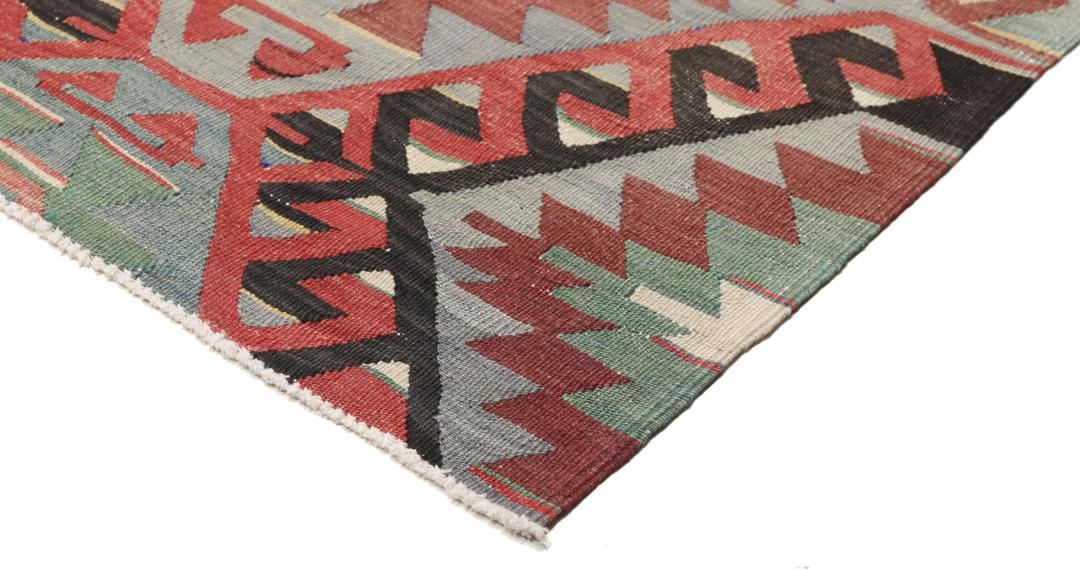
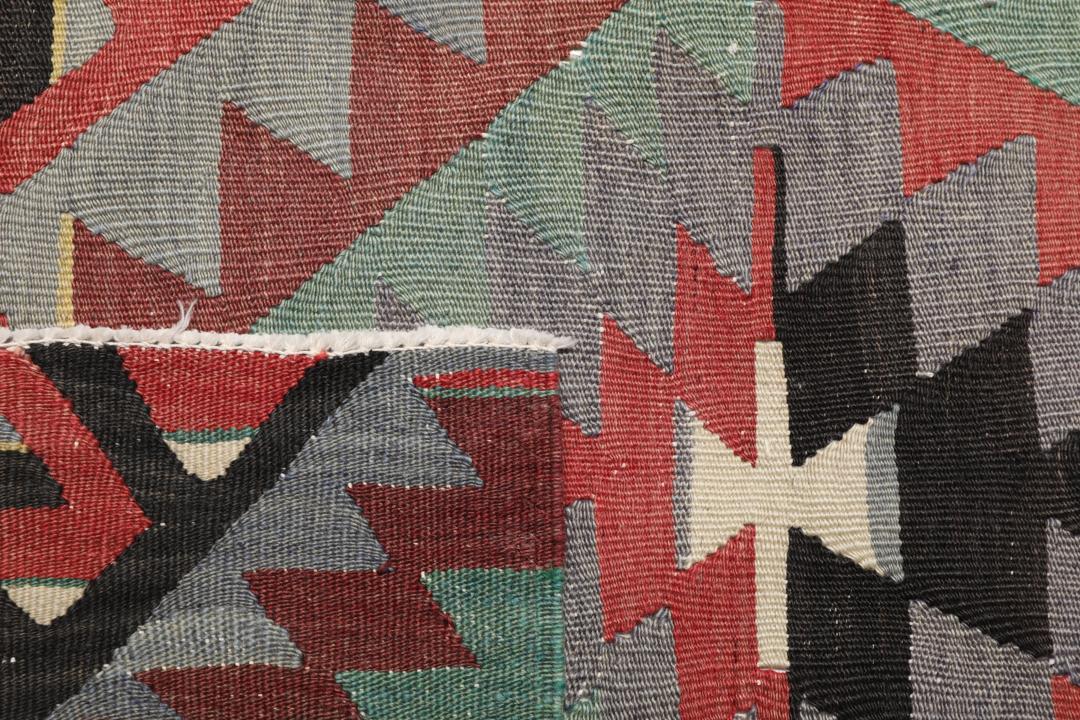
The craft of flat-weaving is distinct from knotted pile rugs because it involves weaving the horizontal threads directly over and under the vertical warp threads. This technique creates a reversible, lightweight, and durable fabric. Mastering this requires a deep understanding of tension, as the weaver must maintain perfect consistency to prevent the edges from pulling or warping over the large surface area.
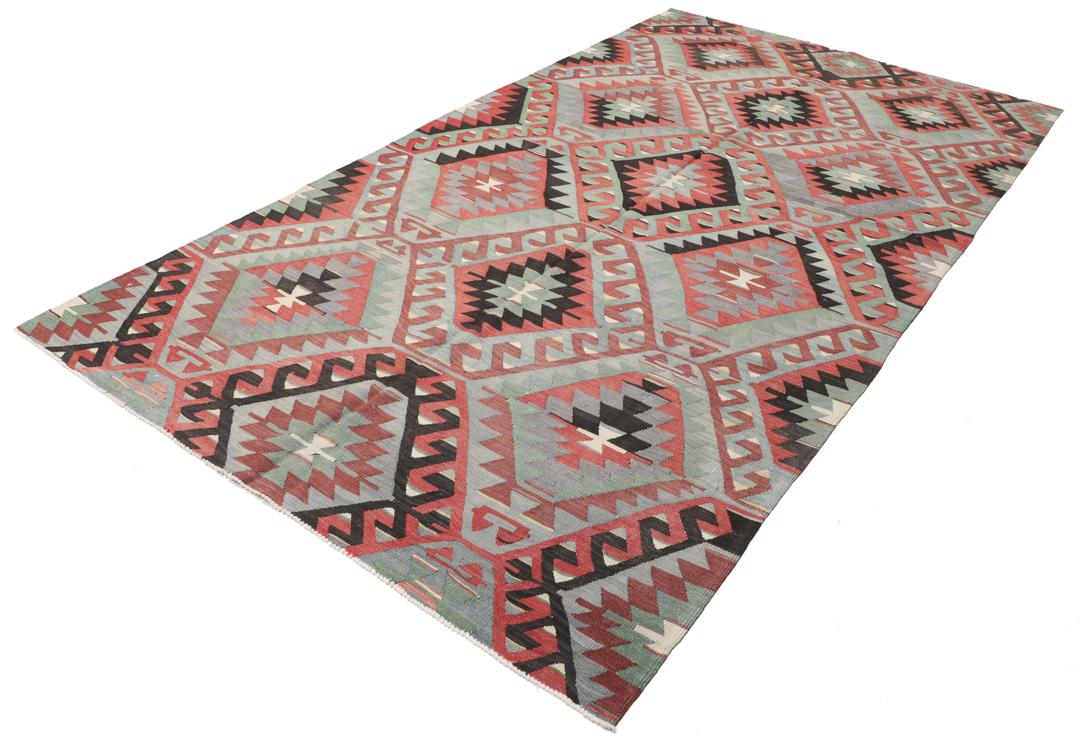
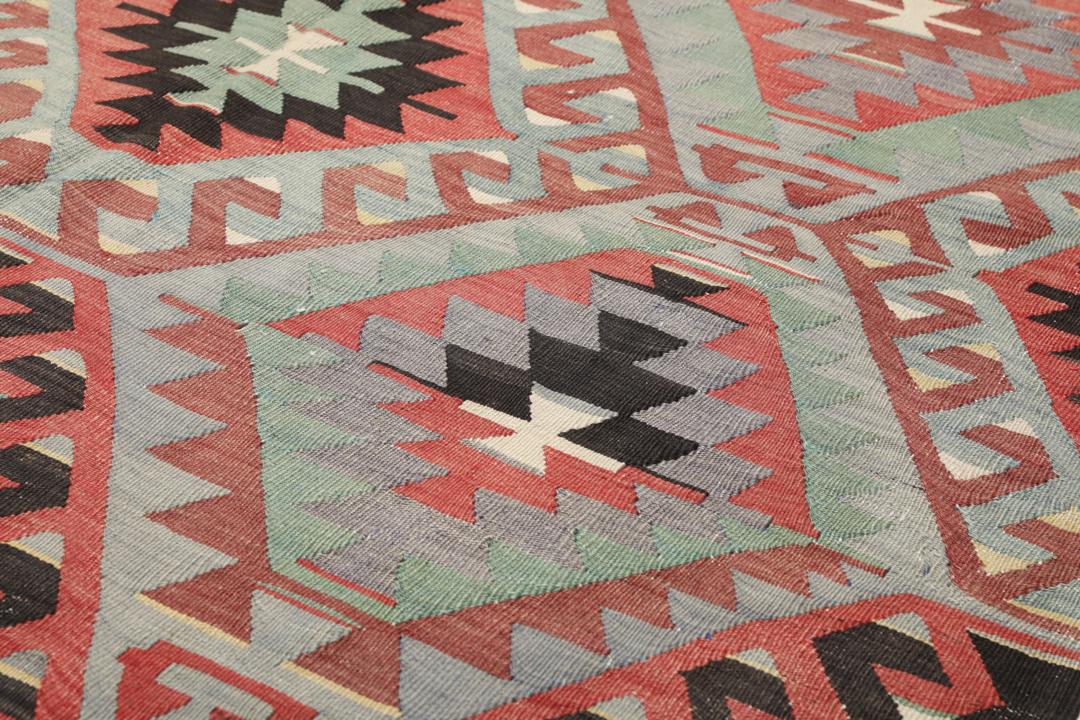
Visually, these rugs are defined by their bold geometric motifs. The diamond patterns seen here are classic examples of the tribal language used to tell stories or denote regional identities. The vibrant colour palette is typically achieved using traditional natural dyes, which mellow beautifully over time, giving each piece a soft, lived-in aesthetic that collectors and designers highly value.
Today, these vintage textiles are prized for their historical significance and the skill they represent. Owning a Kilim is not just about acquiring a floor covering; it is about preserving a craft tradition that has survived changing landscapes and modern transitions. Each rug acts as a bridge to the past, offering a unique glimpse into the artistic heritage of Turkish weaving communities.