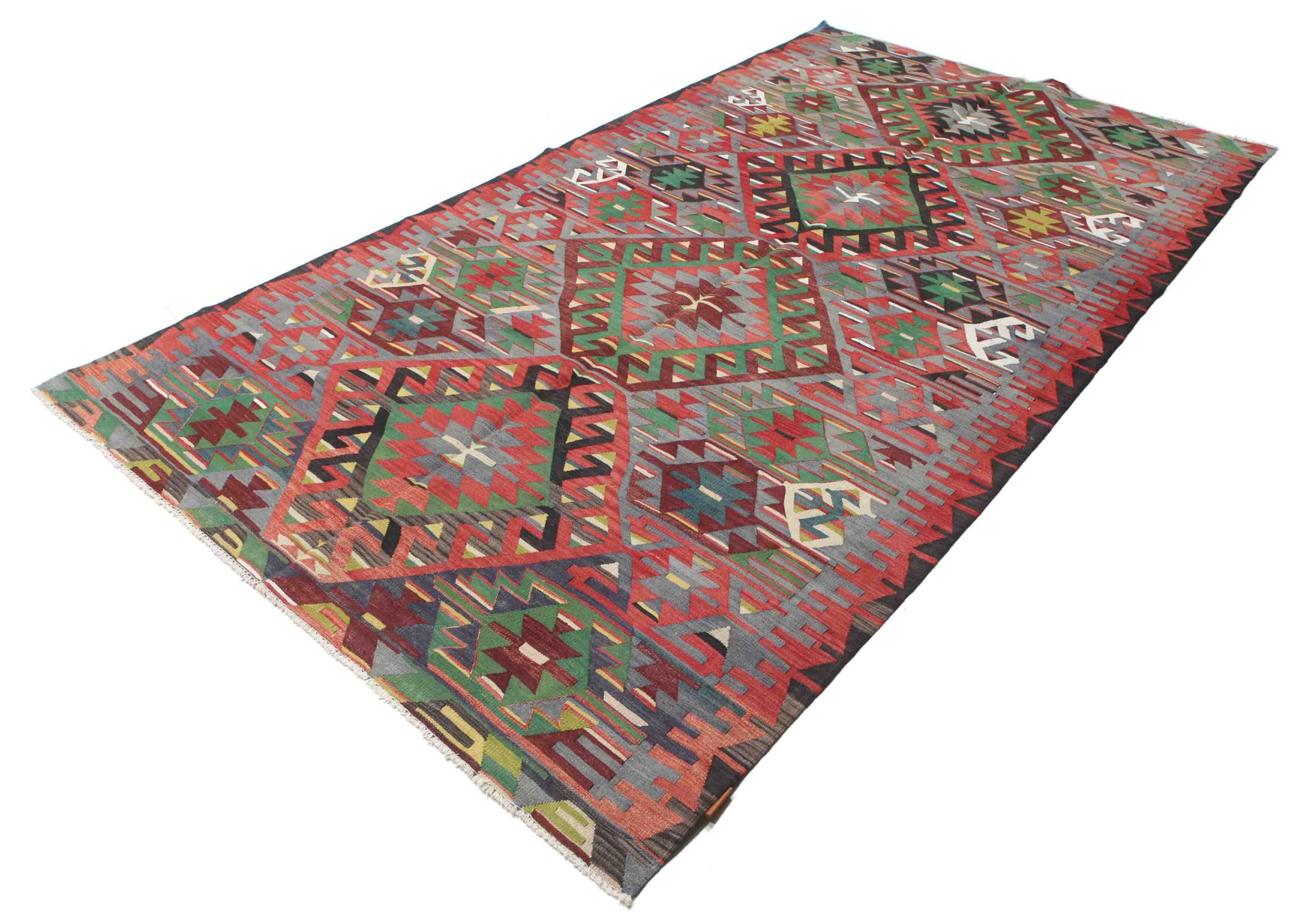
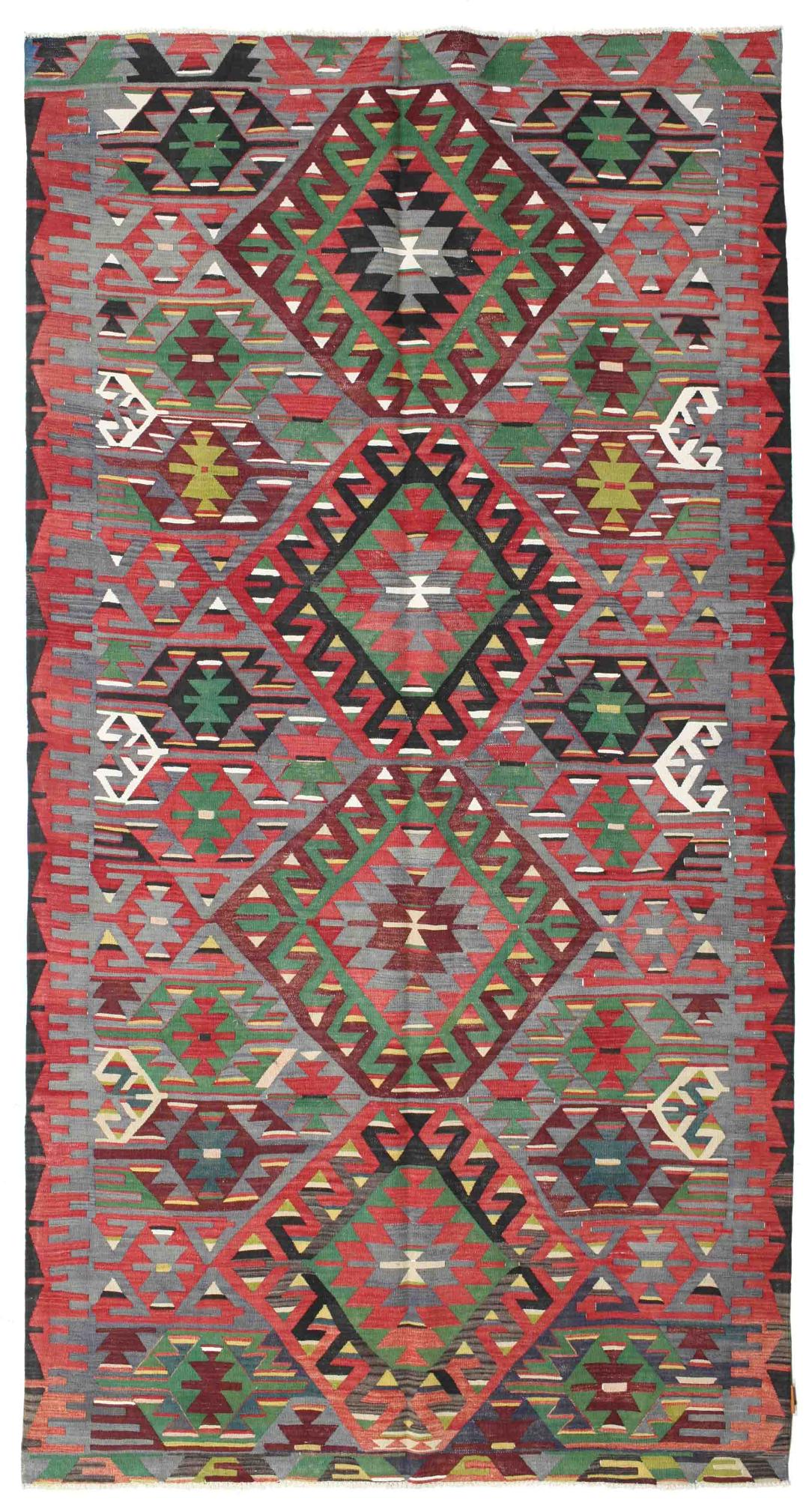
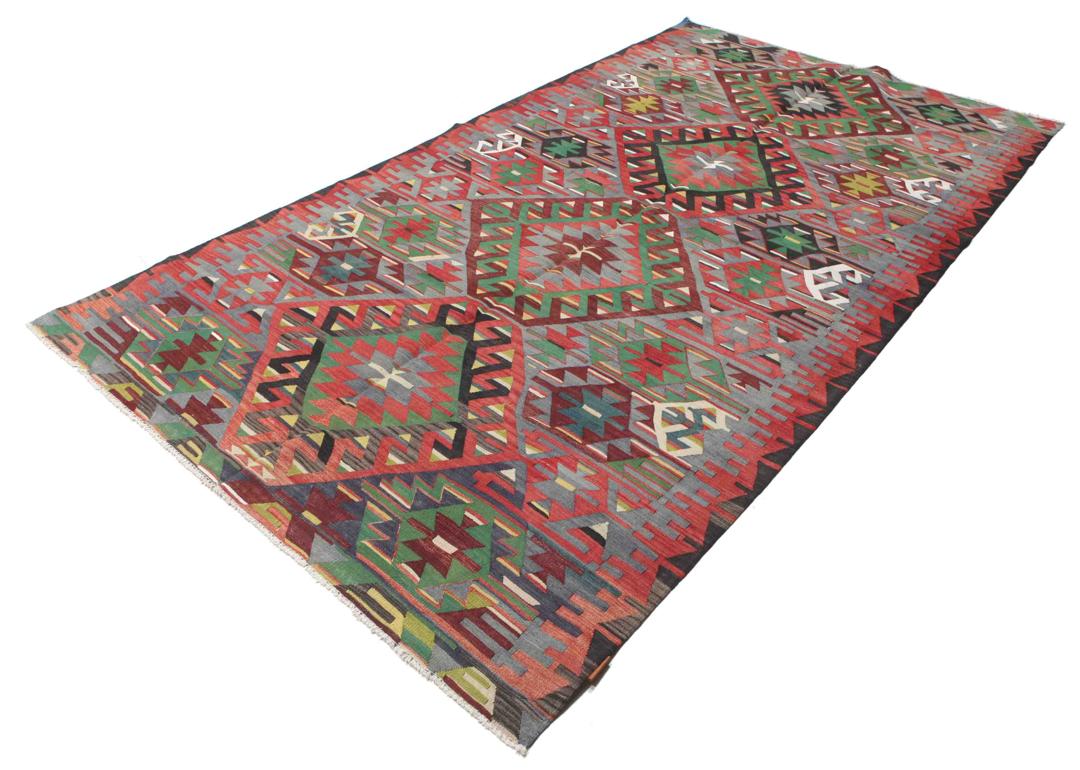
Kilim rugs are a central pillar of Turkish textile tradition, originating from the nomadic tribes of Anatolia. These flat-woven rugs were historically created as functional items for daily use, serving as everything from floor coverings and blankets to storage bags and wall hangings. The evolution of the Kilim reflects the history of the region, blending diverse cultural influences from the Silk Road with local Anatolian motifs.
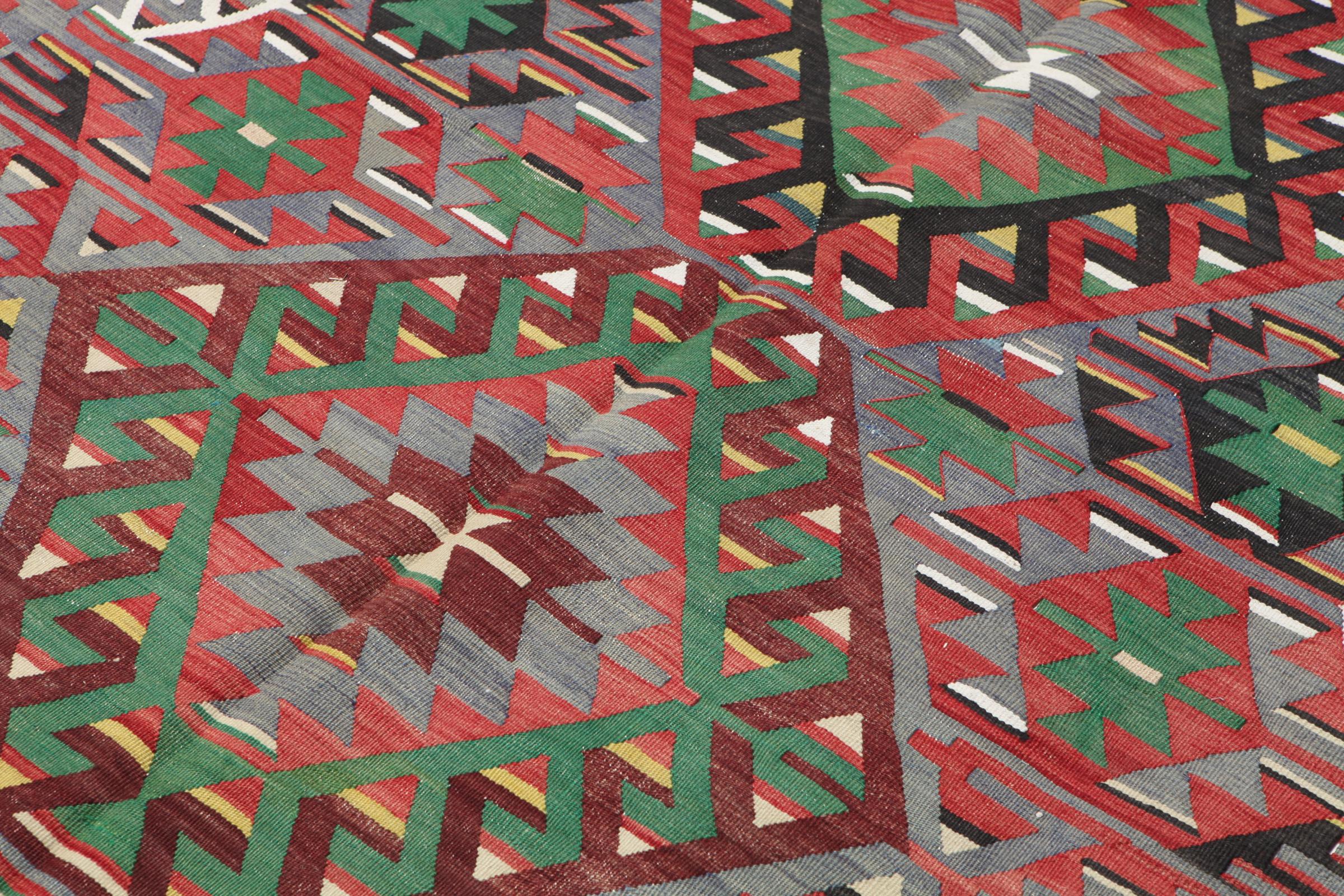
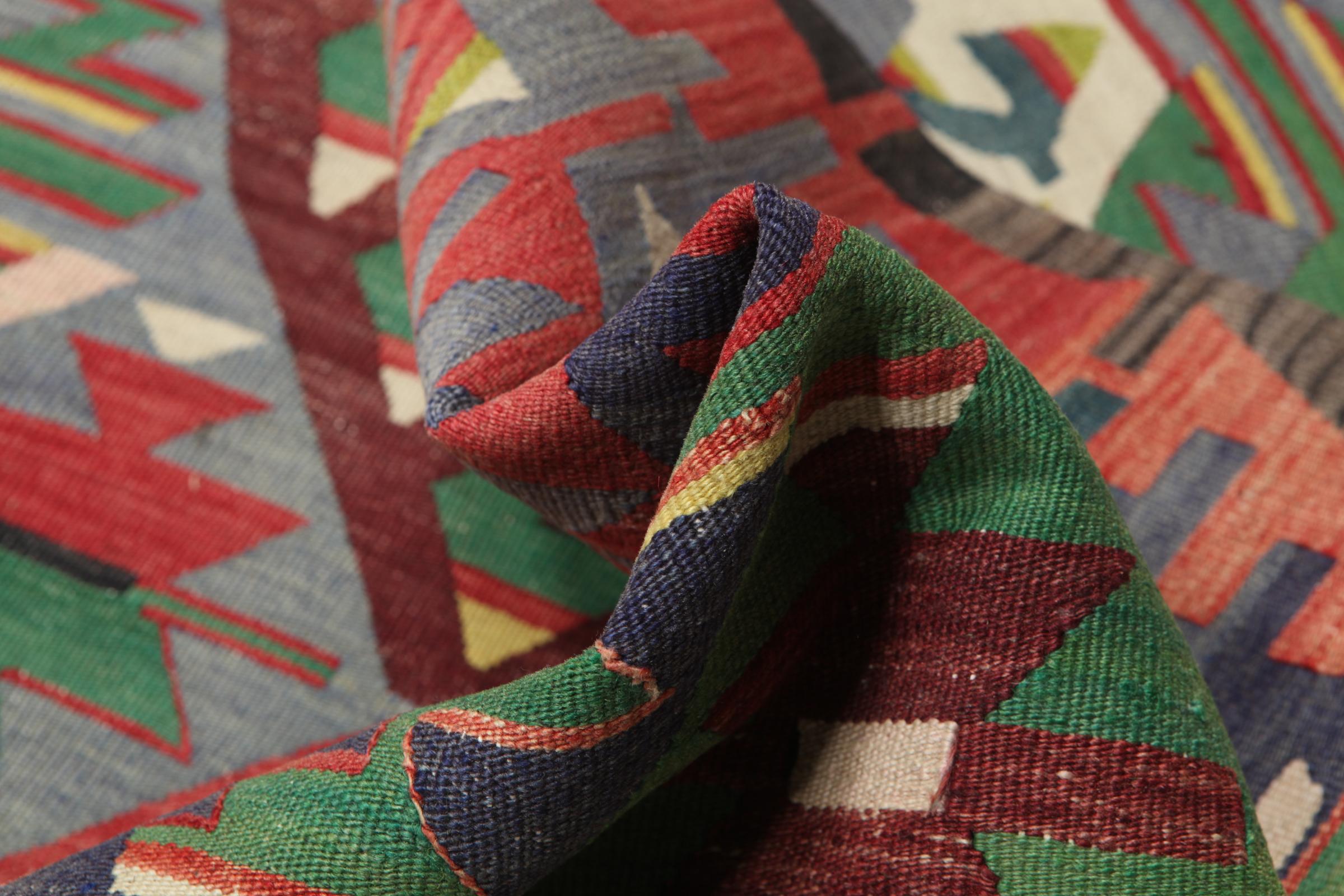
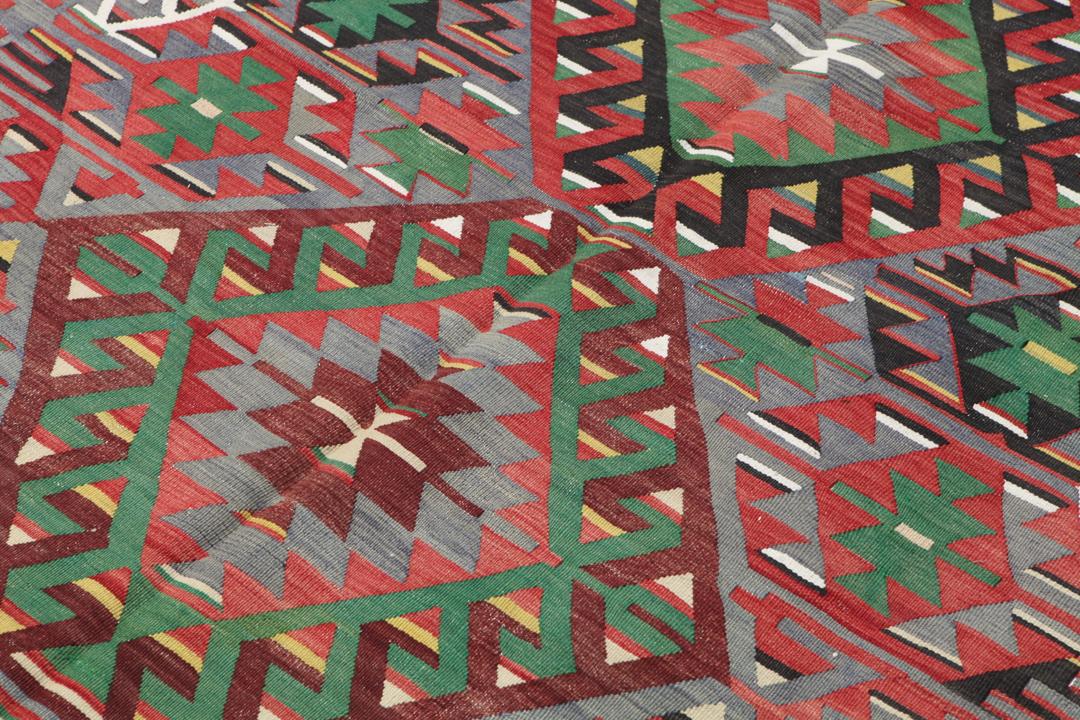
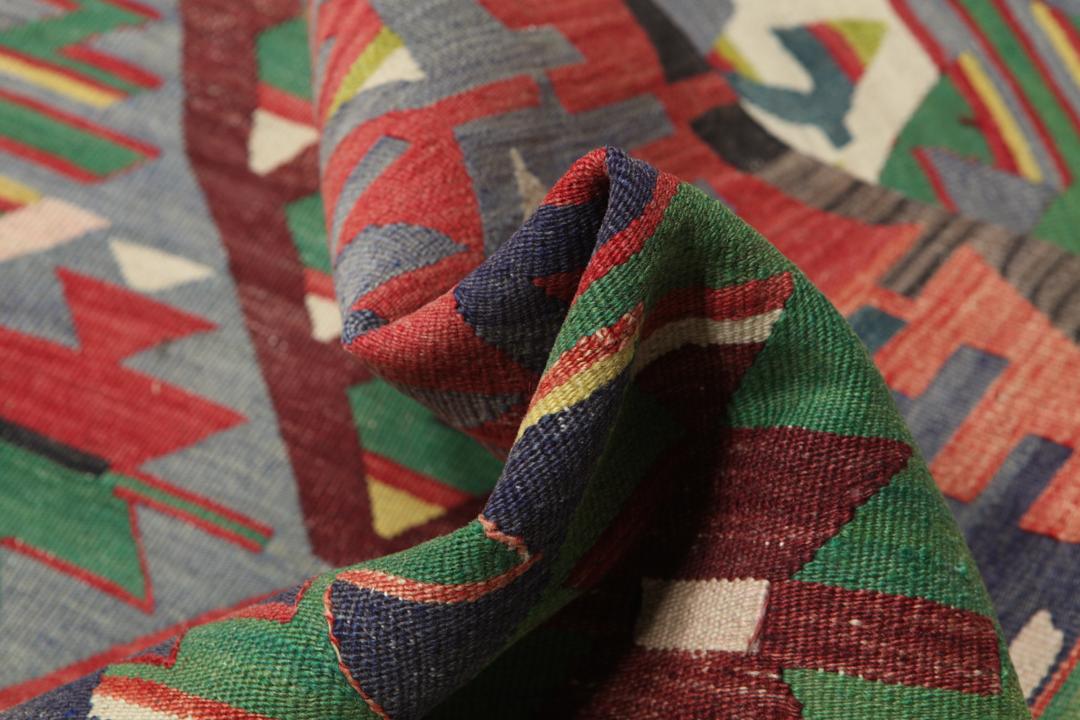
The term 'Kilim' refers specifically to the tapestry-weave technique, where the warp and weft threads are interlaced to create a smooth, pileless surface. This method is highly prized for its clarity of pattern and durability. By using two strands of wool twisted together for the weave, the resulting fabric is exceptionally strong and resistant to wear, making these rugs as practical as they are decorative.
The signature design language of the Kilim is built upon geometric forms, often featuring diamonds, triangles, and stylized floral or tribal motifs. These patterns are not merely decorative but often carry symbolic meaning, representing hopes for protection, fertility, or prosperity. The bold use of colour, traditionally sourced from natural plant and mineral dyes, gives each rug its distinctive, vibrant character that remains as striking today as it was when the rug was first woven.
Collecting vintage Kilims is an act of preserving cultural heritage. These pieces are valued for their connection to a vanishing way of life and the exceptional skill required to produce them without the aid of modern technology. When you acquire a vintage Kilim, you are not just buying a rug; you are becoming a steward of an ancient craft tradition that celebrates the beauty of human ingenuity and the enduring nature of natural materials.