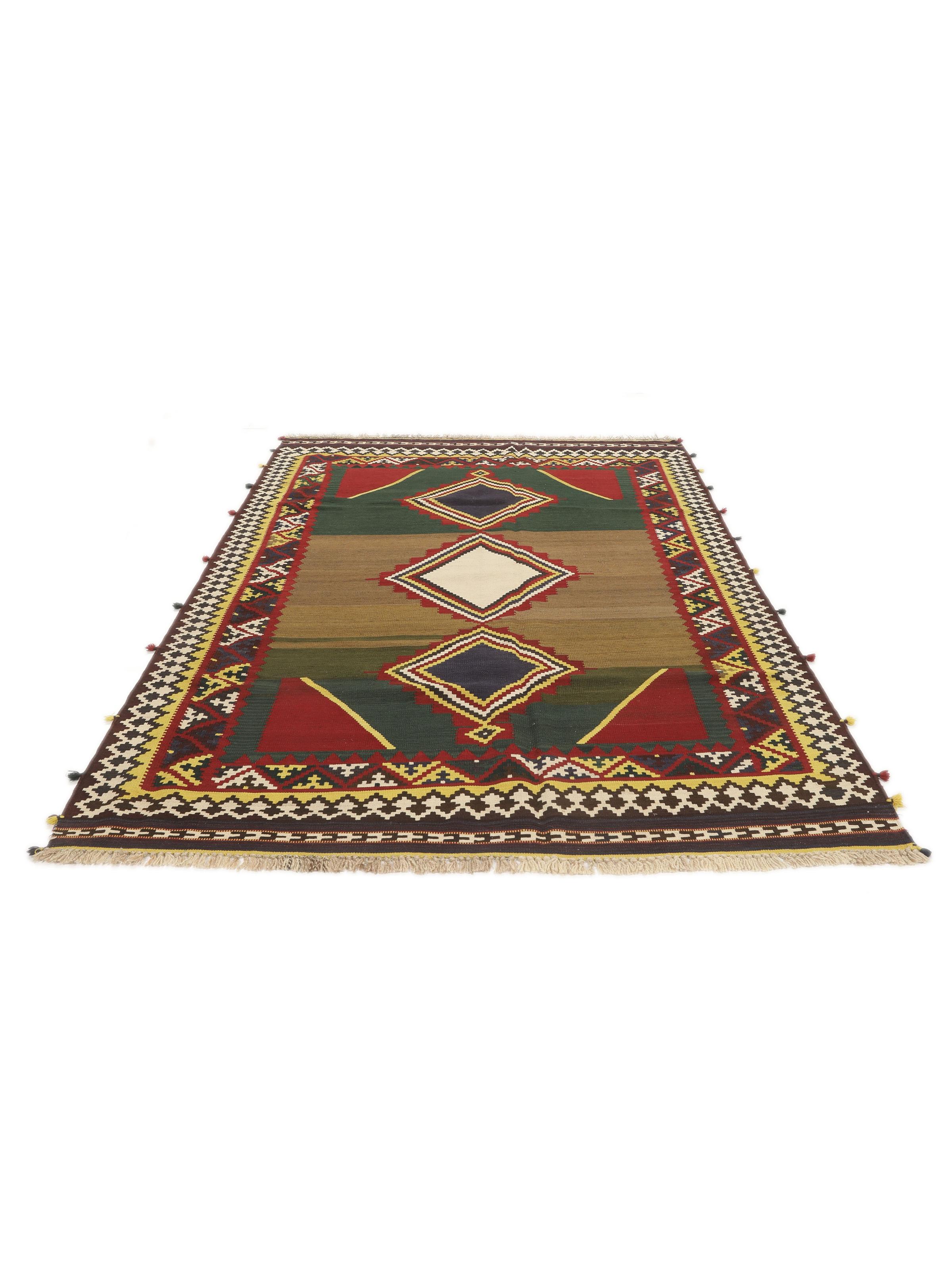
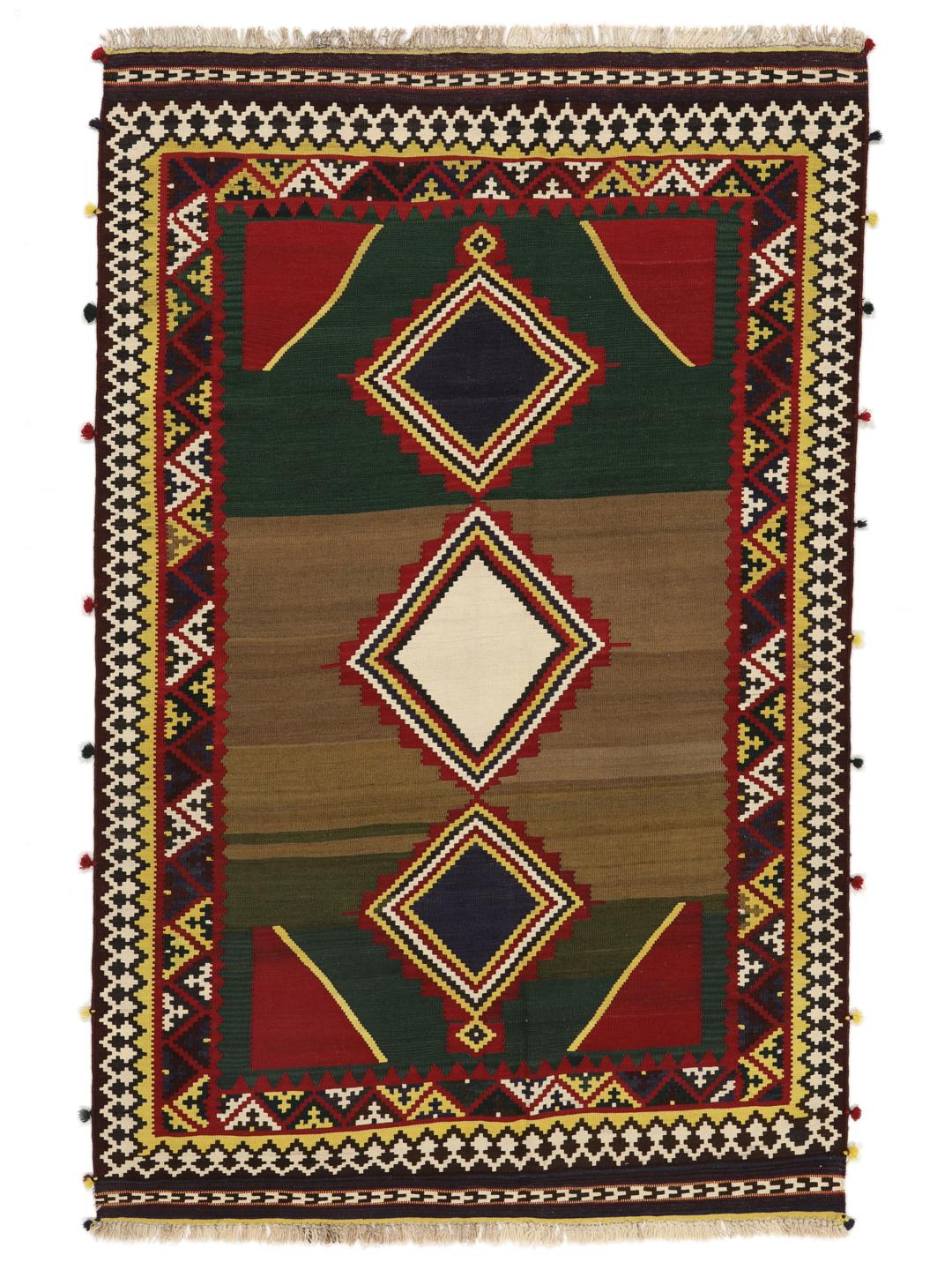
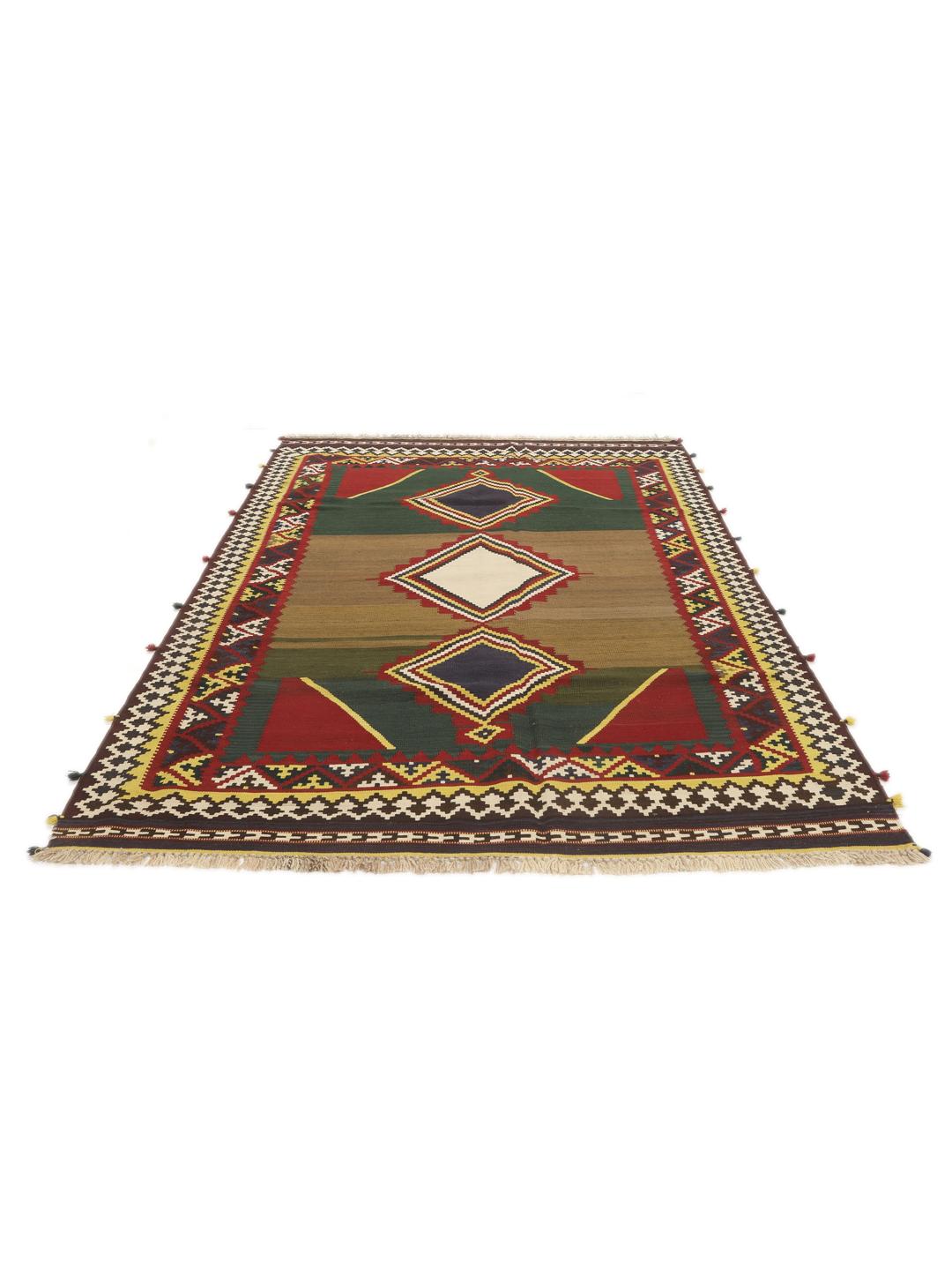
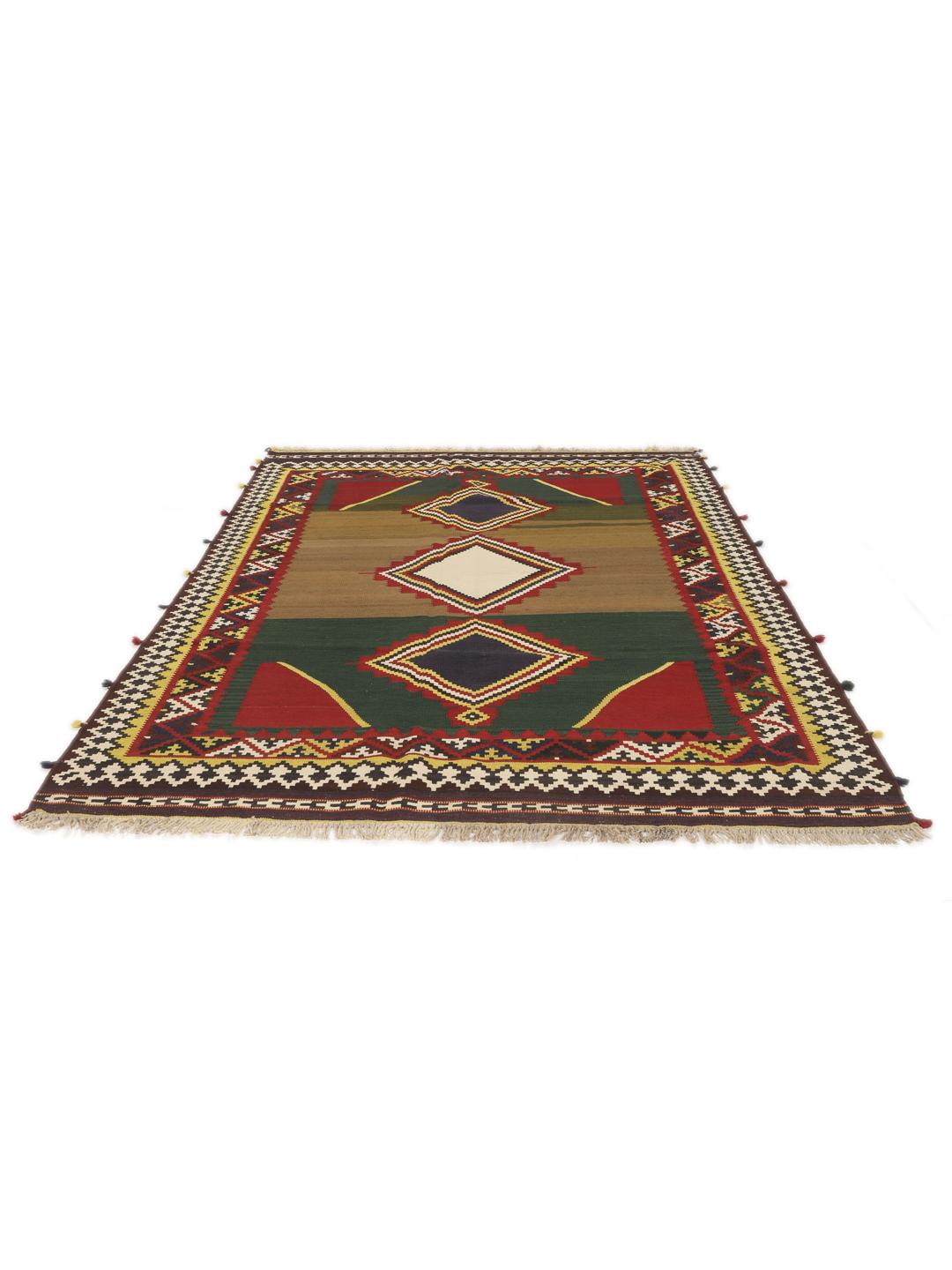
Kilims are flat-woven rugs that represent one of the oldest and most enduring weaving traditions in the Middle East. Historically, these textiles were created by nomadic and semi-nomadic tribes for practical use as floor coverings, wall hangings, and storage bags. Their development was deeply tied to the daily needs of life on the move, where functionality and portability were paramount.
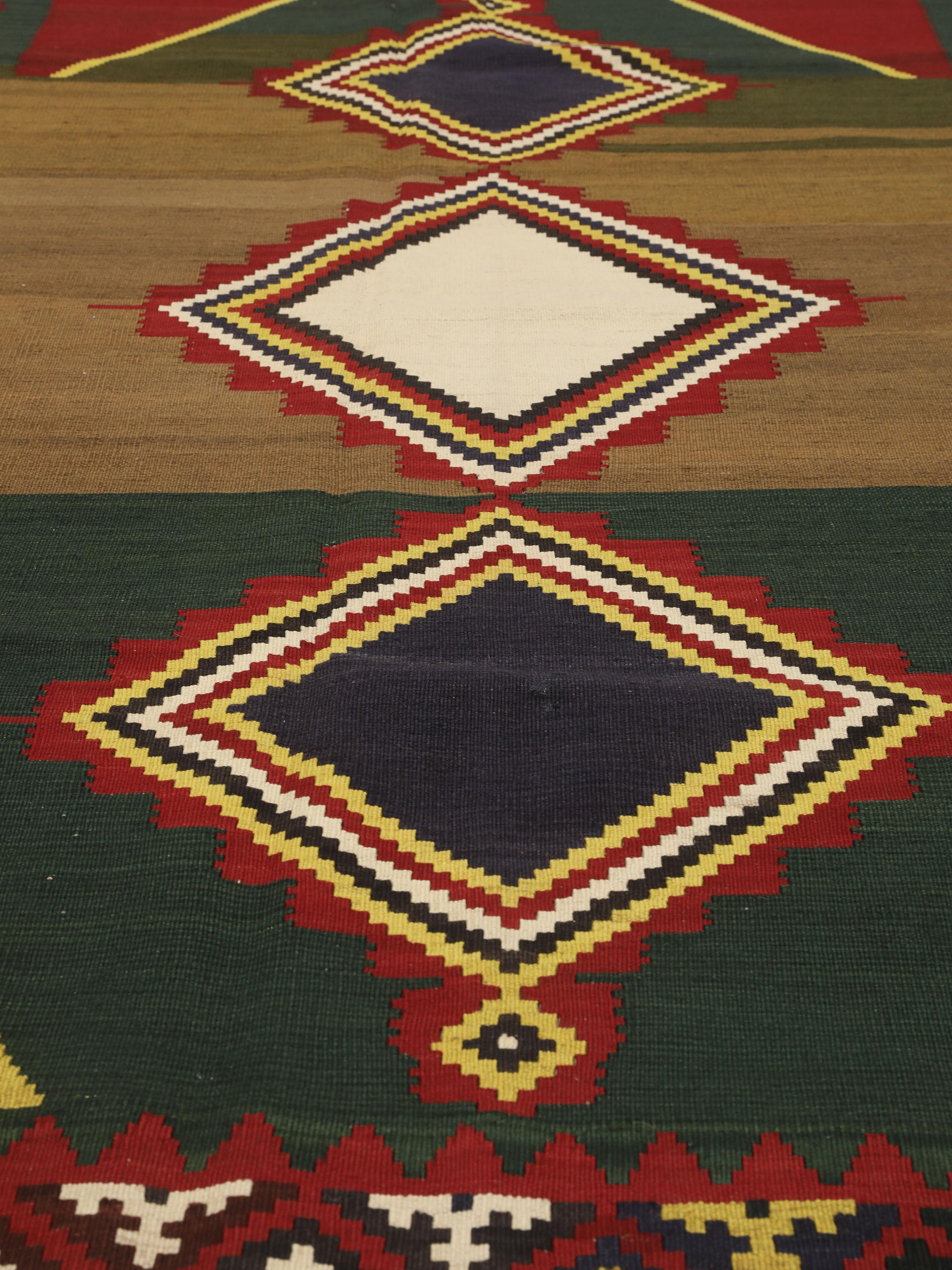
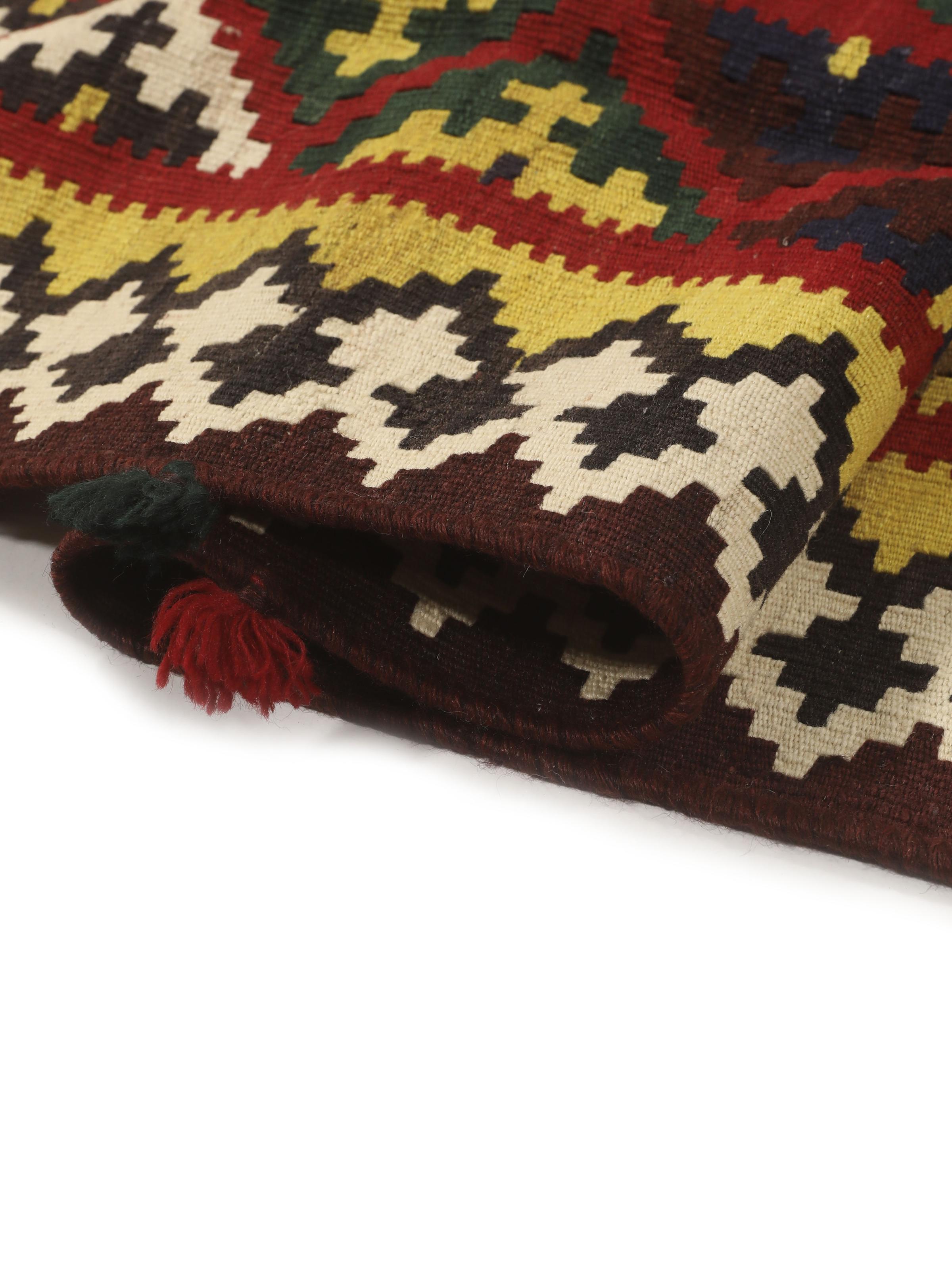
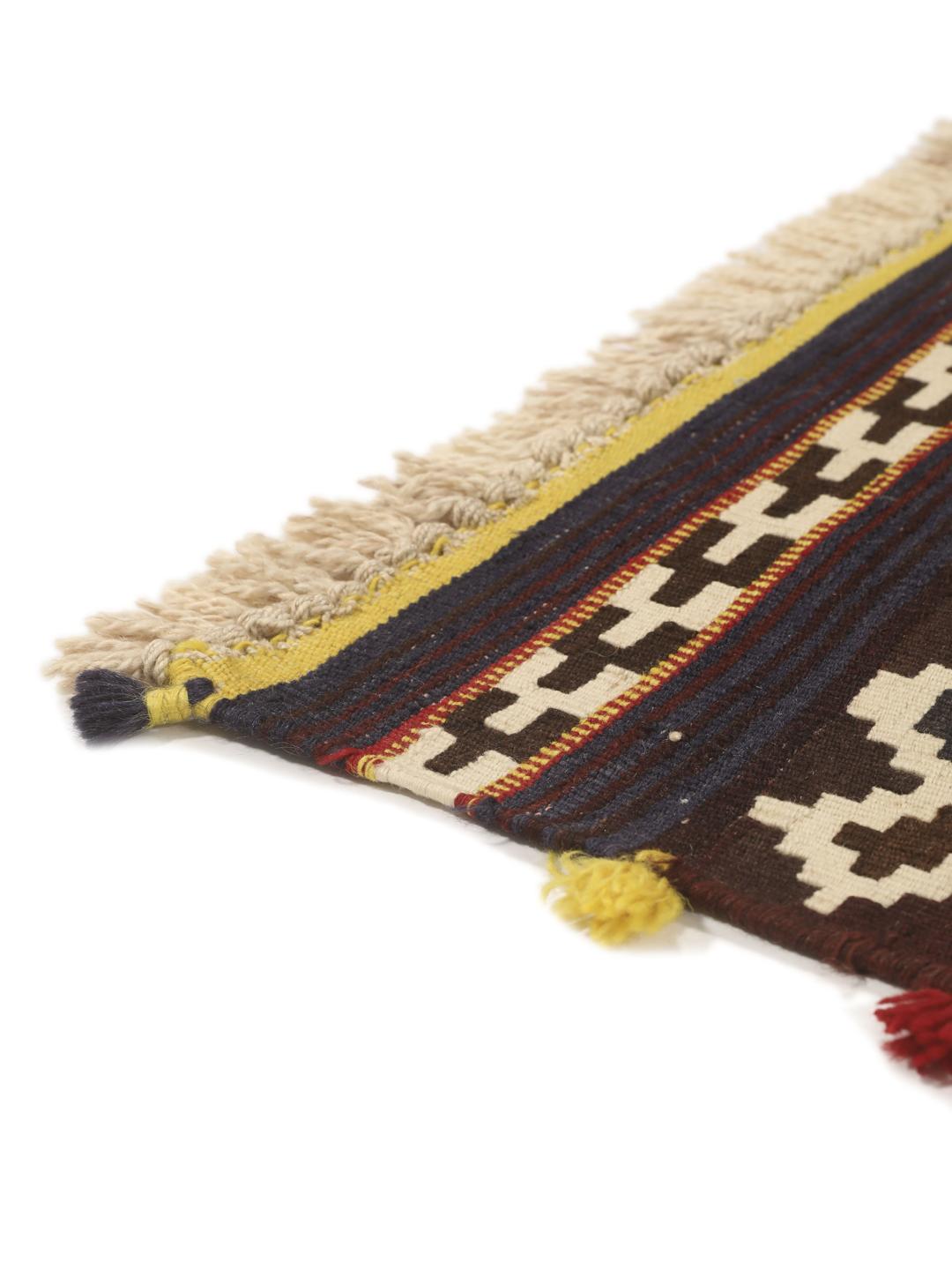
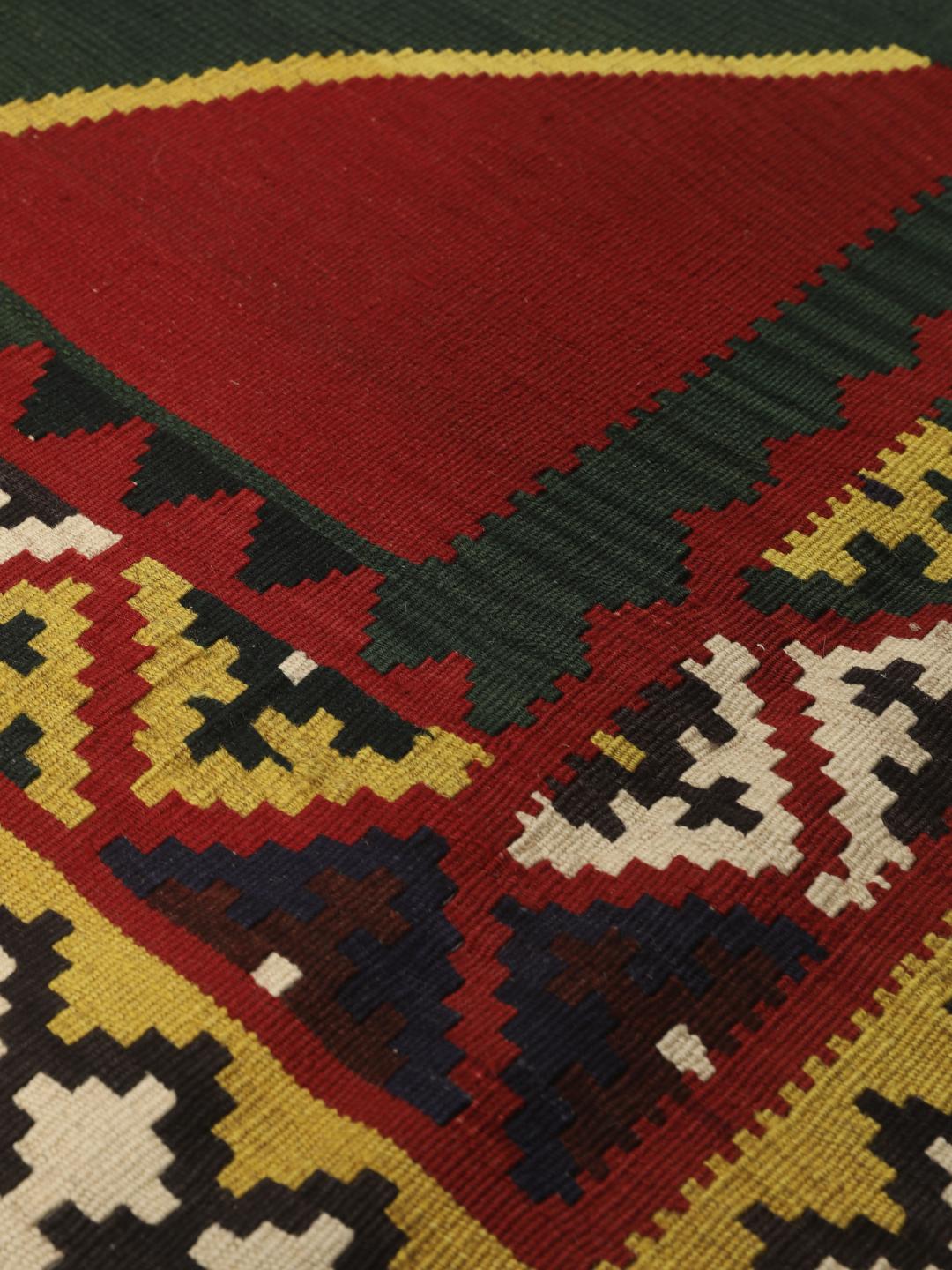
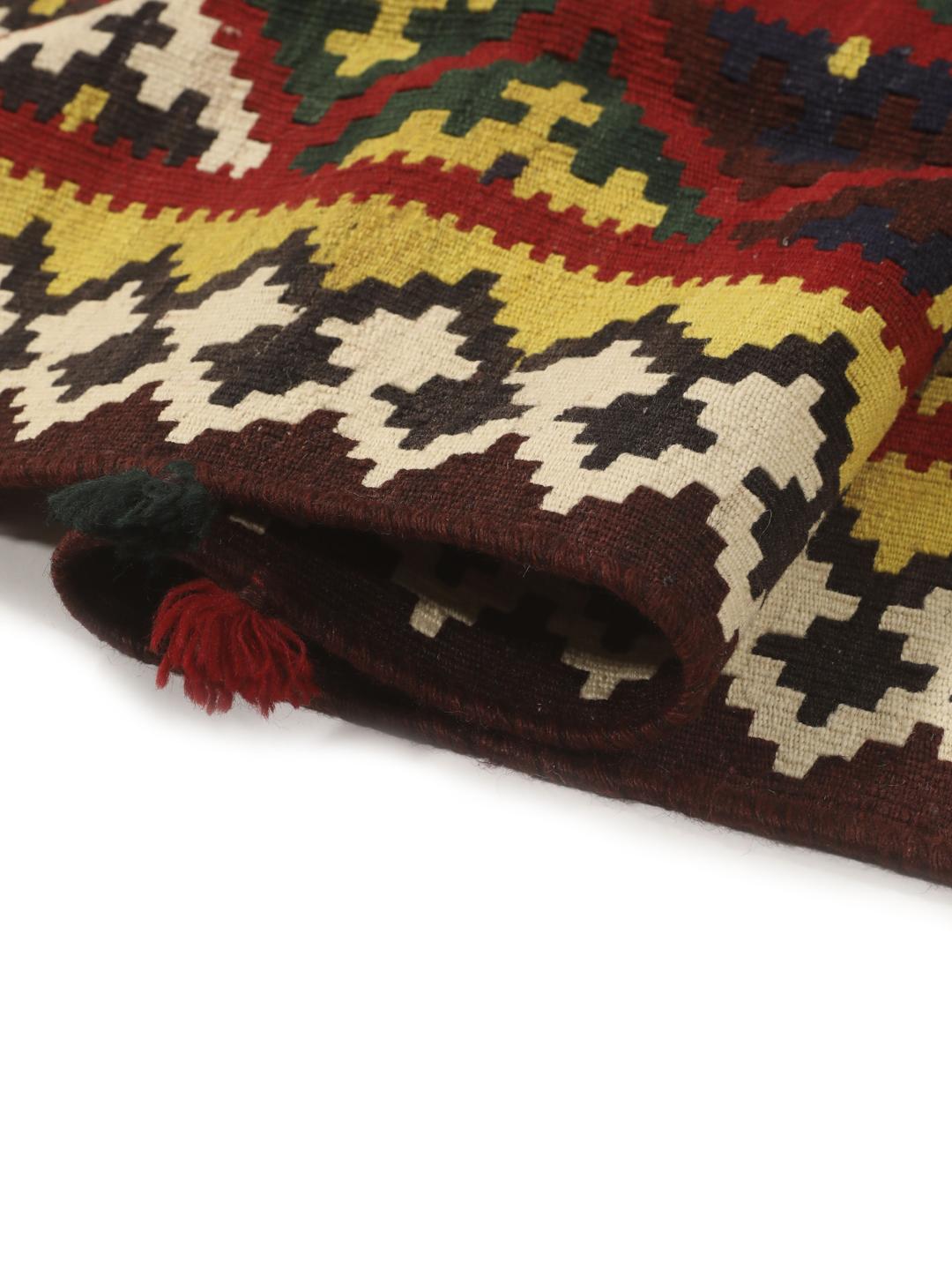
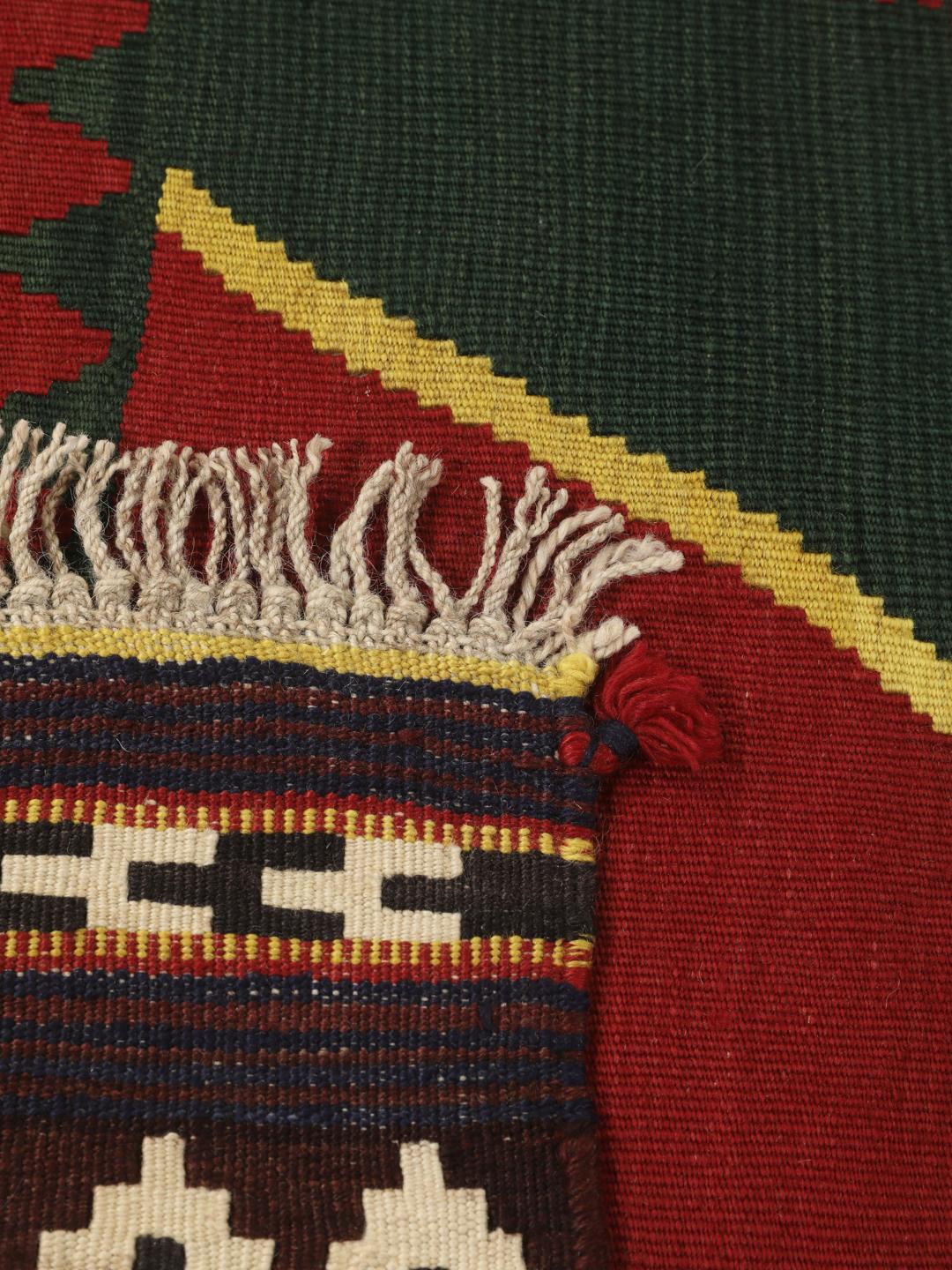
The term 'kilim' refers specifically to the slit-weave technique, where the weft threads are woven back and forth through the warp to create the design. This method leaves tiny slits between colour changes, which are characteristic of the style. Because there is no pile to wear down, these rugs are exceptionally durable and maintain their crisp, geometric patterns over decades of use.
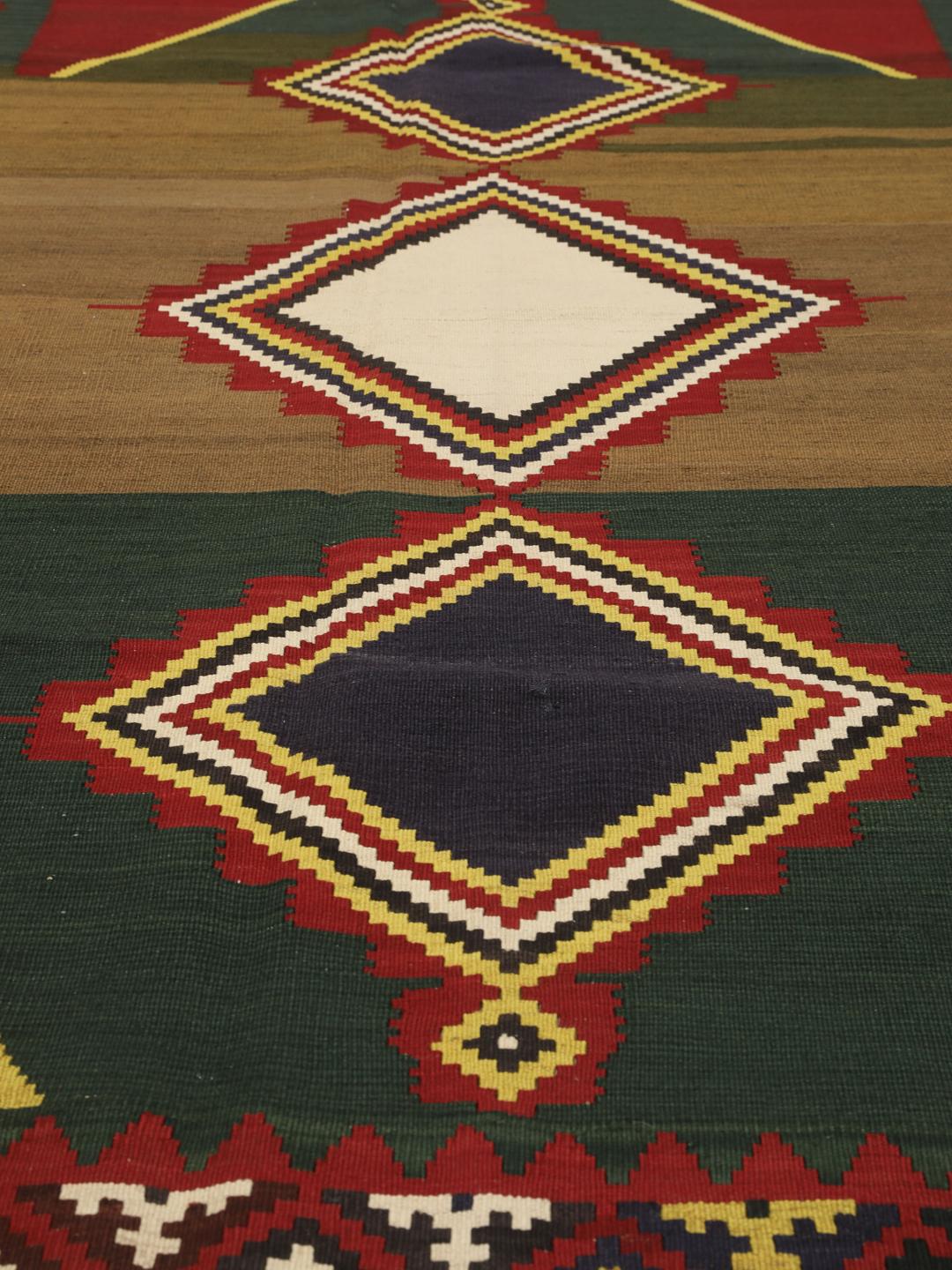
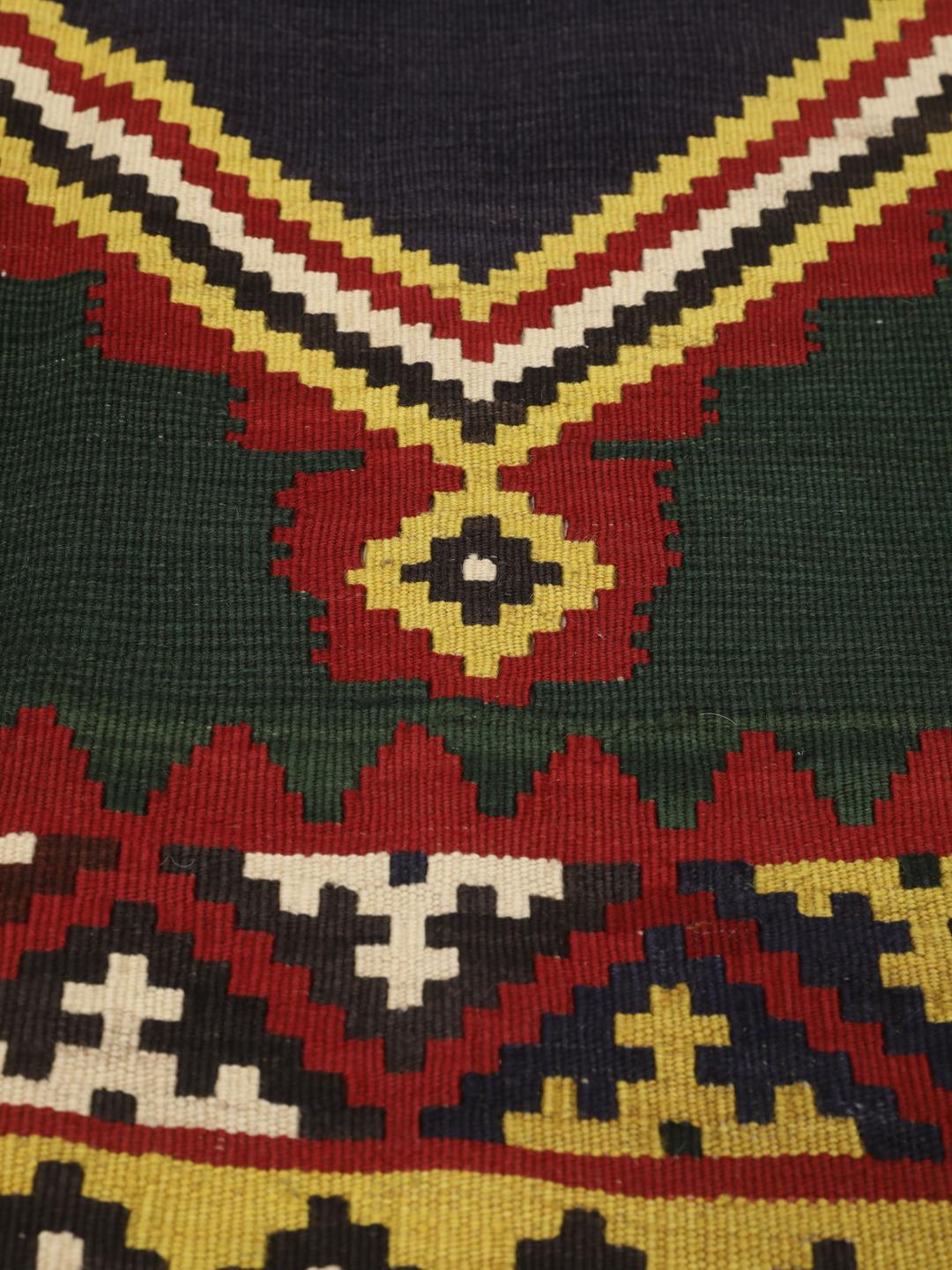
The visual language of this tradition is defined by a strong adherence to geometric symbolism. Motifs such as the diamond seen here are frequently used to ward off the 'evil eye' or to represent fertility and protection. The colour palettes are typically derived from natural dyes, which develop a beautiful, muted patina as the rug ages, adding to its character.
Today, these rugs are highly sought after by collectors who value the connection to a rich cultural lineage. Owning a vintage kilim is an opportunity to preserve a piece of craft history, as each rug reflects the specific aesthetic choices and regional techniques of the weavers who created it. They stand as a testament to the enduring skill and creativity of Middle Eastern textile traditions.