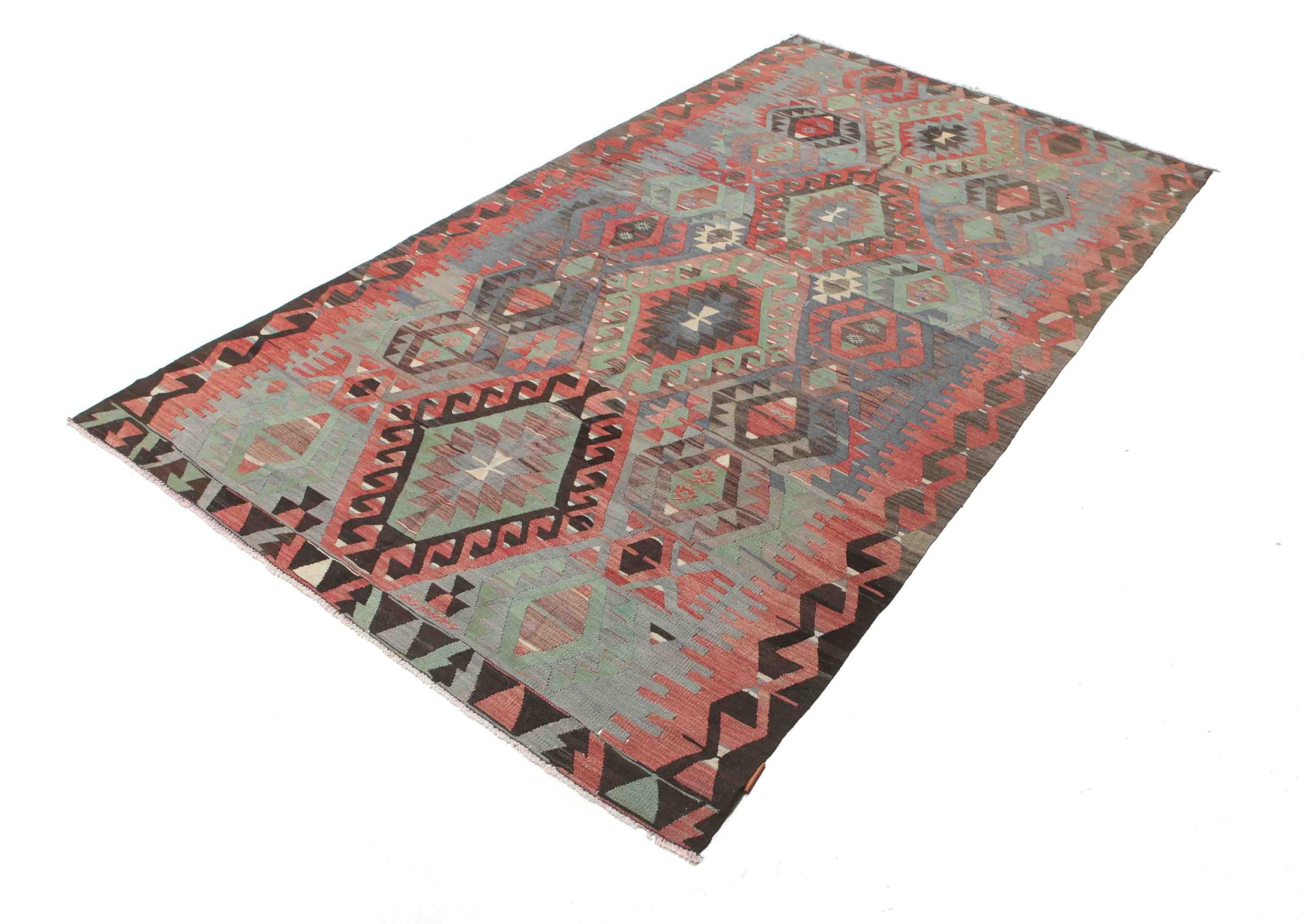
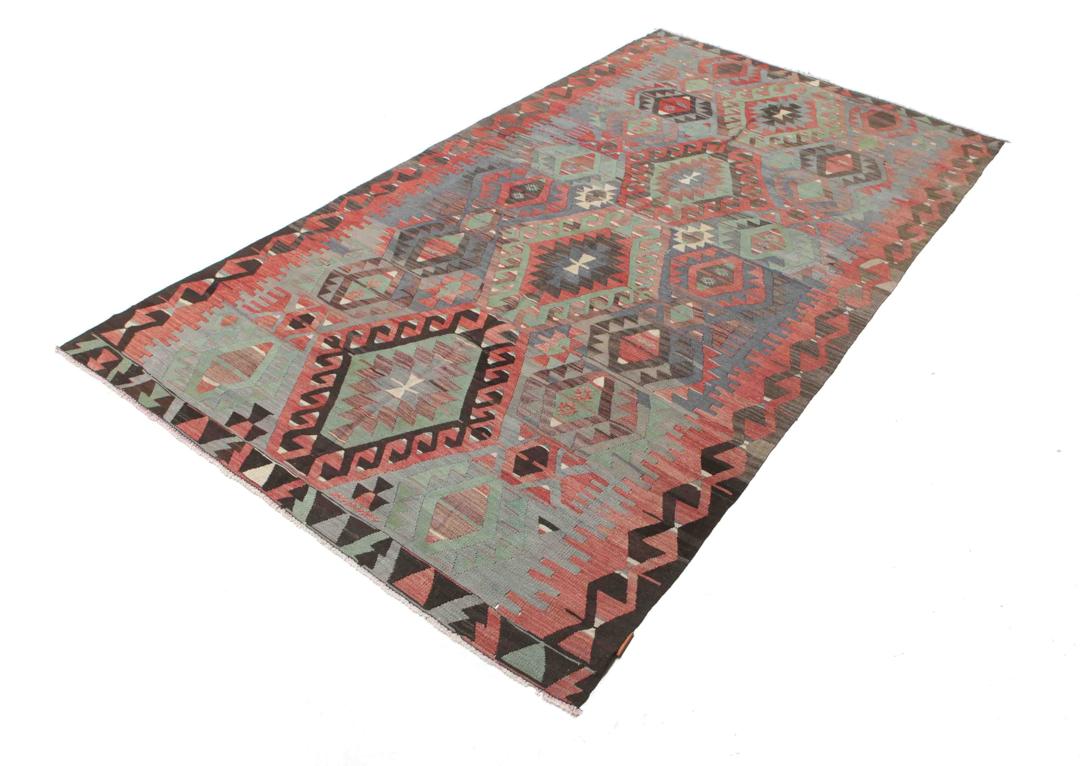
Kilim rugs represent one of the oldest and most celebrated textile traditions originating from the Anatolian region of Turkey. For centuries, these flat-woven pieces have served as essential functional items in nomadic and village life, used as floor coverings, wall hangings, and even as durable storage bags. The transition of these textiles from utilitarian household goods to highly sought-after collector pieces highlights their enduring beauty and the historical significance of their design language.
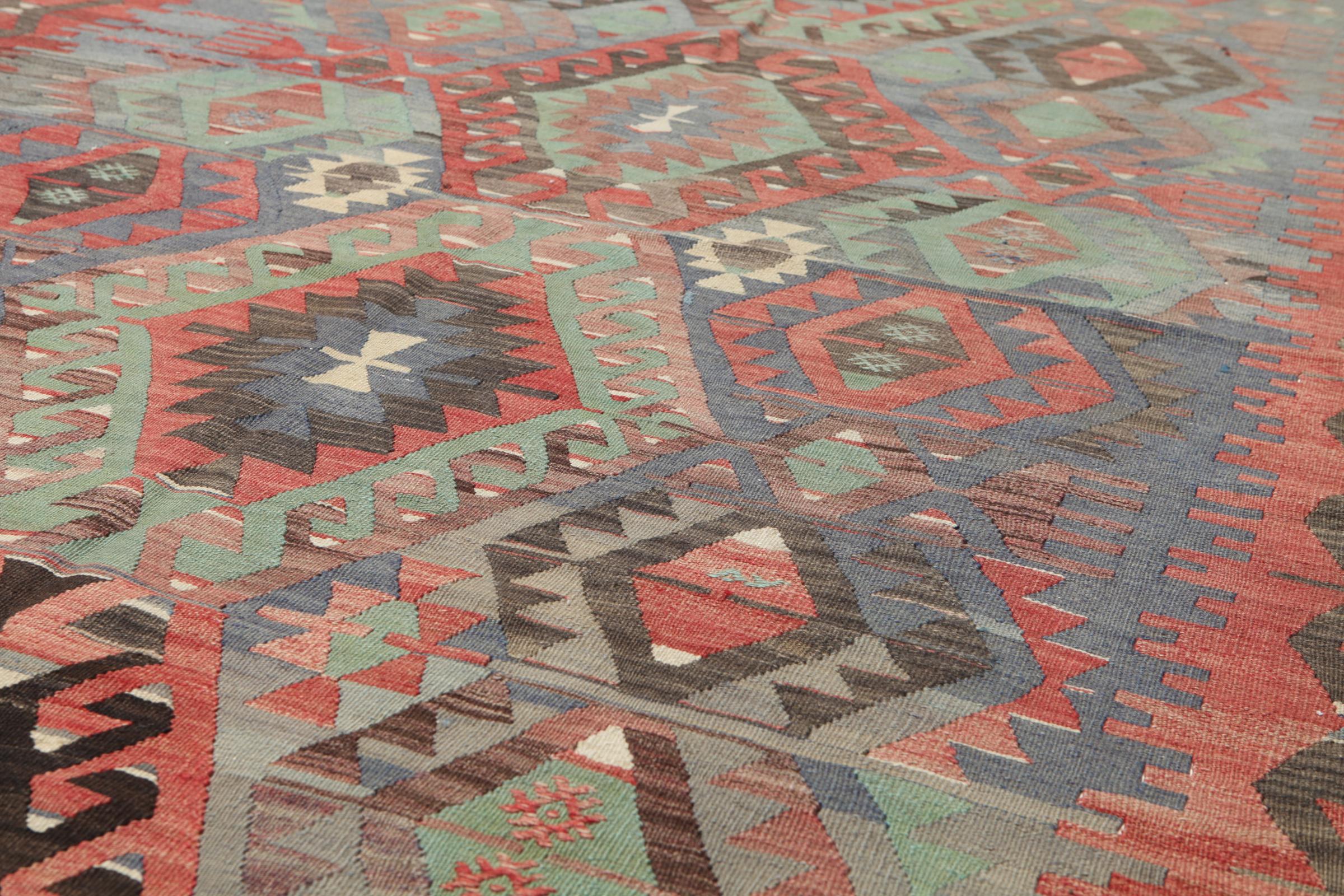
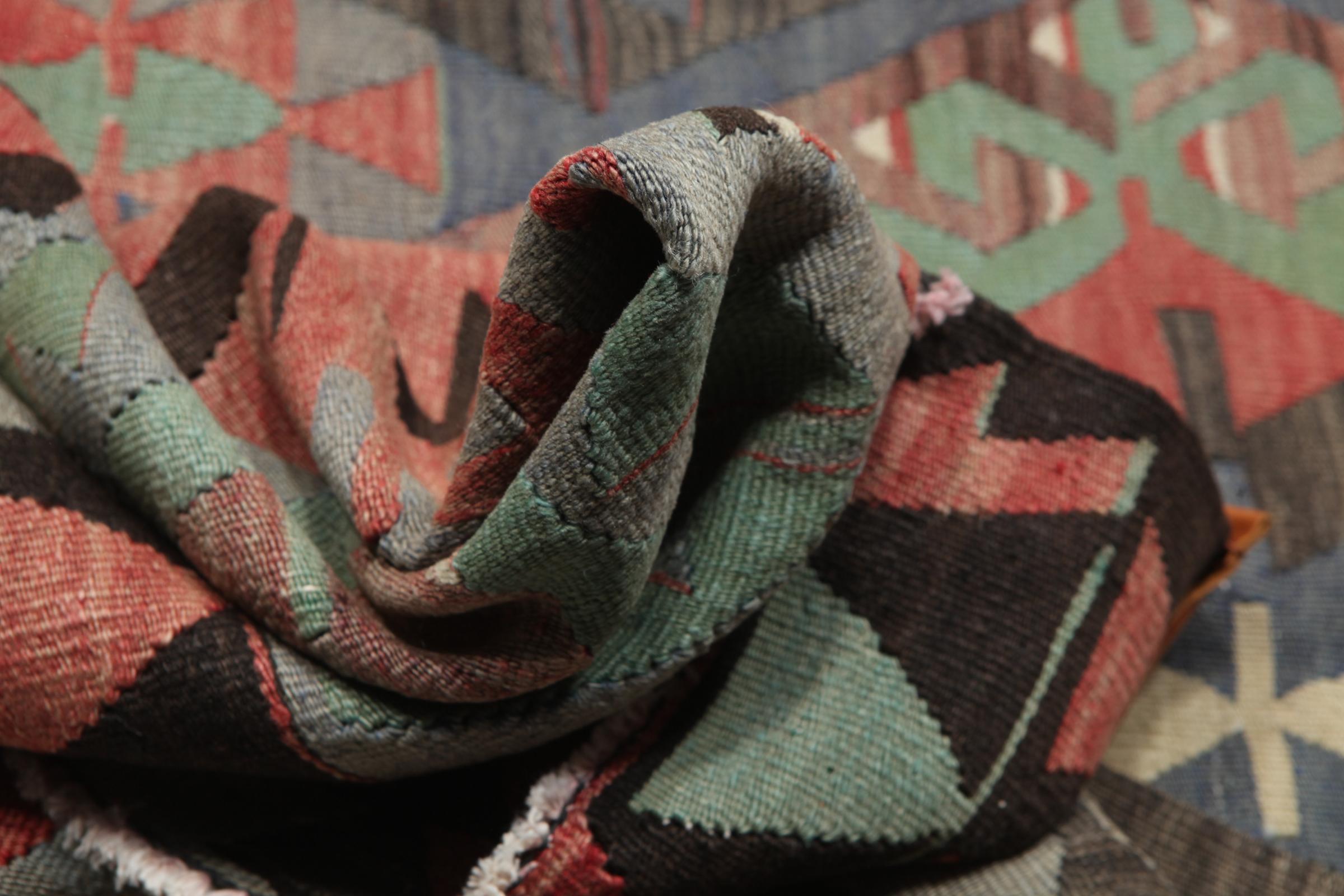
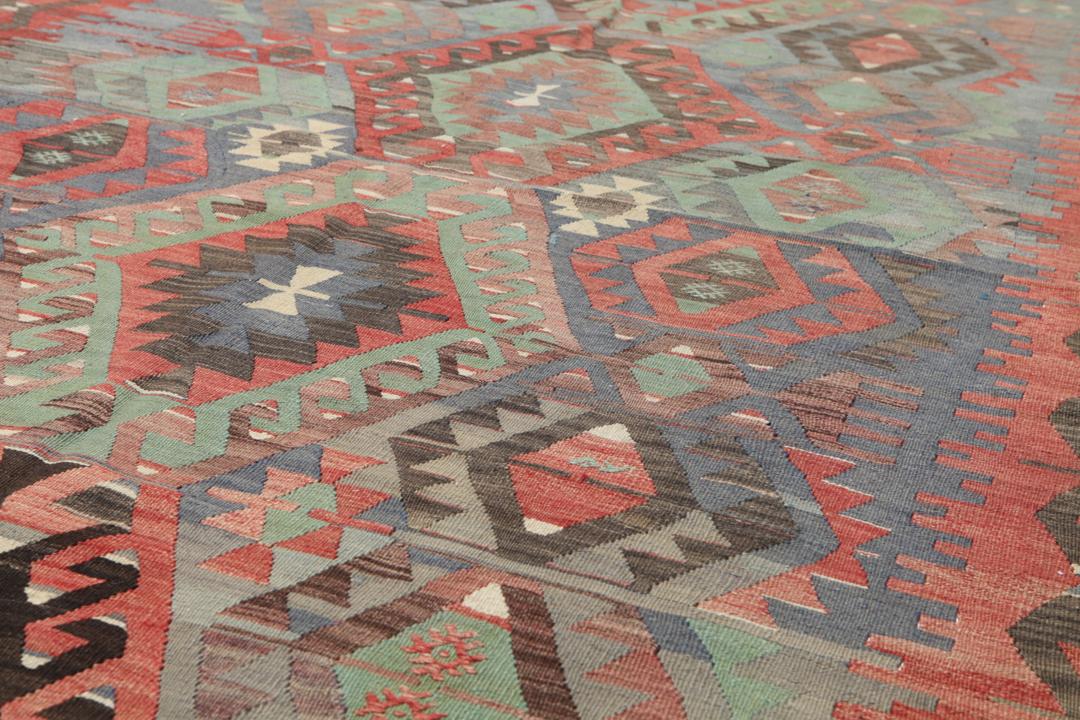
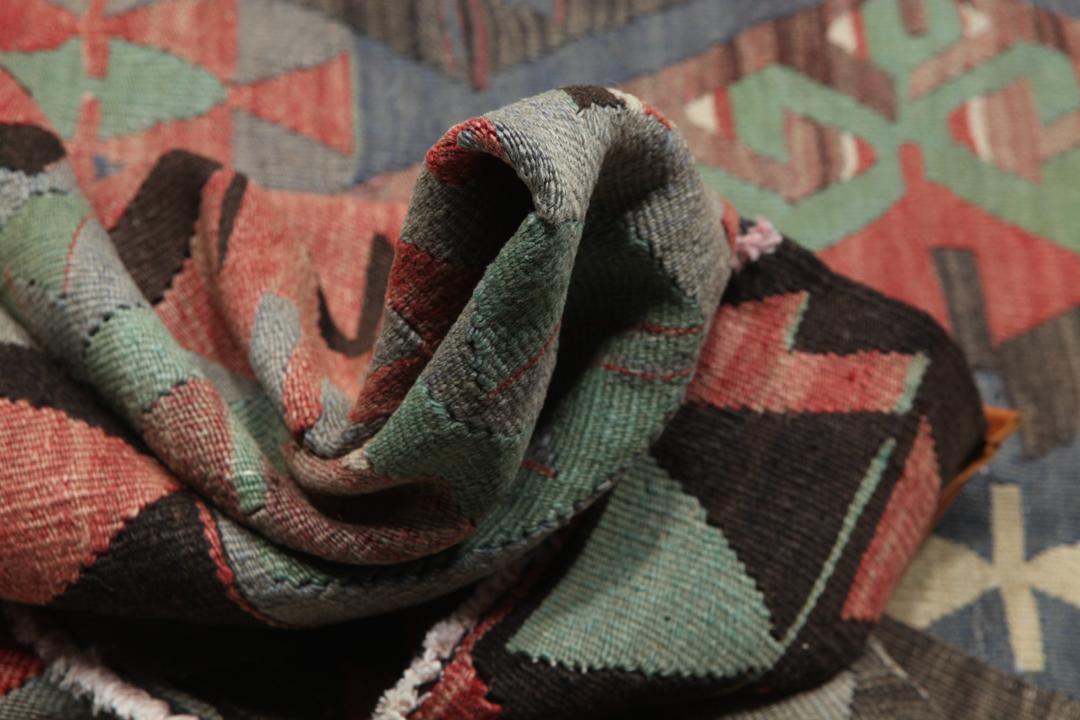
The term 'Kilim' specifically refers to a tapestry-weave technique where the weft threads are pulled tightly to cover the warp threads completely. This method results in a durable, reversible fabric with a sharp, clean pattern definition. Unlike pile rugs, the lack of knots allows for intricate, angular designs that remain crisp and clear, showcasing the weaver's ability to manipulate geometry without the need for a raised surface.
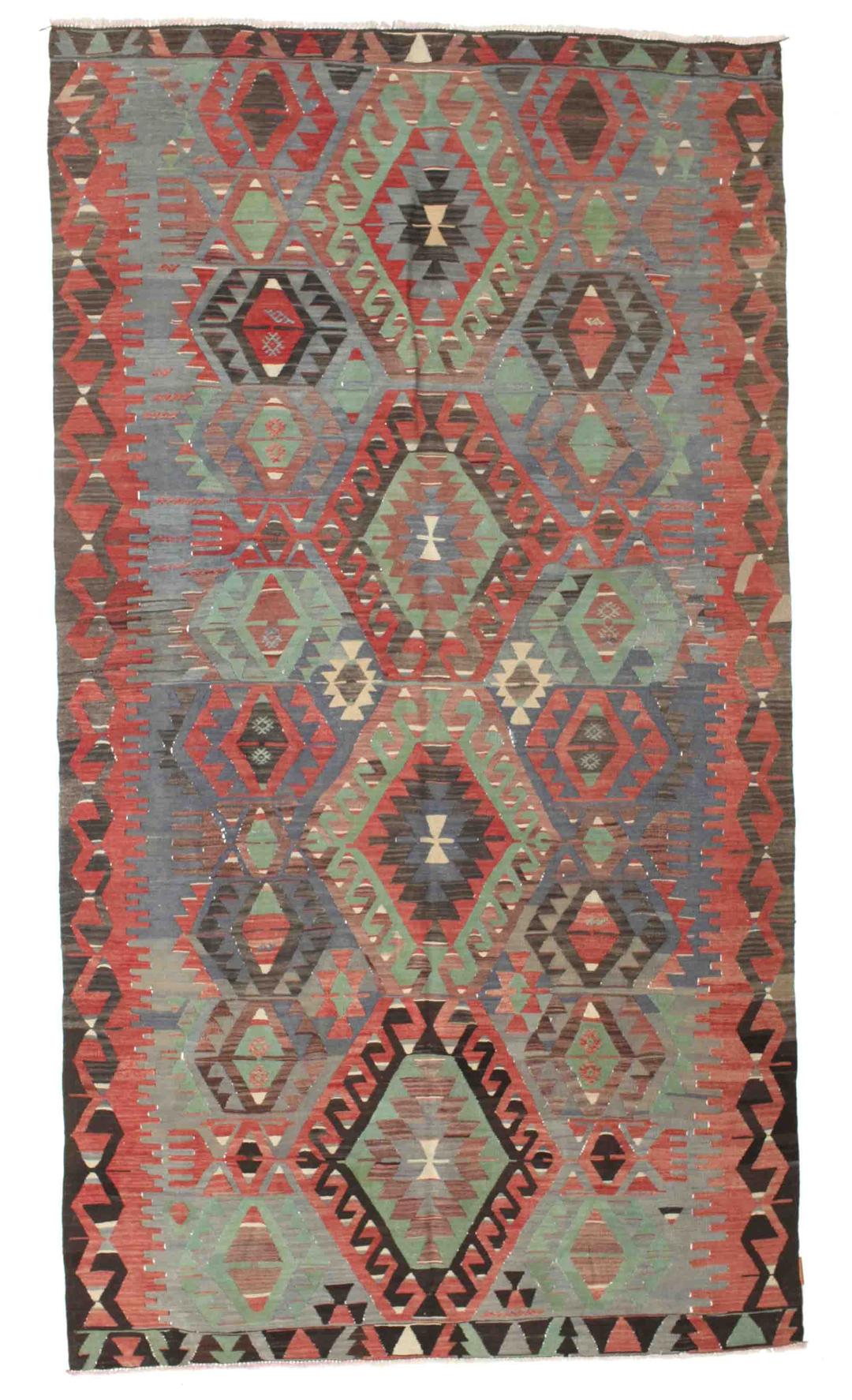
Signature design elements of Turkish Kilims often include a variety of geometric motifs, such as diamonds, triangles, and stylized floral forms. These patterns are not merely decorative but often carry symbolic meanings, representing protection, fertility, or the weaver's personal connection to their environment. The use of vibrant, natural dyes—historically derived from local plants and minerals—gives these rugs their distinctive, warm appearance that gracefully ages over time.
Today, vintage Kilims are cherished by collectors for their cultural weight and the undeniable skill they represent. Each piece tells the story of the region and the specific community where it was crafted, serving as a tangible link to the past. By bringing a vintage Kilim into your home, you are preserving a craft tradition that values patience, precision, and an eye for balanced, timeless design.