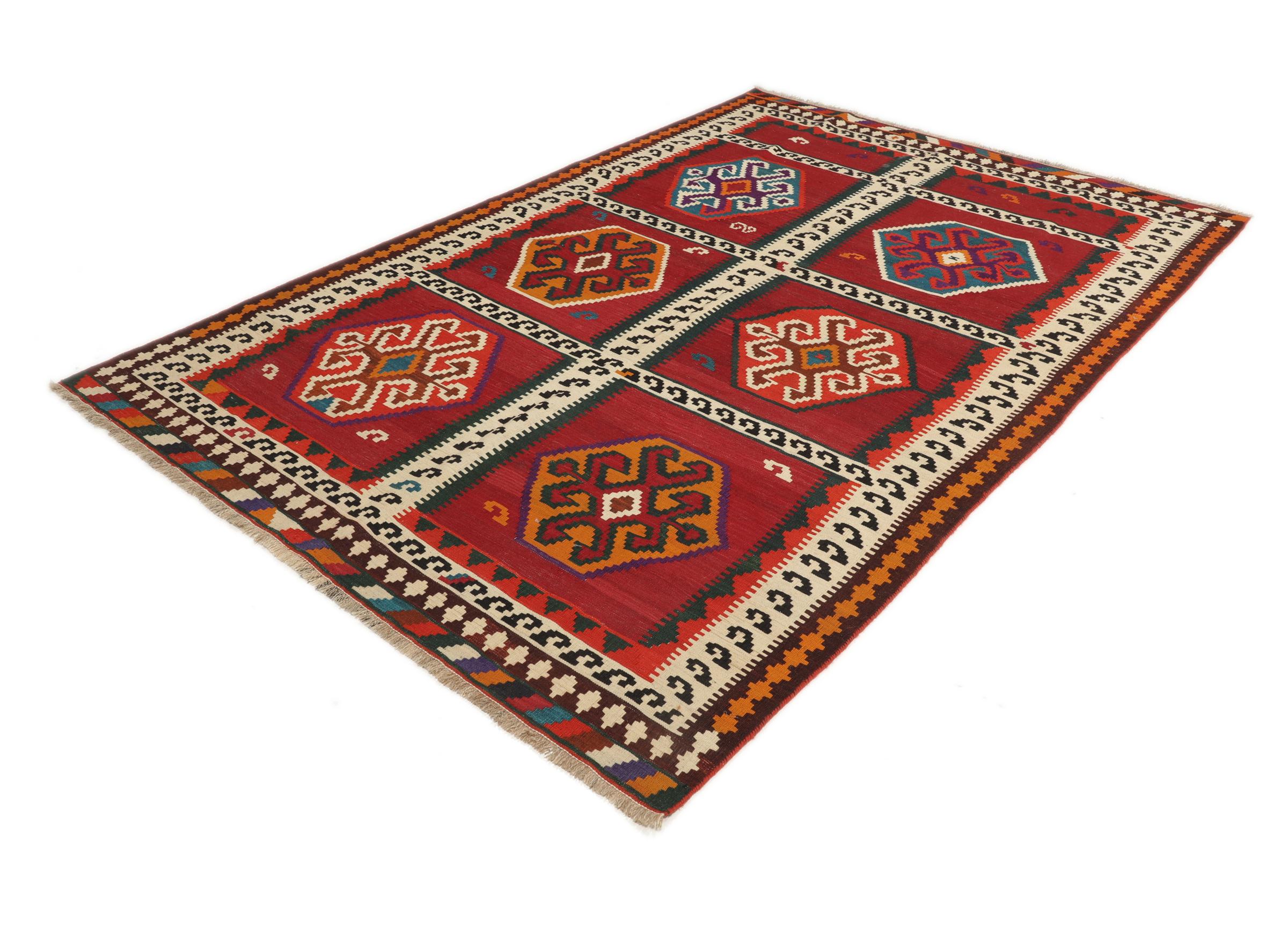
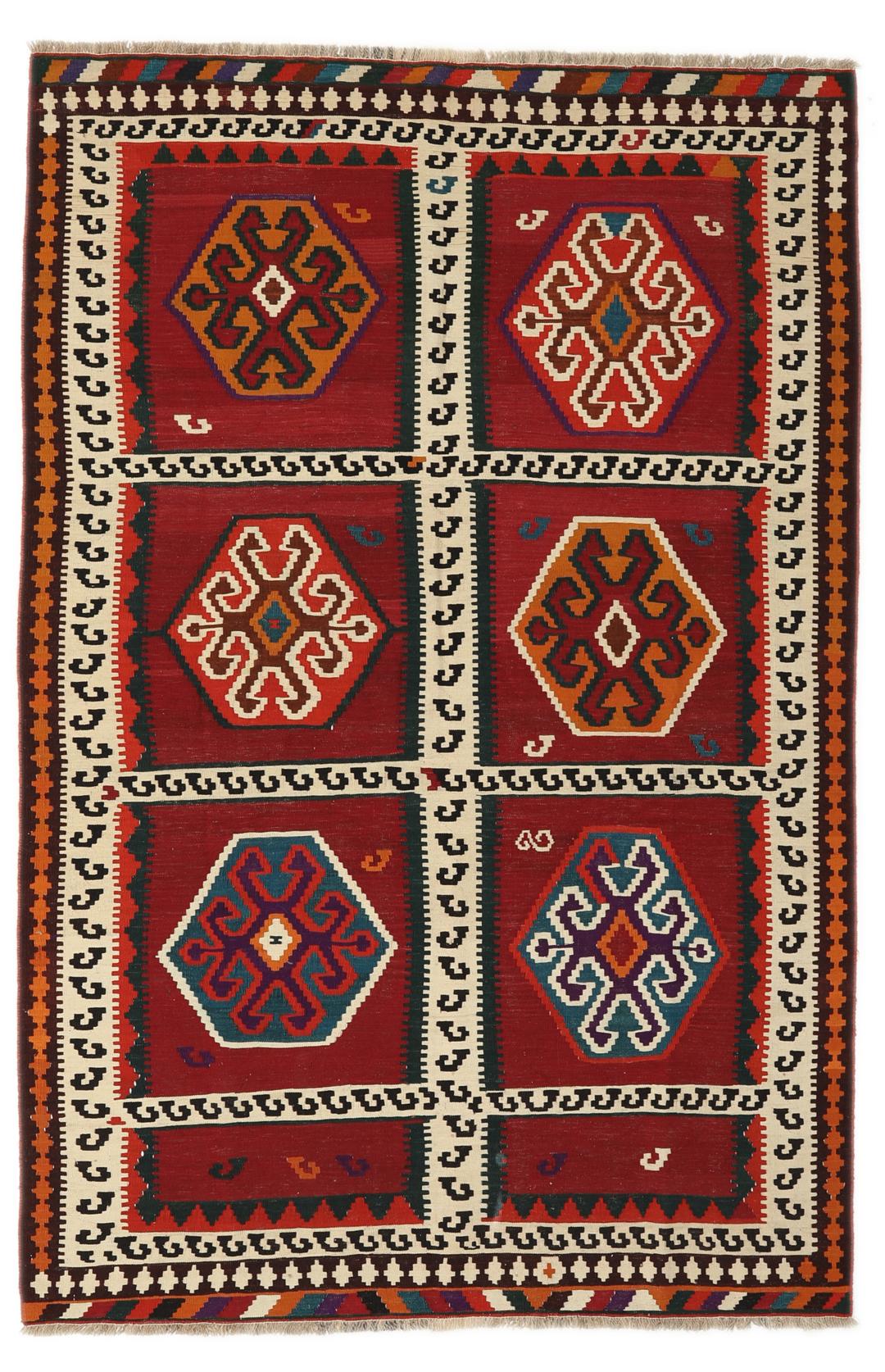
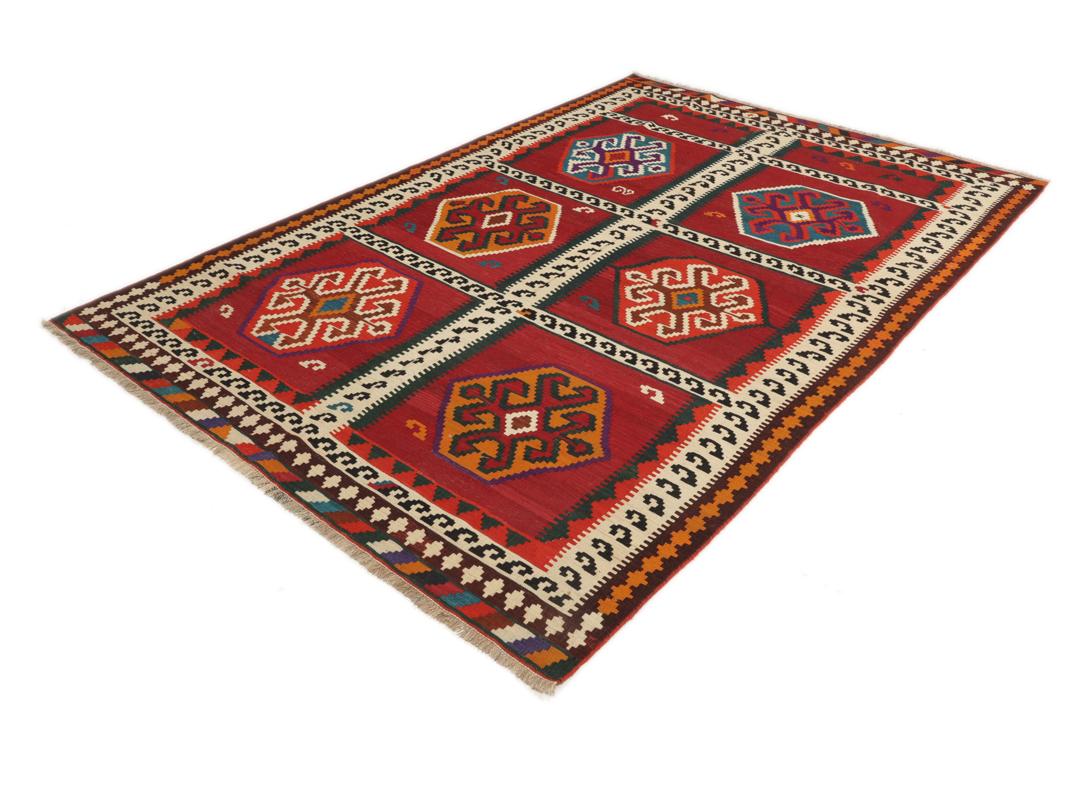
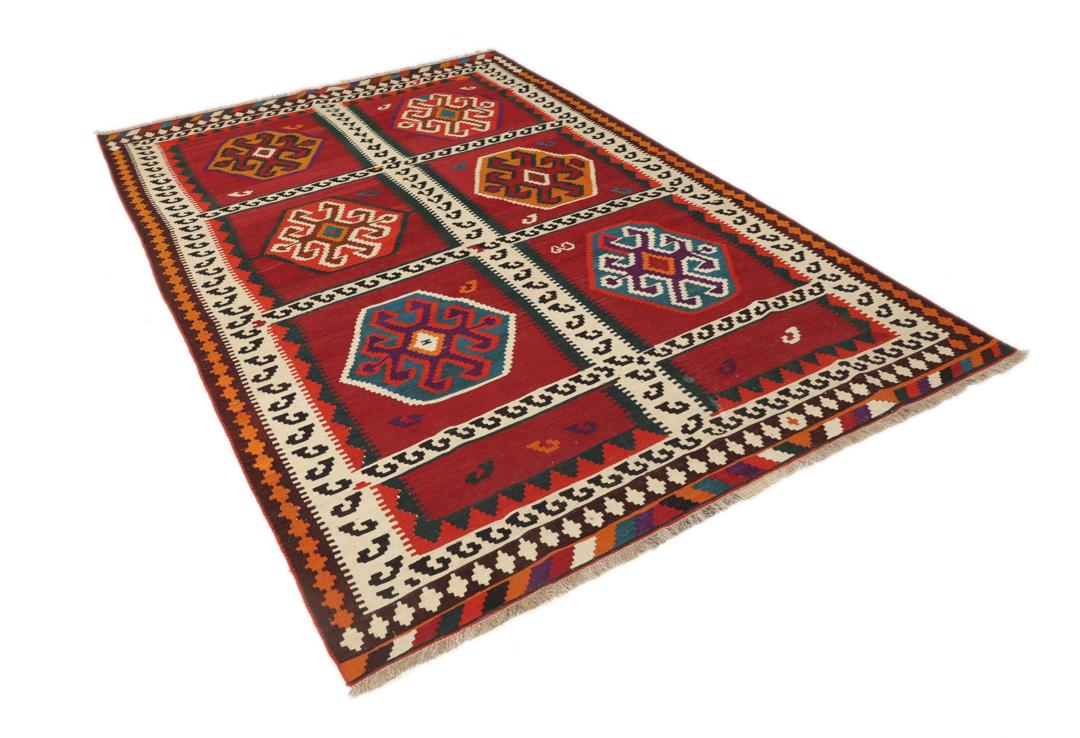
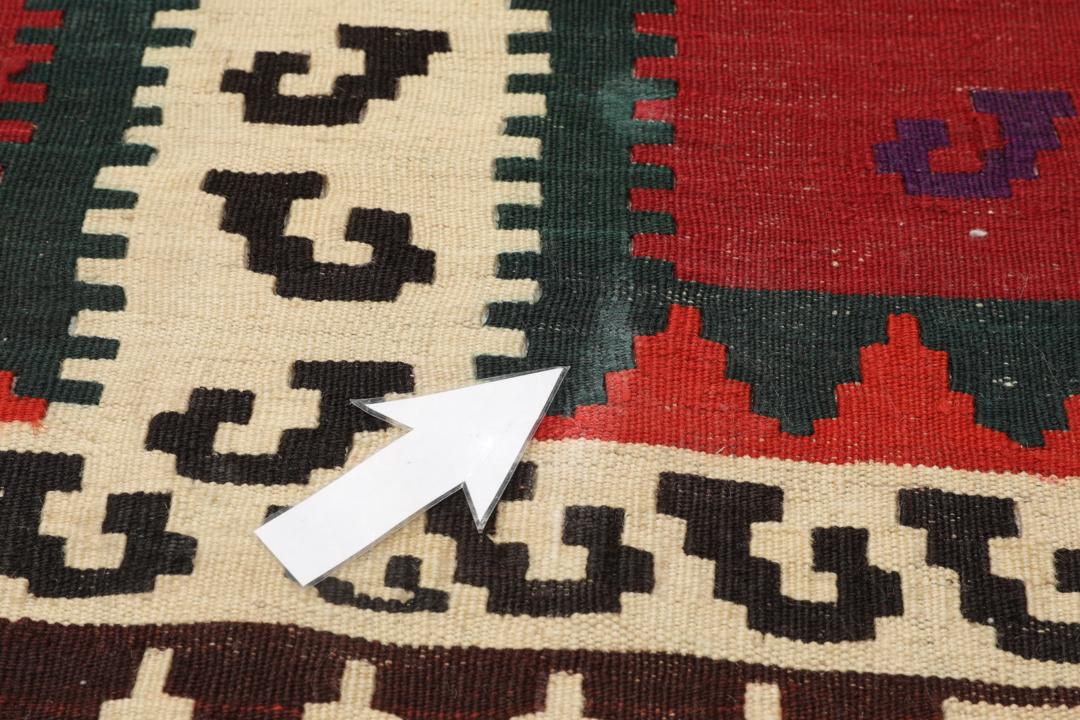
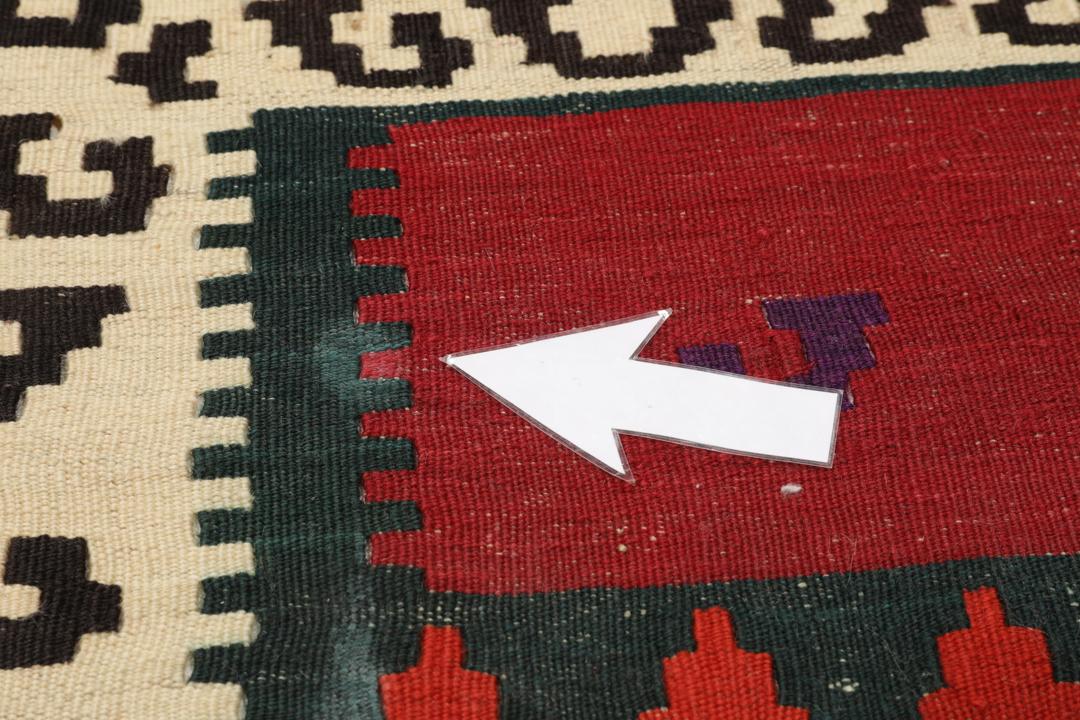
Kilim rugs are deeply rooted in the nomadic traditions of the Middle East, where they were originally created as functional items for daily life. These flat-woven textiles served as floor coverings, wall hangings, and storage bags, designed to be easily transported and incredibly durable. The tradition of weaving these rugs has been passed down through generations, with each region developing its own distinct visual dialect.
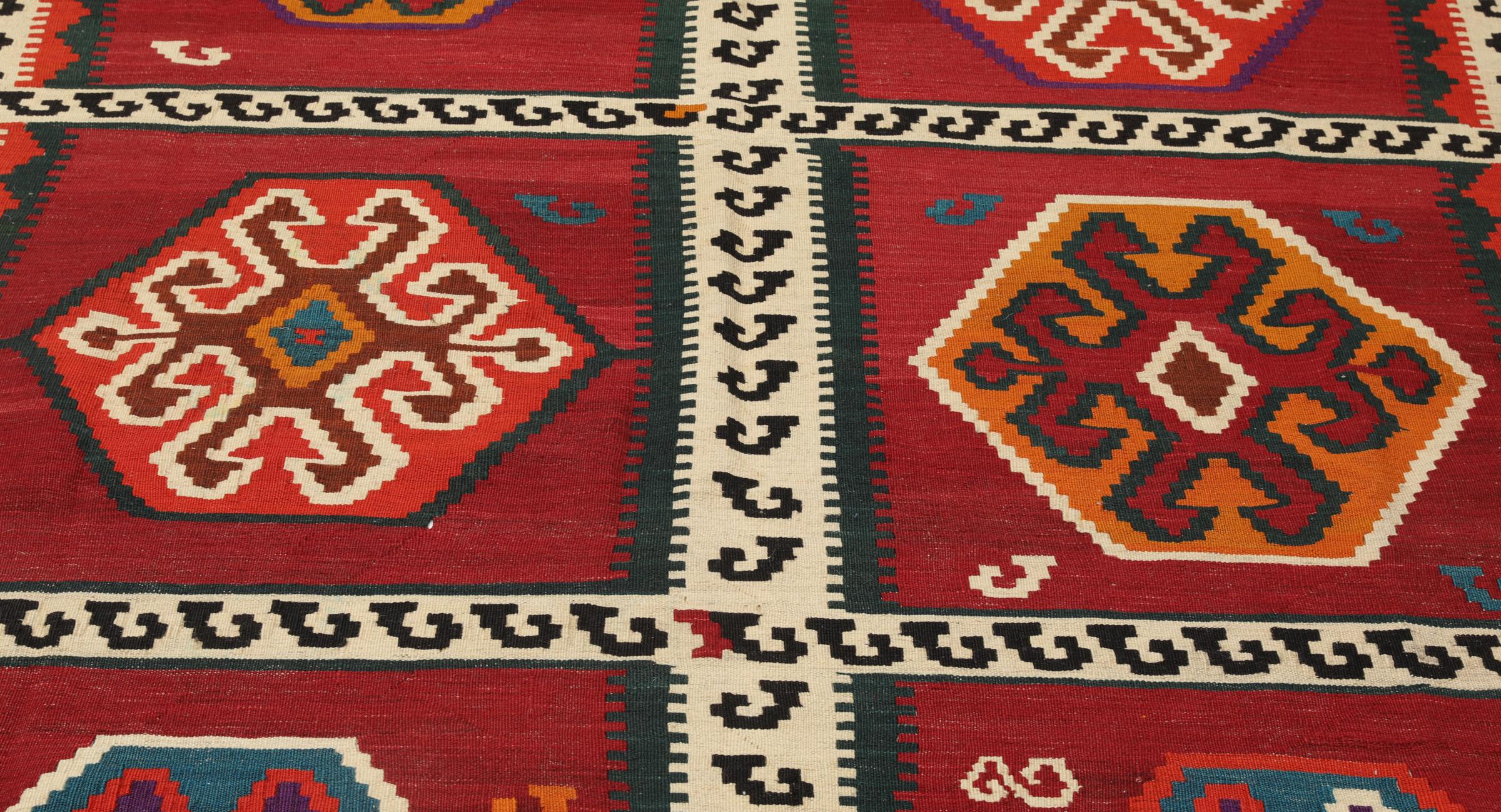
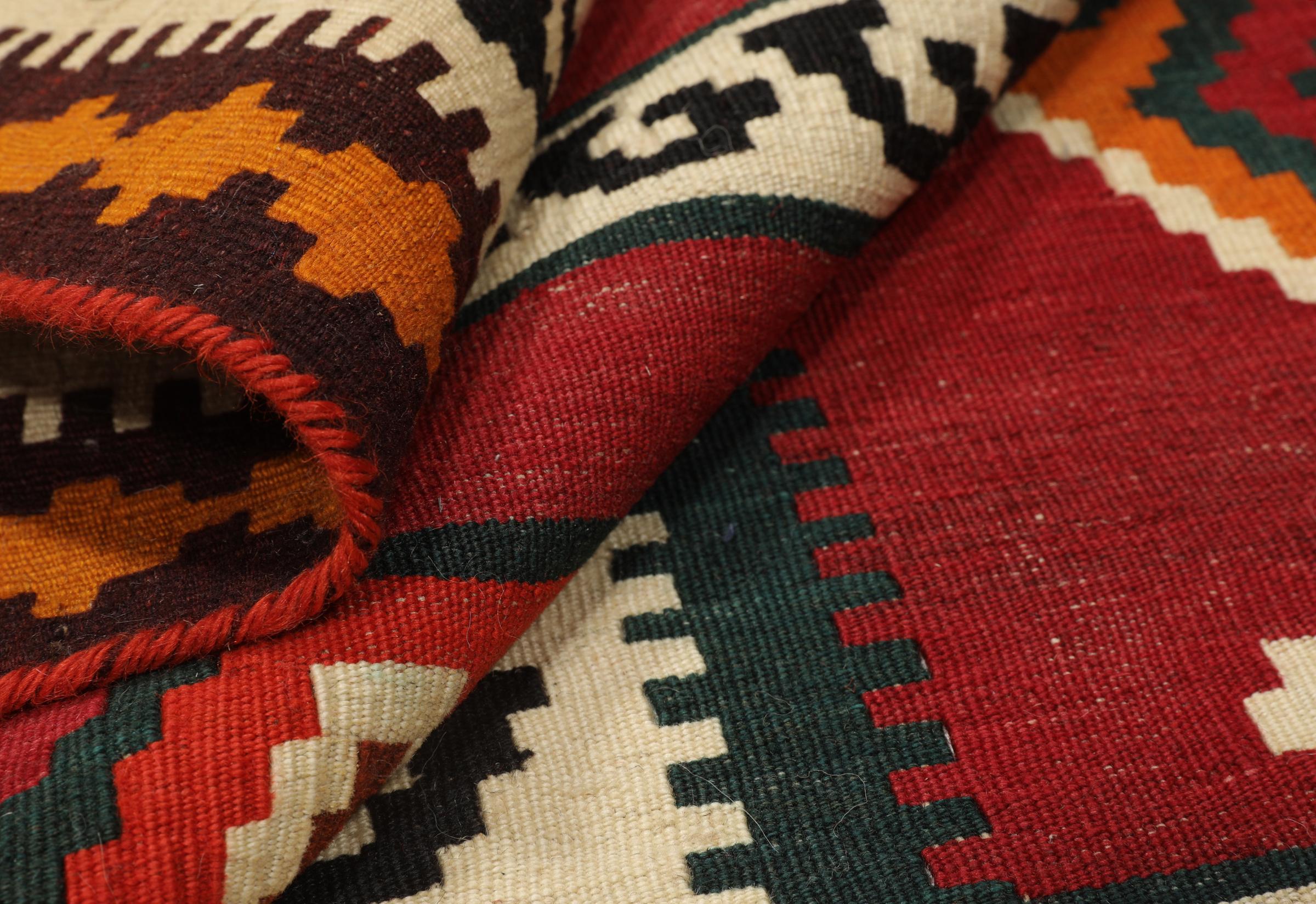
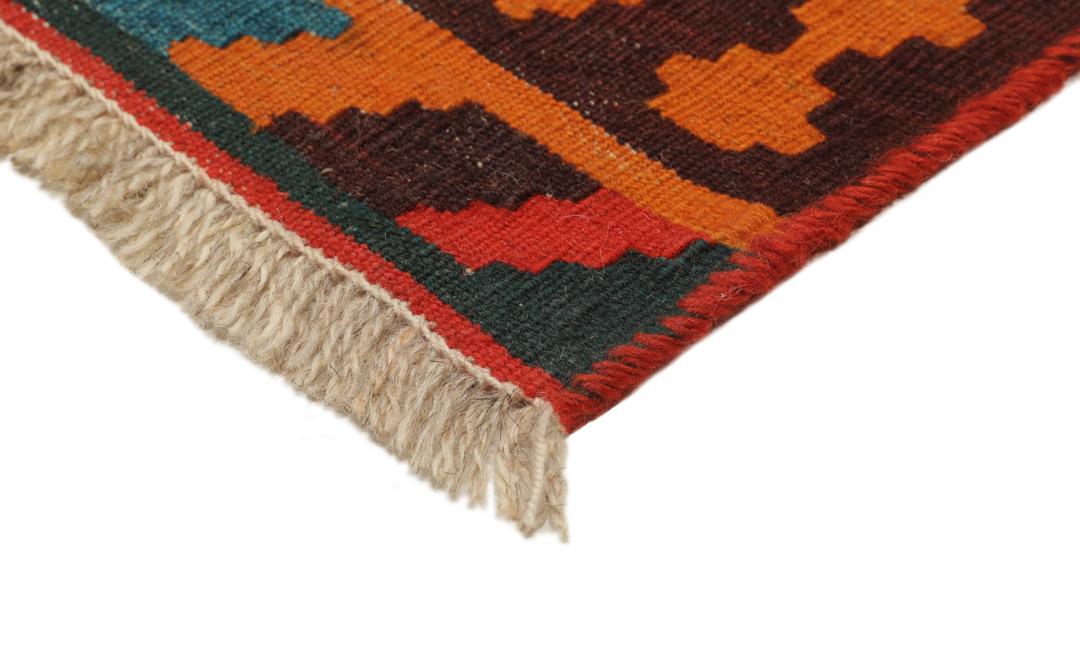
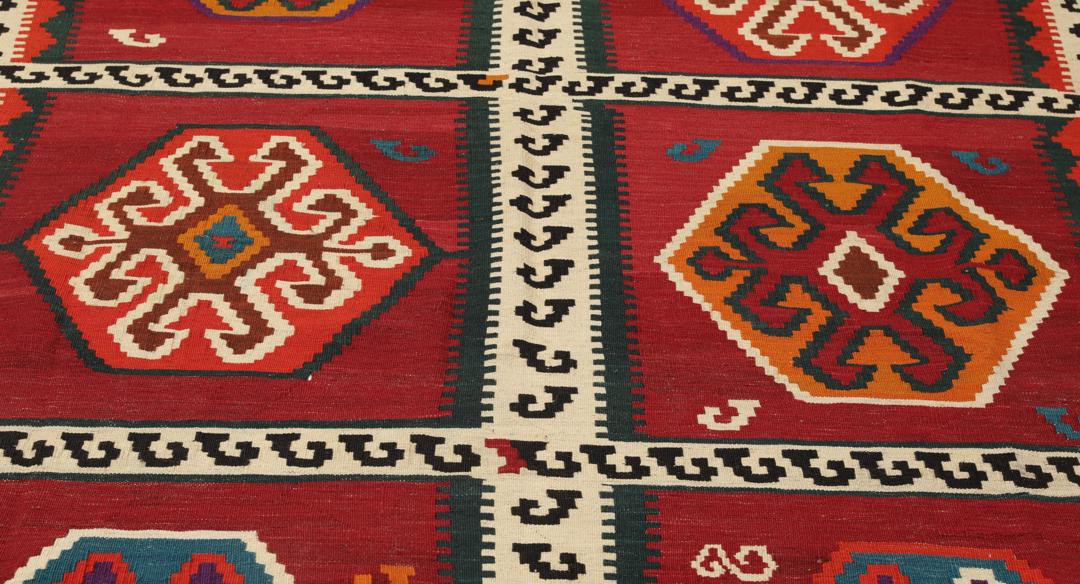
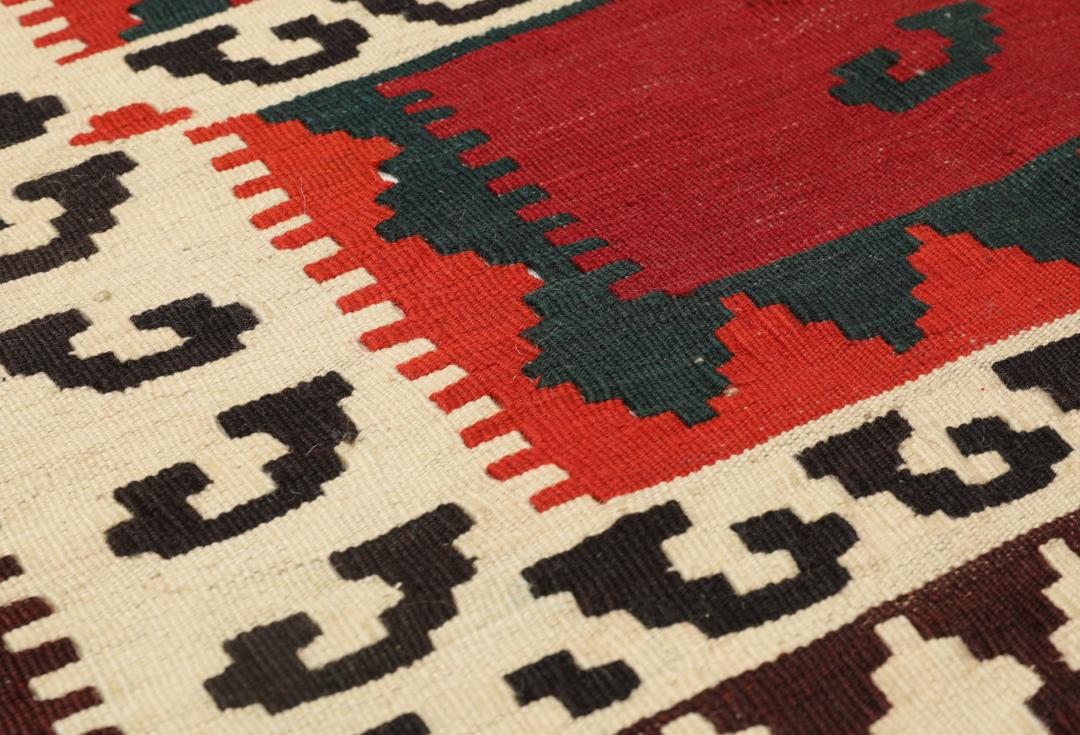
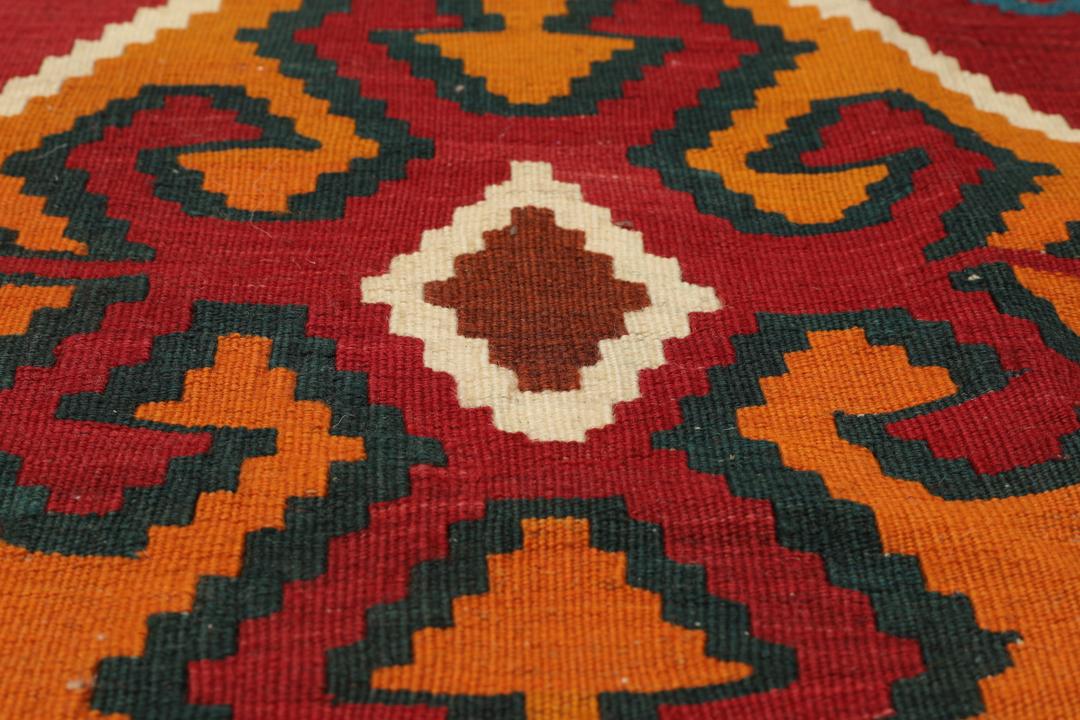
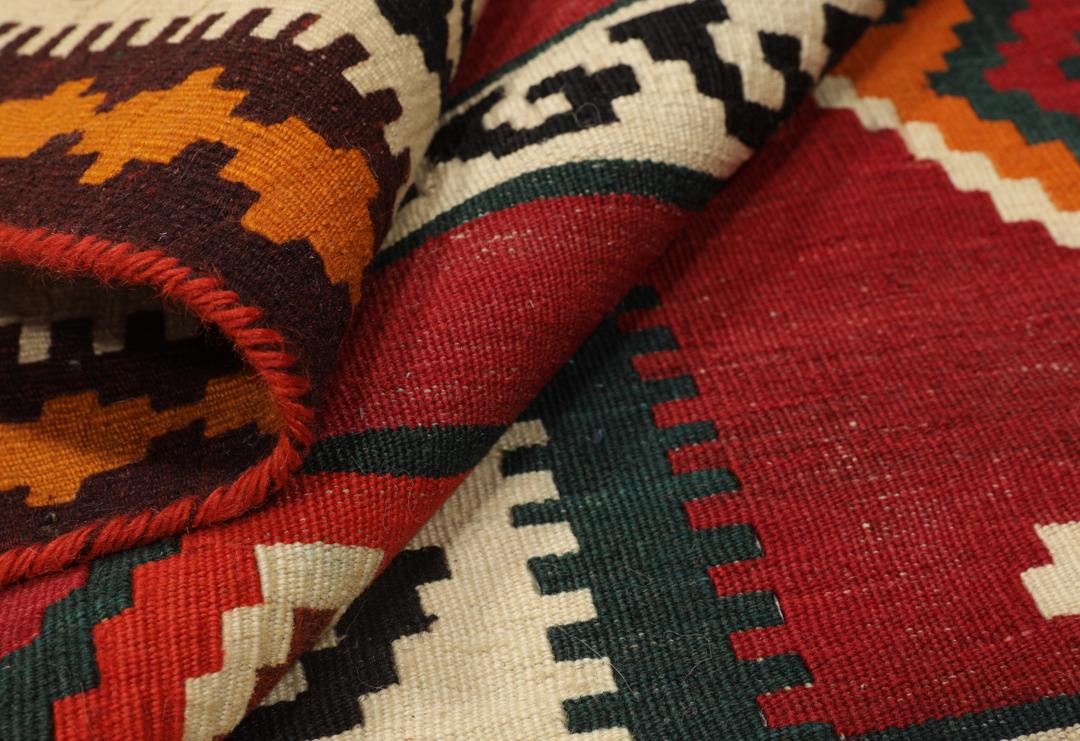
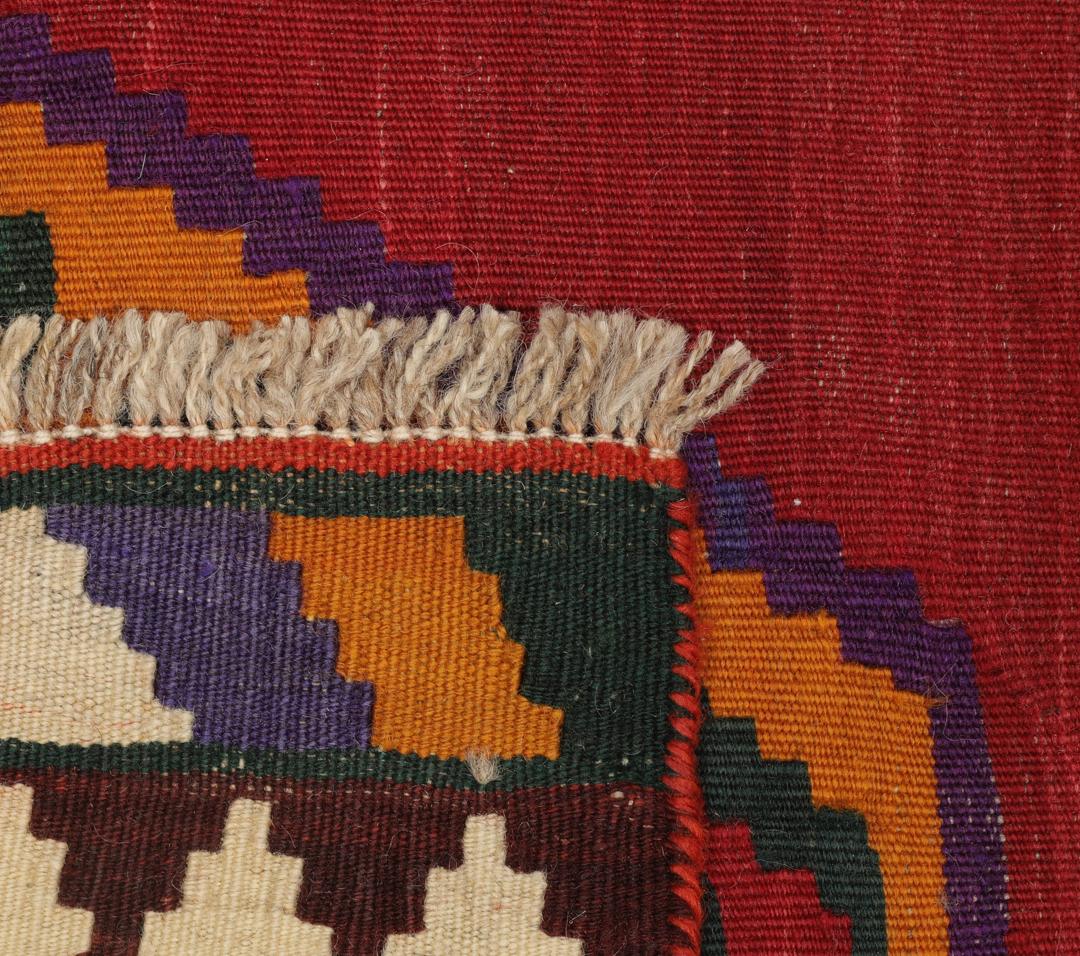
The term kilim refers specifically to the tapestry-weave technique used to produce these rugs. By interweaving the coloured weft threads through the warp, the weaver creates a seamless, durable fabric that features the same pattern on both sides. This technique is highly valued for its ability to produce sharp, intricate geometric designs that remain clear and defined, showcasing the technical prowess of the weaver.
Signature elements of these vintage pieces often include symbolic motifs that reflect the weaver's environment and cultural heritage. You will frequently find stylised representations of tribal symbols, protective amulets, and stylised floral forms. The use of vibrant, natural dyes—often rendered in bold red, blue, and earth tones—gives these rugs their iconic, timeless appearance that complements a wide variety of interior settings.
Collecting a vintage kilim is an investment in cultural heritage and human skill. These rugs are valued not just for their aesthetic beauty, but for the history they represent. Owning one connects you to a long lineage of artisans who balanced form and function with extraordinary grace. They are celebrated for their ability to bring warmth, history, and a sense of belonging to contemporary homes.