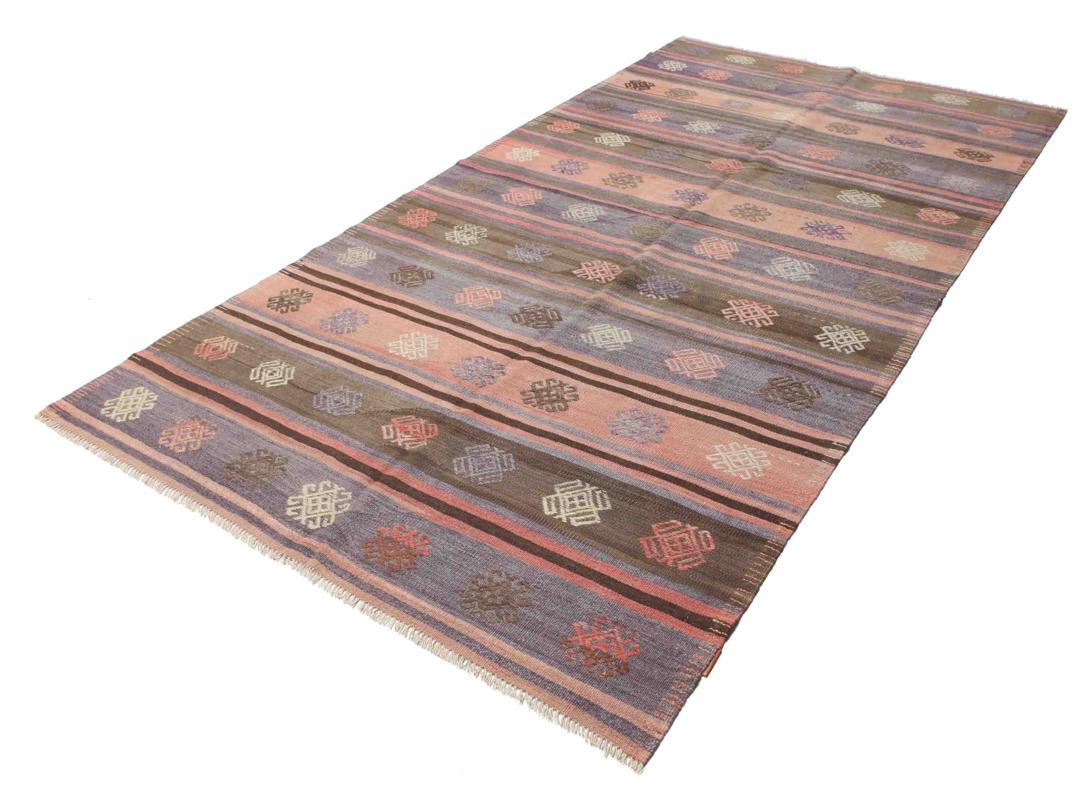
Kilim rugs are a cornerstone of Middle Eastern textile history, with their roots deeply embedded in the nomadic cultures of Turkey. Historically, these flatweave rugs were essential tools for nomadic life, serving as floor coverings, tent partitions, and storage bags. The transition from utilitarian nomadic object to a prized interior design element reflects the enduring appeal of their minimalist, structural beauty.
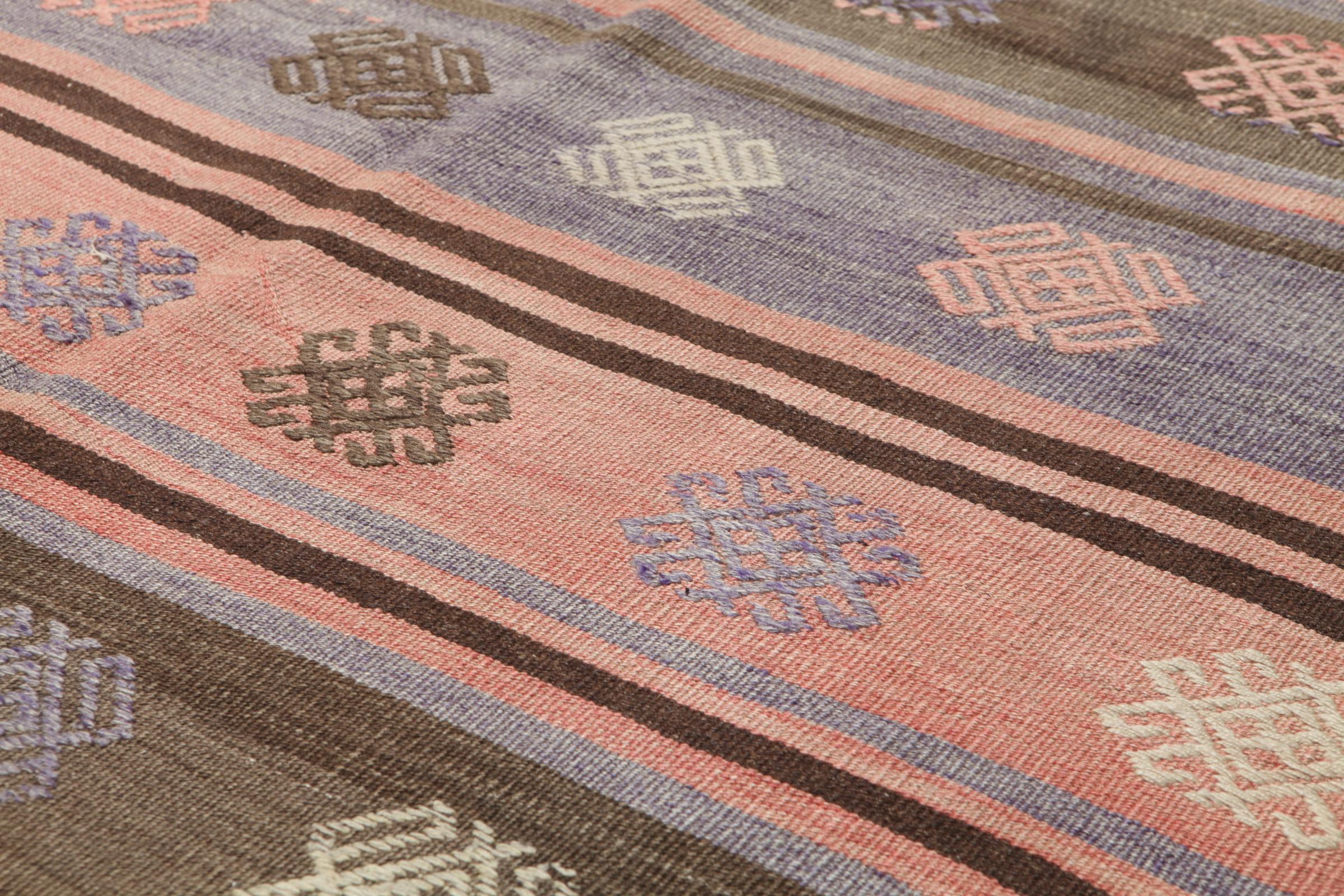
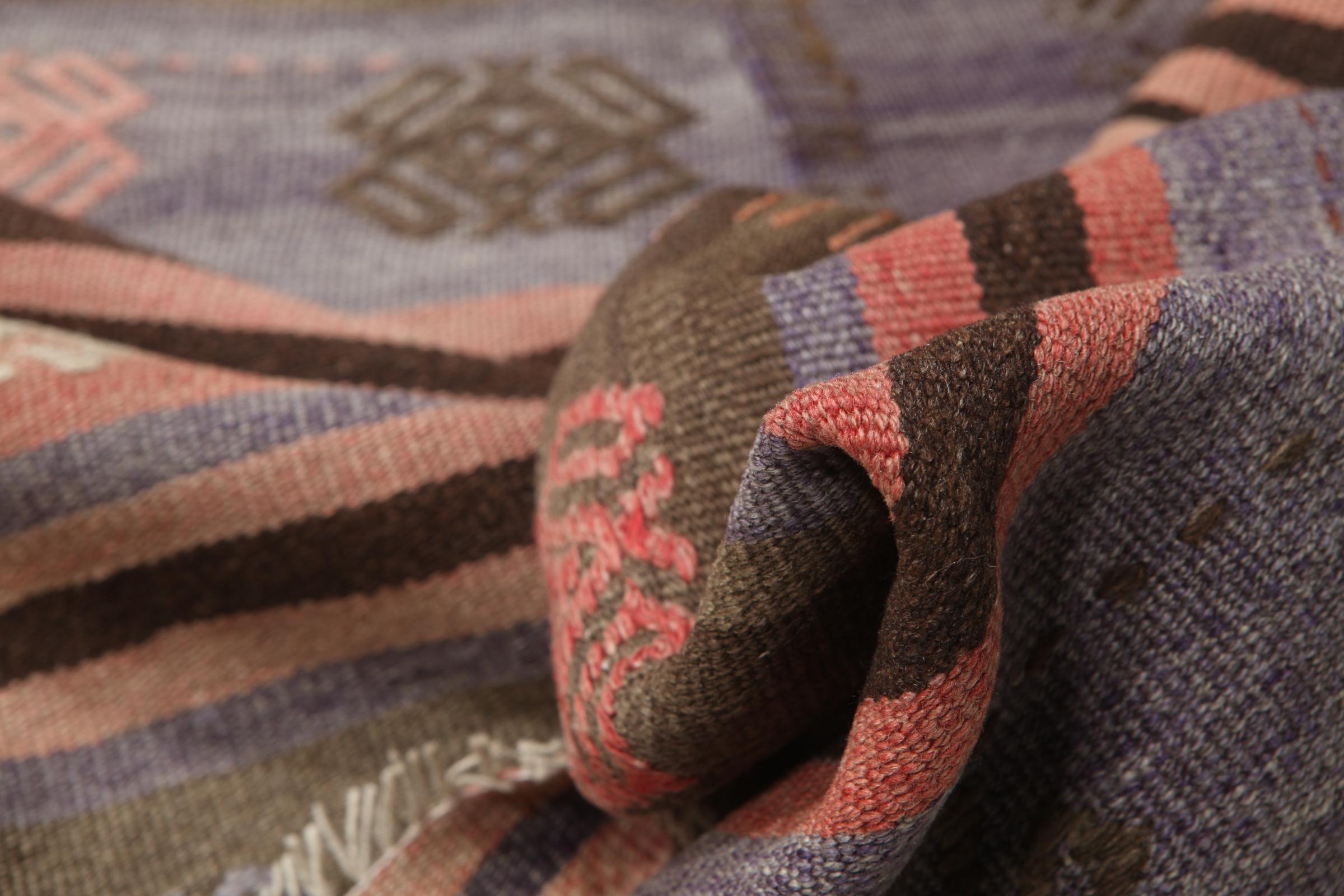
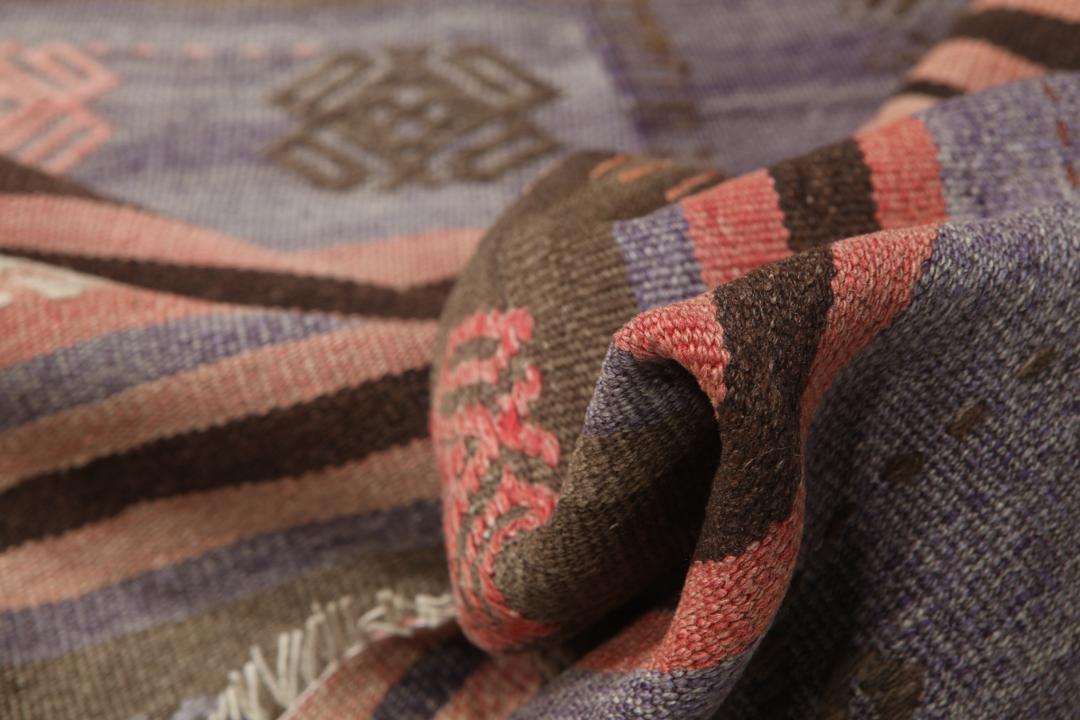
The term 'kilim' refers specifically to the tapestry-weaving technique where the weft threads are pulled tightly over the warp threads, completely hiding them. This creates a reversible rug without a pile, resulting in a smooth, durable surface. Because there is no pile to wear down, these rugs are exceptionally long-lasting, making them a practical choice for homes that balance style with everyday utility.
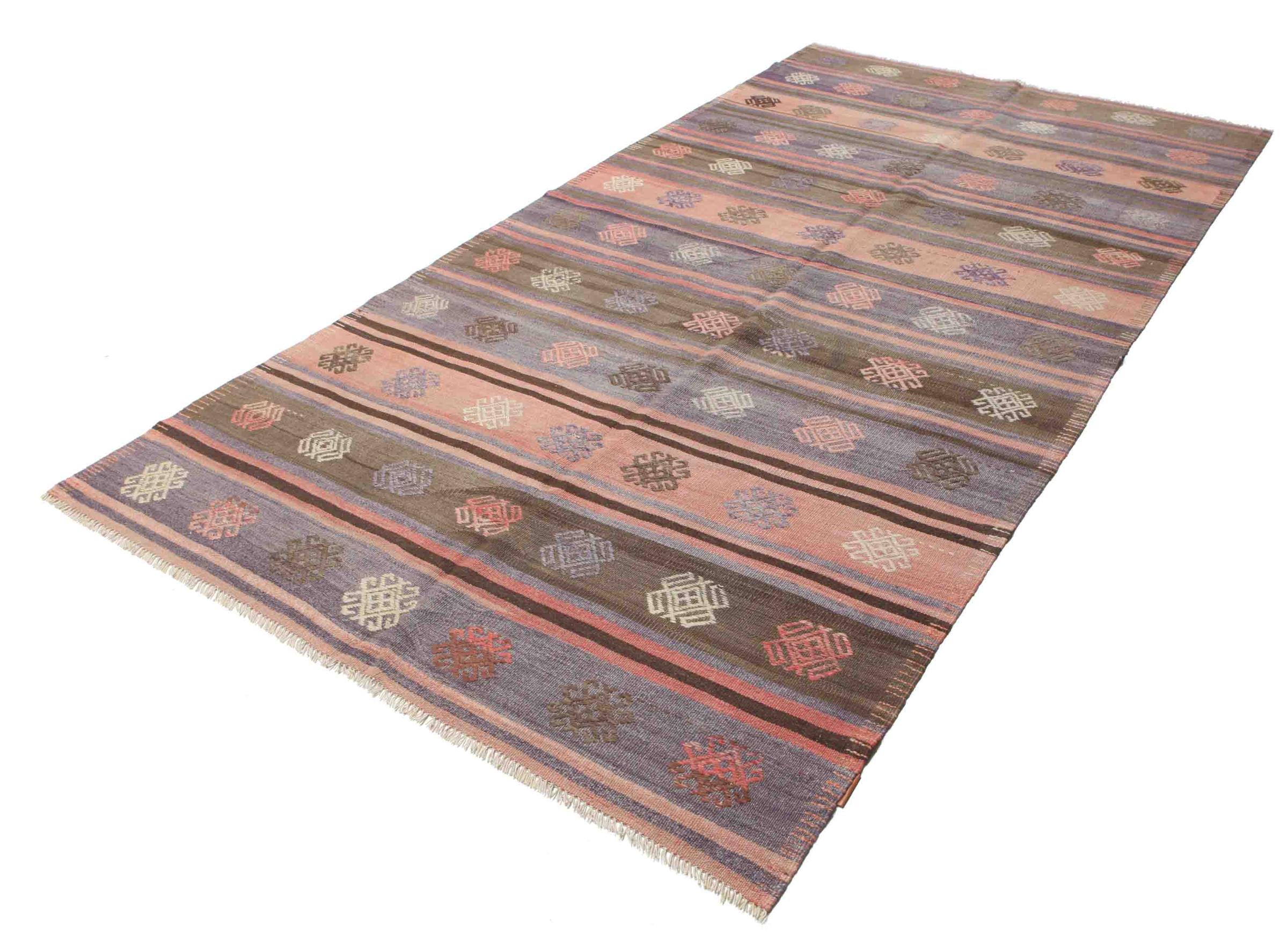
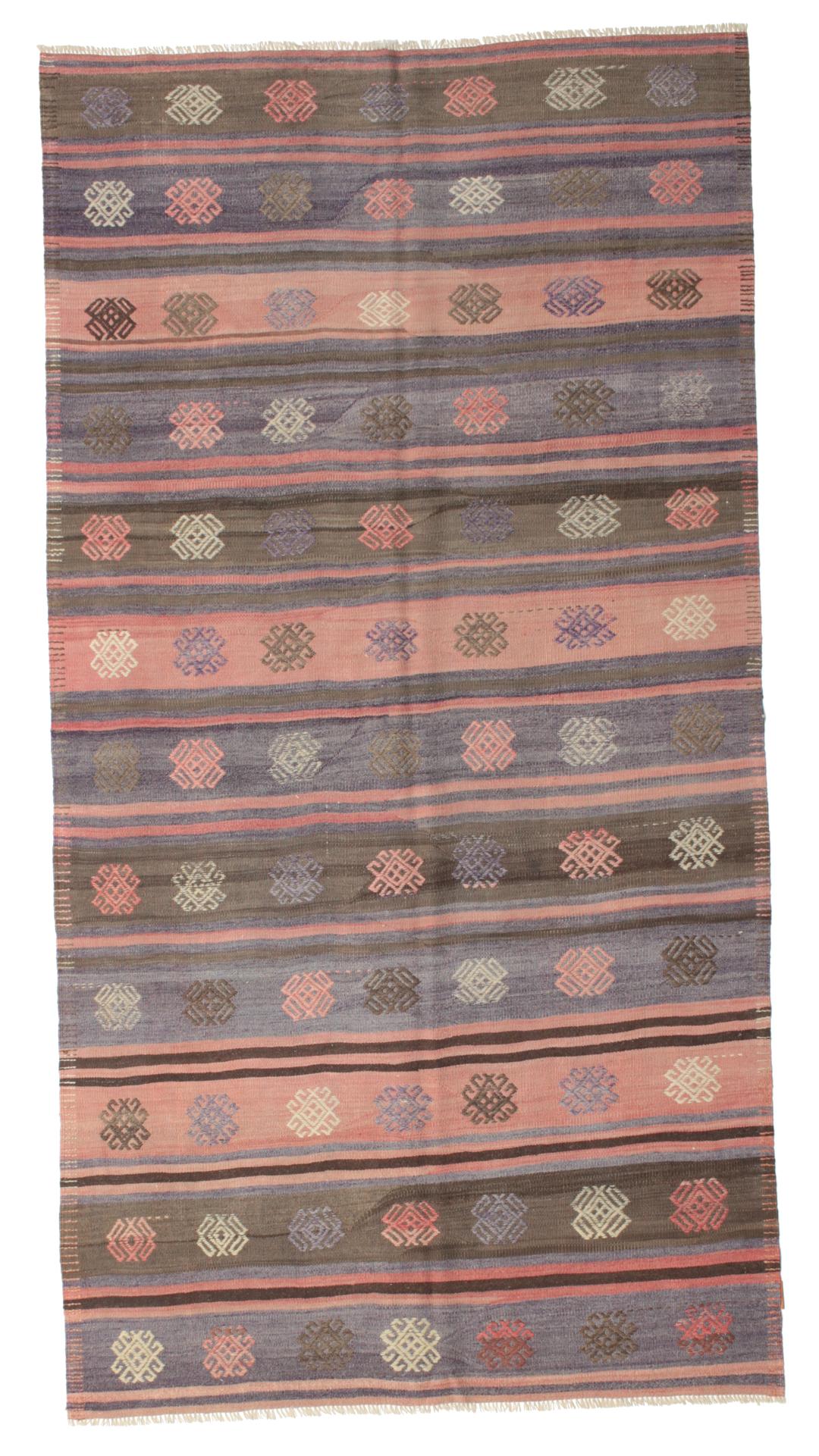
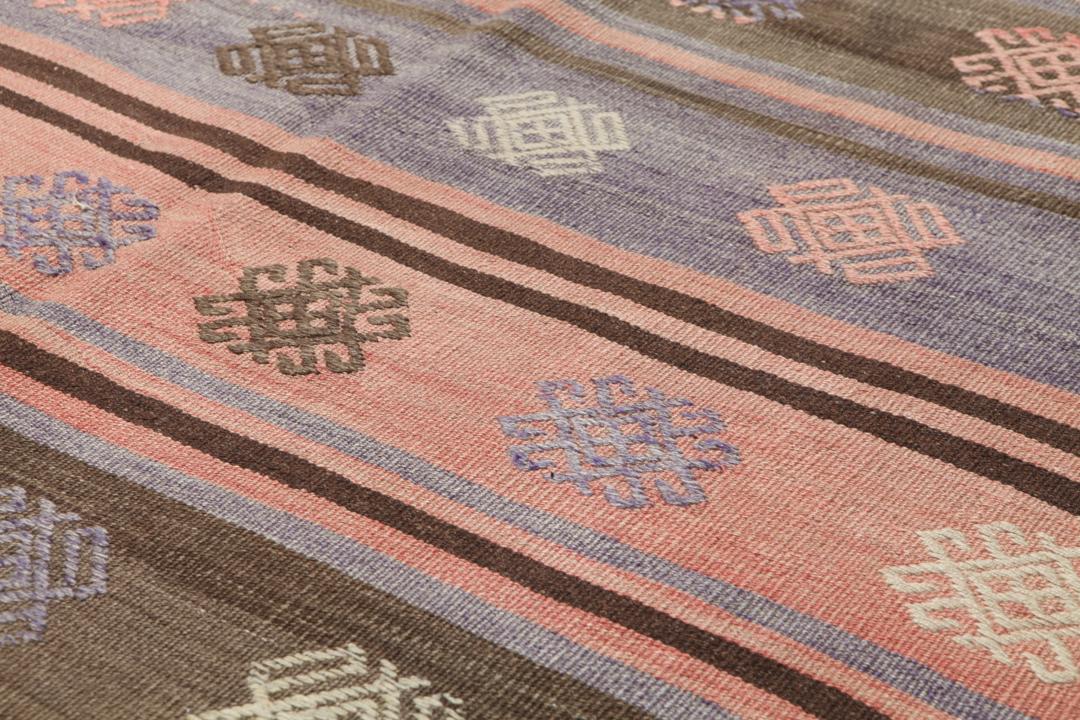
Design-wise, these rugs are defined by their horizontal striping and geometric motifs, often referred to as guls or symbolic tribal marks. These patterns are not merely decorative but are deeply symbolic, often representing wishes for protection, fertility, or family prosperity. The use of natural dyes and the variation in wool texture from different regions give each piece a unique soul, with older examples showcasing subtle tonal shifts that only time can create.
Collecting vintage kilims is an act of preserving cultural heritage. These rugs are valued not just for their aesthetic versatility, but for the skill required to maintain perfect symmetry and tension across the entire width of the loom without modern aids. By bringing a piece like this into your home, you are continuing a legacy of artisanal expertise, ensuring that these traditional skills and stories remain a vibrant part of contemporary living.