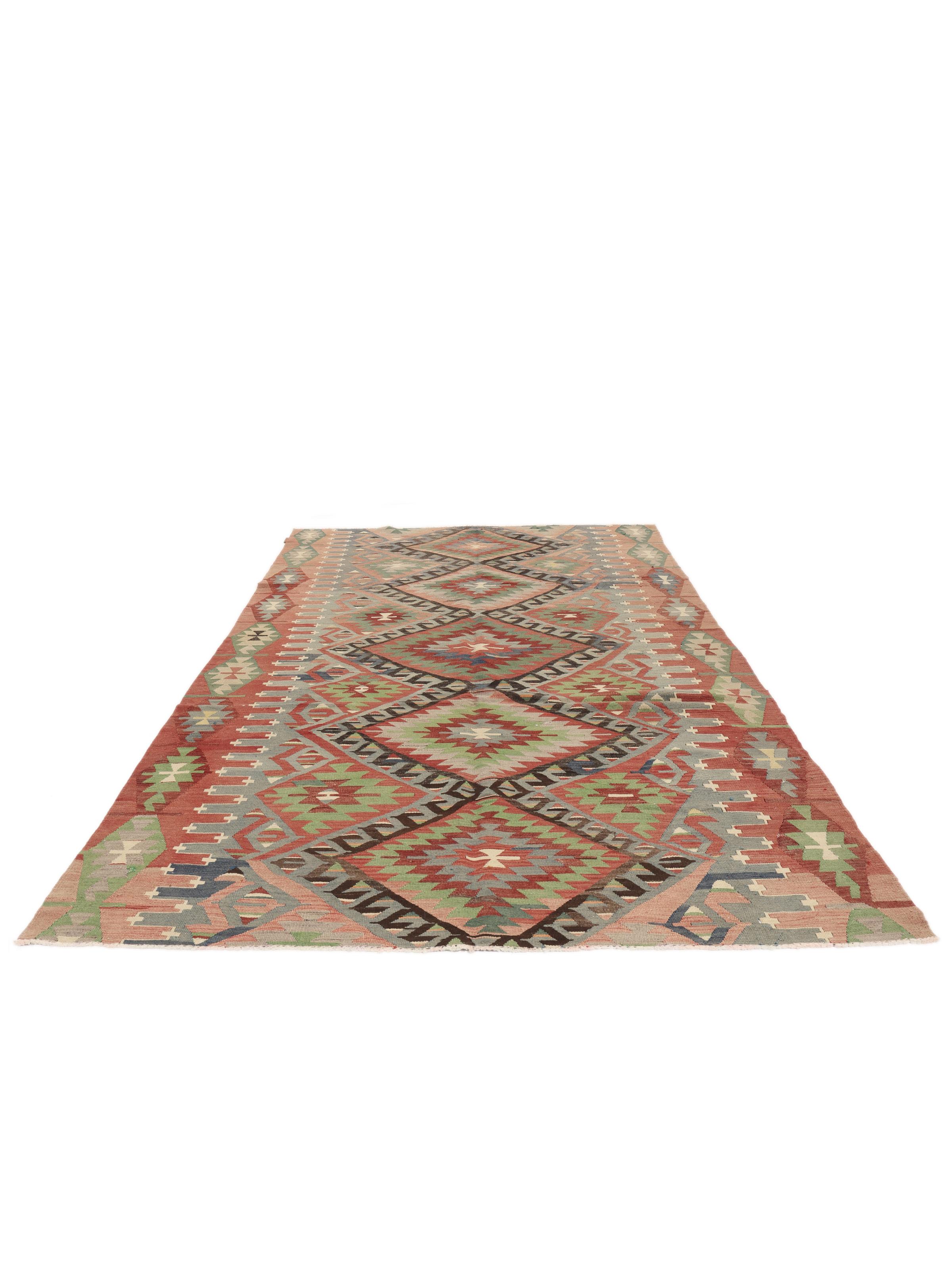
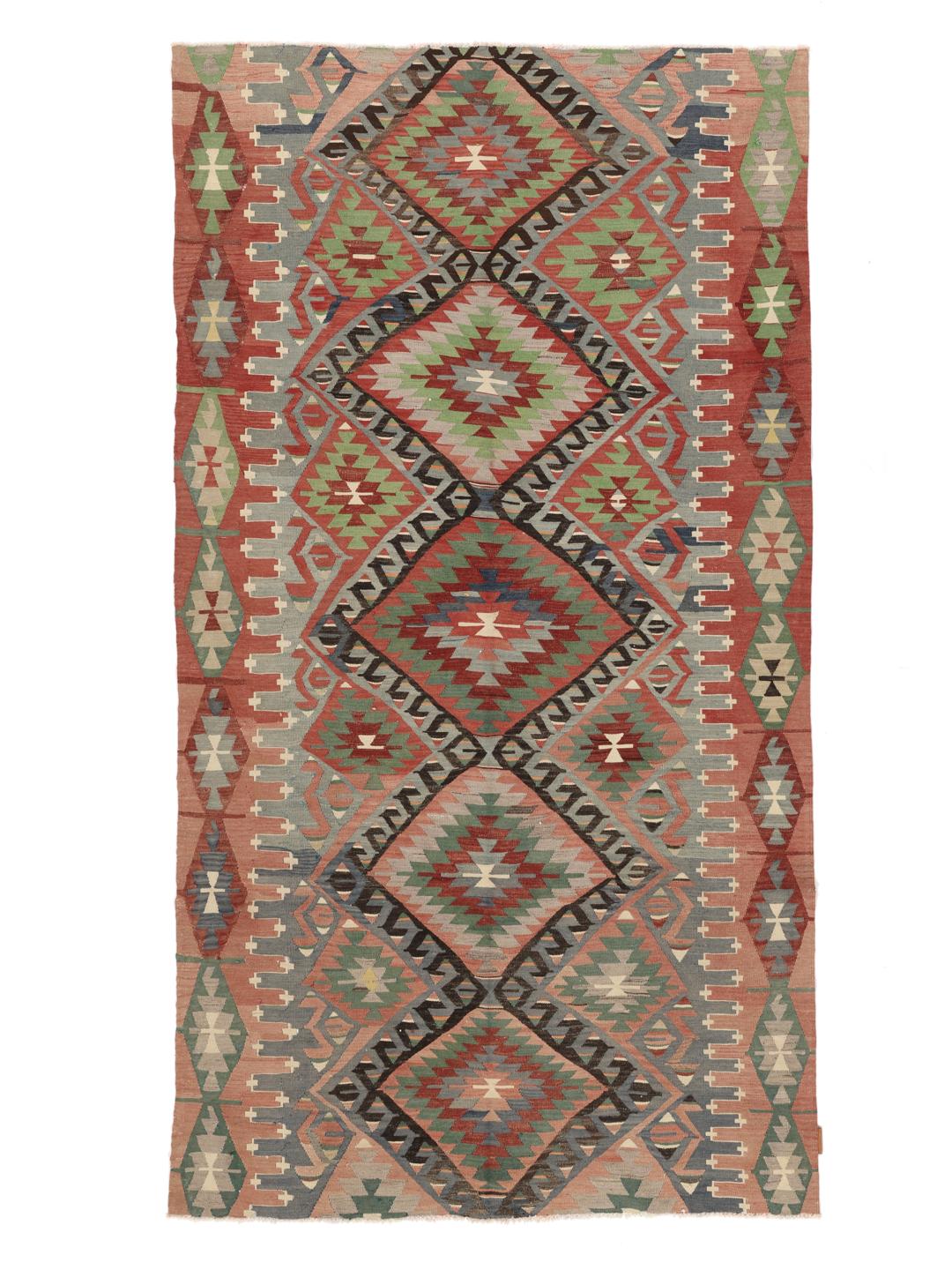
Kilim rugs are a cornerstone of Middle Eastern and Central Asian textile traditions, with Turkey serving as one of the most significant regions for their development. Historically, these flat-woven rugs were created by nomadic tribes for practical use as floor coverings, wall hangings, or saddlebags, evolving over centuries into the highly sought-after decorative pieces we admire today.
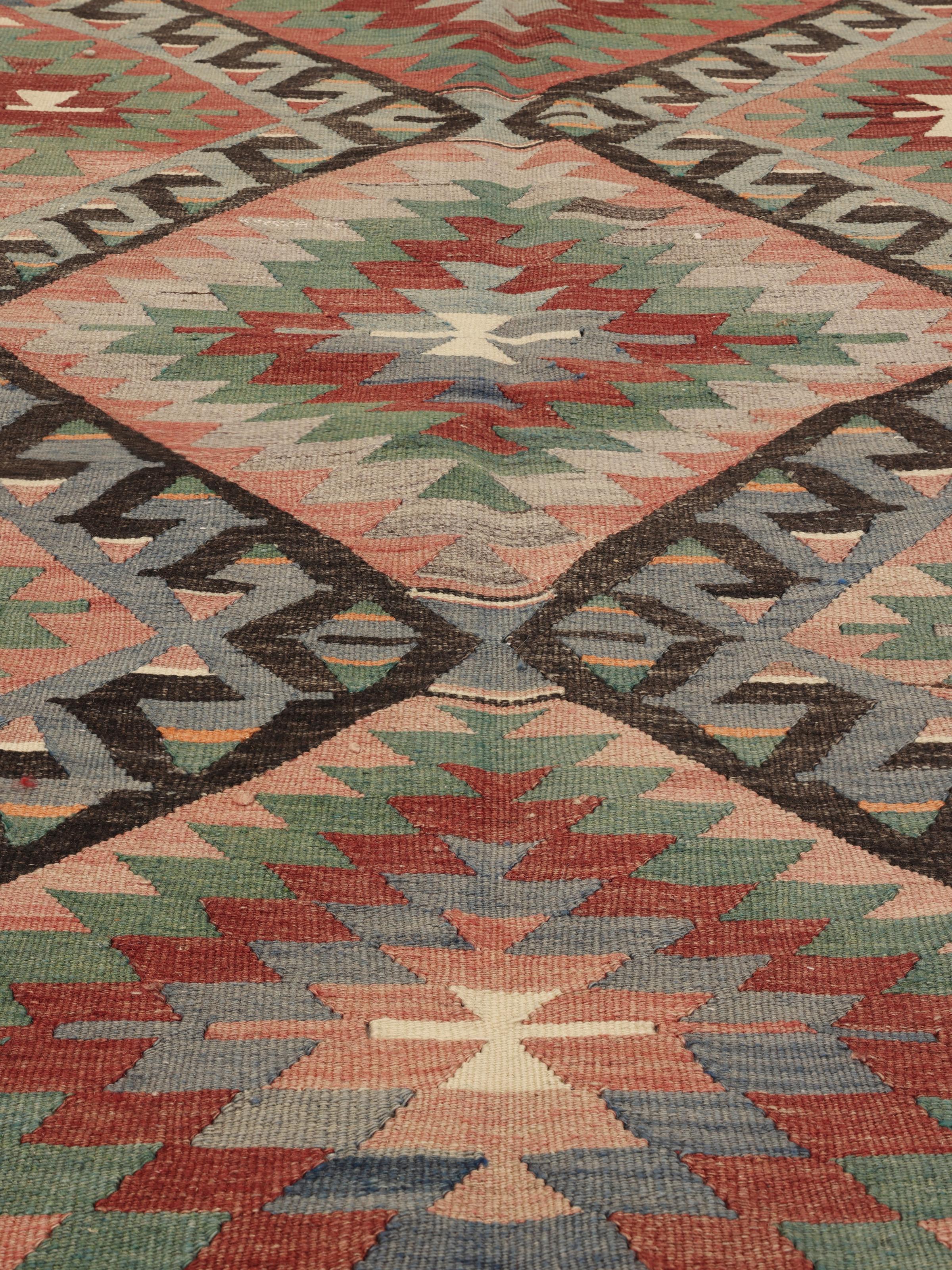
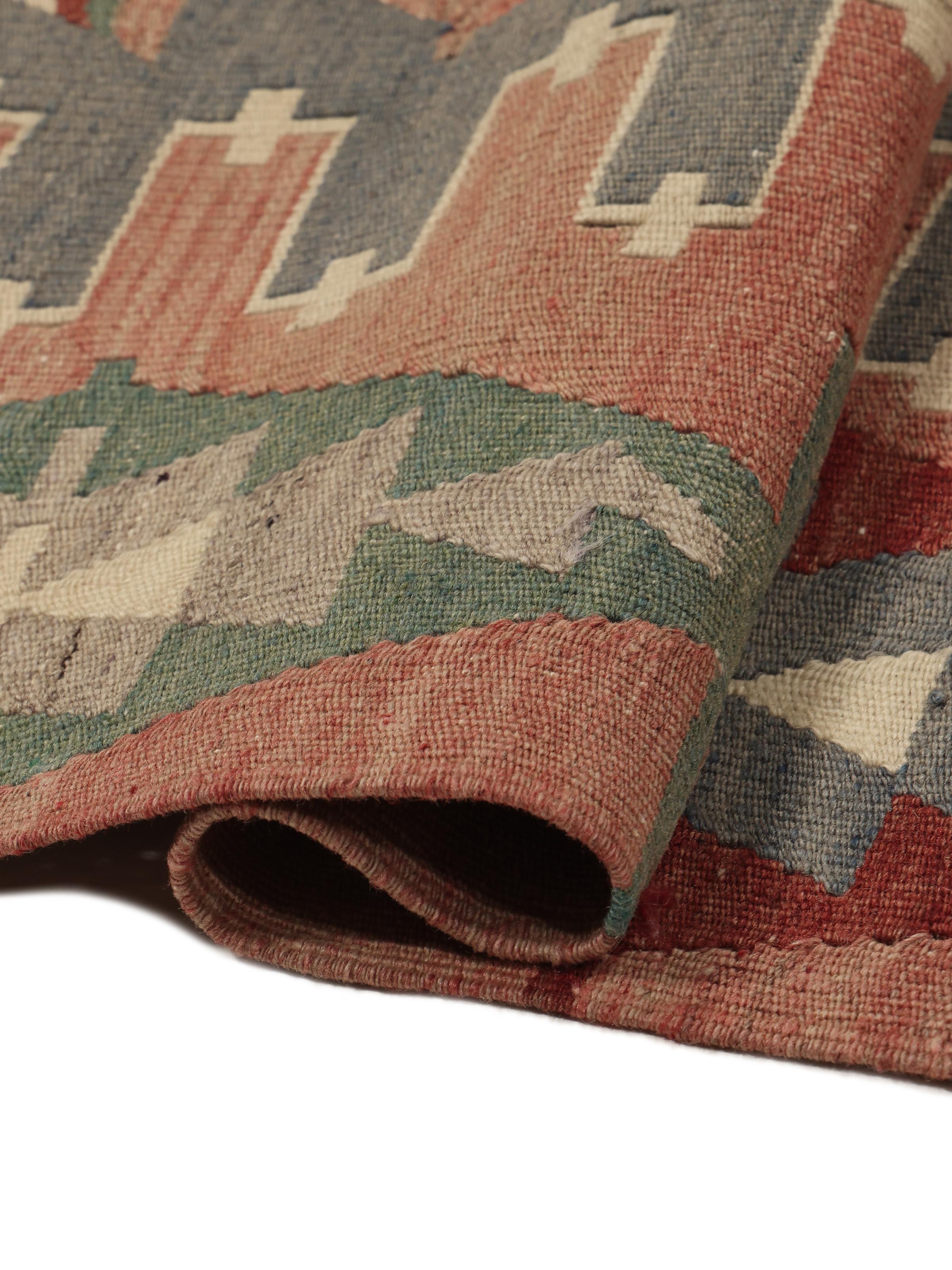
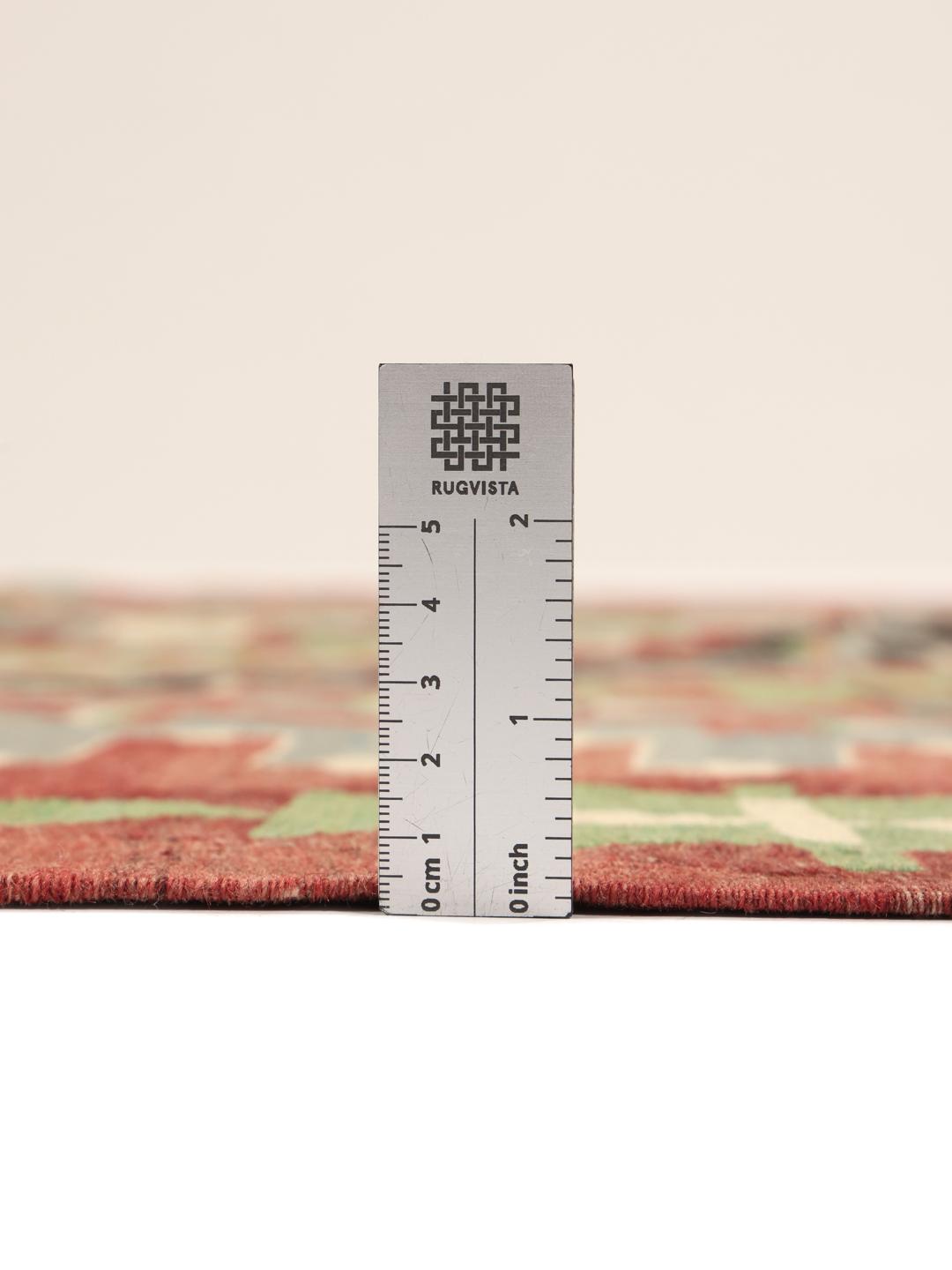
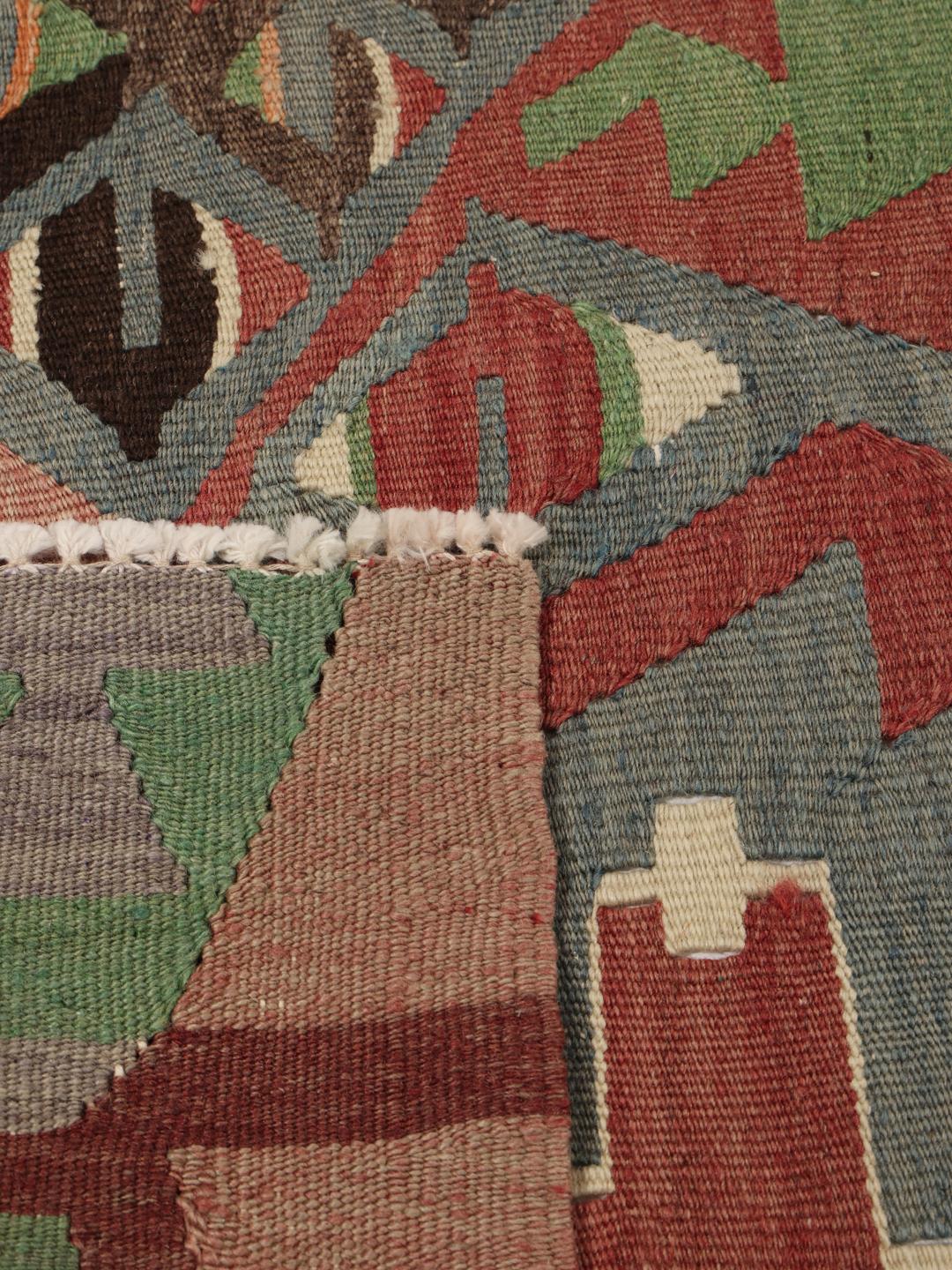
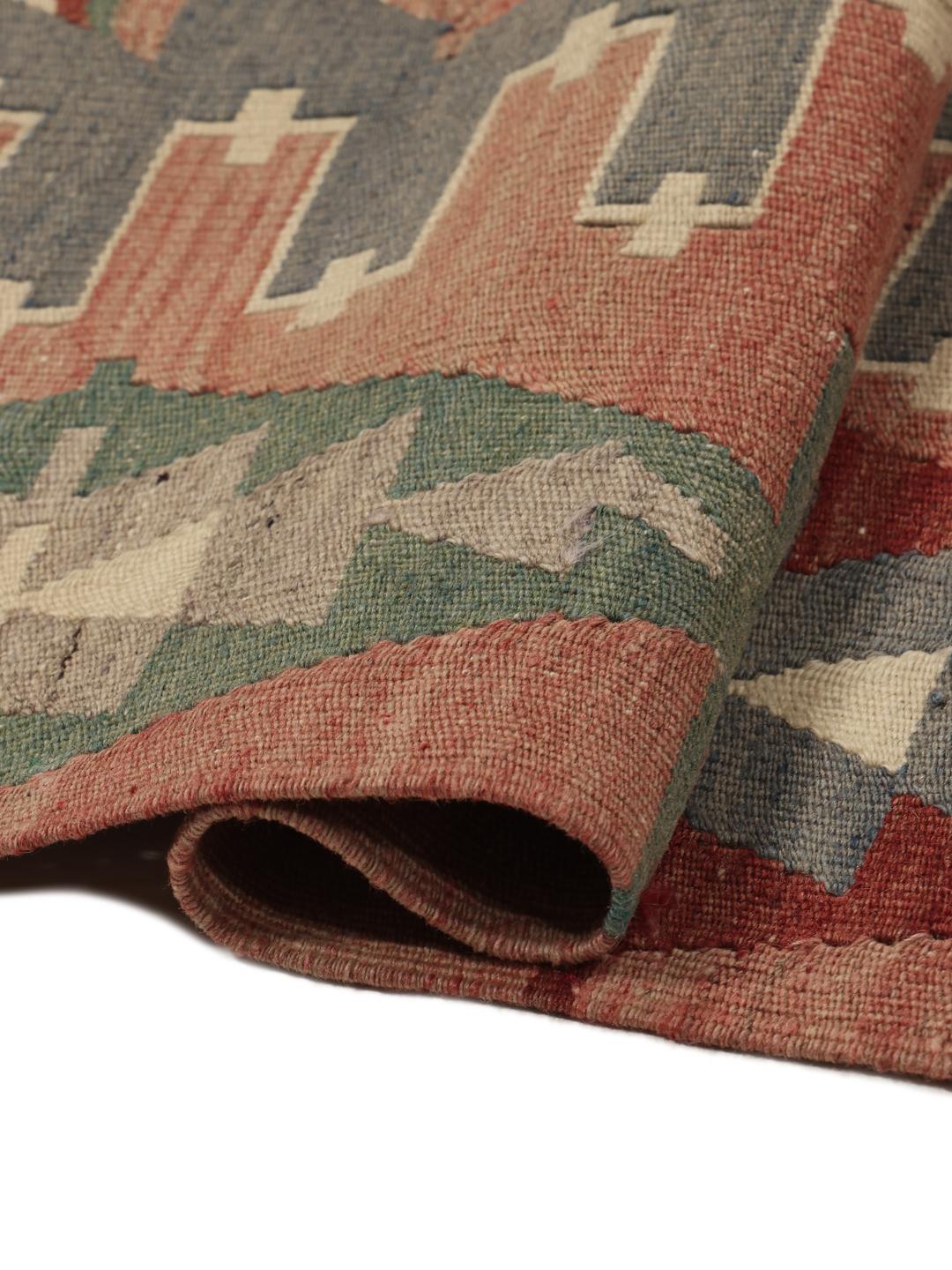
The term Kilim refers to the specific flat-weaving technique used to create these pieces, where the weft and warp yarns are interlaced to produce a smooth, pileless surface. This method is distinct from knotted rugs, resulting in a lighter and more versatile textile. The precision required to maintain tension and pattern alignment throughout the weaving process is a hallmark of an experienced artisan, and it is this technical rigour that gives the rug its lasting structural integrity.
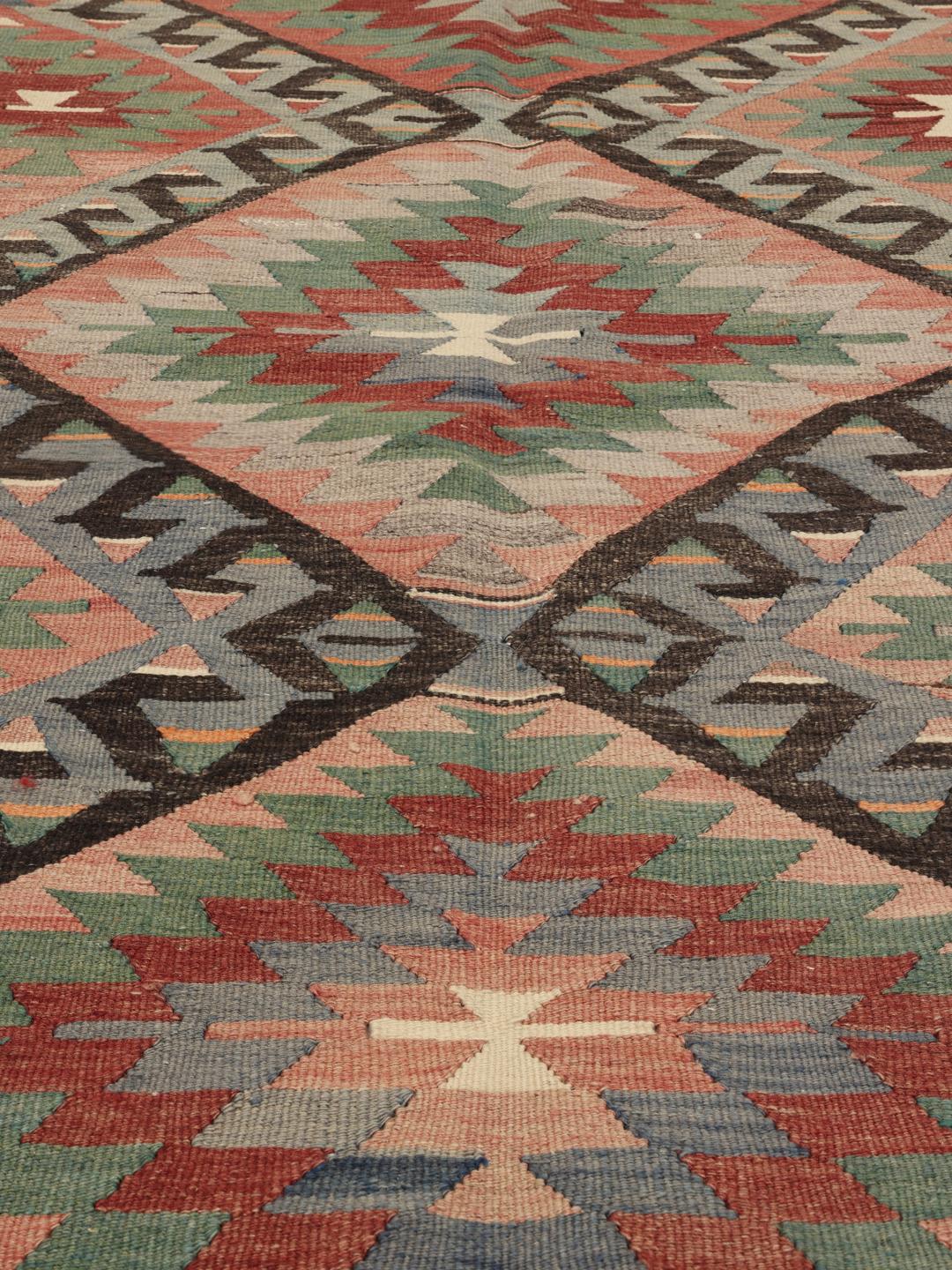
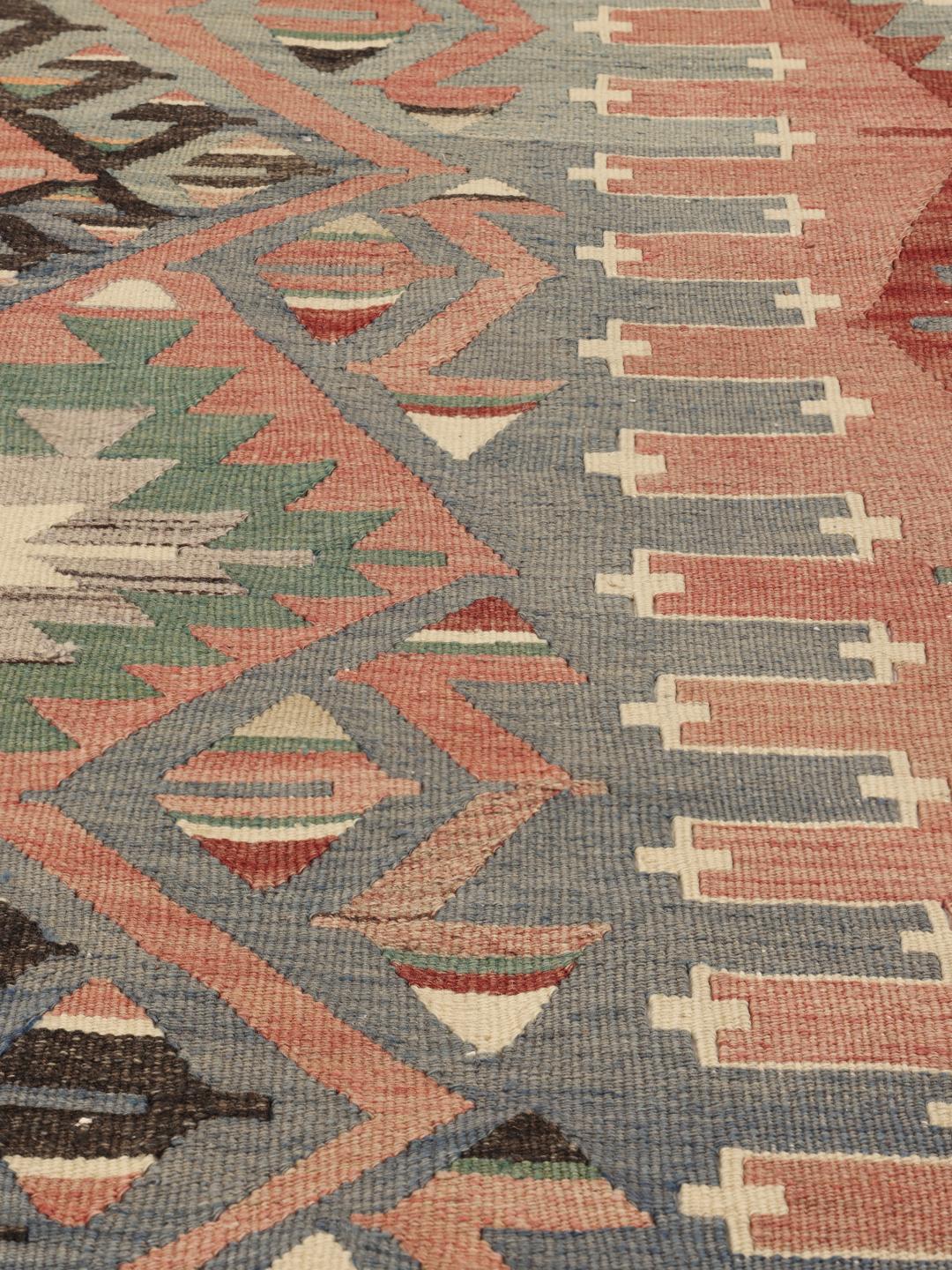
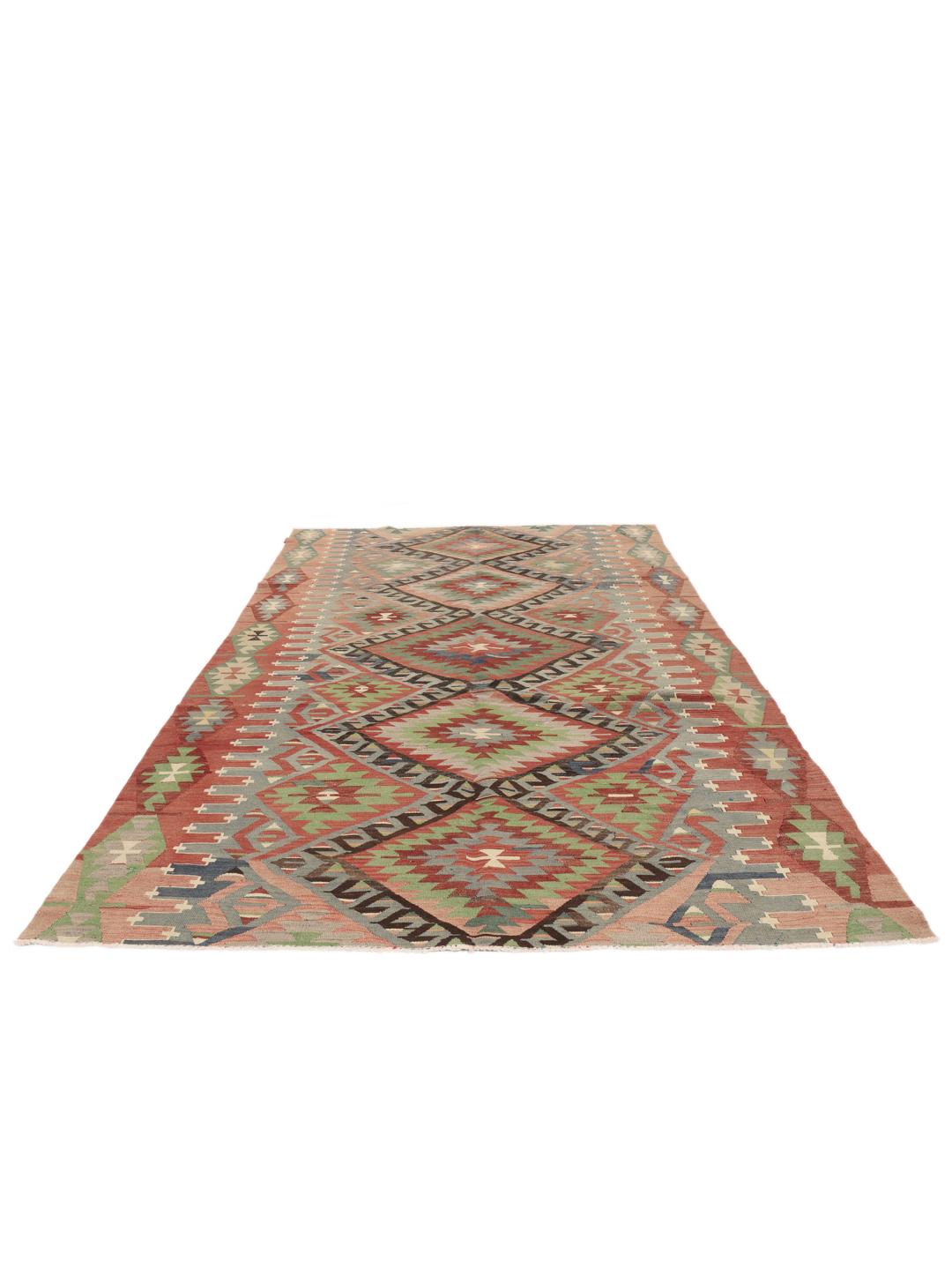
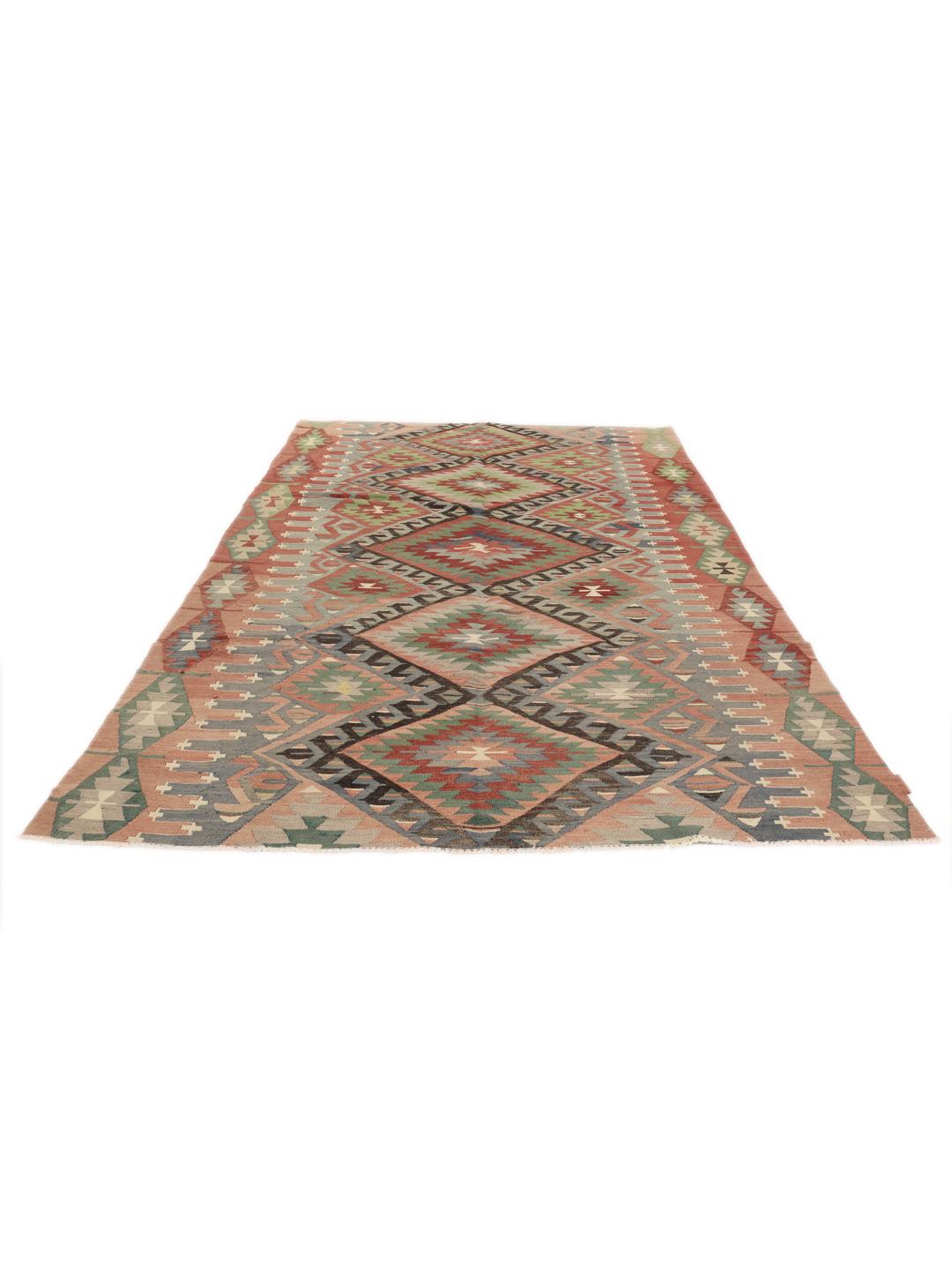
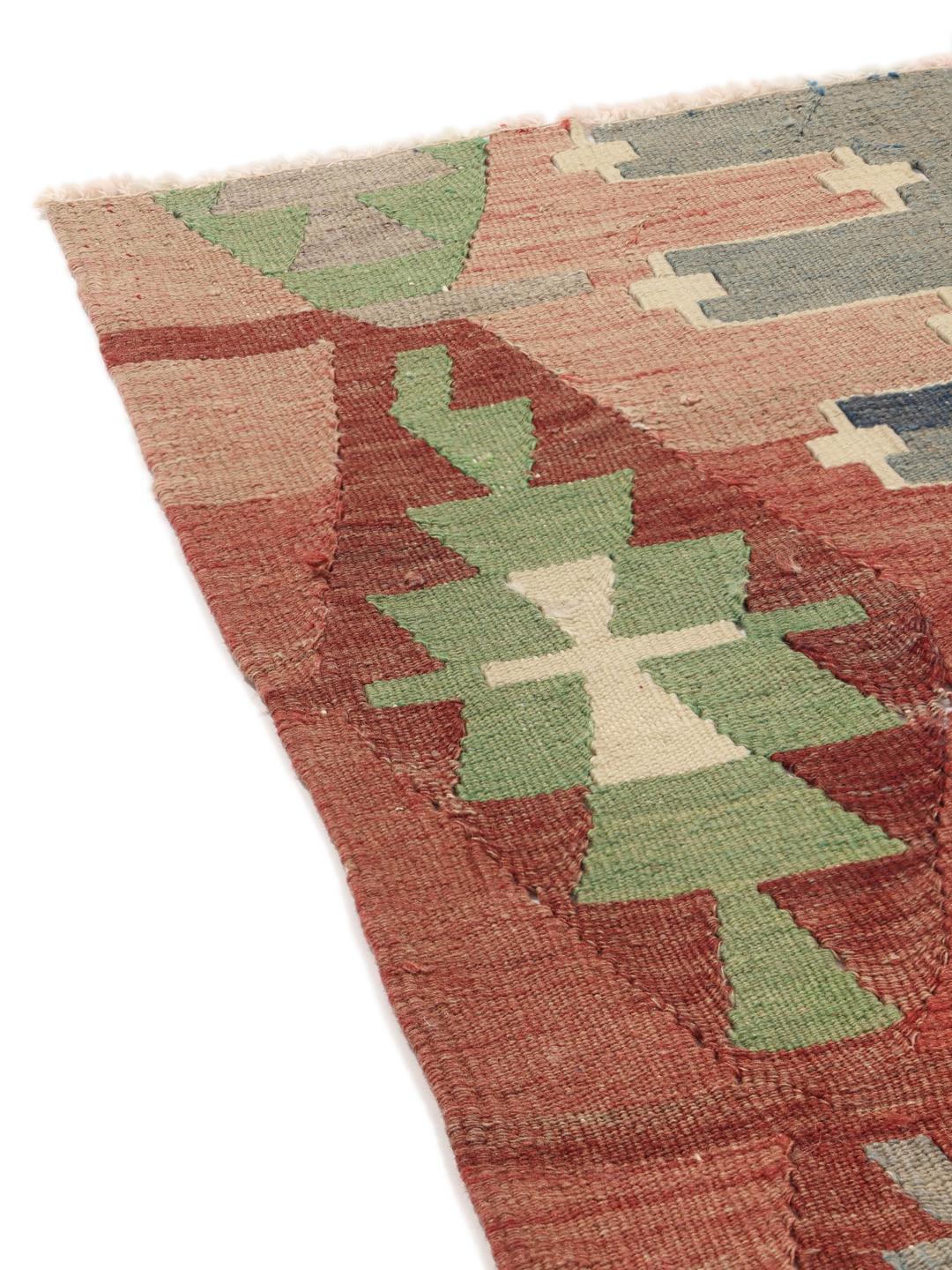
Visually, these rugs are defined by their vibrant geometric language and symbolic motifs. You will often find diamonds, triangles, and stylised floral elements that reflect the cultural identity and storytelling of the weavers. The specific combination of colours seen here represents a tradition of using natural dyes to create bold, balanced compositions that feel both traditional and contemporary in a modern home.
Collecting vintage Kilims is an act of preserving cultural heritage. Each piece carries the aesthetic legacy of its origin, reflecting the skill and artistic vision of the generations that preceded it. By choosing a vintage rug, you are not just purchasing a floor covering, but a piece of history that adds significant value and soul to your interior design.