Kilim rugs represent one of the most enduring textile traditions of the Middle East. These flat-woven pieces have been crafted for centuries by nomadic and village communities, serving as essential, versatile items for everyday life, from floor coverings to storage bags and wall hangings. Their evolution reflects the migration of cultural motifs across the region, blending local customs with broader artistic influences.
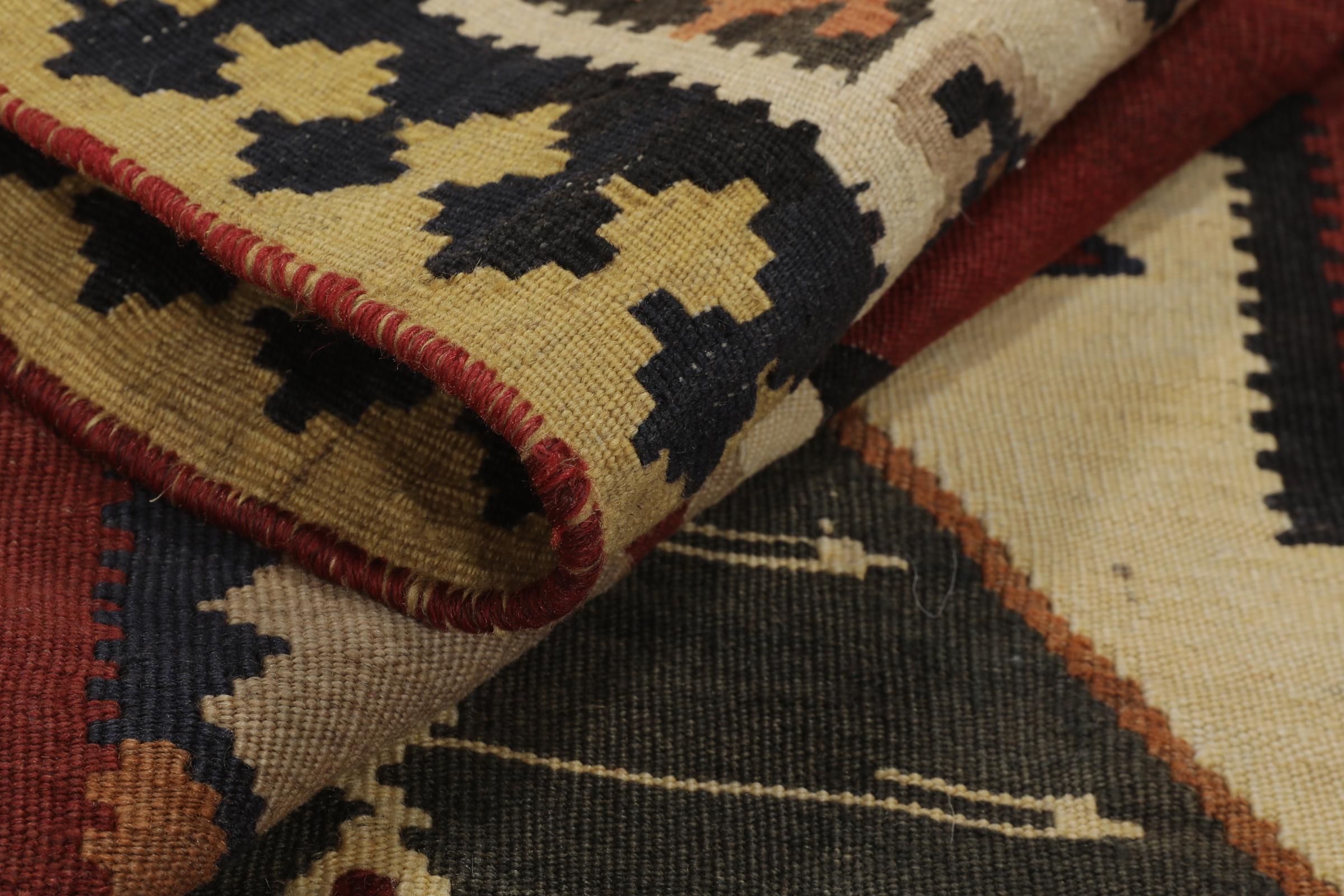
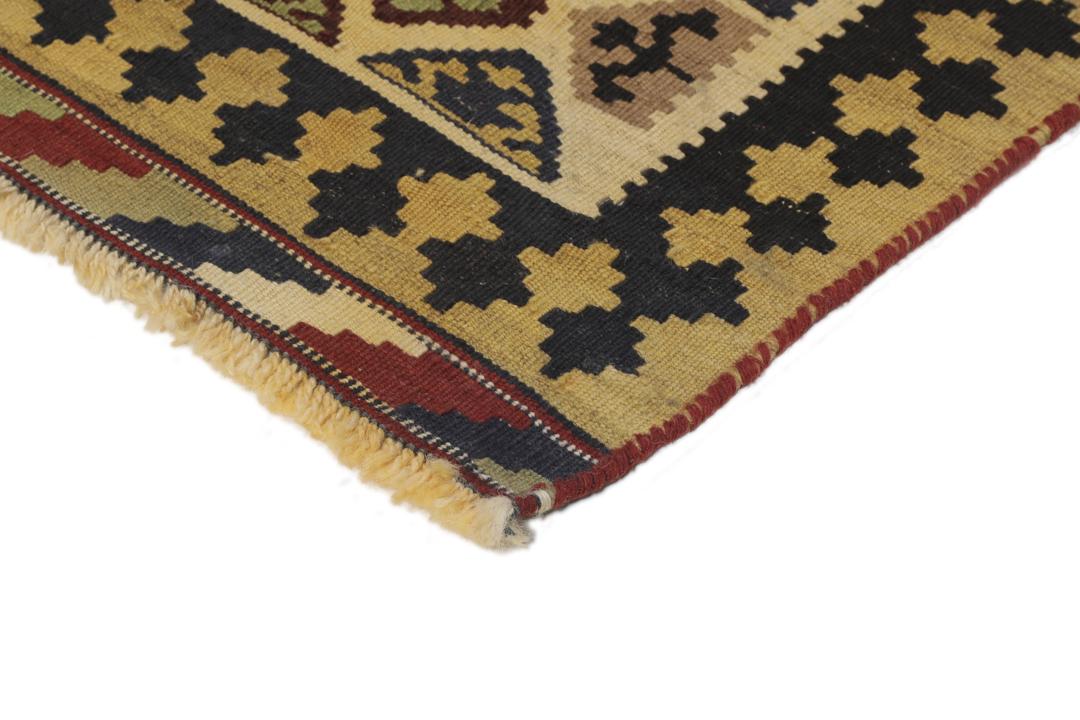
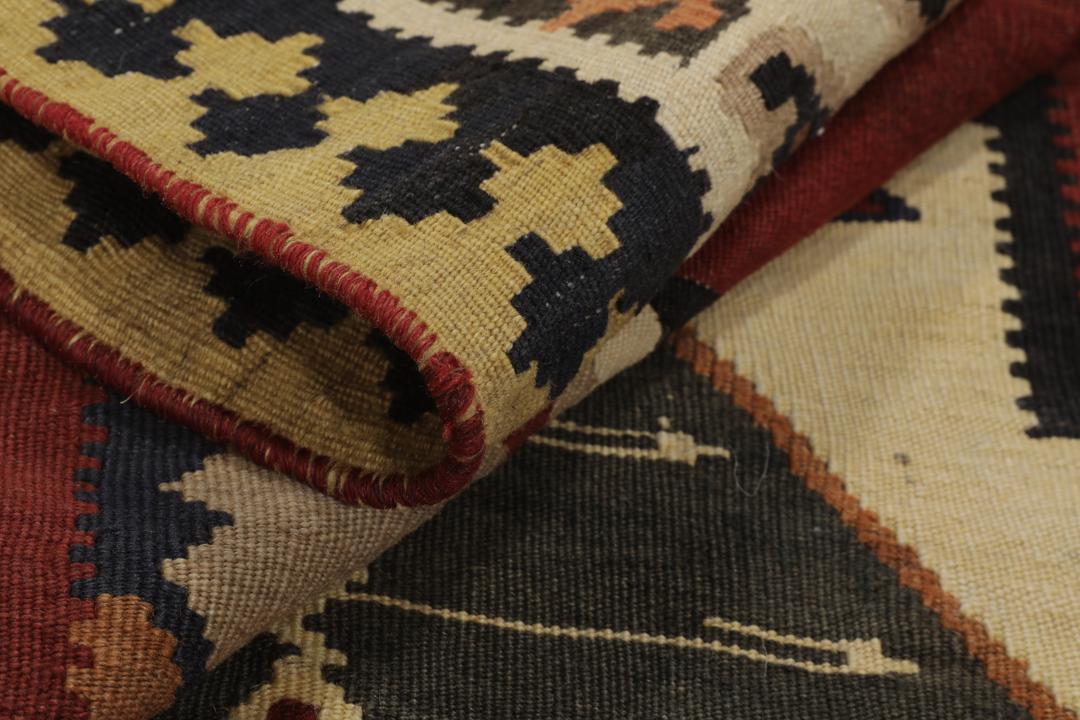
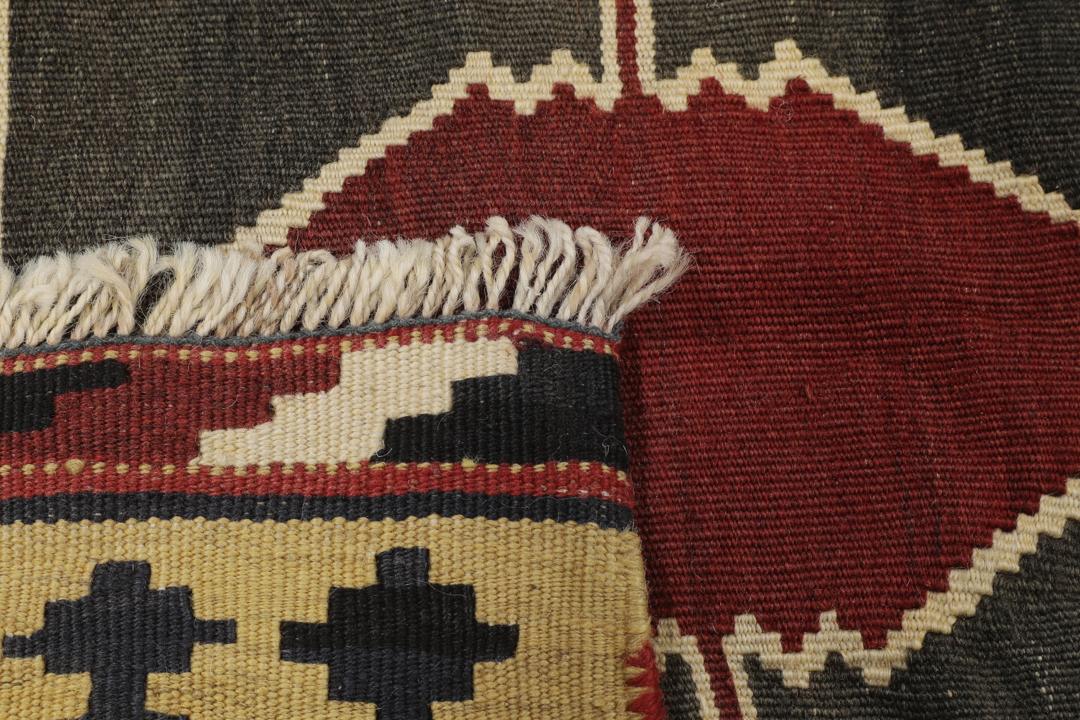
The term kilim refers specifically to the slit-weave technique used to create these rugs, where the weft threads are woven tightly back and forth around the warp. This method results in a clean, reversible pattern without a pile, which allows the intricate geometric shapes to remain sharp and clear. This construction technique is vital for the rug's longevity, as it creates a compact, strong fabric that resists wear over time.
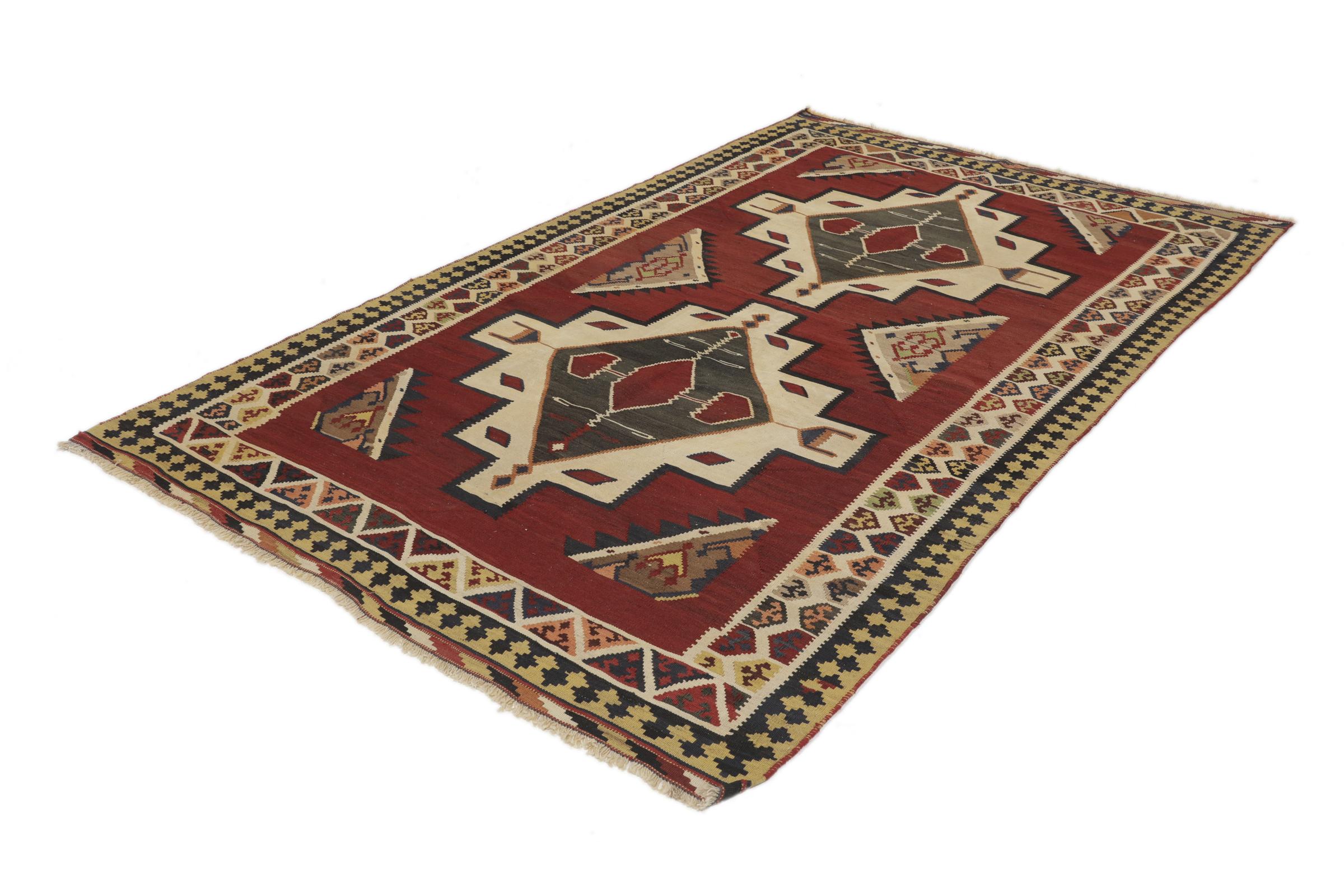
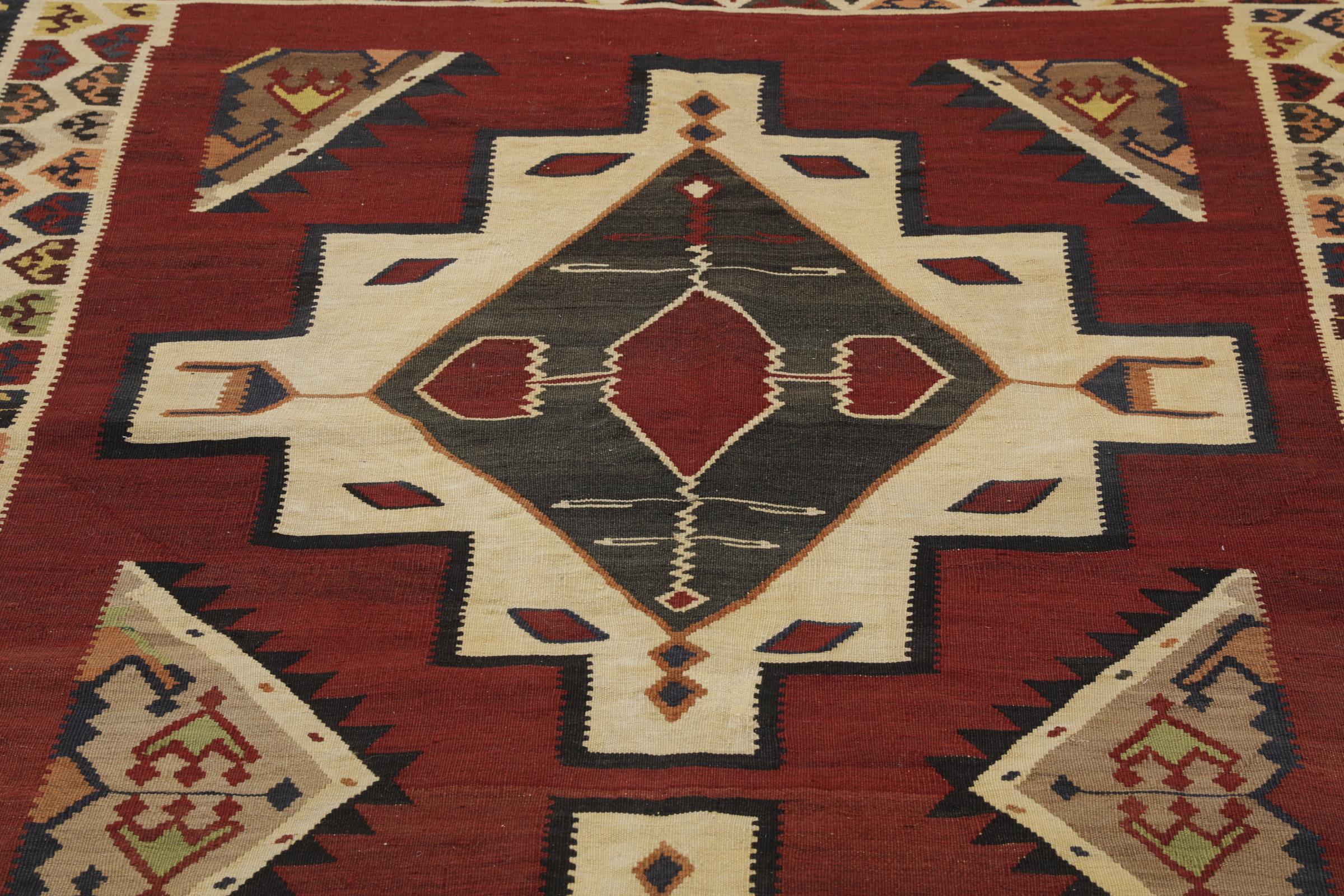
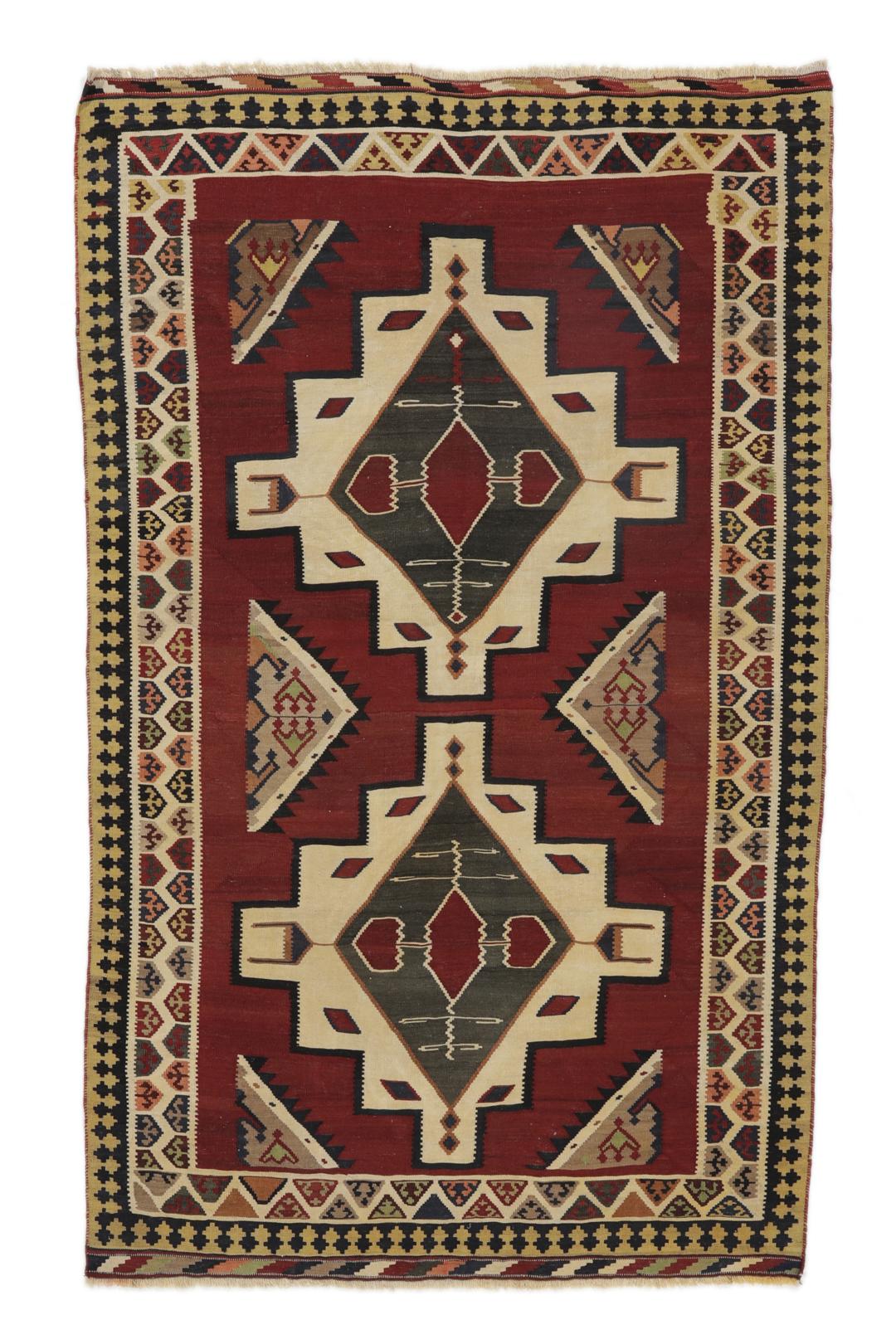
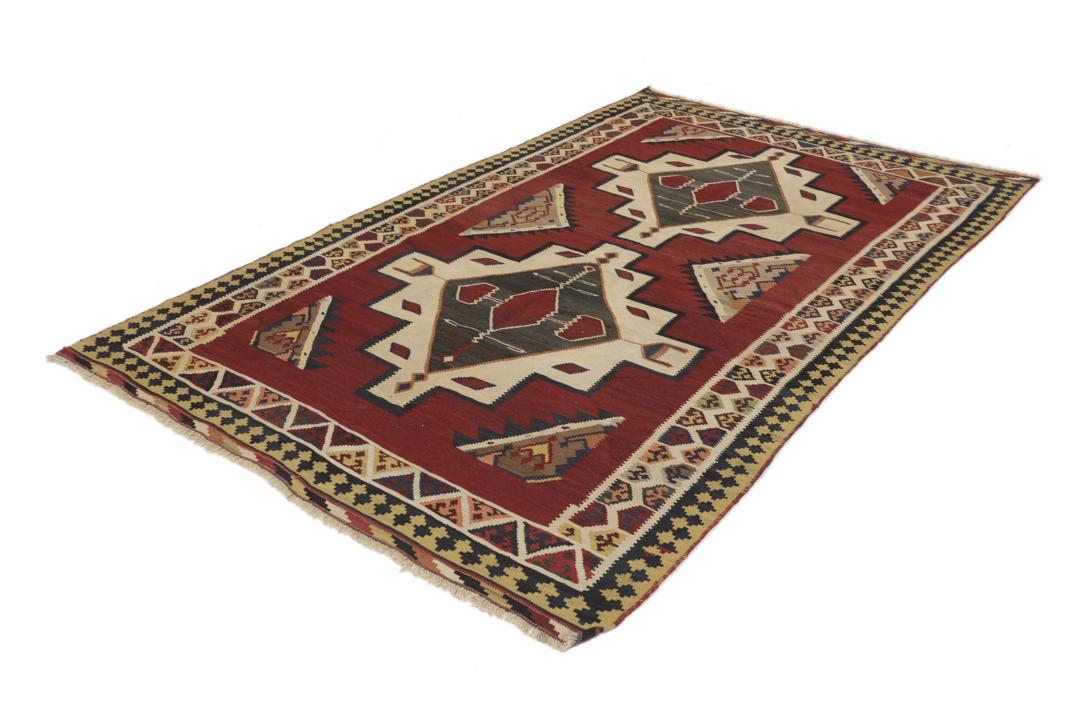
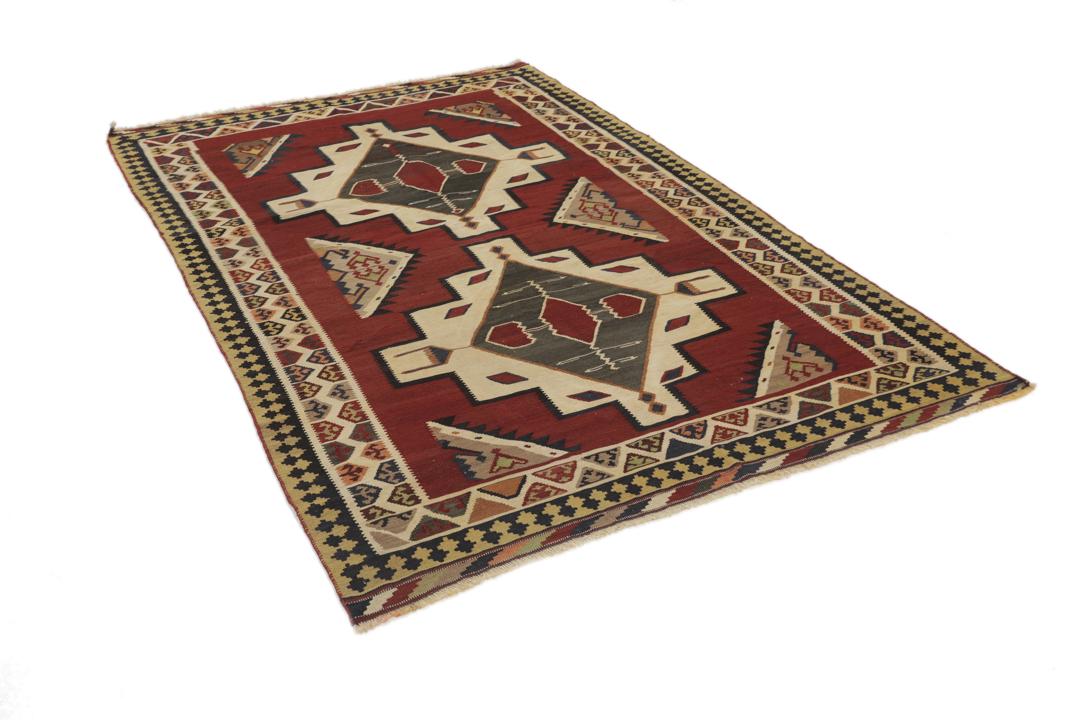
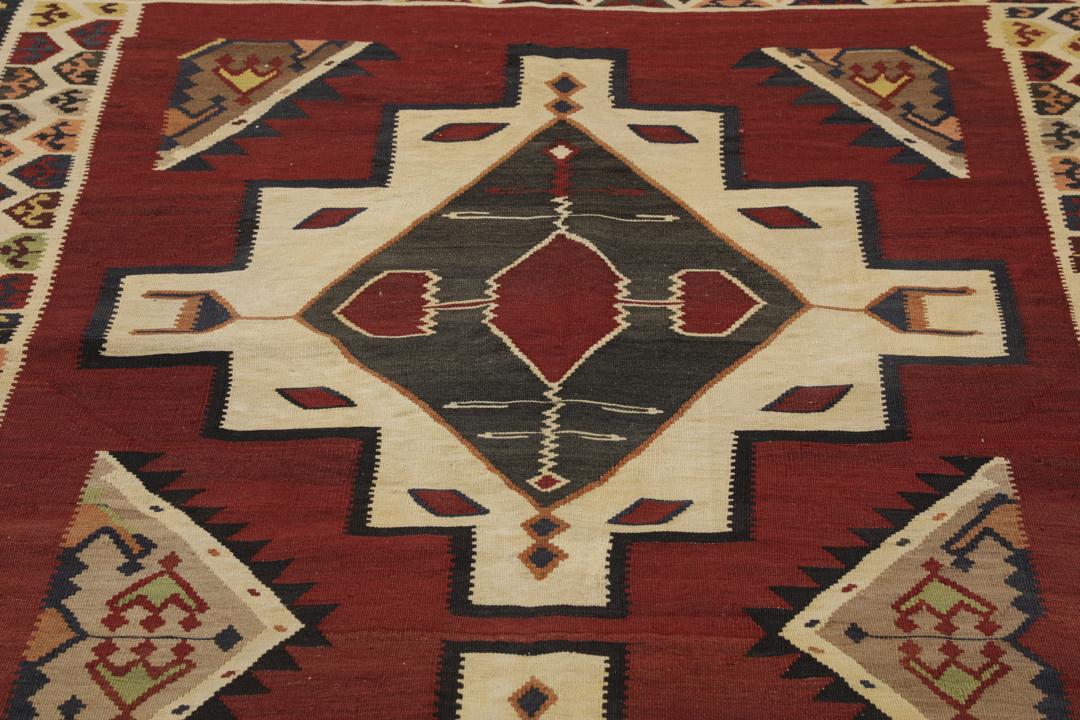
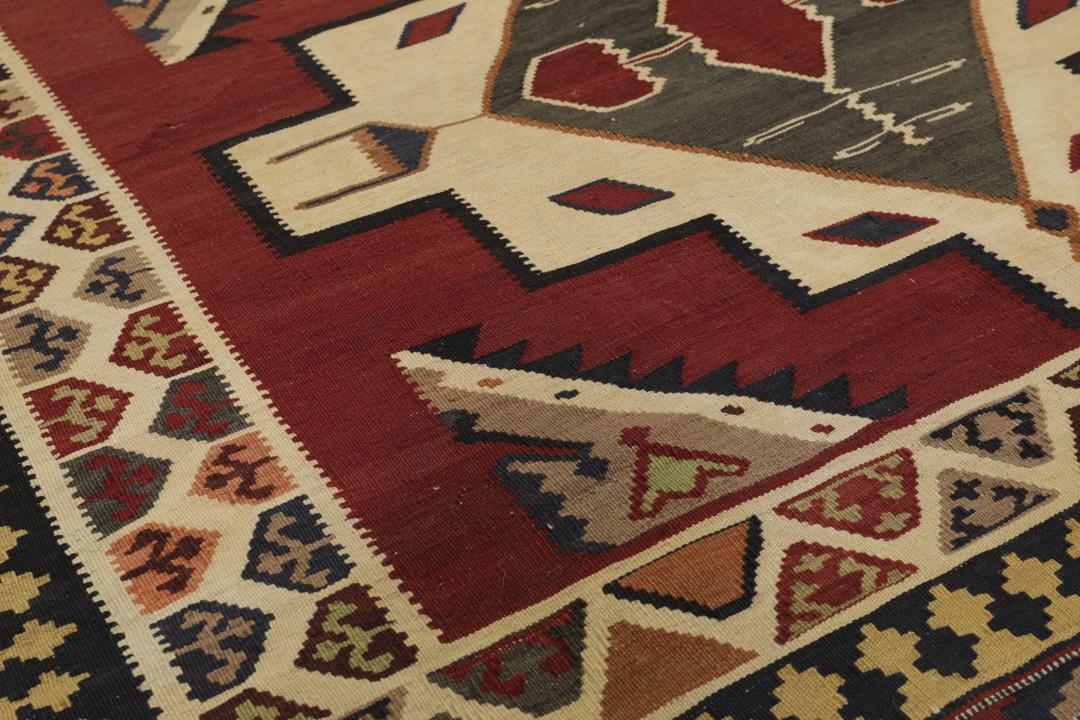
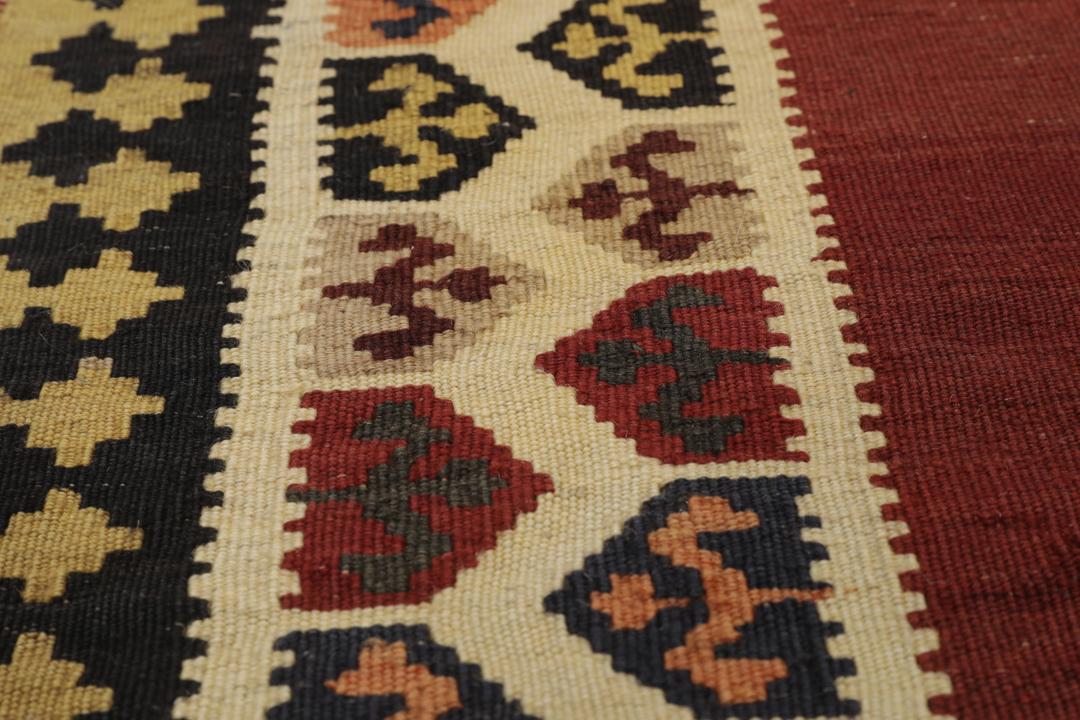
The visual language of this kilim is defined by its deep, symbolic geometric motifs. The central medallions and angular borders are characteristic of traditional weaving, where patterns were passed down through generations to tell stories of the weaver's environment and heritage. The deep red tones are a hallmark of this tradition, often derived from natural dyes that age gracefully, developing a soft, muted character that is highly prized by collectors.
Owning a vintage kilim is an opportunity to connect with a rich history of artistry and skill. These rugs are not just floor coverings; they are cultural artefacts that represent a legacy of patience and design. By choosing this piece, you are celebrating a tradition that values the individual touch of the artisan and the lasting quality of natural materials, ensuring that this history continues to live on in your own space.