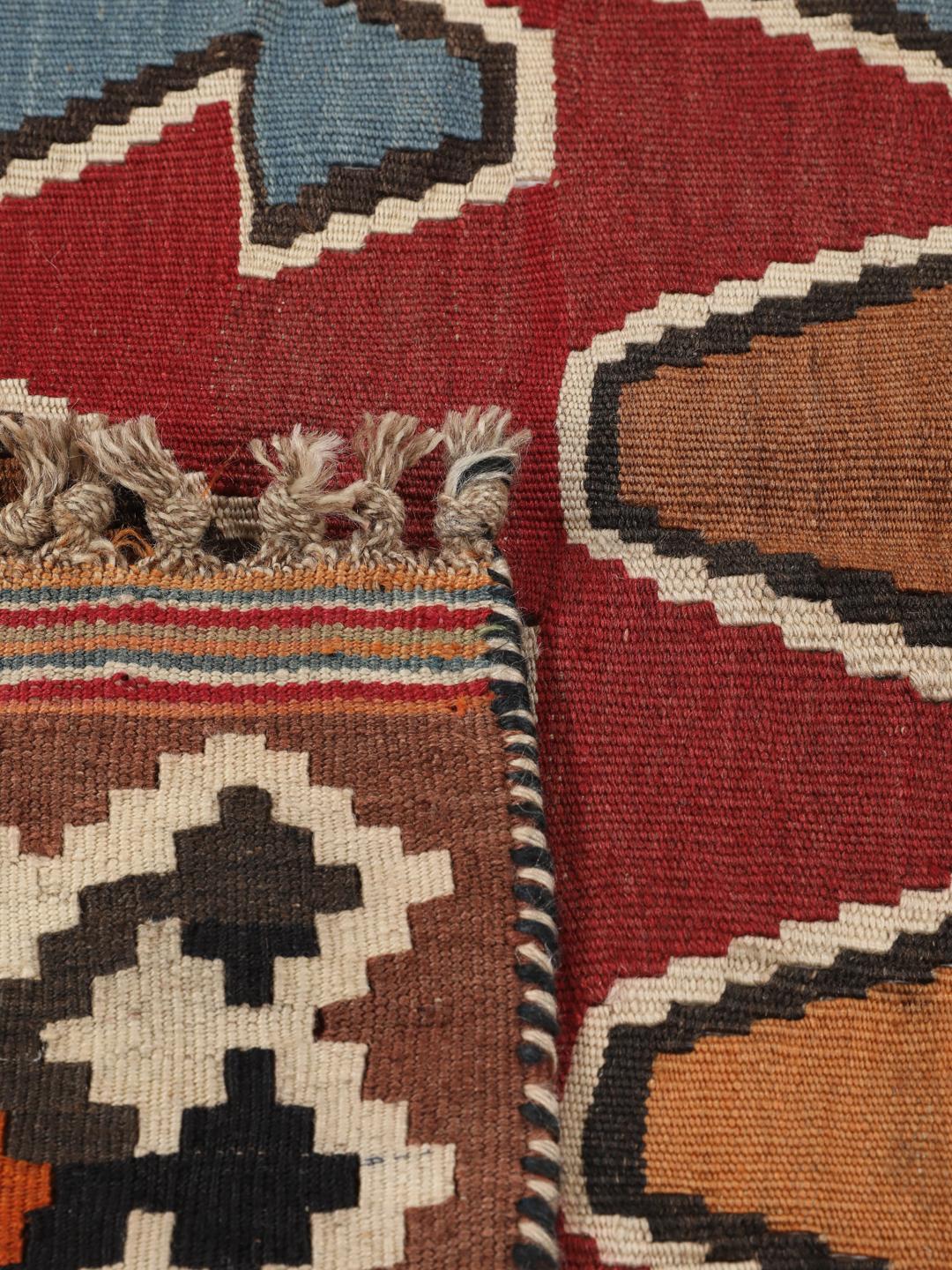
Kilim rugs originate from the rich textile traditions of the Middle East and Central Asia, where they have served as essential functional objects for centuries. These flat-woven textiles were historically used by nomadic tribes as floor coverings, wall hangings, and storage bags, reflecting a lifestyle that valued both portability and beauty. The tradition of the Kilim is deeply tied to the cultural identity of the regions where they are made, with each tribe developing its own unique visual vocabulary.
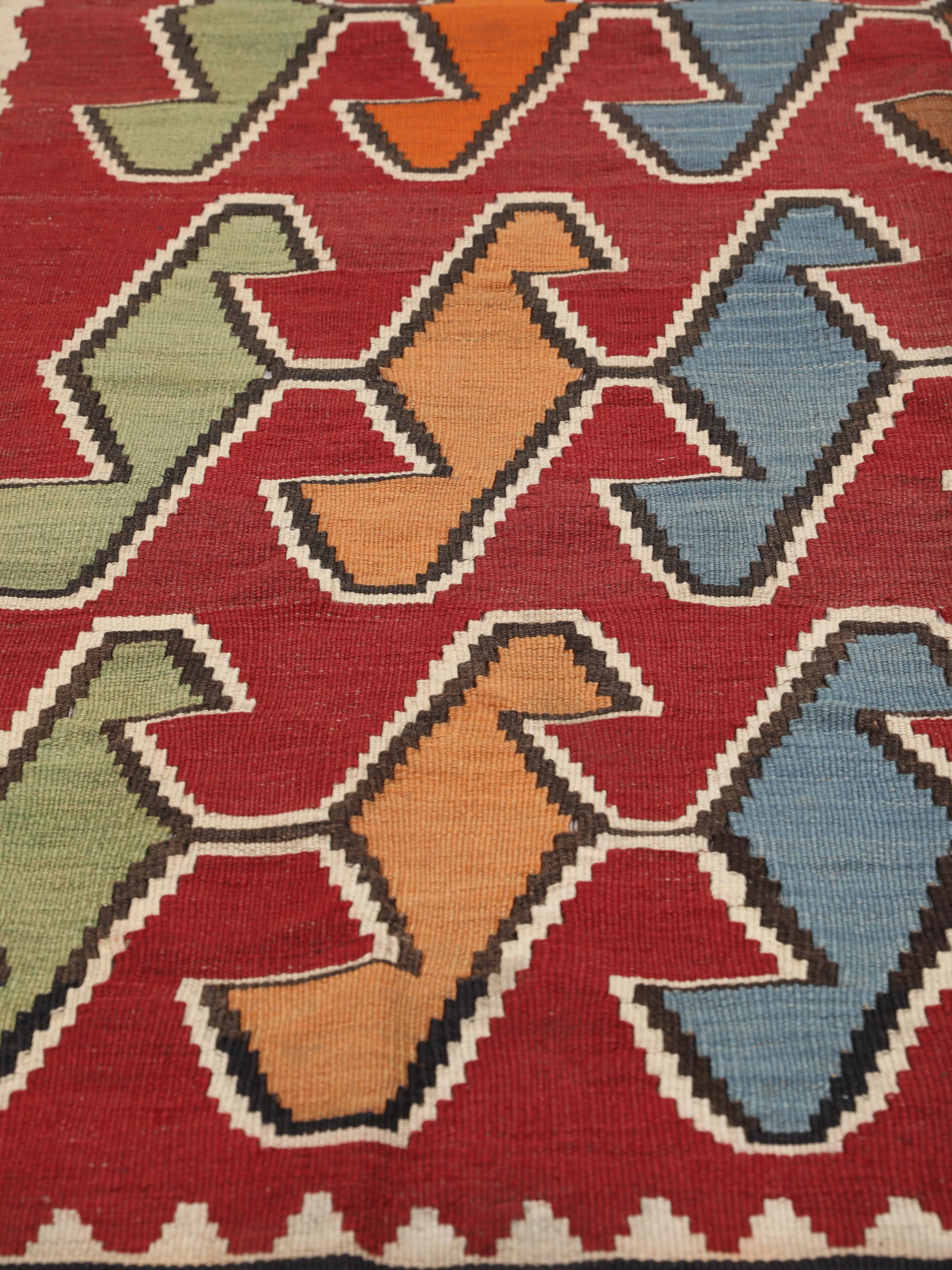
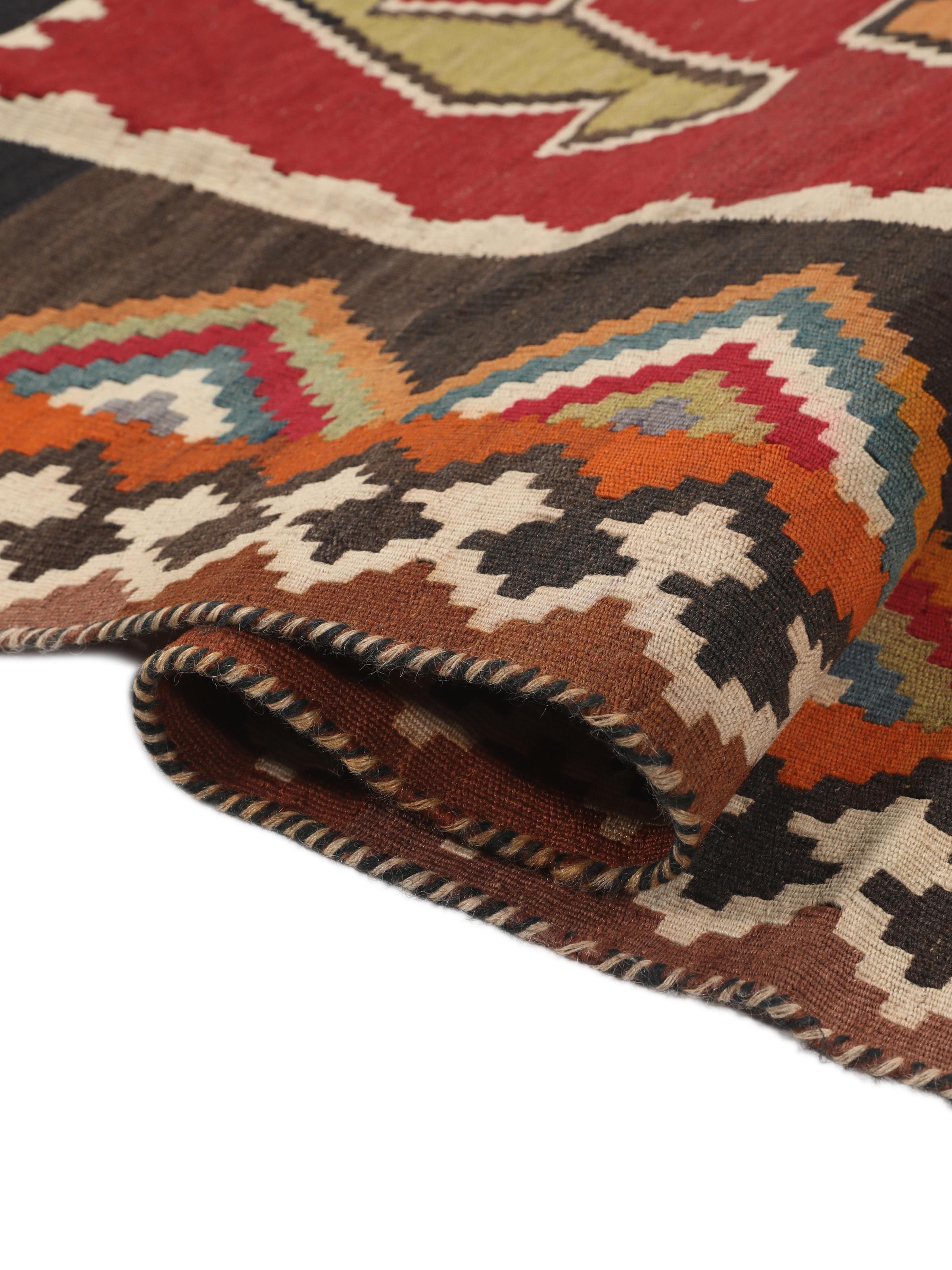
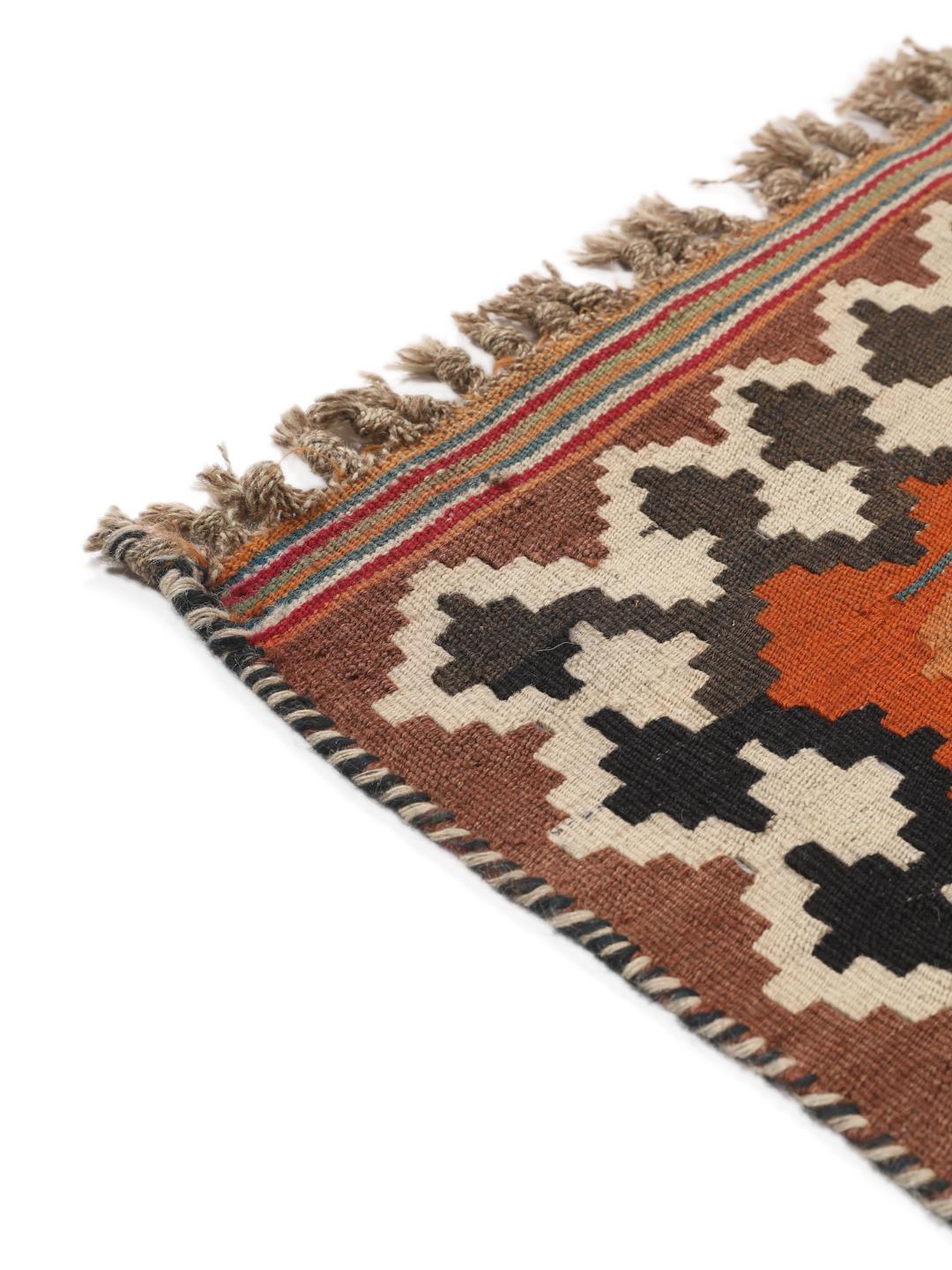
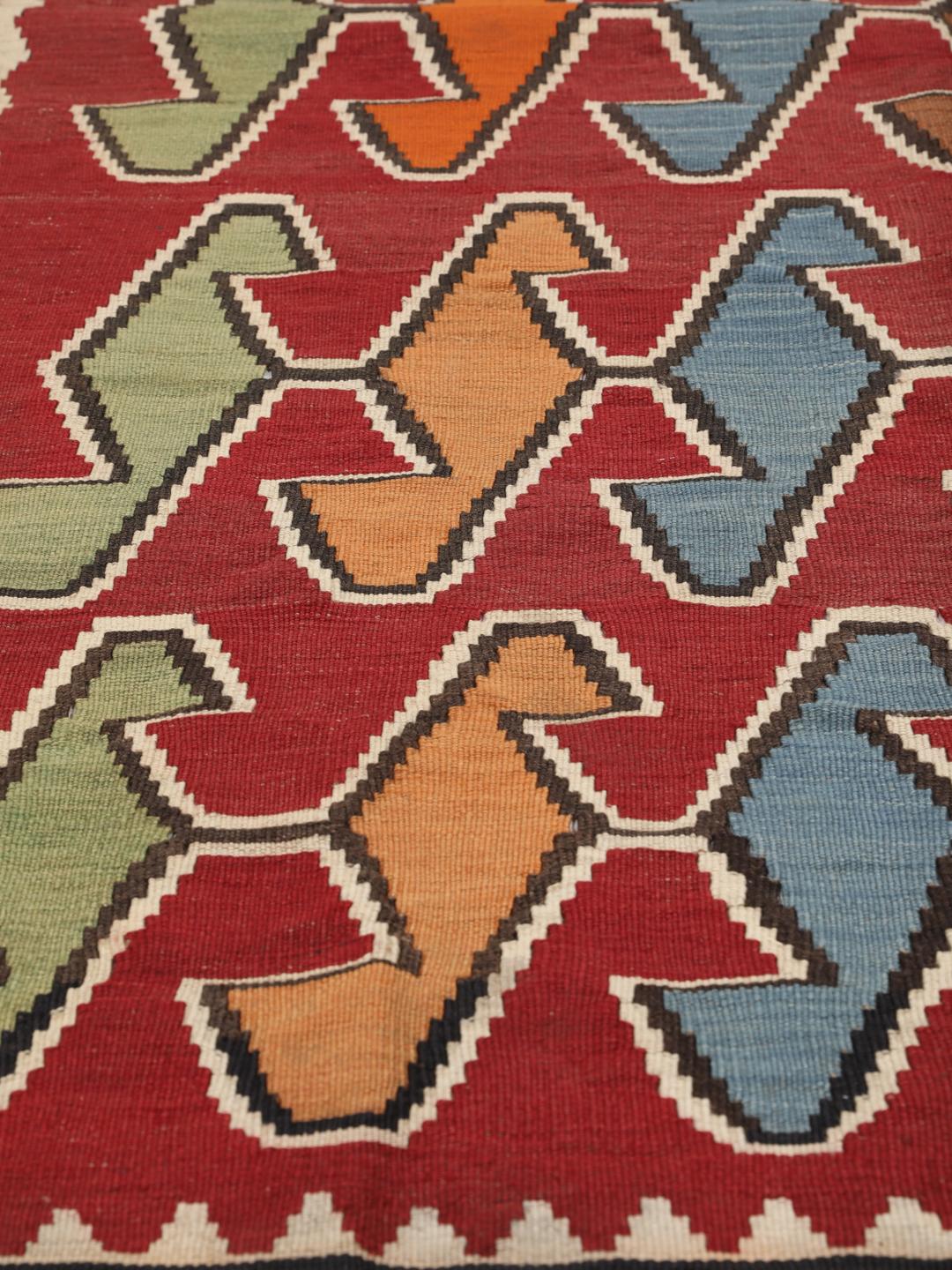
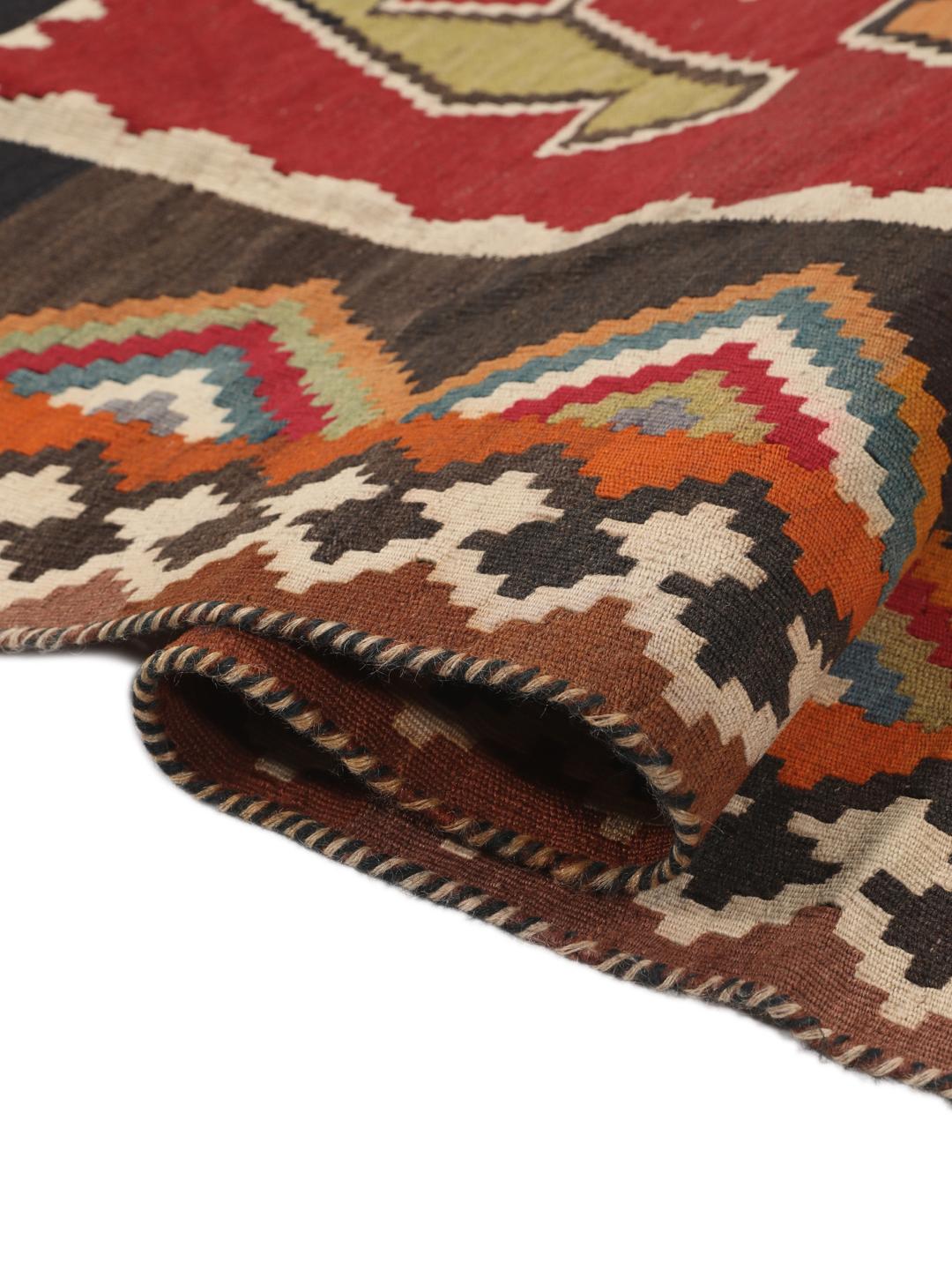
The term Kilim refers to the specific flat-weaving technique used, where the weft strands are pulled tightly against the warp to create a smooth, pattern-focused surface without a pile. This technique is what gives these rugs their distinctive, clean look and lightweight feel. Because no knots are used, the weaver must be highly precise to ensure the design remains sharp and the structure stays sound, a practice that demands years of training to perfect.
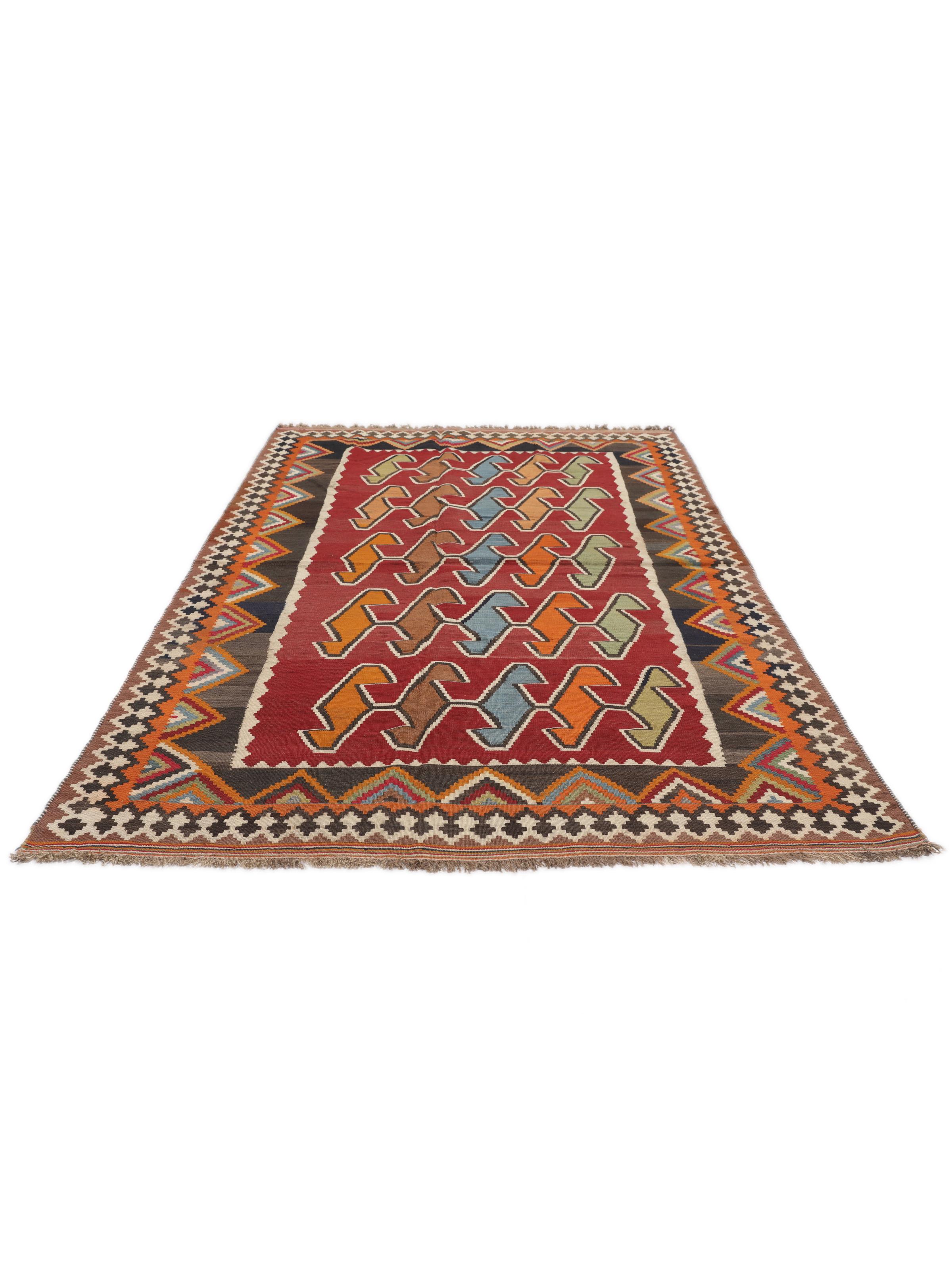
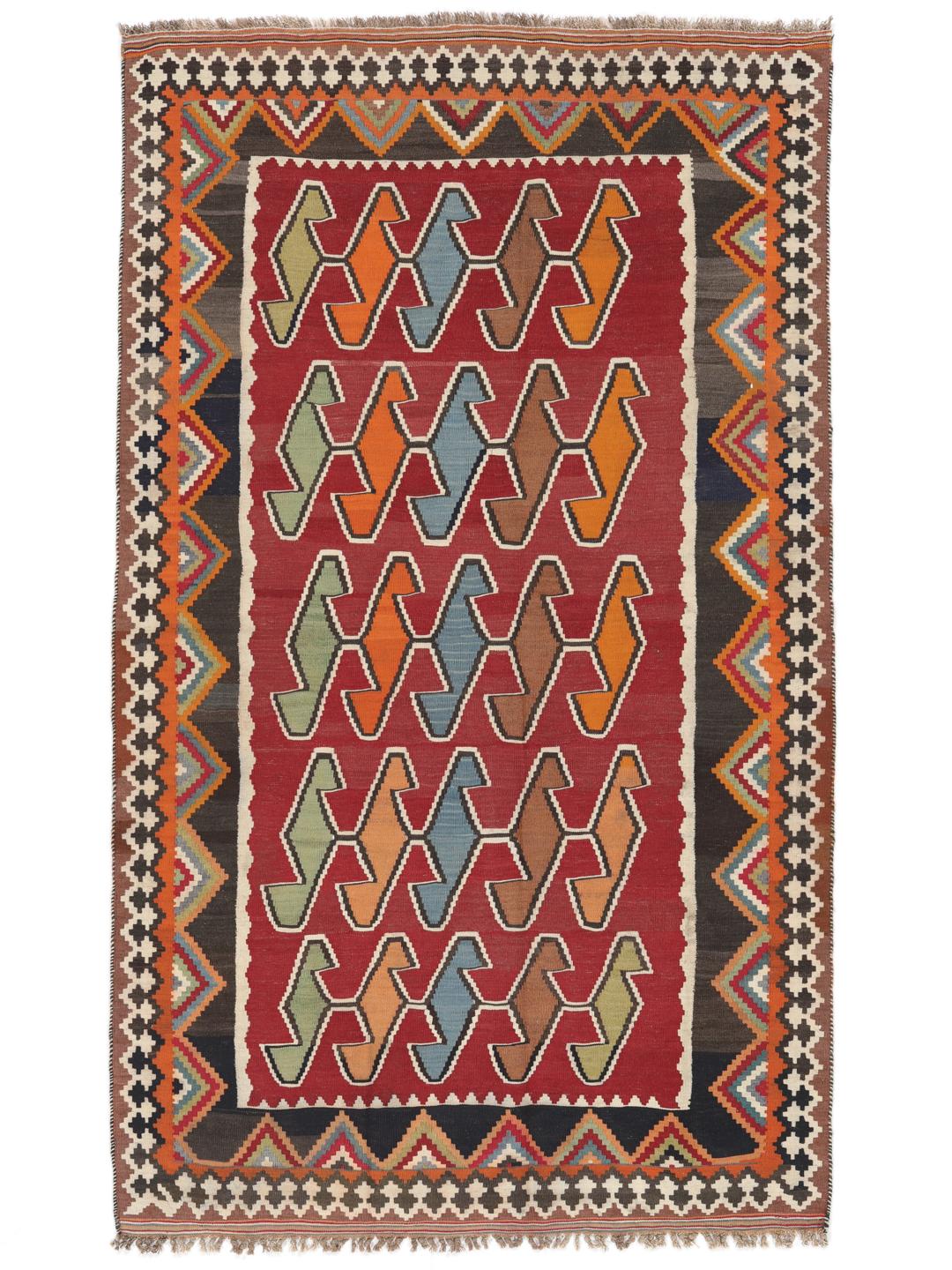
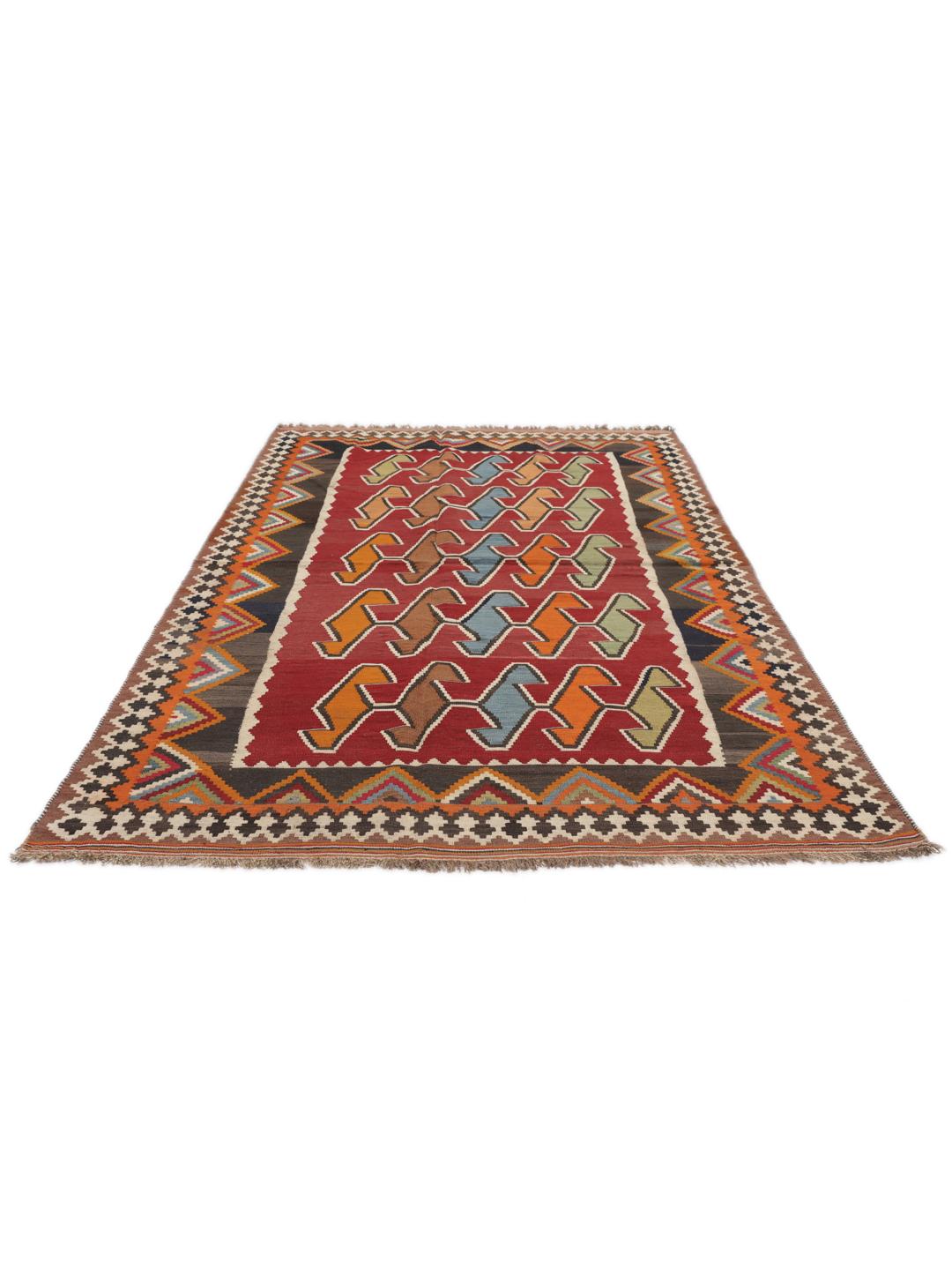
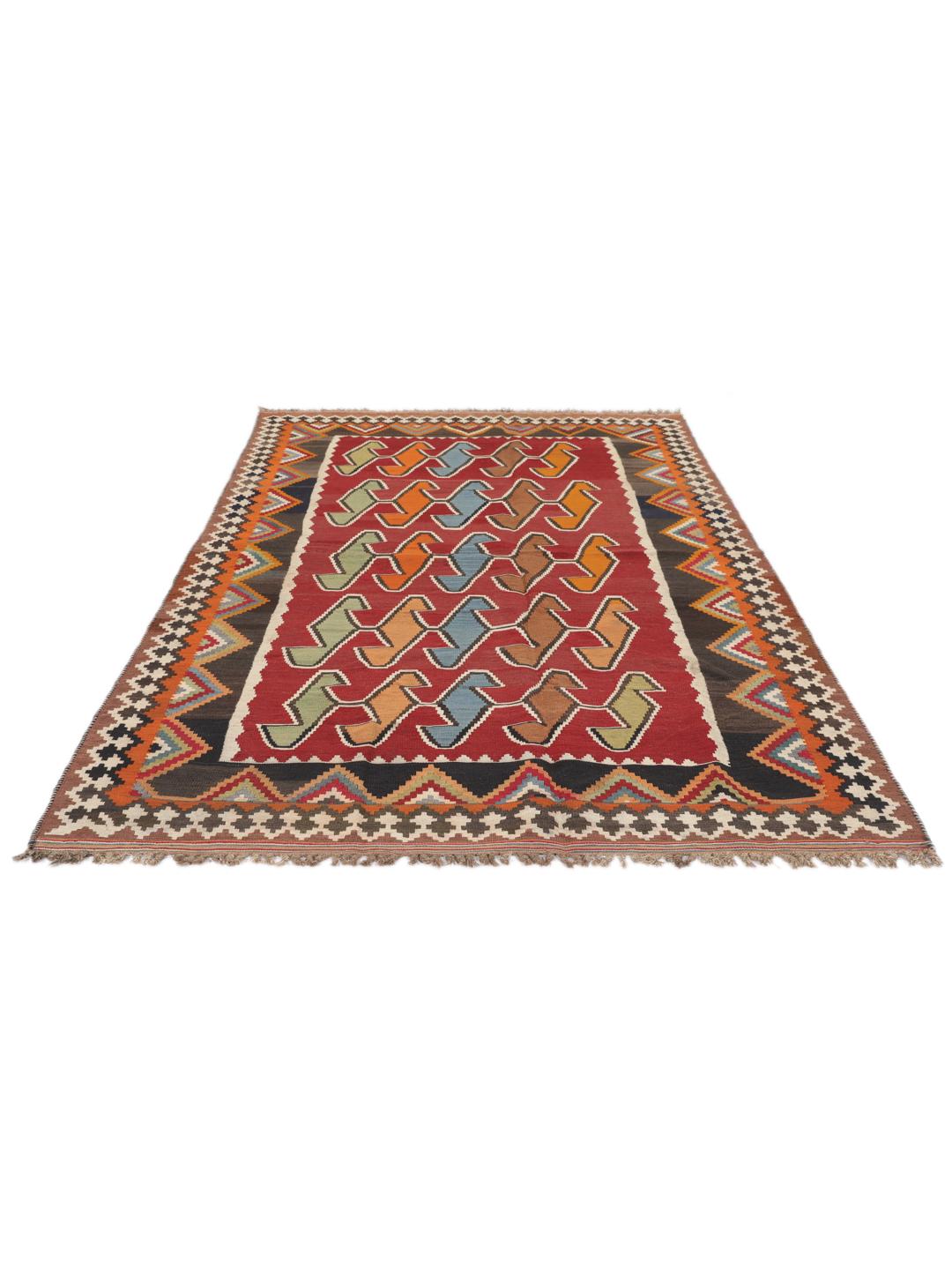
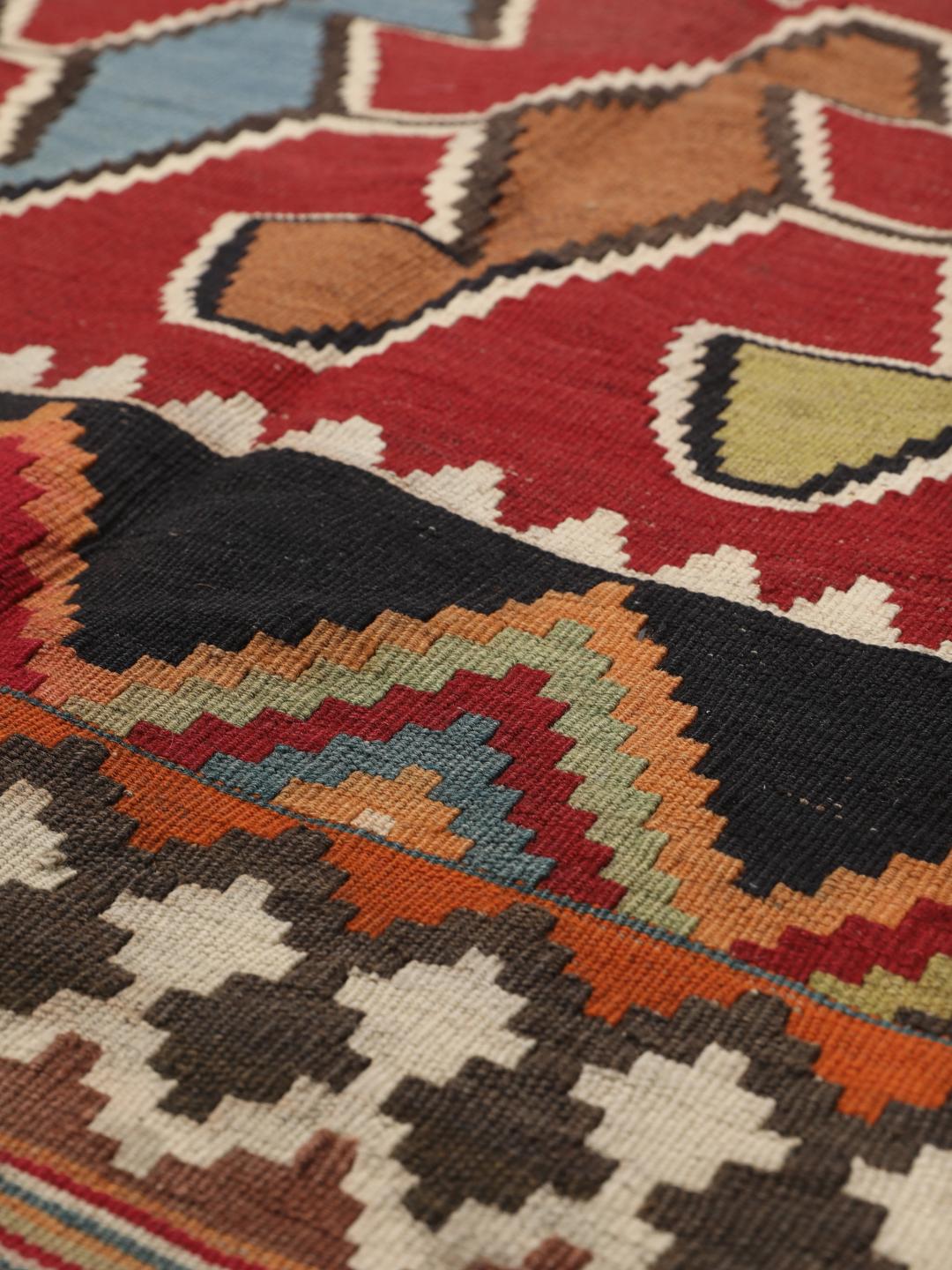
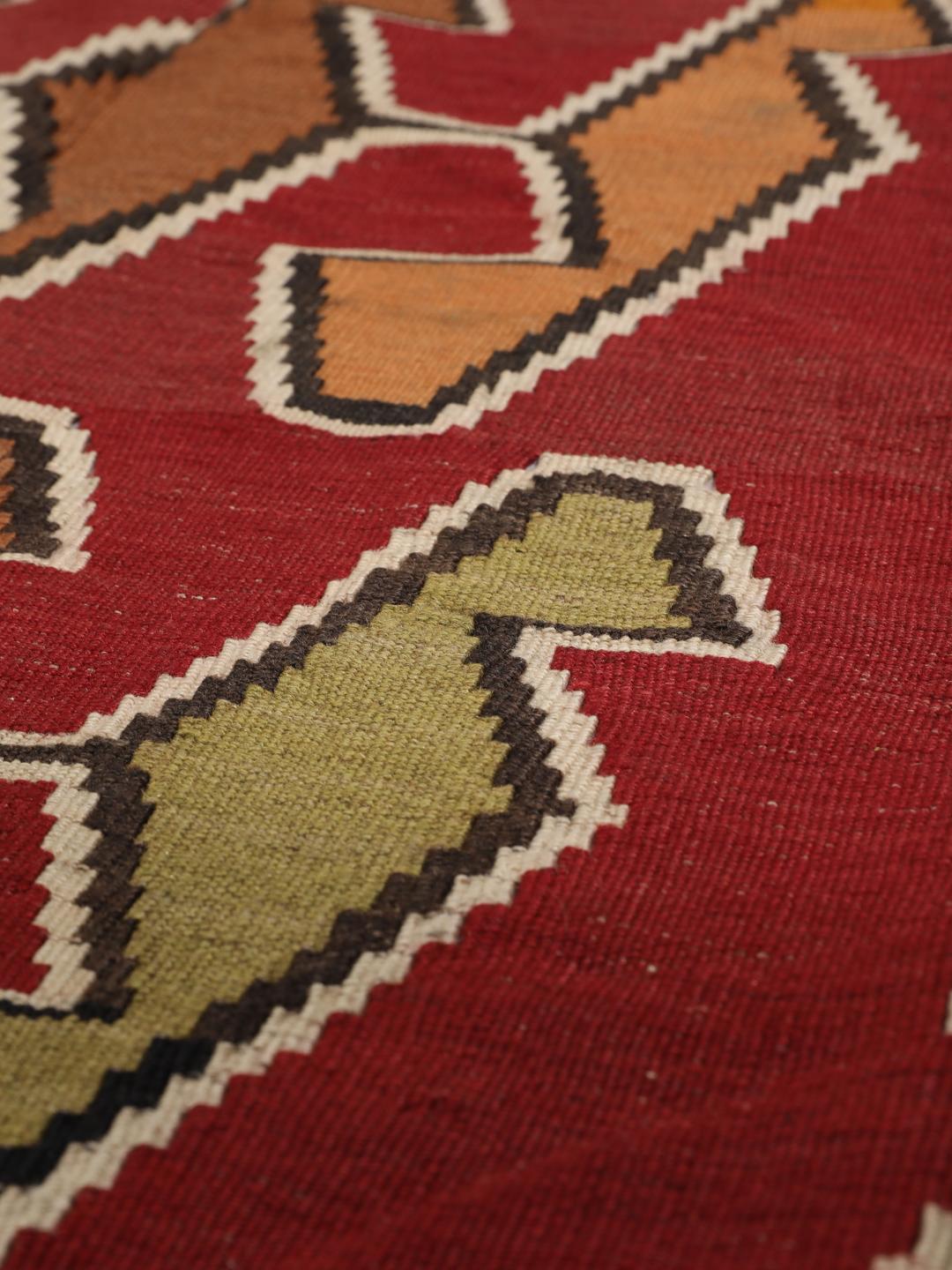
Visually, these rugs are defined by their bold geometric motifs and symbolic iconography. Traditional designs often incorporate stylised floral elements, tribal symbols, and elaborate borders that carry ancestral meanings. In this vintage piece, the use of vibrant, contrasting colours highlights the geometric precision of the composition, making it a standout example of how traditional motifs can feel both ancient and contemporary.
Collecting vintage Kilims is an act of preserving cultural heritage. Each piece acts as a historical document, capturing the specific aesthetic preferences and skill sets of the era and region in which it was created. Owning a Kilim is not just about decorating a floor; it is about bringing a piece of lived history into your home, celebrating the human effort and artistic narrative that define this venerable craft tradition.