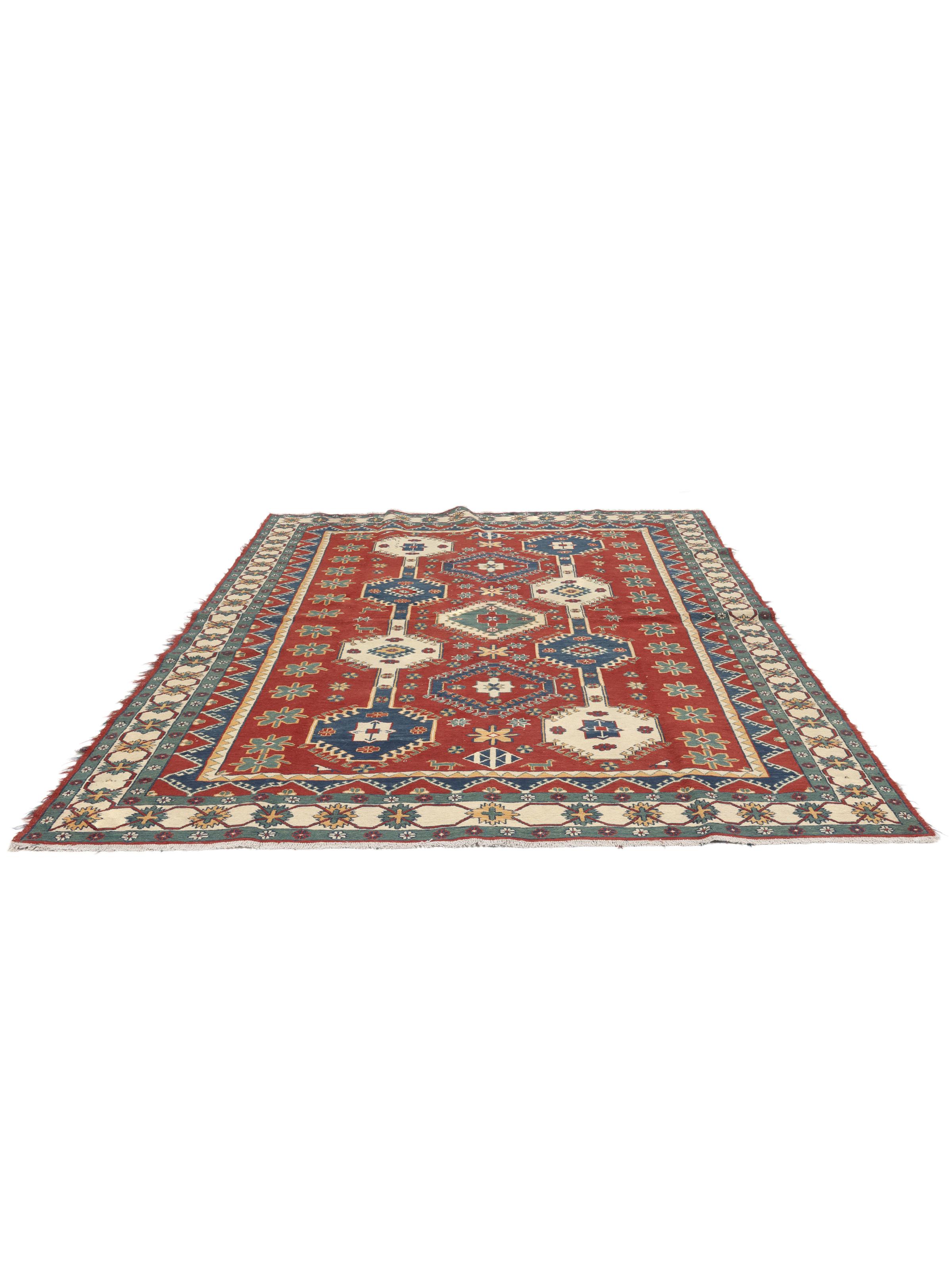
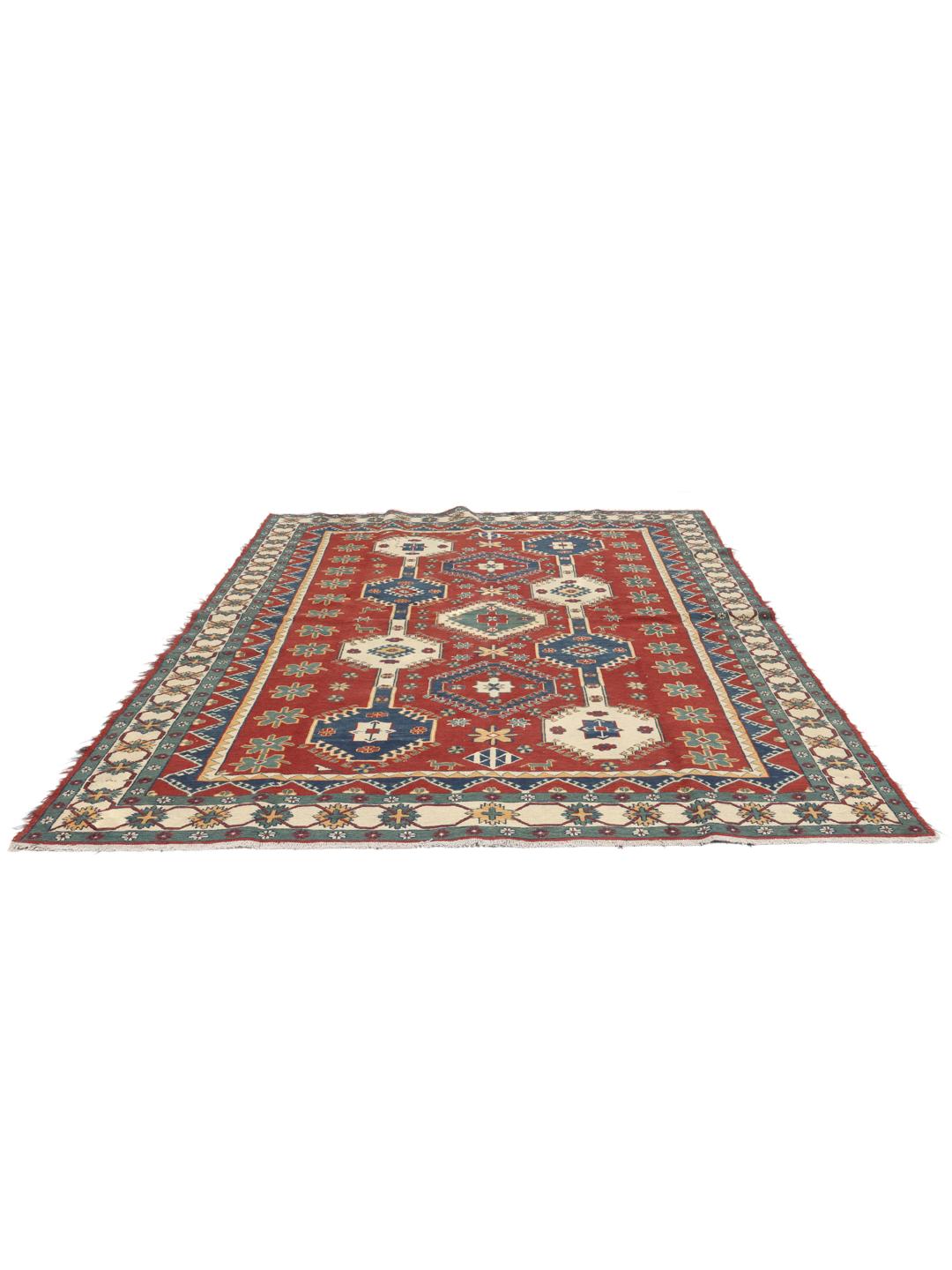
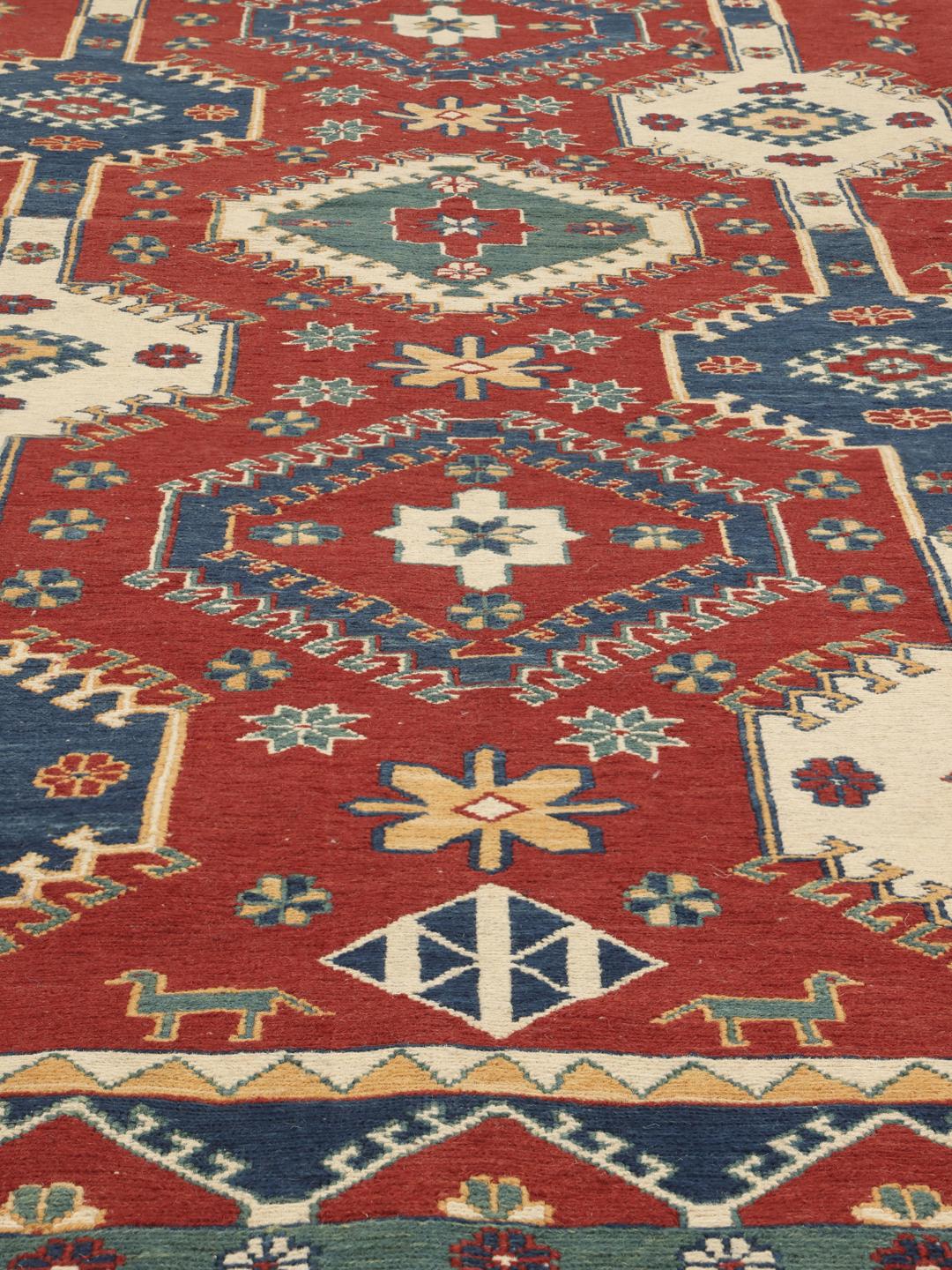
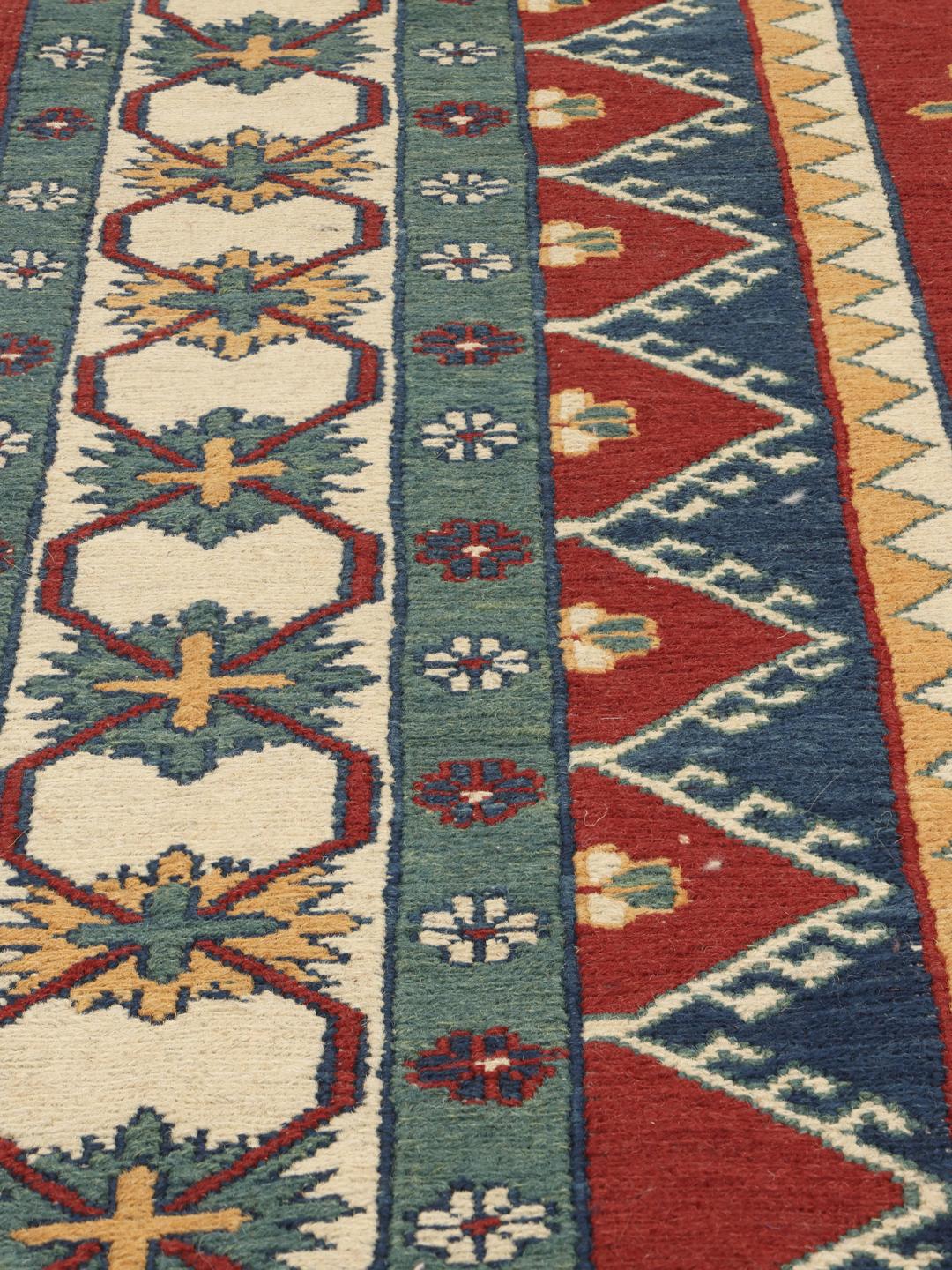
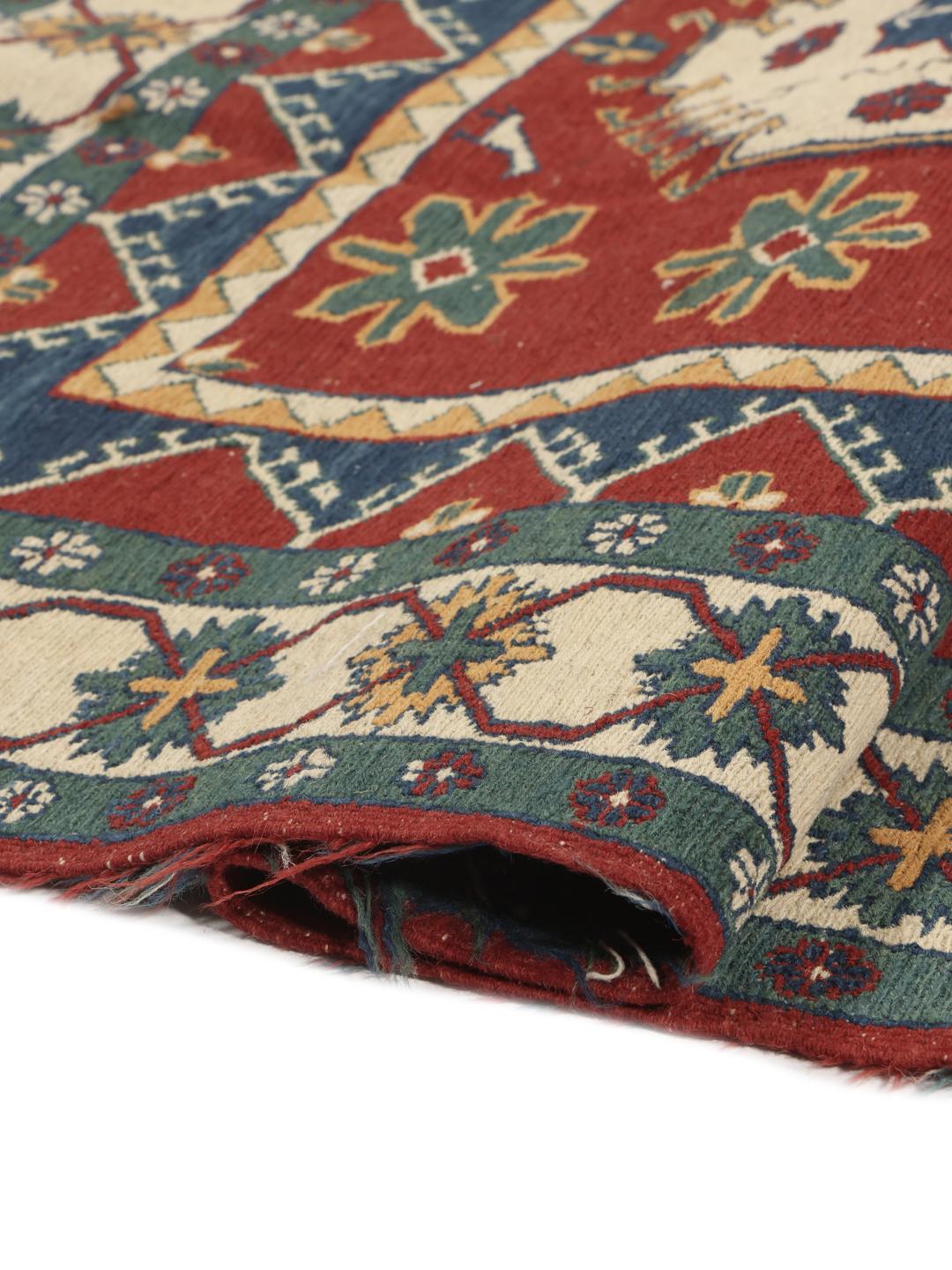
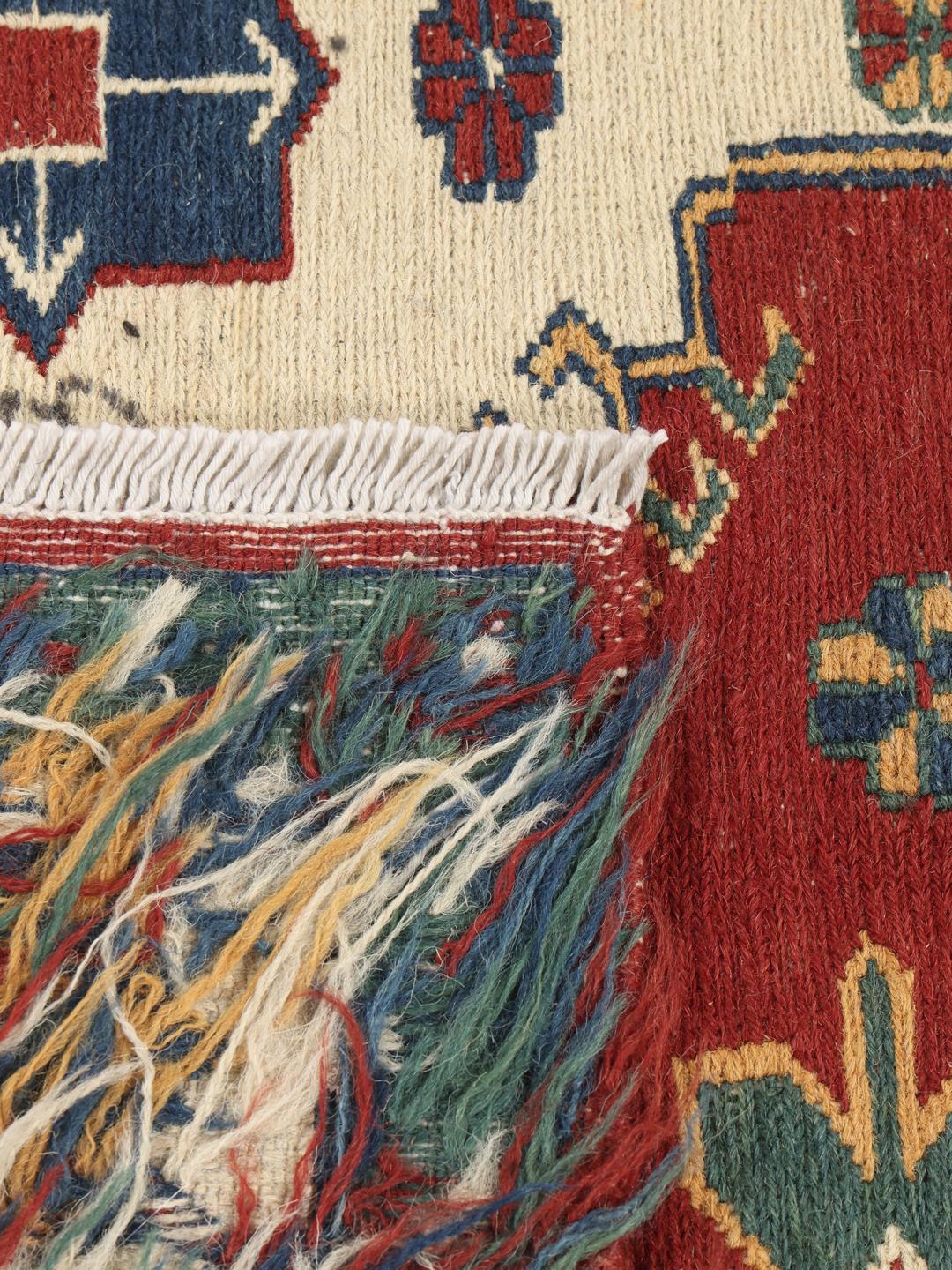
The Kelim tradition is deeply rooted in the nomadic and semi-nomadic cultures of the Middle East and Central Asia, including the rugged landscapes of Afghanistan. Traditionally, these flat-woven textiles were created for practical use—as floor coverings, wall hangings, or saddlebags—by tribes who needed portable, durable items that could withstand the rigours of a migratory lifestyle.
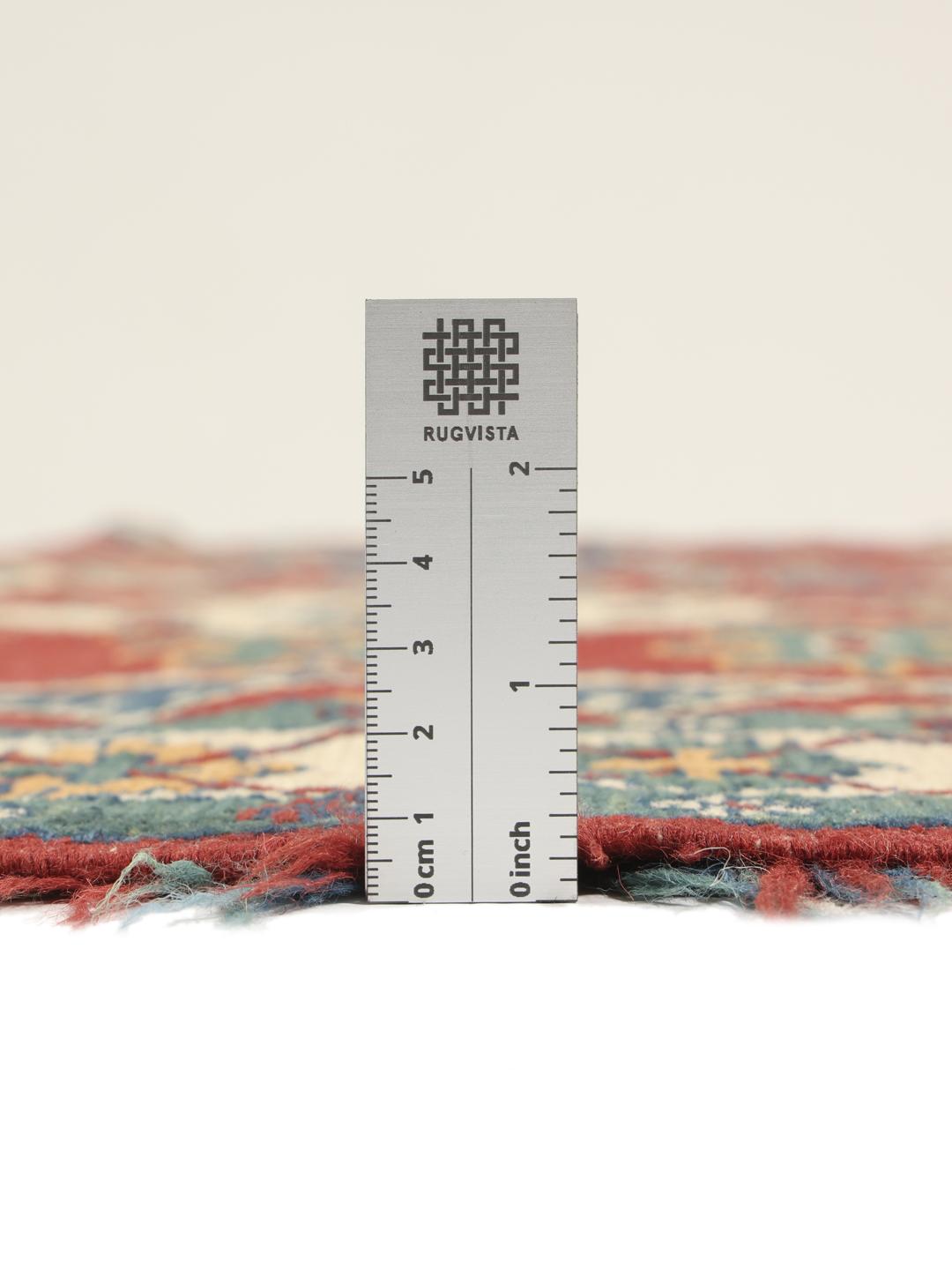
The term 'Suzani' refers to a style of needlework or weaving that often features bold, floral, and geometric motifs. When applied to the Kelim weaving technique, it results in pieces that bridge the gap between functional floor covering and ornamental art. The flat-weave construction, achieved by interlacing warp and weft without a pile, makes these rugs exceptionally versatile and light enough to be moved while remaining incredibly strong.
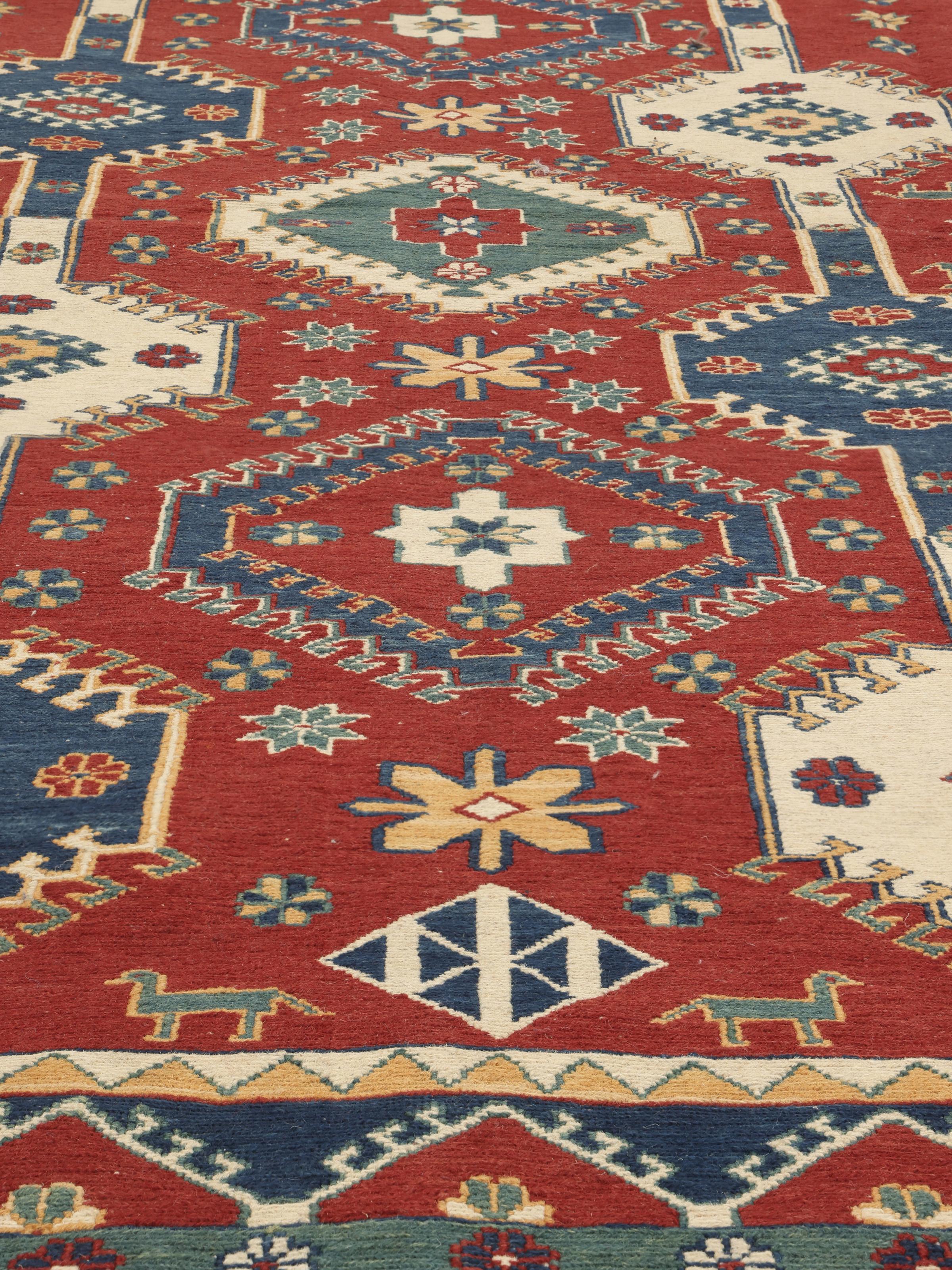
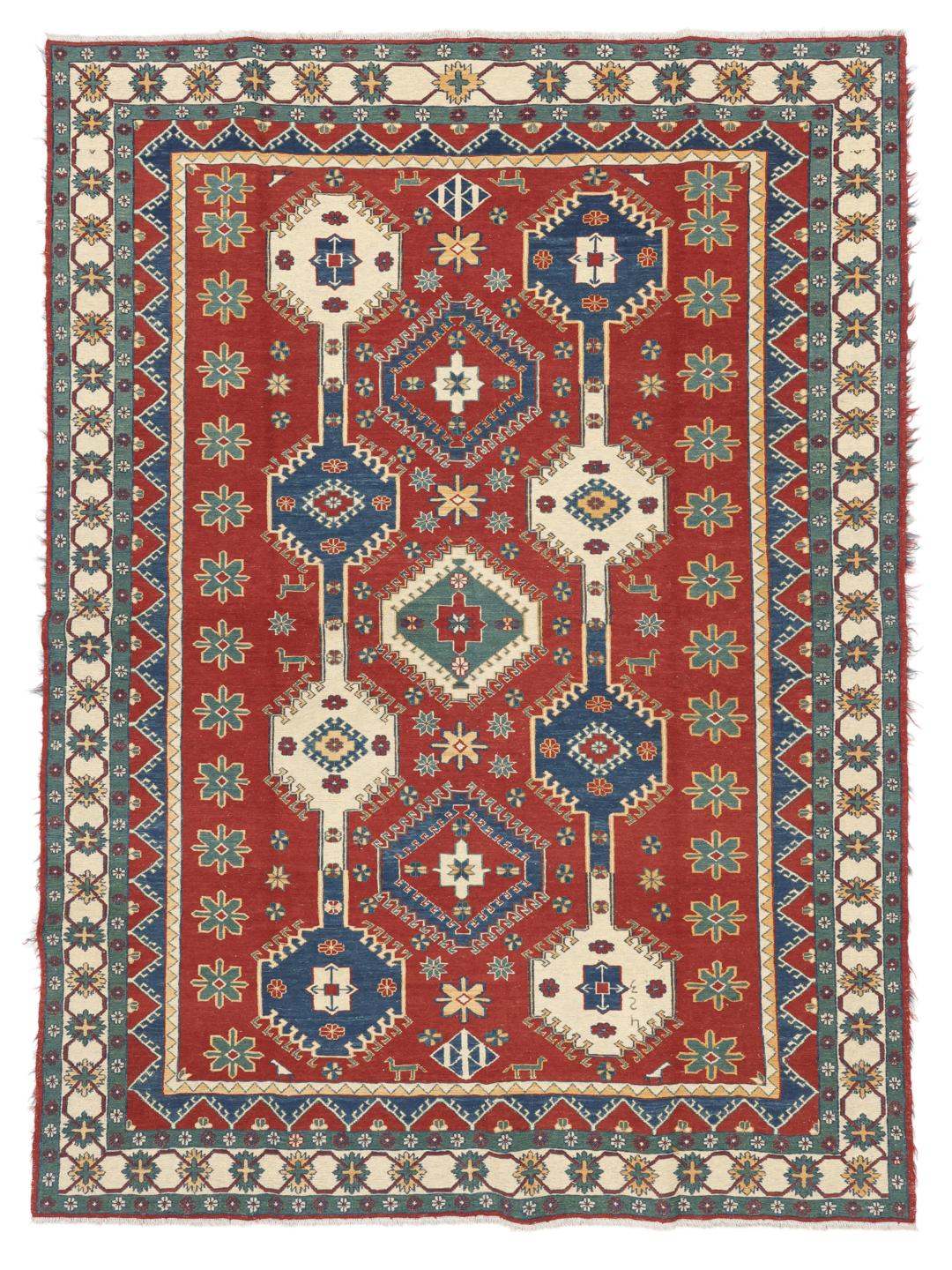
Signature elements of this tradition include the use of repeating geometric medallions, stylised floral motifs, and a vivid, earthy colour palette. The patterns are often symbolic, reflecting the cultural heritage and local environment of the weavers. In this particular rug, the interplay of bold red and blue hues creates a striking visual rhythm that is characteristic of the finest Afghan textile arts.
Collecting these rugs is an investment in cultural heritage and human skill. Because each piece is woven by hand without a pre-set pattern template, it represents a direct link to the weaver's personal expression and the broader history of their craft. Owning a Kelim Suzani means bringing a piece of this rich, enduring legacy into your home, where it will continue to tell its story for generations.