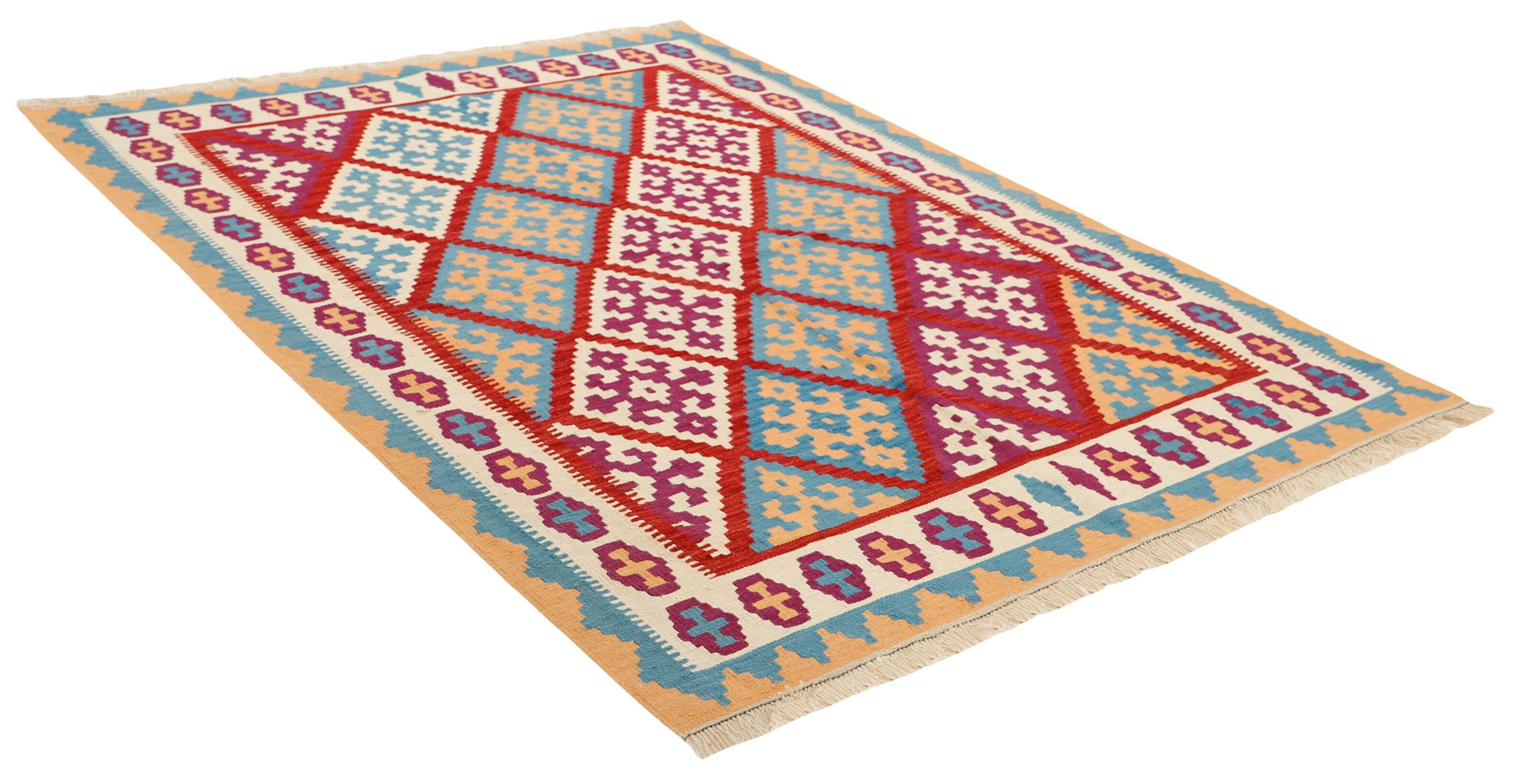
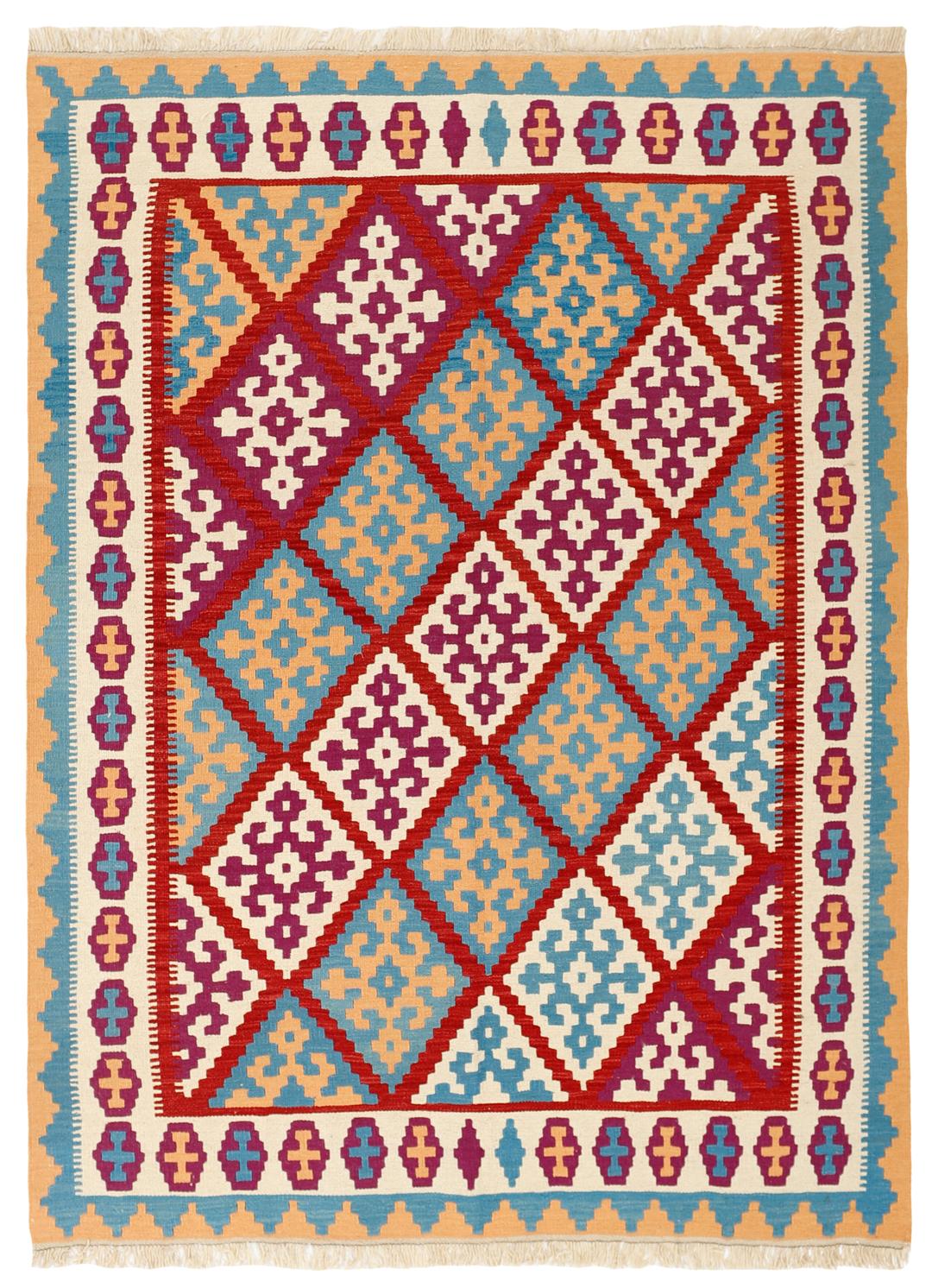
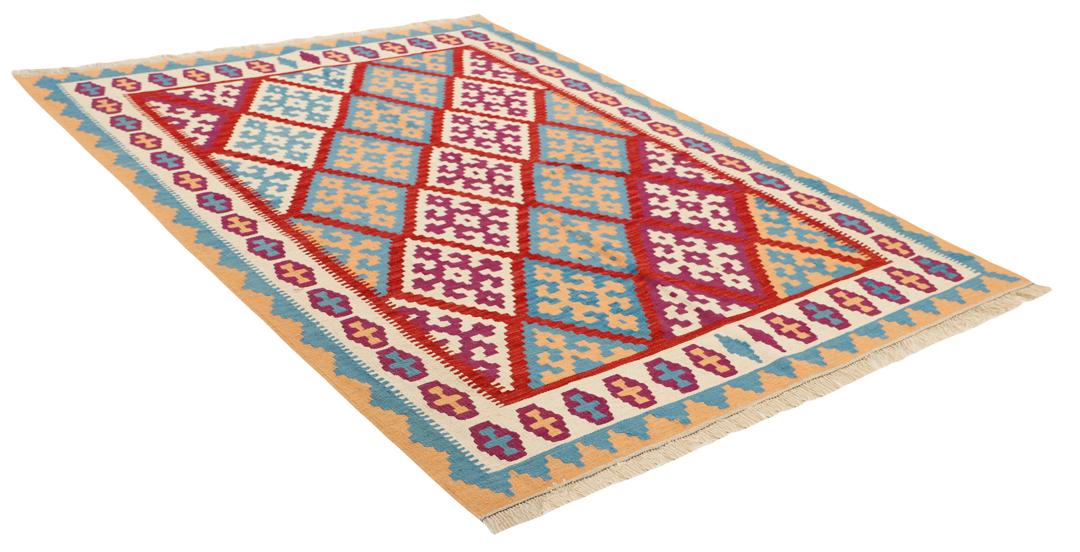
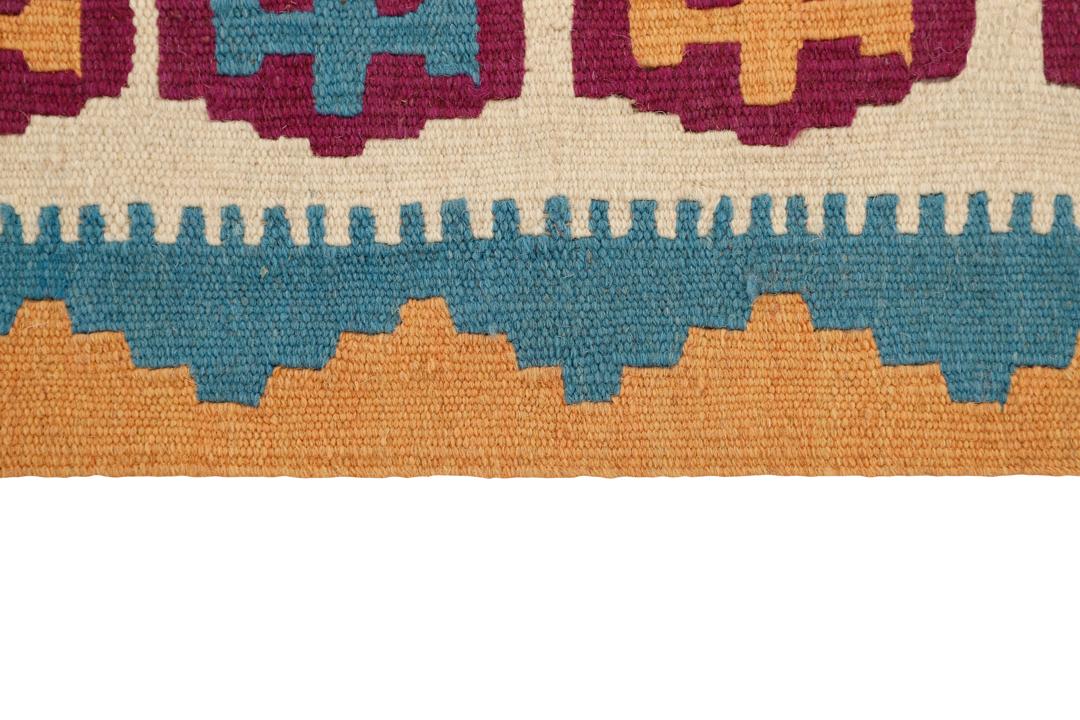
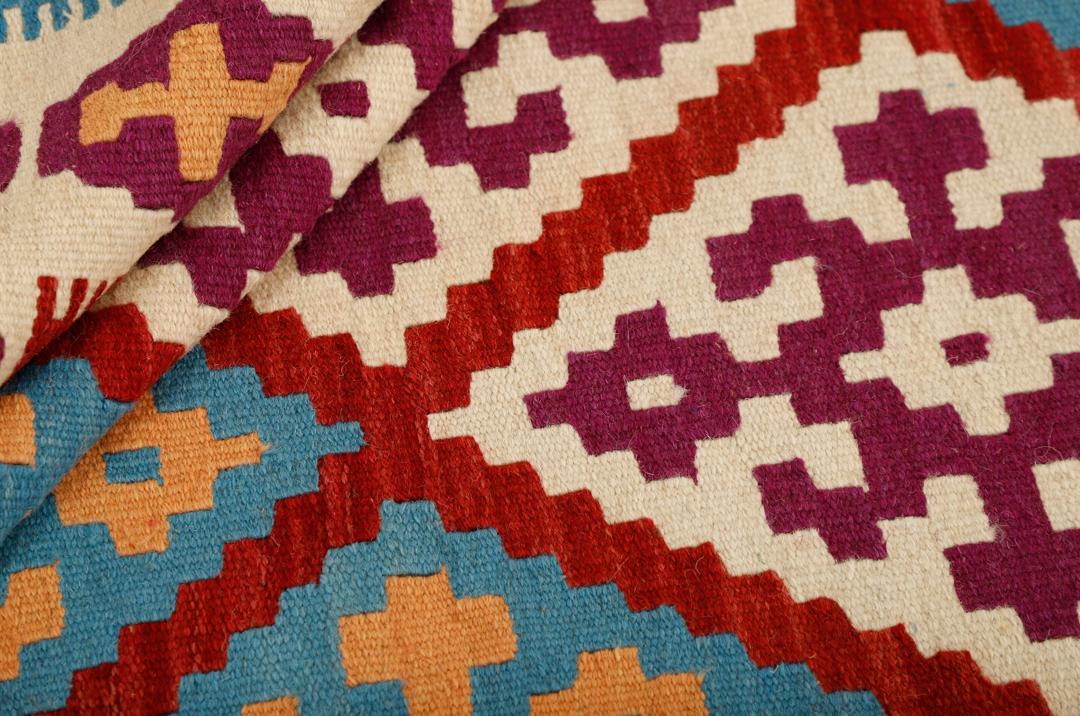
Kilim rugs represent one of the most storied traditions in Middle Eastern textile history. Originating as functional items for nomadic tribes, these flat-woven pieces were designed to be versatile, durable, and easily transportable. Over centuries, the craft has evolved into a sophisticated art form, with each region developing its own distinct visual language and weaving techniques.
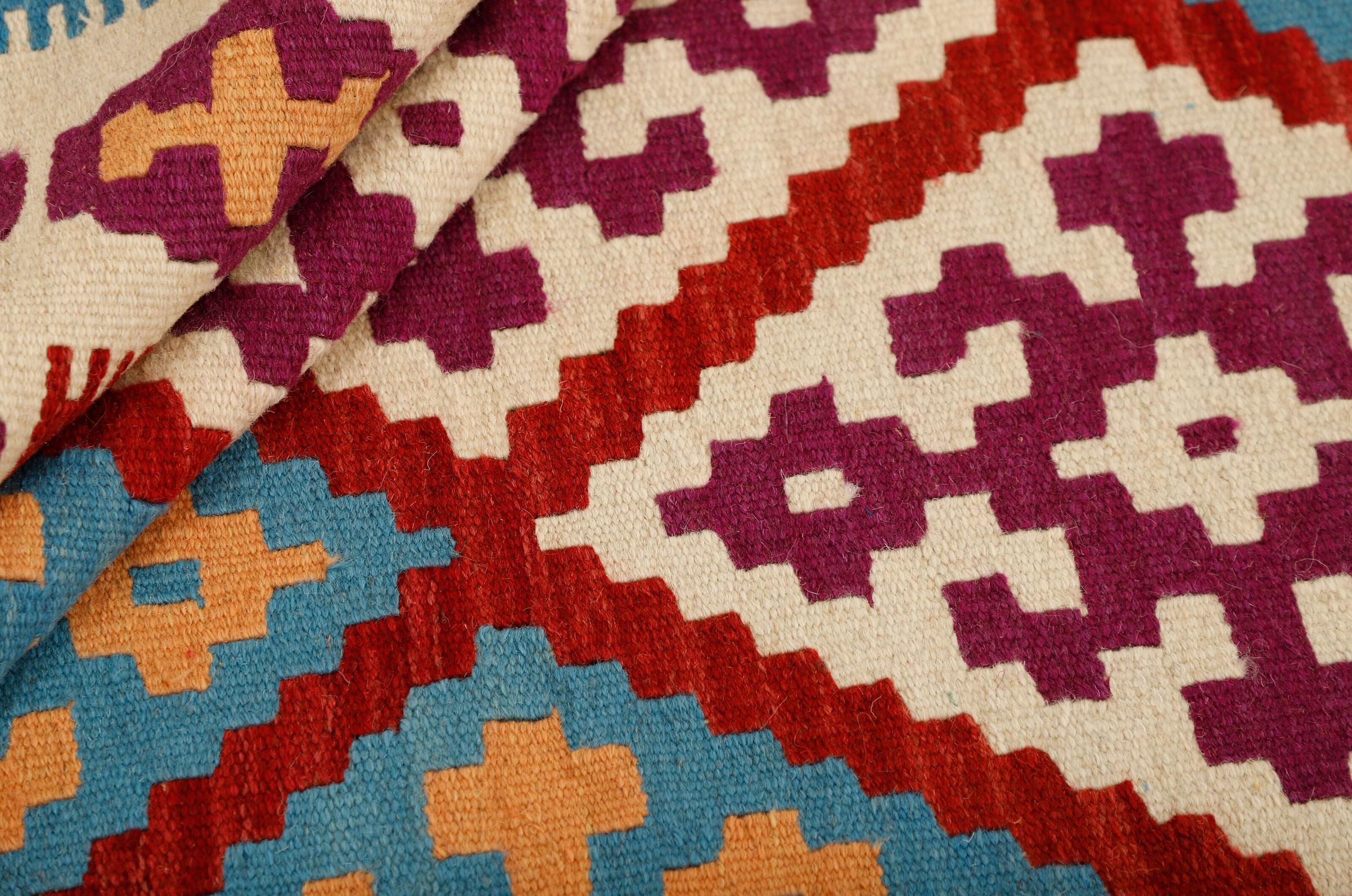
The term 'Kilim' refers specifically to the flat-weaving technique where the warp and weft are interlaced to create a smooth, pileless surface. This method is technically demanding, as the weaver must create the pattern by interlocking different coloured threads. The result is a rug that is reversible and remarkably strong, despite its relatively thin profile, making it a practical choice for modern homes.
The signature design elements of this tradition are deeply symbolic and geometric. The repeating diamond motifs often seen in these rugs are not merely decorative but frequently represent protection or tribal identity. The use of vibrant, contrasting colours is a hallmark of the style, allowing the rug to serve as a bold focal point that brings energy and life into an interior space.
Owning a Kilim is a way of connecting with a rich cultural heritage that spans generations. These rugs are highly valued by collectors not just for their aesthetic appeal, but for the skill and cultural narrative they represent. Each piece is a testament to the artisan's ability to transform simple, natural materials into a lasting work of art that bridges the gap between ancient tradition and contemporary living.