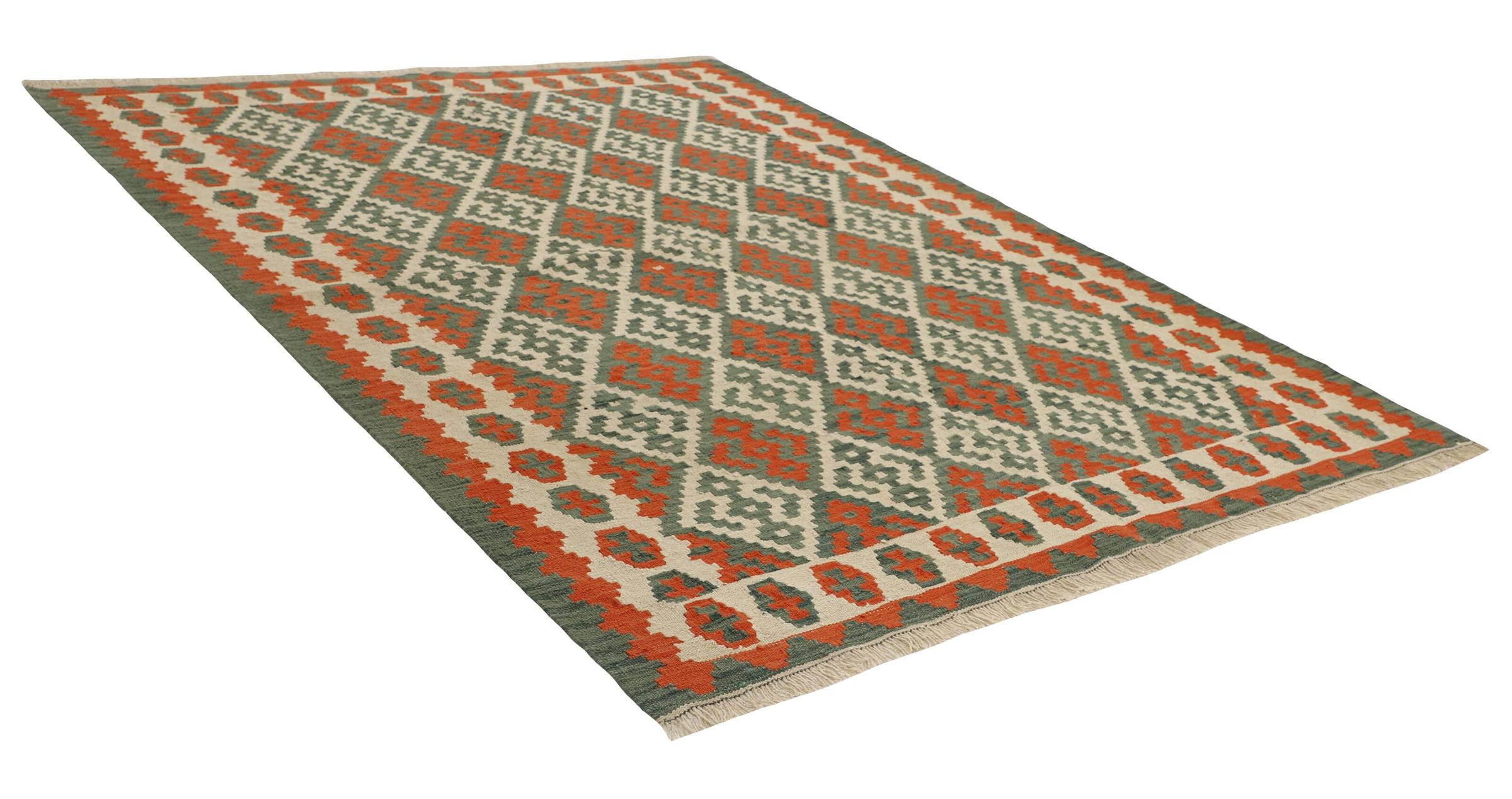
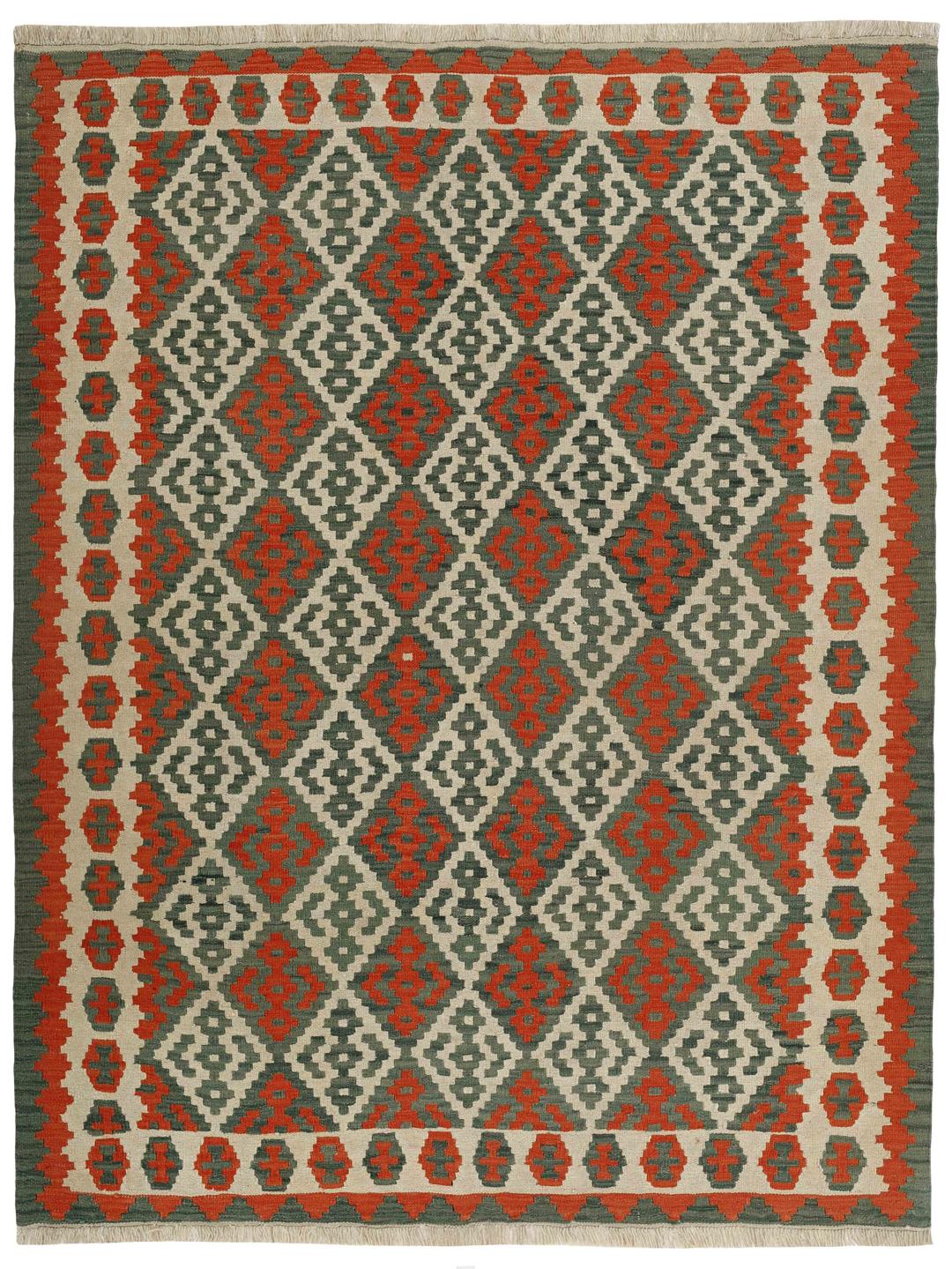
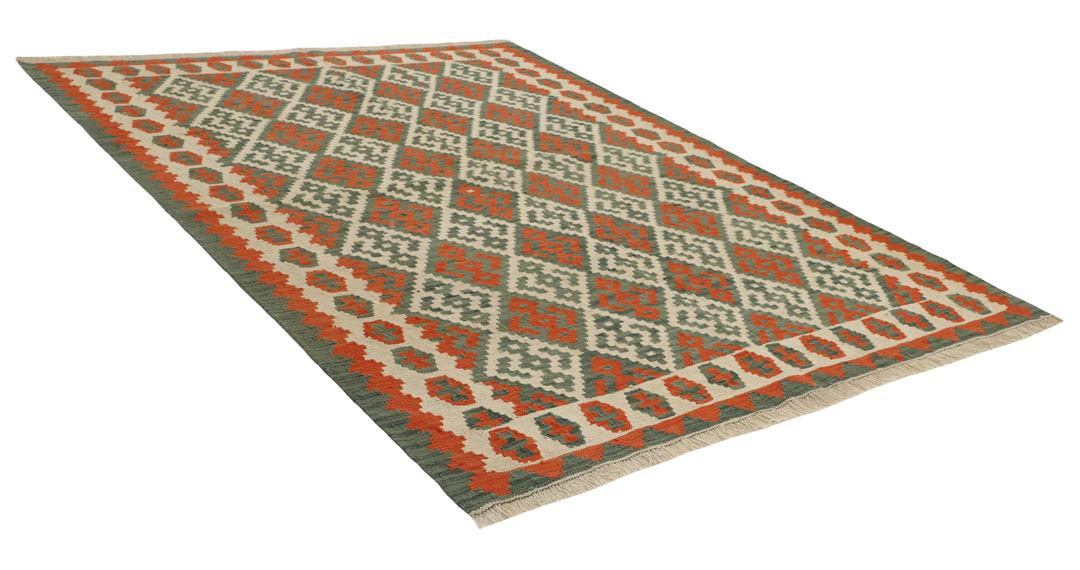
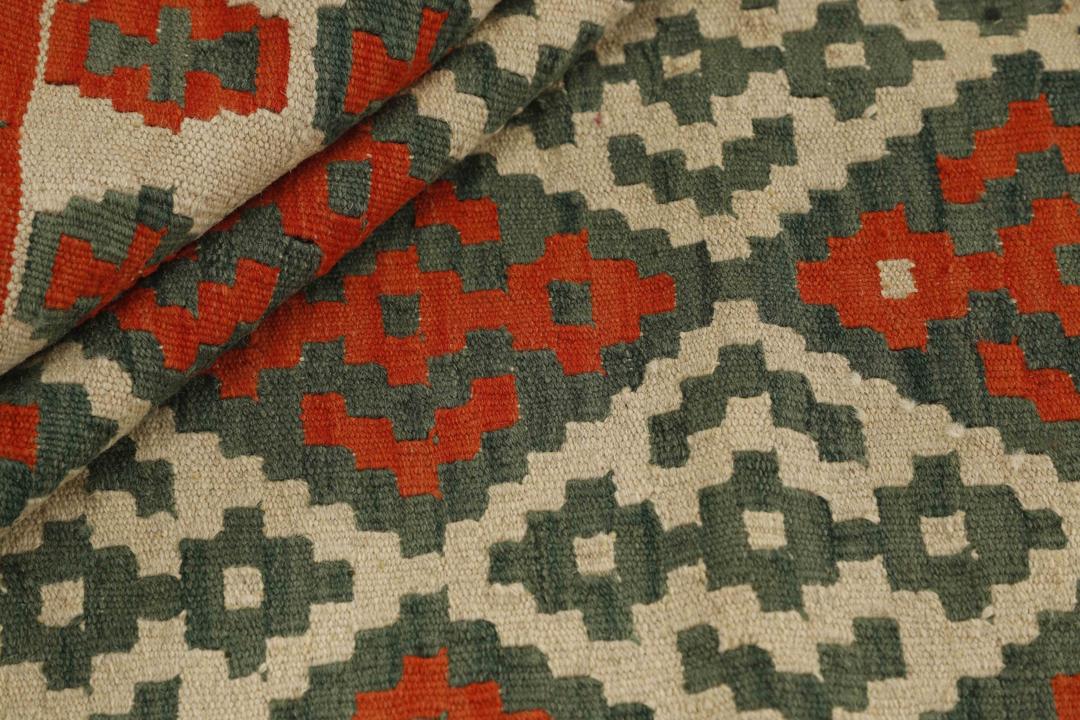
The Kilim Qashqai is a hallmark of the nomadic weaving traditions from the Middle East. These rugs are traditionally produced by the Qashqai people, a tribal confederation known for their semi-nomadic lifestyle and exceptional weaving skills. Their history is deeply intertwined with the rugged landscapes they traverse, and their textiles have long been prized for their ability to withstand the rigours of travel while serving as functional, beautiful floor coverings and wall hangings.
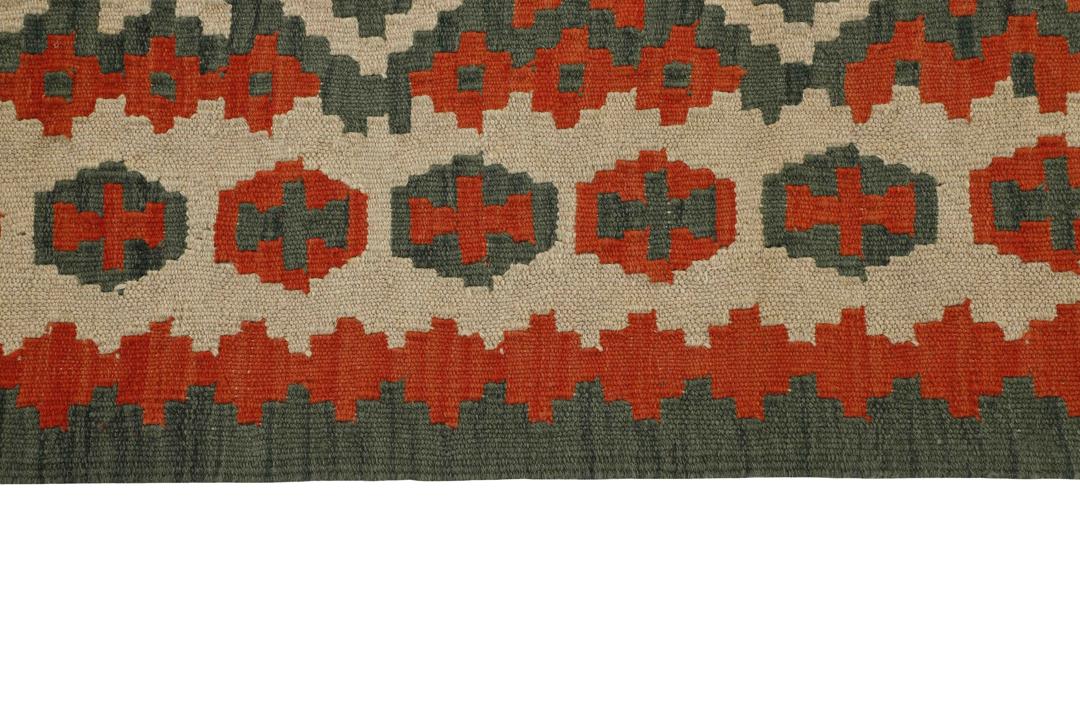
The term Kilim refers to a flat-weave technique where the weft threads are passed through the warp threads to create the pattern, resulting in a rug without a pile. This traditional method is highly valued for its crisp, geometric clarity and lightweight nature, which makes these pieces incredibly versatile. The quality of a Kilim is often determined by the tightness of the weave and the quality of the wool, which traditionally comes from sheep raised in the high-altitude pastures of the region.
Signature design elements of the Qashqai tradition often include geometric medallions, diamonds, and stylized motifs inspired by the natural world. These patterns are not merely decorative but are deeply symbolic, often representing tribal identity or stories passed down through generations. The use of vibrant, natural dyes is a defining feature, with the colours often maturing beautifully as the rug ages, adding a sense of depth that modern synthetic dyes cannot replicate.
Collectors value these rugs not only for their aesthetic beauty but for the cultural heritage they preserve. To own a Kilim Qashqai is to own a piece of history, representing a bridge between ancient nomadic life and the contemporary home. The dedication required to complete such a piece, combined with the rarity of these authentic tribal designs, makes them a significant addition to any collection, celebrated for their enduring relevance and artistic integrity.