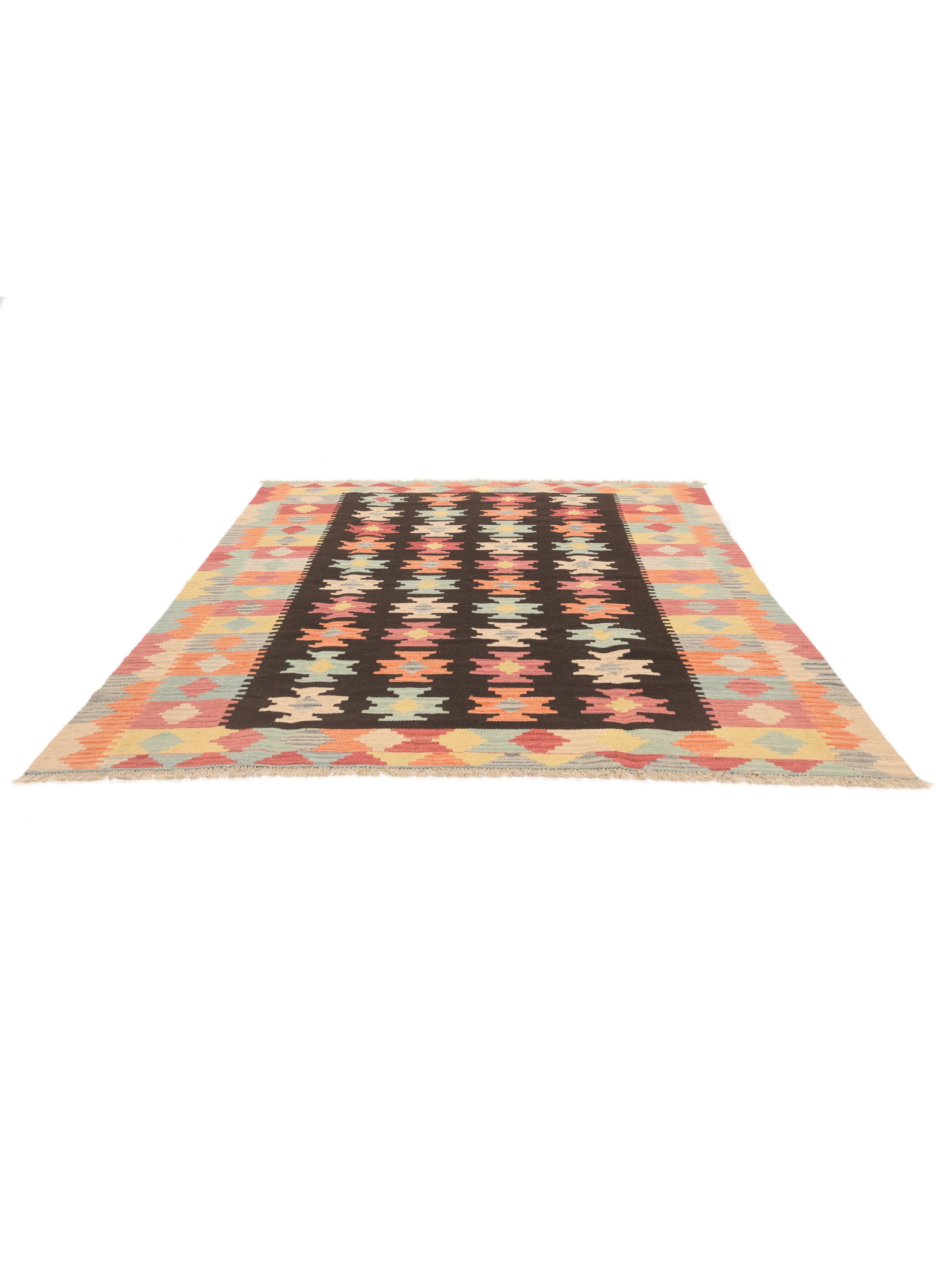
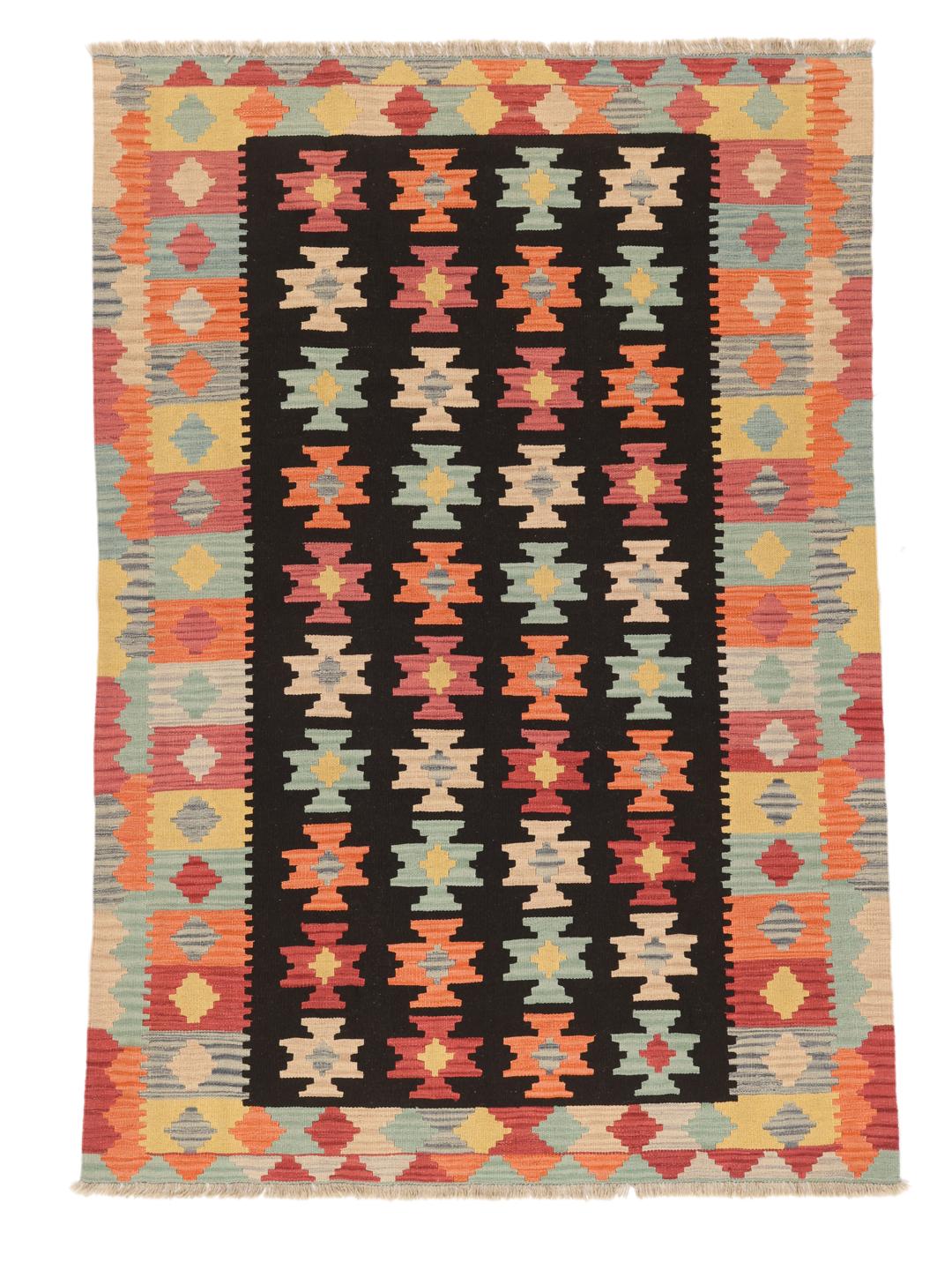
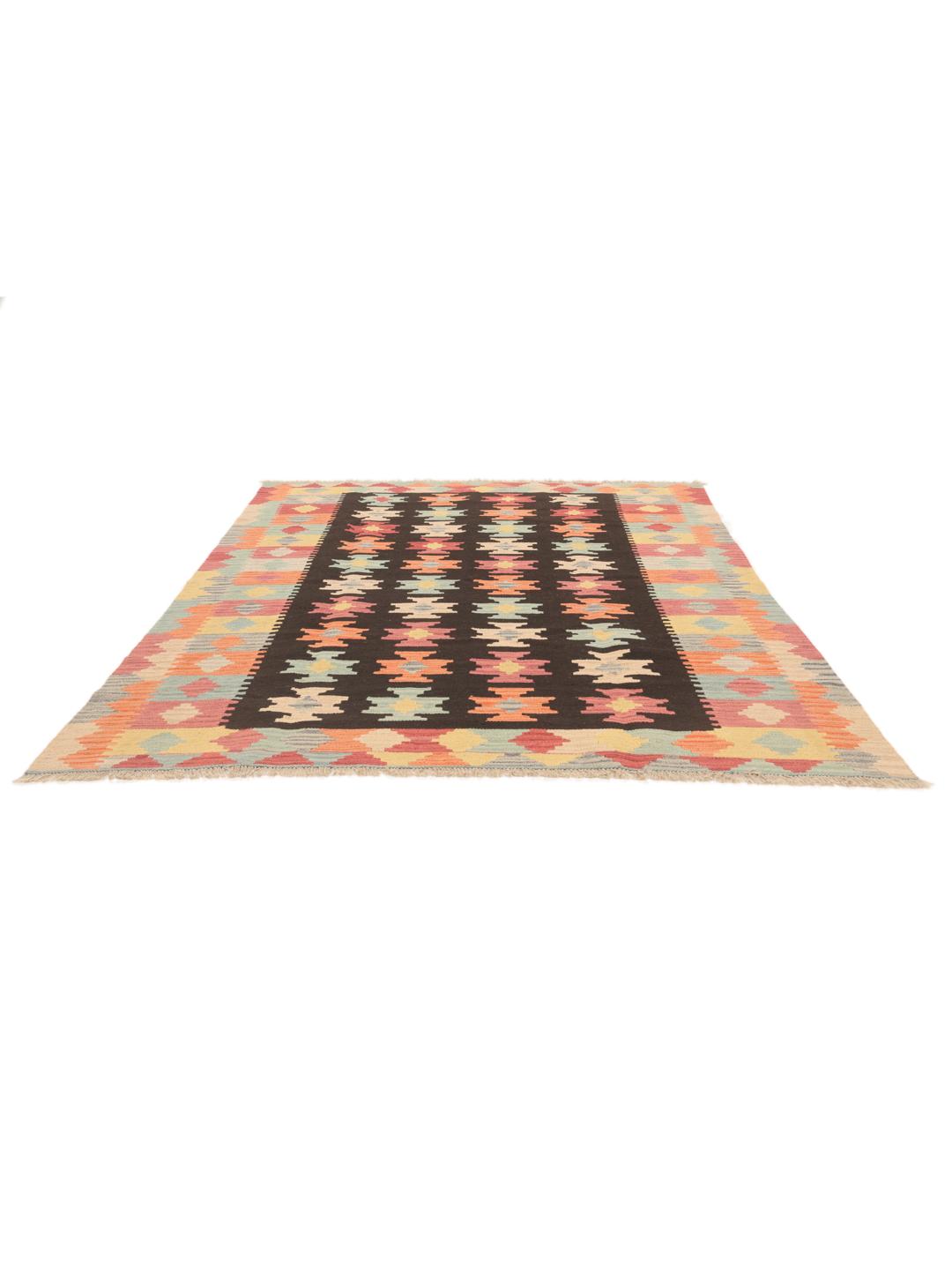
The Ghashghai people are a nomadic confederation from the Middle Eastern region, renowned for their long-standing tradition of weaving textiles that reflect their environment and cultural identity. Historically, these rugs were created to serve the practical needs of nomadic life, providing warmth and decoration for tents, and have since become globally cherished for their authentic tribal aesthetic.
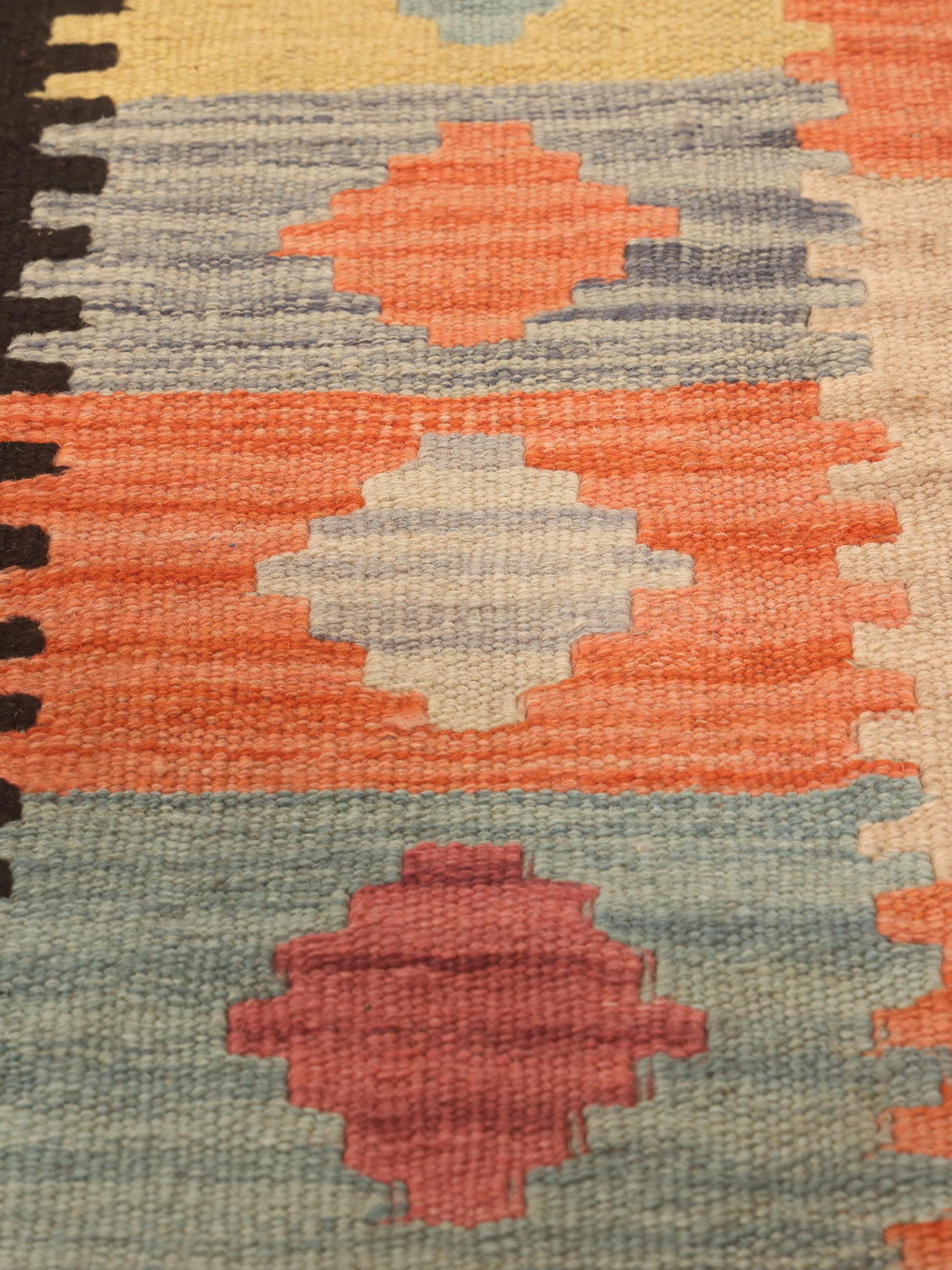
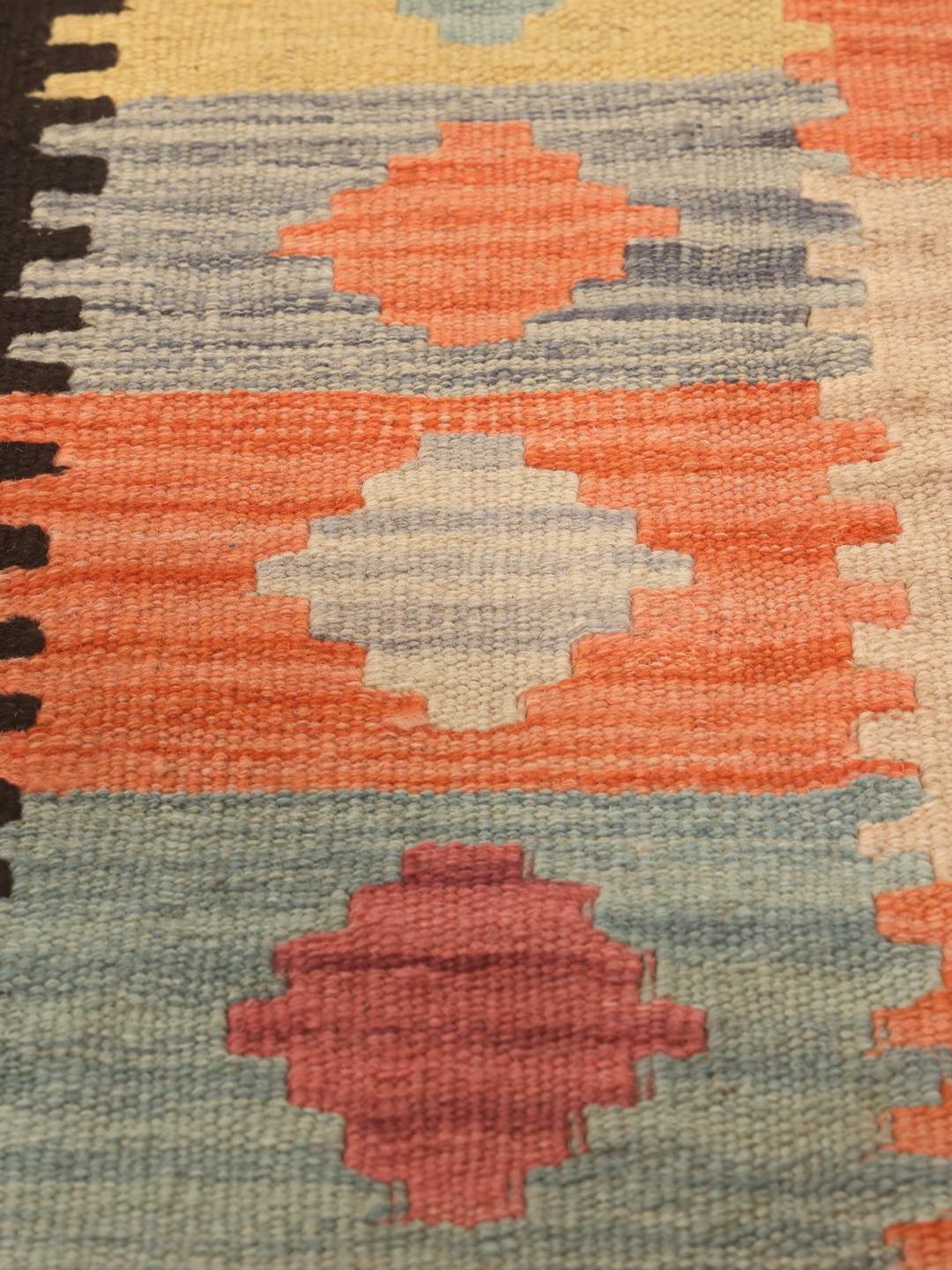
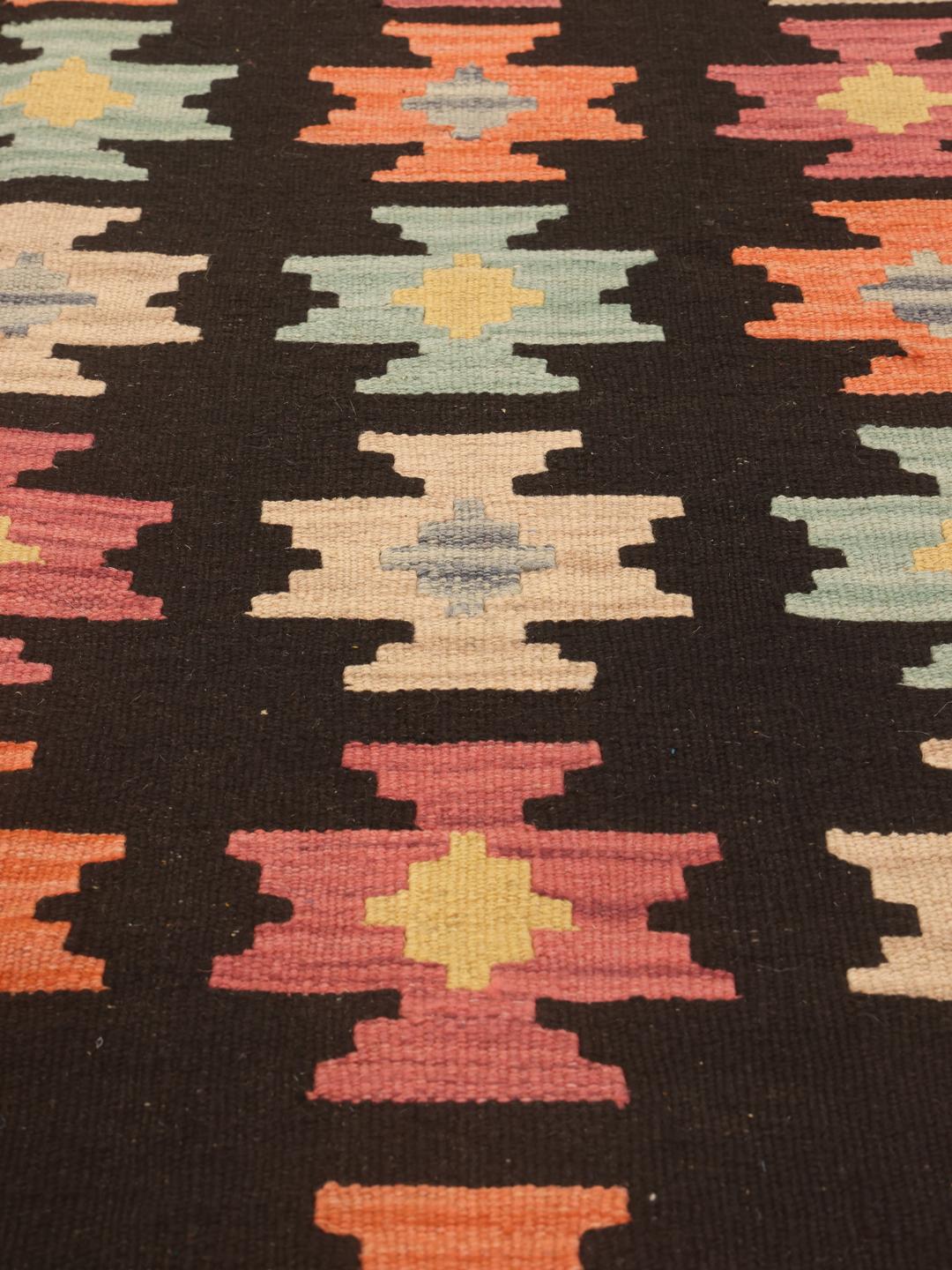
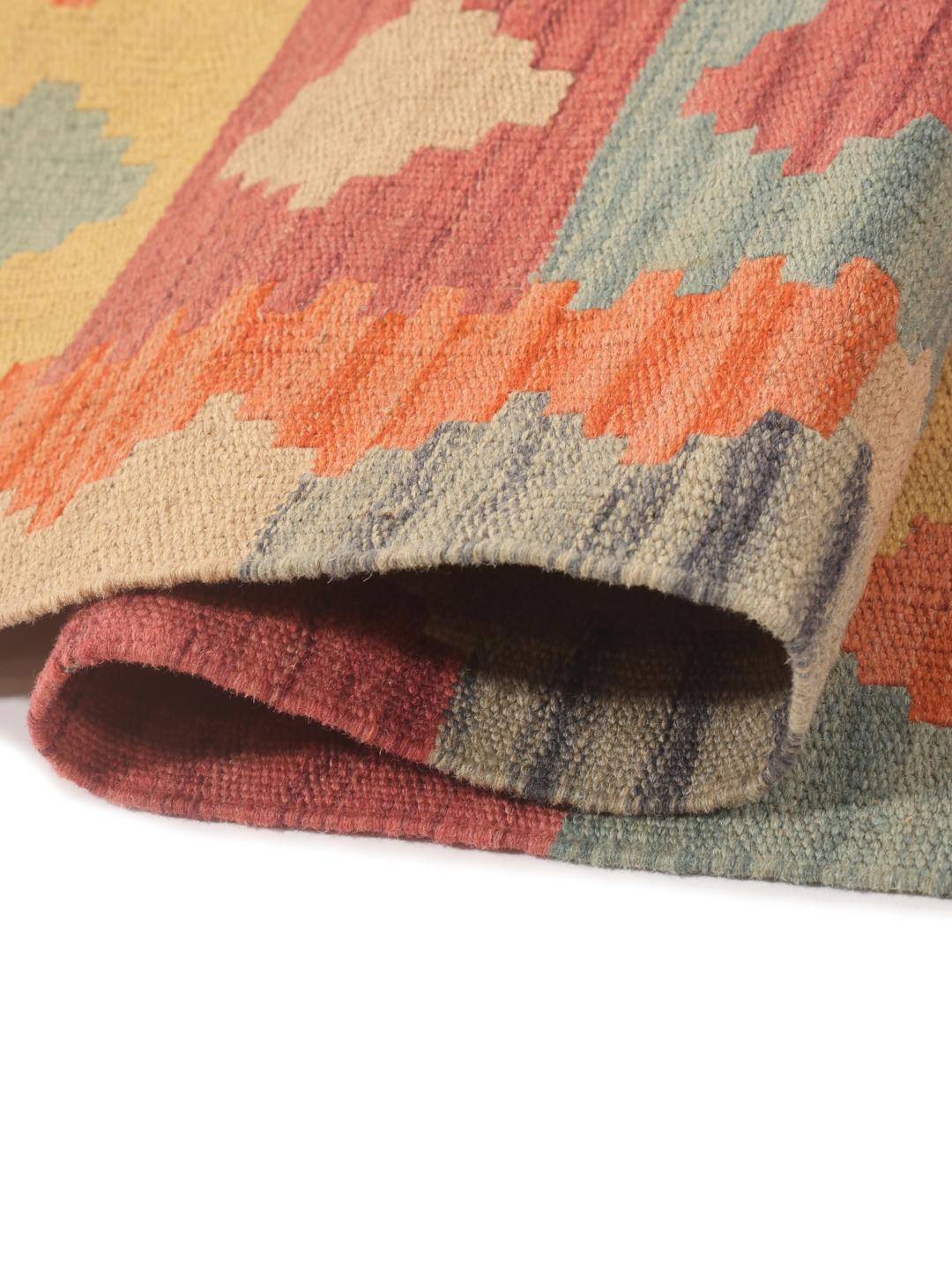
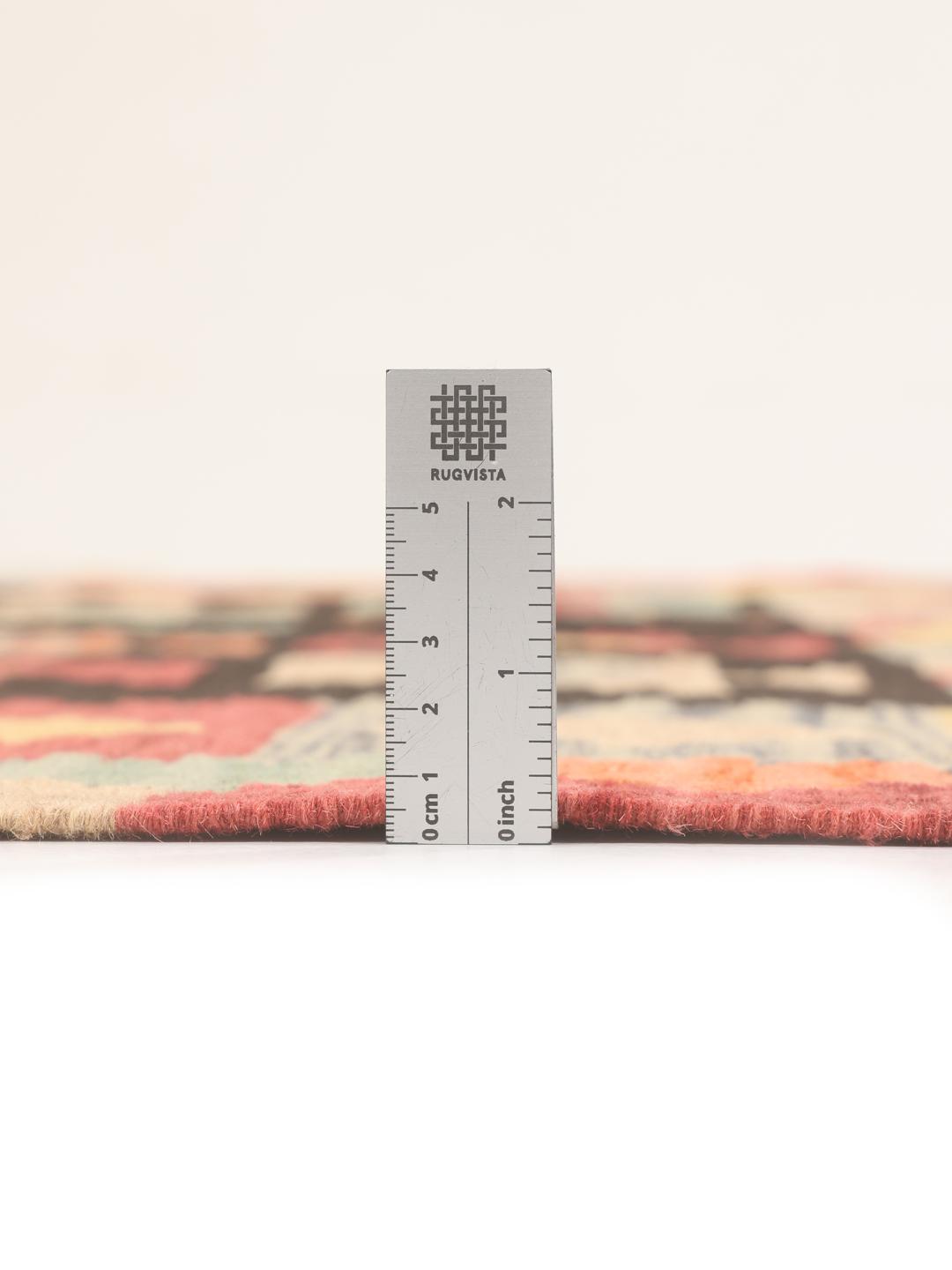
A kilim is defined by its flat-weave construction, meaning it is created without a pile. This technique produces a lightweight yet incredibly durable textile. The process involves weaving the coloured weft threads tightly through the warp, a skill passed down through generations that requires a deep understanding of colour tension and pattern symmetry to achieve a perfectly balanced result.
Signature design elements of Ghashghai weaving include stylized, geometric motifs that often represent the natural world, such as birds, flowers, or tribal symbols. The use of a dark, contrasting field against vibrant, warm colours is a hallmark of this tradition, creating a dramatic visual impact that highlights the precision of the geometric arrangements and the depth of the natural dyes used.
Owning a Ghashghai kilim is an investment in heritage and human skill. These rugs are highly sought after by collectors and interior enthusiasts alike for their ability to bring a sense of place and history into a modern home. They represent a bridge between ancient nomadic artistry and contemporary living, offering a piece of culture that remains as relevant today as it was centuries ago.