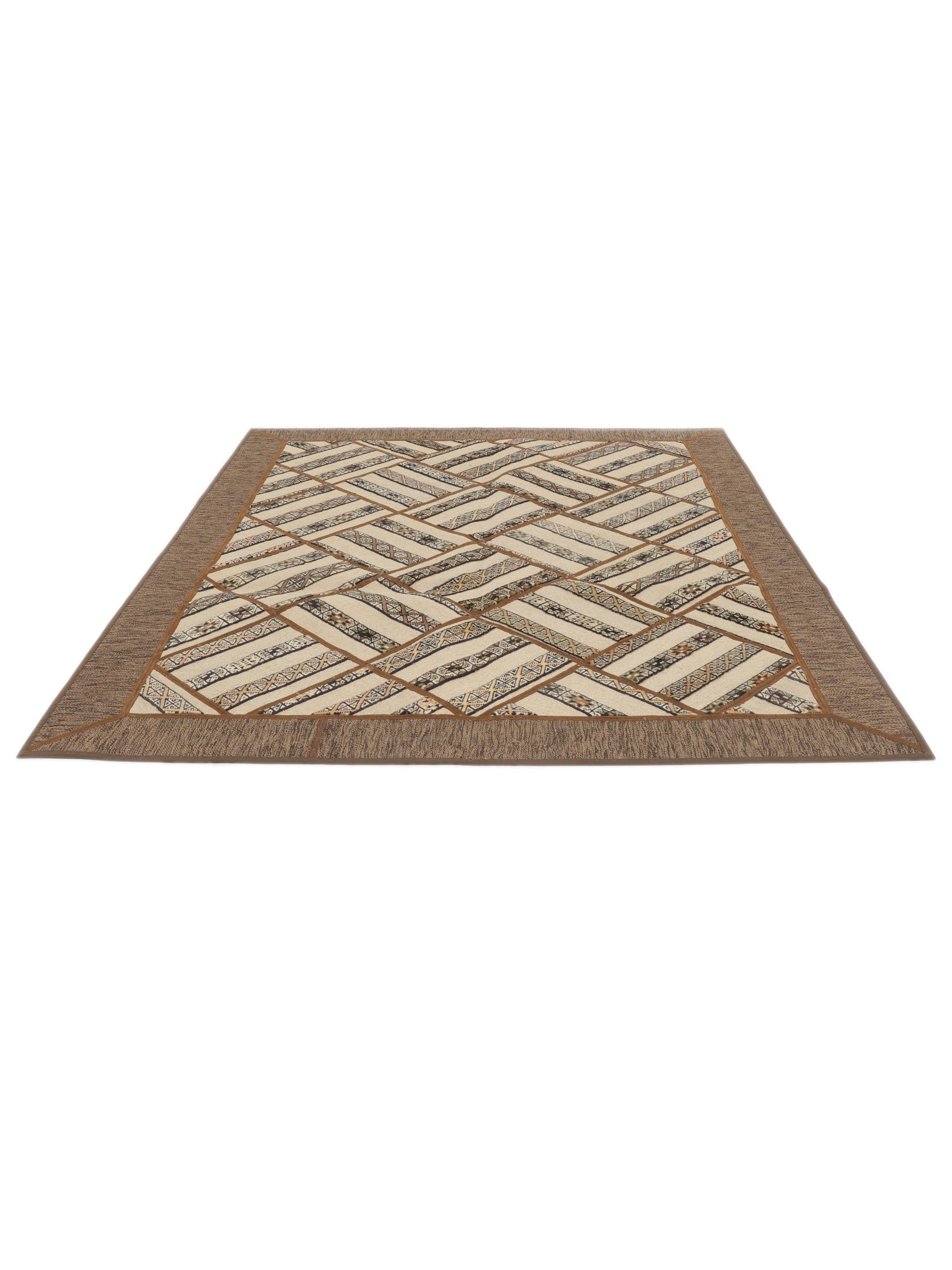
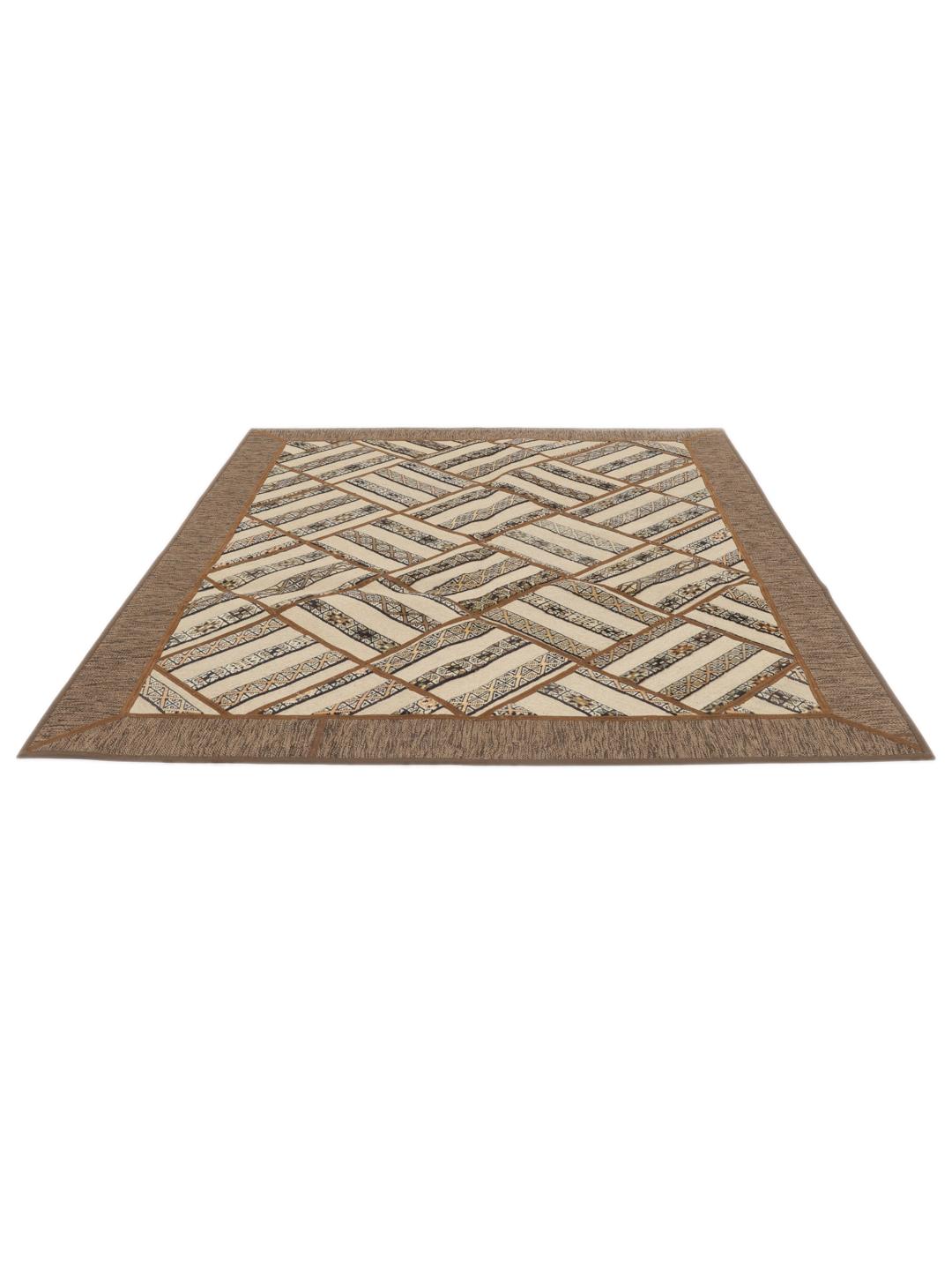
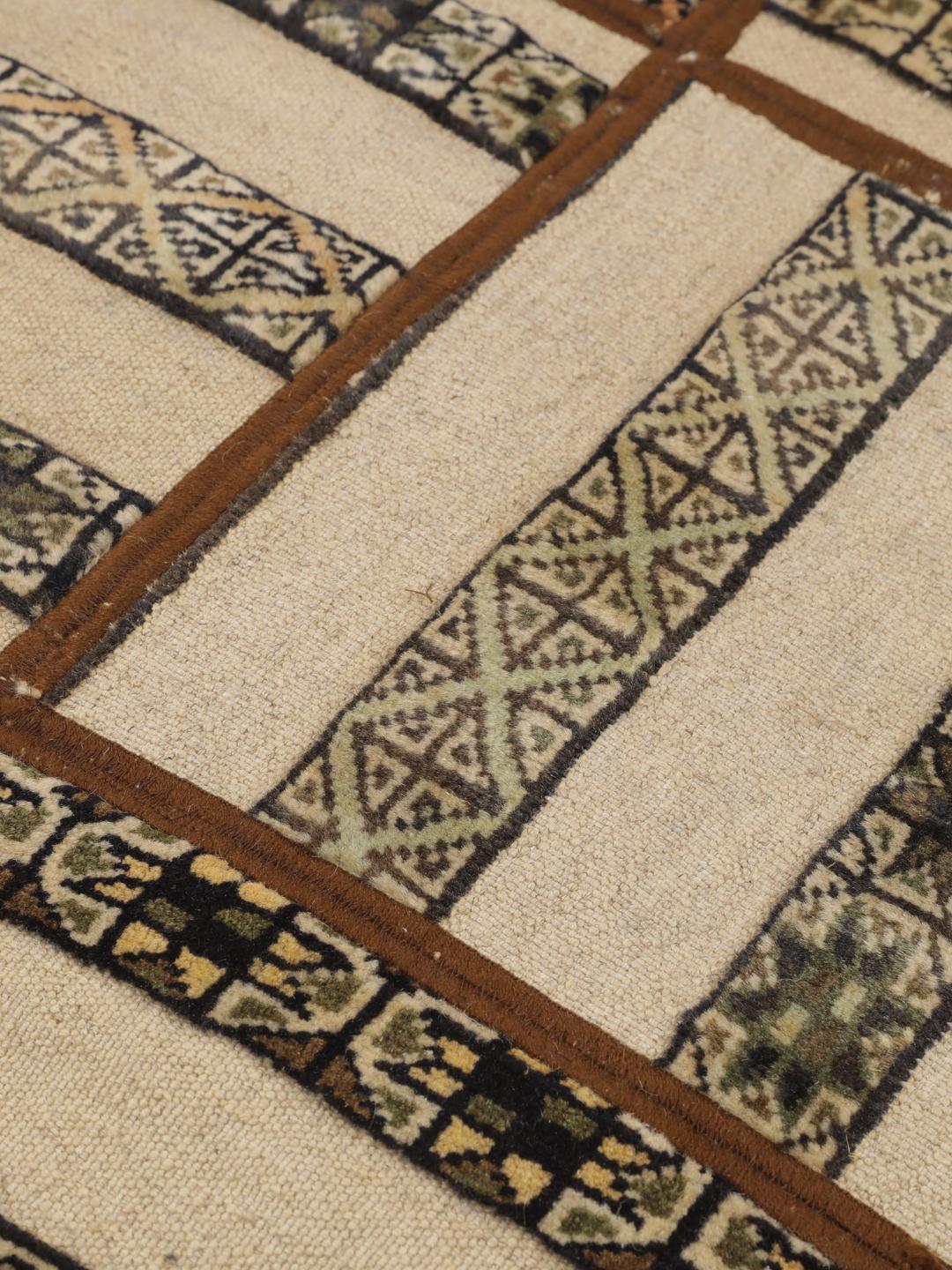
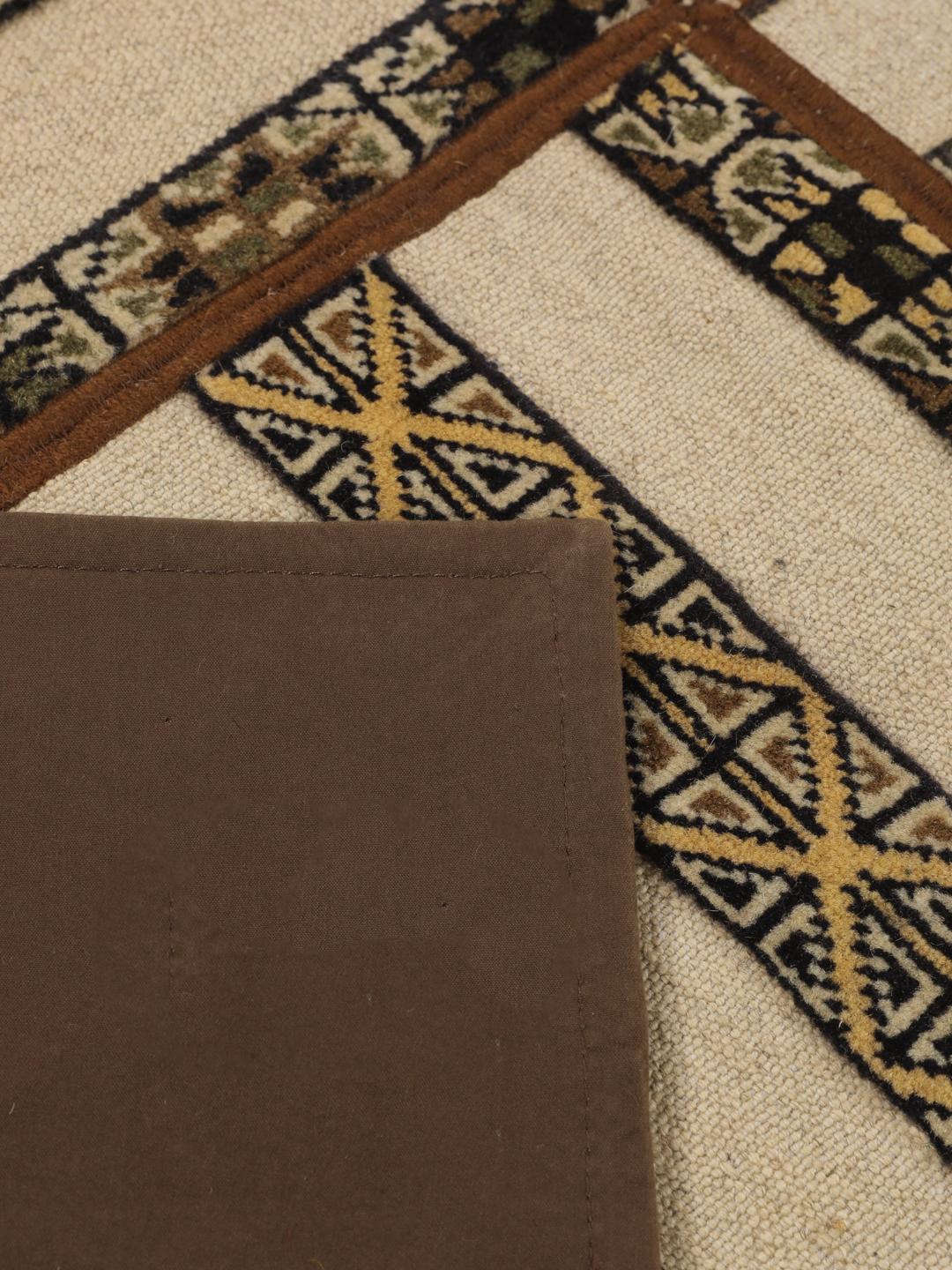
The tradition of the patchwork rug is a testament to the resourcefulness and artistry of Middle Eastern weaving communities. Historically, these pieces were created by reclaiming and repurposing fragments of older, worn-out textiles, giving them a new lease on life. This practice reflects a deep cultural respect for materials and the belief that even the smallest fragment of a hand-woven textile holds value.
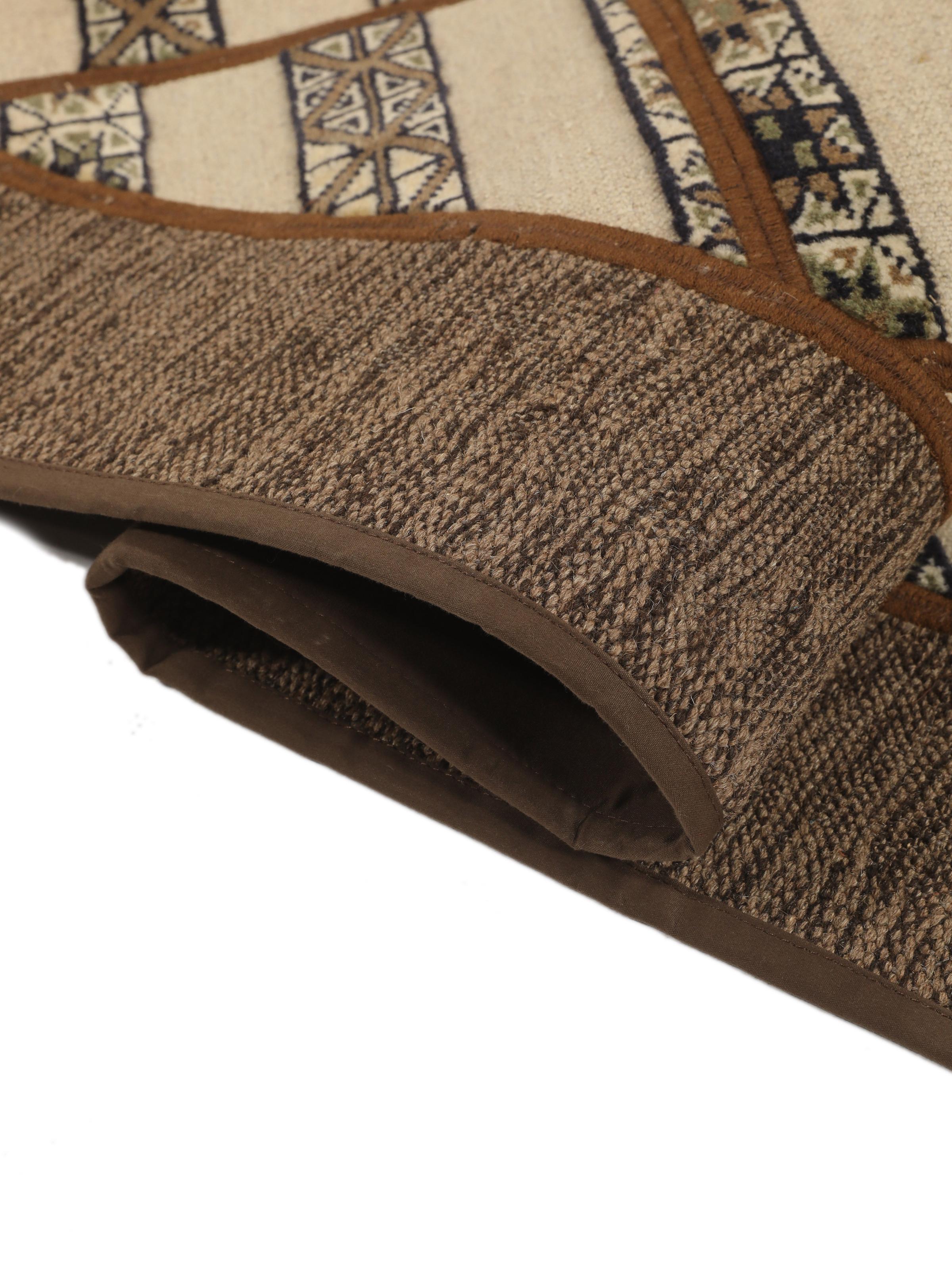
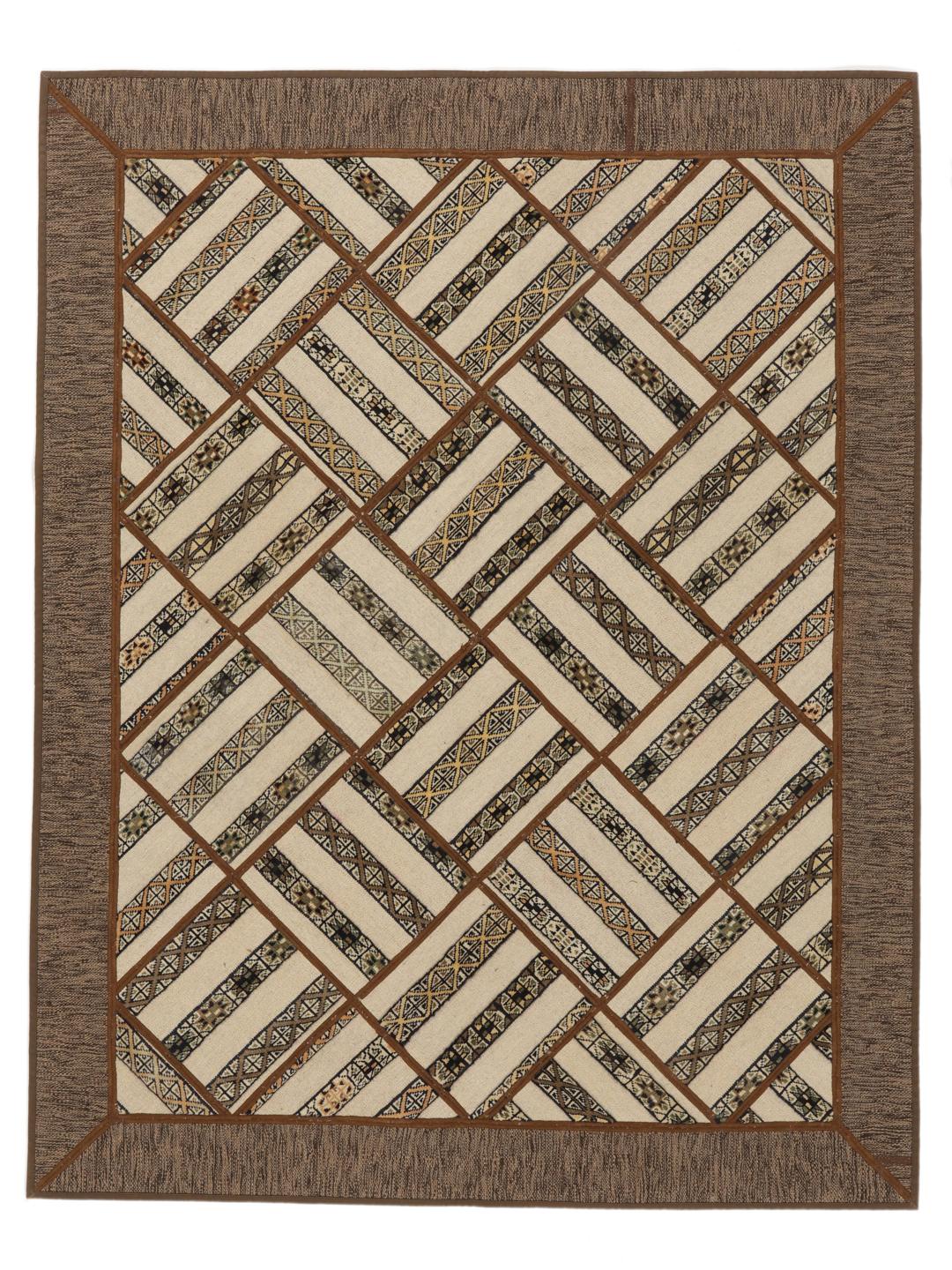
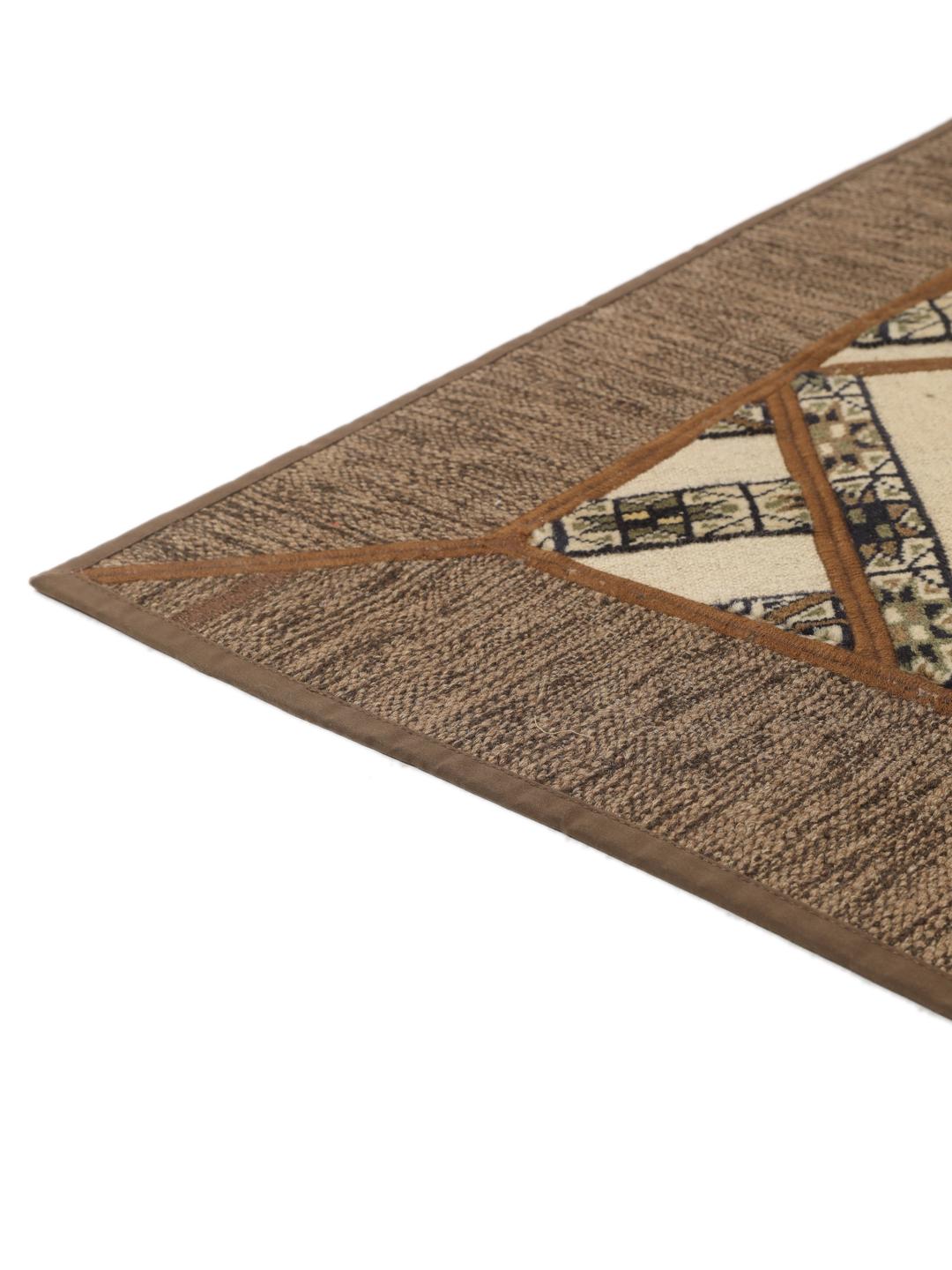
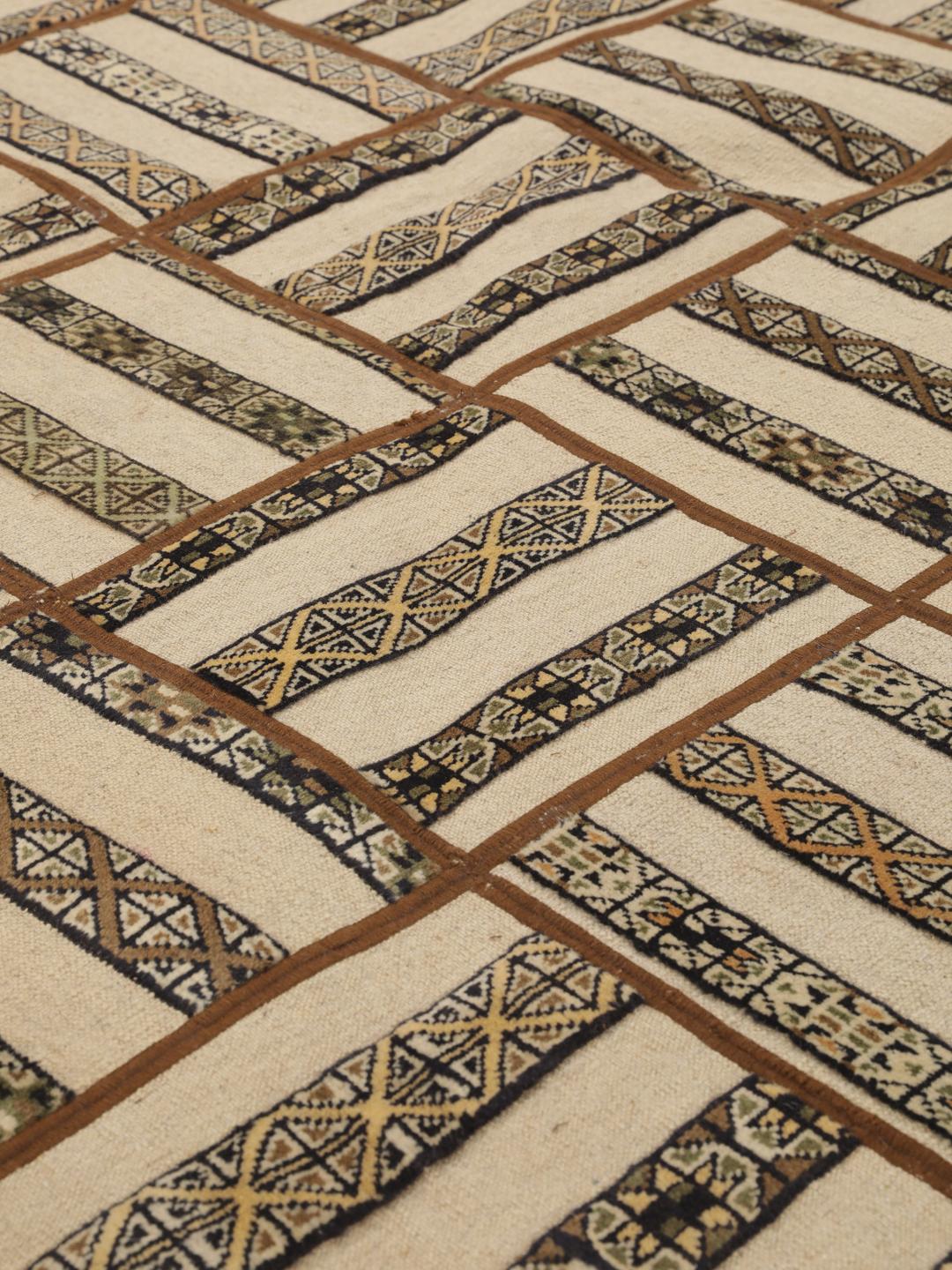
In the context of modern rug making, the term patchwork refers to the intentional assembly of these segments into a new, cohesive design. This technique requires an expert eye to balance colours and patterns, ensuring that the disparate parts work together as a unified whole. It is a modern evolution of an ancient craft, bridging the gap between historical weaving techniques and contemporary design sensibilities.
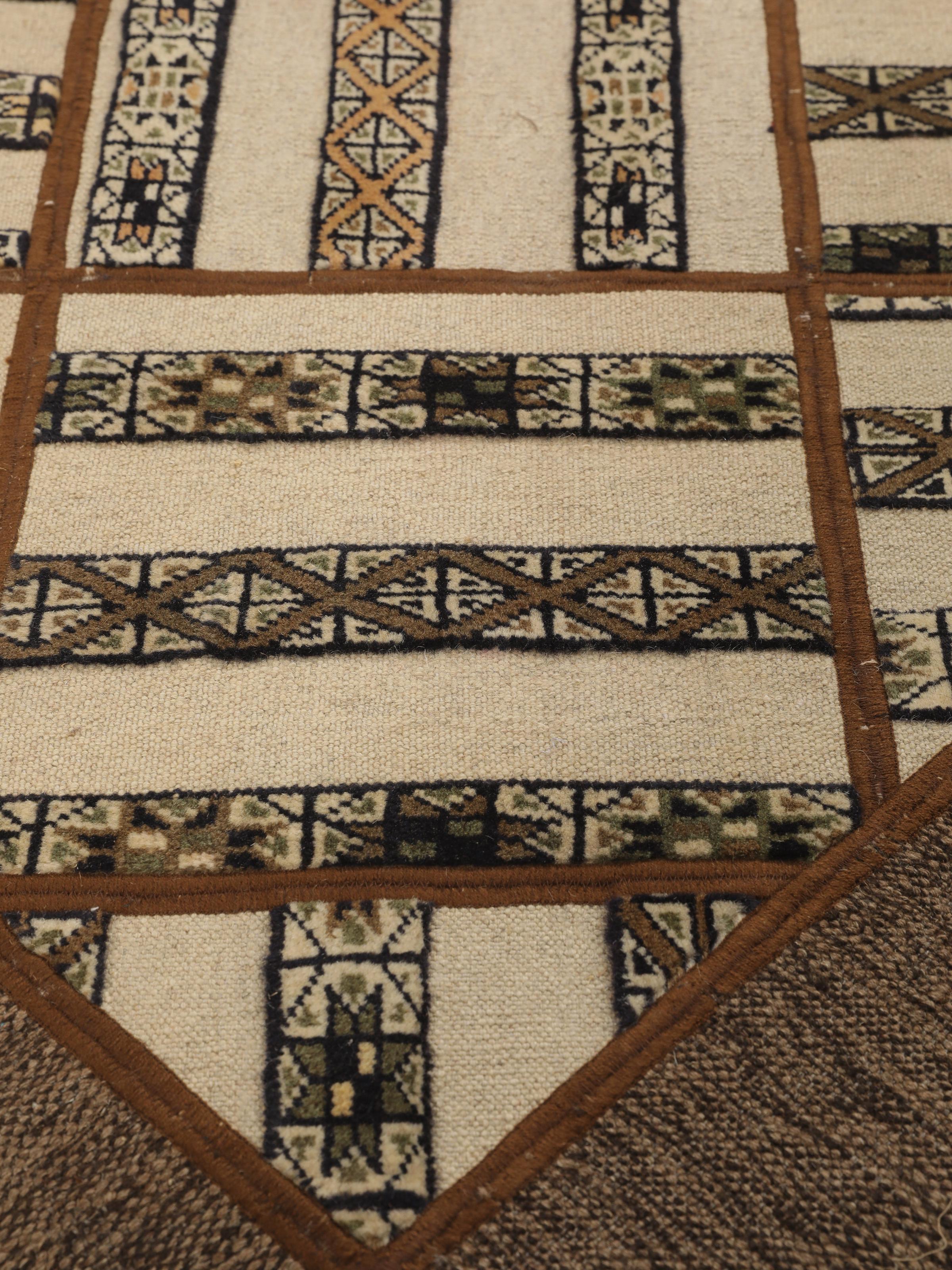
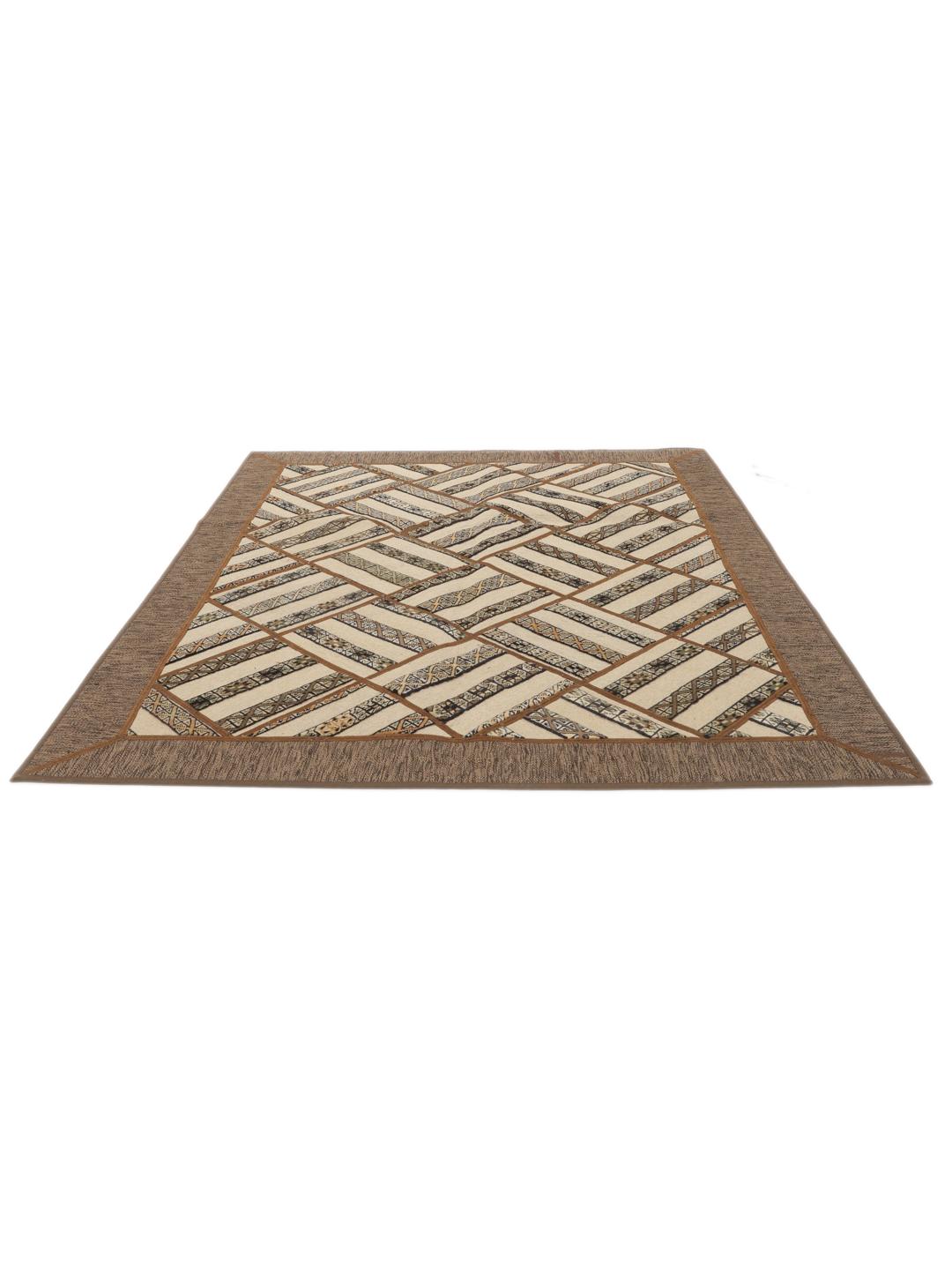
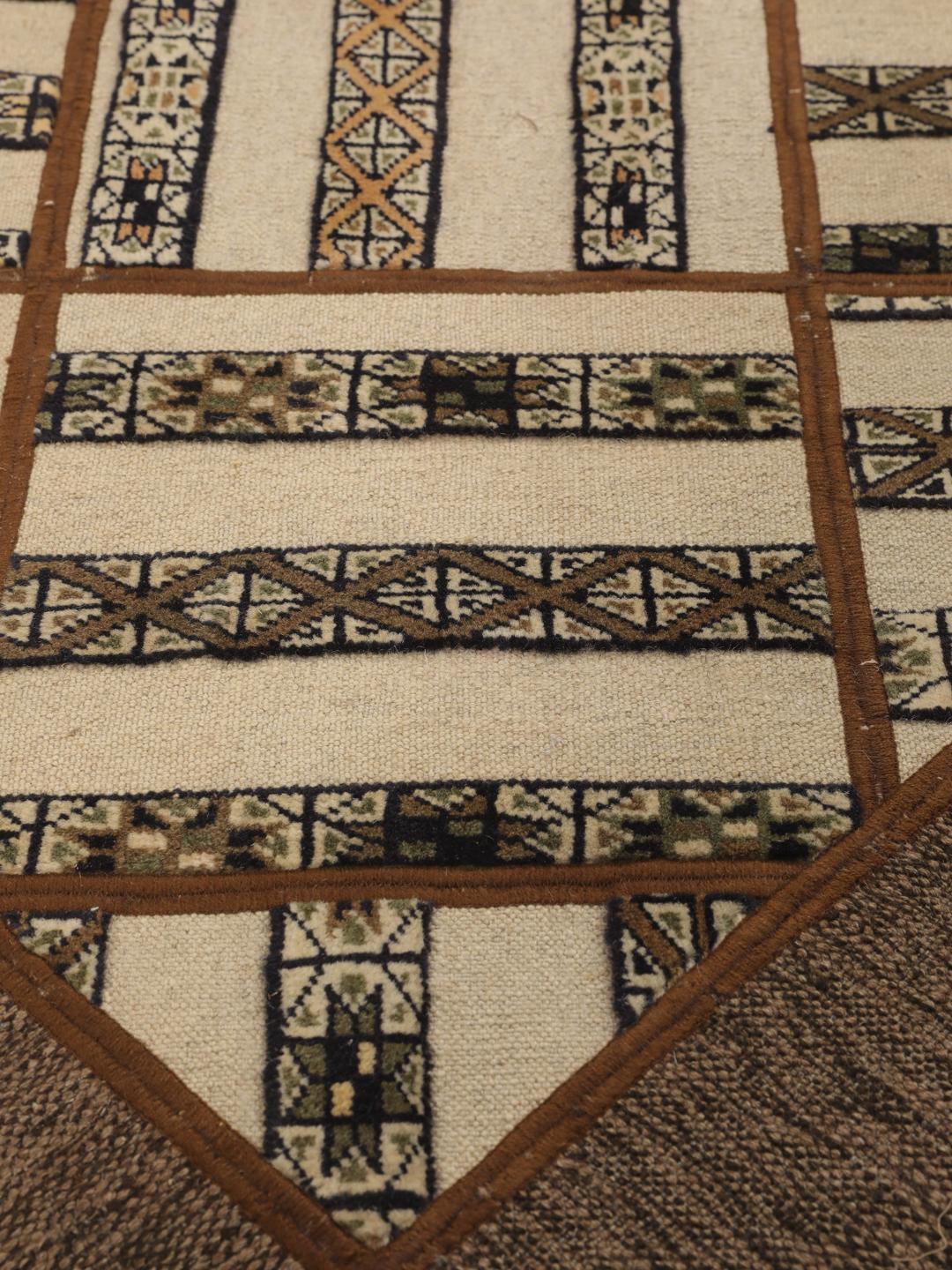
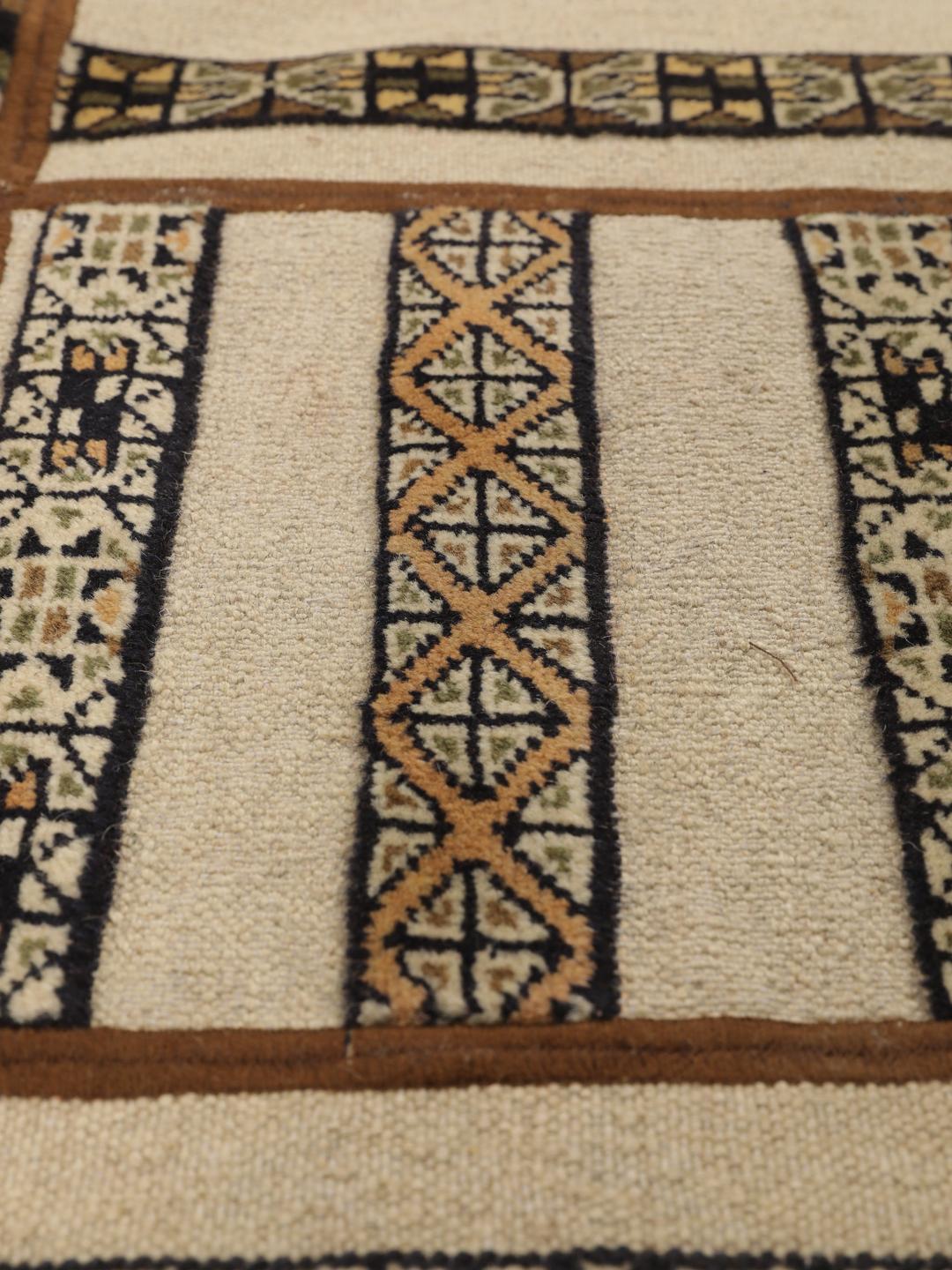
The visual language of this rug is defined by its geometric order and the variety of textures within each patch. While traditional rugs often feature central medallions or elaborate floral motifs, this patchwork style prioritises the rhythm of repeated shapes and the subtle variations in tone. These patterns often draw inspiration from regional kilim designs, utilising bold lines and simple motifs to create an effect that is both structured and dynamic.
Collecting a patchwork rug is an investment in both heritage and individuality. Each piece tells a story of assembly and curation, embodying the skill of those who have spent years mastering the art of textile composition. These rugs are highly valued for their unique character, offering a sophisticated way to incorporate history and art into a modern home.