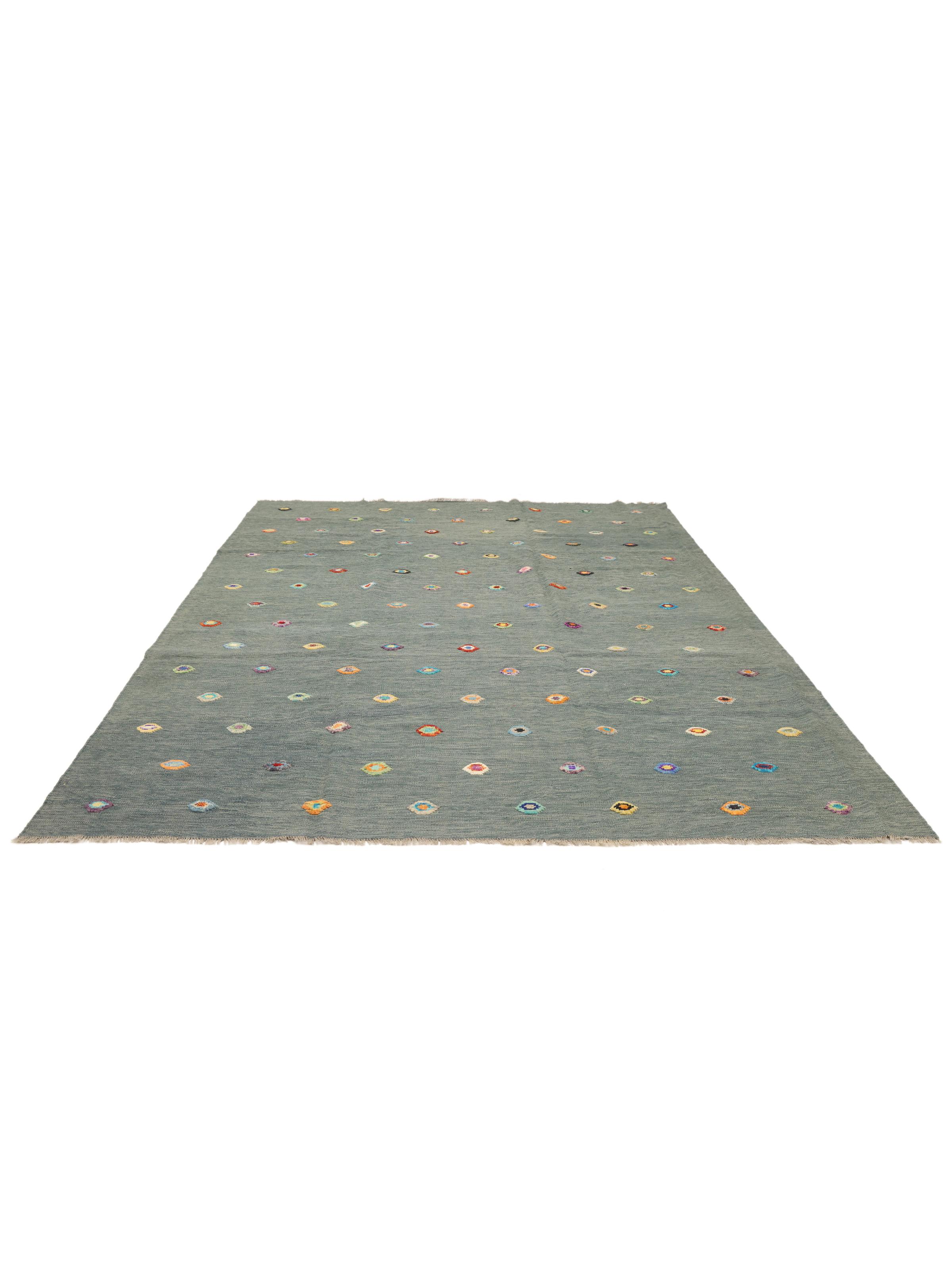
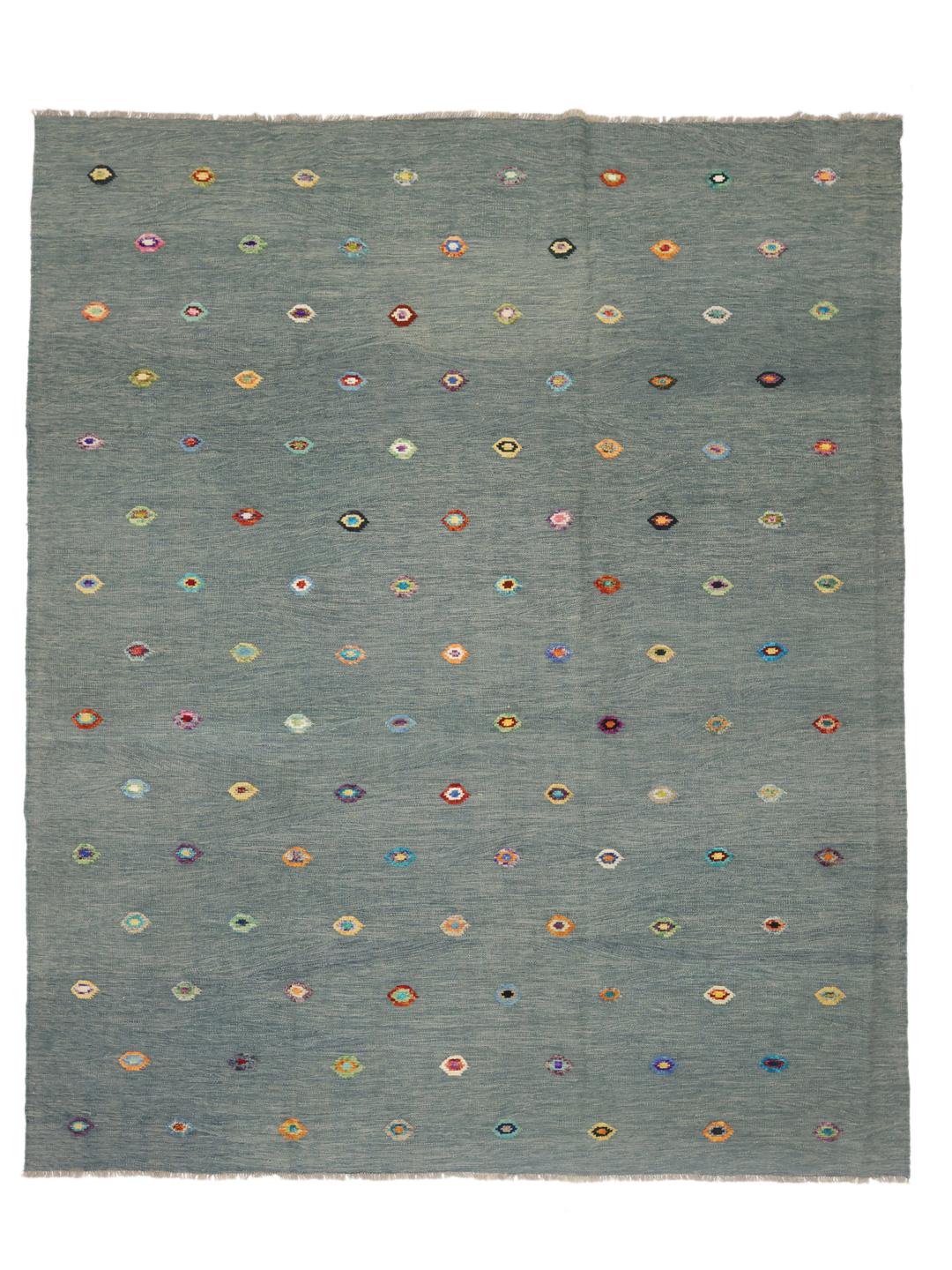
The Kelim Nimbaft represents a fascinating evolution within the rich tapestry of Afghan weaving. While the broader category of kilims or flat-woven rugs has been a staple of nomadic and village life across the Middle East for centuries, the Nimbaft style is particularly celebrated for its specific approach to pattern and texture. Originating from the rugged landscapes of Afghanistan, these rugs carry the legacy of generations of artisans who have refined their craft in response to both local needs and the demands of the Silk Road trade.
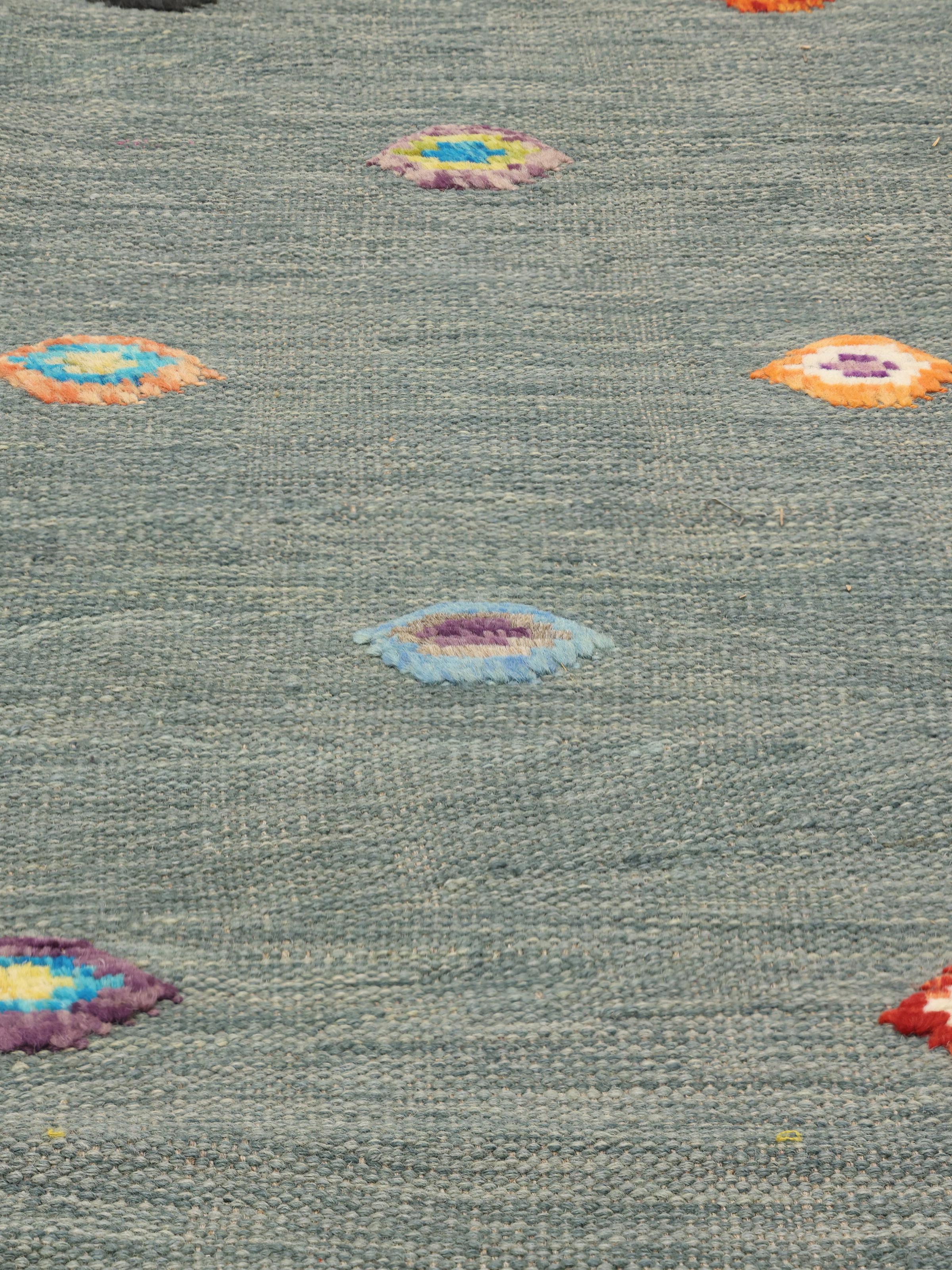
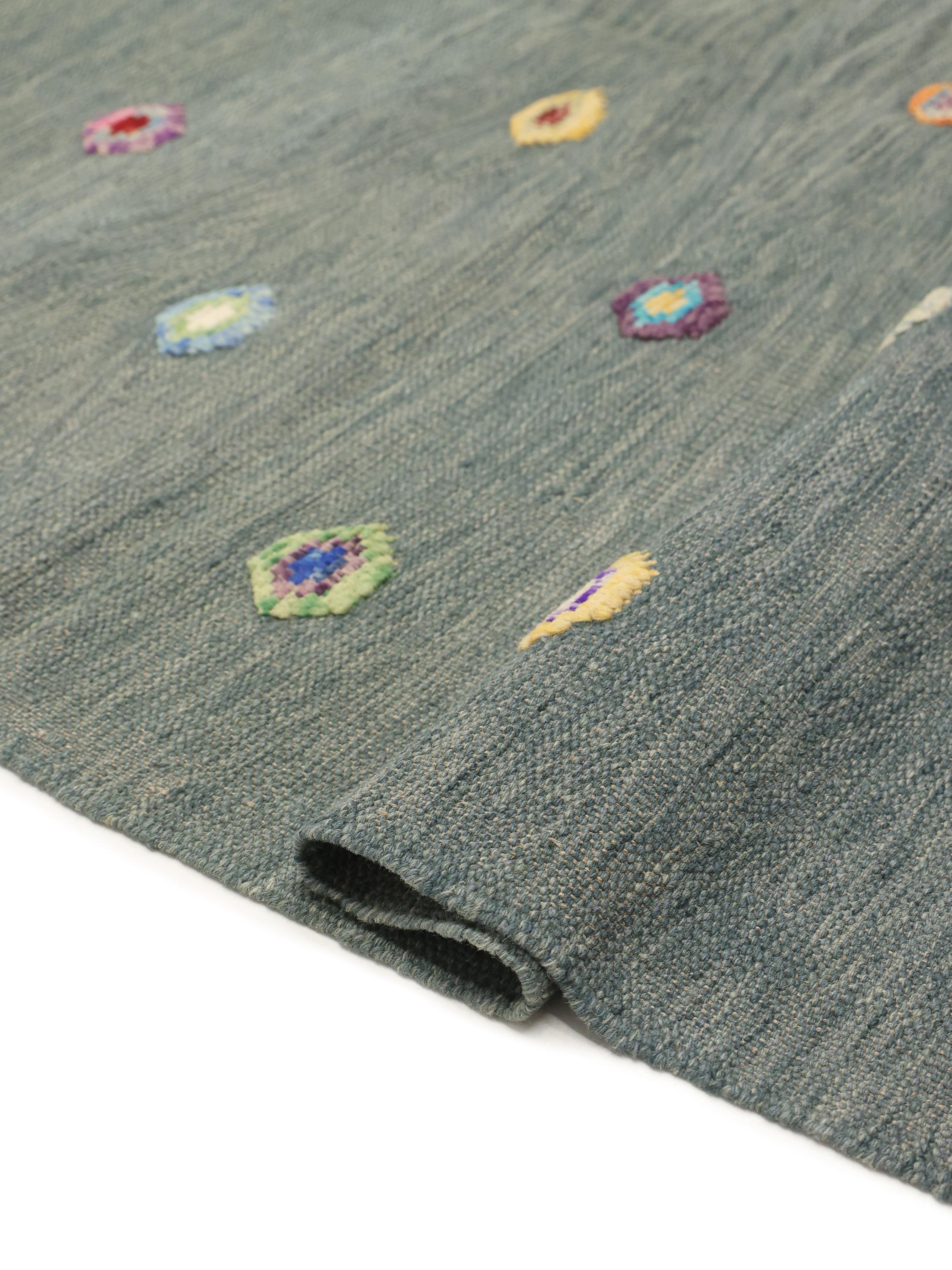
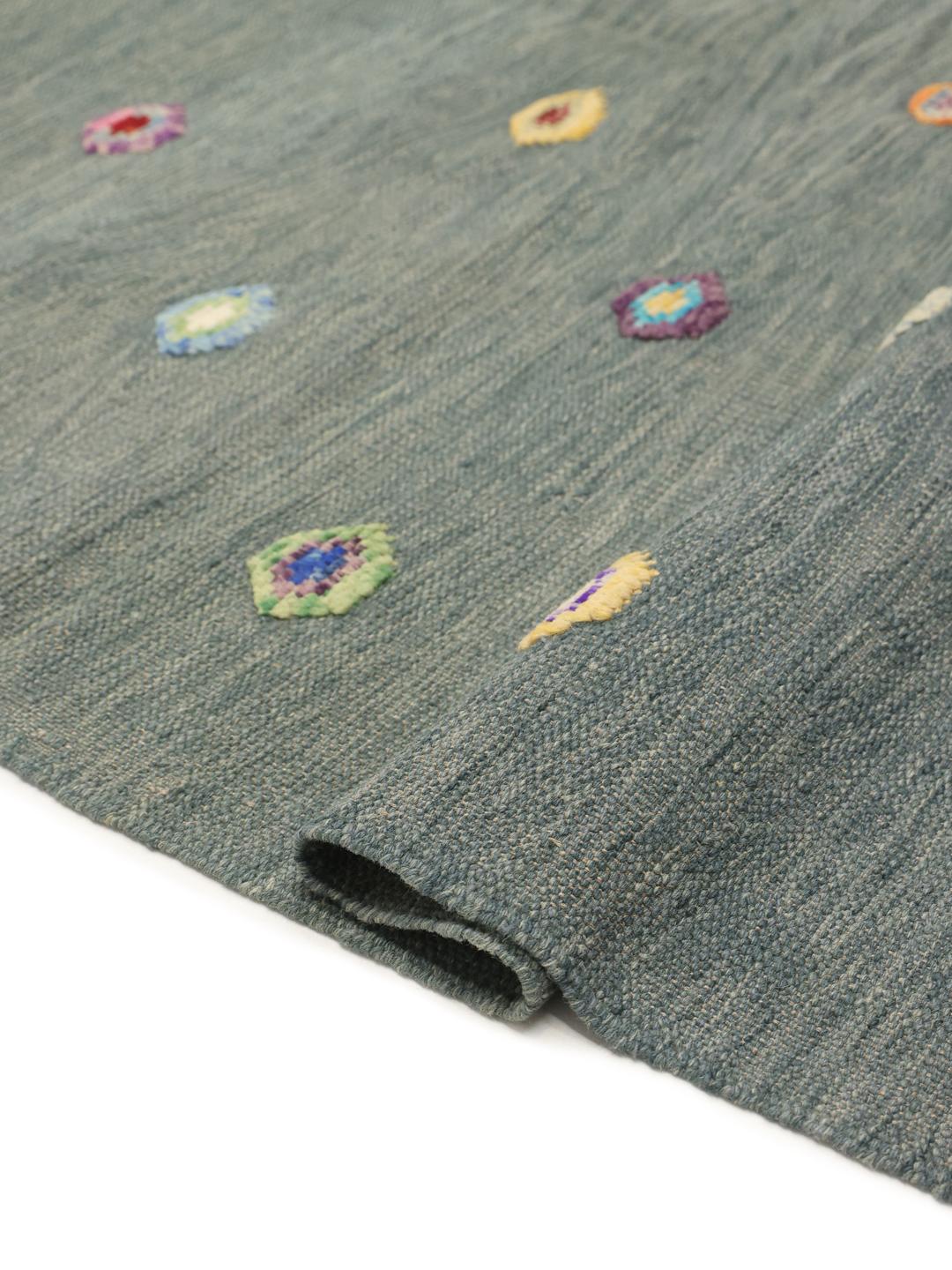
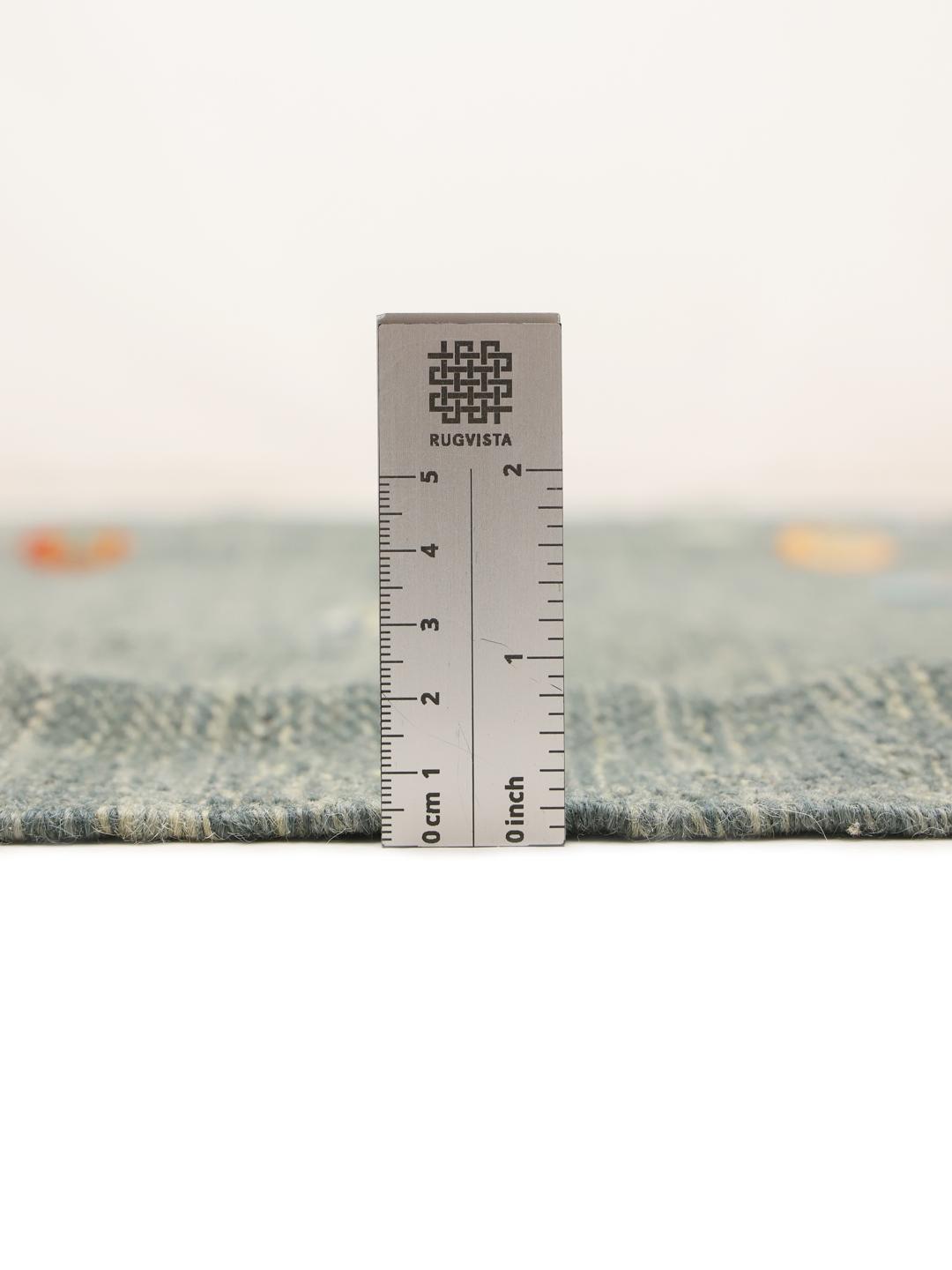
The term 'Nimbaft' refers to a distinct style of flat-weaving that prioritises a clean, durable finish. Unlike pile rugs, these pieces are constructed by interlacing the warp and weft threads, resulting in a lightweight yet incredibly resilient fabric. This technique is highly valued for its versatility, allowing the rug to be used on both sides, a practical feature that has helped these textiles survive as functional heirlooms in many households.
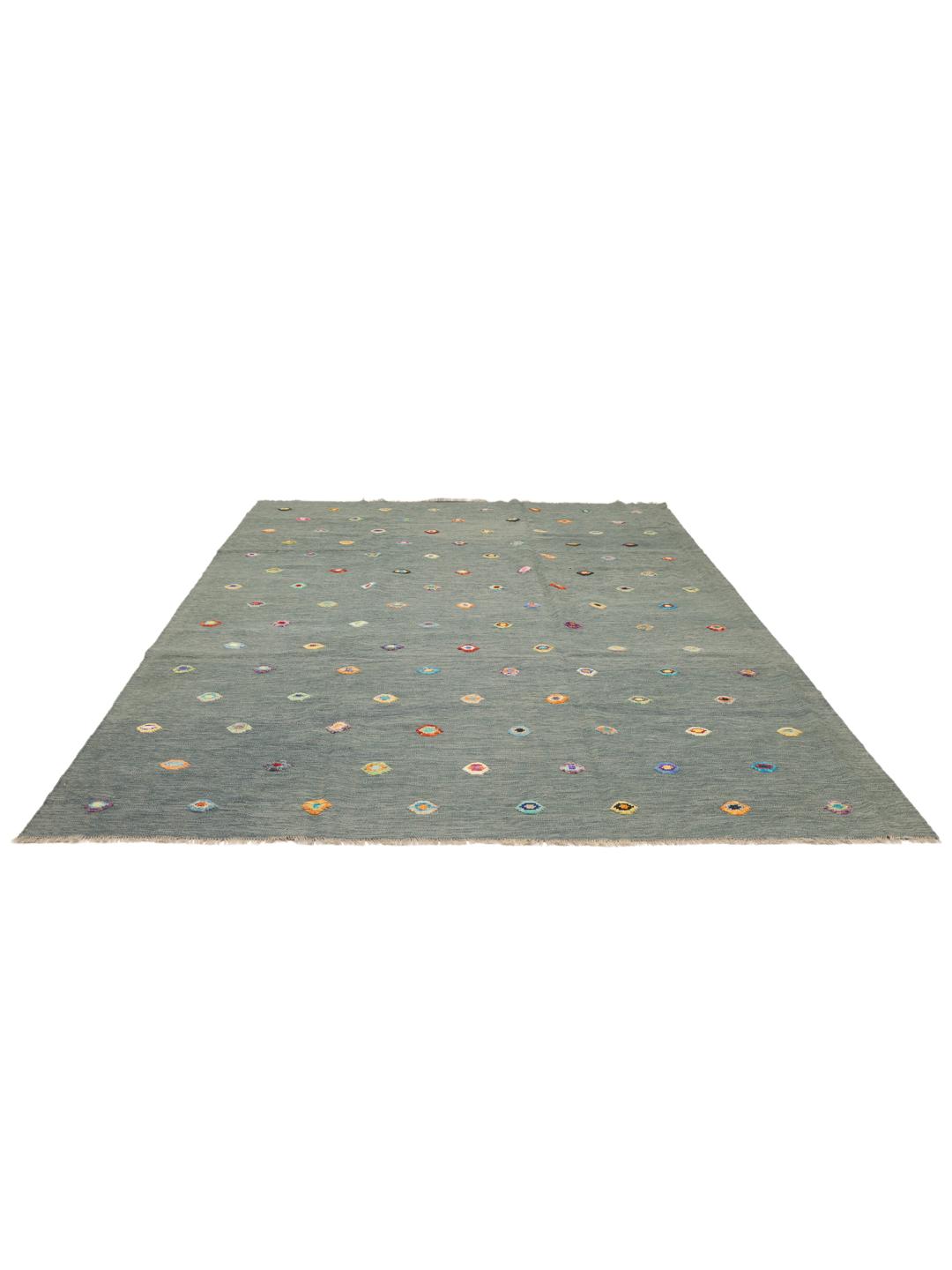
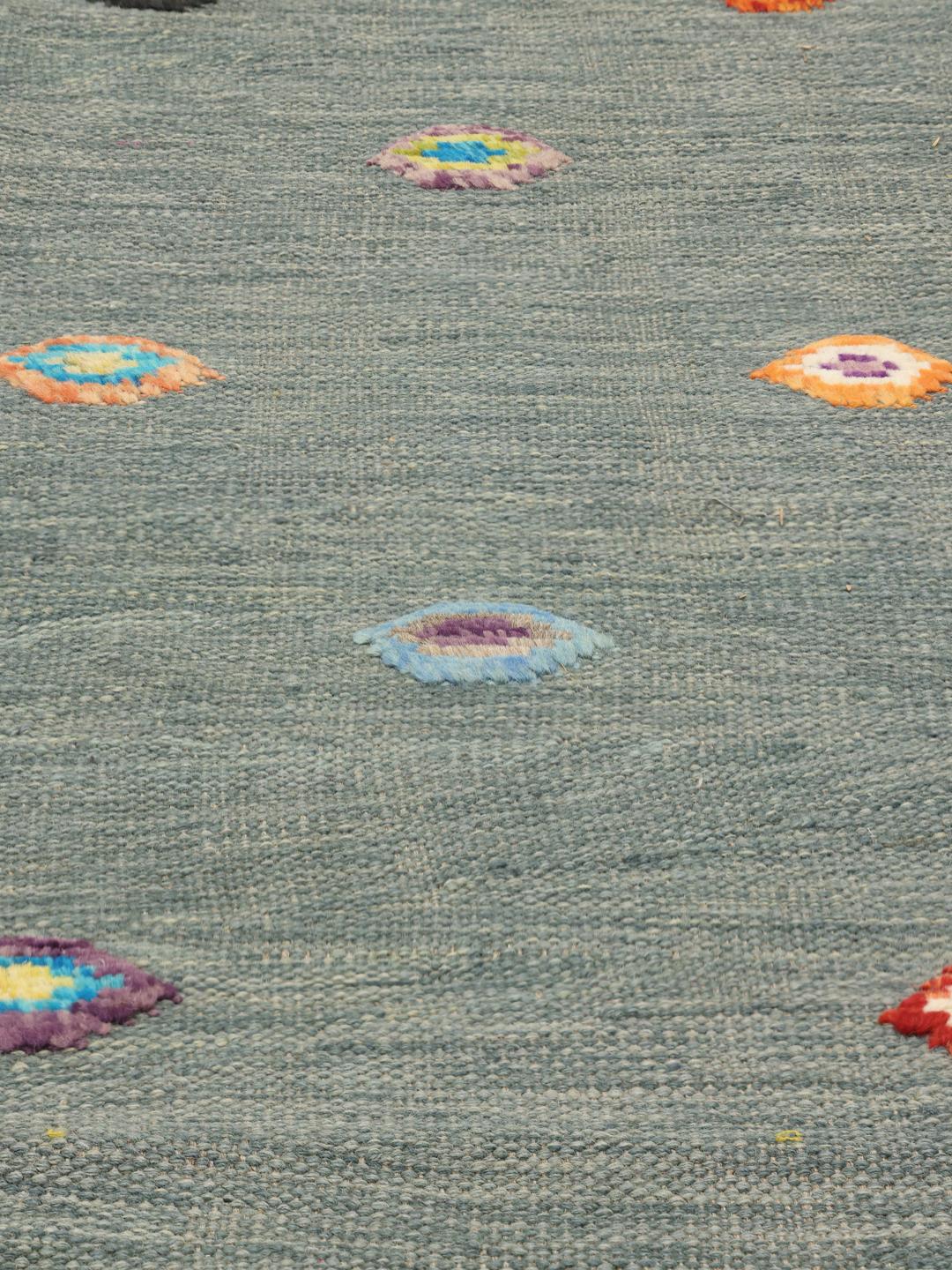
Visually, these rugs are often defined by their minimalist yet expressive fields. While traditional kilims are frequently associated with bold geometric or tribal patterns, the Nimbaft often leans into a more open, airy composition. The use of small, repetitive motifs on a solid or semi-solid background is a stylistic signature that allows the natural character of the Wool to take centre stage, occasionally punctuated by vibrant pops of colour that reflect the diverse dyes available to the weavers.
Collecting a Kelim Nimbaft is an investment in human skill and cultural continuity. Because these rugs are not mass-produced, they possess a soulfulness that factory-made floor coverings simply cannot replicate. Owning one means participating in a centuries-old tradition of artistic expression, where every thread tells a story of the weaver's environment, patience, and dedication to creating something that is as beautiful as it is useful.