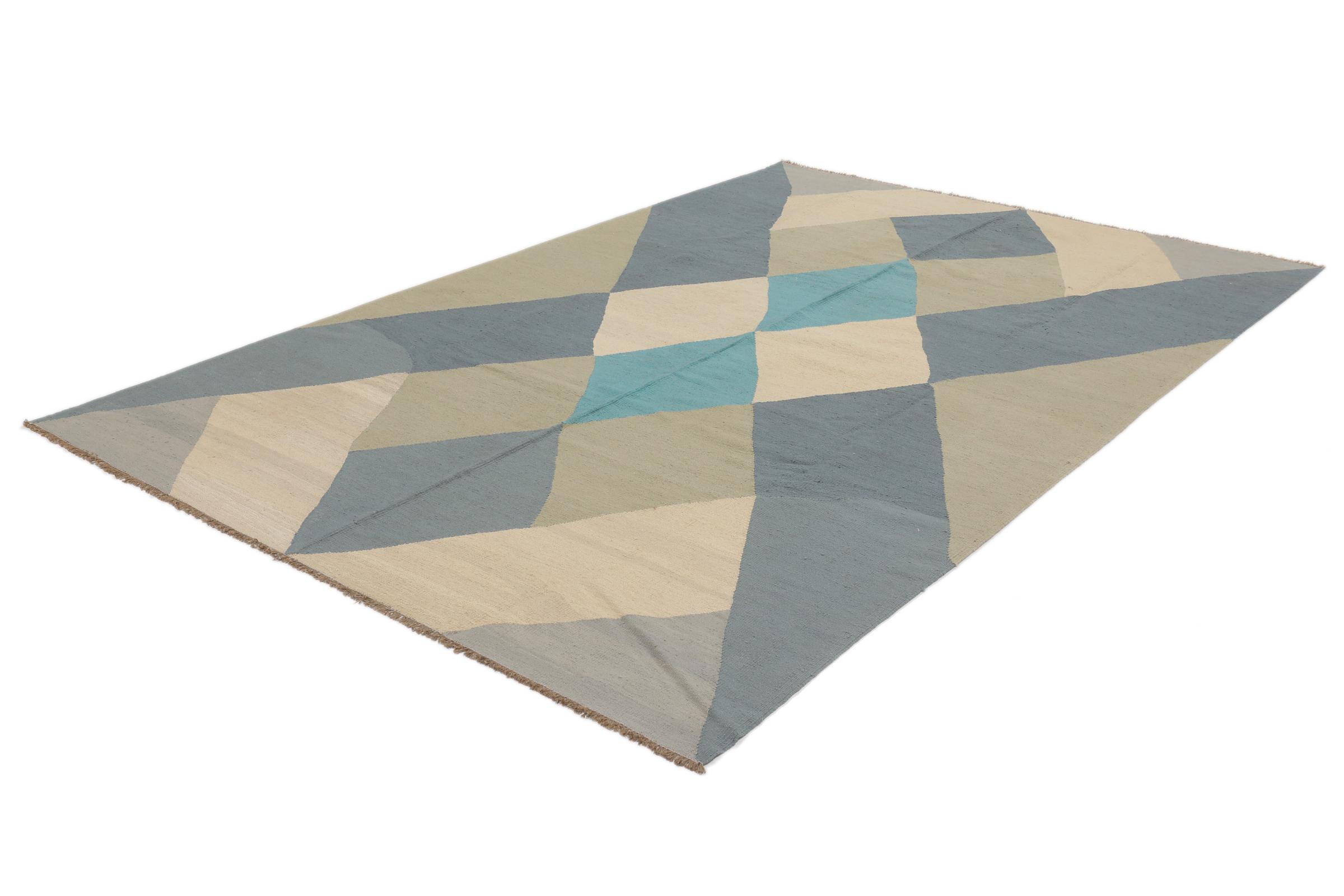
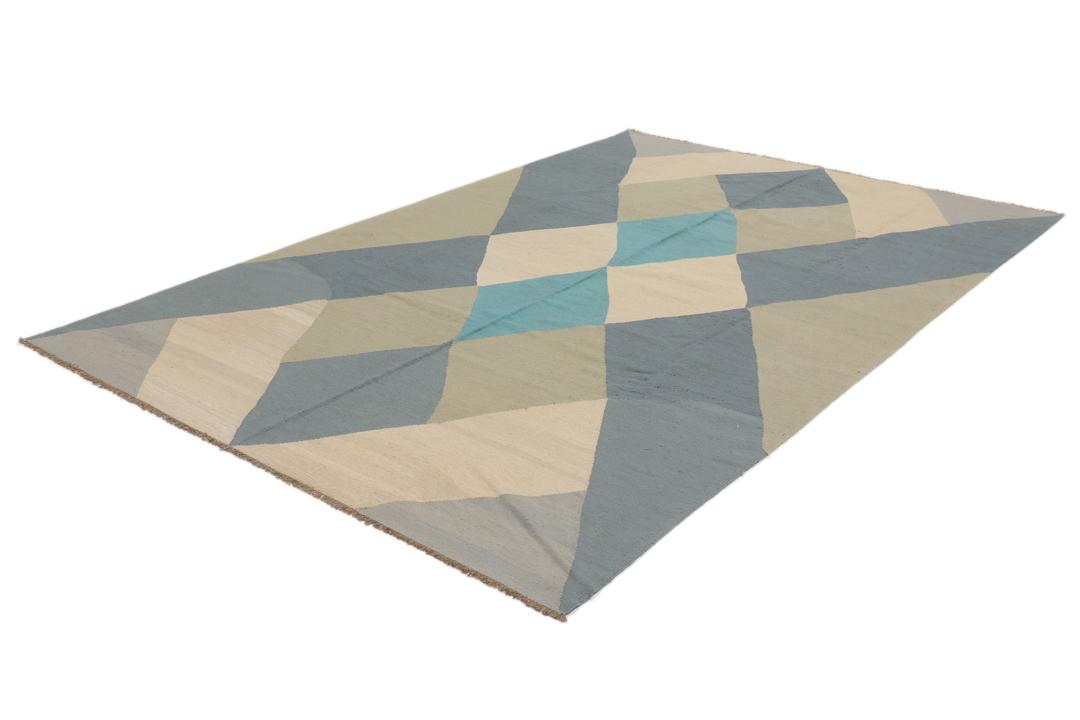
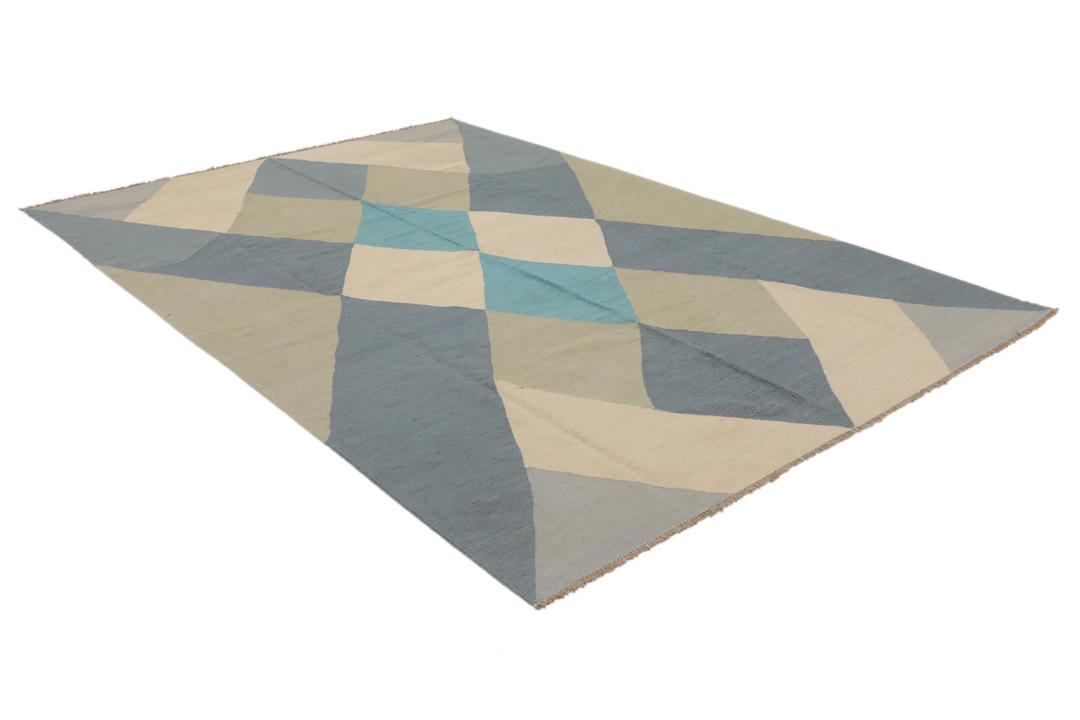
Kilim rugs represent one of the most enduring and storied weaving traditions from the Middle East and Central Asia. Historically, these flat-woven textiles were created by nomadic tribes for practical purposes, serving as floor coverings, tent partitions, and storage bags. The transition from these utilitarian roots to modern interior design has allowed these rugs to retain their cultural soul while adapting to contemporary tastes.
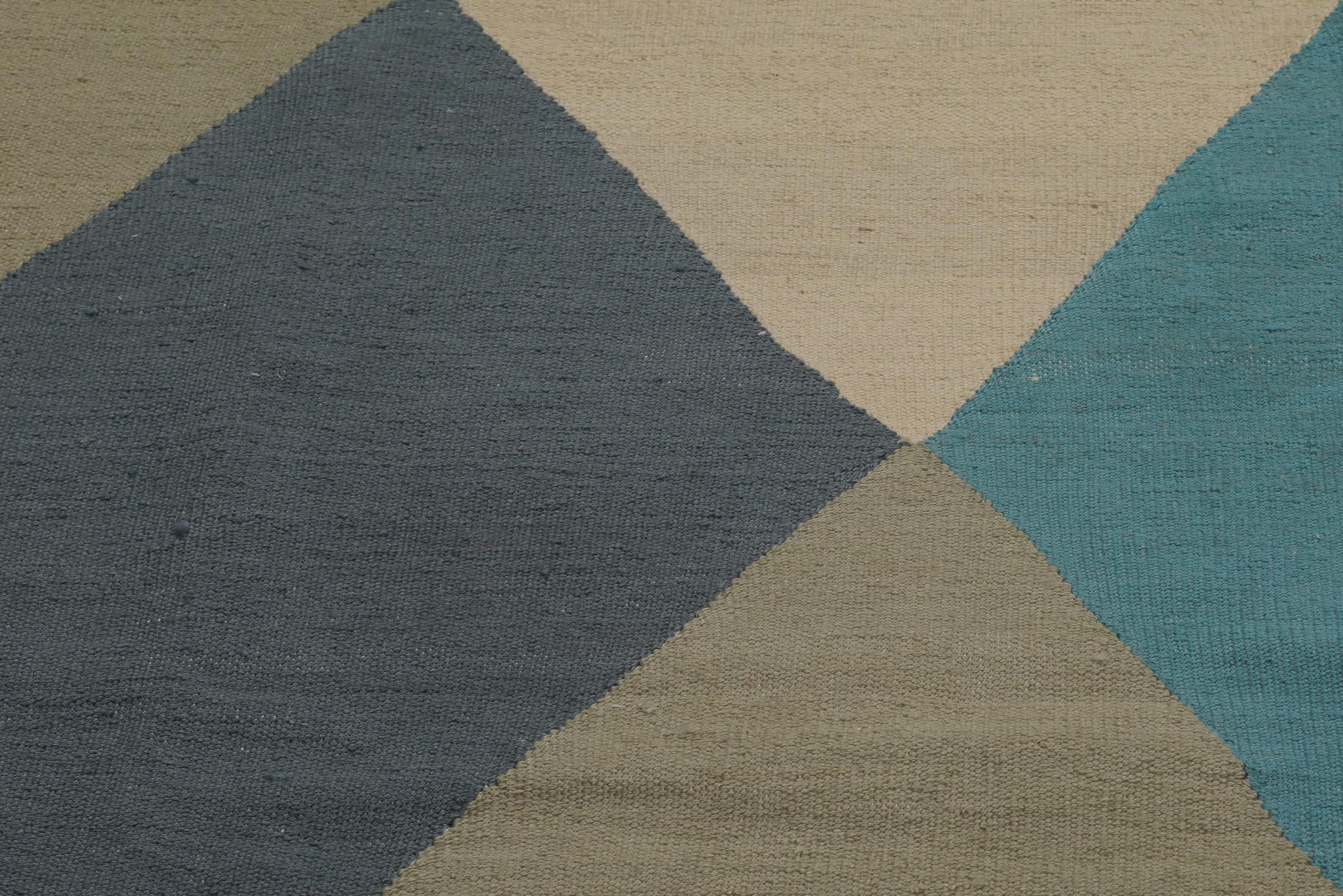
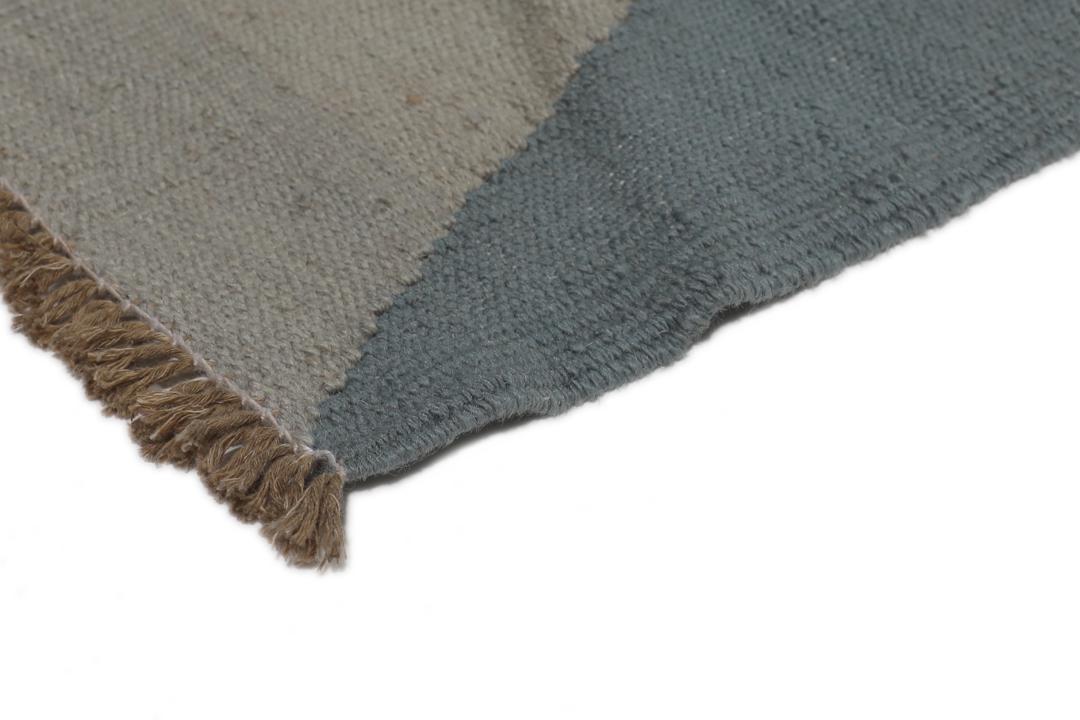
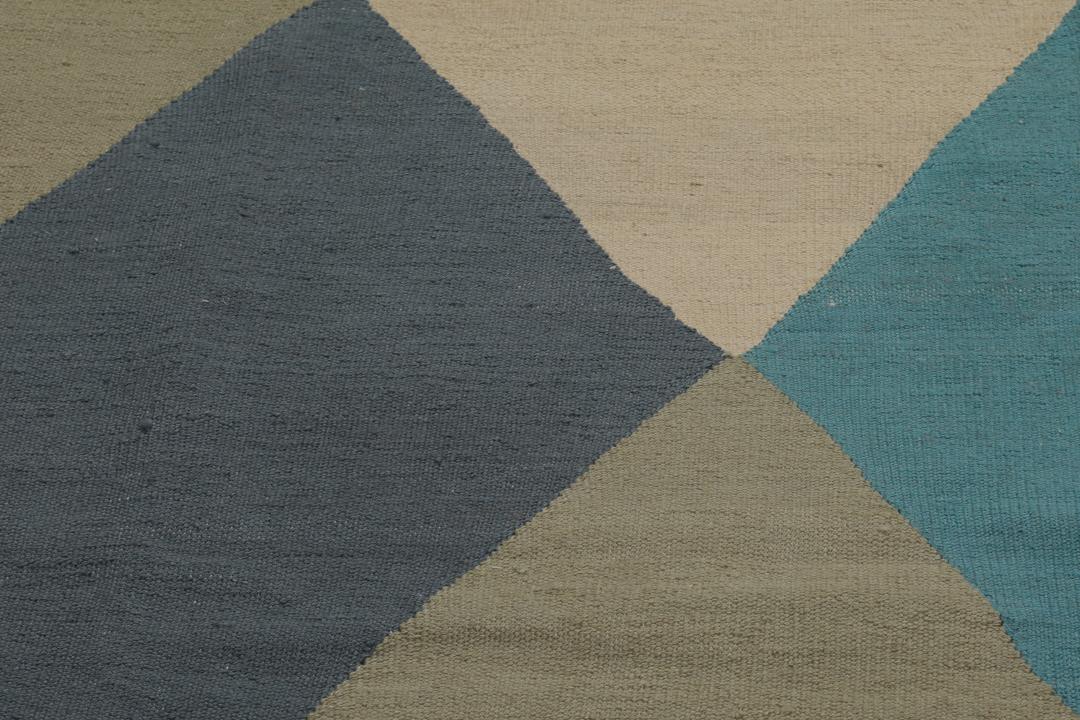
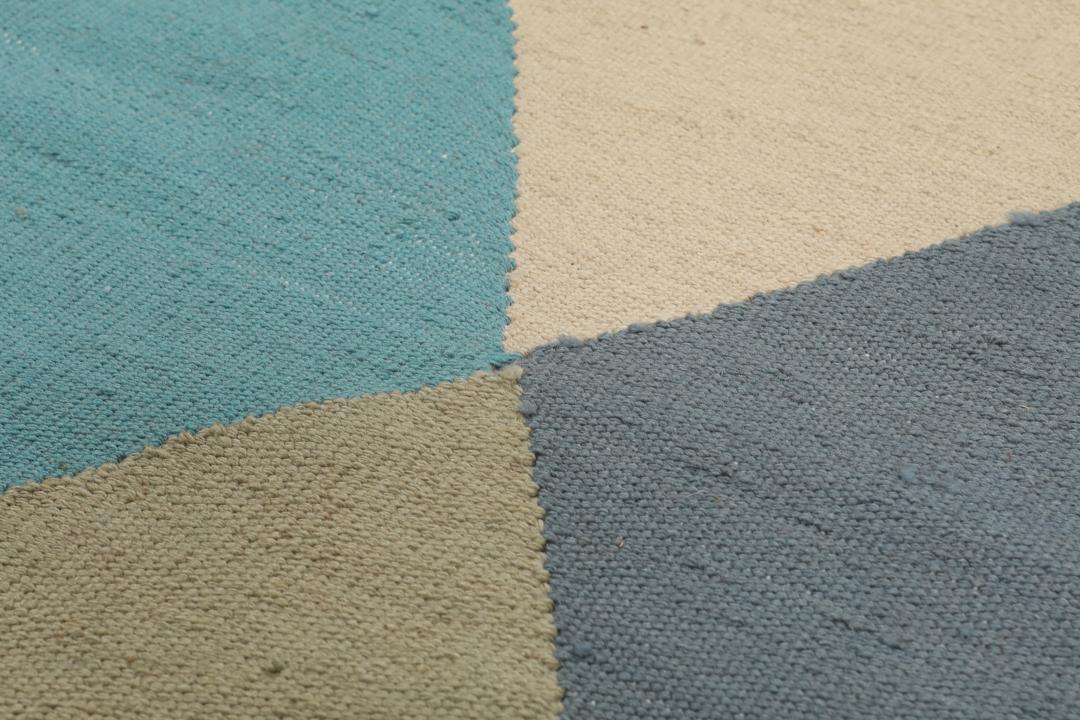
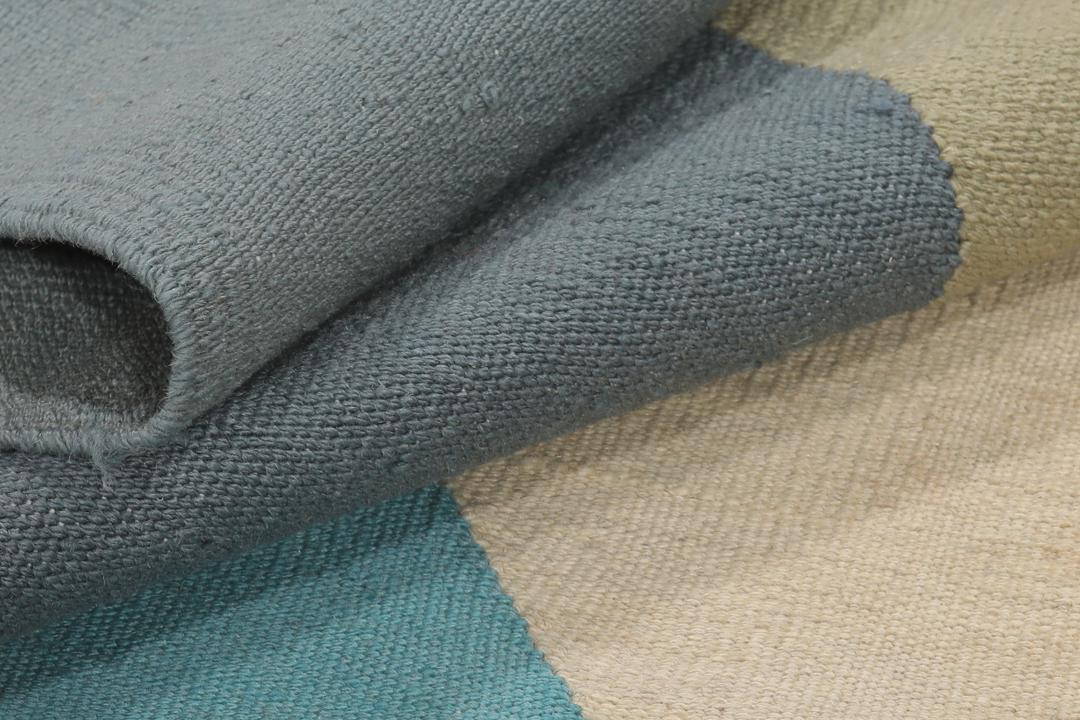
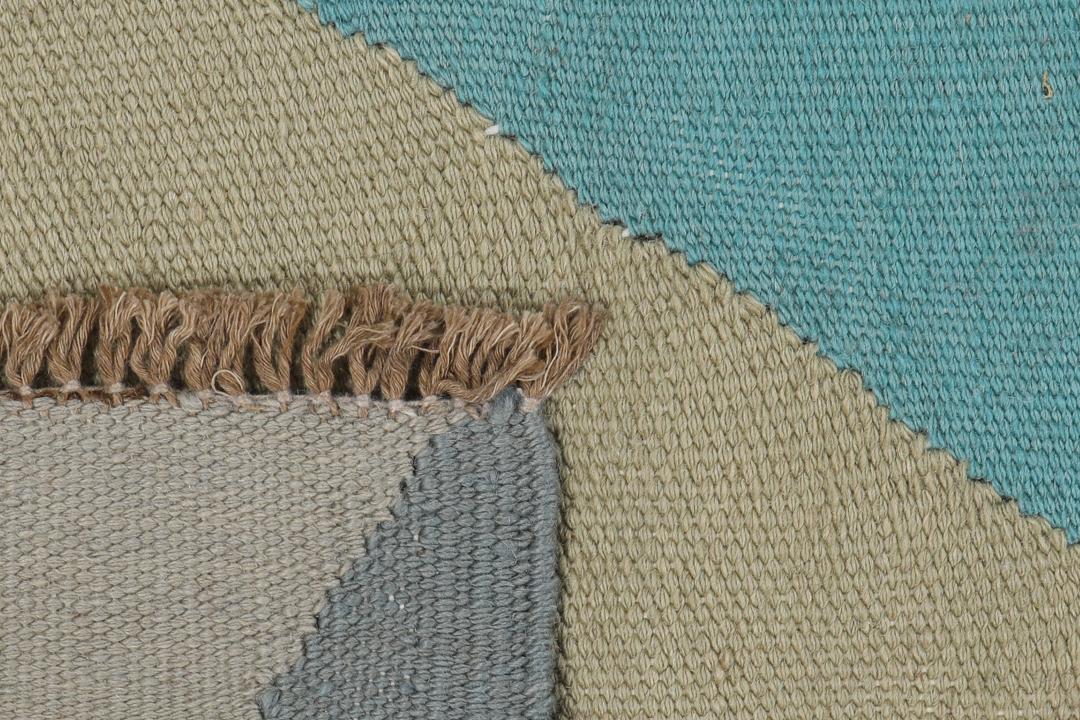
The term 'Kilim' refers to the specific slit-weave technique used to create the design. Unlike pile rugs, these are created by tightly interlocking the weft threads, which allows for the creation of sharp, geometric patterns without the need for additional embroidery. This technique is essential for achieving the crisp, clean lines seen in modern geometric designs.
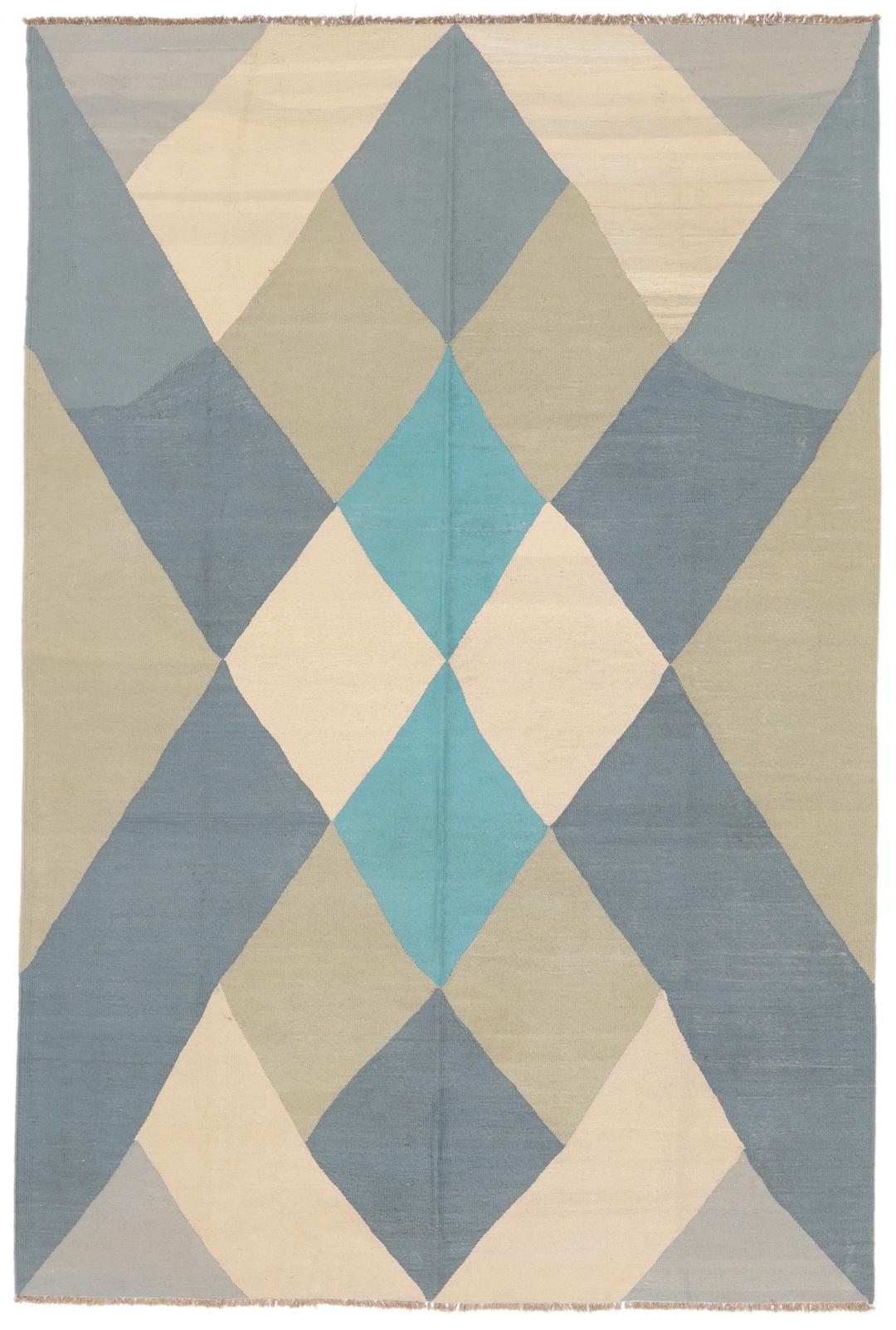
The signature design elements of these rugs are rooted in their ancestral geometry. The diamond motifs and angular shapes are not merely decorative but often carry symbolic meanings related to protection and tribal identity. In this modern interpretation, these motifs are scaled and coloured to suit current aesthetics, proving how versatile this traditional visual language truly is.
Owning a hand-woven rug from this region connects you to a long lineage of artisans who have passed down their expertise through generations. These pieces are highly valued by collectors for their authenticity and the human effort required to create them. By acquiring this piece, you are not just purchasing a floor covering, but a durable, cultural artifact that brings a sense of history to your home.