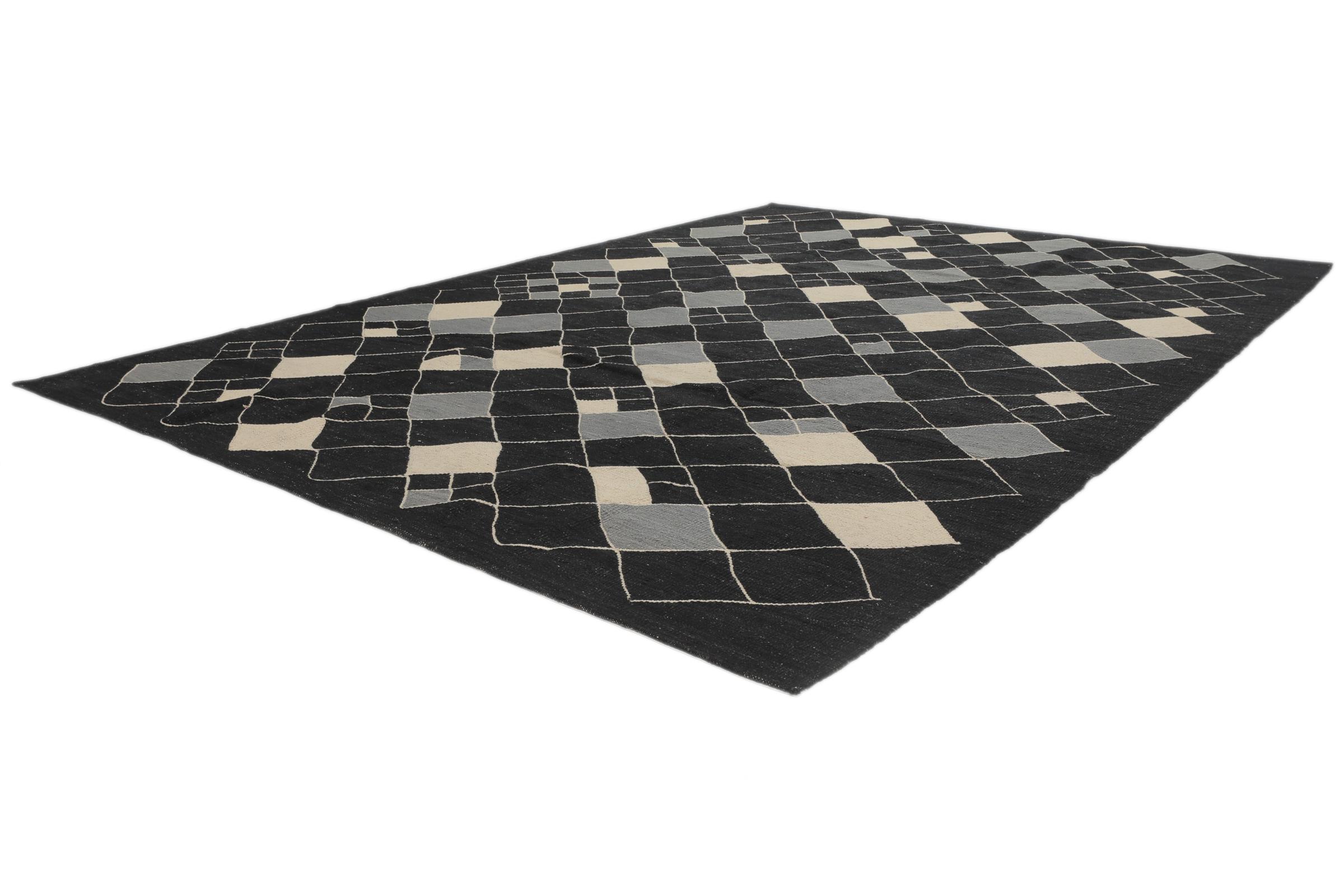
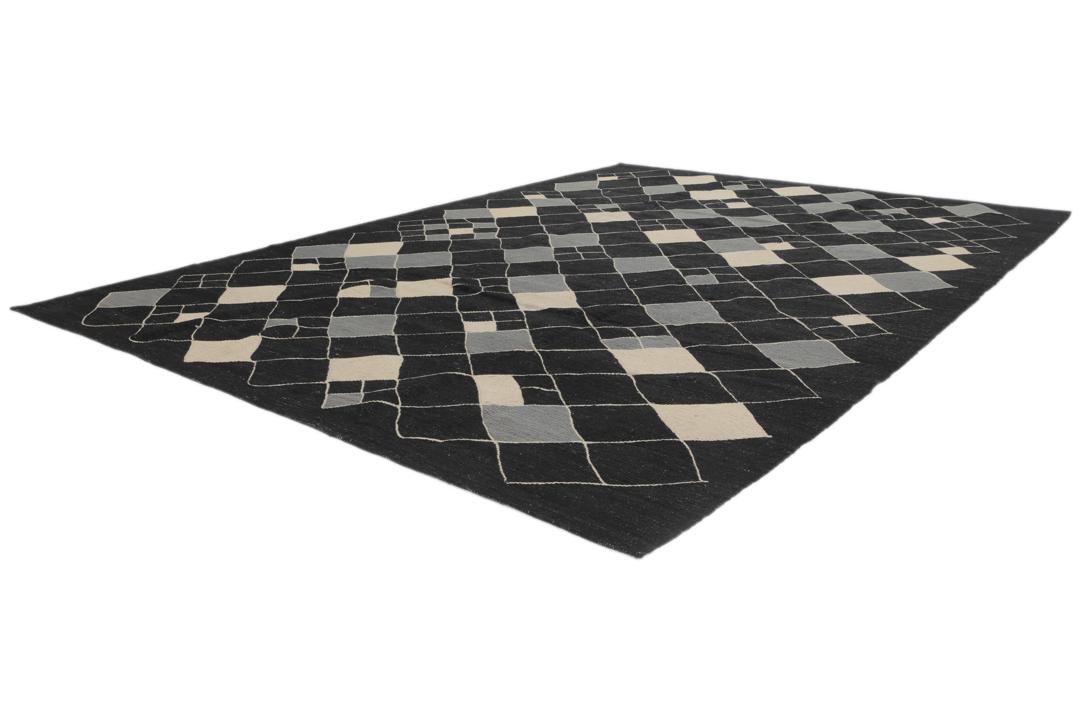
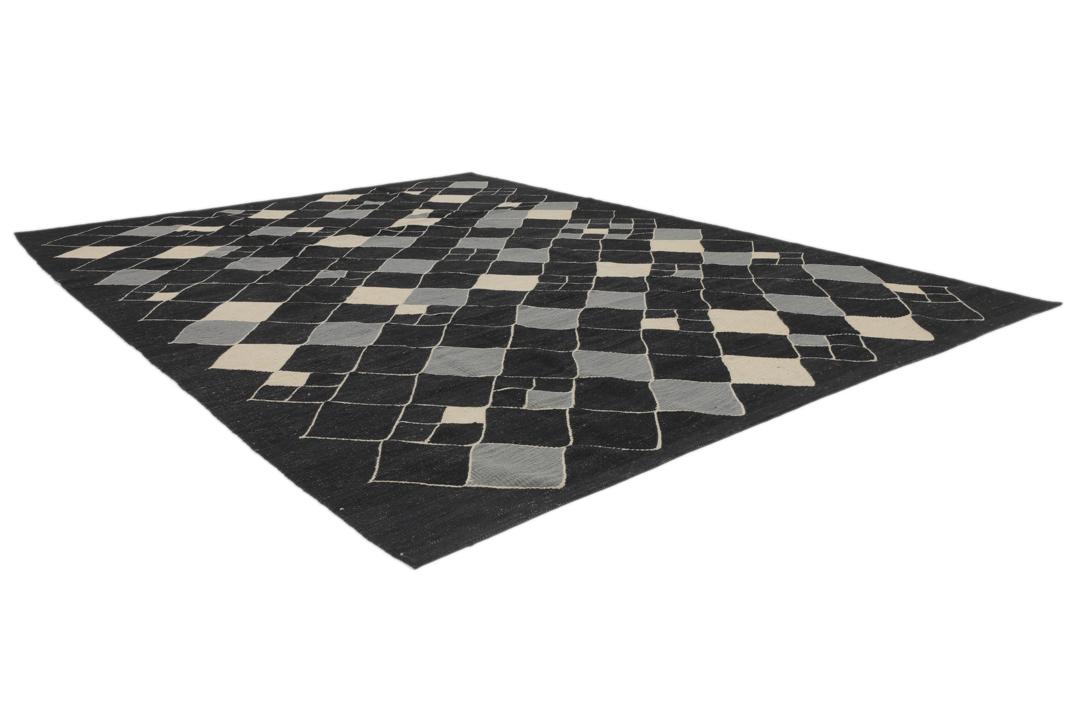
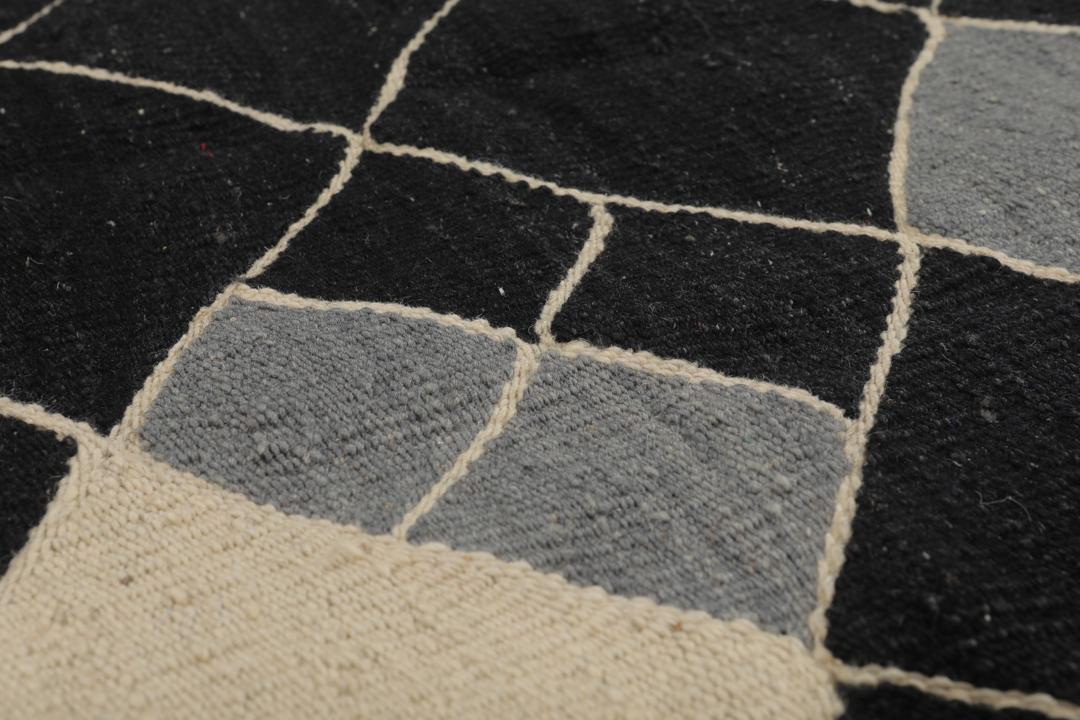
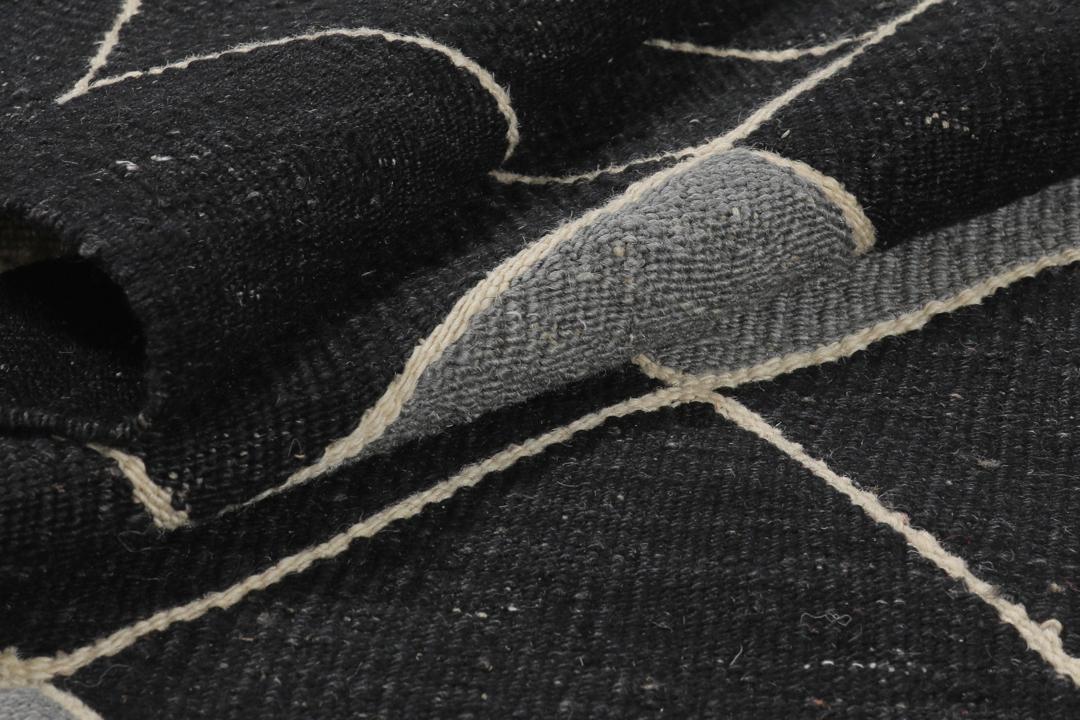
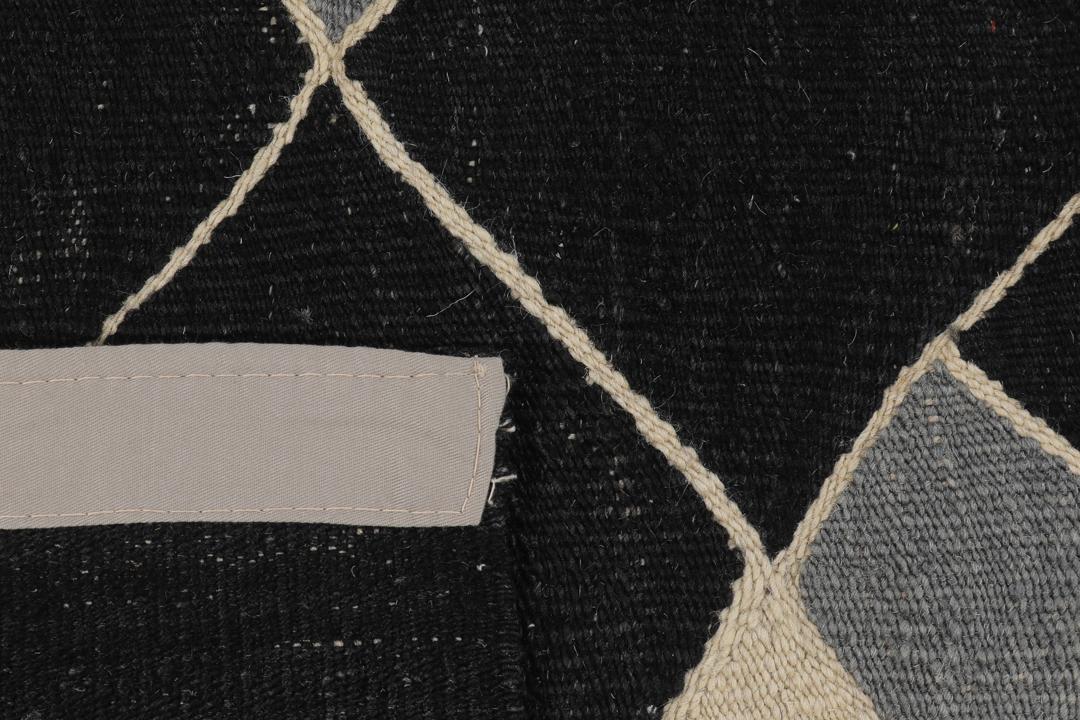
Kilim rugs are a foundational element of Middle Eastern textile history, celebrated for their flat-woven technique that distinguishes them from knotted pile rugs. Historically, these pieces were essential to the nomadic lifestyle, serving as versatile floor coverings, blankets, and storage bags. The transition of the kilim from a purely functional nomadic object to a highly sought-after design element reflects the enduring appeal of its minimalist, geometric visual language.
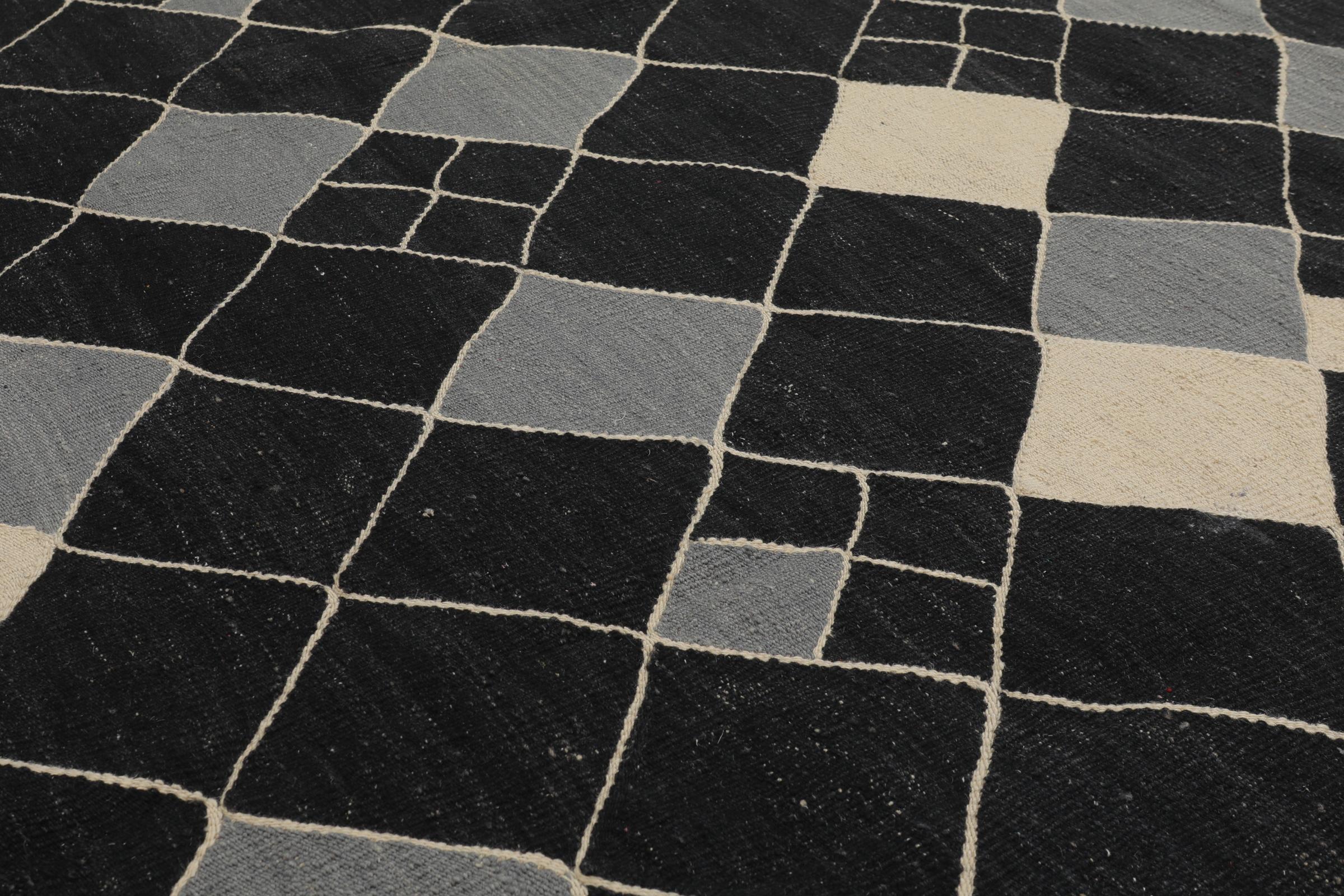
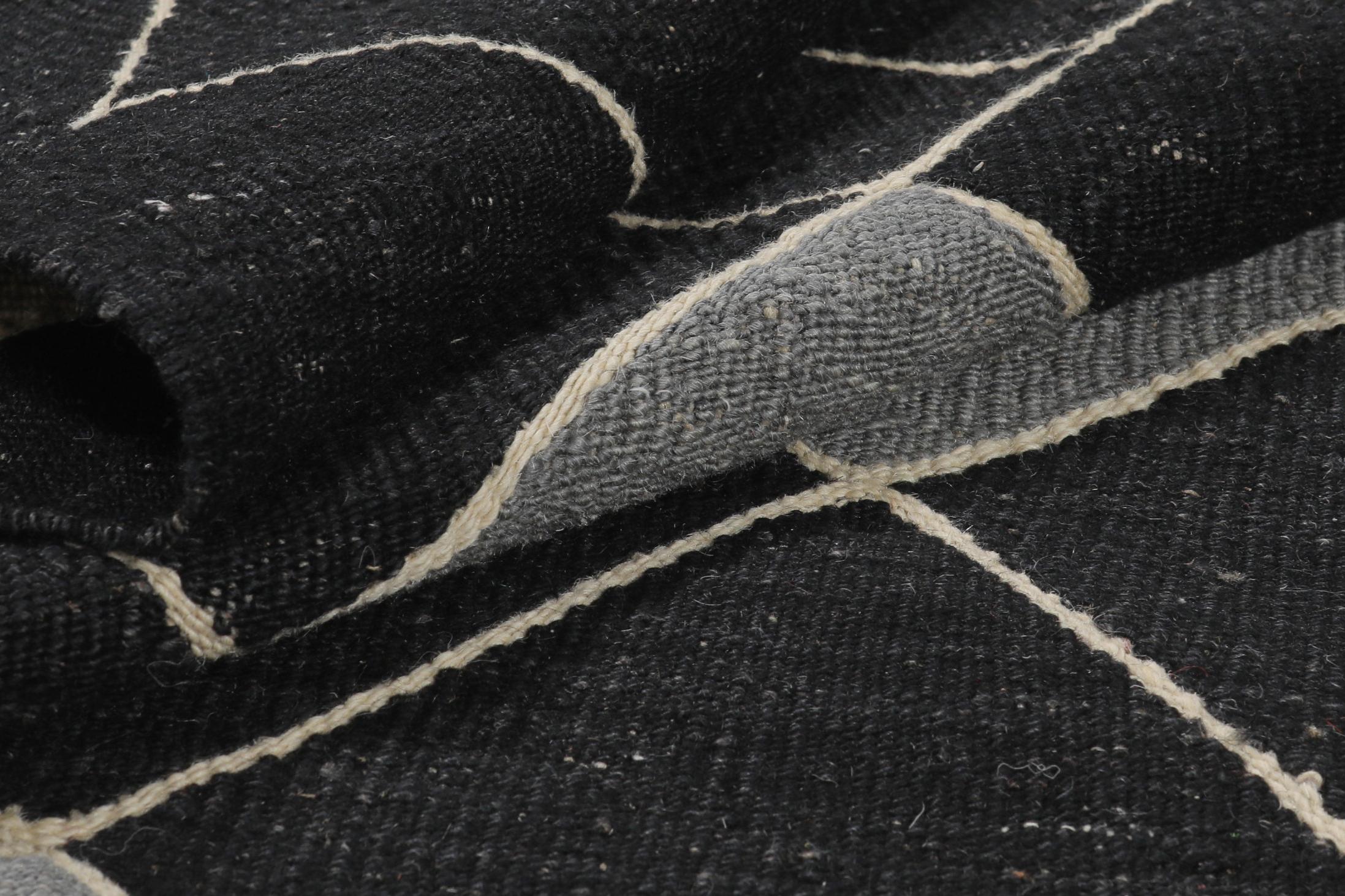
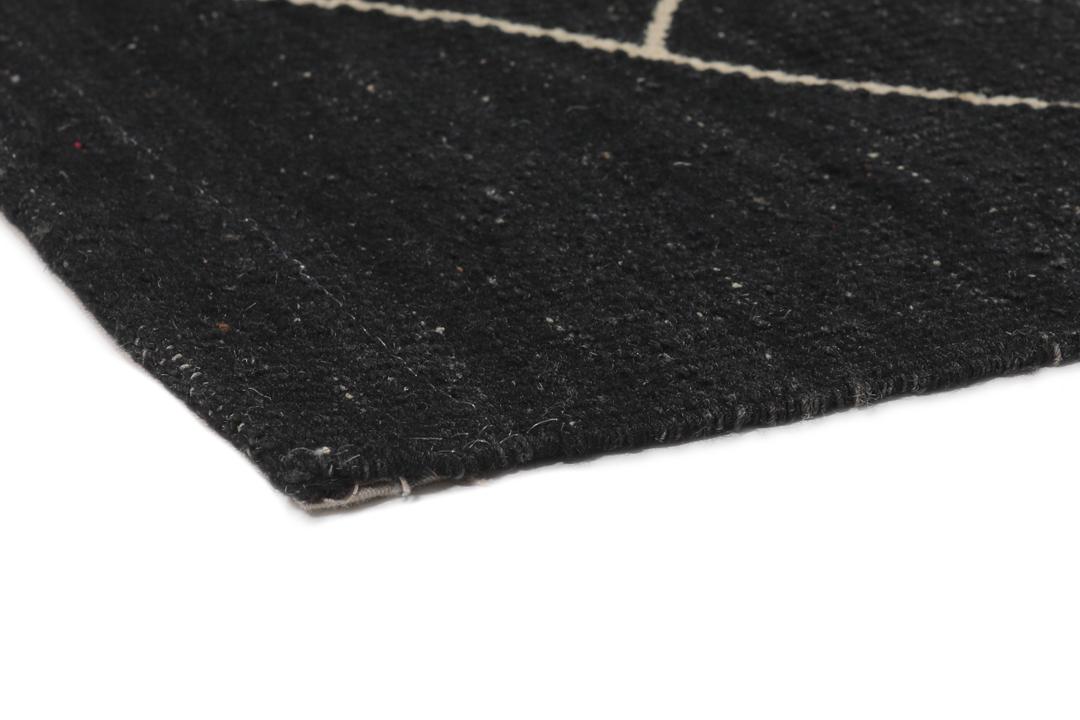
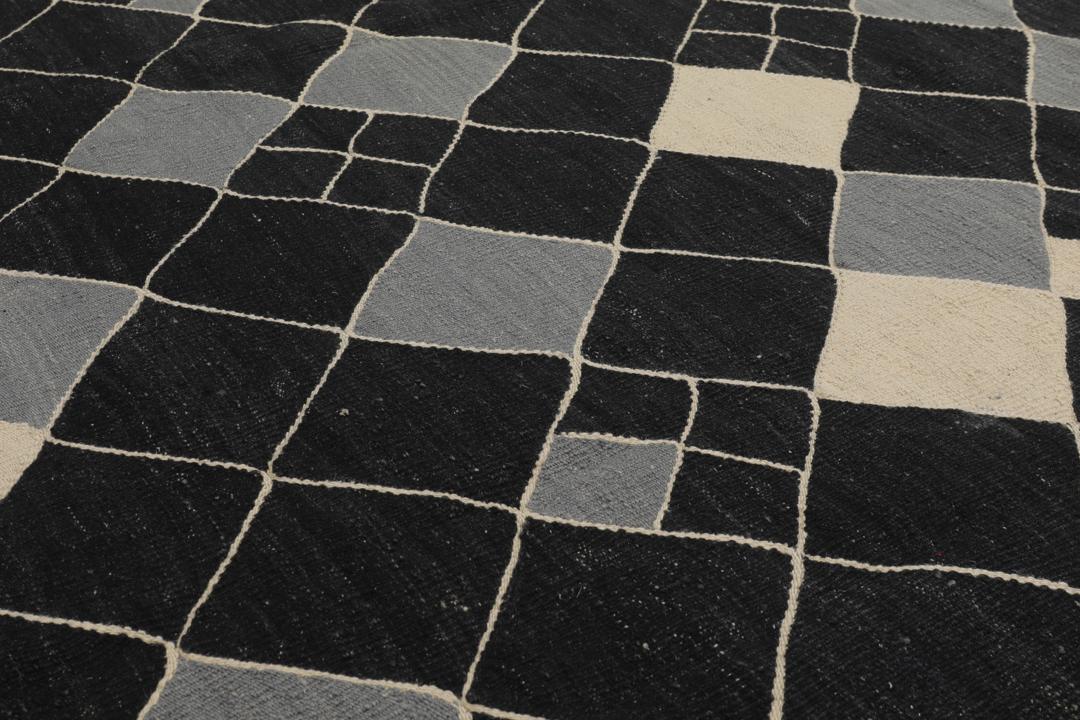
The term 'kilim' specifically refers to the slit-weave technique, where the weft threads are woven back and forth around the warp to create the pattern. This method allows for sharp, clean lines and intricate geometric motifs that are integral to the aesthetic. Because there is no pile to hide the structure, the quality of the wool and the tightness of the weave are paramount, directly influencing the rug's longevity and its ability to lay flat.
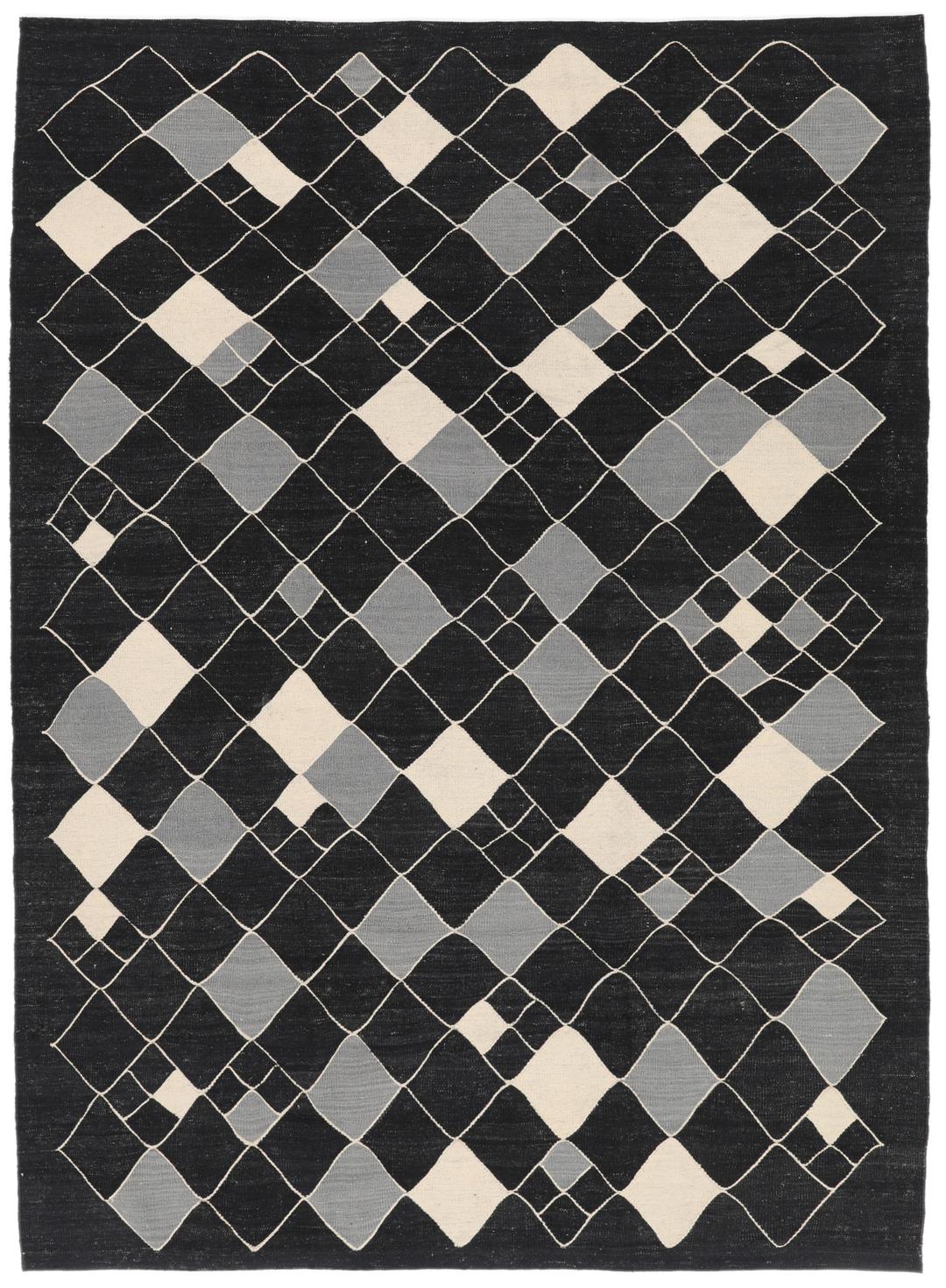
Signature design elements of these rugs often include bold, repeating geometric shapes such as diamonds, triangles, and stripes. These motifs are not merely decorative but are deeply rooted in cultural symbolism, often representing protection, prosperity, or the natural landscape. In this modern interpretation, the traditional motifs are reimagined with a contemporary colour palette, making them perfectly suited for modern homes while maintaining a connection to ancestral design principles.
Collecting a hand-woven kilim is an investment in cultural heritage and human skill. These rugs represent a bridge between ancient traditions and current living, offering a way to incorporate history into a modern context. By choosing a piece from Afghanistan, you are supporting a craft tradition that remains one of the most honest expressions of human creativity, where every thread tells a story of patience, tradition, and the pursuit of functional beauty.