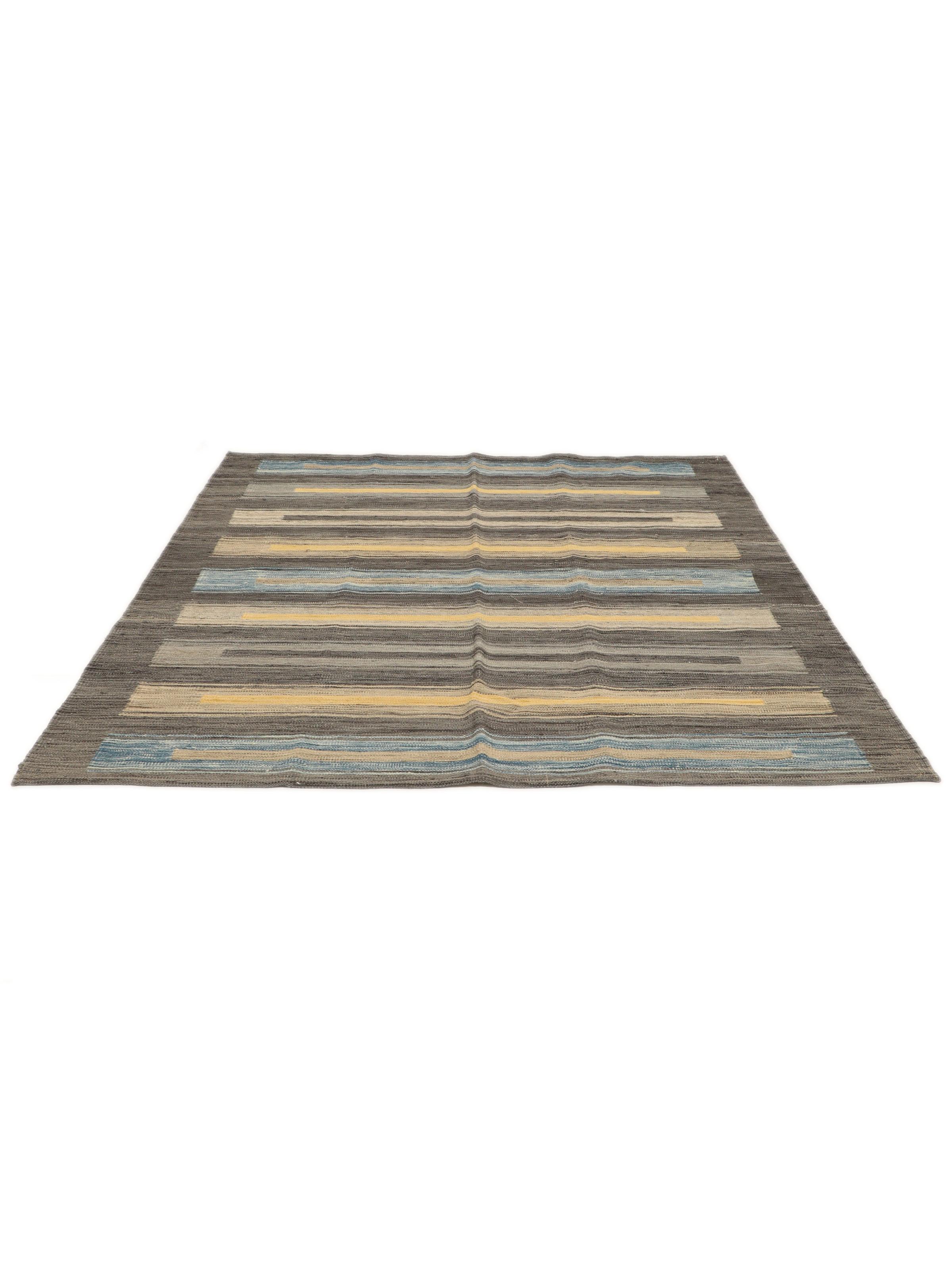
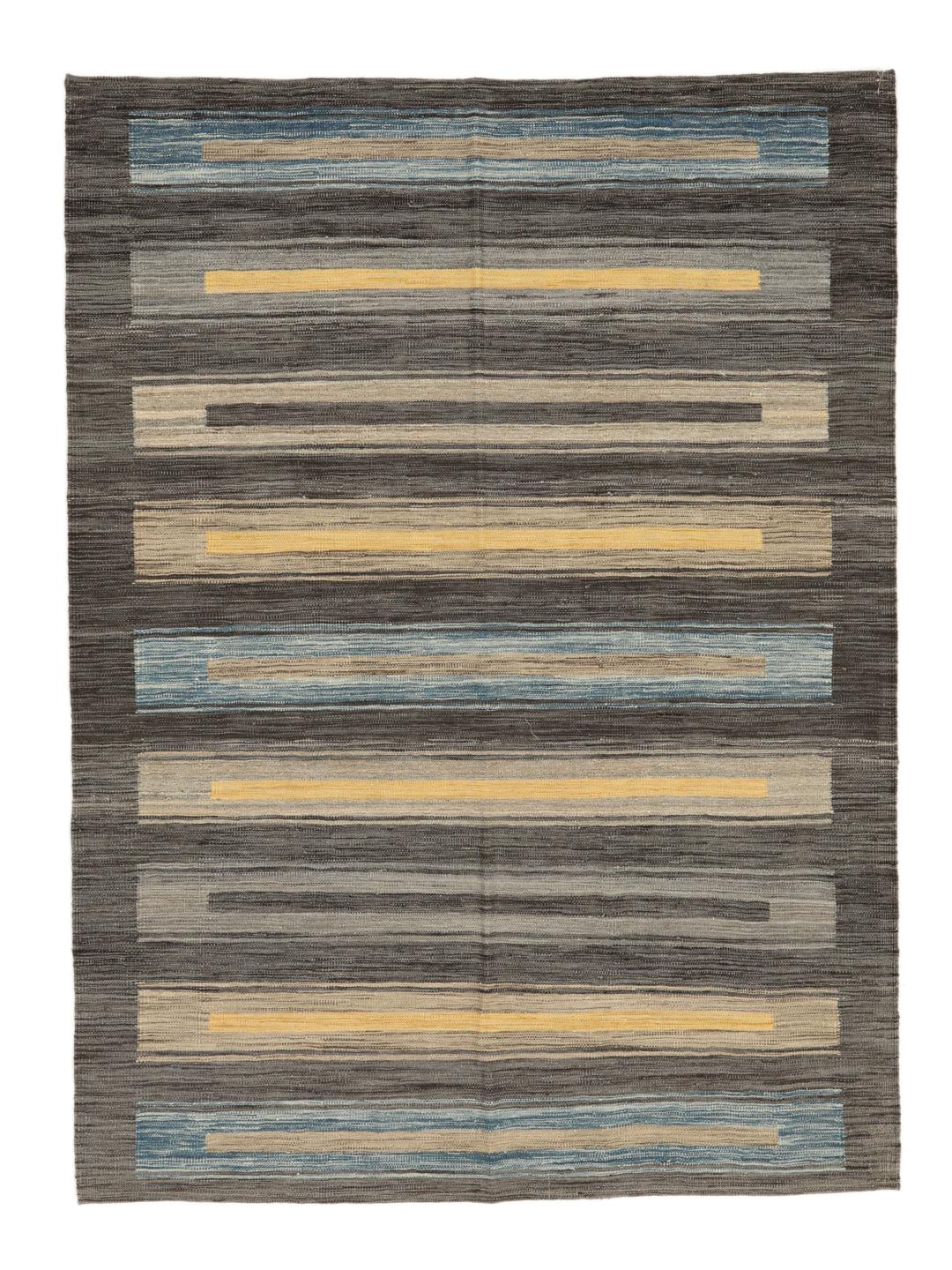
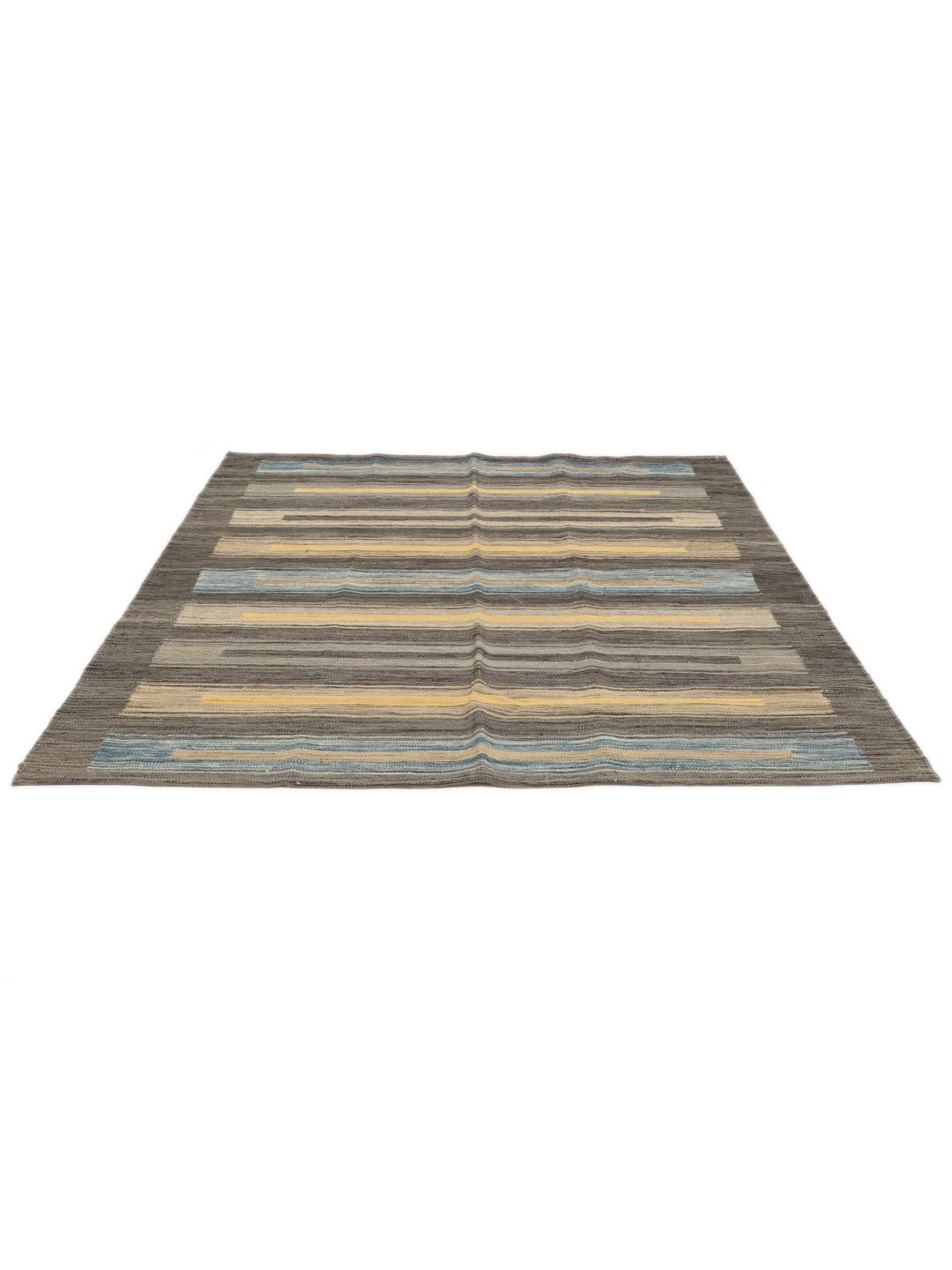
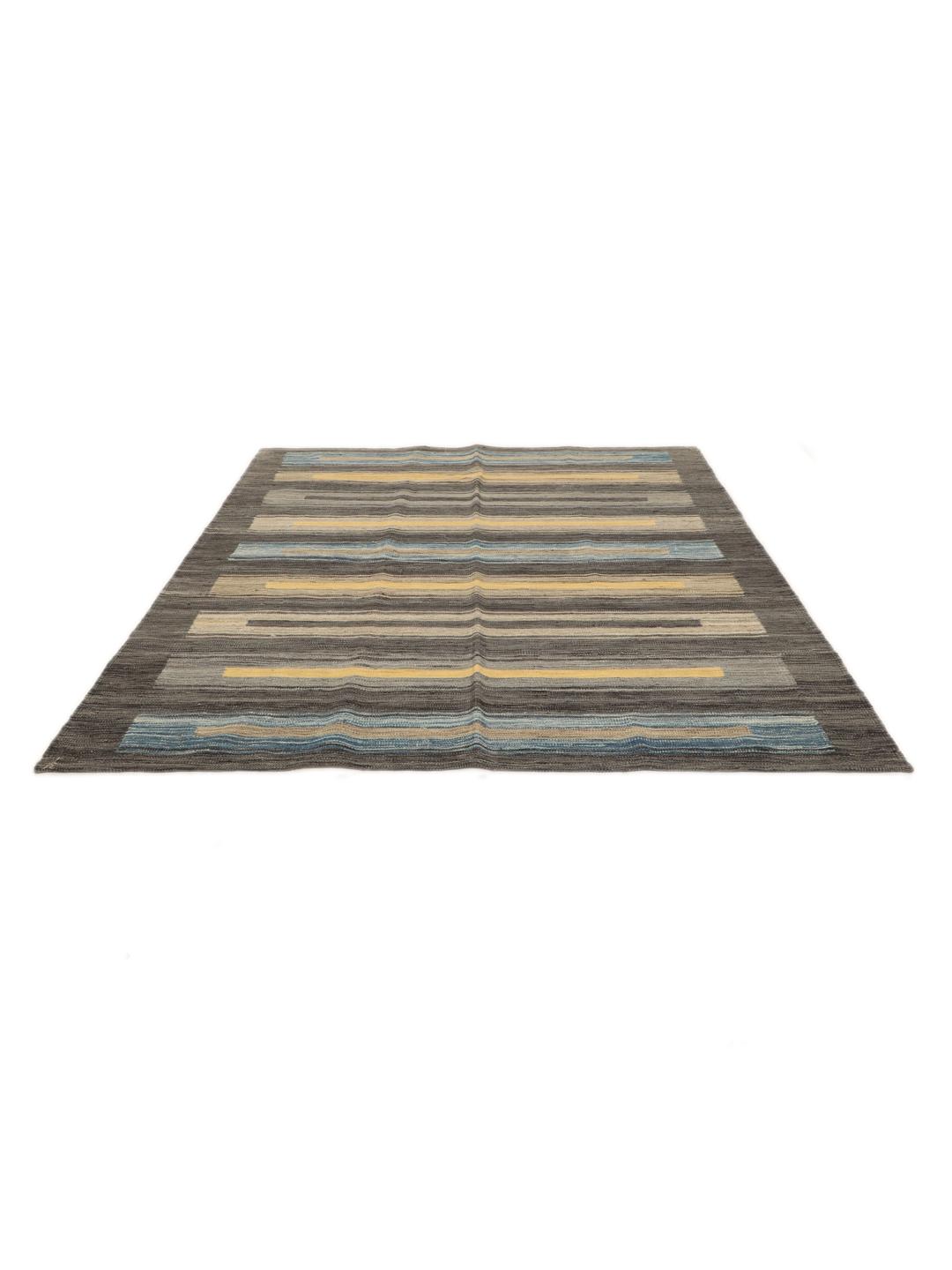
Kilim rugs represent one of the most enduring weaving traditions in the Middle East and Central Asia. Historically, these flat-woven textiles were crafted by nomadic tribes for practical use as floor coverings, wall hangings, and storage sacks. Their evolution into the modern home reflects a transition from essential utility to a celebrated form of interior design, bridging the gap between tribal roots and contemporary aesthetics.
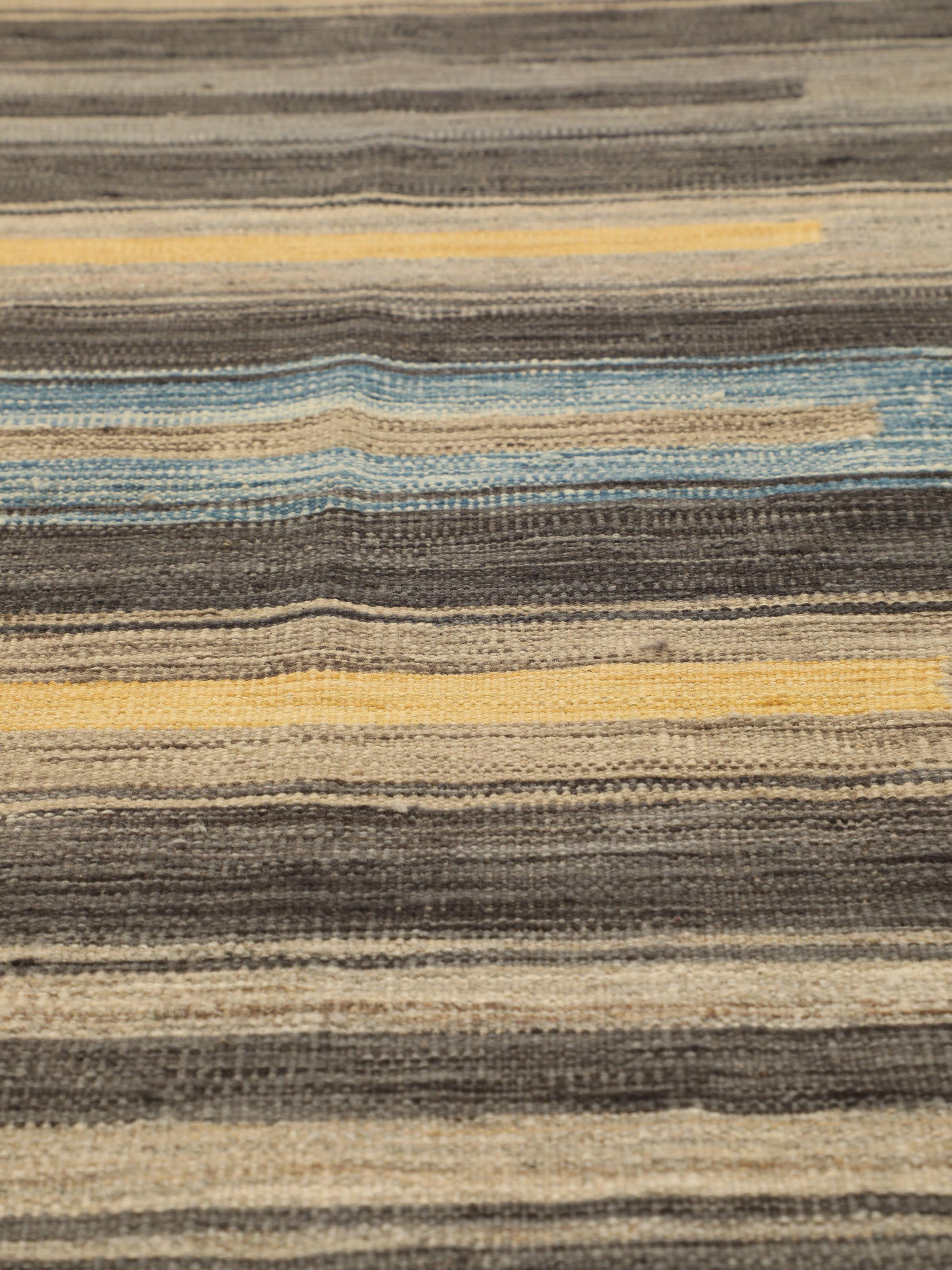
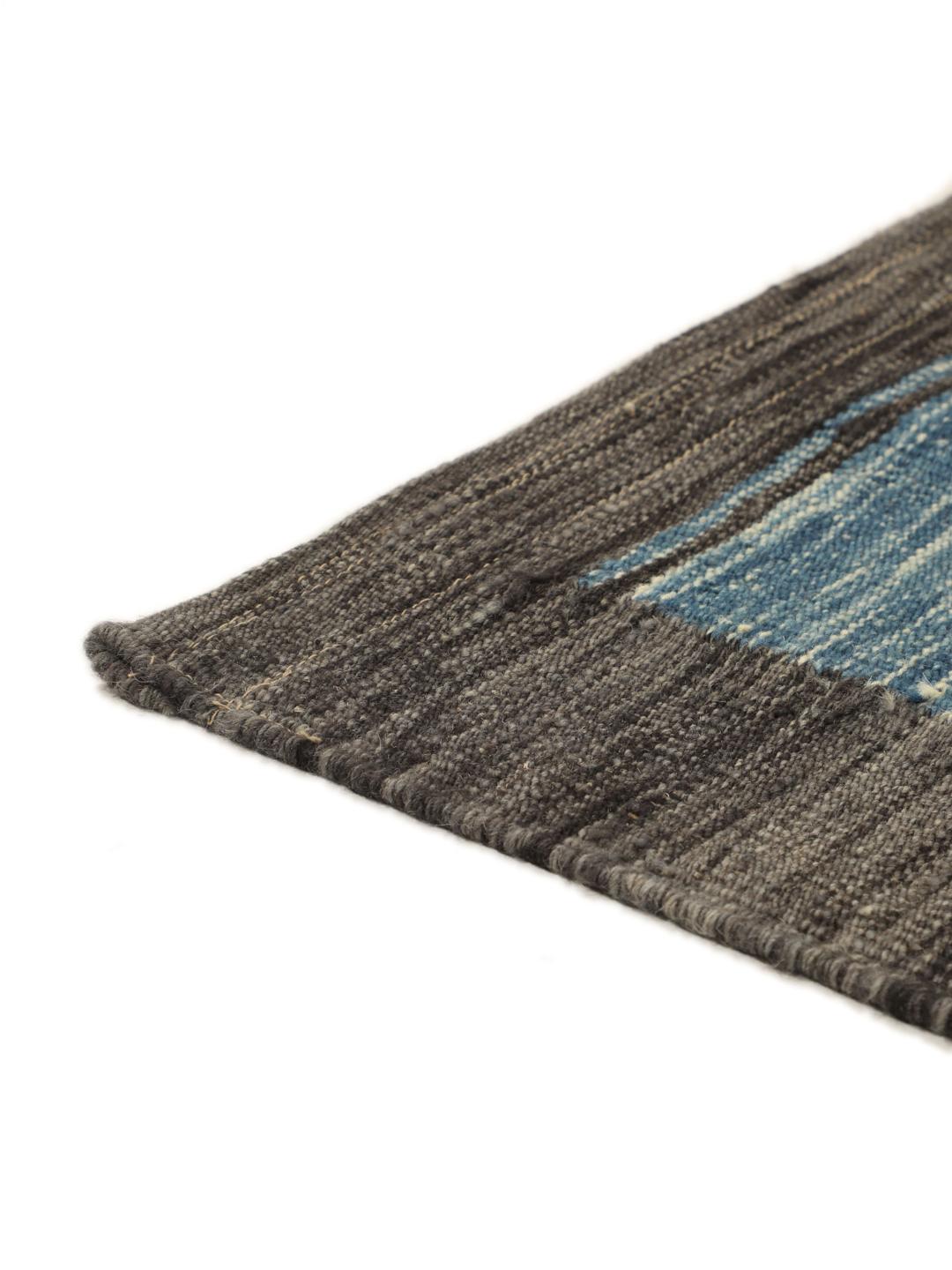
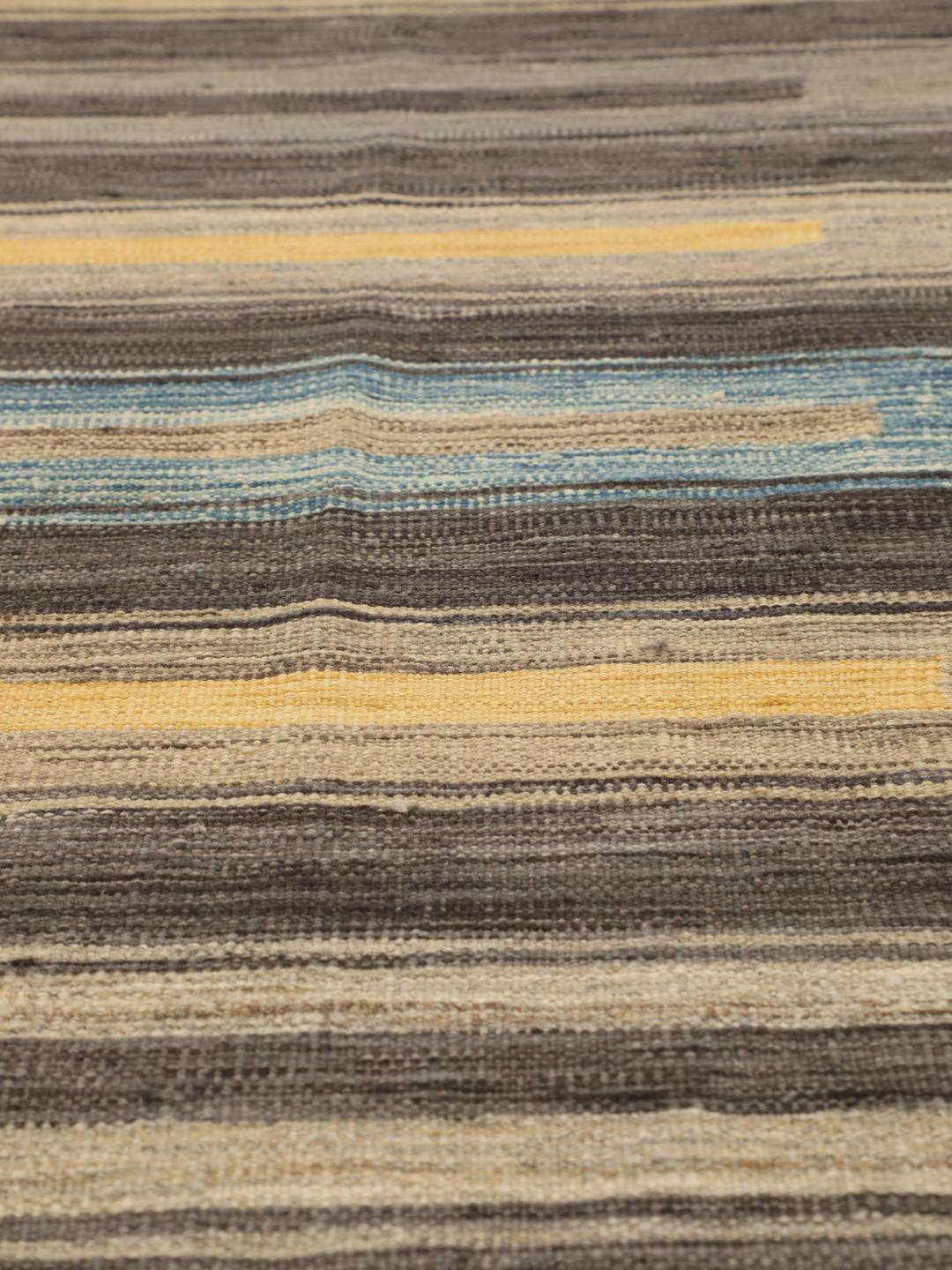
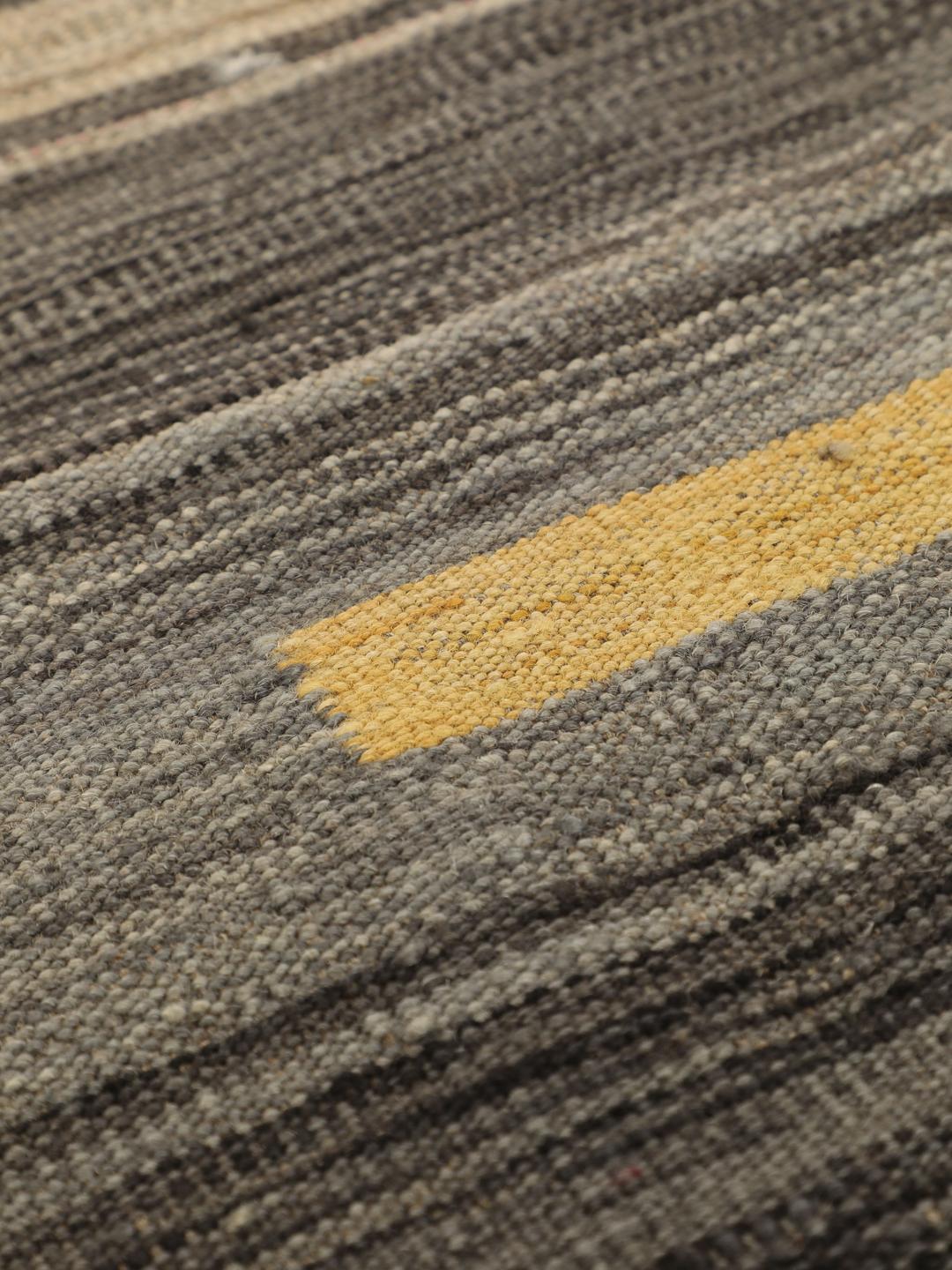
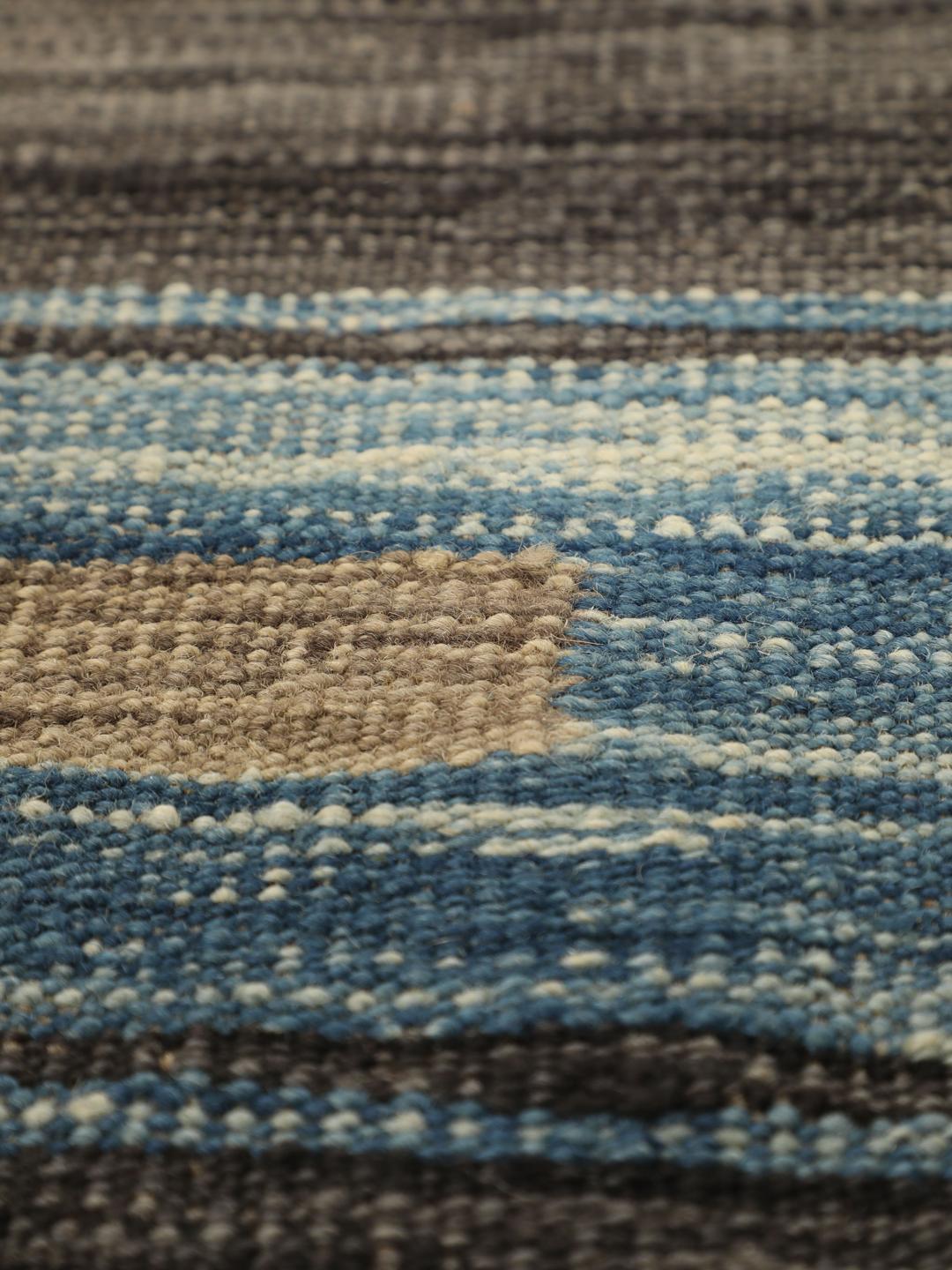
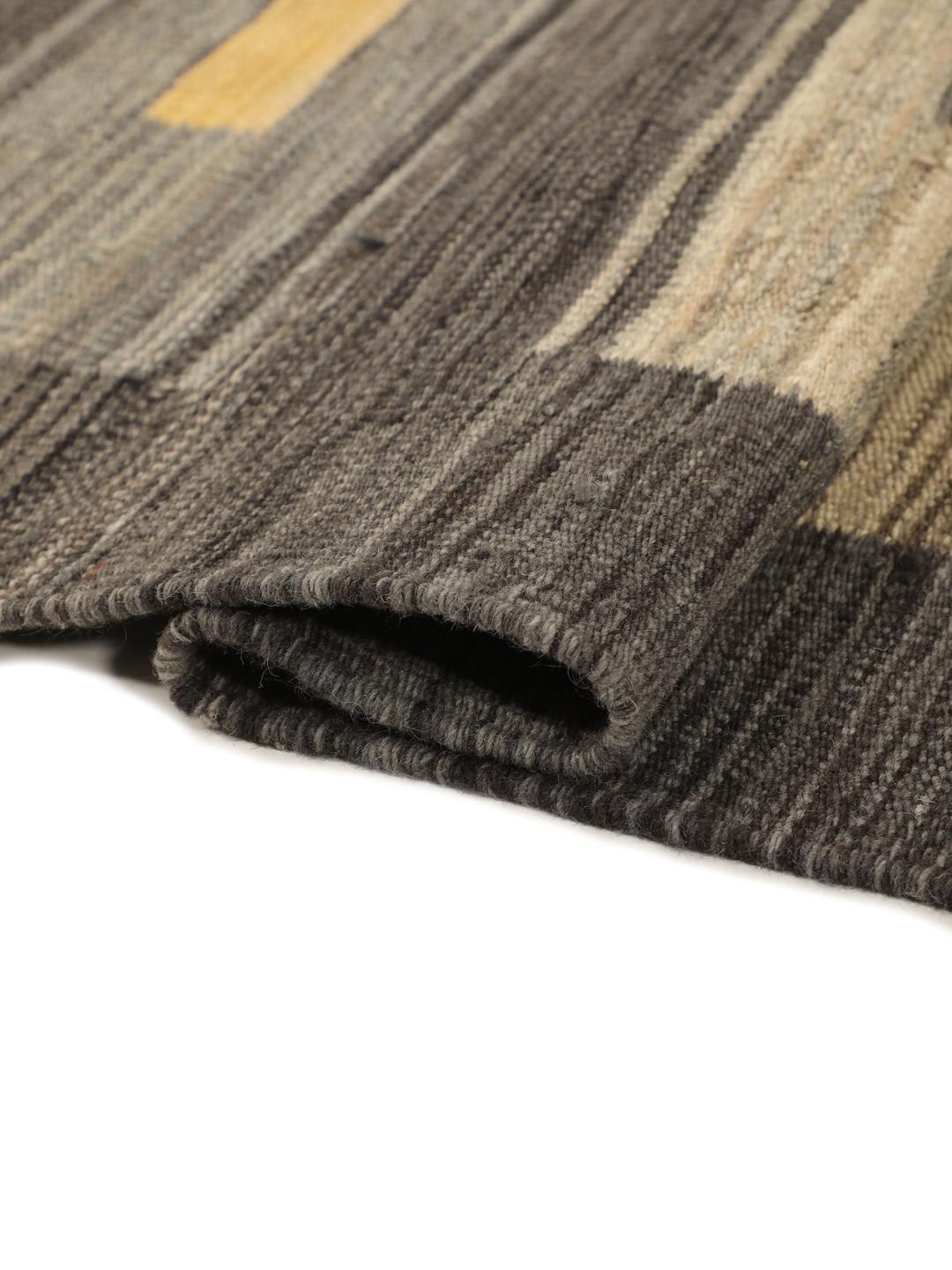
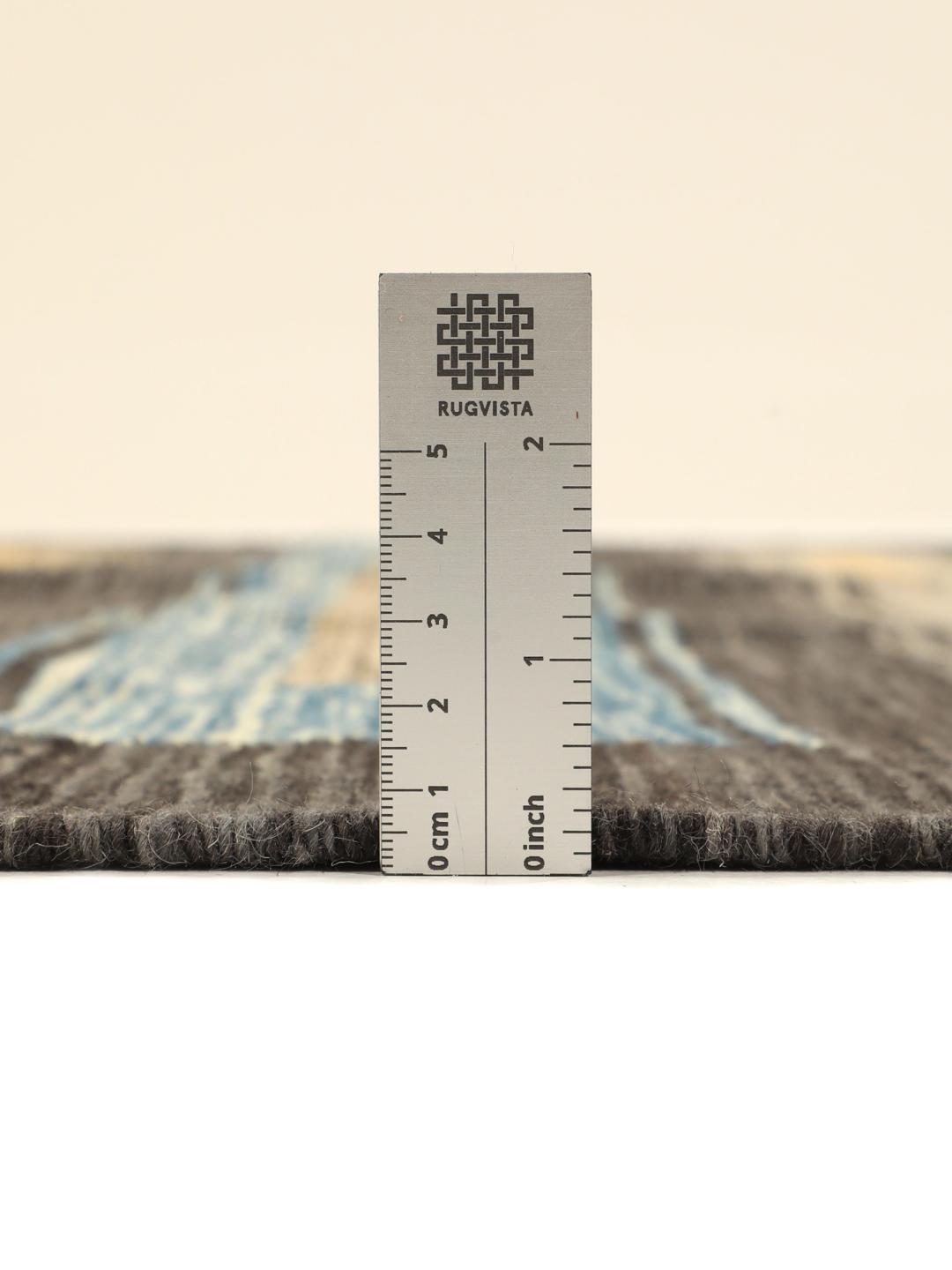
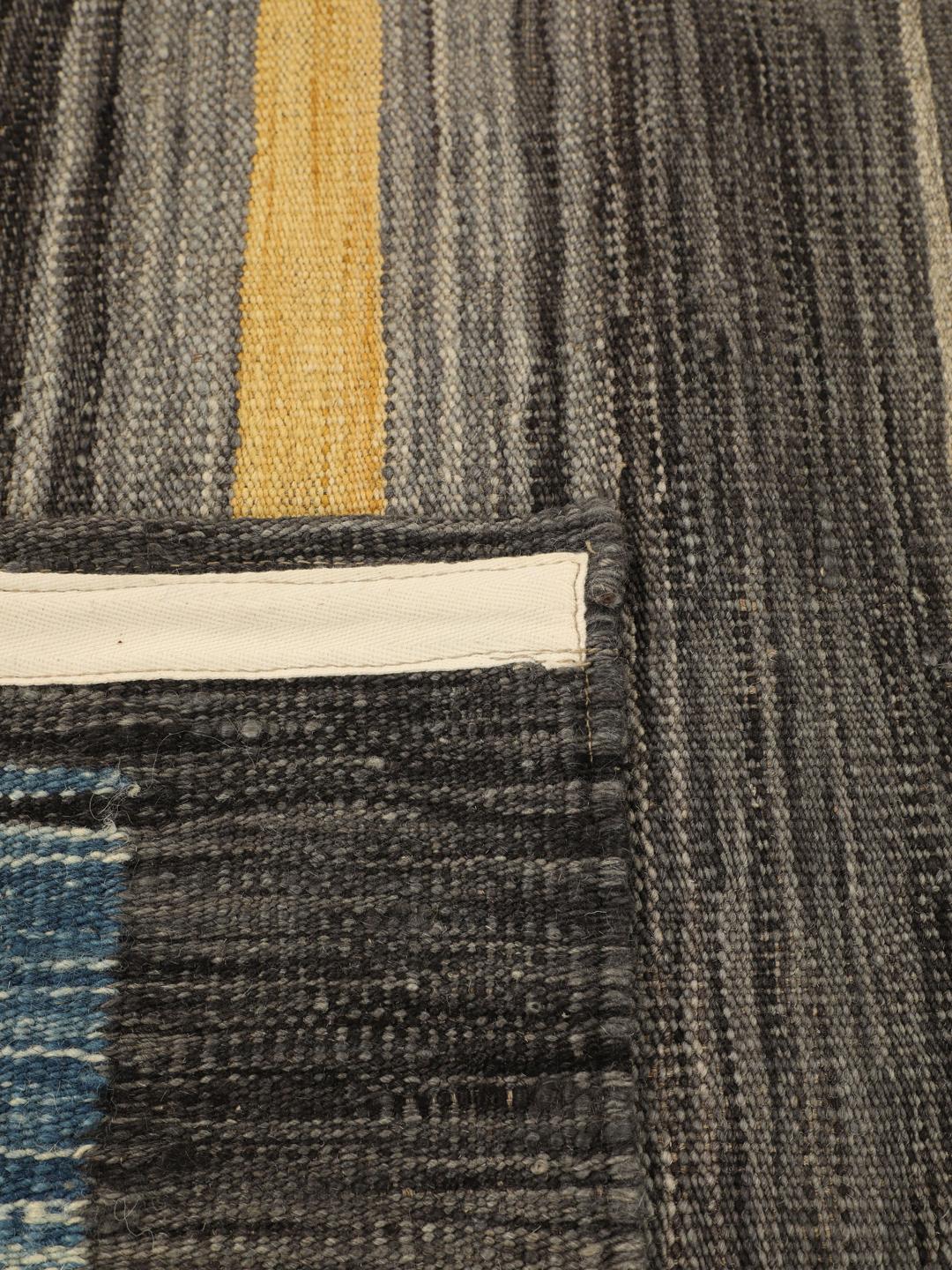
The term 'Kilim' refers specifically to the tapestry-weave technique where the horizontal yarns are pulled tightly over the vertical foundation to create a flat, pileless surface. This method of construction is what gives these rugs their characteristic thinness and durability. Unlike knotted rugs, the pattern is created by the weaving process itself, requiring the artisan to manage complex colour changes with immense accuracy to maintain a crisp, clean design.
Signature design elements of the Kilim tradition often centre on geometric motifs, diamonds, and bold stripes, which are deeply rooted in the cultural identity of the regions where they are produced. While traditional designs often used symbolic patterns to tell stories of tribal lineage, modern Afghan Kilims like this one often embrace a more minimalist, graphic approach to colour and line, making them highly versatile for current interior trends.
Collecting a Kilim is an investment in cultural heritage and human skill. These rugs are highly valued not only for their visual impact but also for the preservation of ancient weaving techniques. Each piece carries the mark of the individual who crafted it, representing a connection to a long-standing lineage of textile art that adds depth, warmth, and authenticity to any modern home.