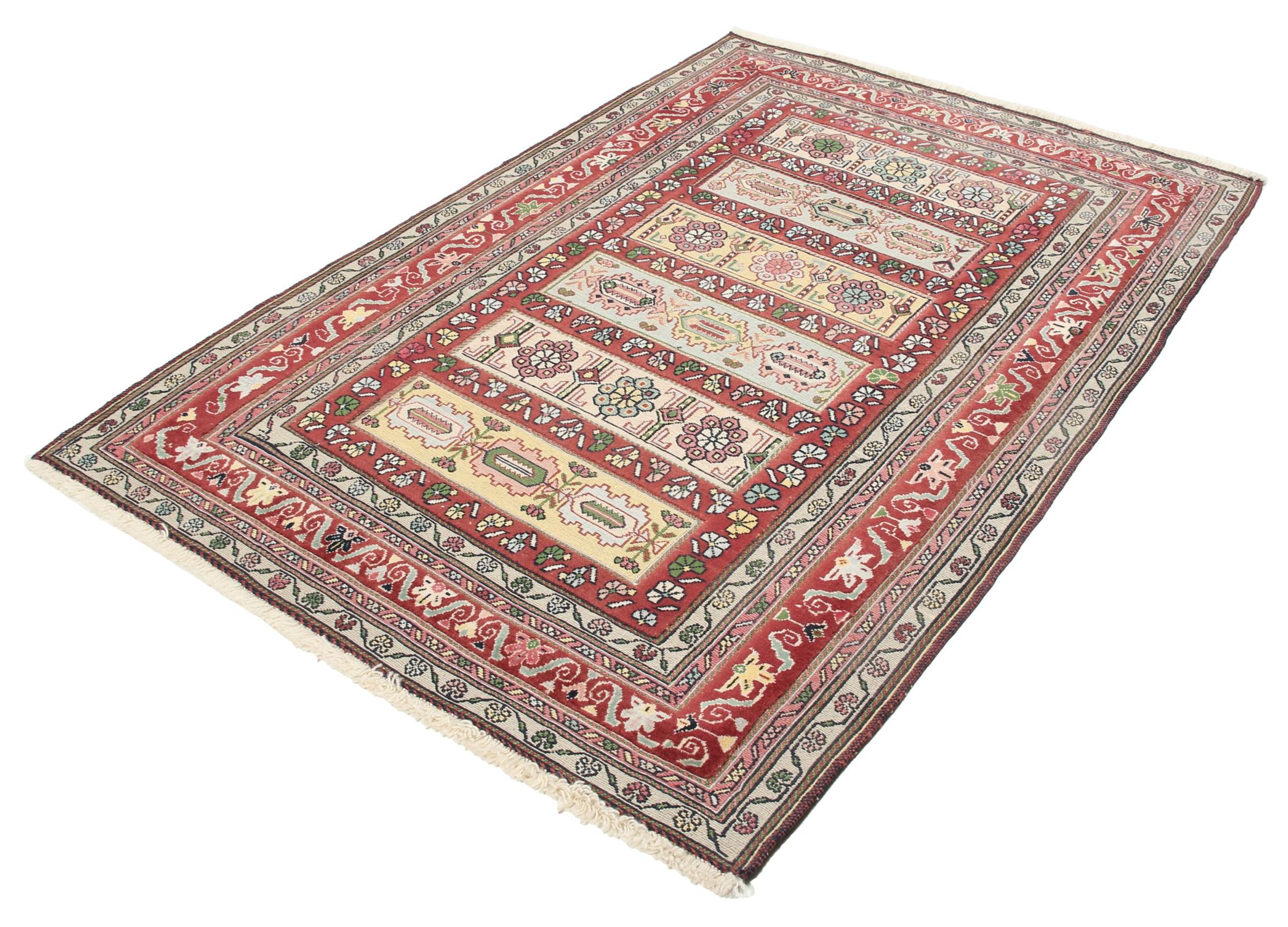
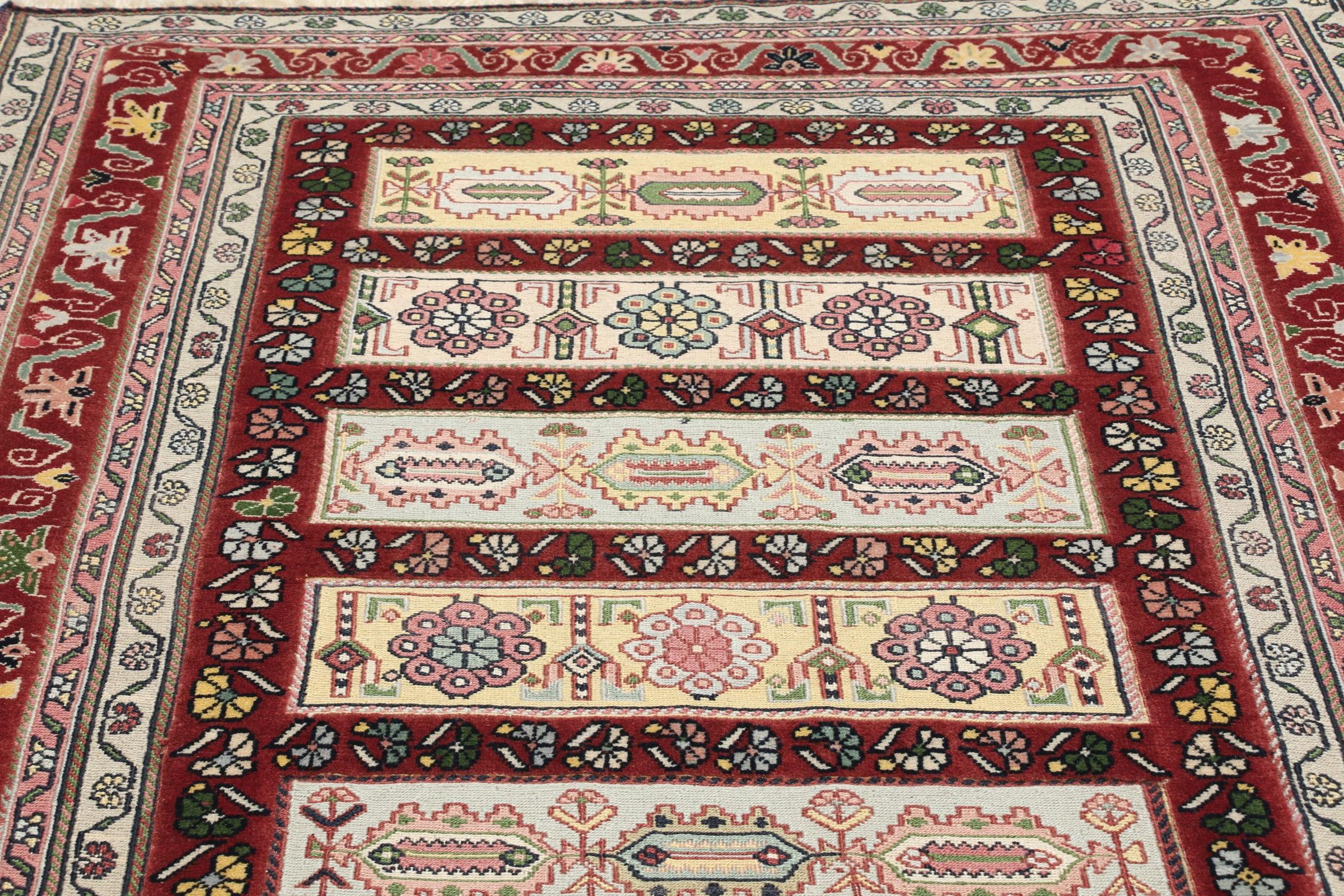
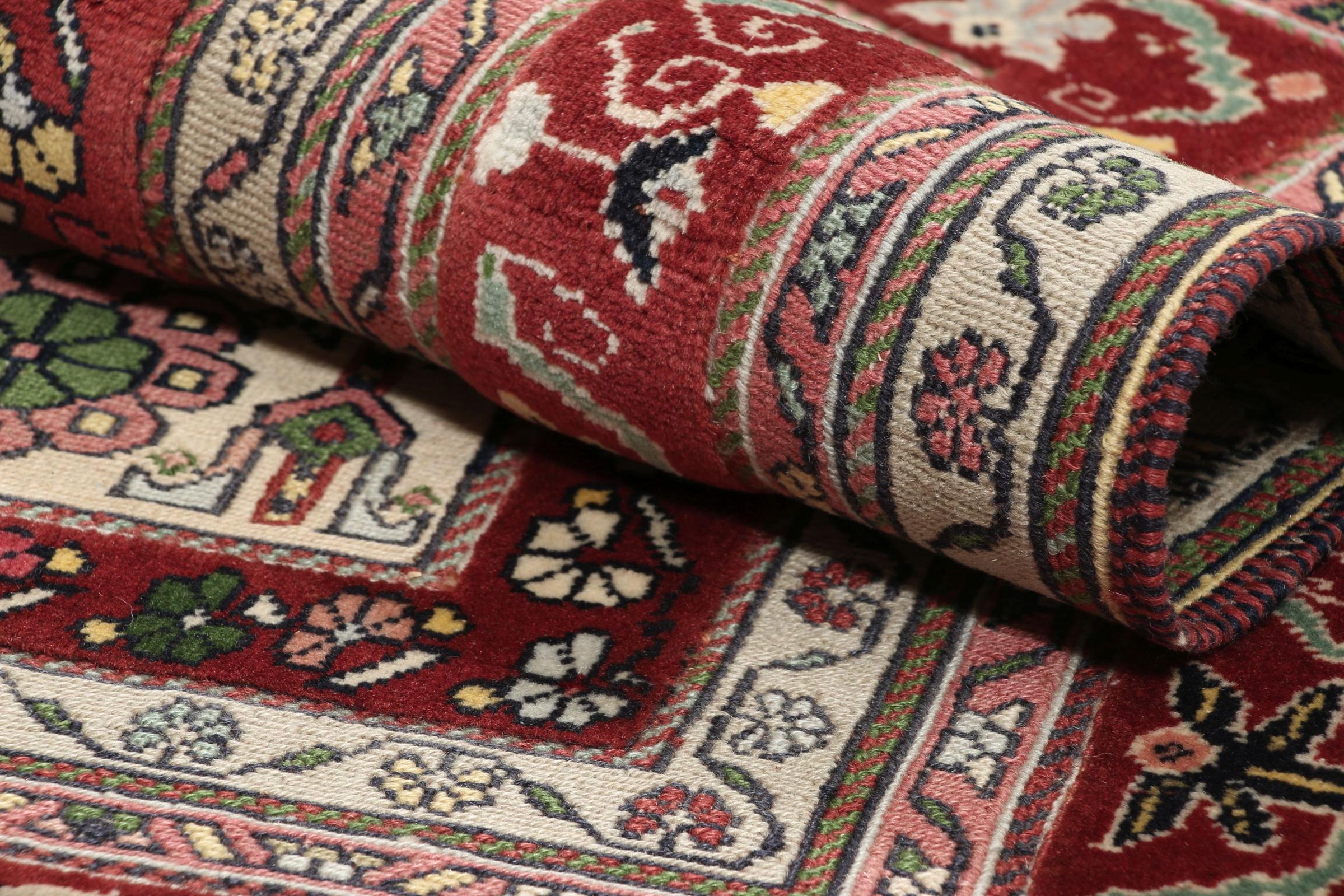
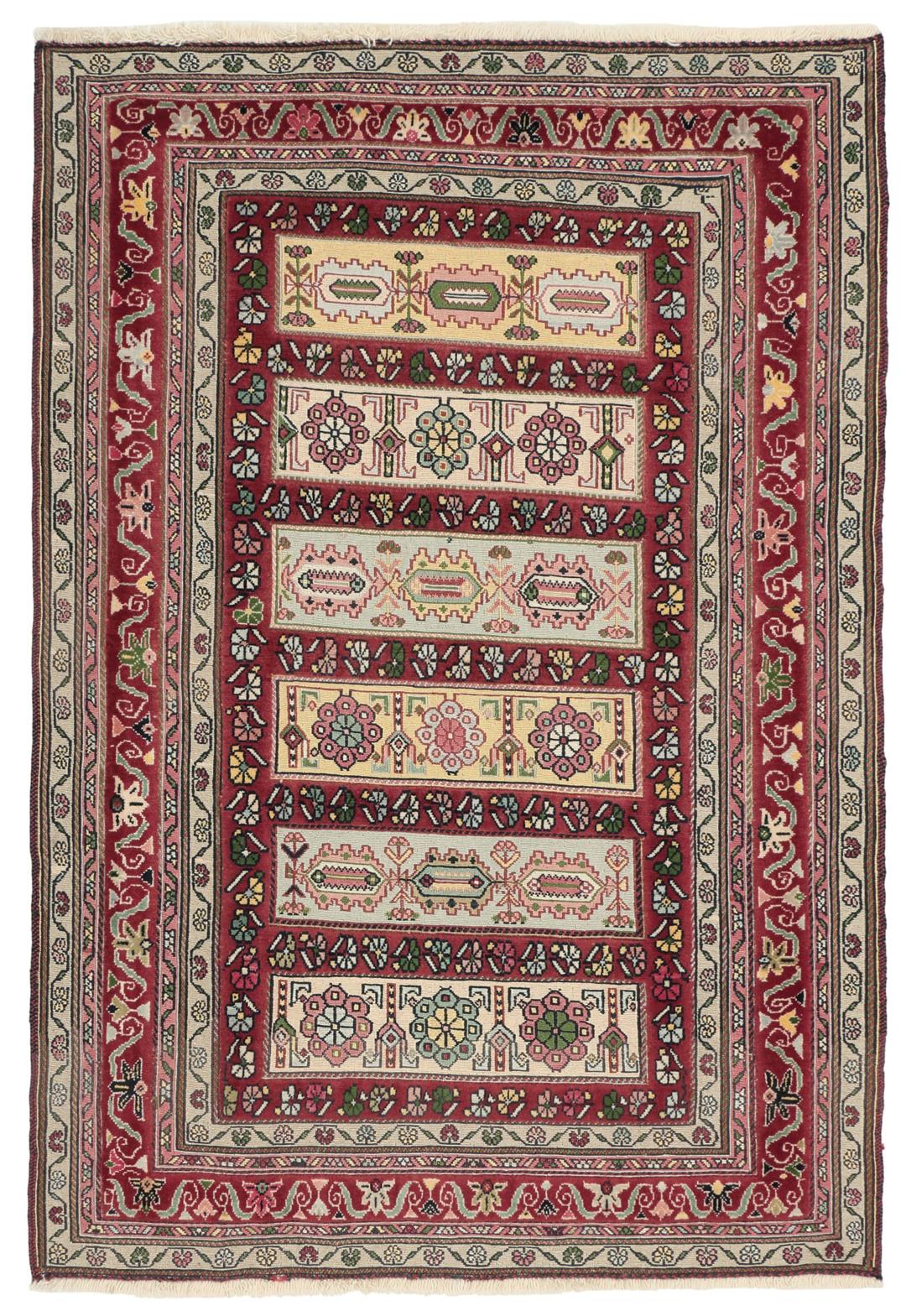
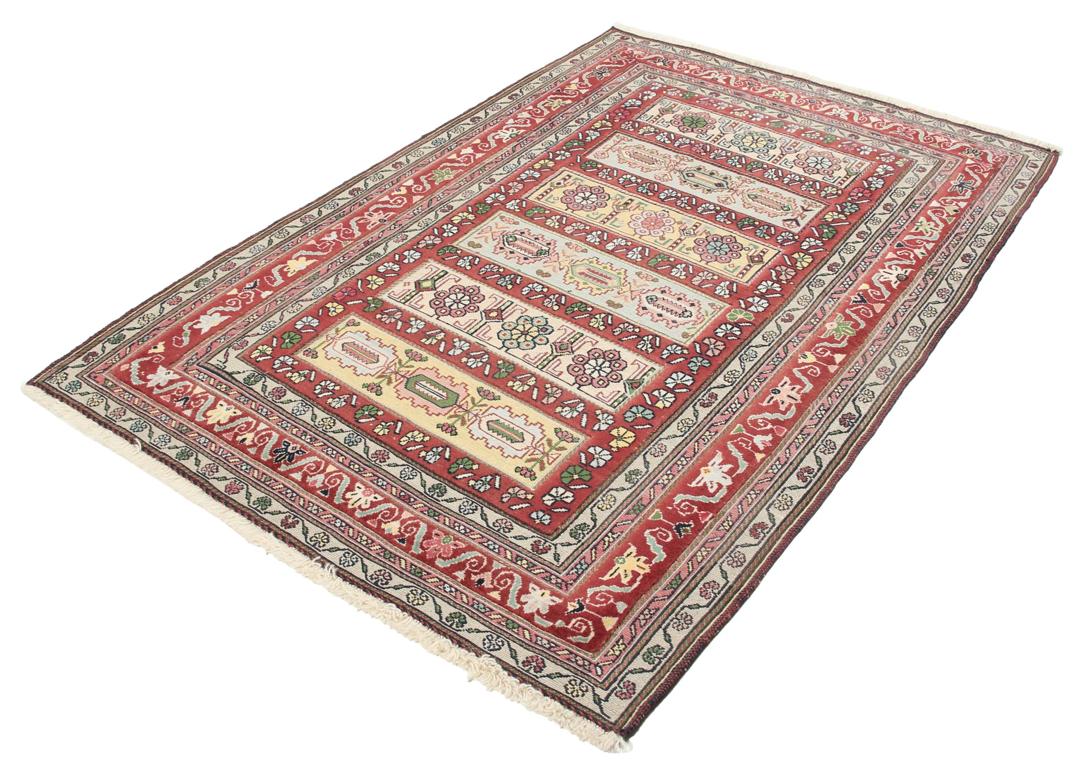
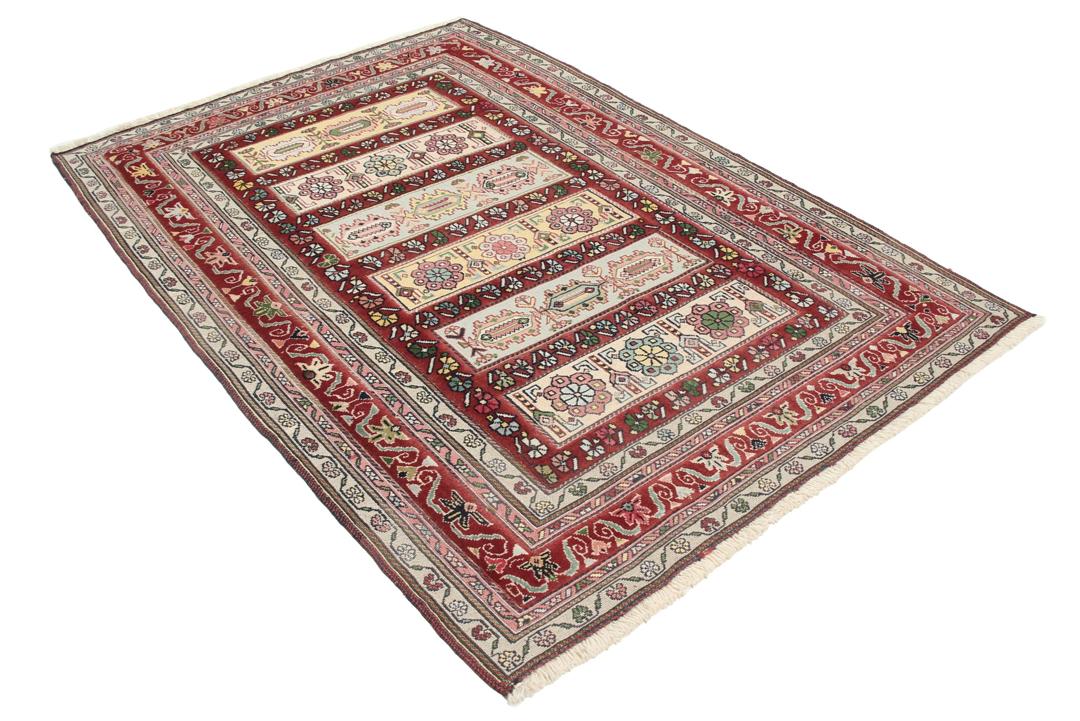
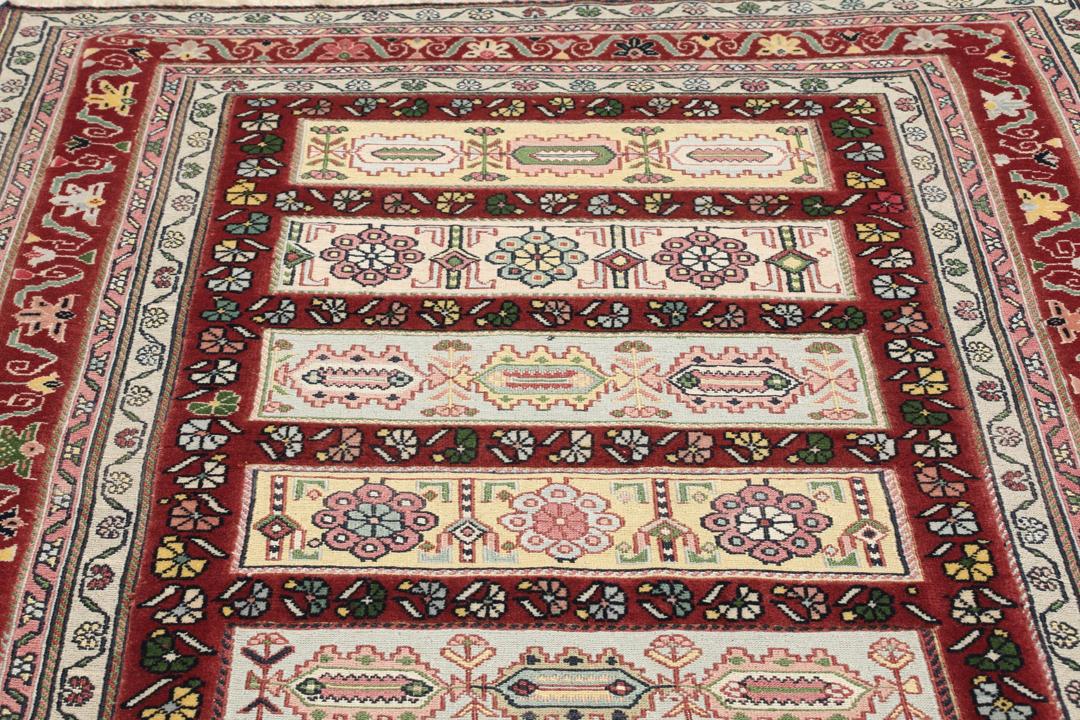
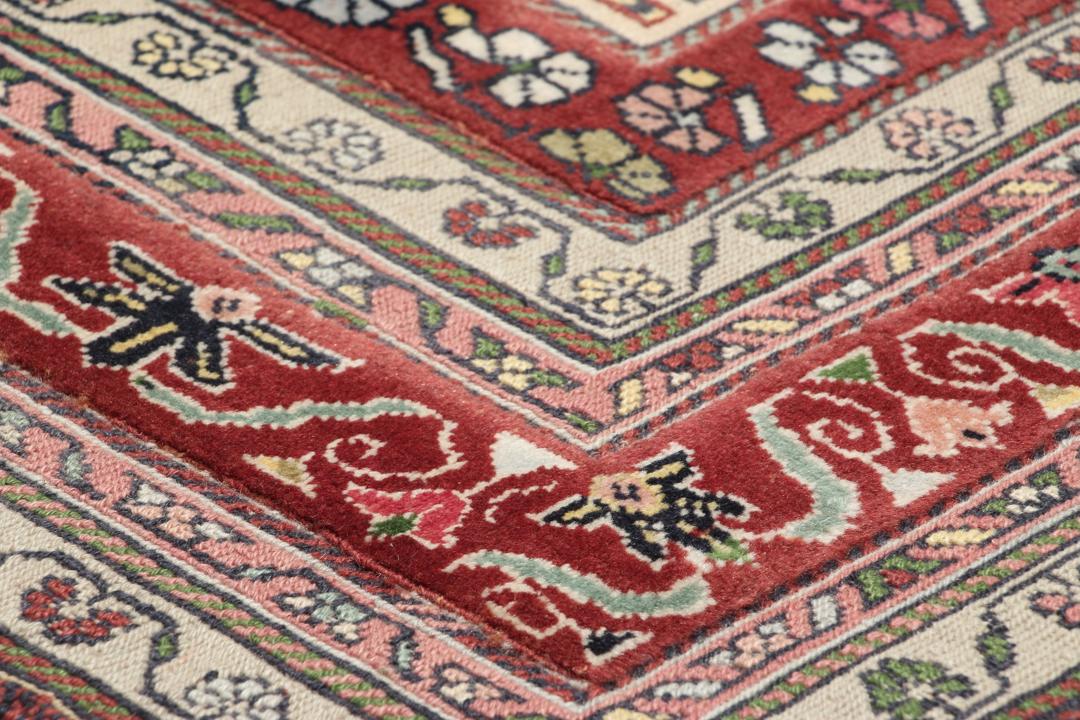
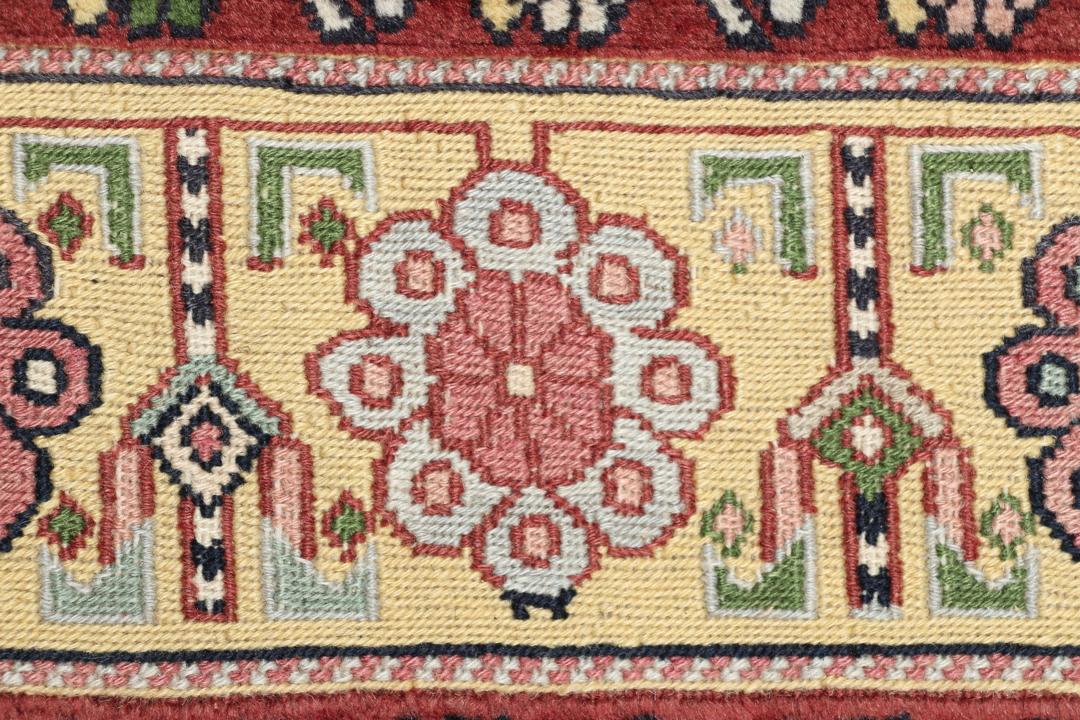
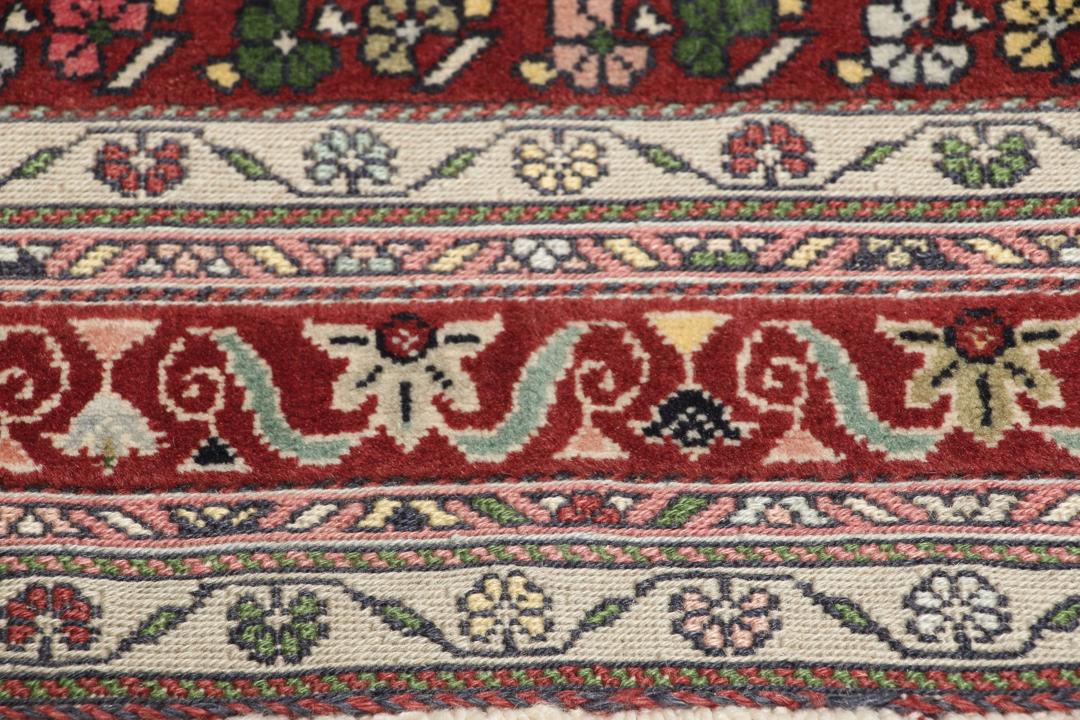
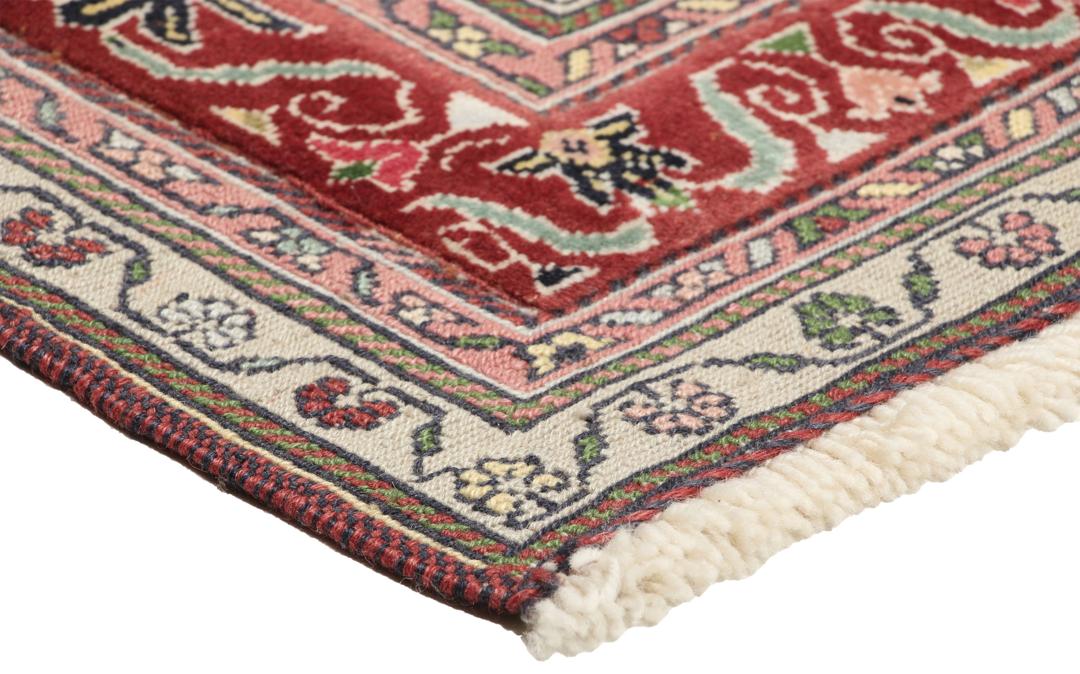
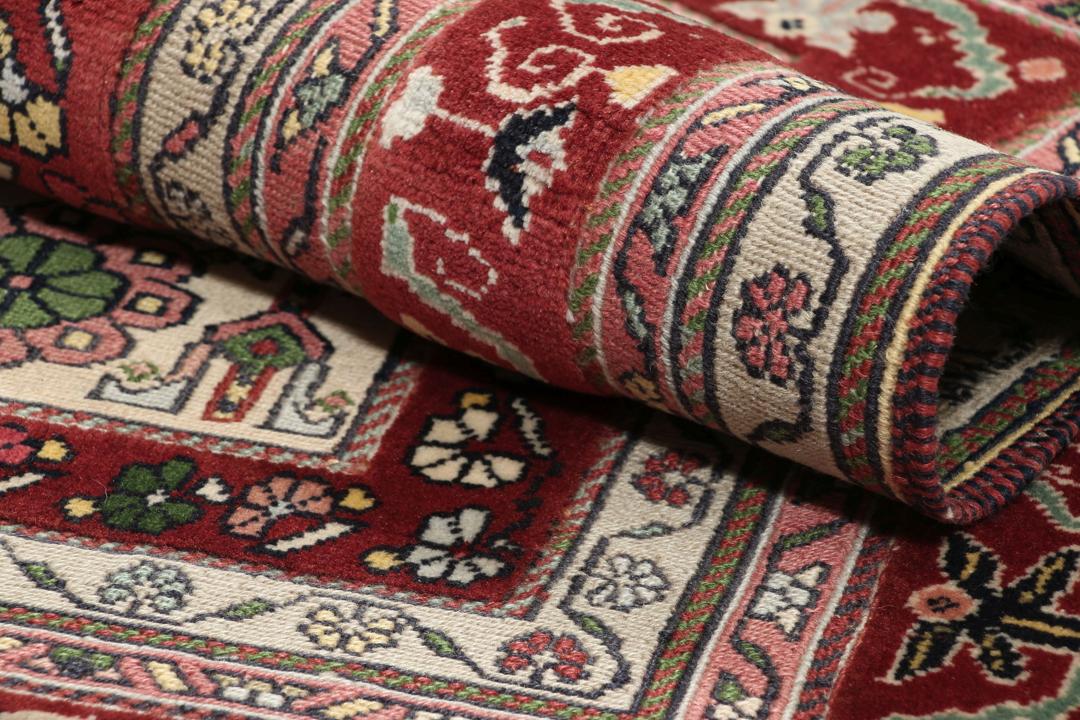
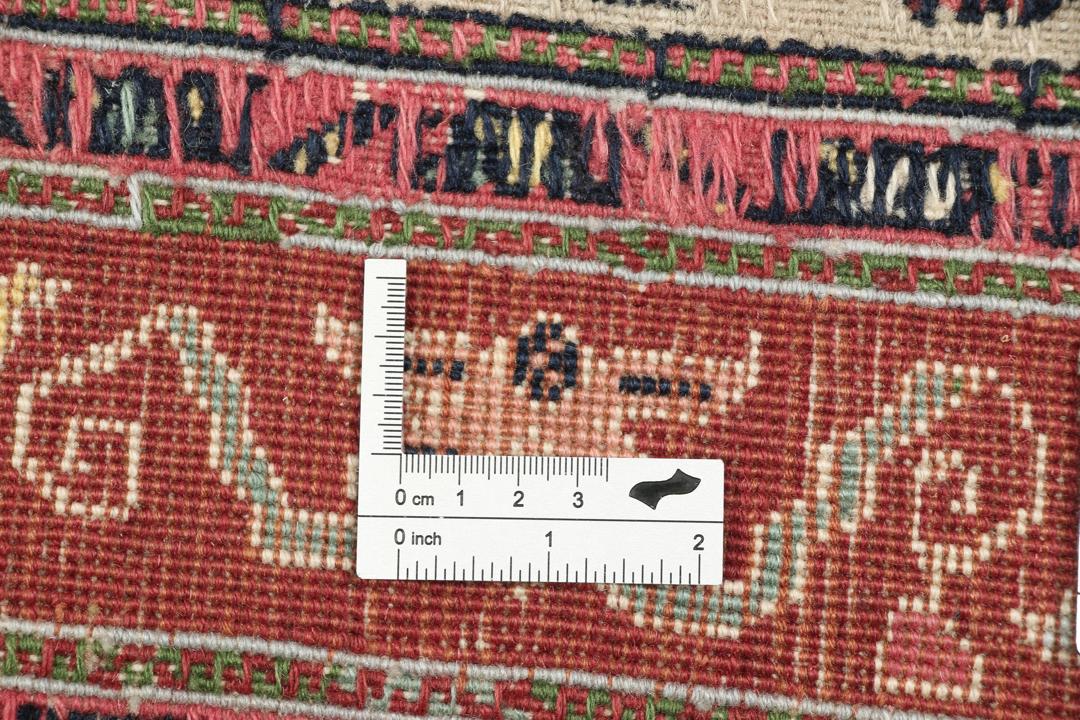
The Kelim Golbarjasta is a distinguished style of flat-woven rug hailing from the rugged landscapes of Afghanistan. These rugs are deeply rooted in the nomadic and village traditions of the region, where weaving has served as both a practical necessity and a medium for artistic expression for centuries. The term Golbarjasta refers to a specific technique where certain motifs are raised or embroidered to create a distinct texture, adding a three-dimensional quality to the otherwise flat surface.
Technically, the flat-weave construction is what defines a kilim. Unlike pile rugs, kilims are created by interlocking the weft threads with the warp, which results in a thinner, lighter, and highly versatile textile. This method requires immense skill, as the weaver must maintain consistent tension to ensure the patterns remain sharp and the edges stay straight. The resulting fabric is incredibly durable, a testament to the functional brilliance of Middle Eastern weaving traditions.
Visually, Golbarjasta rugs are celebrated for their bold, geometric language and rich, natural colour palettes. They often feature repeating medallions, floral elements, and stylized borders that reflect the cultural heritage and environmental surroundings of the weavers. Each rug tells a visual story, with symbols and motifs passed down through generations, making them not just floor coverings but carriers of history and regional identity.
Collecting a Kelim Golbarjasta is an investment in human skill and cultural longevity. These rugs are valued for their authenticity and the way they bridge the gap between traditional craft and contemporary home design. By choosing a hand-woven piece, you are supporting a legacy of craftsmanship that has survived shifting eras, ensuring that these beautiful, storied textiles continue to be appreciated for their artistry and resilience.