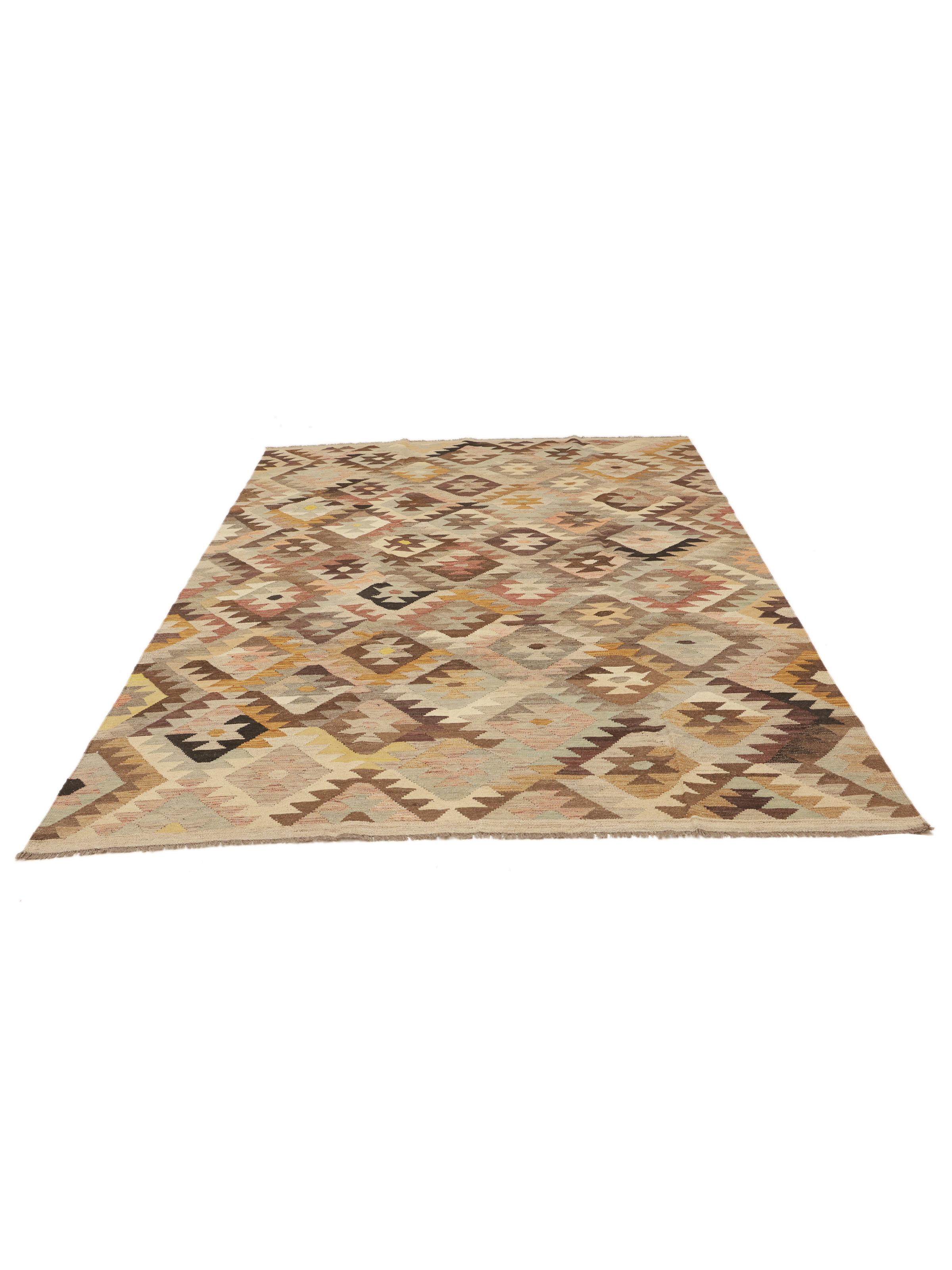
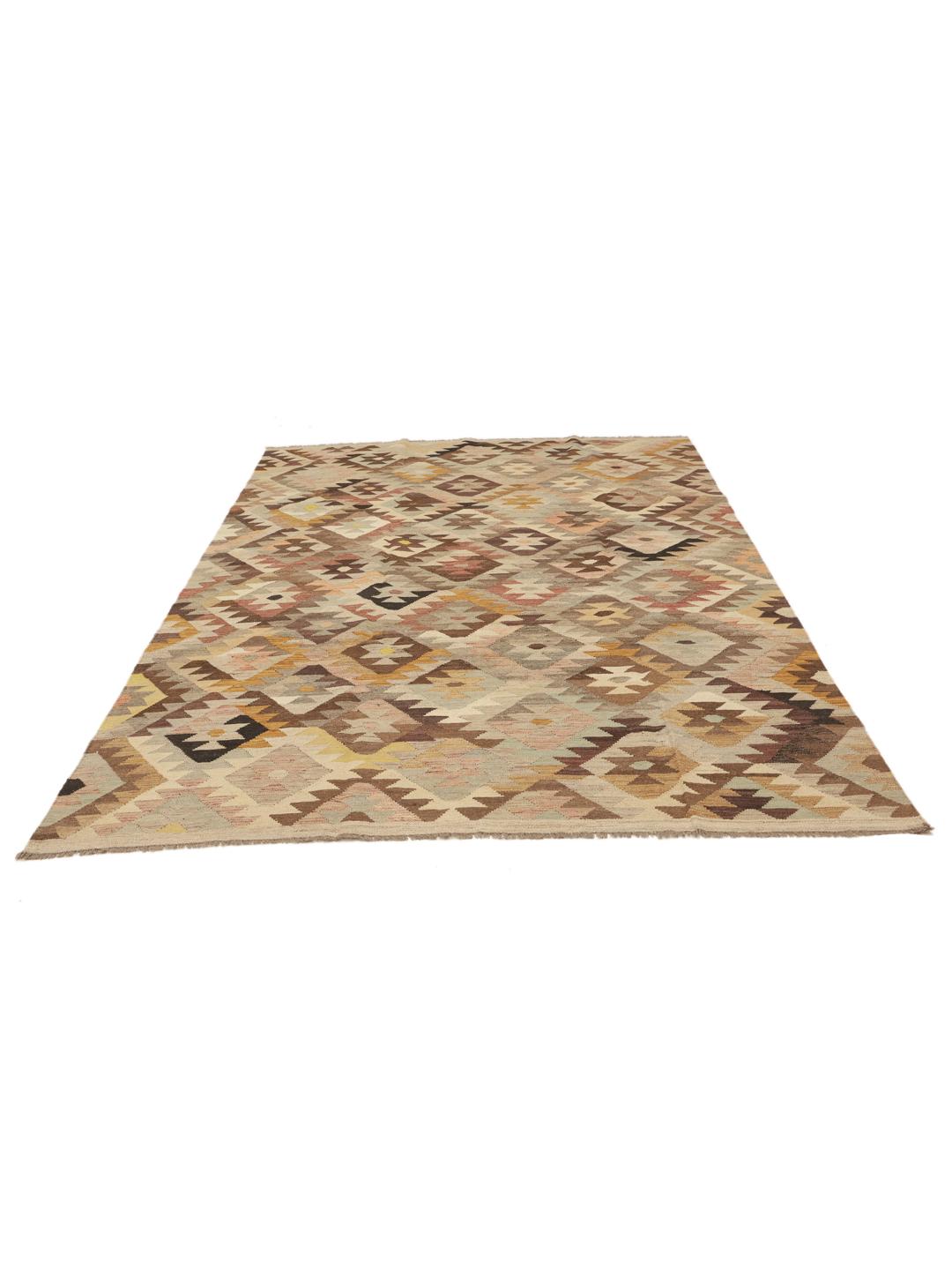
The Kilim Ariana tradition finds its roots in the rich textile heritage of the Middle East, where flat-weave rugs have been crafted for centuries. These rugs are highly regarded for their ability to blend ancient weaving techniques with a style that resonates with modern design preferences. By using traditional methods to create a more contemporary visual language, these pieces serve as a bridge between the historical artistry of the Middle East and the aesthetic demands of today's homes.
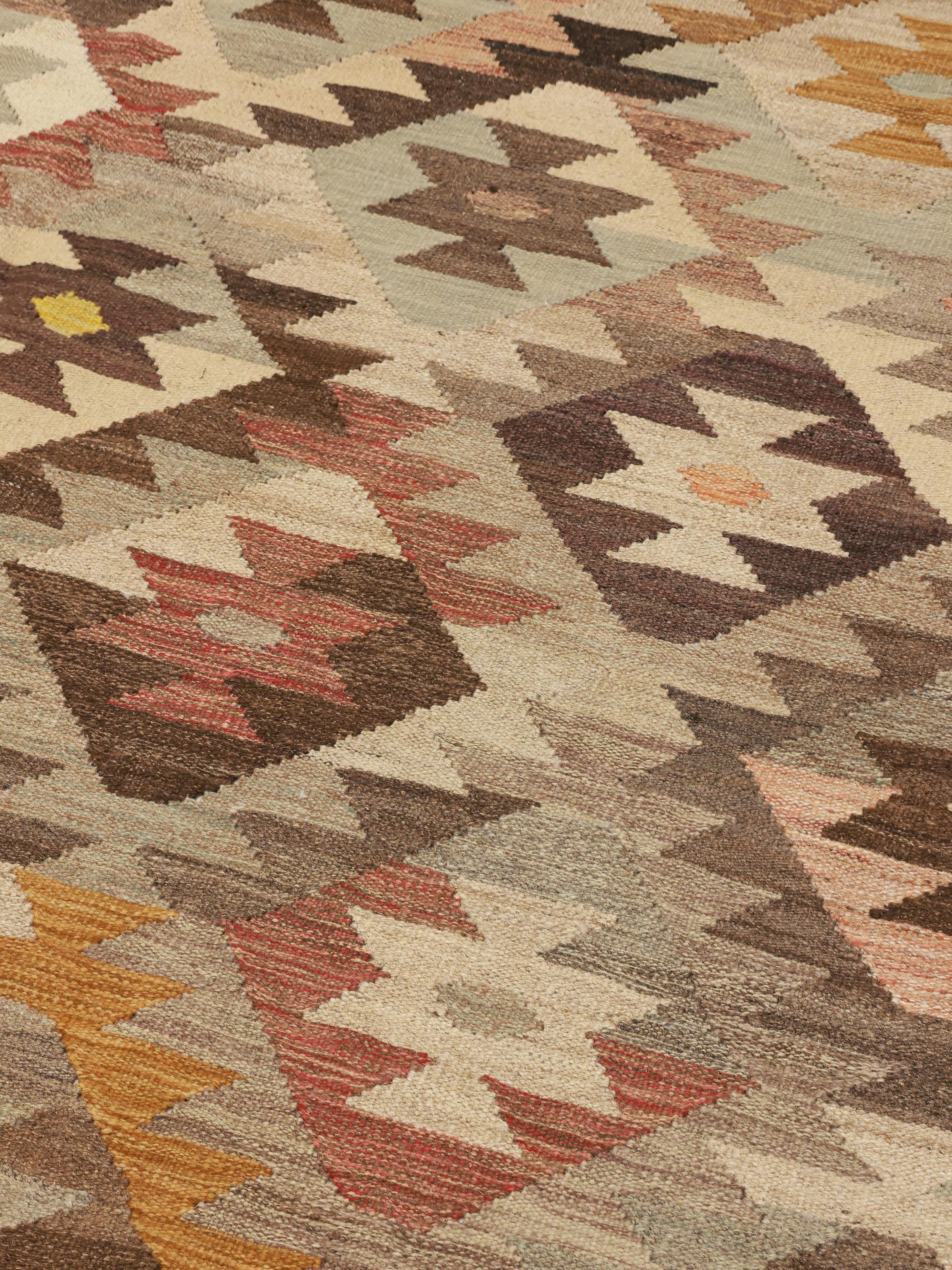
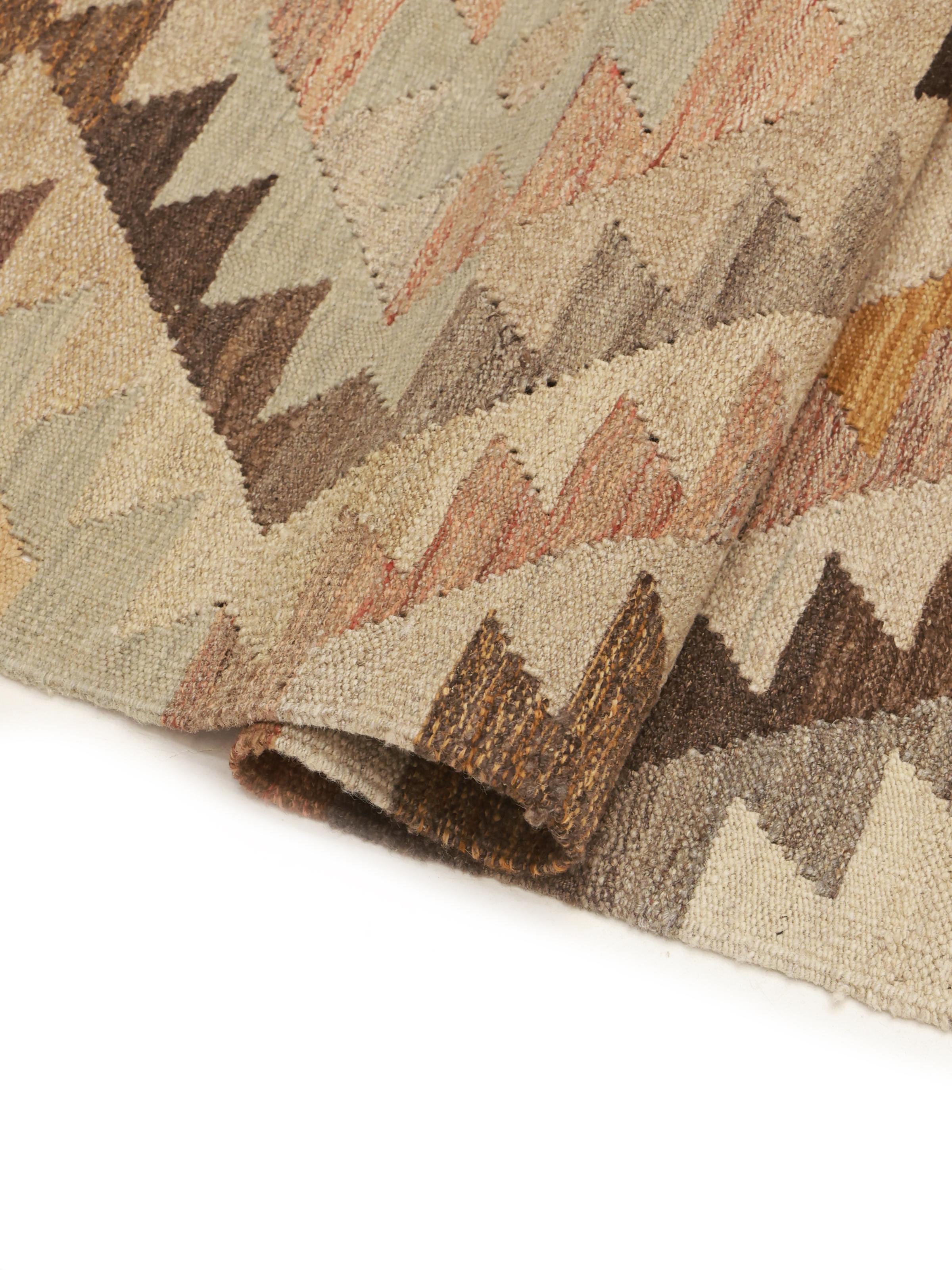
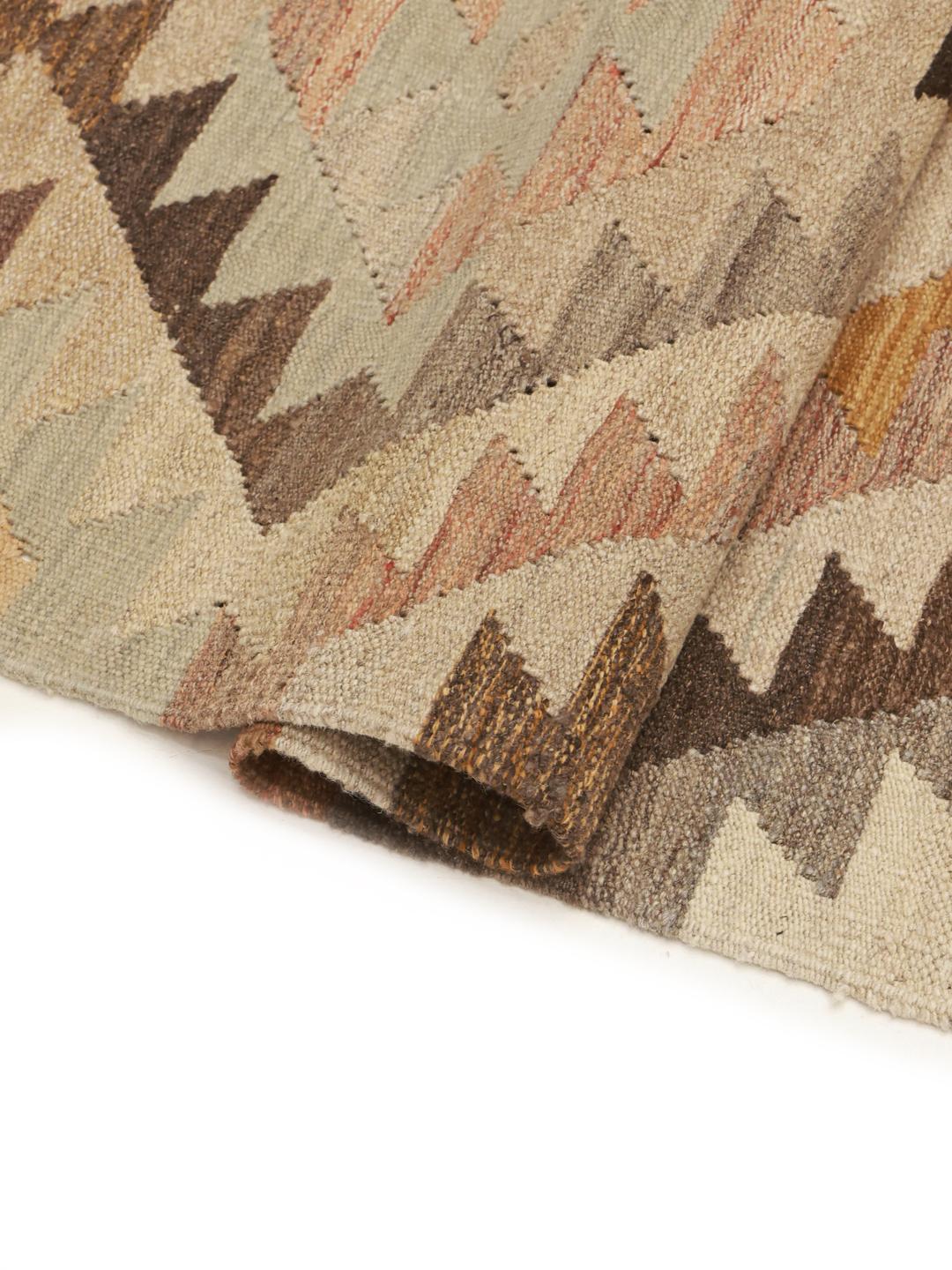
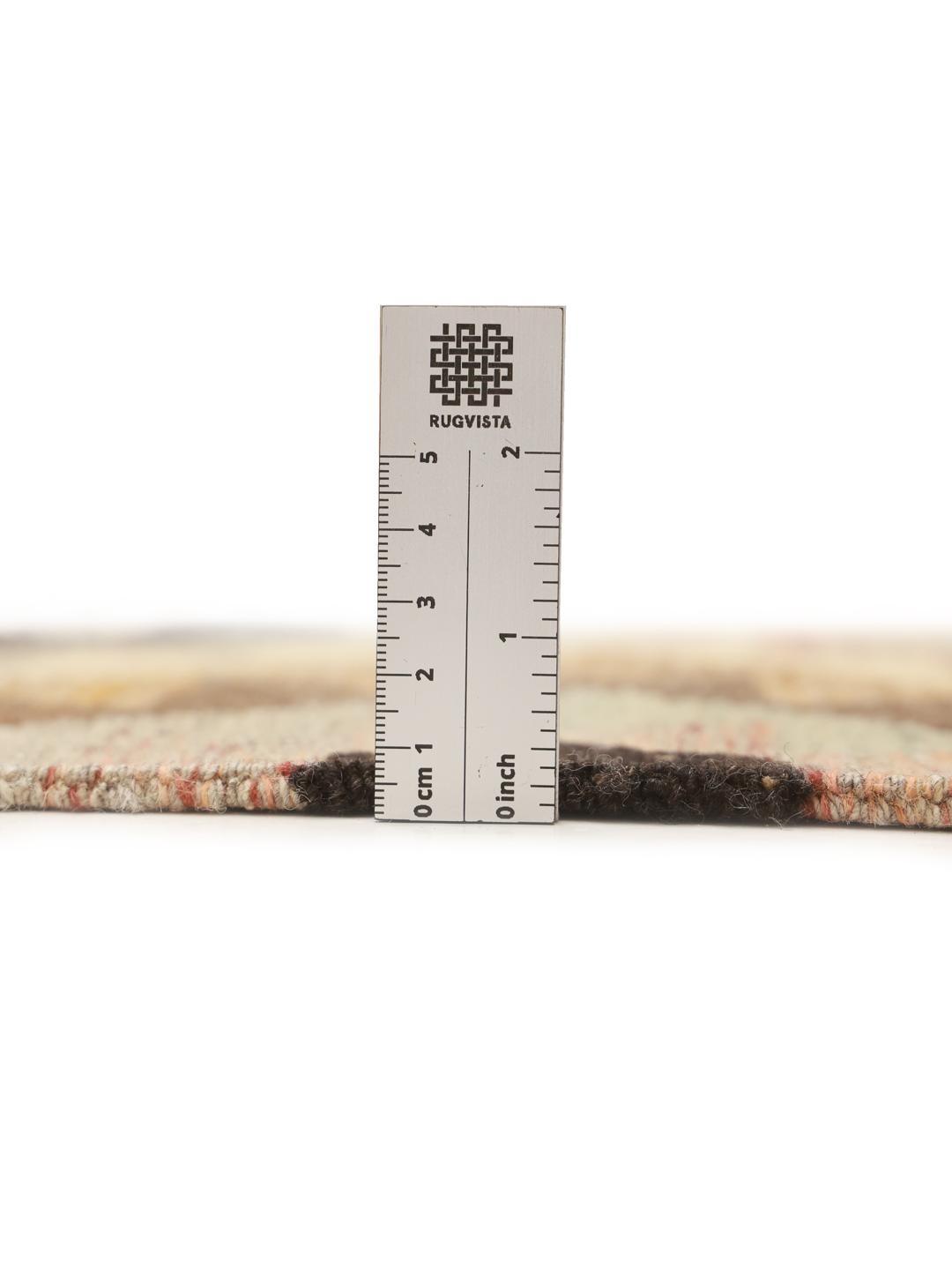
The term Kilim refers to the specific flat-weaving technique where the warp and weft are interlaced to create a smooth, pile-less surface. This method is distinct from knotted rugs, as it relies on the tight tension of the weave to create its pattern and structure. This technique results in a lighter, more versatile rug that is easy to move and maintain, while still being incredibly resilient due to the high density of the weaving process.
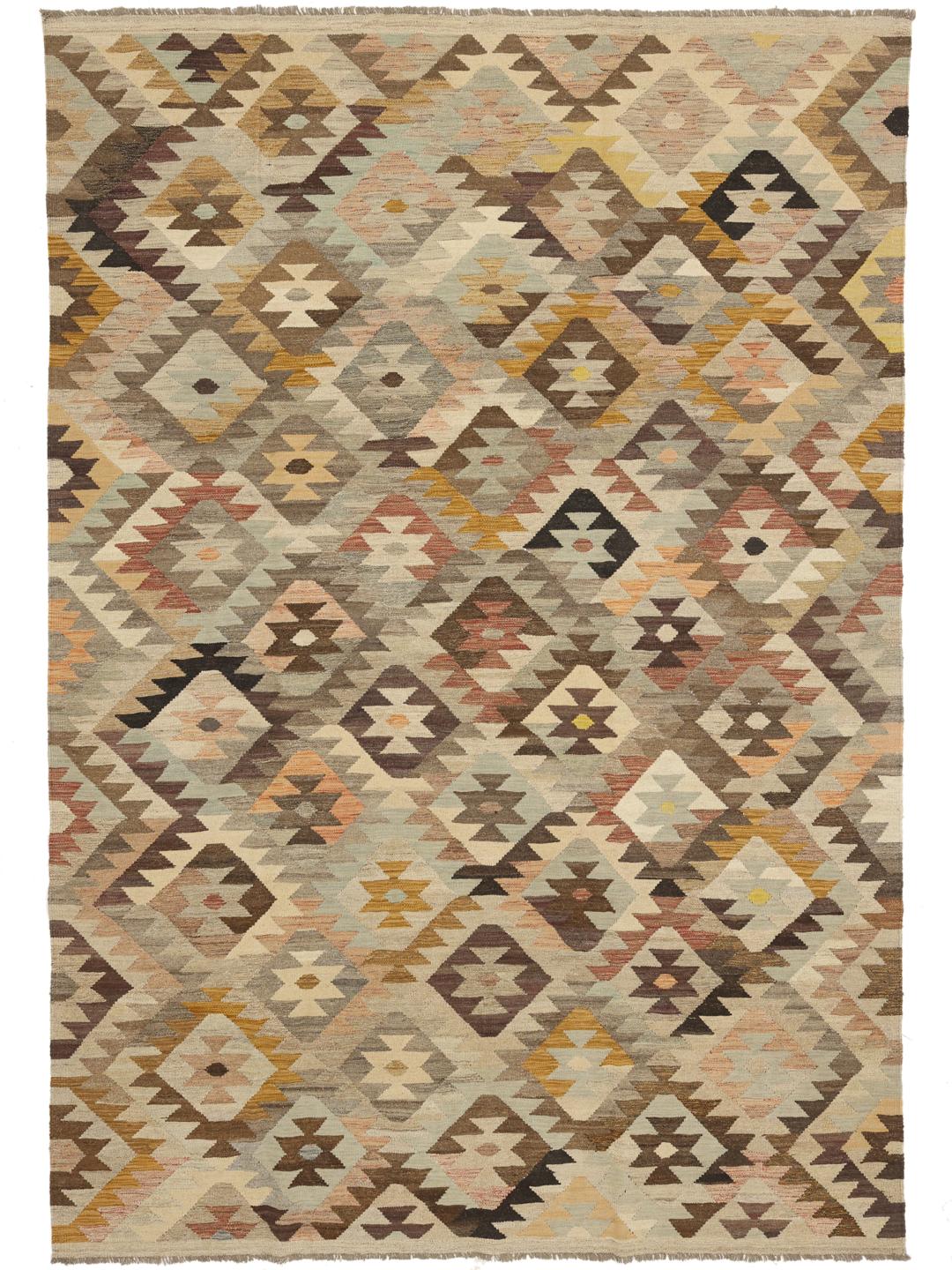
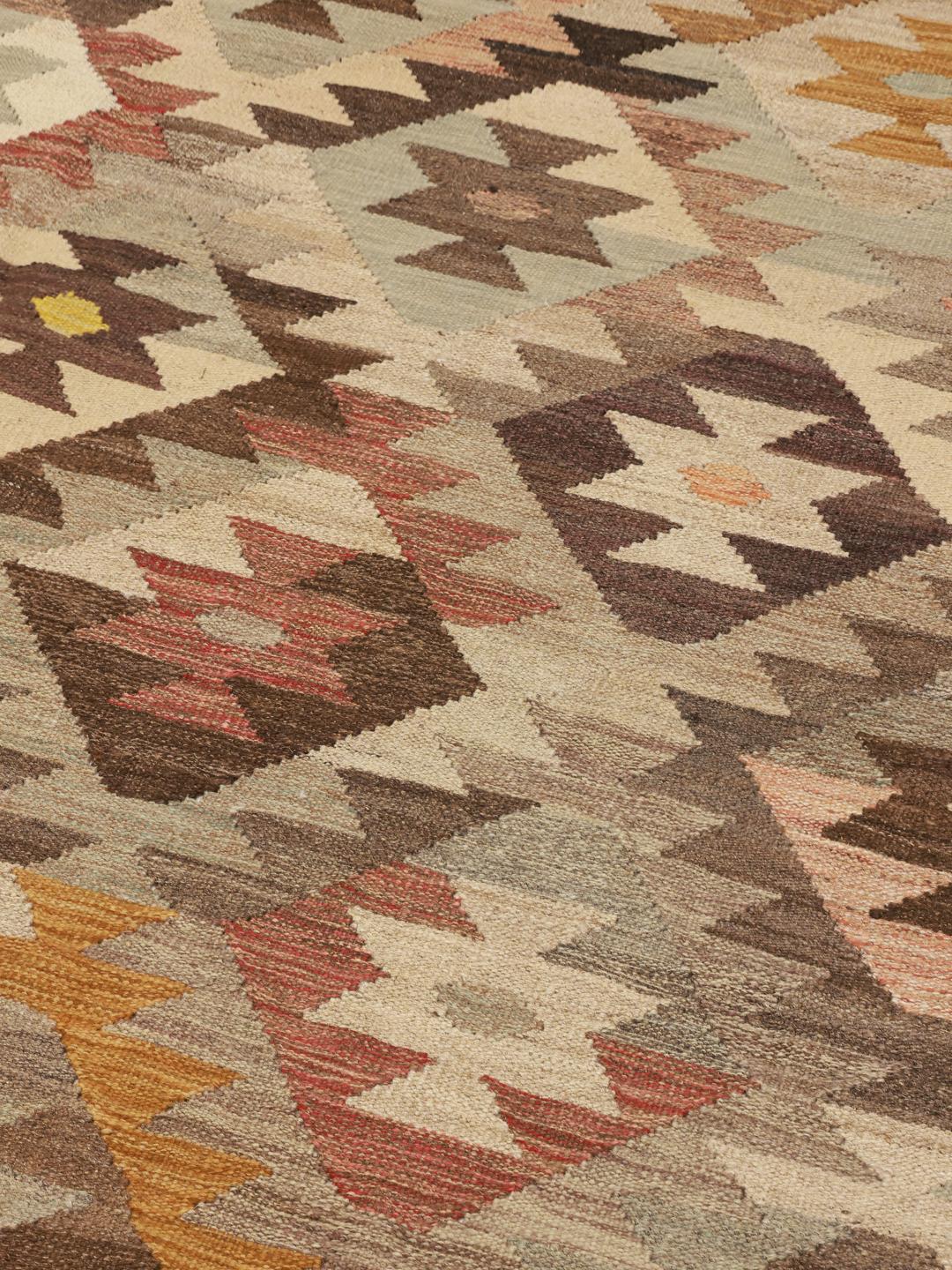
Visually, these rugs are characterised by their geometric motifs and an earthy, often muted colour palette that reflects the natural dyes traditionally used in the region. The patterns often feature repeating diamonds or tribal-inspired shapes, framed by decorative borders that anchor the design. The Ariana style, in particular, is known for its softer, more sophisticated colour transitions that allow the rug to fit seamlessly into a wide variety of interior spaces, from minimalist to rustic.
Collecting a Kilim Ariana is an investment in cultural heritage and skill. Each rug tells a story of the region it originated from, carrying the aesthetic values and technical expertise of the weavers who created it. These rugs are valued not just for their beauty, but for their status as functional art that honours the history of nomadic and village weaving traditions, providing a sense of place and authenticity to any room they occupy.