The tradition of flatweaving in Afghanistan stretches back centuries, deeply rooted in the nomadic and semi-nomadic lifestyles of the region's tribal groups. These rugs were originally crafted not merely as decorative items, but as highly functional household goods, serving as floor coverings, blankets, and storage bags. The craft evolved in response to the harsh climates and rugged terrains of the Middle East, where portable, durable textiles were essential for daily life.
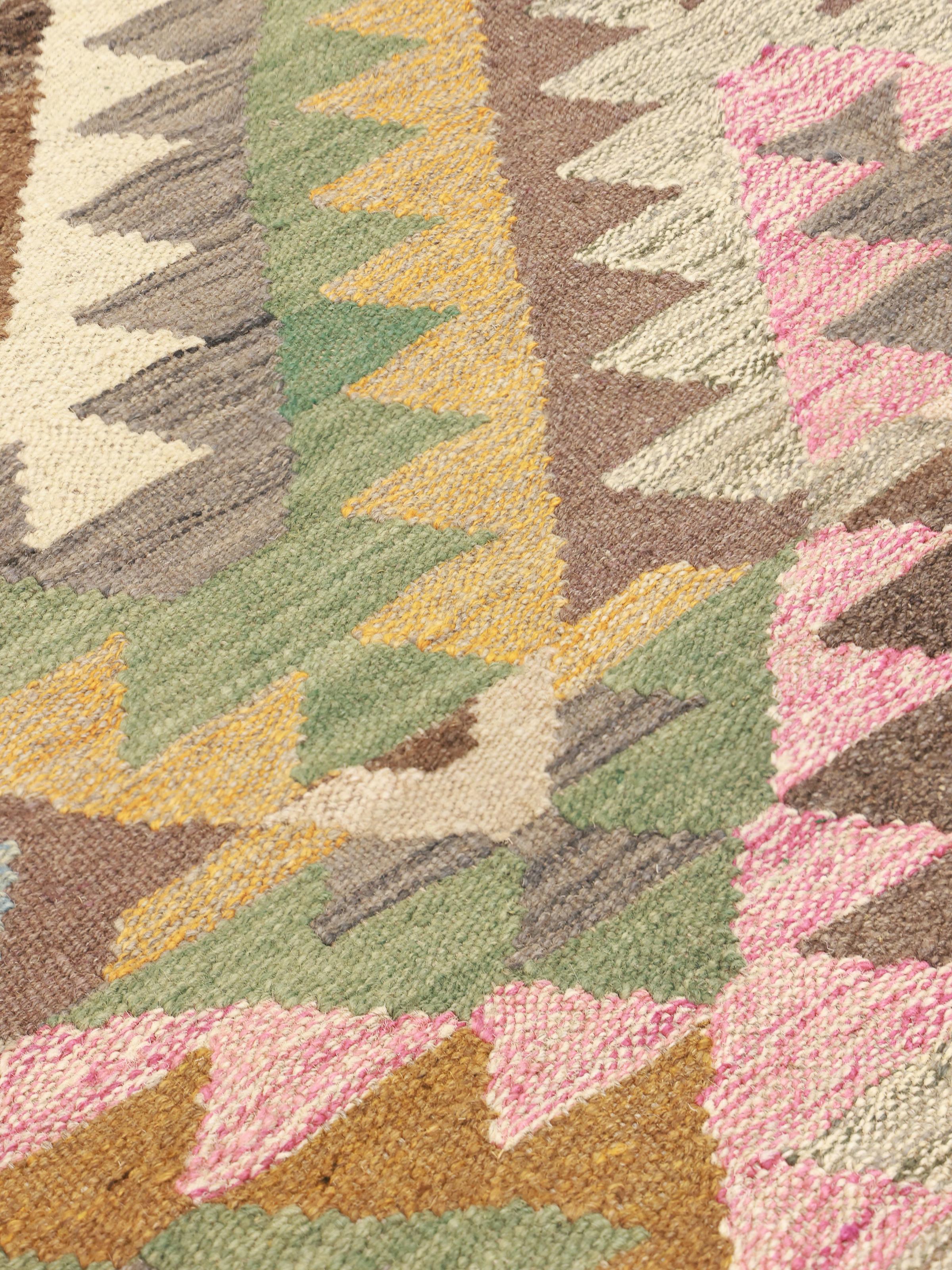
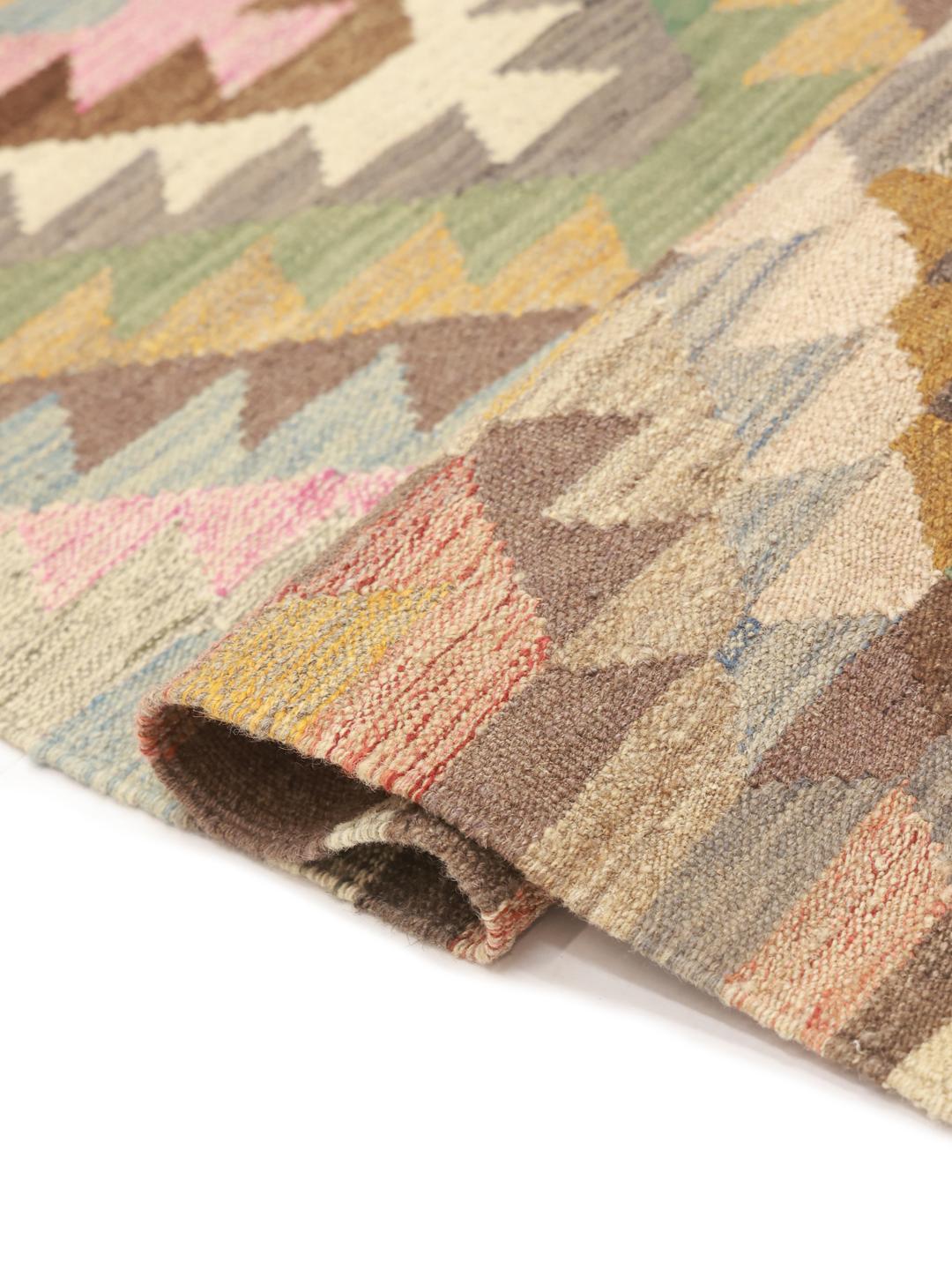
The term Kilim refers to a specific flatweaving technique where the weft strands are tightly interwoven with the warp, creating a smooth surface without a pile. This traditional method produces a lightweight and highly versatile textile that is often reversible, displaying the intricate pattern clearly on both sides. The lack of pile makes the rug exceptionally durable and easy to maintain, a testament to the practical ingenuity of traditional weavers.
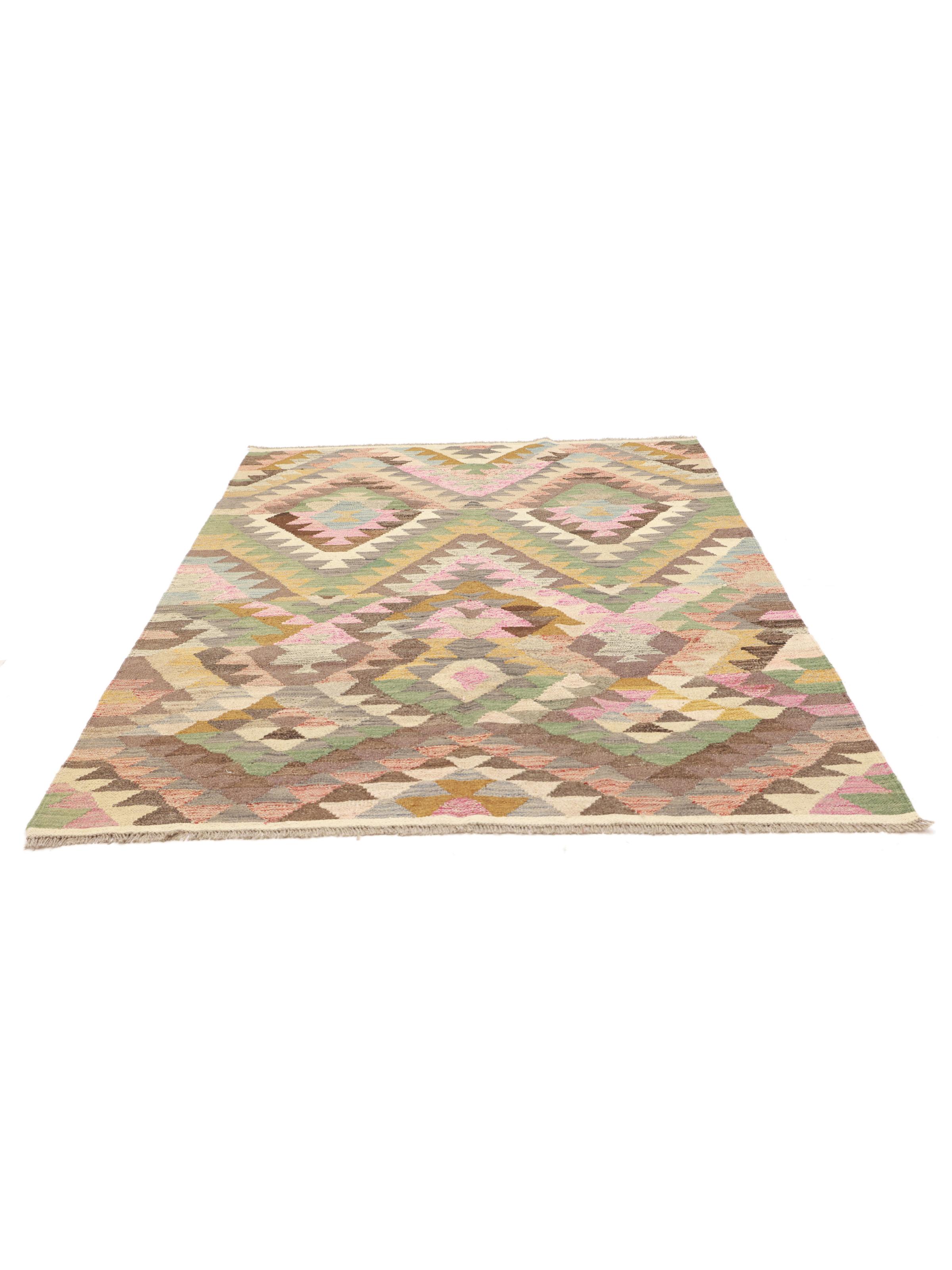
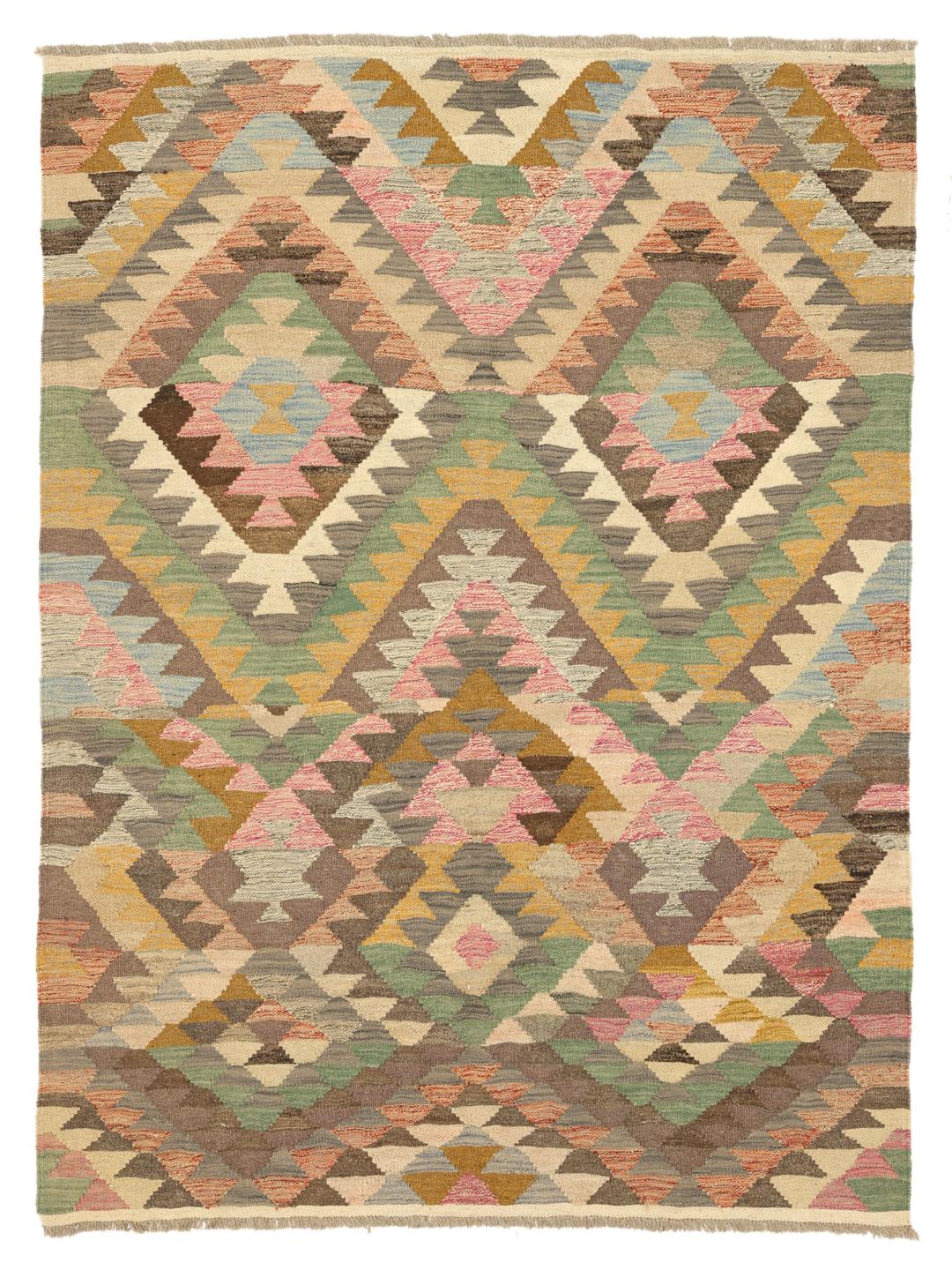
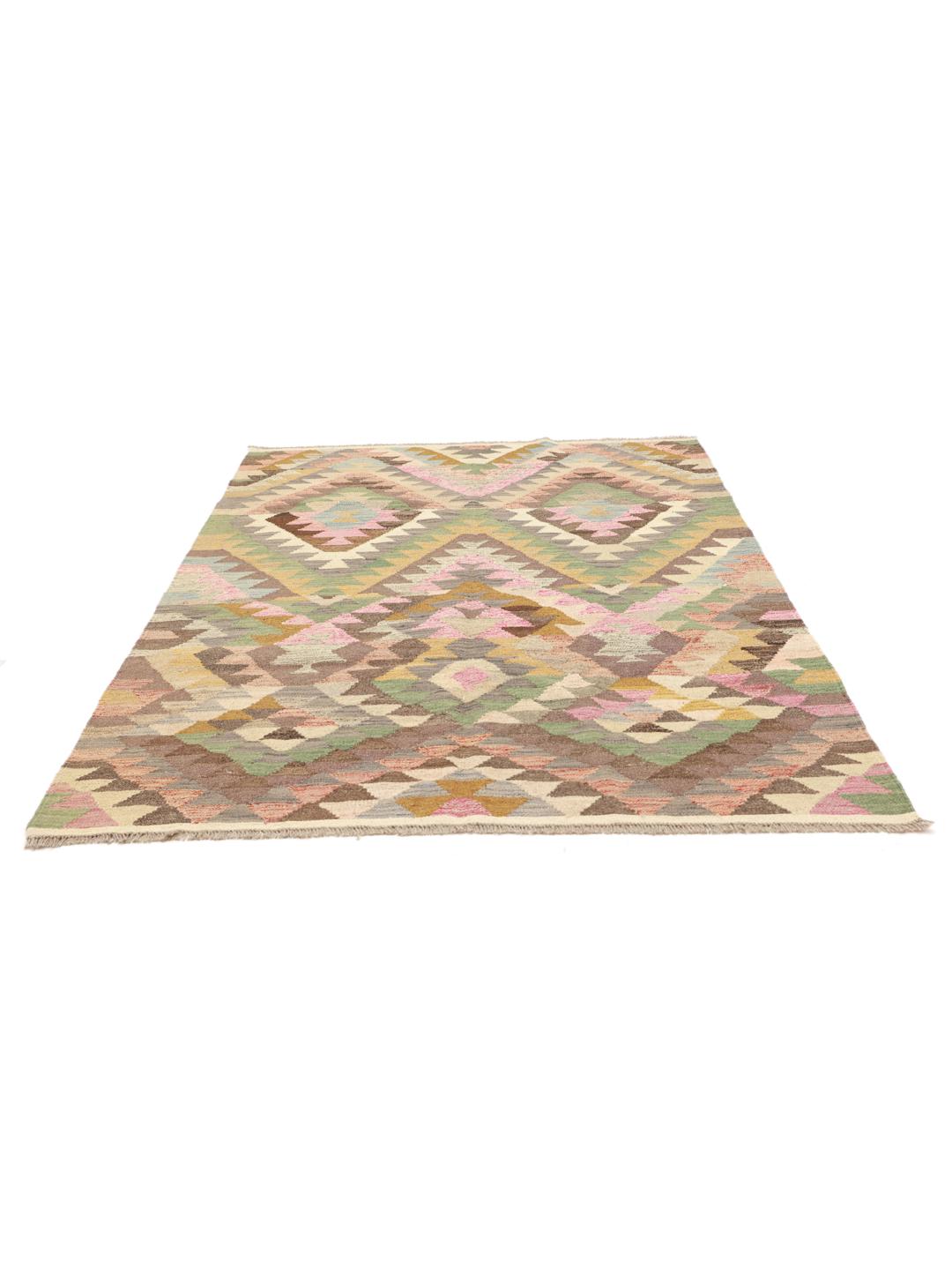
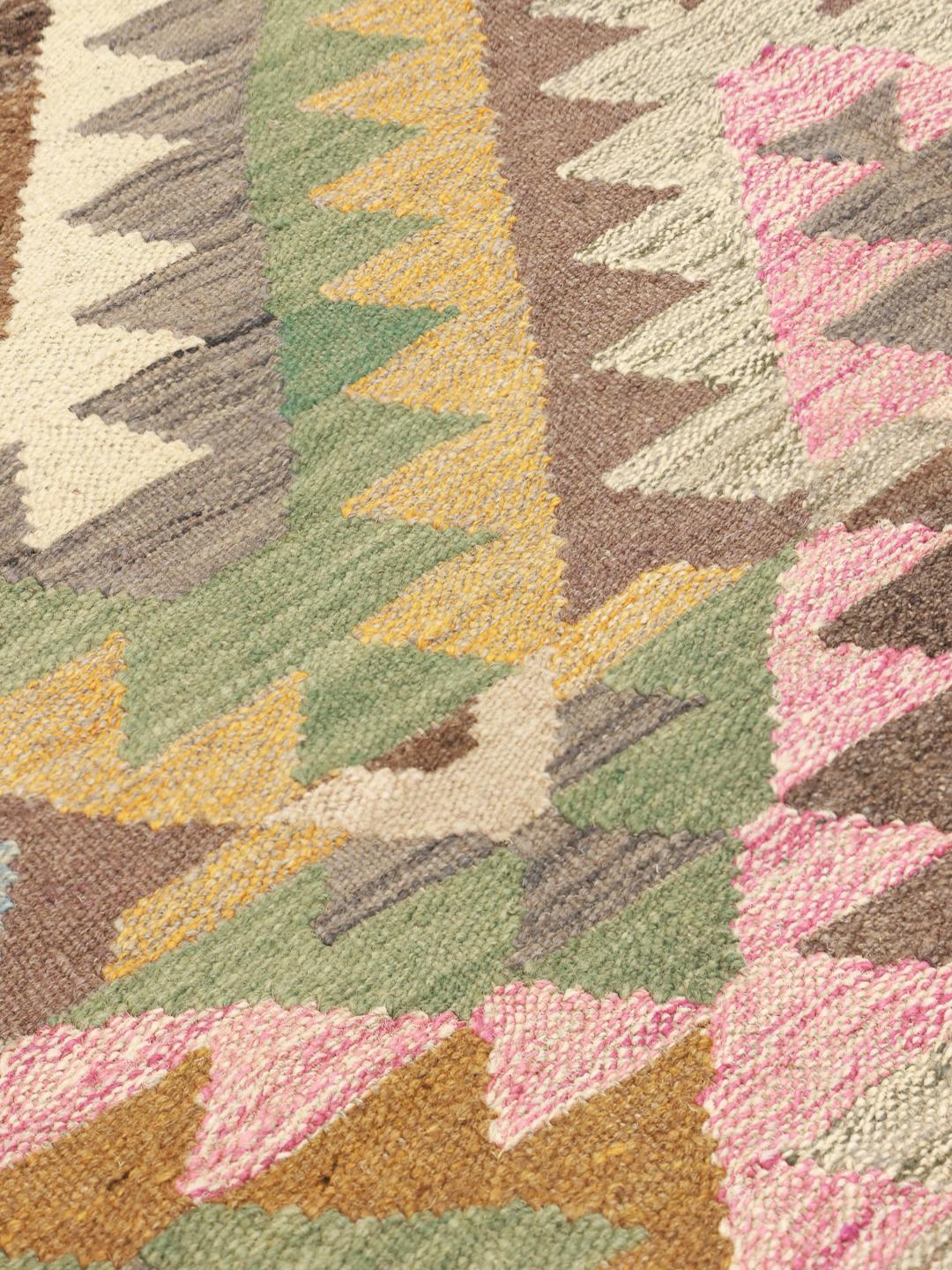
Visually, the Ariana style is celebrated for its bold geometric compositions, often featuring interlocking diamonds, stepped triangles, and decorative borders. Each geometric motif carries historical meaning, traditionally acting as symbols of protection, fertility, or tribal identity. The contemporary interpretation of these patterns uses a softer, more varied colour palette, blending traditional tribal layouts with modern design sensibilities.
Today, Afghan Kilims are highly sought after by collectors and interior enthusiasts alike for their cultural depth and artistic integrity. Owning an Ariana Kilim is more than just a design choice; it is a way to preserve a living heritage and support a craft tradition that has been passed down through generations of skilled artisans.