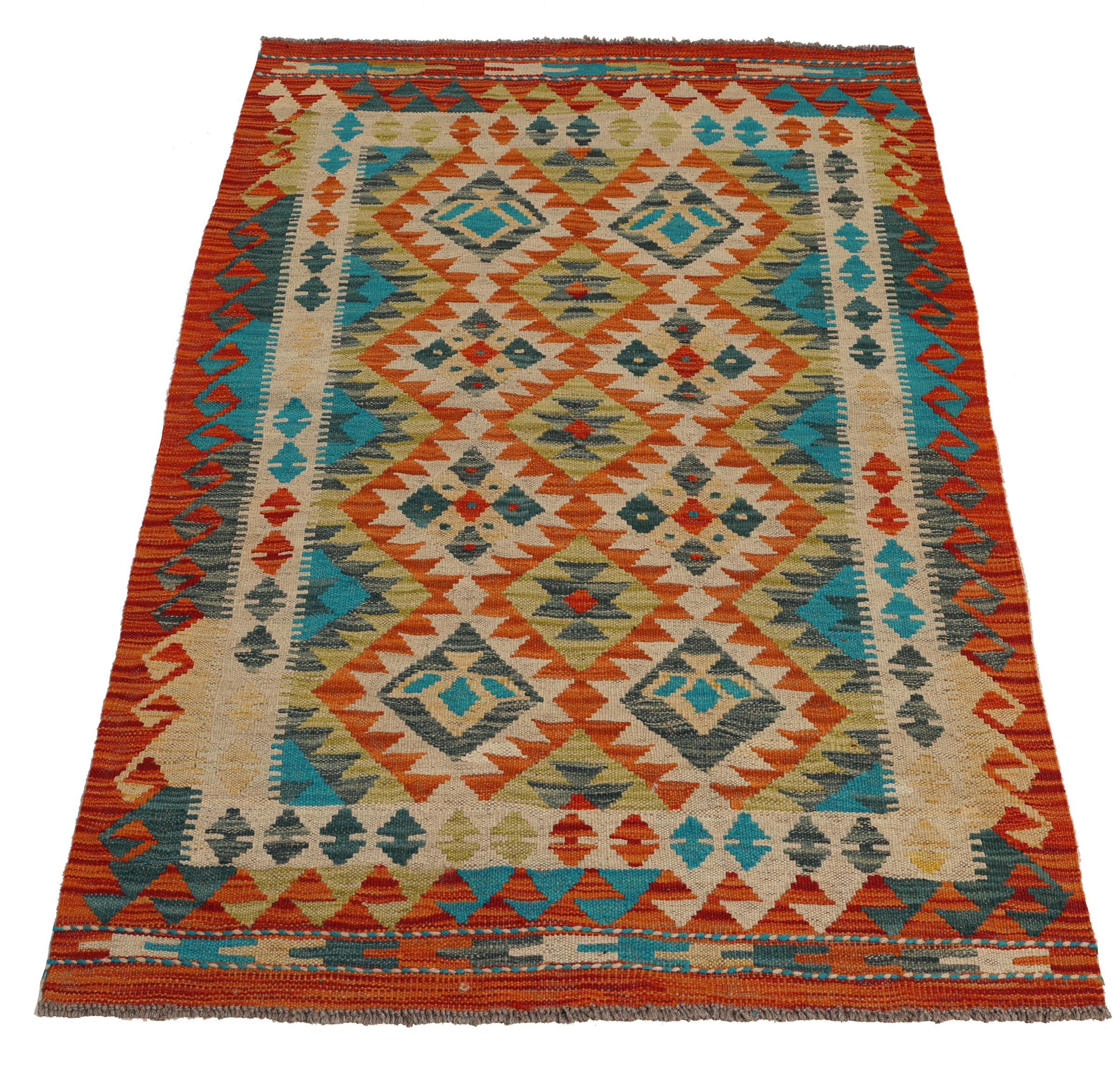
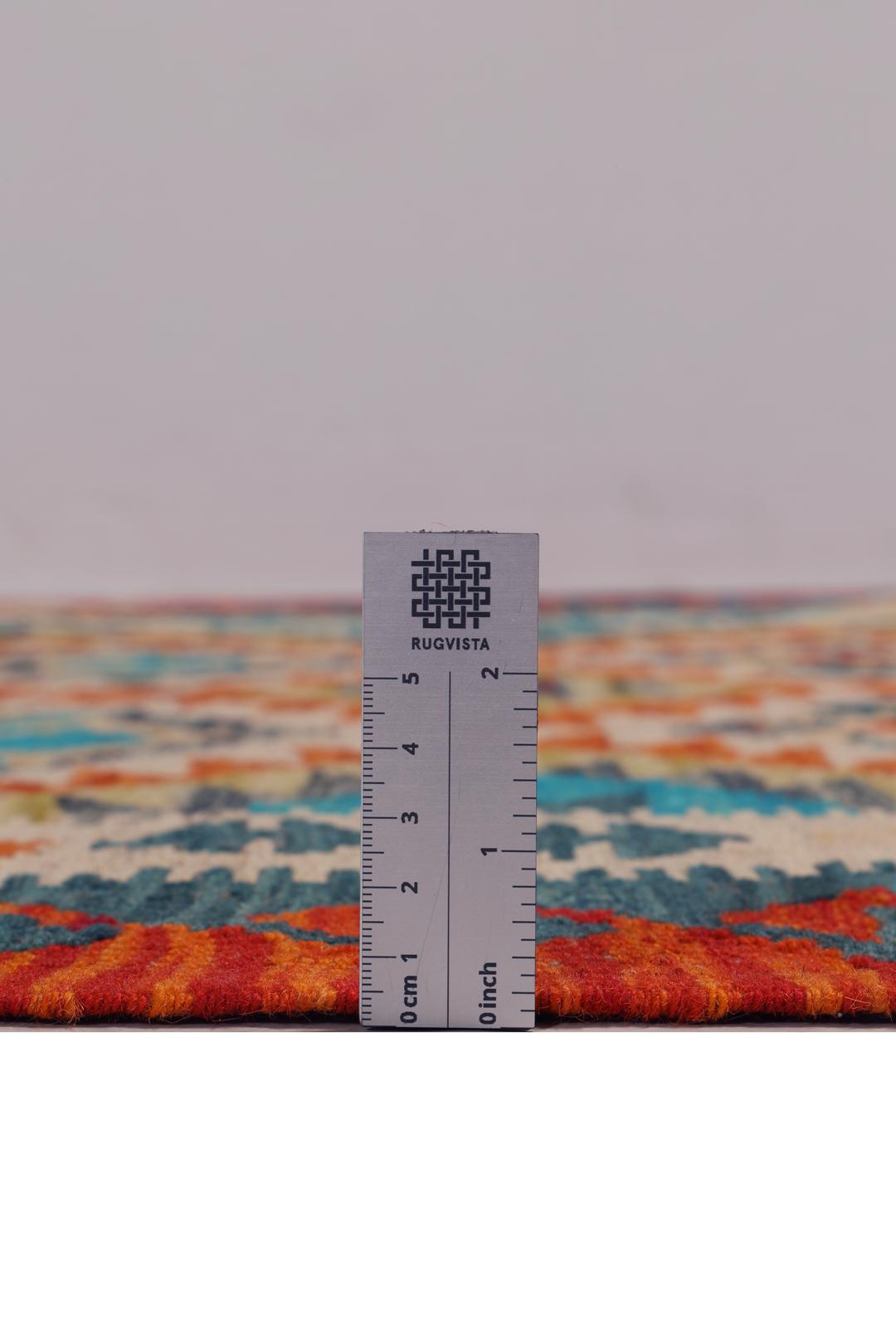
Kelim rugs from Afghanistan are deeply rooted in the nomadic traditions of the Middle East. These flat-woven textiles have historically served as essential, portable furnishings for tribal communities, used as floor coverings, blankets, and storage bags. The migration of these weaving techniques across the region has resulted in a style that is both functional and highly decorative, reflecting the needs of a mobile lifestyle.
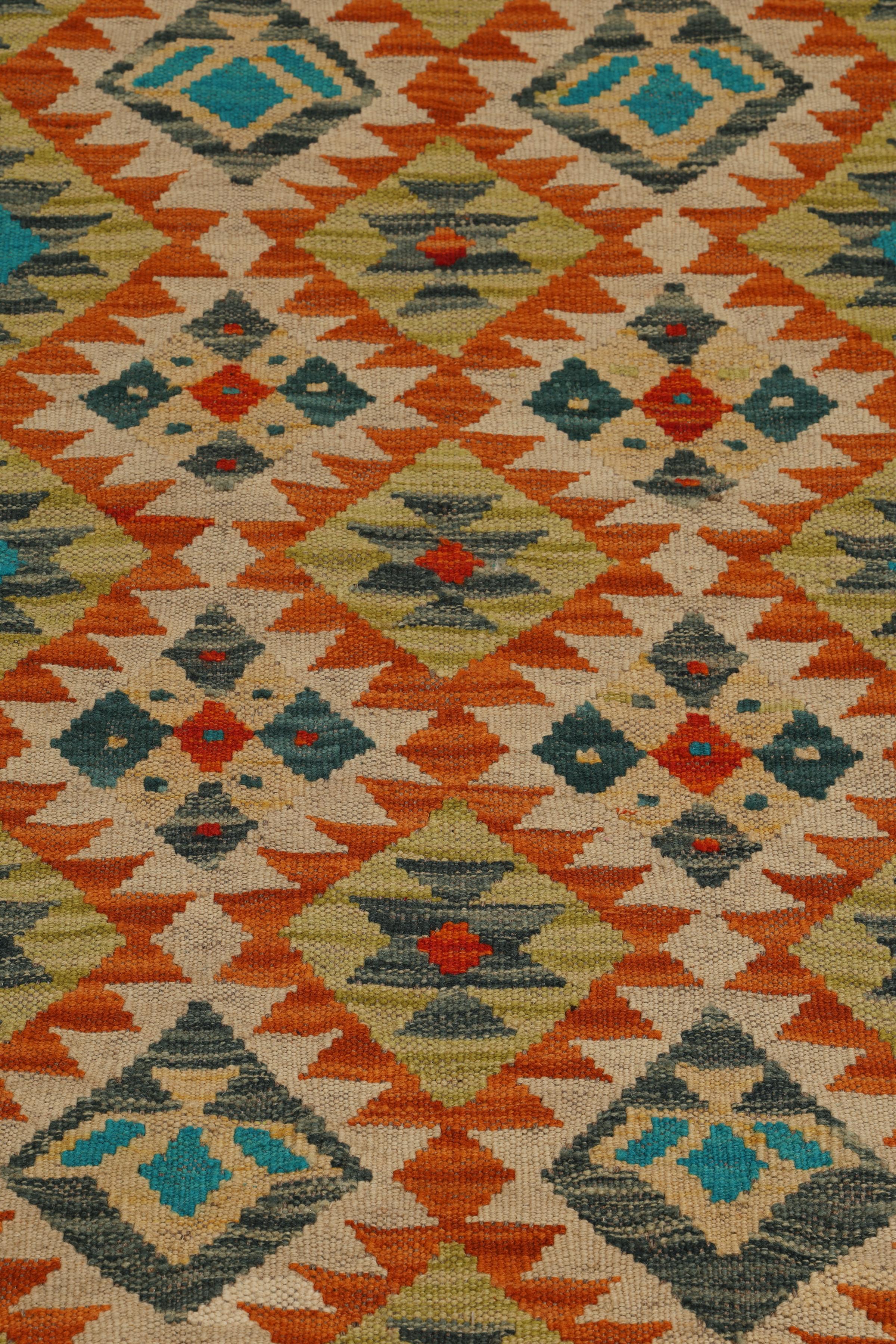
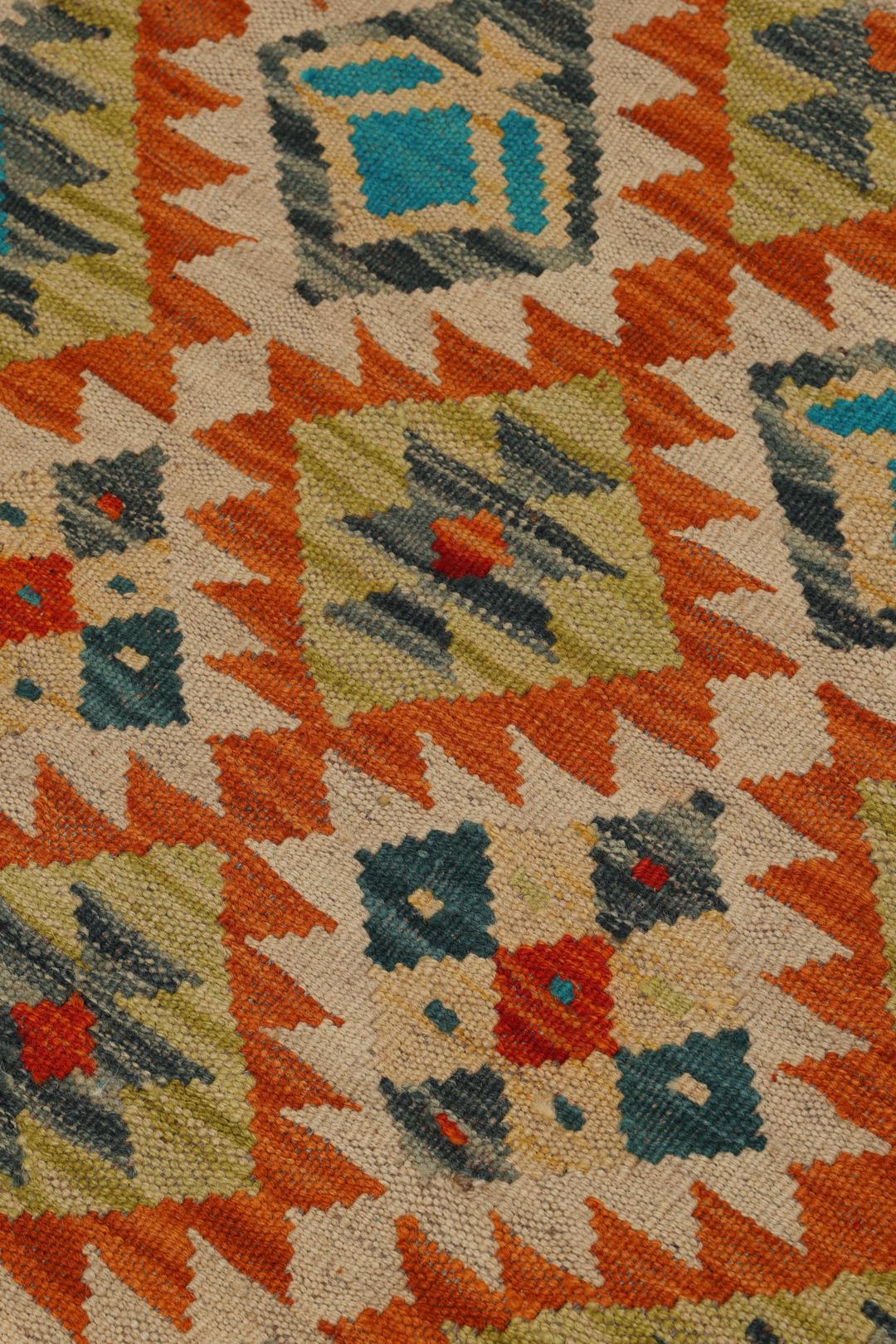
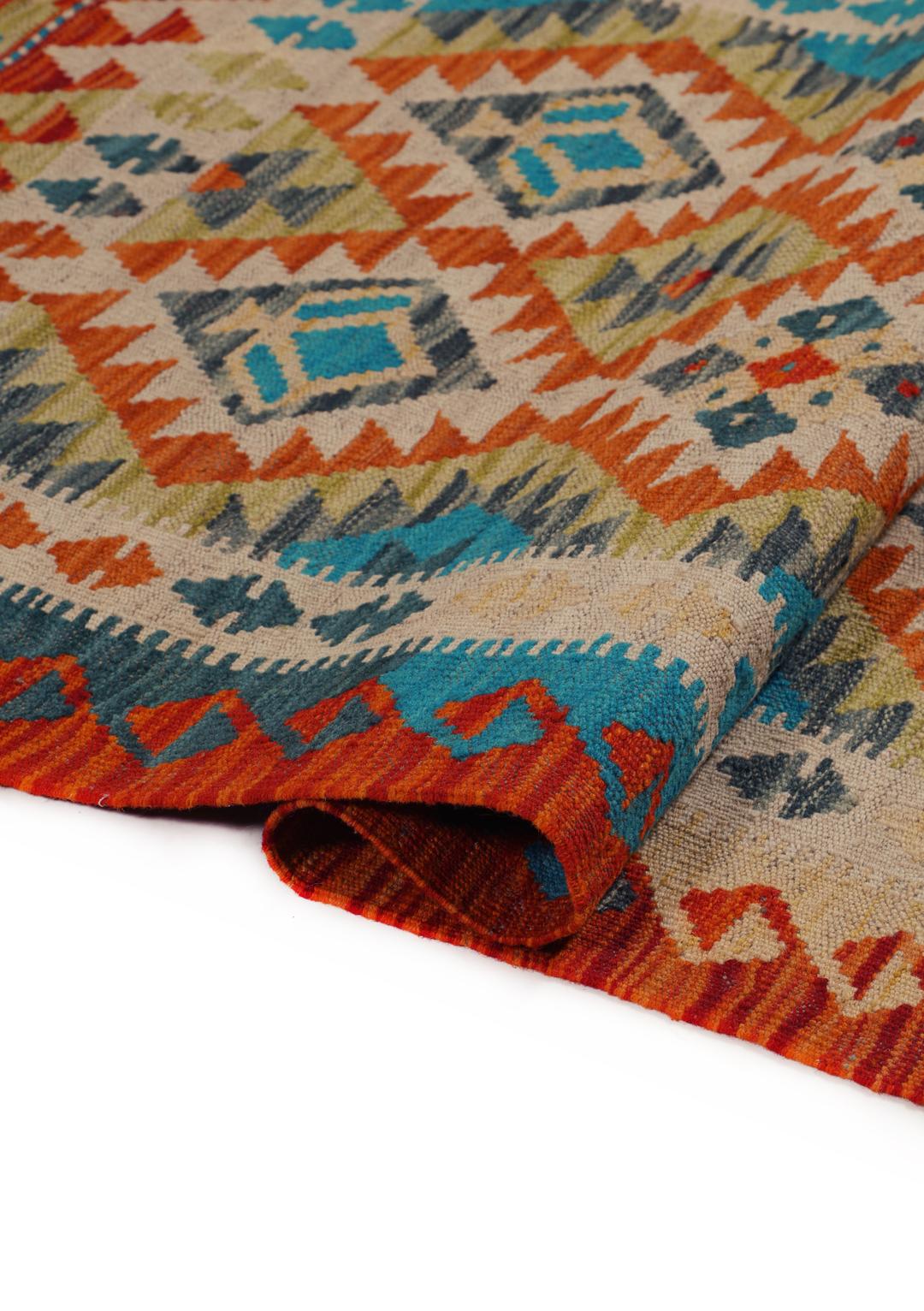
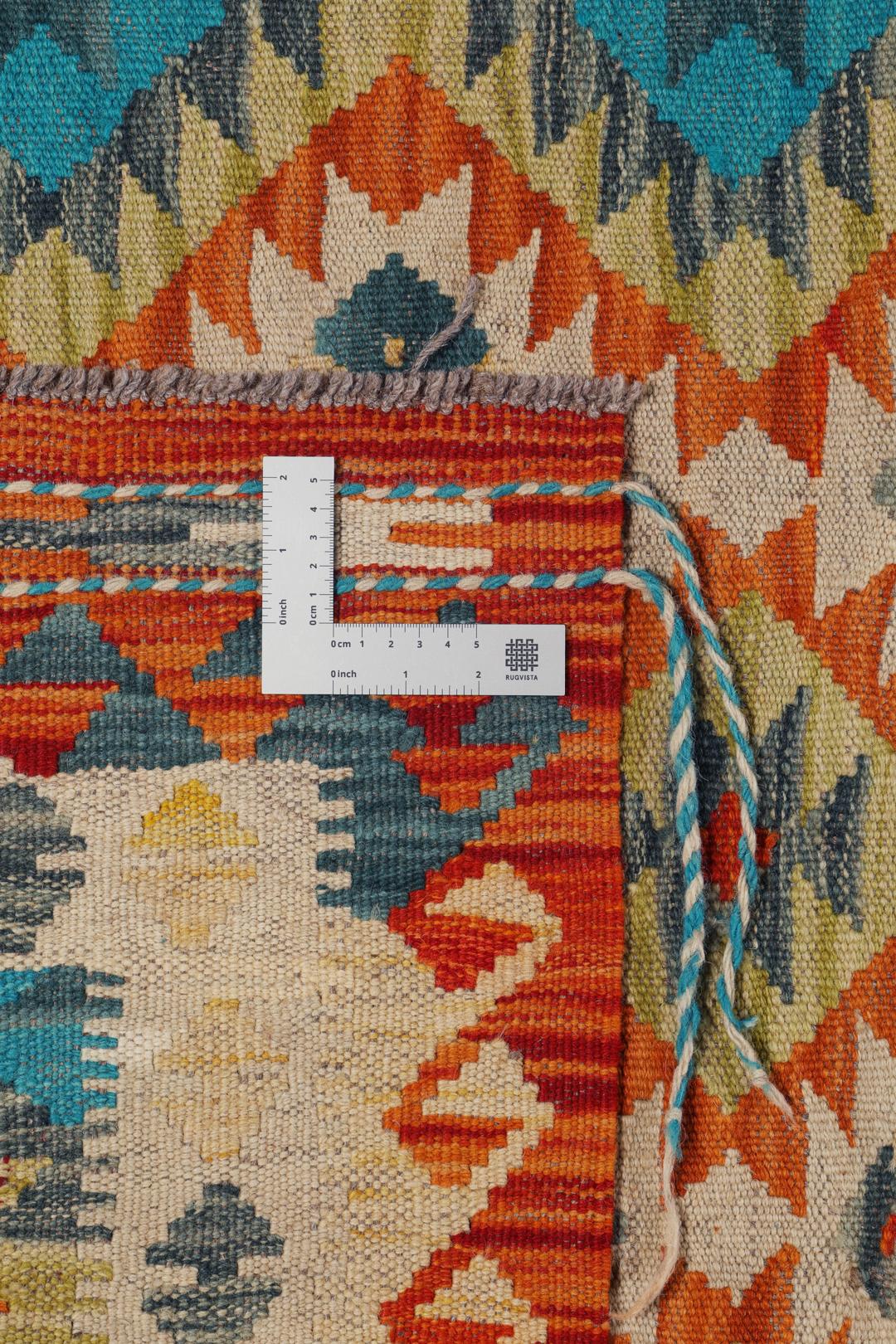
The term 'Kelim' refers to a specific tapestry-weave technique where the weft threads are woven tightly over the warp threads to create a flat, pileless surface. This construction method is what gives these rugs their signature durability and crisp pattern definition. Because there is no pile, the rug's longevity relies entirely on the quality of the Wool and the tightness of the weave, making these pieces exceptionally resilient for high-traffic areas.
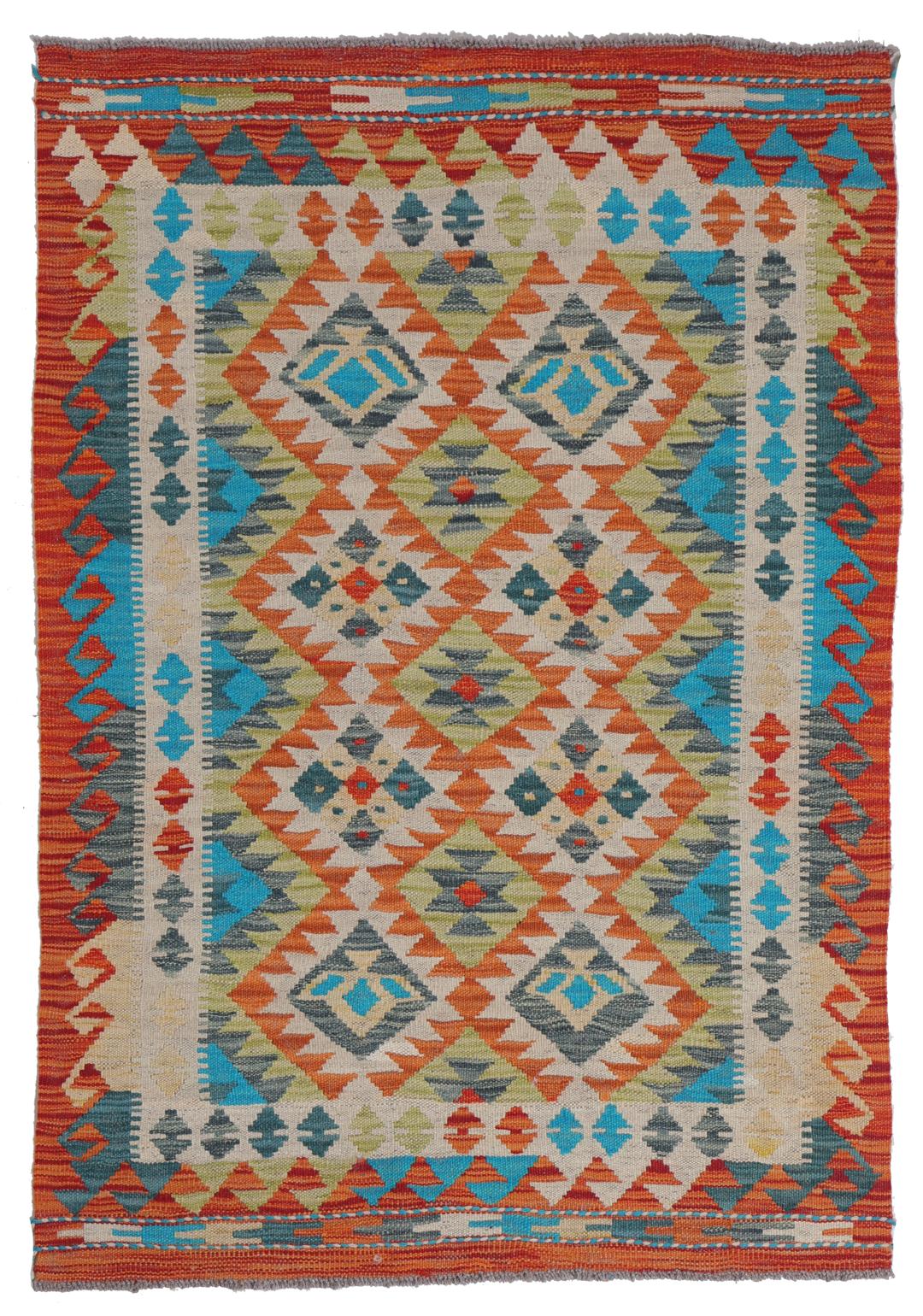
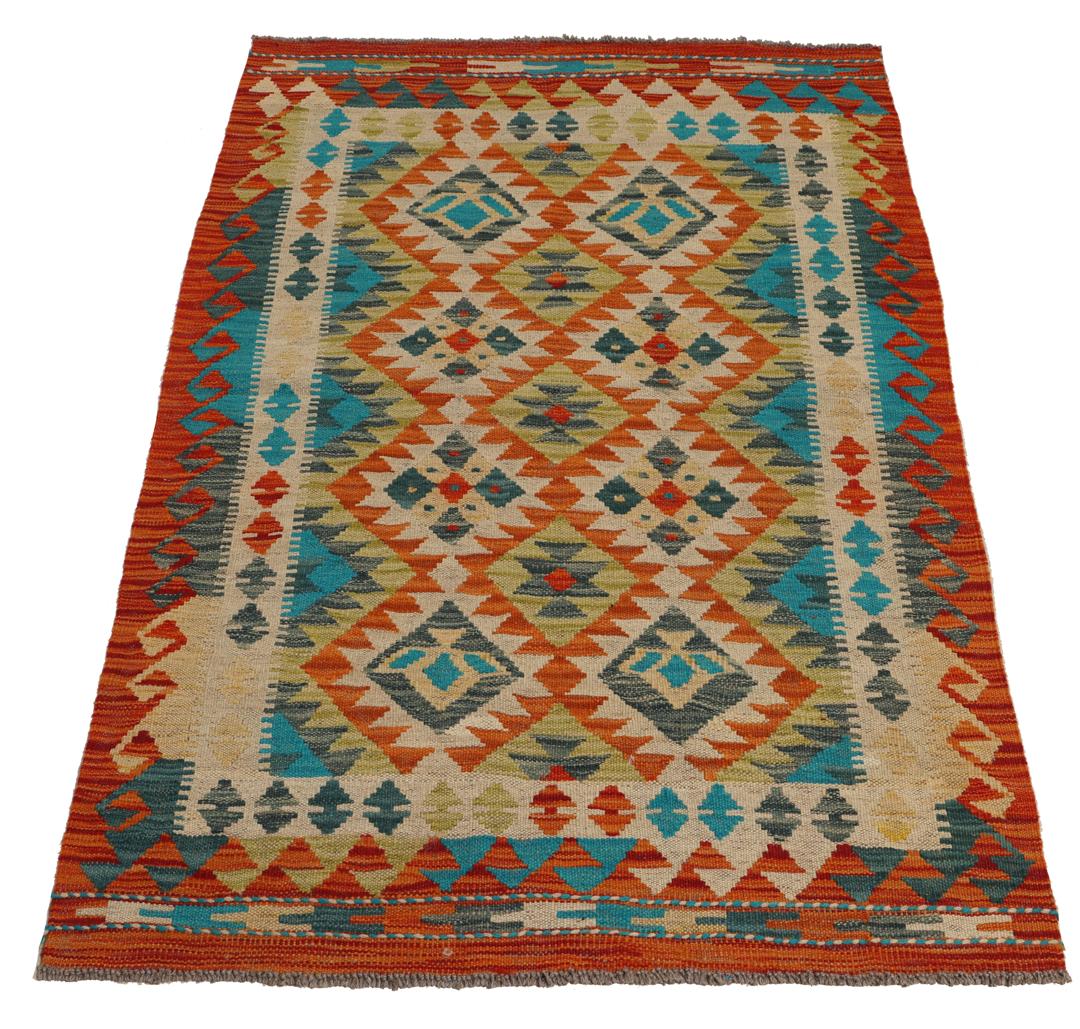
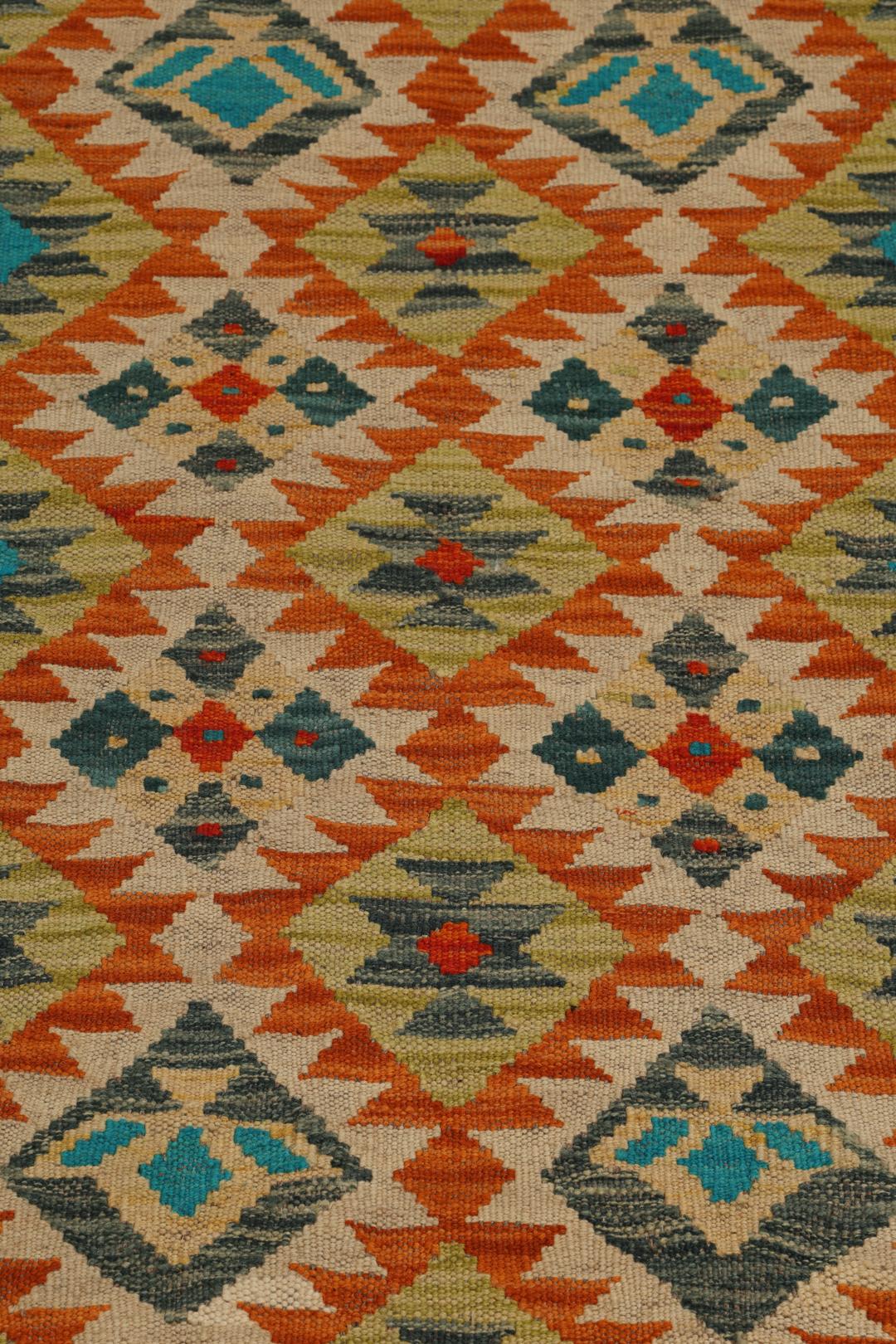
Visually, these rugs are defined by bold geometric patterns and vibrant colour palettes, often featuring tribal motifs that have been passed down through generations. These designs are not merely decorative but often carry symbolic meanings related to protection, fertility, and the weaver’s heritage. The use of varied, contrasting tones in this particular piece highlights the traditional preference for strong, eye-catching compositions.
Collecting an Afghan Kelim is an investment in human skill and cultural heritage. Each piece represents a connection to a craft that has survived for centuries, resisting the influence of modern industrialisation. Owning such a rug means you are preserving a piece of history, celebrating the individual choices of a weaver, and adding a layer of authentic, artisanal quality to your home that mass-manufactured items simply cannot offer.